Global Influence
- Casa Batlló is globally recognized as one of Antoni Gaudí’s masterpieces, contributing to the international acclaim of Catalan modernism.
- The iconic building attracts over 1 million visitors annually, making it a significant contributor to Barcelona’s tourism industry and a popular destination for international travelers.
- Its unique architectural style and artistic elements have influenced global culture and art, providing inspiration for architects and artists worldwide.
- Casa Batlló has been involved in international events and collaborations, showcasing its global architectural significance and cultural impact.
Historical Impact
- Casa Batlló’s construction in the early 20th century coincided with a period of cultural and artistic renaissance in Barcelona, reflecting the city’s historical transformation.
- The building’s architectural significance lies in its innovative design, incorporating organic forms and intricate details that exemplify Gaudí’s unique style and vision.
- It has contributed to preserving and promoting Barcelona’s architectural heritage, symbolizing its rich history and artistic achievements.
- Notable historical figures associated with Casa Batlló include Antoni Gaudí, the renowned architect, and the Batlló family, for whom the house was originally built.
Preservation Efforts
- Current preservation projects focus on maintaining the structural integrity and historical authenticity of Casa Batlló, ensuring its long-term conservation for future generations.
- Organizations such as the Casa Batlló Foundation are actively involved in preservation efforts, overseeing restoration initiatives and educational programs to raise awareness about the building’s cultural significance.
- Funding for preservation is sourced from a combination of private donations, corporate sponsorships, and government support, demonstrating a collective commitment to safeguarding this architectural gem.
- The local community actively participates in preservation efforts through volunteer programs, guided tours, and public engagement activities, fostering a sense of ownership and pride in preserving Casa Batlló.
Historical Significance
Casa Batlló, a renowned architectural masterpiece in Barcelona, was established in 1877 by architect Antoni Gaudí. The building underwent a significant transformation in the early 20th century when Gaudí was commissioned to renovate it. The historical background of Casa Batlló is intrinsically linked to Gaudí’s innovative approach to architecture and his contribution to the Catalan Modernisme movement.
Cultural Importance
Casa Batlló holds immense cultural significance within Barcelona and beyond. Its influence on local traditions and arts is profound, as it exemplifies the Catalan Modernist style, contributing to the city’s unique architectural landscape. The building’s artistic and architectural value has symbolized Barcelona’s cultural identity, attracting visitors worldwide and inspiring artists and architects alike.
Architectural Style
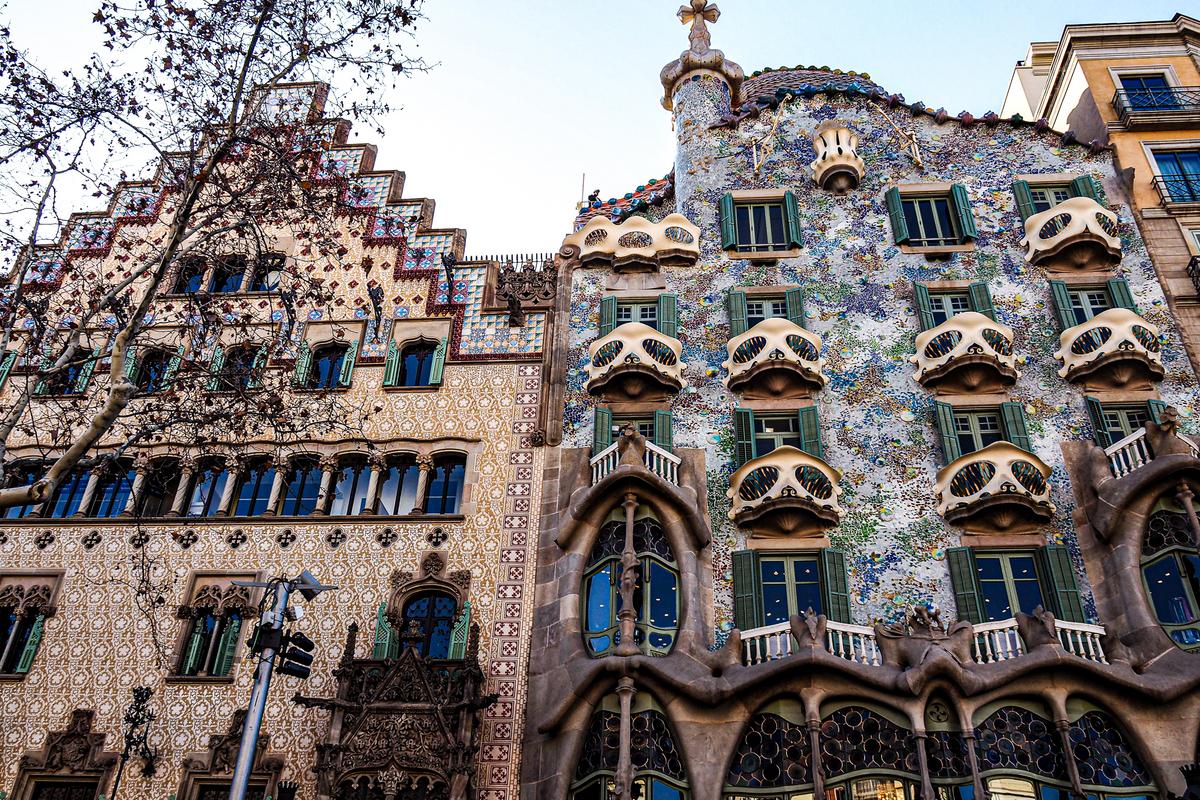
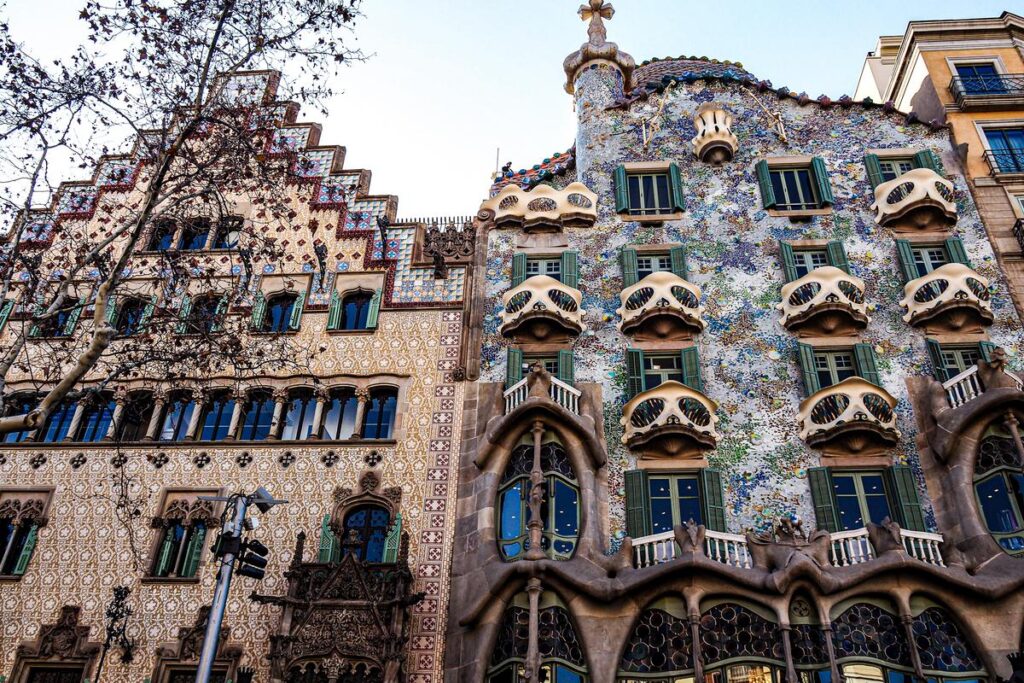
Casa Batlló represents the epitome of Catalan Modernist architecture, characterized by its organic shapes, intricate details, and vibrant use of color. The building’s façade, with its undulating lines and mosaic-like surface, is a testament to Gaudí’s inventive and whimsical design approach. The interior features fluid, flowing spaces, and abundant natural light, creating a harmonious and immersive architectural experience.
Visitor Experience
Visitors to Casa Batlló can expect an enriching experience. Guided tours provide insights into the building’s history, design, and cultural significance. Special exhibitions and interactive activities often enhance the visitor experience, offering a deeper understanding of Gaudí’s visionary approach to architecture. The general ambiance is one of awe and inspiration as visitors marvel at the building’s unique beauty and artistic ingenuity.
Accessibility and Amenities
Casa Batlló is accessible to many visitors, including families and individuals with disabilities, with provisions for wheelchair access and other accommodations. The building offers amenities such as restrooms, a café, and a gift shop, ensuring a comfortable and convenient visit for all guests.
Best Time to Visit
- Early Morning (9 AM—11 AM): Visiting Casa Batlló right after it opens allows for a less crowded experience, with the added benefit of seeing the façade illuminated by the morning sunlight.
- Late Afternoon (4 PM – 6 PM): During these hours, crowds tend to be thinner, providing a more relaxed atmosphere to explore the intricate details of Gaudí’s design.
- Evening Visits (8 PM – 10 PM): The evening hours often have fewer visitors, allowing for a quieter and more contemplative visit, and the building is beautifully lit, enhancing the visual experience.
Ratings and Reviews
The general consensus among reviewers and visitors is overwhelmingly positive, with praise for Casa Batlló’s architectural splendor, historical significance, and the immersive nature of the visitor experience. Common praises include the building’s unique design elements, the informative guided tours, and the overall sense of wonder it evokes. Some visitors note the high admission fees as a potential drawback, but most agree that the experience is well worth it. Casa Batlló stands out as a must-visit attraction, setting a high standard for architectural landmarks in the area.
Photographic Opportunities
Casa Batlló offers numerous photogenic spots, both inside and outside the building. The vibrant façade, with its colorful mosaic tiles and sculpted balconies, provides a stunning photo backdrop. Inside, the organic shapes, intricate details, and play of light create captivating photographic opportunities. Sunset is often recommended for capturing the building’s exterior in the best light, while the interior’s unique features offer compelling photo opportunities throughout the day.
- Universal Appeal and Cultural Authenticity (Rating: 95)
- Casa Batlló is a quintessential symbol of Catalan Modernism, masterfully crafted by Antoni Gaudí. Its unique architecture, profound artistic elements, and vivid colors capture the essence of Barcelona’s cultural identity, making it a globally recognized landmark.
- The building’s intricate design, inspired by natural forms, resonates with visitors from around the world, highlighting the universal appeal of Gaudí’s vision while maintaining local cultural authenticity.
- Cultural Richness and Educational Value (Rating: 90)
- Casa Batlló offers a wealth of cultural insights, providing visitors with an immersive experience into the world of Gaudí and Catalan Modernism. Guided tours and interactive exhibits deepen the educational value, although some visitors desire more historical context.
- The building serves as an inspirational hub, shedding light on Barcelona’s architectural evolution and the cultural movements that shaped it, thereby enriching visitors’ understanding of the city’s artistic heritage.
- Preservation and Integrity (Rating: 85)
- Ongoing preservation efforts ensure that Casa Batlló retains its structural integrity and historical authenticity. Projects overseen by organizations such as the Casa Batlló Foundation showcase a strong commitment to conservation.
- However, certain areas under renovation and high admission fees have been noted as detracting aspects, with some visitors expressing concerns about the commercial elements introduced into the experience.
- Accessibility and Visitor Engagement (Rating: 80)
- Casa Batlló is committed to accessibility, offering provisions for wheelchair access and amenities that cater to a wide range of visitors. Its interactive audio guides and immersive activities enhance engagement, providing a memorable visitor experience.
- Despite these efforts, an array of tiered ticket options and occasional crowd congestion can impact the overall visitor experience. Ensuring a seamless and inclusive visit for all remains an ongoing challenge.