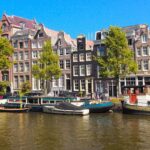
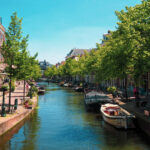
Is Amsterdam safe? For most visitors, yes. Amsterdam is generally manageable with normal city precautions, but it is not risk-free. The problems most often flagged by official guidance are pickpocketing in crowded places, theft on airport trains and trams, drink spiking, fast bicycle traffic, tram tracks, and falls near canals.
The useful question is not simply whether Amsterdam is “safe” or “dangerous.” It is where visitors are most exposed, what mistakes create avoidable risk, and what to do if something goes wrong. This guide answers those questions using current official sources and my experience living in Amsterdam.
Last fact-checked: August 14, 2026. Safety conditions and public rules can change, so check official guidance again before departure.
I have lived in Amsterdam for several years and took the photographs in this guide. I have walked through De Wallen many times and have never personally felt threatened there. That is one resident’s experience, not proof that theft, harassment, or dangerous behavior never happens, so I have paired local observations with current police, city, and government guidance.
Kyle Kroeger, ViaTravelers
Amsterdam safety: key takeaways
- Official advisories support ordinary travel with normal precautions, but crowded transport hubs and nightlife areas require more attention than quiet residential streets.
- Pickpocketing and bag theft are the clearest visitor-specific crime risks, especially around Amsterdam Centraal, on trains and trams serving Schiphol, and in busy cafés, bars, restaurants, and events.
- Bike lanes, trams, and canals are everyday hazards. Visitors often focus on crime and underestimate Amsterdam’s traffic patterns and unguarded water edges.
- There is no useful tourist “no-go” list. The city’s own safety data shows that heavily visited central districts can record more crime and nuisance than neighborhoods sometimes unfairly labelled unsafe.
- Call 112 for an immediate emergency and 0900-8844 for non-urgent police help inside the Netherlands.
| Concern | Where or when it matters most | Best practical response |
|---|---|---|
| Pickpocketing and bag theft | Centraal Station, airport trains, crowded trams, cafés, bars, festivals, and De Wallen | Use a zipped bag, keep your phone out of a back pocket, and never hang valuables behind your chair |
| Bicycle and tram traffic | Crossings, red bike lanes, narrow streets, and tram tracks | Stay on the pavement, look both ways, and cross only when the bike lane is clear |
| Canal falls | Unguarded edges, dark streets, and after drinking | Keep a deliberate distance from the water and do not sit or walk backward near an edge |
| Nightlife risks | Busy bars, clubs, nightlife squares, and late-night streets | Control your drink, avoid street drugs, and decide how you will get home before going out |
| Fake police or unofficial taxis | Tourist-heavy streets and transport hubs | Offer to continue at a police station and use a certified taxi with a blue plate and visible permit |
| ATM and payment issues | Cash machines and public transport check-in points | Use a clearly branded Geldmaat, shield your PIN, review fees, and use the same card or device to check in and out |
How safe is Amsterdam right now?
Current official guidance supports a balanced answer. Australia’s Netherlands travel advisory tells visitors to exercise normal safety precautions. The UK government’s safety guidance for the Netherlands gives more specific warnings about pickpocketing, bag-snatching, fake police, street drug sellers, and drink spiking in Amsterdam.
Statistics Netherlands reported that Amsterdam police registered 63 traditional crimes per 1,000 residents in 2025, the highest rate among Dutch municipalities. That figure needs context: it is a police-recorded rate using residents as the denominator, not a tourist victimization rate, and Amsterdam absorbs a large daily population of commuters and visitors. It should not be converted into a claim that 6.3% of travelers will experience crime. The full CBS 2025 crime update is more useful than an unsupported “safest city” label.
The City of Amsterdam safety dashboard adds important neighborhood context. Its 2025-2 data places the Burgwallen areas around De Wallen much higher on recorded criminality and nuisance than Bos en Lommer, while conditions vary considerably within Nieuw-West. That is why this guide does not repeat broad claims that entire western districts are dangerous.
You may also see Amsterdam’s sixth-place result in the Economist Intelligence Unit’s Safe Cities Index repeated online. That index was published in 2021. It is useful historical context, but it is not a live 2026 safety score and should not be treated as one.
The Netherlands’ national terrorism threat level is currently classified as “substantial,” level 4 of 5, by the National Coordinator for Security and Counterterrorism. This is a national assessment, not a prediction about a particular Amsterdam neighborhood. Stay aware of official alerts and follow instructions from authorities without letting a national threat level dominate ordinary trip planning.

Are there dangerous areas in Amsterdam to avoid?
Most travelers do not need a neighborhood blacklist. There are places where you should be more alert because of crowding, nightlife, or an unfamiliar late-night route, but Amsterdam does not have a simple set of tourist no-go districts. Choose accommodation based on the walk from transit, lighting, staffed reception, recent guest reviews, and how you plan to return at night. Our guide to where to stay in Amsterdam can help you compare locations.
Amsterdam Centraal and the Schiphol transit corridor
Amsterdam Centraal is busy, not inherently lawless. The practical problem is that arriving travelers are tired, checking directions, moving luggage, and handling phones or wallets. Official UK guidance specifically warns that thieves operate around the station and on trains and trams between Schiphol and the center, sometimes using one person to distract a traveler while another takes a bag.
Before the train arrives, close every zipper and decide where your phone, passport, and payment card will go. Do not leave a suitcase at the carriage door while you search for a seat. In a café or restaurant near the station, keep your bag on your lap, between your feet, or secured to the chair in front of you rather than hanging behind you.

De Wallen and the Red Light District
Amsterdam’s Red Light District is usually crowded, visible, and easy to reach. The main visitor risks are distraction theft, intoxicated behavior, street drug sellers, and poor judgment late at night—not that every person entering the district faces violence.
I have walked through De Wallen many times while living in Amsterdam and have not personally felt unsafe. I still keep my phone put away in tight crowds, avoid street dealers, and leave if the atmosphere becomes aggressive. Do not photograph sex workers, do not block narrow streets, and remember that this is a working residential neighborhood rather than a theme park.

Bos en Lommer, Nieuw-West, and outer districts
Bos en Lommer and Nieuw-West should not be described as blanket “unsafe areas.” Amsterdam’s official dashboard shows Bos en Lommer below the central tourist districts on its criminality index, and Nieuw-West contains areas with materially different results. Visitors staying outside the center should focus on the last part of the journey: know which tram, metro, or bus you will use, check the walk from the stop, and avoid wandering through an unfamiliar park or industrial stretch after service ends.
Late at night
Amsterdam does not shut down after dark, and there is no reason to avoid all evening activity. Risk rises when crowds, alcohol, unfamiliar routes, and exposed valuables overlap. Around nightlife areas, keep enough battery to navigate, avoid sleeping on public transport, and use a licensed taxi or established ride-hailing service if the final walk feels wrong. Trusting your judgment is not an admission that an entire neighborhood is dangerous.
The safety risks visitors are most likely to encounter
Pickpocketing, phone theft, and distraction tactics
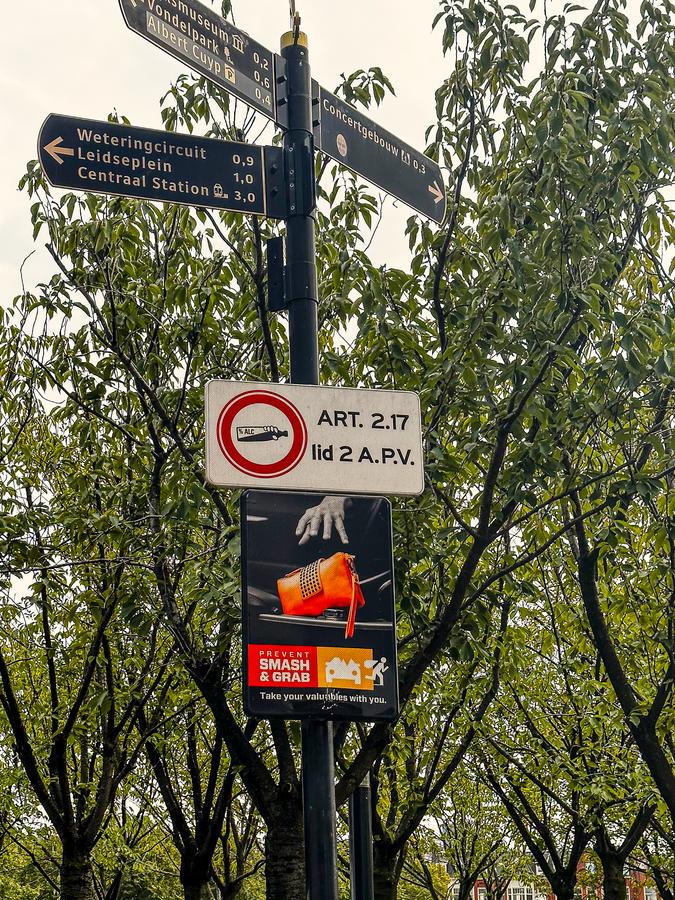
The official I amsterdam safety guide warns that pickpockets can work in teams in crowded cafés, bars, restaurants, and events. Common distractions include bumping into you, touching you, asking for directions, or creating a commotion while an accomplice reaches for a phone or bag.
- Keep your phone out of an open coat pocket or rear trouser pocket.
- Close your bag before boarding a tram or train, not after the doors open.
- Separate your passport, primary card, and backup card rather than storing everything in one wallet.
- Do not place a phone on the edge of a café table or leave a bag on the back of a chair.
- Record your phone’s IMEI number and enable its location and remote-lock features before traveling.
A zippered crossbody or front-worn sling is easier to monitor than an open tote or loosely worn backpack in a crowd. It is not theft-proof, so the zipper and your attention matter more than the brand.
Affiliate disclosure: ViaTravelers may earn a commission from qualifying purchases made through some links, at no extra cost to you. Recommendations are based on practical fit for the situation, not commission size.
Fake police and unofficial taxis
A scammer may claim to be a plain-clothes police officer and ask to inspect your cash or bank card. Do not hand over either. Say you will continue the conversation at a police station or call 0900-8844. A legitimate officer may request identification in an appropriate situation, but should not need to “verify” your cash.
The City of Amsterdam’s taxi guidance says certified taxis have a blue number plate, roof light with a company name and taxi number, taximeter, and visible driver permit. Use an official taxi stand, confirm the vehicle before entering, and keep the printed or digital receipt.
Bicycles, trams, and walking safely
For many first-time visitors, bicycles are the most immediate hazard. A red-paved lane is a traffic lane, not extra pavement or a place to stop for a photograph. Look in both directions before crossing because bikes, e-bikes, scooters, and cargo bikes can approach quickly and quietly. Trams also have long stopping distances and may appear from behind you on shared streets.
If you rent a bicycle, follow the local cycling rules: use the correct lane, obey lights, signal turns, use lights after dark, and cross tram rails at a clear angle so a wheel does not become trapped. A nervous rider is often safer starting outside rush hour or joining a guided ride rather than learning in the busiest center junctions.
Canals and cold water
Many canal edges have no full barrier. The drop can be difficult to judge at night, and high walls make it hard to climb out. Keep a deliberate distance from the water when drinking, do not walk backward for a photograph, and do not sit with your balance depending on a low railing or mooring post. If someone falls in and cannot get out, call 112 rather than entering the water impulsively.
Nightlife, drink spiking, and street drugs
Control your own drink, do not accept an open drink from a stranger, and do not leave it unattended. If you suddenly feel far more impaired than expected, tell bar staff or a trusted person, move to a staffed place, and seek medical or police help. Never buy drugs from street dealers; products may be misrepresented or contaminated, and the interaction itself exposes you to theft or intimidation.
Amsterdam also has mapped public-space restrictions. In designated areas, the city can prohibit drinking alcohol in the street, carrying an open alcoholic drink, smoking cannabis, or other behavior. Check the City of Amsterdam’s current prohibition-area map and follow signs on the ground.
ATMs, cards, and public transport payments
Use a clearly branded yellow Geldmaat in a well-lit location, shield the keypad, reject help from strangers, and review the amount and fee before confirming. Geldmaat accepts widely used debit and credit cards. Its current FAQ says foreign-issued cards can incur a service fee starting at €4.50, and your own bank may charge separately, so cash is not always the cheapest option.
Most everyday purchases can be made by card or contactless payment. With OVpay, you can check in and out of public transport using a contactless debit card, credit card, phone, or other supported device. Use the same physical card or device for both taps; a phone wallet and the physical card linked to it may be treated as different payment methods.

Carrying identification
People aged 14 and older must be able to show valid identification when an authorized official has a proper reason to request it. The Dutch government’s identification guidance explains the accepted documents and possible consequences of failing to identify yourself. Carry your valid original document securely and keep a separate digital or paper backup for replacement purposes; a copy does not replace the original when formal identification is required.
Is Amsterdam safe for solo travelers and women traveling alone?
Amsterdam is generally workable for solo travel because the central city is compact, public transport is extensive, and busy areas remain active into the evening. Solo travel still removes a layer of backup: no one else is watching your bag, noticing that a drink tastes wrong, or checking that you arrived.
- Save your accommodation address offline and check the final walking route before going out.
- Tell someone your plan or share a live journey when returning late.
- Sit near other passengers or the driver on a quiet late-night vehicle.
- Leave a bar, street, or vehicle when the situation feels wrong; you do not owe a stranger politeness.
- Keep enough battery and payment access for an unplanned taxi or route change.
Women traveling alone should pay particular attention to drink control and unwanted attention around nightlife, but the advice should not imply that harassment is the traveler’s fault. The person causing harm is responsible. These precautions are simply tools that preserve options and make it easier to leave. For broader destination ideas, see our guide to the best places to travel alone.
LGBTQI+ safety in Amsterdam
Amsterdam has a visible LGBTQI+ community, longstanding legal protections, Pride events, queer venues, and support organizations. That reputation does not make discrimination or violence impossible. Use the same situational awareness you would in any major city and report harassment, discrimination, or assault rather than dismissing it as part of travel.
I amsterdam’s LGBTQI+ safety resources list Roze in Blauw, a specialized police network supporting LGBTQI+ victims of discrimination, violence, and hate crimes. The contact number is +31 (0)88 169 1234. Call 112 when there is immediate danger.

Are hostels in Amsterdam safe?
Many Amsterdam hostels are professionally run, but safety is not permanent or guaranteed by a familiar brand name. Check current reviews and operating details close to your stay. A secure property with a slightly longer tram ride can be a better choice than a party hostel whose location encourages an impaired walk home beside canals.
- Confirm that lockers are large enough for your valuables and ask whether you need your own padlock.
- Prefer staffed reception, controlled entry, and clear late-arrival procedures.
- Read the newest reviews for theft, door access, bathroom security, noise, and staff response—not only the average score.
- Keep your passport, cards, and medication locked rather than loose in a dorm bed or charging area.
- Check the route from the nearest night transit stop before booking.
Our guide to the best hostels in Amsterdam compares options, but recheck recent reviews and security features before paying because staffing and conditions can change.


My practical Amsterdam safety checklist
- Zip away your phone before entering a crowd. Centraal, busy trams, festivals, and De Wallen are not the places for an open back pocket.
- Treat every bike lane as active traffic. Look both ways and never stop in the lane to read a map.
- Keep distance from canal edges after drinking. A beautiful backdrop can become a serious hazard in one backward step.
- Use the same card or device for transit check-in and check-out. Keep a backup payment method separate.
- Control your drink and avoid street drugs. Ask venue staff for help as soon as you feel unexpectedly unwell.
- Verify taxis before entering. Look for the blue plate, roof light, meter, and visible permit.
- Carry valid identification securely. Store a backup copy separately for replacement, not as a substitute for the original.
- Plan the return route before nightlife. Check the last tram or metro and preserve enough phone battery for a change of plan.
- Know the emergency numbers. Save 112 and 0900-8844 rather than searching under stress.
- Respect local rules and residents. Noise, public urination, street drinking in restricted zones, and photographing sex workers are not harmless tourist behavior.
For broader planning, including transit, etiquette, and common first-visit mistakes, review these Amsterdam travel tips. Before departure, also review your health and theft coverage. Providers such as SafetyWing and VisitorsCoverage are examples to compare, not guarantees of payment; read exclusions, limits, deductibles, and claims requirements.
What to do if something goes wrong

| Situation | Contact | When to use it |
|---|---|---|
| Immediate emergency | 112 | Police, ambulance, or fire when there is immediate danger or every second matters |
| Non-urgent police help in the Netherlands | 0900-8844 | Report or discuss a non-emergency, ask for guidance, or book a police-station appointment |
| Netherlands Police from abroad | +31 343 57 8844 | Contact Dutch police when calling from outside the Netherlands |
| Report crime anonymously | 0800-7000 | Provide information without giving your identity |
| City of Amsterdam | 14 020 From abroad: +31 20 624 1111 | Municipal questions, lost-and-found direction, and public-space issues |
| Roze in Blauw | +31 (0)88 169 1234 | Specialized police support for LGBTQI+ discrimination, violence, or hate crime |
The Netherlands Police contact page confirms the emergency, non-emergency, and anonymous reporting numbers. Tourists who need to make a formal report should go to the nearest police station with identification and can call ahead for an appointment. Report a stolen passport to the police and contact your embassy or consulate for replacement instructions.

Low-stress ways to explore Amsterdam
No attraction is completely risk-free, but some experiences reduce navigation pressure and keep you in staffed, structured environments. They are useful on a first day, when jet lag and unfamiliar traffic can make poor decisions more likely.


- Take a canal cruise: A staffed cruise helps you understand the city’s layout without immediately navigating bicycle traffic. Compare the best canal cruises in Amsterdam.
- Visit a museum: Museums provide secure indoor time and staffed facilities. Use our guide to museums in Amsterdam to choose by interest and location.
- Explore ARTIS: The zoo is a structured option for families and travelers who want a slower day outside the busiest tourist streets.
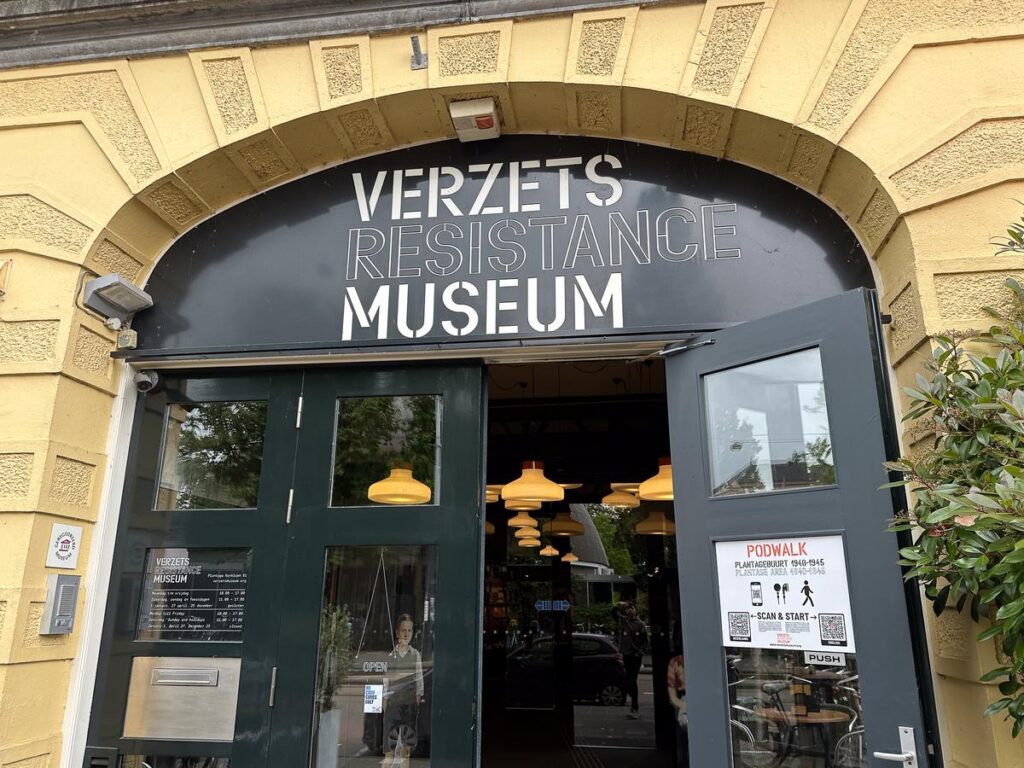
- See the Verzetsmuseum: The Dutch Resistance Museum explains life under occupation through personal stories and multimedia. Check current ticket availability before going.
Frequently asked questions
Is Amsterdam safe for tourists?
Yes. Current official travel advice supports ordinary visits with normal precautions. The main practical risks are pickpocketing, bag theft, drink spiking, bicycle and tram conflicts, and falls near canals.
Is Amsterdam safe at night?
Most central areas remain busy at night, but risk increases when crowds, alcohol, unfamiliar routes, and exposed valuables overlap. Plan your route home, control your drink, keep away from canal edges, and use a licensed taxi when the final walk feels unsafe.
Is Amsterdam’s Red Light District safe?
De Wallen is generally busy and accessible, but pickpocketing, intoxicated behavior, street drug sellers, and crowding require attention. Keep valuables zipped away, avoid street dealers, do not photograph sex workers, and leave if the atmosphere becomes aggressive.
Are there areas of Amsterdam tourists should avoid?
There is no useful blanket no-go list for tourists. Central tourist districts can record more crime and nuisance than neighborhoods sometimes labelled unsafe. Judge a location by the route from transit, lighting, current accommodation reviews, and your late-night plan.
Is Amsterdam safe for solo female travelers?
Amsterdam is generally manageable for women traveling alone, but solo travelers should control their drinks, share a late-night route, keep enough battery and payment access for a change of plan, and leave any situation that feels wrong.
Is it safe to use an ATM in Amsterdam?
Yes, when you use a clearly branded Geldmaat in a well-lit location, shield your PIN, reject help from strangers, and review all fees before confirming. Foreign-issued cards may incur a Geldmaat service fee and a separate issuer fee.
What is the emergency number in Amsterdam?
Call 112 for an immediate police, ambulance, or fire emergency. For non-urgent police help inside the Netherlands, call 0900-8844. From outside the Netherlands, the Dutch police number is +31 343 57 8844.
The bottom line
Amsterdam is safe enough for normal tourism, solo trips, nightlife, and family visits when you use ordinary city judgment. The most avoidable problems come from crowded transit, exposed phones and bags, unfamiliar bike traffic, alcohol near canals, and accepting help or offers from the wrong person. Attention is more useful than fear.
Once your safety basics are set, plan an efficient route with our two-day Amsterdam itinerary or decide how many days you need in Amsterdam.