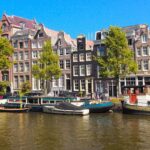
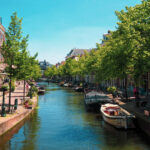
Amsterdam is the capital of the Netherlands, known for its historic canal network, artistic heritage, and cycling culture. The best things to do in Amsterdam include visiting the Rijksmuseum, touring the Anne Frank House, and taking a canal cruise. Most top attractions are concentrated within the central Canal Ring (Grachtengordel).
Shopping deserves its own afternoon rather than a line in a list. the best shops in Amsterdam covers where to go by neighbourhood.
I’m Kyle Kroeger, founder of ViaTravelers. I moved from Minneapolis to Amsterdam and have now lived here for four years with my wife, child, and dog. The recommendations below combine the first-time essentials with neighborhoods, parks, markets, and day trips I still make time for. Unless another credit appears, the photos are my own.
You do not need to complete all 30. For a first visit, choose one major museum, one canal experience, one neighborhood walk, and one park or market. That mix gives you art, architecture, daily life, and enough unplanned time to enjoy the city instead of rushing between reservations.
Affiliate disclosure: Some booking links in this guide are affiliate links. If you book through one, ViaTravelers may earn a commission at no extra cost to you. I recommend an option only when it solves a clear planning need; official ticket pages are linked for rules, availability, and current prices.
Last fact-checked: July 15, 2026. Opening hours, prices, market dates, and ticket-release rules can change, so confirm time-sensitive details on the official site before you leave.
Most of the sights below sit inside the canal ring, so staying at one of the Amsterdam hostels near the centre saves you the tram fare and the late-night ride back. If you want a familiar spot to land after a long day of sightseeing, the city’s Irish pubs in Amsterdam are reliably warm, reliably late, and reliably English-speaking.
Key Takeaways
- For most first-time visitors, the strongest three-part plan is a canal cruise, the Rijksmuseum or Van Gogh Museum, and a walk through the Jordaan and Nine Streets.
- Book the Anne Frank House and Van Gogh Museum before building the rest of your itinerary. Both use timed online tickets, and the Anne Frank House does not sell tickets at the door.
- Cycling is efficient, but central Amsterdam is not a practice course. Nervous riders will see more by walking, using trams and metro, or joining a guided bike tour.
- Group attractions by area: Museumplein and Vondelpark; Jordaan and the Canal Ring; Plantage; De Pijp; or Amsterdam-Noord and NDSM.
- The strongest local detail on this page is visual: the guide retains 41 original ViaTravelers images showing what these places actually look like.
Amsterdam by the Numbers
- Canal Ring: Amsterdam’s 17th-century Canal Ring is a UNESCO World Heritage Site and one of the clearest examples of large-scale hydraulic urban planning.
- Cycling network: Amsterdam has up to 400 kilometers of bicycle paths, according to I amsterdam’s cycling guide.
- City Card: The I amsterdam City Card covers more than 70 museums, attractions, and experiences, although the Van Gogh Museum and Anne Frank House require separate tickets.
Best Things to Do in Amsterdam at a Glance
| Experience | Best for | Suggested time | Booking | Area |
|---|---|---|---|---|
| Canal cruise | First-time orientation | 60-90 minutes | Reserve a preferred departure time | Canal Ring |
| Rijksmuseum | Dutch art and history | 2-3 hours | Timed start required | Museumplein |
| Van Gogh Museum | Van Gogh’s life and work | 1.5-2 hours | Online timed ticket required | Museumplein |
| Anne Frank House | World War II and personal history | About 1 hour | Book online six weeks ahead | Jordaan |
| Jordaan and Nine Streets | Walking, cafes, independent shops | 2-3 hours | No booking | Canal Ring west |
| Vondelpark | Picnics and a slower afternoon | 1-2 hours | No booking | Oud-Zuid / Oud-West |
| Albert Cuyp Market | Street food and market browsing | 1-2 hours | No booking | De Pijp |
| Amsterdam-Noord and NDSM | Street art and post-industrial Amsterdam | Half day | Book STRAAT if visiting | Amsterdam-Noord |
| Zaanse Schans | Windmills and Dutch industrial history | Half or full day | Some mills and museums ticketed | Zaan region |
| Keukenhof | Spring flowers | Half or full day | Seasonal; advance booking advised | Lisse |
Current Ticket and Booking Snapshot
| Attraction | Adult price last verified July 2026 | Booking rule | I amsterdam City Card |
|---|---|---|---|
| Rijksmuseum | 25; ages 18 and under free | Timed start required | Included |
| Van Gogh Museum | 25; under 18 free | Online timed ticket required | Not included |
| Anne Frank House | 16.50 adult | Online only; released Tuesdays at 10:00 CEST for visits six weeks later | Not included |
| Royal Palace Amsterdam | 13.50 adult; 17 and under free | Check the royal-use calendar | Check current card listing |
| ARTIS Zoo | From 29.50 online for ages 13+ | Dynamic pricing; online is cheaper | Included |
| STRAAT Museum | 21.50 adult | Advance booking recommended | Included |
How to Plan These Amsterdam Attractions
- Reserve the scarce ticket first. Secure the Anne Frank House or Van Gogh Museum, then place flexible walks, markets, and parks around that booking.
- Stay within one or two districts per day. Crossing the center repeatedly wastes time and turns a compact city into a tiring one.
- Use contactless public transport correctly. Check in and out with the same bank card, phone, or ticket. Use the GVB journey planner for live service information.
- Keep a rain option. Museums, EYE, Foodhallen, Our Lord in the Attic, and the Royal Palace work well when the weather closes in.
- Consider a city pass only after doing the math. Compare your included attractions and transit use with the current City Card terms. Do not buy it for the Van Gogh Museum or Anne Frank House.
Watch My Amsterdam Video Tour
This video shows several of the places below and gives you a better sense of distance, street conditions, and atmosphere than a list alone.
30 Best Things to Do in Amsterdam
1. Cycle Through Amsterdam – If You Are Comfortable in City Traffic
Best for: confident cyclists and active sightseeing – Allow: 2-4 hours – Area: Vondelpark, Amstel, or outer Canal Ring – Booking: Rent independently or join a guided tour
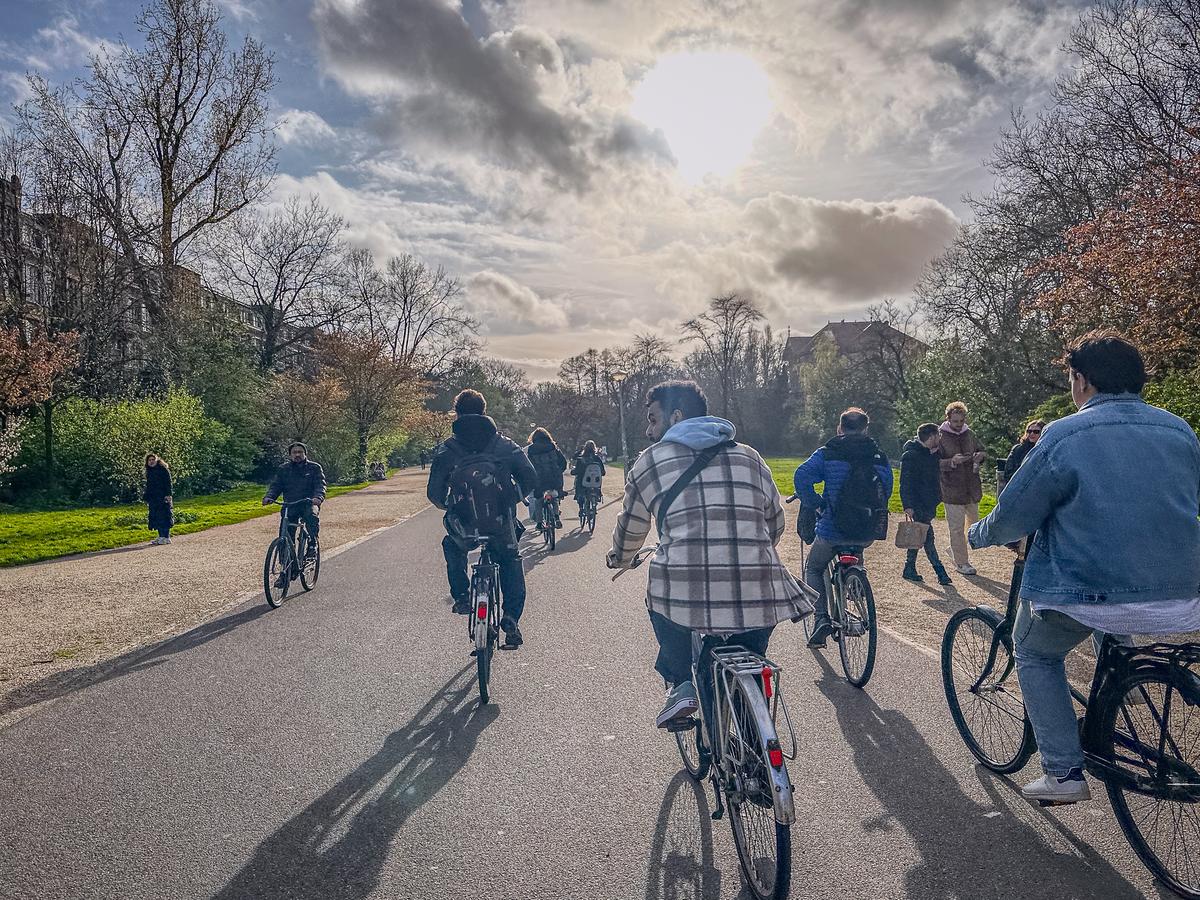
Amsterdam has up to 400 kilometers of bike paths, but that statistic can give beginners the wrong impression. Cycling is daily transport here, and commuters expect riders to move predictably. Before renting a bike, read the local rules in this guide to riding a bike in Amsterdam: stay in the bike lane, signal turns, stop at red lights, use lights after dark, and cross tram rails at a clear angle.
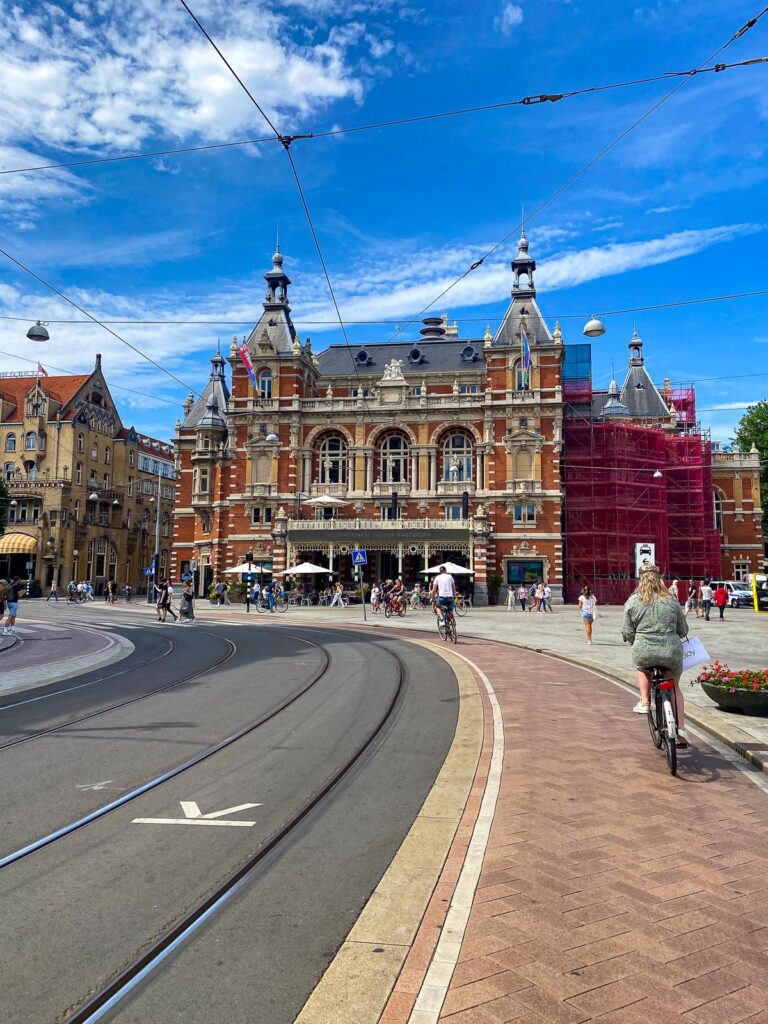
A good first ride is through Vondelpark, along the Amstel, or on quieter streets outside the busiest Canal Ring routes. Avoid learning near Amsterdam Centraal, Damrak, Leidseplein, or the Red Light District at rush hour. Park only in a legal rack or designated facility; improperly parked bikes can be removed.
A practical local rule is to rent a bike only when you can follow traffic confidently enough to look ahead, signal, and make decisions without hesitation. If traffic makes you tense, walk or take public transport instead.
Less-experienced riders will get more value from one of these Amsterdam bike tours or a guided bike tour with a local route. A guide can choose calmer streets and explain rules that are easy to miss.
2. Walk the Jordaan and the Nine Streets
Best for: neighborhood atmosphere, canals, cafes, and independent shops – Allow: 2-3 hours – Area: Jordaan and western Canal Ring – Booking: No booking

The Jordaan began as a working-class district outside Amsterdam’s wealthiest canal streets. It is now one of the city’s most desirable neighborhoods, but the narrow lanes, small courtyards, neighborhood cafes, and old canal houses still make it worth a slow walk. This is also one of the most useful areas to understand before choosing where to stay in Amsterdam.
A simple route starts near Westerkerk, follows Bloemgracht and Egelantiersgracht, crosses through Noordermarkt, and then bends south toward the Nine Streets. Go before 10:00 for quieter photos or in the late afternoon for cafes and shopping. Saturday is livelier around Noordermarkt.
The Nine Streets of Amsterdam sit beside the Jordaan rather than inside its historical core. They are compact enough to browse in under an hour, though independent fashion, vintage stores, coffee shops, and canal views can easily stretch the visit.
This is a free activity, and it works best without a minute-by-minute plan. Keep residential entrances clear, use marked crossings, and watch for bikes before stepping off the pavement.
3. Take a Canal Cruise Through the UNESCO Canal Ring
Best for: first-time visitors, architecture, and city orientation – Allow: 60-90 minutes – Area: Central Canal Ring – Booking: Reserve a preferred departure time
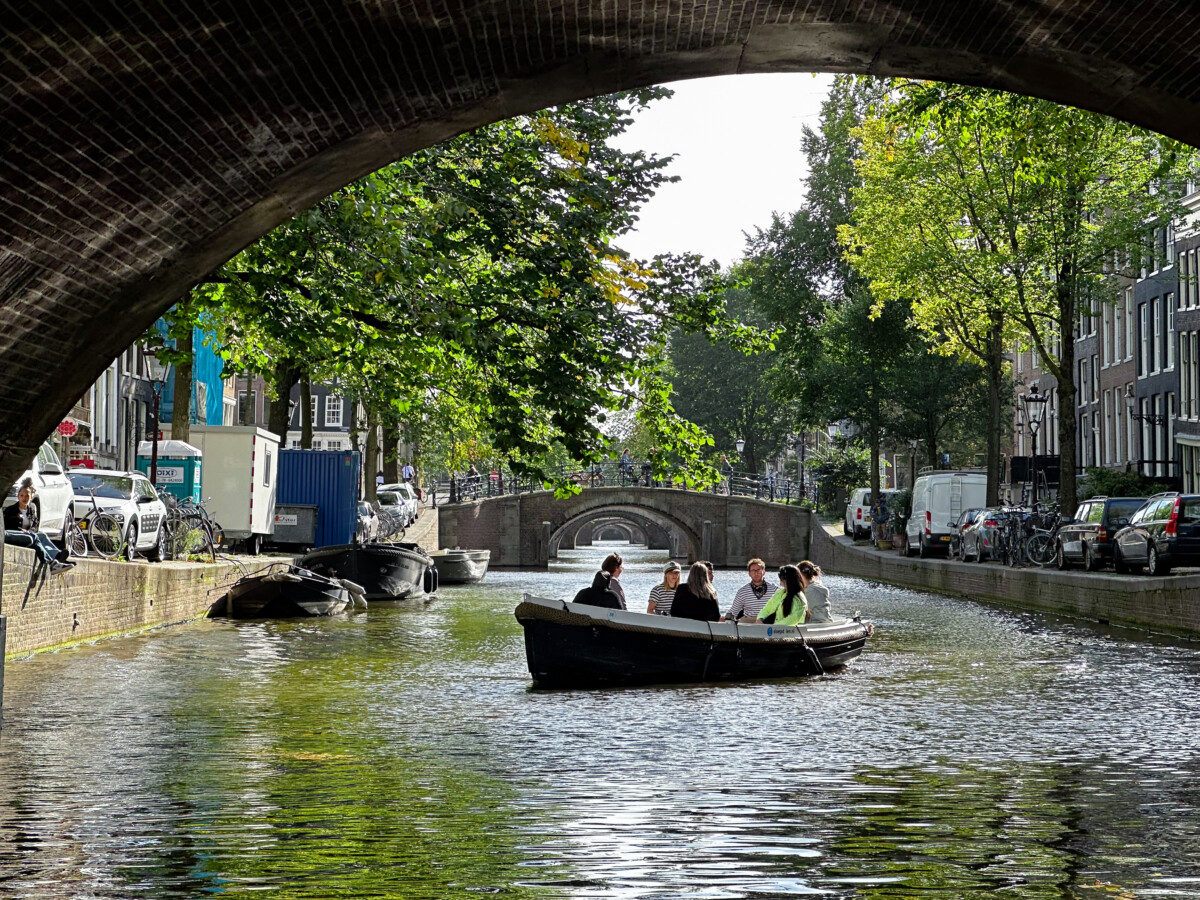
Amsterdam’s Canal Ring is not decorative scenery added around the city. It is the infrastructure that shaped the 17th-century expansion, trade routes, housing, and street plan. The area inside the Singelgracht is recognized by UNESCO for its hydraulic engineering and urban design.
A cruise is most useful near the beginning of a trip because it explains why the streets curve, where the major canals connect, and how narrow houses were built around limited frontage. Daylight is better for architecture; dusk is better for reflections and bridge lights.
Choose the boat by conditions, not by marketing language. Small open boats feel more personal and can enter narrower canals, but covered boats are more comfortable in rain or cold weather. Travelers with limited mobility should confirm the boarding step, toilet access, and dock location before paying.
Read this guide to Amsterdam’s best canals before choosing a route. For a social trip, this 90-minute canal cruise with drinks and snacks is a practical option, though a quieter sightseeing boat is better for narration and photography.
4. Try Cured Dutch Herring at a Haringhandel
Best for: Dutch street food and quick local snacks – Allow: 15-30 minutes – Area: Dam Square, markets, and neighborhood fish stalls – Booking: No booking

Dutch herring is often described in English as raw, but the fish is salted and cured before it is served. The usual order is herring with chopped onion and pickles, eaten by the tail or cut into pieces. A broodje haring puts the same fish in a soft roll and is an easier first taste.
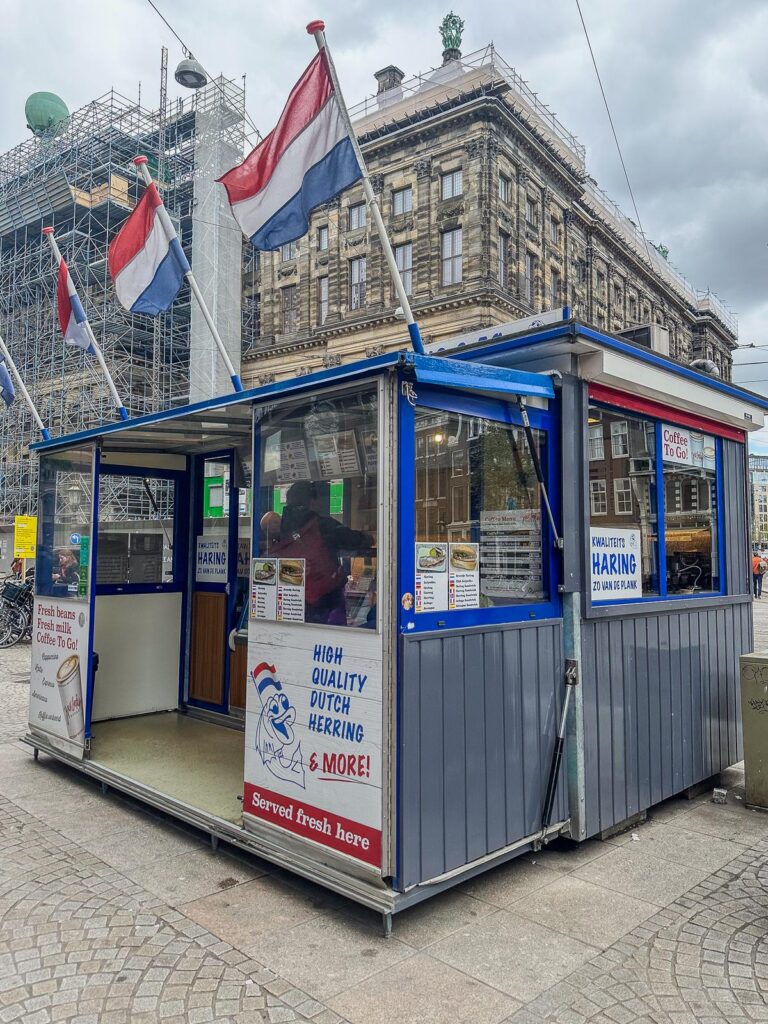
Quality matters more than performing the head-back eating pose for a photo. Choose a busy, established fish stall with steady turnover. The new-season catch, Hollandse Nieuwe, arrives in early summer when it meets legal standards for fat content and preparation, but cured herring is sold throughout the year.
Haring & Zo behind the Royal Palace is convenient for central sightseeing. Albert Cuyp Market and neighborhood fish shops provide alternatives. This Amsterdam food guide explains other Dutch and Indonesian-Dutch dishes worth ordering.
Visitors who would rather sample several foods with context can take a guided Amsterdam food tour. Tell the guide about fish allergies, pregnancy, or dietary restrictions before the tasting begins.
5. Take a North Sea Beach Day
Best for: summer weather, long walks, and a break from city streets – Allow: Half or full day – Area: Zandvoort, Bloemendaal, or IJmuiden – Booking: Check rail service and beach-club schedules

Amsterdam does not sit on the North Sea, but the coast is close enough for an easy day trip. Zandvoort aan Zee is the simplest option because direct trains from Amsterdam Centraal usually reach the beach town in about 30 minutes. Check the NS journey planner on the day you travel.
Zandvoort has a wide beach, seasonal pavilions, and a compact center. Bloemendaal is better known for beach clubs and summer events, while IJmuiden feels more open and industrial. Wind can make the coast much colder than central Amsterdam, even on a bright day, so take a layer.
Swim only where local flags and lifeguard guidance indicate safe conditions. North Sea currents, cold water, and offshore wind deserve respect. In cooler months, the coast is still worthwhile for walking, but many pavilions reduce their hours or close seasonally.
Compare the options in this guide to the best beaches in the Netherlands. A beach day makes the most sense on a trip of four days or longer; first-time weekend visitors usually get more value from the city itself.
6. Visit ARTIS and the Plantage District
Best for: families, animal exhibits, gardens, and a full indoor-outdoor day – Allow: 3-5 hours – Area: Plantage – Booking: Dynamic pricing; online tickets cost less
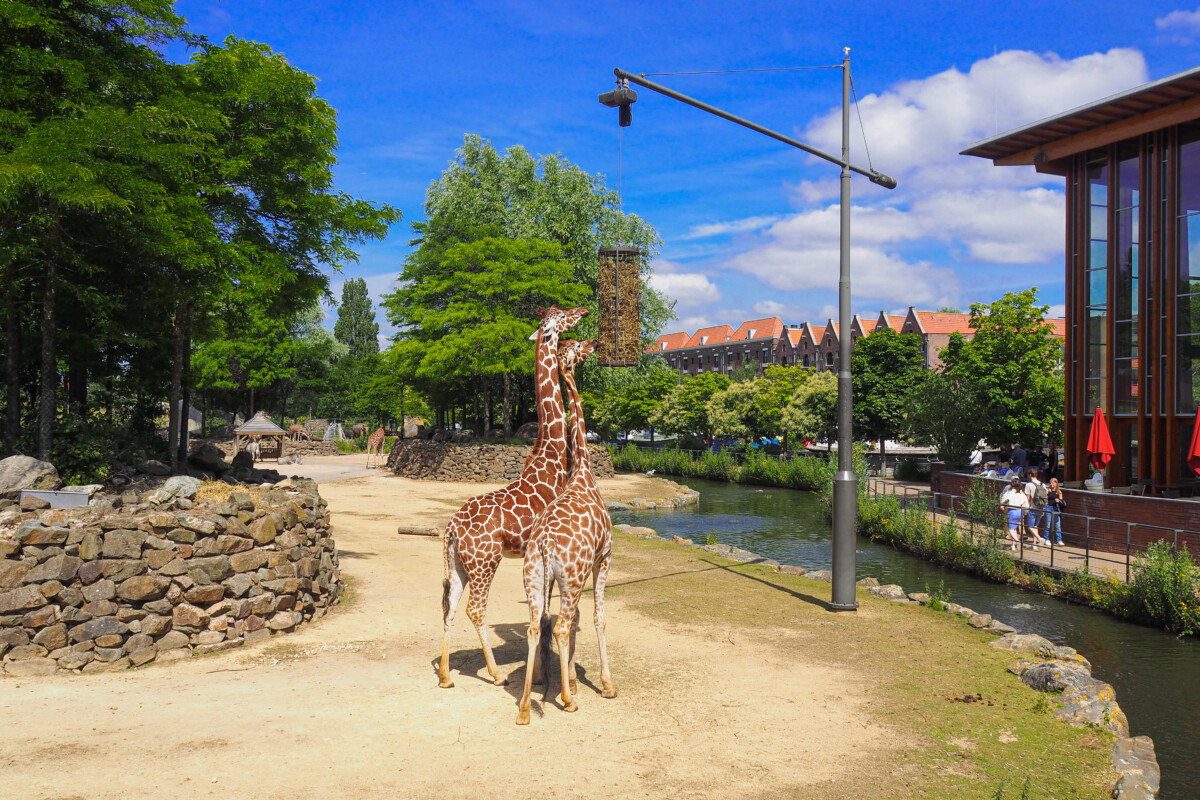
ARTIS Amsterdam Royal Zoo combines animal enclosures, mature gardens, a planetarium, and an aquarium that reopened in June 2026 after a long renovation. The zoo is open daily, and the official site uses variable pricing; online adult tickets currently start below the counter price.
Views from public paths around Entrepotdok are partial and unpredictable; they are not a substitute for a zoo visit. Buy a ticket if ARTIS is a priority, or spend your time elsewhere in the Plantage district.
Micropia and the Groote Museum are separate ARTIS experiences with their own tickets, although combination pricing is available. Check the current inclusions before arrival. This ARTIS visitor guide covers the zoo in more detail.
Travelers who prefer not to visit a zoo can use the same neighborhood time for the Hortus Botanicus, the Dutch Resistance Museum, the National Holocaust Museum, or a walk along Entrepotdok. ARTIS is best treated as a deliberate choice, not a box every Amsterdam visitor needs to tick.
7. Have a Beer Beside the De Gooyer Windmill
Best for: local beer, an outdoor terrace, and a low-key afternoon stop – Allow: 60-90 minutes – Area: Amsterdam-Oost – Booking: Walk-in; check current opening hours
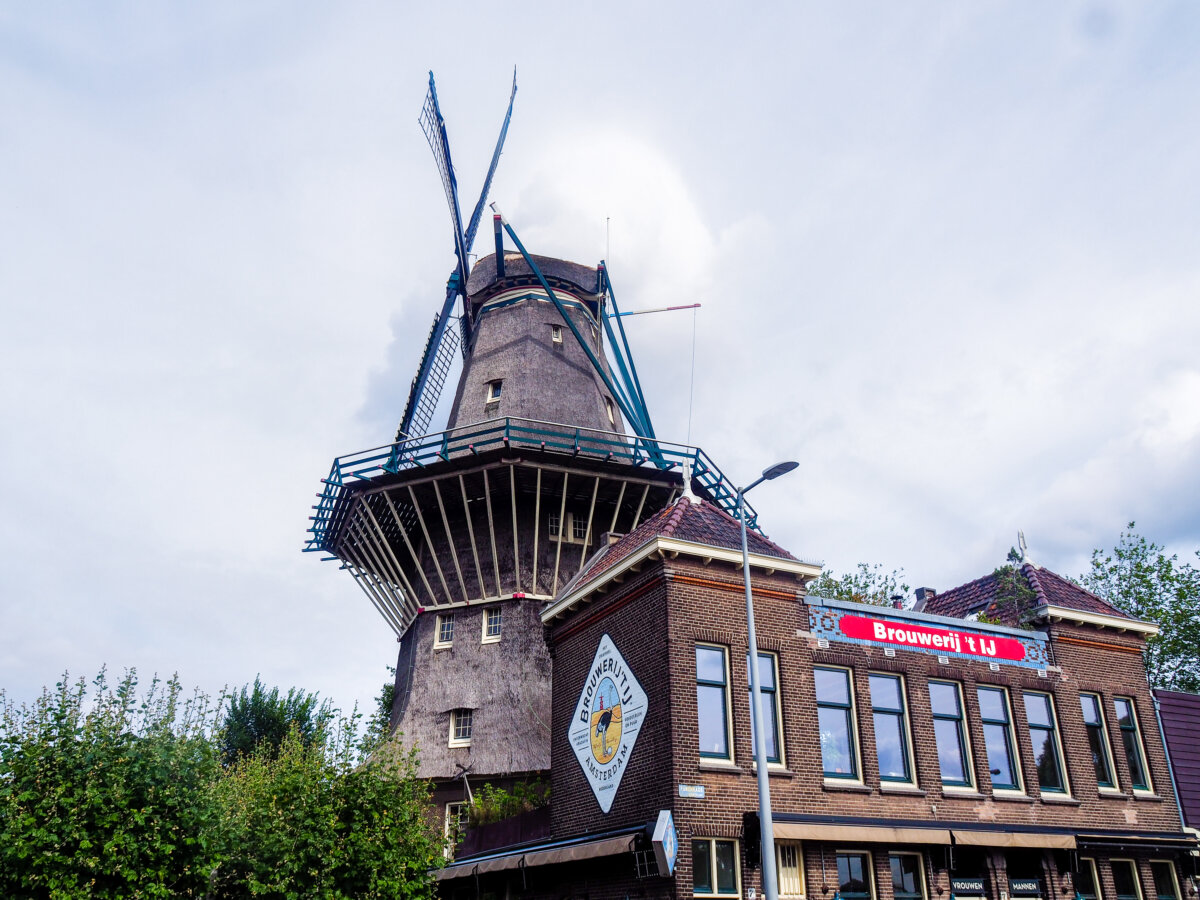
Brouwerij ‘t IJ occupies a former bathhouse beside the De Gooyer windmill on Funenkade. The brewery is not inside the windmill, and the windmill is not a standard public attraction. The pairing still creates one of Amsterdam’s most recognizable beer settings.
Order a small tasting flight if you want to compare styles without committing to several full pours. The terrace fills quickly in good weather, and the brewery’s hours are more limited than a typical city-center bar, so check before crossing town.
This is a more relaxed beer experience than the Heineken Experience, which focuses on brand history and interactive exhibits. For other taprooms, bottle shops, and Dutch styles, use this guide to the best beers in Amsterdam.
Drink at your own pace and plan the next leg by tram, walking, or public transport. Cycling after several beers is unsafe and can lead to the same traffic penalties that apply to other road users.
8. Choose One or Two Museums at Museumplein
Best for: major art collections and rainy-day planning – Allow: Half or full day – Area: Museumplein – Booking: Timed tickets strongly advised

Museumplein concentrates the Rijksmuseum, Van Gogh Museum, Stedelijk Museum, Moco Museum, and Concertgebouw within a short walk. The common mistake is booking three large museums on the same day. Most people absorb more by choosing one major collection and one smaller or contrasting venue.
The Rijksmuseum displays more than 8,000 works of Dutch art and history and is the best all-round choice for a first visit. Its timed start is required, even for pass holders. Use this Rijksmuseum guide to prioritize the Gallery of Honour, The Night Watch, the ship models, and the decorative arts instead of trying to see every room.
The Van Gogh Museum is more focused and chronological. Tickets are online only, and it is not included in the I amsterdam City Card. The Stedelijk is the better counterpoint if you want modern art and design after the Dutch masters.
Compare the collections in this guide to the best museums in Amsterdam. A guided Rijksmuseum and Van Gogh Museum combination can simplify planning, but verify exactly which admissions and start times are included before booking.
9. Hear Live Music at a Purpose-Built or Historic Venue
Best for: concerts, jazz, classical music, and Amsterdam nightlife – Allow: 2-4 hours – Area: Leidseplein, Museumplein, or Oosterdok – Booking: Buy from the venue or an authorized ticket seller
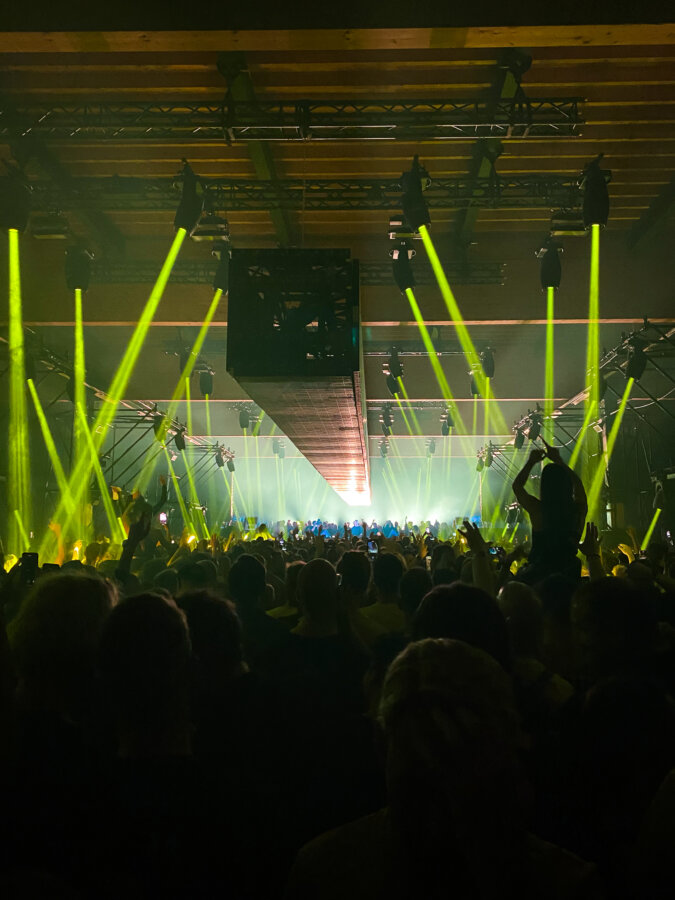
Amsterdam’s strongest venues are distinct enough that the program should drive your choice. Paradiso puts rock, pop, and electronic acts in a former church near Leidseplein. The Concertgebouw is the city’s classical anchor, with a hall known for its acoustics.
Melkweg books concerts, club nights, film, and multidisciplinary events. Bimhuis is the better choice for jazz and improvised music, with views over the IJ.
De School closed permanently in January 2024. Event schedules change constantly, so use current official venue calendars rather than an old roundup or a generic ticket marketplace whenever possible.
Amsterdam Dance Event brings a dense electronic program each October, but regular weeks still offer plenty of choice. Check doors and set times carefully: a listed 20:00 event may have the headline act much later.
10. Check the Current Program at Hembrugterrein
Best for: industrial architecture, temporary exhibitions, and a less central arts stop – Allow: 2-4 hours – Area: Zaandam – Booking: Confirm that the venue or exhibition is open

Hembrugterrein is a former munitions and industrial complex in Zaandam, outside Amsterdam proper. Its warehouses, bunkers, studios, event spaces, and wooded setting make it visually interesting, but it is not a dependable drop-in attraction every day of the week.
Het HEM and other organizations on the site run changing cultural programs. Check the current exhibition, opening days, and transport before committing the time. Do not travel there solely because an old guide described the complex as permanently active.
This stop is best for repeat visitors, architecture enthusiasts, or travelers already spending time around Zaandam. Pairing it with another Zaan-region activity can justify the trip, although opening times may not align neatly.
First-time visitors who mainly want windmills and traditional industrial history should prioritize Zaanse Schans instead. It has clearer visitor infrastructure and a more predictable half-day route.
11. Spend an Afternoon in Westerpark and Westergas
Best for: green space, cafes, cinema, markets, and events – Allow: 2-4 hours – Area: Amsterdam-West – Booking: No booking unless attending an event

Westerpark is useful because it combines a real neighborhood park with the converted industrial buildings of Westergas. You can walk, picnic, have coffee, watch a film at Ketelhuis, or attend an exhibition without crossing the city between each activity.
The Gashouder hosts large music and cultural events, while smaller buildings hold restaurants, creative businesses, and temporary programs. The popular Sunday Market runs on selected dates rather than every Sunday, so check the event calendar before building a trip around it.
Westerpark is a useful alternative when Vondelpark feels too busy. The park has enough open space for children, while the cultural complex gives adults options beyond a playground.
Westerpark fits well after a Jordaan walk or before dinner around Haarlemmerdijk. Families can find more low-stress ideas in this guide to Amsterdam with children.
12. See the City From a Rooftop or Observation Deck
Best for: sunset, skyline photography, and a break from street-level sightseeing – Allow: 1-2 hours – Area: Centrum, Oost, or Amsterdam-Noord – Booking: Reserve popular sunset slots

Amsterdam’s low skyline means a modest height can reveal the Canal Ring, church towers, the IJ, and the flat Dutch horizon. The best option depends on whether you want a paid observation deck, dinner, drinks, or a quick view.
A’DAM Lookout sits across the IJ from Amsterdam Centraal and is easy to combine with EYE or NDSM. The rooftop swing costs extra and is optional. Canvas at Volkshotel offers a different view over Amsterdam-Oost and the Amstel, with access tied to its restaurant and nightlife schedule.
The W Amsterdam rooftop shown above has a strong view of the Royal Palace, but hotel rooftop access, reservations, and seasonal policies can change. Confirm public access rather than assuming every hotel terrace accepts walk-ins.
Sunset times move dramatically through the year. Book around the actual date, allow for security or elevator queues, and keep a weather backup. This roundup of the best views in Amsterdam compares more locations.
13. Tour the Royal Palace Amsterdam
Best for: architecture, civic history, and royal interiors – Allow: 60-90 minutes – Area: Dam Square – Booking: Check the official calendar before visiting

The Royal Palace Amsterdam began as Amsterdam’s 17th-century town hall and now functions as the Dutch king’s official reception palace. It opens to the public when royal events are not using the building, which is why the calendar matters more than generic opening-hour listings.
The Citizens’ Hall is the main event: maps, sculpture, marble floors, and civic symbolism present Amsterdam as the center of a global trading world. That wealth also connects to colonialism and slavery, subjects addressed through the palace’s interpretation and themed tours.

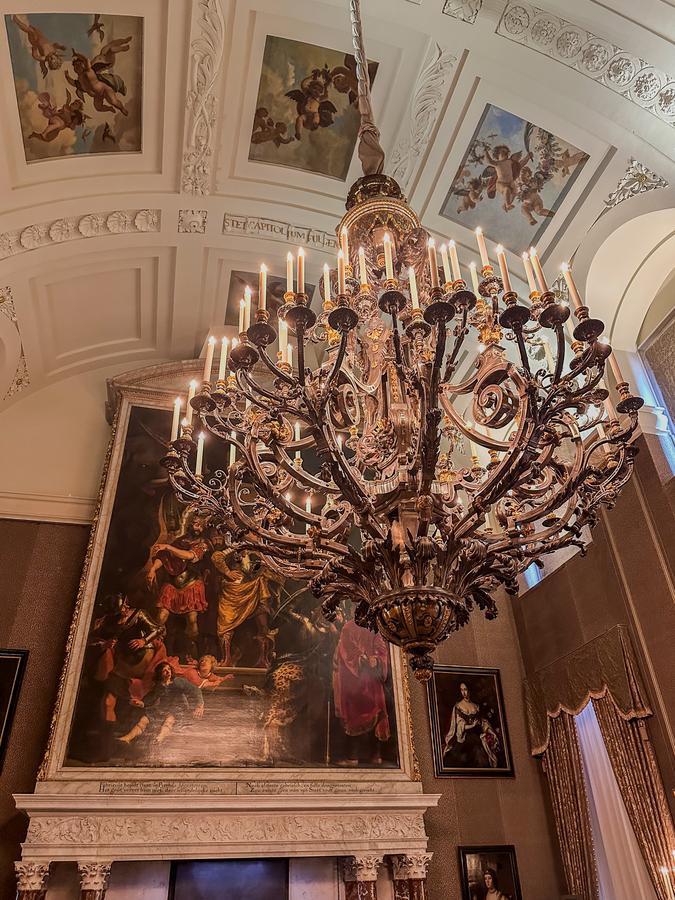
The standard ticket includes an audio tour. Visitors aged 17 and under are currently admitted free, but the palace can close for state functions with limited notice. The Nieuwe Kerk next door is a separate ticketed venue with exhibitions rather than regular church services.
Read this detailed Royal Palace Amsterdam guide before visiting. The palace is worth prioritizing when it is open; it offers more historical substance than simply photographing Dam Square from outside.
14. Browse IJ-Hallen on a Scheduled Market Weekend
Best for: secondhand clothing, homeware, records, and bargain hunting – Allow: 2-4 hours – Area: NDSM-Plein, Amsterdam-Noord – Booking: Check the calendar and buy entry if required

IJ-Hallen describes itself as Europe’s largest flea market, with 750 stands at many editions. The important planning detail is frequency: it runs on selected weekends rather than on a weekly schedule. Use the official IJ-Hallen calendar for dates, indoor or outdoor status, and ticket sales.
Arrive near opening for the widest choice or later for sellers more willing to negotiate. Bring a reusable bag and a mix of card and cash options; individual sellers set their own payment methods. Clothing, furniture, books, records, children’s items, and household objects dominate the market.
The market is at NDSM-Plein 1. Take the free NDSM ferry behind Amsterdam Centraal and follow the crowd through the former shipyard.
Pair the market with STRAAT Museum, cafes at NDSM, or this broader guide to things to do in Amsterdam-Noord. Our dedicated IJ-Hallen guide covers practical shopping details.
15. Visit the Anne Frank House With Time and Respect
Best for: World War II history and a deeply personal museum experience – Allow: 60-90 minutes – Area: Prinsengracht, Jordaan – Booking: Online timed ticket required

The Anne Frank House preserves the building where Anne Frank, her family, and four other people hid during the Nazi occupation. The museum’s power comes from the rooms, documents, and individual story rather than a large collection of objects.
Tickets are sold only through the museum’s website for a specific time slot. Every Tuesday at 10:00 CEST, tickets are released for visits six weeks later. There are no door sales, and the I amsterdam City Card does not include admission. Treat third-party offers that imply guaranteed museum entry with caution.

The historic building contains steep stairs and narrow passages. The modern museum area is more accessible, but the Secret Annex is not fully accessible to visitors with limited mobility. Review the official accessibility information before booking.
If tickets are unavailable, a guided Anne Frank and Jewish history walking tour can add neighborhood context, but it does not include entry unless the product explicitly says so. Compare other options in this guide to Amsterdam tours.
16. Cross the IJ to EYE Filmmuseum
Best for: film history, screenings, architecture, and an easy indoor stop – Allow: 1.5-3 hours – Area: Overhoeks, Amsterdam-Noord – Booking: Exhibitions and screenings may require tickets

EYE Filmmuseum is directly across the IJ from Amsterdam Centraal via the free Buiksloterweg ferry. The white, angular building is visible from the station and works well as an architecture stop even before you enter.
EYE combines temporary exhibitions, cinemas, an archive, interactive displays, a shop, and a waterside restaurant. The permanent public areas are useful on a short visit, while film enthusiasts should check the screening calendar and exhibition ticket before crossing.
The museum is a better fit than a conventional art museum for travelers interested in moving-image culture, Dutch cinema, poster design, or restoration. Allow extra time if a feature screening is part of the visit.
Combine EYE with A’DAM Lookout or continue by ferry to NDSM. This Amsterdam-Noord guide helps connect the stops without unnecessary backtracking.
17. Eat With a Group at Foodhallen
Best for: mixed appetites, casual meals, and rainy evenings – Allow: 60-90 minutes – Area: De Hallen, Oud-West – Booking: No booking for the hall; tables are first come

Foodhallen Amsterdam occupies part of the converted De Hallen tram-depot complex in Oud-West. Multiple counters share a central seating area, which makes the hall practical when a group cannot agree on one cuisine.
Treat it as a convenient food hall rather than Amsterdam’s cheapest meal. Prices reflect the location and format, and Friday or Saturday evenings can be crowded and loud. Arrive before the main dinner rush if finding a table matters.
The surrounding complex includes Filmhallen, shops, a library, and a hotel, so the stop can carry more than a meal. It also works after Vondelpark or a walk through Oud-West.
Our Foodhallen guide explains the venue, while this list of the best restaurants in Amsterdam is better for a full sit-down meal or a special occasion.
18. Plan a Tulip Day Without Trespassing in the Fields
Best for: spring travel, gardens, photography, and seasonal day trips – Allow: Half or full day – Area: Amsterdam parks, Bollenstreek, or Keukenhof – Booking: Advance tickets and transport advised in spring

Amsterdam’s public parks and planters begin showing spring bulbs before the commercial fields reach their peak. Vondelpark, Museumplein, and neighborhood streets offer easy city sightings, but timing varies with winter temperatures and spring weather.
Keukenhof is the most organized flower experience, with millions of bulbs planted for a short season between March and May. Exact opening dates change each year. Buy only for your travel year, reserve a time, and check the transport plan from Amsterdam rather than relying on an old train instruction.
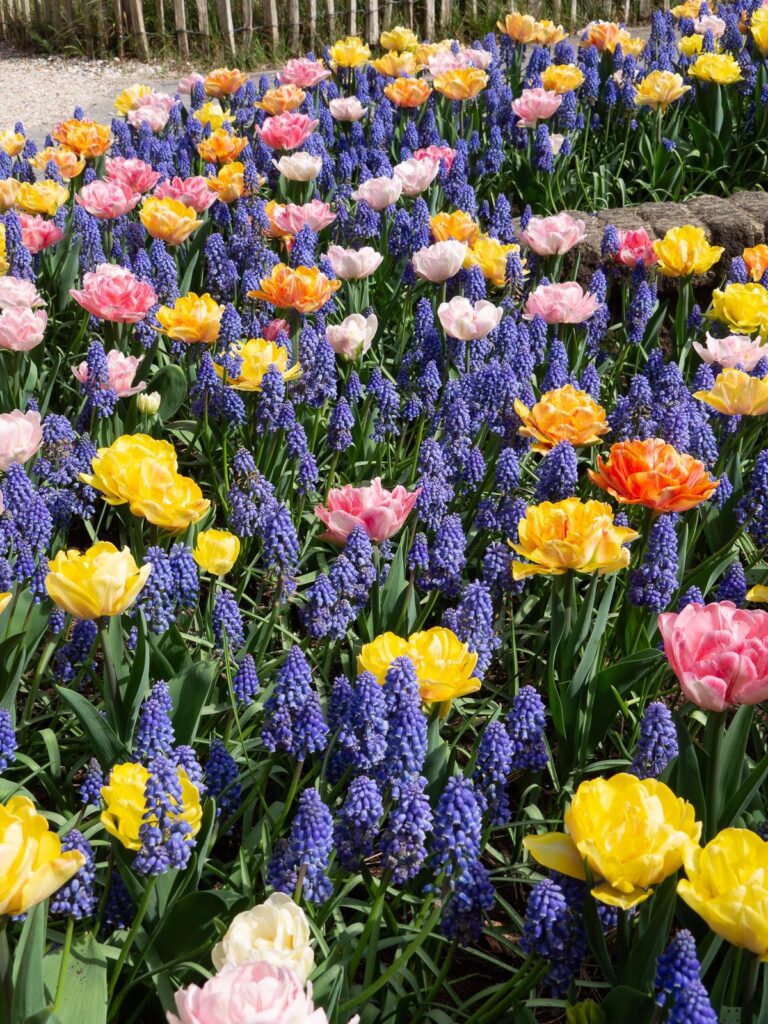
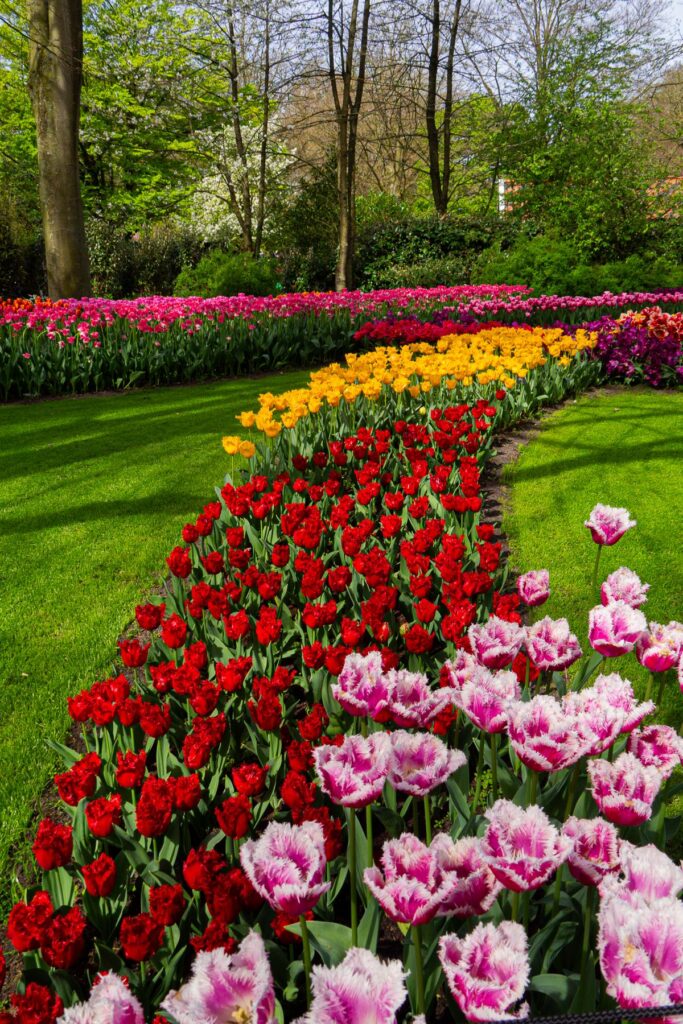
The Bollenstreek fields are working farms, not public photo sets. Stay on roads and marked paths, never enter planted rows without permission, and avoid blocking local traffic. A bicycle route can be excellent in calm weather, but the area becomes congested during peak bloom.
Use this Keukenhof guide for current logistics. A Keukenhof ticket and transfer package from Amsterdam can reduce transport planning, but compare the departure point, return flexibility, and admission inclusions.
19. Visit the Goat Farm in Amsterdamse Bos
Best for: families, cycling, walking, and a half-day outdoors – Allow: 2-4 hours – Area: Amsterdamse Bos / Amstelveen – Booking: Check the farm and activity calendar

Amsterdamse Bos is a large woodland and recreation area south of the city. Ridammerhoeve, the organic goat farm inside the forest, is the most memorable stop for many families, with goats, other farm animals, a shop, and food service.
The farm is not in central Amsterdam and should not be labeled Amsterdam’s Central Park. Reaching it requires a longer bike ride, a public-transport connection plus walking, or a car. Check the map and current farm hours before setting out.
Parents should supervise children closely and follow staff instructions around feeding and petting. The experience depends on animal routines, weather, and seasonal farm work; it is not a guaranteed hands-on session at every moment.
The wider forest has walking and cycling routes, rowing water, swimming areas, food stops, and a visitor center. Compare it with easier city options in this guide to Amsterdam parks.
20. Walk Through De Wallen Without Treating It as a Spectacle
Best for: urban history, Oude Kerk, and the oldest streets in Amsterdam – Allow: 1-2 hours – Area: De Wallen – Booking: No booking for the district

De Wallen is Amsterdam’s oldest central neighborhood, with canals, narrow lanes, the Oude Kerk, Chinatown, bars, homes, and legal sex-work windows. Reducing the district to “debauchery” ignores the people who work and live there.
Do not photograph or film sex workers. Do not point cameras into windows, block doorways, shout at workers, or join a tour that treats people as props. Public drinking and smoking cannabis on the street are restricted in the area, and crowd-management rules can change.
Visit in daylight or early evening to see the street plan and historic buildings with less congestion. The Oude Kerk gives the neighborhood essential context: the city’s oldest building stands beside the windows for which De Wallen is now internationally known.
Read this practical guide to the Amsterdam Red Light District before going. Travelers uncomfortable with the commercial sex industry can skip the nighttime window streets and still visit Oude Kerk, Zeedijk, and Nieuwmarkt.
21. Stop at a Traditional Brown Cafe
Best for: beer, jenever, simple snacks, and old Amsterdam interiors – Allow: 45-90 minutes – Area: Jordaan, Centrum, or De Pijp – Booking: Usually walk-in

A Dutch bruin cafe, or brown cafe, is a traditional pub named for its dark wood, aged walls, tobacco-stained history, and warm lighting. It is not a coffee shop and does not primarily exist to serve coffee.
Cafe ‘t Smalle in the Jordaan, shown above, has a canal-side terrace and a compact interior. Cafe Papeneiland, In ‘t Aepjen, Hoppe, and Cafe de Dokter offer different versions of the same pub tradition. Opening hours and card policies vary.
A local beer, jenever, bitterballen, cheese, or a simple sandwich fits the setting. Order at the bar when table service is unclear, keep your group compact in small rooms, and do not occupy a terrace table for an extended period without ordering.
Brown cafes are one part of Amsterdam’s food history. Indonesian-Dutch dishes such as rijsttafel come from a colonial history that deserves more context than “Dutch food with a twist.” This guide to Dutch food explains the distinctions.
22. Picnic, Walk, or Cycle in Vondelpark
Best for: picnics, families, running, and an easy break near Museumplein – Allow: 1-3 hours – Area: Oud-Zuid and Oud-West – Booking: No booking

Vondelpark sits southwest of the Canal Ring near Museumplein, Leidseplein, and Oud-West. Its main entrances connect naturally with a Museumplein or Oud-West itinerary.
On a dry day, locals use the park for commuting, running, dog walking, exercise classes, children’s play, and long afternoons on the grass. The main paths can be busy, so keep walking lanes and bike lanes distinct and look before crossing.
Bring a picnic from a neighborhood bakery or supermarket, or stop at one of the park cafes. Proeflokaal ‘t Blauwe Theehuis is operated by Brouwerij ‘t IJ and has a large circular terrace. Summer performances at the open-air theater run on selected dates.
Vondelpark works especially well after the Rijksmuseum or Van Gogh Museum because it changes the pace without requiring another reservation. In wet or cold weather, use Foodhallen or a nearby museum as the backup.
23. Eat and Browse at Albert Cuyp Market
Best for: street food, produce, souvenirs, and a De Pijp neighborhood walk – Allow: 1-3 hours – Area: De Pijp – Booking: No booking; market normally runs Monday-Saturday

Albert Cuyp Market stretches along Albert Cuypstraat and normally operates Monday through Saturday, roughly during daytime market hours. Weather, holidays, and individual traders affect the exact lineup, so treat it as a daytime market and check current hours.
The market mixes produce, fish, cheese, flowers, clothing, household goods, and ready-to-eat snacks. Popular foods include fresh stroopwafels, herring, poffertjes, fries, and Surinamese or Turkish-Dutch dishes from nearby businesses.
De Pijp is more than the market. Walk through Sarphatipark, continue along Ferdinand Bolstraat, or reserve a restaurant away from the busiest central blocks. The neighborhood is easy to combine with the Heineken Experience or Museumplein.
Use this guide to Amsterdam markets for alternatives such as Noordermarkt, Dappermarkt, Ten Katemarkt, and Waterlooplein. The best market depends on the day of the week and what you want to buy.
24. Climb Through Our Lord in the Attic Museum
Best for: religious history, canal-house interiors, and small museums – Allow: 60-90 minutes – Area: De Wallen – Booking: Timed booking useful in busy periods

Our Lord in the Attic Museum occupies connected 17th-century canal houses with a Catholic church concealed across the upper floors. The church was built in the 1660s, when public Catholic worship was restricted in the Dutch Republic but private worship was often tolerated.

The site became a museum in 1888, while the concealed church itself dates to the 1660s. The route passes through domestic rooms, narrow stairs, kitchens, sleeping spaces, and the attic church, making the building itself as important as the religious objects.
Because much of the historic route uses steep, narrow stairs, visitors with limited mobility should review the museum’s accessibility options before buying a ticket. The site can feel crowded when large groups arrive.
Our detailed Our Lord in the Attic Museum guide adds historical context. Pair it with Oude Kerk or a daytime De Wallen walk rather than treating it as a quick photo stop.
25. Step Quietly Into the Begijnhof
Best for: medieval urban history, architecture, and a short quiet stop – Allow: 20-40 minutes – Area: Spui / Centrum – Booking: No booking; access can change

The Begijnhof is a residential courtyard with roots in the medieval period. It was associated with Beguines: lay religious women who lived in community without taking the permanent vows of nuns.
The courtyard includes historic houses, the English Reformed Church, and a Catholic chapel. It is entered through a passage near Spui and feels separated from the shopping streets around it, but people still live here.

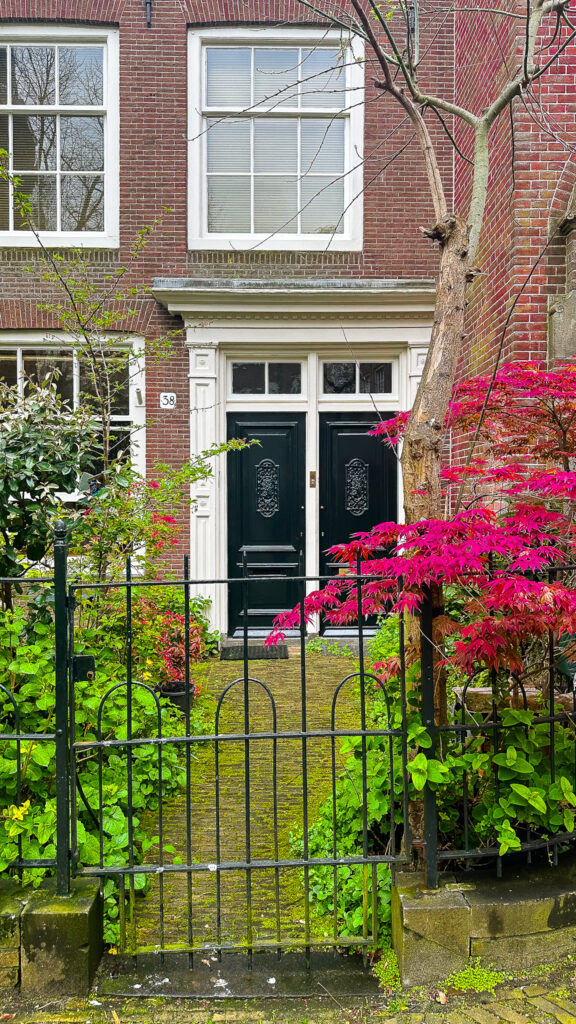
Keep voices low, follow signs, remain in areas open to visitors, and do not photograph residents through windows or doorways. Access hours and entrances can change, so treat it as a short addition to a central walk rather than the only reason for crossing town.
Combine the Begijnhof with Spui, the Amsterdam Museum area, the Flower Market, or the Nine Streets. Early morning generally offers the calmest visit.
26. Take a Half-Day Trip to Zaanse Schans
Best for: windmills, historic crafts, and Dutch industrial history – Allow: 4-6 hours – Area: Zaan region – Booking: Outdoor area is open; individual attractions may charge

Zaanse Schans brings historic windmills, wooden houses, workshops, and museum collections together along the Zaan. It is heavily visited, but it remains a clear introduction to the industries that powered the region, including oil, pigments, spices, and timber.
From Amsterdam Centraal, take a train toward Zaandijk Zaanse Schans and allow roughly 15-20 minutes to walk from the station to the main area. Zaandam station is much farther from the windmill area.
Walking around the outdoor village is generally free, while windmill interiors, museums, and demonstrations may require separate tickets. Arrive early or stay later if you want clearer paths and better photographs.
Our Zaanse Schans guide explains the mills and route. Travelers who want Volendam, Marken, and Zaanse Schans in one day may prefer a guided countryside tour, but the pace will be faster and more structured than an independent visit.
27. See Rembrandt’s Working World at the Rembrandt House Museum
Best for: art history, printmaking, and a reconstructed artist’s home – Allow: 1.5-2 hours – Area: Jodenbreestraat / Jewish Cultural Quarter – Booking: Advance booking useful

Rembrandt van Rijn lived and worked in the house now occupied by the Rembrandt House Museum from 1639 until his financial difficulties forced its sale. The rooms were reconstructed using the detailed inventory drawn up during his bankruptcy.
This is not the place to see a gallery of Rembrandt’s most famous paintings; visit the Rijksmuseum for that. The house is strongest for understanding his studio practice, collecting habits, pupils, materials, and domestic life.
The museum owns an extensive collection of Rembrandt’s etchings and regularly demonstrates printmaking or paint preparation. Temporary exhibitions may focus on his network, students, or later artists.
Read my Rembrandt House Museum review for a closer look. This Rembrandt House admission option can be useful when official inventory is limited, but compare the final price and cancellation terms.
28. Learn How Dutch People Responded to Occupation at the Resistance Museum
Best for: World War II history, moral choices, and family learning – Allow: 1.5-2.5 hours – Area: Plantage – Booking: Advance booking optional in quieter periods
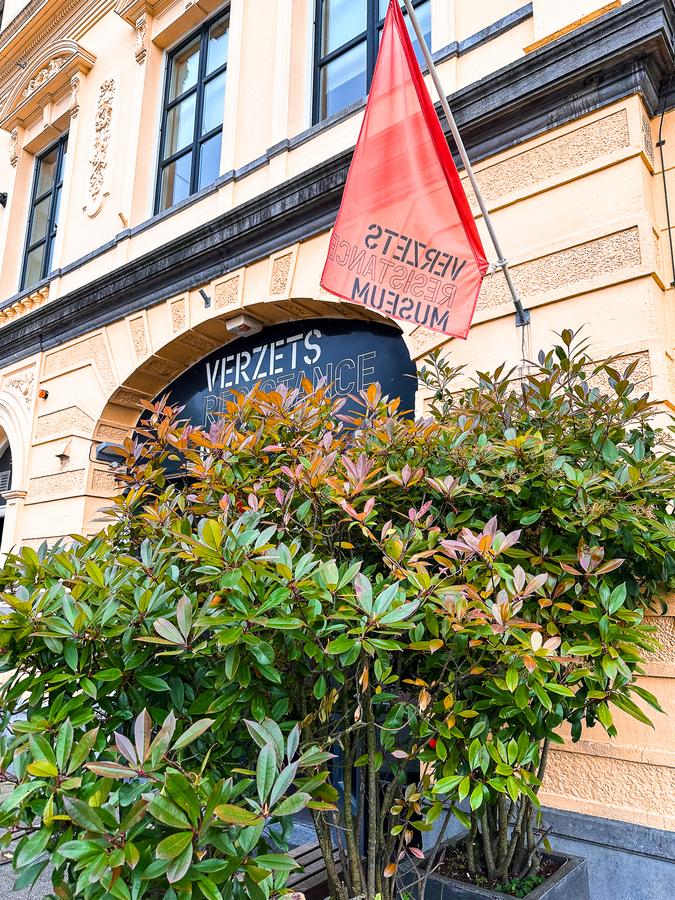
The Dutch Resistance Museum covers the German occupation of the Netherlands from 1940 to 1945 through personal stories, objects, photographs, sound, and reconstructed settings. Its modern permanent exhibition avoids presenting resistance as the only Dutch experience.
Visitors encounter resistance, adaptation, collaboration, persecution, and the pressure of everyday choices under occupation. The exhibition’s strength is its attention to individual decisions rather than a simplified story of universal heroism.
The museum is close to ARTIS, the National Holocaust Museum, the Hollandsche Schouwburg memorial site, and the Jewish Cultural Quarter. Do not try to absorb all of them in one rushed afternoon; each deals with difficult history.
A ticket option for the Dutch Resistance Museum may be convenient, but the official museum site should control current hours and exhibition information.
29. Ride the Free Ferry to Amsterdam-Noord and NDSM
Best for: street art, waterfront views, architecture, and a different side of the city – Allow: Half day – Area: Amsterdam-Noord and NDSM Wharf – Booking: Ferry is free; book STRAAT if visiting

Amsterdam-Noord is no longer a single “up-and-coming” district. It includes established residential neighborhoods, major redevelopment, former industrial land, cultural venues, and new housing. The free ferries behind Amsterdam Centraal make the waterfront easy to reach without buying a transit ticket.
For NDSM, take the ferry marked NDSM. The crossing normally takes under 15 minutes. The former shipyard contains murals, studios, restaurants, event spaces, and NDSM Wharf. Conditions feel more exposed than the Canal Ring, so bring a layer in windy weather.
STRAAT Museum displays large-scale street art in an industrial warehouse. The building can be cold in winter and warm in summer. Current adult admission is 21.50, and the museum recommends advance booking.
Plan the district with this guide to Amsterdam-Noord. This STRAAT Museum ticket option is available through an affiliate partner, but the official museum page has the latest opening hours and access details.
30. Finish With an Immersive Light-and-Sound Experience at AMAZE
Best for: electronic music culture, light installations, and an evening activity – Allow: 60-90 minutes – Area: Westpoort – Booking: Timed ticket required

AMAZE Amsterdam is a walk-through audiovisual experience in a former industrial nightclub area on Elementenstraat. Rooms use projection, lasers, sound, smoke, and interactive effects rather than conventional museum labels or a historical collection.
AMAZE is better understood as a production built by people with long experience in Dutch dance events and show design, rather than as a conventional museum or a Tomorrowland attraction.
The experience can be intense for people with photosensitivity, sensory sensitivity, claustrophobia, or discomfort around darkness and loud bass. Read the health and accessibility guidance before booking; it is not a universal recommendation for young children.
My AMAZE Amsterdam review explains the sequence and who is most likely to enjoy it. Choose this over another museum when you want a highly produced evening activity rather than more traditional sightseeing.
Map of Amsterdam Attractions
Use the map to cluster nearby stops. Amsterdam is compact, but the river, canals, ferry routes, and tram lines make straight-line distance a poor estimate of travel time.

How I Would Prioritize the List
For a first two-day visit, I would book one museum and one canal cruise, then keep the remaining time flexible for the Jordaan, Nine Streets, Vondelpark, and either De Pijp or Amsterdam-Noord. That plan leaves room for weather changes and avoids spending the entire trip inside ticketed attractions.
With three or four days, add the Anne Frank House if you can secure tickets, a second museum, and a half-day outside the Canal Ring. Use this two-day Amsterdam itinerary for a compact route or this guide to how many days to spend in Amsterdam for a longer plan.
For a free detour that takes ten minutes, go looking for Amsterdam’s flower bikes – the blossom-covered bicycles parked along the canal belt are one of the most photographed things in the city and cost nothing to see.
Season changes the answer. Spring supports Keukenhof and tulips; summer favors parks, beaches, and long evenings; winter makes museums, brown cafes, and light events more appealing. December travelers should use this guide to things to do in Amsterdam in December.
For neighborhood planning, hotels, transport, and trip costs, continue to the ViaTravelers Amsterdam travel guide.
If you want to come home with more than photographs, our guide to what to buy in Amsterdam covers the clog workshops, cheese shops and the tulip-bulb customs rules that catch travelers out.
Frequently Asked Questions
What is there to do in Amsterdam for a short trip?
For a short trip, prioritize a canal cruise, a visit to the Rijksmuseum or Van Gogh Museum, and a walk through the Jordaan neighborhood to experience the local cafe culture.
What are the best places to visit in Amsterdam for first-timers?
First-timers should visit the Anne Frank House, Dam Square, Vondelpark, and the Heineken Experience. Booking museum tickets in advance is highly recommended.
Is one day enough for Amsterdam?
One day is enough for a focused introduction, not a complete visit. Choose a canal cruise, one major museum or the Anne Frank House, and a neighborhood walk. Two or three nights allow a much better pace.
How many days should you spend in Amsterdam?
Three full days is a strong first visit. Four or five days gives you time for more museums, Amsterdam-Noord, and a day trip such as Zaanse Schans or Keukenhof without rushing.
Which Amsterdam attractions should be booked in advance?
Book the Anne Frank House and Van Gogh Museum first. Reserve a Rijksmuseum start time, popular canal cruises, Keukenhof transport during flower season, and major concerts or special exhibitions when dates matter.
What are the best free things to do in Amsterdam?
Walk the Jordaan and Nine Streets, relax in Vondelpark or Westerpark, ride the free ferries to Amsterdam-Noord, explore NDSM Wharf, browse public markets, and visit the Begijnhof when visitor access is open.
Is the I amsterdam City Card worth it?
It can be good value when you plan to visit several included museums, use GVB public transport, and take an included canal cruise. It does not include the Van Gogh Museum or Anne Frank House, so compare your exact itinerary before buying.
What are the best outdoor activities in Amsterdam?
Take a canal cruise, walk the Canal Ring, visit Vondelpark or Westerpark, ride the ferry to Amsterdam-Noord, cycle only if you are confident in city traffic, or spend a half day in Amsterdamse Bos.