Rome is our best overall choice among the most beautiful cities in the world. Its ancient, Renaissance, and Baroque landmarks form a walkable historic core. Cape Town leads for natural scenery, Singapore for contemporary urban design, Kyoto for historic atmosphere, and Sydney for waterfront views.
Beauty is subjective, so this is an editorial ranking rather than a scientific index. We evaluated how architecture, landscape, public space, cultural character, and street-level experience work together. The list keeps the original 45 destinations and images, while correcting factual problems and making current travel caveats easier to find.
Quick picks: the most beautiful cities by trip style
| Category | City | Why it stands out |
|---|---|---|
| Best overall | Rome | Ancient, Renaissance, and Baroque layers in a compact center |
| Best natural setting | Cape Town | Table Mountain, Atlantic beaches, and a working harbor |
| Best modern urban design | Singapore | Landmark engineering, greenery, and precise public space |
| Best historic atmosphere | Kyoto | Temples, gardens, preserved streets, and seasonal color |
| Best waterfront skyline | Sydney | Opera House, Harbour Bridge, ferries, and coastal walks |
| Best for art and architecture | Florence | Renaissance buildings and major collections within walking distance |
| Best night cityscape | Tokyo | Dense illuminated districts balanced by temples and gardens |
| Best mountain-and-ocean city | Vancouver | Downtown waterfront, forest, and North Shore peaks |
How we chose the world’s most beautiful cities
Each destination was assessed against five practical criteria. No city had to excel in every category, but the strongest entries combine several of them in a way that remains visible beyond a single landmark.
- Natural setting: mountains, coast, rivers, lakes, forests, or other geography that shapes the city.
- Architecture and urban form: notable buildings, coherent streets, distinctive skylines, and readable neighborhoods.
- Public space: parks, promenades, squares, waterfronts, and places where visitors can experience the city without buying a ticket.
- Cultural character: visual details connected to local history, art, religion, food, and daily life.
- Street-level experience: the quality of walking, changing views, light, scale, and atmosphere between the major sights.
Santorini is an island, represented here by Fira and Oia. Jackson, Wyoming, is legally a town. Both remain because the original article treated them as compact urban destinations with unusually strong settings. Travel advisories and changing visitor rules were last checked on August 4, 2026; verify official guidance again before booking.
Affiliate disclosure: Some booking links below are affiliate links. ViaTravelers may earn a commission if you make a purchase, at no extra cost to you. The editorial ranking does not depend on affiliate availability.
45 most beautiful cities in the world
1. Rome, Italy
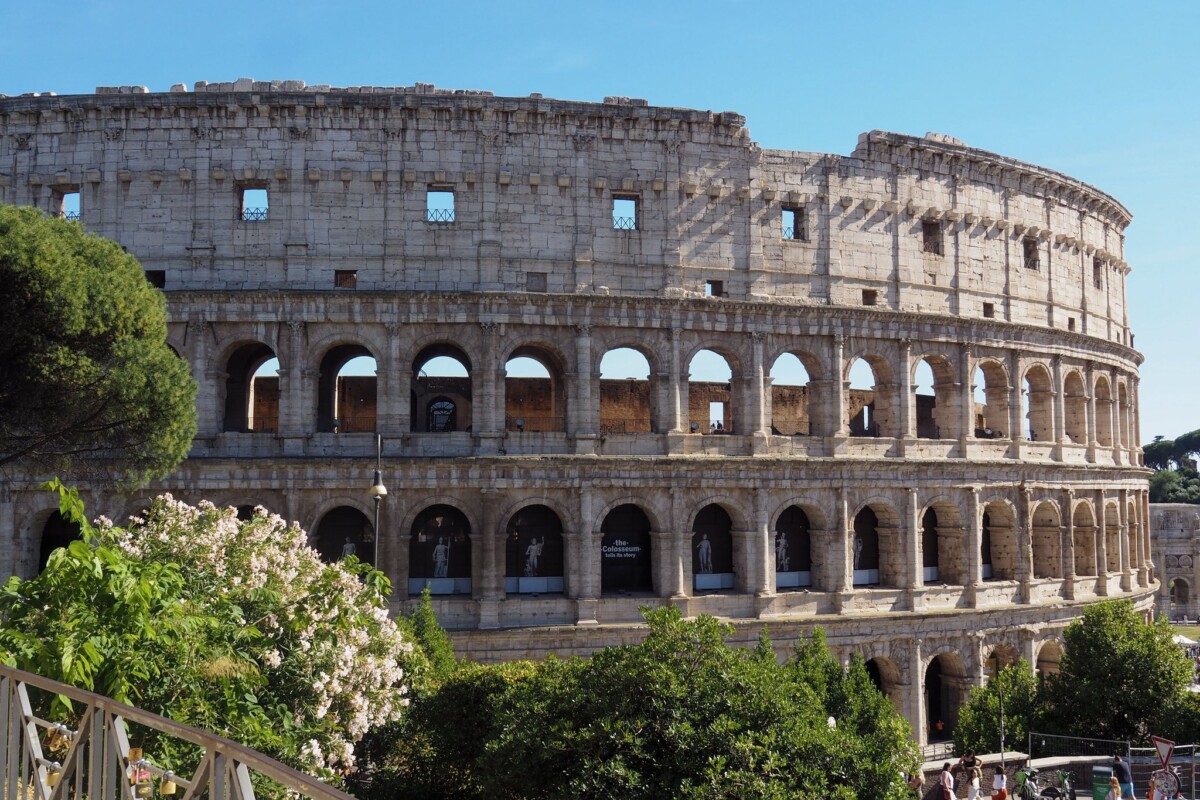
Best for: layered history and walkable monumental architecture.
Rome earns the top spot because ancient, Renaissance, and Baroque landmarks share the same streets. The Colosseum and Roman Forum show the scale of the imperial city; the Pantheon, Piazza Navona, and Trevi Fountain add domes, fountains, and lively public space. Across the river, St. Peter’s Basilica and the Vatican Museums extend the architectural story into Vatican City. Use our guide to the best things to do in Rome to plan the historic center efficiently, and consider a reserved Vatican tour when ticket lines are long.
2. Cape Town, South Africa

Best for: the strongest combination of mountains, ocean, and city life.
Few cities have a natural setting as immediate as Cape Town’s. Table Mountain rises directly behind the city, while the Atlantic coast curves past Clifton, Camps Bay, and the Cape Peninsula. The V&A Waterfront adds working harbor views, restaurants, and access to Robben Island; Bo-Kaap brings steep streets and brightly painted homes. Weather changes quickly, so check Table Mountain National Park guidance and the cableway operator before building a day around the summit.
3. Singapore

Best for: contemporary design, greenery, and precise urban planning.
Singapore pairs a futuristic skyline with some of Southeast Asia’s most carefully maintained public space. Marina Bay Sands, the ArtScience Museum, and the Helix Bridge create a distinctive waterfront, while Chinatown, Kampong Glam, and Joo Chiat preserve shophouses and neighborhood scale. Gardens by the Bay shows how architecture and planting can work together through the Supertree Grove and climate-controlled conservatories. Start with our Singapore destination guide when comparing neighborhoods and day plans.
4. New York City, New York
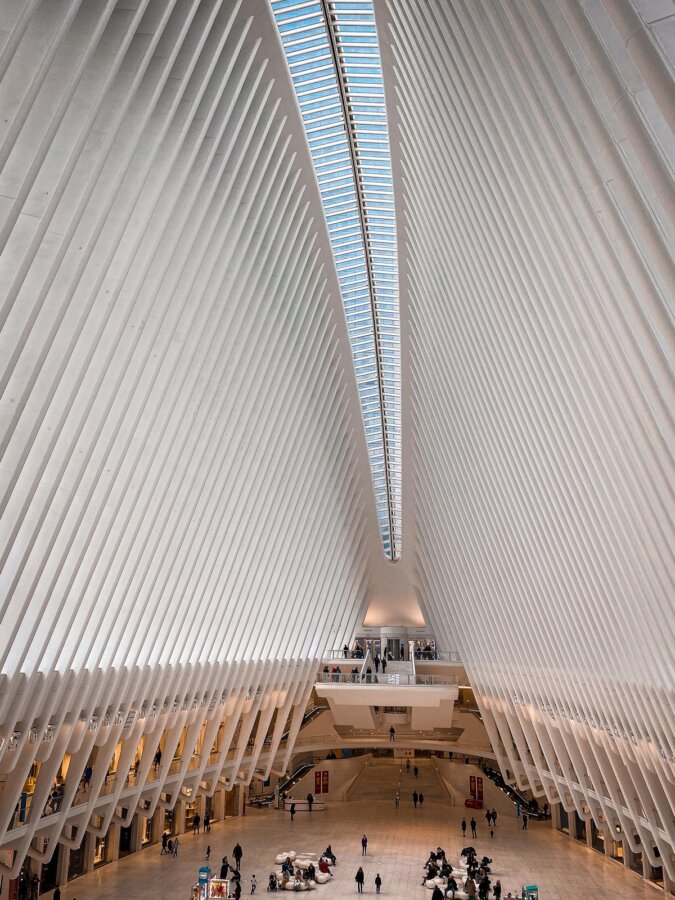
Best for: skyline drama, landmark public spaces, and architectural contrast.
New York’s beauty comes from scale and contrast: brownstone blocks, glass towers, suspension bridges, waterfront parks, and street grids that open suddenly onto major landmarks. Central Park gives Manhattan a broad green center, while the Brooklyn Bridge, Grand Central Terminal, the Oculus, and the Art Deco towers around Midtown each represent a different phase of the city’s growth. For the classic harbor approach, a Statue of Liberty and Ellis Island ferry visit provides wide views back toward Lower Manhattan.
5. Buenos Aires, Argentina

Best for: European-influenced streets, civic architecture, and neighborhood character.
Buenos Aires is strongest at street level. Recoleta’s stone facades and cemetery, San Telmo’s older blocks, Palermo’s tree canopy, and La Boca’s color give the city several visual identities rather than one uniform look. Around the official Plaza de Mayo route, Casa Rosada, the Metropolitan Cathedral, and surrounding civic buildings frame Argentina’s political center. Teatro Colón and the broad Avenida 9 de Julio add another scale entirely.
6. Paris, France
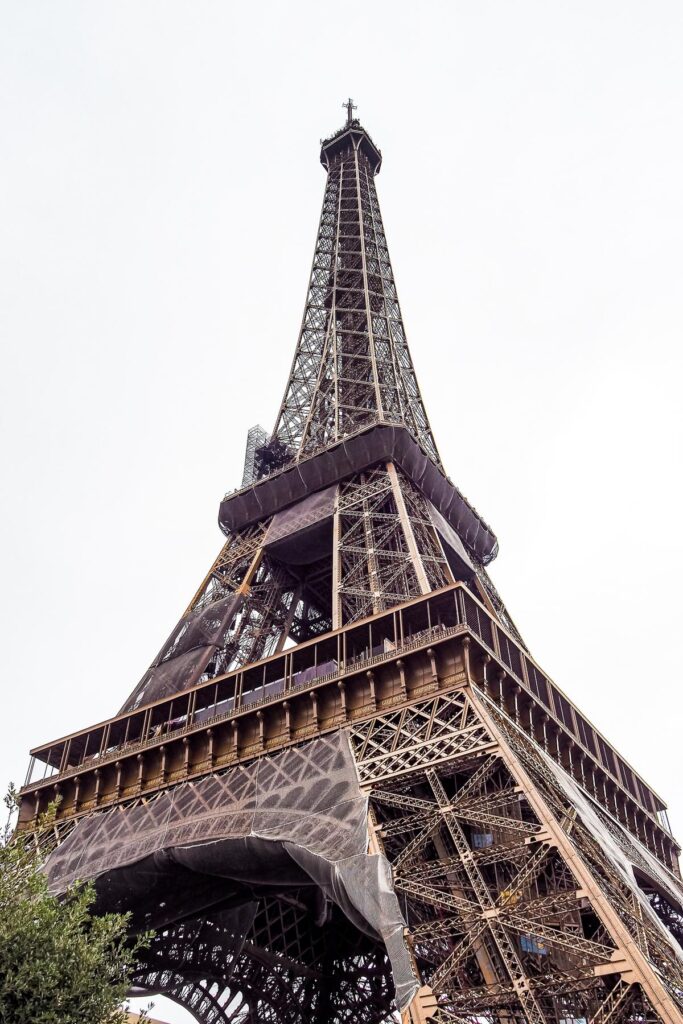
Best for: formal boulevards, river views, monuments, and evening light.
Paris is visually coherent without feeling repetitive. Haussmann-era apartment blocks line broad avenues, the Seine connects major monuments, and smaller streets around Montmartre, the Latin Quarter, and the Marais create a more intimate scale. The Eiffel Tower, Louvre, Arc de Triomphe, Sacré-Cœur, and restored Notre-Dame are famous individually, but the city’s parks, bridges, shopfronts, and limestone facades make ordinary walks rewarding. Our guide to where to stay in Paris helps match this large city to the atmosphere you want.
7. Rio de Janeiro, Brazil

Best for: dramatic topography and urban beaches.
Rio de Janeiro’s mountains and coastline shape nearly every major view. Sugarloaf Mountain rises over Guanabara Bay, Corcovado carries Christ the Redeemer above the city, and the curves of Copacabana and Ipanema place dense neighborhoods beside long beaches. Lagoa Rodrigo de Freitas and Tijuca National Park bring water and Atlantic Forest into the urban fabric. Sunrise and late afternoon usually produce the clearest sense of Rio’s scale, especially from elevated viewpoints.
8. Amsterdam, Netherlands

Best for: canal-side walking, human-scale streets, and historic houses.
Amsterdam’s seventeenth-century canal ring gives the center a structure that is easy to understand on foot or by bike. Narrow gabled houses, mature trees, brick bridges, and reflected light create changing views without monumental scale. The Jordaan, Nine Streets, Begijnhof, Museum Quarter, and quieter stretches of the eastern canals show different sides of the same compact city. Use our guide to Amsterdam’s most interesting canals to move beyond the busiest central loop.
9. Cambridge, England

Best for: Gothic college architecture and a calm riverside setting.
Cambridge compresses centuries of English university architecture around the River Cam. College courts open behind modest gates, while the Backs provide long views across lawns, bridges, and stone facades.
King’s College Chapel is the defining interior, known for its fan-vaulted ceiling and stained glass. A walking route through the center followed by a punt along the river reveals more than a rushed day of attraction hopping.
10. Washington, D.C.
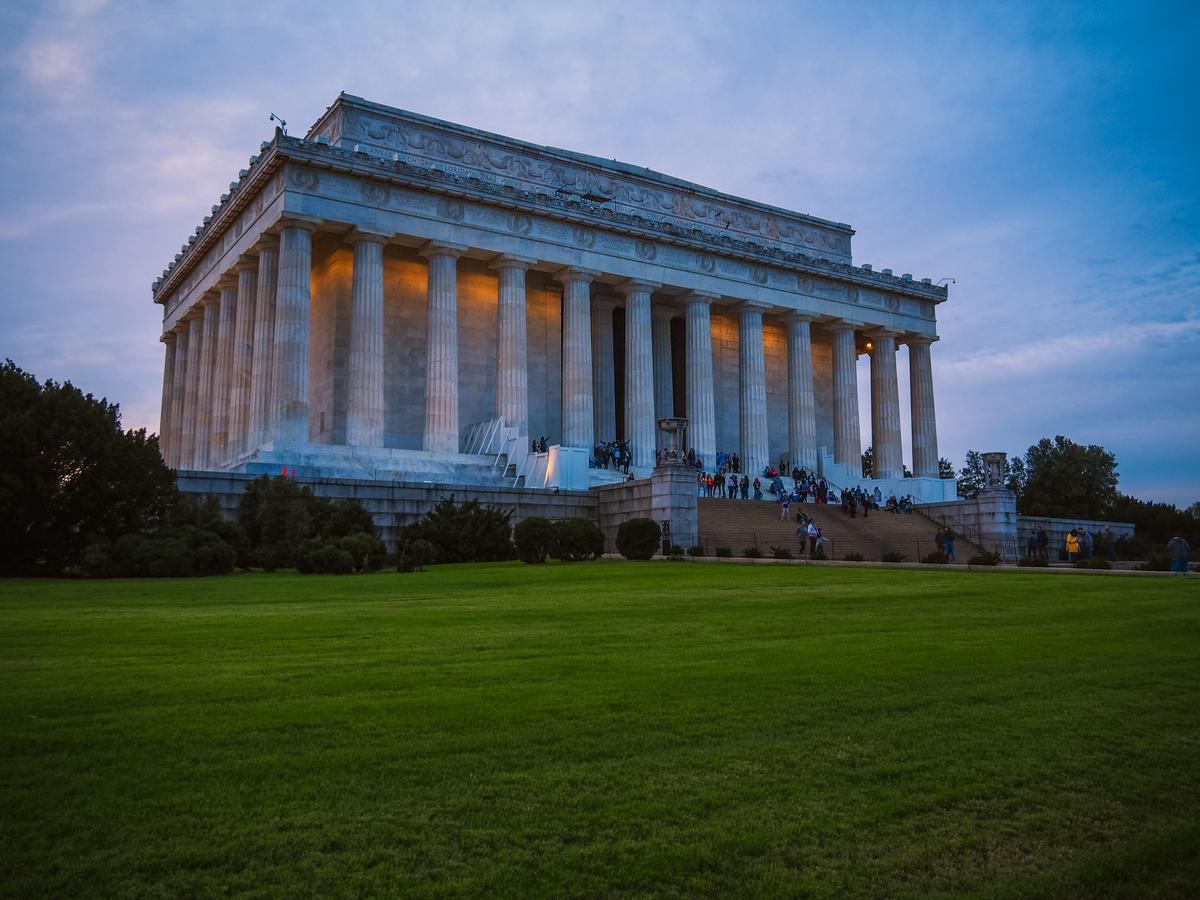
Best for: formal civic design, monuments, museums, and spring color.
Washington, D.C. was planned around long sightlines, broad avenues, and public buildings. The National Mall links the U.S. Capitol, Washington Monument, Lincoln Memorial, memorial landscapes, and Smithsonian museums in one continuous civic space.
Georgetown adds brick sidewalks and older homes; Rock Creek Park and the Tidal Basin soften the monumental core. Check the National Park Service’s cherry blossom information before a spring trip, and use our Washington, D.C. guide to group nearby sights.
11. Saint Petersburg, Russia

Best for: imperial palaces, canals, and ornate historic architecture.
Saint Petersburg’s historic center contains an extraordinary concentration of palaces, canals, churches, and formal squares. The Winter Palace and Hermitage, Church of the Savior on Spilled Blood, St. Isaac’s Cathedral, and the Neva embankments explain its place on a list based on visual character.
Travel conditions are the decisive caveat: as checked in August 2026, the U.S. State Department and the UK Foreign, Commonwealth & Development Office advise against travel to Russia. Check the advisory that applies to your nationality before making plans.
12. Boston, Massachusetts
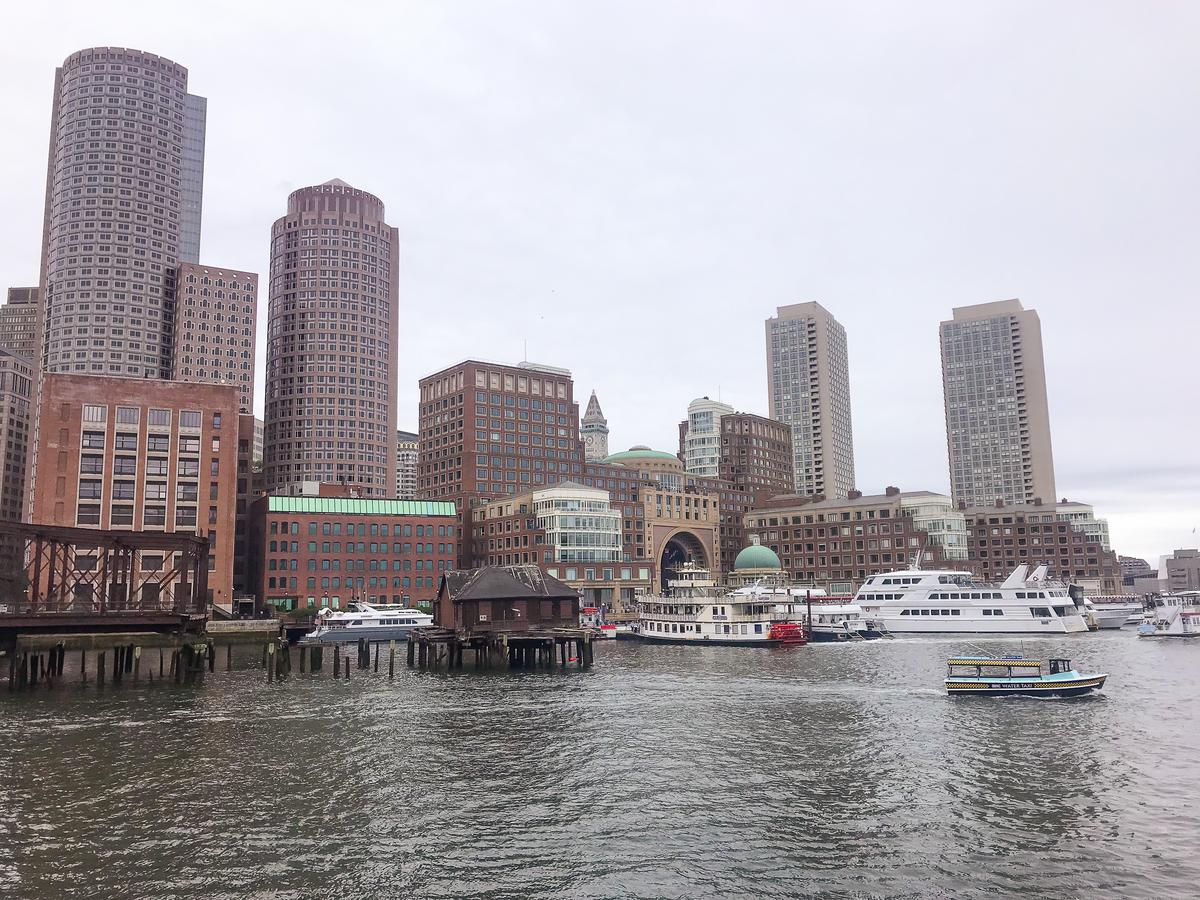
Best for: brick neighborhoods, waterfront walks, and American history.
Boston combines a modern harbor skyline with some of the most intact historic streets in a major U.S. city. Beacon Hill’s brick row houses, Back Bay’s brownstones, Boston Common, the Public Garden, and the old wharves are easy to connect on foot.
The Freedom Trail provides a clear route through the colonial core, while the Harborwalk gives wider views and space away from traffic. Our guide to the best things to do in Boston helps separate genuinely useful stops from a long list of landmarks.
13. Barcelona, Spain

Best for: distinctive architecture, street grids, and Mediterranean light.
Barcelona’s beauty is inseparable from its urban design. The Eixample’s chamfered blocks create long avenues and open intersections; the Gothic Quarter provides tighter medieval streets; the waterfront adds beaches and broad promenades.
Antoni Gaudí’s Sagrada Família, Park Güell, Casa Batlló, and La Pedrera make the city’s architecture recognizable at a glance. Visit major Gaudí sites early or with timed tickets, then spend part of the day walking a single neighborhood rather than crossing the city repeatedly.
14. Las Vegas, Nevada

Best for: nighttime spectacle and deliberately theatrical architecture.
Las Vegas belongs here for visual theater rather than historic coherence. The Strip uses scale, lighting, fountains, replicas, and interior design to create a cityscape built for nighttime.
The Neon Museum preserves signs from earlier eras, while Downtown’s older blocks contrast with the resort corridor. The surrounding Mojave Desert matters too: Red Rock Canyon is a useful counterpoint to the artificial city. Our guide to things to do in Las Vegas covers both sides.
15. Tokyo, Japan

Best for: old-and-new contrasts, night views, and highly detailed streets.
Tokyo rewards attention to small scenes as much as skyline views. Zōjō-ji Temple with Tokyo Tower behind it, lantern-lit lanes in Kagurazaka, Shibuya’s moving crowds, Meiji Shrine’s wooded approach, and the gardens around the Imperial Palace all feel distinct.
Sensō-ji anchors historic Asakusa, while Shinjuku and Roppongi provide elevated night views. Our Tokyo travel guide helps organize this enormous city by area.
16. Venice, Italy
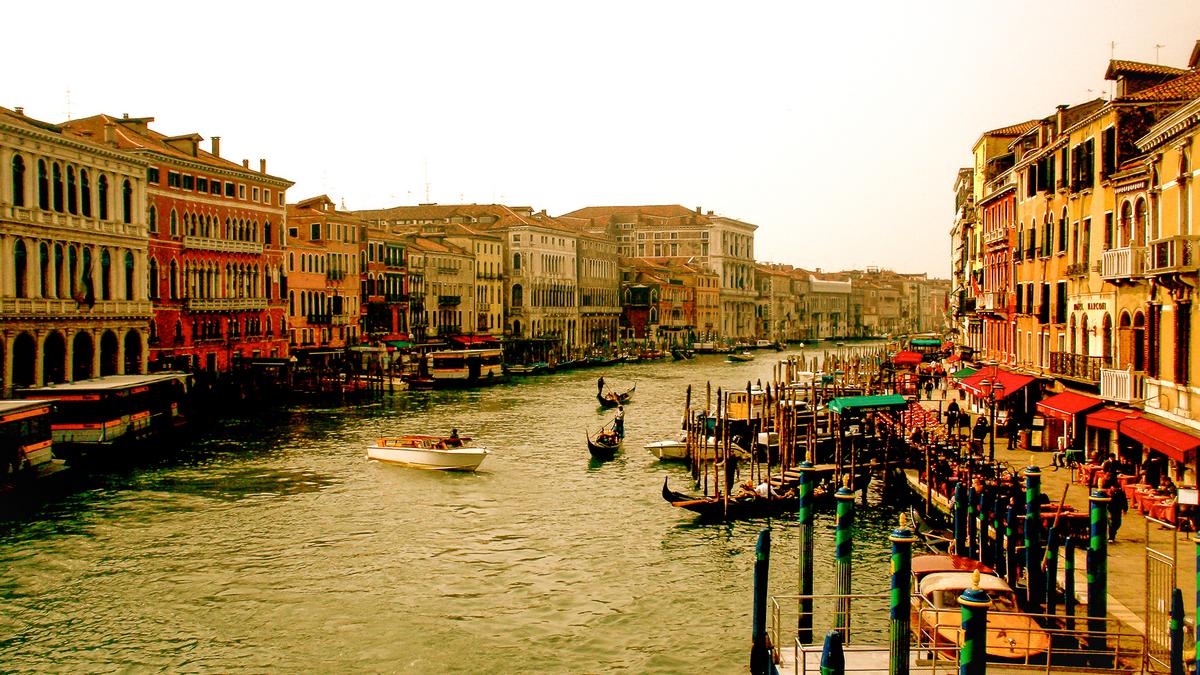
Best for: a singular canal city with Gothic and Renaissance architecture.
Venice has no close urban equivalent. The Grand Canal curves past palaces that were designed to be seen from the water, and smaller canals lead into residential districts where bridges replace street intersections.
St. Mark’s Basilica, the Doge’s Palace, Rialto Bridge, and the churches of Dorsoduro provide the headline architecture, but early walks in Cannaregio or Castello show the city at a slower pace. Read our guide to things to do in Venice, or book a gondola ride after comparing routes and group size.
Planning note: The scheduled 2026 Venice access-fee dates ended July 26. Check the official Venice Access Fee portal for future-year rules before visiting.
17. São Paulo, Brazil

Best for: modernist architecture, museums, and big-city creative energy.
São Paulo is less immediately scenic than Rio, but its architecture and cultural scale are formidable. Lina Bo Bardi’s MASP appears to hover above Avenida Paulista; Oscar Niemeyer’s curving Copan Building fills an entire block; Ibirapuera Park brings modernist pavilions into a broad green space.
Liberdade, Vila Madalena, and the historic center add street markets, murals, churches, and dense layers of immigration history. The city is most rewarding when planned around a few adjacent districts rather than treated as a checklist.
18. Sofia, Bulgaria

Best for: religious architecture, Roman layers, and mountain proximity.
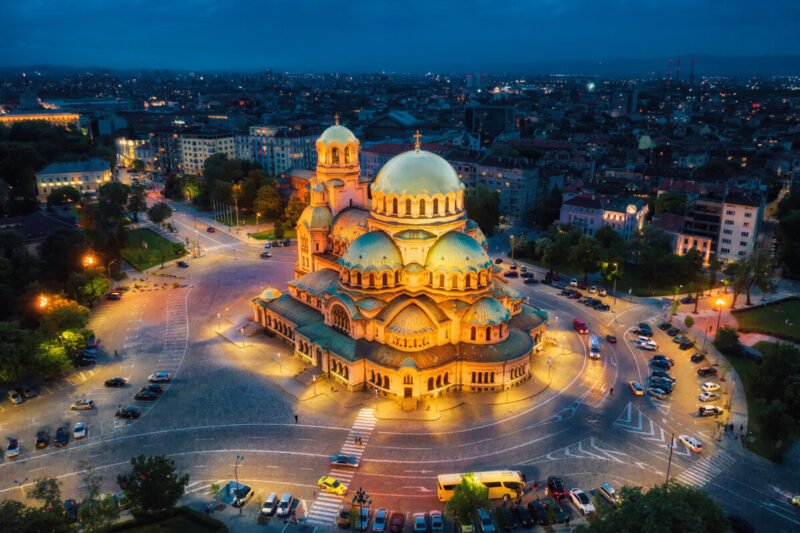
Sofia’s center places Roman ruins, Ottoman-era buildings, Orthodox churches, and twentieth-century civic architecture within a compact walking area. Alexander Nevsky Cathedral dominates the skyline with its gold domes, while the Church of St. George sits inside a modern city block and Boyana Church preserves medieval frescoes outside the center.
Vitosha Mountain rises south of the city and is reachable for hiking or winter recreation. This mix of archaeological depth and immediate mountain access gives Sofia a character larger cities often lose.
19. Varna, Bulgaria

Best for: Black Sea views, gardens, and archaeological history.
Varna combines a working port, a long seafront, and one of Bulgaria’s most important archaeological collections. The Sea Garden runs above the beach with shaded paths and coastal views; the Dormition of the Mother of God Cathedral adds a strong civic landmark; Roman baths reveal the city’s ancient scale.
The Archaeological Museum displays the Varna Gold, found in a nearby Chalcolithic necropolis. Varna works well for travelers who want history and a city base without giving up access to the Black Sea.
20. Honolulu, Hawaii

Best for: an urban beach setting framed by volcanic ridges.
Honolulu’s appeal comes from the close relationship between city, ocean, and volcanic terrain. Waikīkī places a dense hotel district beside a famous swimming and surfing beach, with Lēʻahi, commonly called Diamond Head, defining the eastern view.
Downtown adds ʻIolani Palace and Hawaii’s civic history, while Ala Moana Beach Park and the slopes above the city provide wider perspectives. Our guides to things to do in Honolulu and where to stay on Oʻahu help distinguish resort areas from local neighborhoods.
21. San Diego, California

Best for: coastal neighborhoods, Spanish Colonial Revival architecture, and easy outdoor access.
San Diego feels open because water, canyons, and low-rise neighborhoods break up the urban core. Balboa Park contains gardens, museums, and an exceptional group of Spanish Colonial Revival buildings; La Jolla adds cliffs, coves, and sea views; Coronado looks back across the bay toward downtown.
Old Town preserves an important layer of Mexican and early California history. Our guide to things to do in San Diego is organized to reduce unnecessary driving between these spread-out areas.
22. San Francisco, California

Best for: hills, bay views, bridges, and distinctive residential streets.
San Francisco’s topography creates views that would not exist on a flat grid. Cable cars climb steep streets, Victorian and Edwardian houses step up the hills, and the Golden Gate Bridge appears from parks, waterfront paths, and residential overlooks.
Chinatown, North Beach, the Presidio, Alamo Square, and the Embarcadero each have a clear visual identity. Fog changes the light and can hide the bridge for hours, so keep viewpoint plans flexible. Our list of essential places in San Francisco covers the strongest first-trip route.
23. Prague, Czech Republic

Best for: a preserved historic skyline and river crossings.
Prague’s center is unusually legible: Prague Castle occupies the ridge above the Vltava, Charles Bridge links it to Old Town, and church towers rise above red-tiled roofs. The Astronomical Clock and Old Town Square draw the largest crowds, but Malá Strana, the gardens below the castle, and riverside paths provide quieter views.
Walk Charles Bridge near sunrise if atmosphere matters more than nightlife. Our guide to things to do in Prague adds museums, neighborhoods, and practical route planning.
24. Vienna, Austria
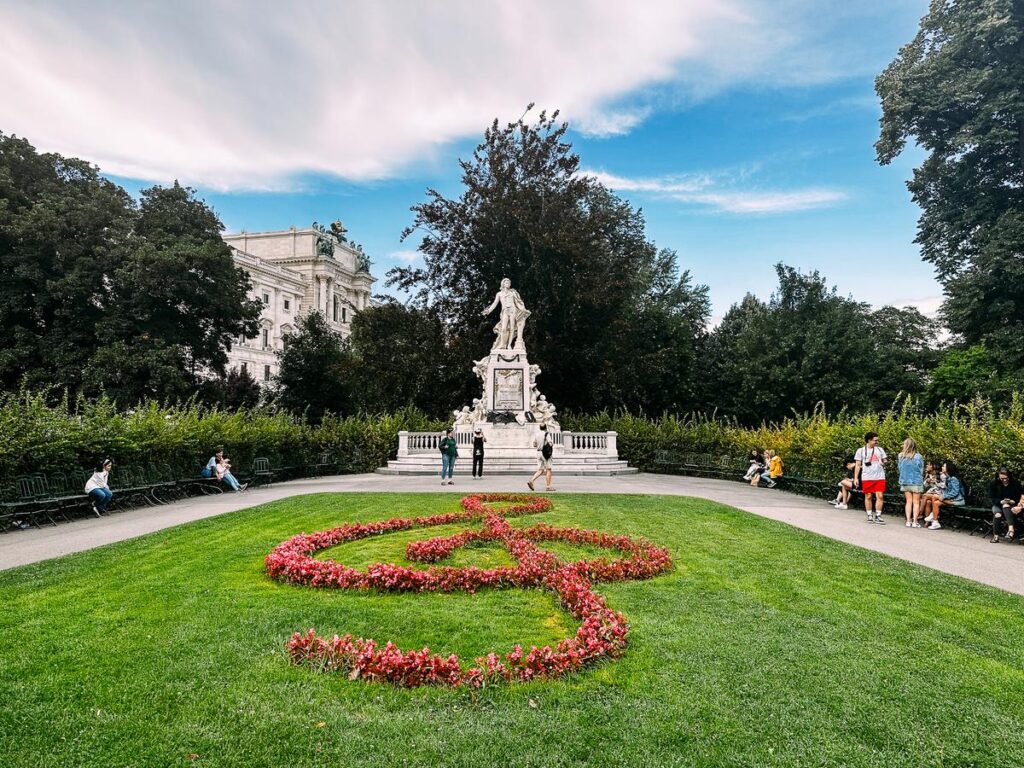
Best for: imperial architecture, formal parks, and polished public space.
Vienna’s Ringstrasse assembles museums, theaters, government buildings, and parks into one of Europe’s clearest monumental ensembles. St. Stephen’s Cathedral anchors the older center, while the Belvedere and Schönbrunn Palace extend the imperial city into landscaped grounds.
Otto Wagner’s transit architecture and the colorful Hundertwasserhaus prevent the city from feeling fixed in one period. Coffeehouses, trams, and generous pedestrian areas make the architecture easy to experience rather than simply photograph.
25. Dubai, United Arab Emirates

Best for: high-rise engineering, designed waterfronts, and desert-city contrast.
Dubai is an intentional showcase of contemporary engineering. The Burj Khalifa, Museum of the Future, Dubai Marina, and Palm Jumeirah create views that depend on height, water, and precise night lighting. The older city around Dubai Creek and Al Fahidi Historical Neighbourhood adds courtyards, wind towers, abras, and a smaller human scale.
Summer heat can make outdoor walking difficult, so cooler months give the strongest experience of both the historic districts and the waterfront. Use the official Visit Dubai site to verify seasonal events and attraction information.
26. Charleston, South Carolina

Best for: pastel streets, church steeples, gardens, and a low-rise harbor setting.
Charleston’s visual appeal comes from narrow streets, shaded gardens, historic churches, and rows of Georgian, Federal, Greek Revival, and Victorian buildings. Rainbow Row and the Battery are the familiar views, while South of Broad and the French Quarter reward slower walks.
The beauty is inseparable from a difficult history shaped by slavery and the wealth it produced; responsible visits should include sites and museums that address that record directly rather than treating the architecture as decoration alone. Our guide to things to do in Charleston includes both historic and coastal stops.
27. Budapest, Hungary

Best for: Danube panoramas, monumental architecture, and thermal-bath interiors.
Budapest’s strongest views depend on the Danube. The Hungarian Parliament stretches along the Pest bank, Buda Castle and Fisherman’s Bastion rise opposite it, and a chain of bridges connects the two halves of the city.
Gellért Hill provides the broadest panorama, while the Great Market Hall, Andrássy Avenue, and historic bath complexes add street-level detail. The buildings are especially legible after dark, when both riverbanks are illuminated. Start with our Budapest destination guide for neighborhood and itinerary planning.
28. Kyoto, Japan

Best for: temples, gardens, seasonal color, and preserved streets.
Kyoto’s beauty is distributed across hundreds of religious sites, gardens, and older neighborhoods rather than concentrated in one skyline. Kinkaku-ji reflects gold across its pond; Fushimi Inari climbs a wooded hillside through vermilion gates; Higashiyama and Gion retain narrow streets and machiya facades.
Cherry blossom and autumn seasons are striking but crowded. The official Kyoto City tourism site publishes current etiquette and crowd-management guidance, which is worth checking before visiting residential districts and popular temples.
29. Anchorage, Alaska

Best for: mountain views, wildlife access, and long summer light.
Anchorage is an urban base inside a much larger landscape. The Chugach Mountains edge the city, Cook Inlet opens to the west, and the Tony Knowles Coastal Trail links parks with views toward Mount Susitna. Earthquake Park, Kincaid Park, and the Alaska Native Heritage Center add geology, forest, and cultural context.
Wildlife can appear within city limits, so local guidance matters on trails. Use our guide to the best places to visit in Alaska to decide whether Anchorage should be a destination or a gateway.
30. Sydney, Australia

Best for: one of the world’s most recognizable natural harbors.
Sydney’s harbor gives the city both its form and its defining architecture. The Opera House and Harbour Bridge face each other across Circular Quay, ferries create moving viewpoints, and headlands divide the water into bays and beaches.
The Royal Botanic Garden, Barangaroo Reserve, and coastal walks bring native planting and open space close to the center. Bondi is famous, but Manly, Balmoral, and smaller harbor beaches show more of the city’s range. Our Australia destination page provides broader trip context.
31. Shanghai, China

Best for: a waterfront contrast between historic facades and a futuristic skyline.
Shanghai’s most powerful composition is the Huangpu River between the Bund and Pudong. The Bund’s early twentieth-century commercial buildings face the towers of Lujiazui, creating a concise visual history of the city’s international growth. Yu Garden, the former French Concession, lilong lanes, and nearby water towns add smaller-scale architecture and planting.
Night lighting makes the riverfront especially dramatic, but daytime reveals more detail in both the Bund facades and older residential districts. Check the official Shanghai tourism site for current attraction information.
32. London, England
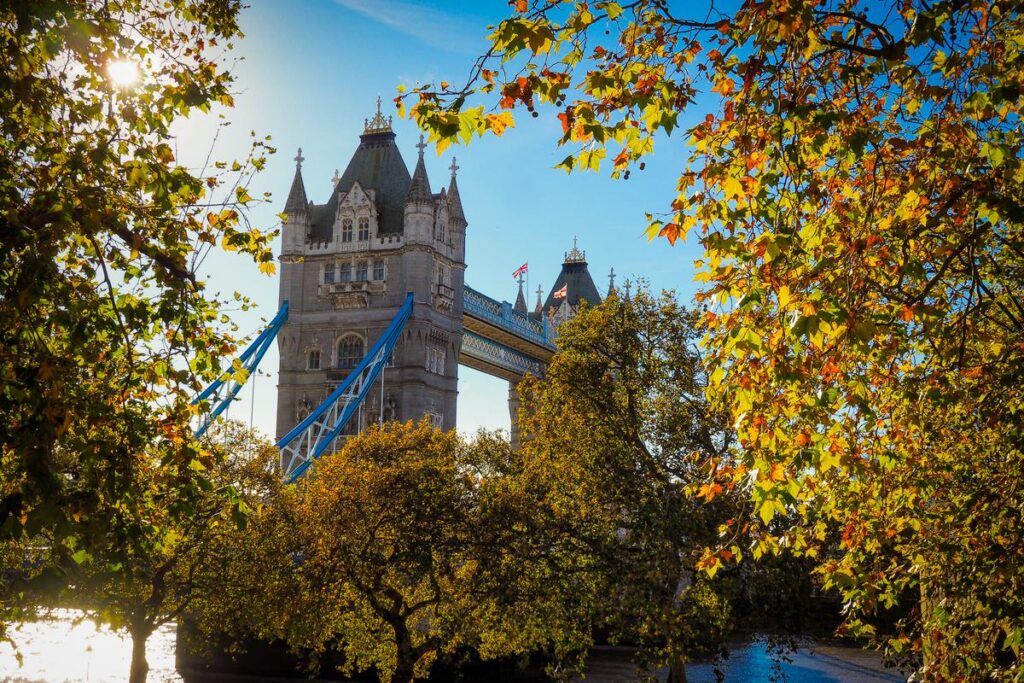
Best for: historic layers, parks, neighborhoods, and a constantly changing skyline.
London’s scale works because its districts remain visually distinct. Westminster’s Gothic profile, the City of London’s towers, Georgian Bloomsbury, colorful Notting Hill, industrial canals, and riverside South Bank can all fit within one trip.
The Thames connects the Tower of London, Tower Bridge, St. Paul’s Cathedral, Tate Modern, and modern high-rises without making them feel identical. Large parks provide necessary relief from the density. Our guide to things to do in London helps group sights by geography rather than popularity alone.
33. Stockholm, Sweden

Best for: island views, Nordic light, and a clean waterfront cityscape.
Stockholm spreads across islands where open water remains part of everyday city life. Gamla Stan concentrates narrow lanes, warm-colored facades, the Royal Palace, and Storkyrkan; City Hall adds one of the best silhouettes on Lake Mälaren; Södermalm’s northern edge looks back across the historic core.
Ferries and bridges provide frequent changes in perspective, and the archipelago begins beyond the center. The official Visit Stockholm site is useful for seasonal ferry and attraction planning.
34. Zurich, Switzerland

Best for: lake-and-river scenery with an exceptionally orderly historic center.
Zurich’s old town follows both banks of the Limmat before opening onto Lake Zurich. Church towers, guild houses, stone quays, and swimming areas create a city where water is used rather than merely viewed.
Lindenhof gives a compact overlook, while the lake promenade stretches toward parks and mountain views. For a higher perspective, the official guide to Uetliberg explains access to the city’s local mountain. Our Zurich guide covers both classic and less-central stops.
35. Bergen, Norway

Best for: a compact harbor framed by steep green mountains.
Bergen’s center sits between water and mountains, giving even short walks a strong sense of enclosure. Bryggen’s wooden wharf buildings form the best-known harbor view, while the Fløibanen reaches Mount Fløyen for a panorama over rooftops, islands, and fjords.
Nordnes, the fish market, and the lanes behind Bryggen add quieter details. Rain is part of the climate, so flexible layers matter more than a perfect forecast. Use Visit Bergen for current transport information and our guide to places to visit in Norway for a wider itinerary.
36. Edinburgh, Scotland

Best for: a dramatic ridge-top Old Town and volcanic landscape.
Edinburgh’s Old Town runs along a high volcanic ridge from the castle toward Holyrood, with closes and steep lanes dropping away on both sides. The planned Georgian New Town provides a clear architectural counterpoint, which helps explain the city’s UNESCO World Heritage status.
Arthur’s Seat and Salisbury Crags bring rough terrain within walking distance of the center, while Calton Hill provides a shorter city panorama. Festival season adds energy and pressure, so book early or visit outside August for more space.
37. Brisbane, Australia

Best for: riverfront parks, subtropical planting, and an easygoing city center.
Brisbane follows a broad river through a fast-growing subtropical city. South Bank combines gardens, museums, a promenade, and the man-made Streets Beach; the City Botanic Gardens and New Farm riverwalk extend the green network; Mount Coot-tha provides the widest view.
Jacaranda flowering varies with conditions but often colors streets and parks in spring. The official Visit Brisbane site provides current neighborhood and event information.
38. Santorini, Greece
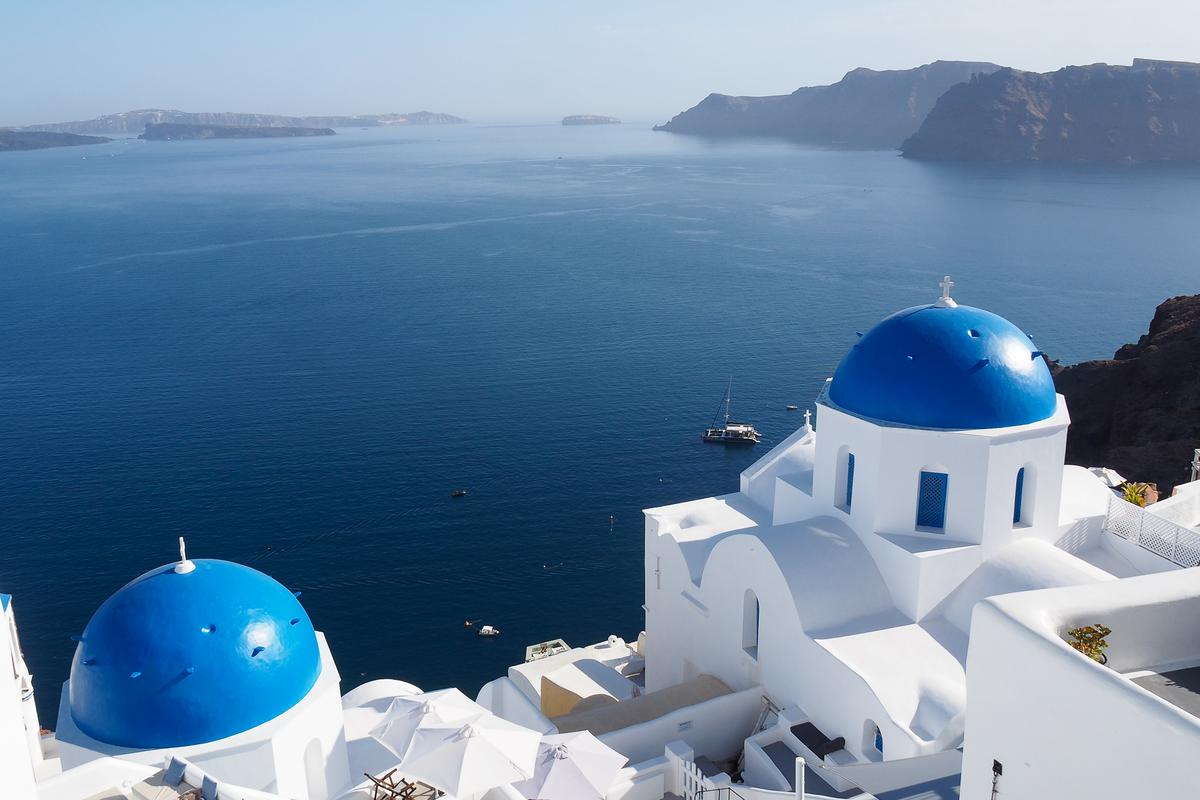
Best for: caldera views, cliffside villages, and whitewashed Cycladic architecture.
Santorini is an island rather than a single city, so this entry focuses on the cliffside settlements of Fira and Oia. Whitewashed buildings follow the caldera rim, blue-domed churches punctuate the slopes, and the volcanic islands sit far below in the Aegean.
Oia draws the largest sunset crowds; Fira has stronger transport connections and a broader mix of viewpoints. Use our guide to things to do in Santorini, check the island’s official municipal information, or compare a caldera cruise and volcano hike.
39. New Orleans, Louisiana
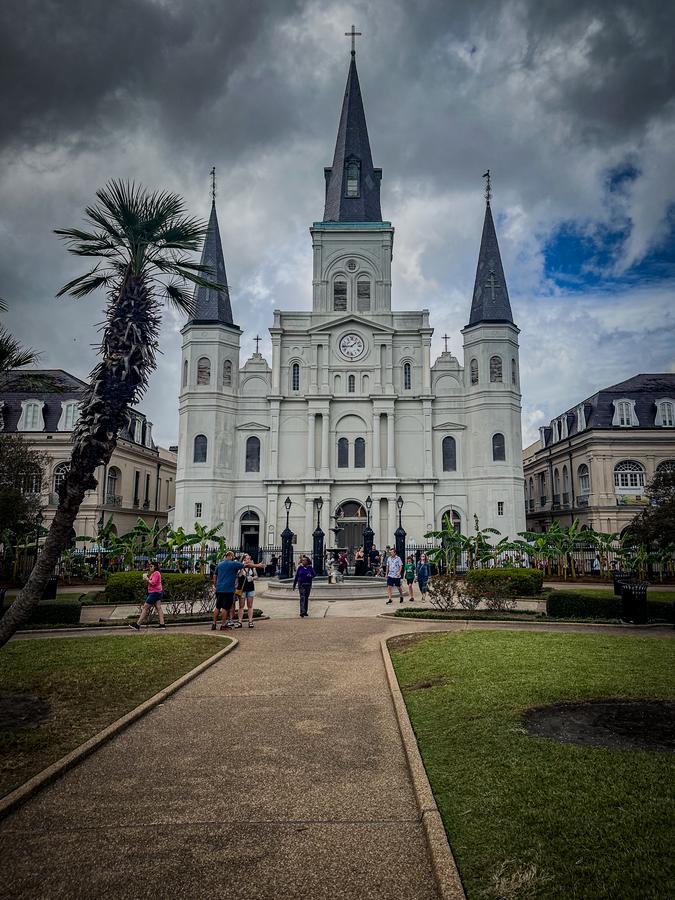
Best for: ornamental streets, live music, courtyards, and cultural depth.
New Orleans is beautiful because architecture, sound, landscape, and daily life remain closely linked. The French Quarter’s cast-iron balconies and courtyards, Jackson Square and St. Louis Cathedral, the Garden District’s shaded streets, and the Mississippi Riverfront create several distinct settings.
The streetcar is both transport and a useful way to understand the city’s scale. Mardi Gras in New Orleans is visually extraordinary, but quieter months make architecture and neighborhood walks easier. Verify current events through New Orleans & Company.
40. Jackson, Wyoming

Best for: a compact Western town beneath the Teton and Gros Ventre ranges.
Jackson is technically a town, included for the strength of its built center and mountain setting. Town Square’s elk-antler arches, low wooden storefronts, and galleries establish a clear Western identity, while Snow King Mountain rises immediately behind downtown.
Grand Teton National Park and the National Elk Refuge make the surrounding landscape the dominant feature of a visit. Our guide to tours in Jackson Hole compares wildlife, scenic, and park options; Visit Jackson Hole carries current seasonal information.
41. Madrid, Spain

Best for: grand civic spaces, major art museums, and parkland.
Madrid is strongest in its sequence of formal spaces. Plaza Mayor, Puerta del Sol, Gran Vía, Cibeles Palace, and the Royal Palace create a walkable route through changing architectural periods.
The Prado, Reina Sofía, and Thyssen-Bornemisza make the city equally important for art, while El Retiro Park and the Crystal Palace provide a green counterweight. Our guide to the best museums in Spain helps prioritize limited time, and the official Madrid tourism site is the best place to verify exhibitions and events.
42. Florence, Italy
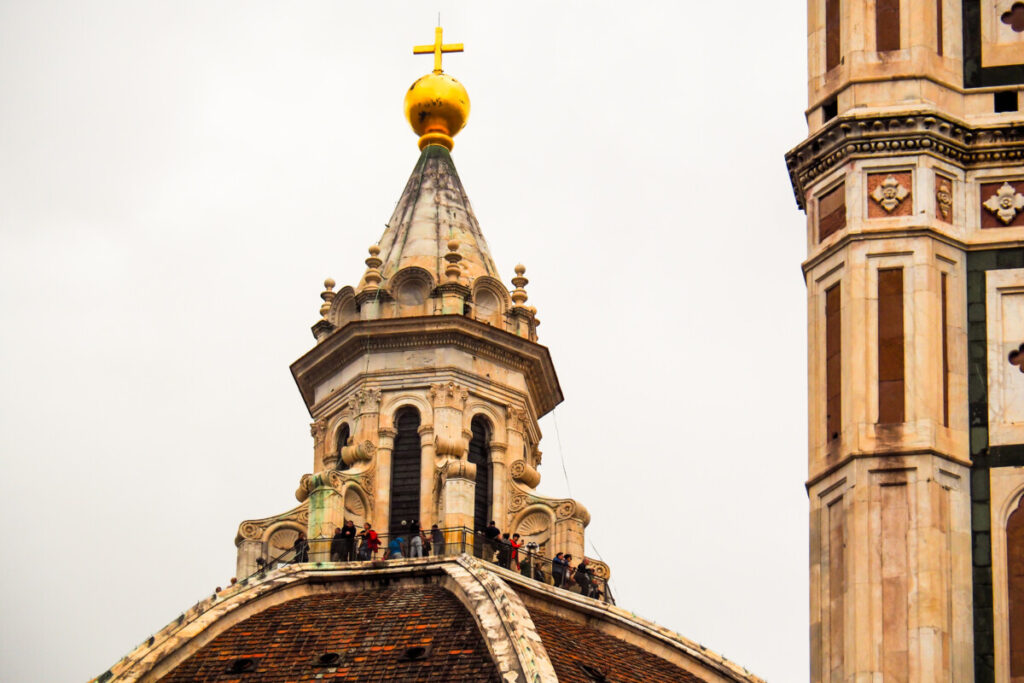
Best for: Renaissance art and architecture within a compact historic center.
Florence concentrates an exceptional amount of art and architecture into a city center that remains easy to cross on foot. Brunelleschi’s dome defines the skyline; Giotto’s Campanile and the Baptistery complete Piazza del Duomo; the Arno and Ponte Vecchio lead toward Palazzo Pitti and the Oltrarno.
The Uffizi, Accademia, and churches place major works in their original urban context. Use our guide to things to do in Florence, verify city information through FeelFlorence, and reserve the Uffizi Gallery in advance during busy periods.
43. Recife, Brazil

Best for: waterways, colonial color, and a long Atlantic waterfront.
Recife is shaped by rivers, bridges, reefs, and the Atlantic. Recife Antigo brings together Marco Zero, restored commercial buildings, cultural venues, and waterfront walks, while nearby Olinda adds steep streets and rows of colorful colonial houses. Boa Viagem provides a long urban beach beside high-rise neighborhoods.
Swimming conditions require care: follow posted signs and lifeguard guidance, avoid unprotected open-water areas and high tide when local authorities advise against entering, and review the city’s official shark-safety education before swimming.
44. Seattle, Washington

Best for: mountain-and-water views within a forested Pacific Northwest city.
Seattle sits between Puget Sound and Lake Washington with the Olympic and Cascade ranges on opposite horizons. The Space Needle and downtown skyline provide the familiar view, but the city’s strongest landscapes are often found at Kerry Park, Gas Works Park, Discovery Park, and the Washington Park Arboretum.
The Hiram M. Chittenden Locks combine gardens, working infrastructure, and seasonal salmon viewing. Our guide to things to do in Seattle adds neighborhood context; a Space Needle ticket is most useful on a day with clear mountain visibility.
45. Vancouver, Canada

Best for: a dense waterfront city between mountains, ocean, and forest.
Vancouver’s skyline is secondary to its setting. Downtown occupies a peninsula between Burrard Inlet and False Creek, the North Shore Mountains rise across the water, and Stanley Park protects a large forest at the city’s edge.
The seawall links beaches, harbor views, and neighborhoods without leaving the waterfront for long. Granville Island and the West End add market and residential detail. First Nations art and cultural presence should be described with care and attribution rather than treated as decoration. Use Destination Vancouver for current park, transit, and event planning.
How to choose the right city for your trip
Start with the setting you want to experience every day, not the landmark you want to photograph once. Choose Cape Town, Rio de Janeiro, Vancouver, Bergen, or Anchorage when mountains and water are central to the trip.
Pick Rome, Florence, Vienna, Prague, or Kyoto when architecture and history matter most. Singapore, Tokyo, Dubai, Shanghai, and Las Vegas suit travelers drawn to contemporary skylines and night scenes.
Season and crowd tolerance can change the answer. Mediterranean cities are easier to walk in spring and fall; northern cities gain long daylight in summer; Kyoto, Washington, and Amsterdam have short seasonal peaks that draw heavy crowds. For Venice, Santorini, Edinburgh, and Florence, staying overnight often gives you quieter early mornings and evenings than a day trip.
A city should also fit the rest of the itinerary. Paris and London reward longer stays because of their scale. Cambridge, Florence, Venice, and Charleston are easier to understand in a compact visit. Anchorage, Bergen, Jackson, and Santorini work best when the surrounding landscape is part of the plan rather than a background view.
Frequently asked questions
What is the most beautiful city in the world?
There is no objective winner, but Rome ranks first here because ancient, Renaissance, and Baroque architecture is woven through a walkable historic center. Cape Town is the stronger choice for natural scenery, while Kyoto stands out for temples, gardens, and preserved streets.
Which city has the best natural setting?
Cape Town has the strongest overall natural setting on this list because Table Mountain, the Atlantic coast, beaches, and the Cape Peninsula are all visible from the city. Rio de Janeiro and Vancouver are close alternatives.
Which cities are best for architecture?
Rome, Florence, Barcelona, Vienna, Prague, and Kyoto are leading choices for historic architecture. Singapore, Tokyo, Shanghai, and Dubai are better fits for contemporary engineering and modern skylines.
What is the best time to visit the world’s most beautiful cities?
Spring and fall are the most reliable seasons for many European and North American cities because temperatures are comfortable and peak summer crowds are lower. Climate varies widely, so check the specific destination, local holidays, weather risks, and seasonal opening schedules before booking.
How were the cities selected?
The ranking considers natural setting, architecture and urban form, public space, cultural character, and the street-level experience between major sights. It is an editorial list, not a data-based global index.