The best vacations with minimal walking are trips where transportation is part of the experience. Cruises, vehicle-based safaris, Las Vegas resort stays, scenic rail journeys in Switzerland, and fjord trips in Norway can all reduce the distance you need to cover on foot. London, Oahu, Amsterdam, and Rome can also work, but they require more careful route and venue planning.
This guide is for travelers who cannot walk far because of a disability, chronic pain, fatigue, age, injury, or temporary recovery. No destination is universally accessible. The right choice depends on your walking limit, transfer ability, mobility device, need for assistance, and tolerance for uneven surfaces.
Last accessibility review: August 2026. Lift status, vehicle availability, attraction policies, and accessible rooms can change without notice, so verify every critical detail directly before paying.
Disclosure: ViaTravelers may earn a commission from some booking links at no extra cost to you. Accessibility information should always be confirmed with the hotel, cruise line, attraction, or tour operator before booking.
Key takeaways
- Cruises and vehicle-based safaris usually require the least walking, but accessible cabins, transfers, vehicles, and port access must be reserved in advance.
- London and Switzerland offer the strongest public-transport support on this list, although not every station or route is step-free.
- Amsterdam and Rome have excellent accessible attractions, but historic streets, bridges, cobblestones, and lift outages can complicate the route between them.
- An “accessible room” label is not enough. Ask for exact door widths, bathroom features, bed height, lift dimensions, and the step-free route from arrival point to room.
Vacations with minimal walking at a glance
| Vacation | Best low-walking plan | Best for | Main access issue |
|---|---|---|---|
| Cruise | Accessible cabin near elevators, onboard activities, and ports where the ship docks | Travelers who want one unpacking point | Tender boats and inaccessible shore transport |
| South African safari | Private or adapted game-drive vehicle and a mobility-adapted lodge room | Wildlife viewing with most time seated | High vehicle steps and transfers |
| Las Vegas | Central resort, scooter rental, monorail, buses, taxis, and one resort cluster per day | Shows, dining, gaming, and indoor entertainment | Long distances inside resorts and pedestrian bridges |
| Amsterdam | Accessible metro routes, major museums, and a prebooked wheelchair-accessible canal boat | Art, canals, and compact sightseeing | Cobblestones, bridge slopes, and variable tram access |
| Norway | Fjord cruise, ferry, scenic drive, modern train, or vehicle-based Northern Lights tour | Scenery without long walks | Snow, ice, steep terrain, and route-by-route variation |
| Switzerland | Scenic trains, lake boats, and selected accessible cable cars | Mountain views and rail travel | Not every station or summit attraction is barrier-free |
| Oahu | Resort base, accessible vehicle, and beaches with mats or all-terrain wheelchairs | Warm-weather relaxation and scenic drives | Sand, heat, and limited equipment availability |
| Rome | Private driver or accessible buses, timed attraction entries, and taxi transfers between clusters | Ancient history, museums, and food | Cobblestones, hills, crowds, and inconsistent lifts |
| London | Low-floor buses, step-free rail routes, taxis, and prebooked access at major attractions | Museums, theater, landmarks, and city sightseeing | Only part of the Tube network is step-free |
How these destinations were selected
The order below is not a universal accessibility ranking. We prioritized places where major experiences can be reached by ship, vehicle, rail, ferry, accessible public transport, or short transfers. We also considered terrain, the availability of seating and restrooms, the amount of advance planning required, and the consequences if a lift or accessible vehicle is unavailable.
Before choosing a destination, decide what “minimal walking” means for you. A traveler who can walk 300 yards with rest breaks has different options from someone who must remain in a power wheelchair. Use the planning checklist below to test each trip against your actual needs.
9 best vacations with minimal walking
1. Cruise vacation
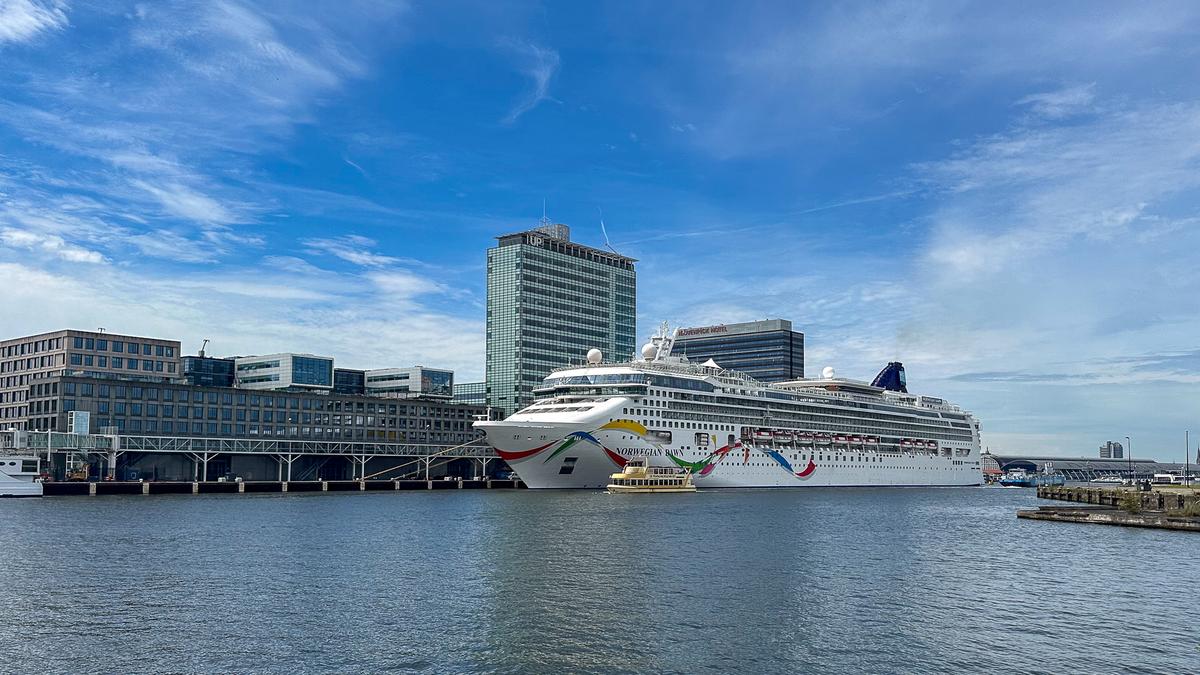
A cruise is often the easiest vacation for travelers who want one room, one unpacking point, and many activities under the same roof. Large ships typically have elevators, restaurants, theaters, pools, shops, and medical facilities within the vessel. Accessible staterooms can include wider doors, roll-in showers, grab bars, lower storage, and space for a wheelchair or scooter.
The legal picture is more precise than the original article suggested. The U.S. Department of Transportation states that passenger vessels, including cruise ships, are covered by disability-access requirements, while ship design standards and practical access still vary. Treat the cruise line’s ship-specific deck plan and access department as the source of truth for your sailing.
The biggest risk is not the ship itself but getting ashore. At tender ports, passengers transfer to a smaller boat. Royal Caribbean’s current guidance, for example, says power wheelchairs and scooters generally cannot use tenders unless roll-on access is available, and that access is not guaranteed.
- Reserve a fully accessible stateroom rather than an ambulatory-accessible room if you need a roll-in shower or space to remain in your chair.
- Choose a cabin close to elevators, but ask about noise from elevator lobbies and public venues.
- Favor itineraries with docked ports and accessible shore excursions rather than multiple tender ports.
- Tell the cruise line about your mobility device, battery type, oxygen, service animal, or boarding-assistance needs well before departure.
Best for: travelers who want the lowest daily planning burden and can confirm ship, cabin, and port access before final payment.
2. South African safari

A safari can deliver a major travel experience with very little walking because game viewing happens mainly from a vehicle. Kruger National Park also publishes camp-by-camp accessibility information covering gates, hides, picnic sites, lookouts, and accommodation.
The vehicle is the critical detail. Standard open safari vehicles often have high steps and narrow entry points. Ask whether the operator can provide a hydraulic lift or ramp, secure a wheelchair, allow a traveler to remain seated in a mobility device, or assist with a transfer. Also ask about the height of the seat, toilet access during drives, and the surface between the room, dining area, and vehicle pickup point.

Do not reserve a standard room and expect to switch on arrival. SANParks asks travelers to identify their mobility needs during booking so an adapted unit can be reserved. A specialist operator can also coordinate the vehicle, lodge, airport transfer, and equipment as one plan. This is one situation where understanding the difference between a tour operator and a travel agent matters.
You can compare Kruger game drives, but contact the operator before paying if you need a lift, ramp, wheelchair securement, or transfer assistance. A generic “limited mobility” label does not answer those questions.
Best for: wildlife lovers who can use a verified vehicle setup or book through a specialist accessible-safari operator.
3. Las Vegas

Las Vegas works well when the resort is the destination. You can stay, eat, see a show, visit a spa, shop, and spend an evening in the casino without changing buildings. The tradeoff is scale: the route from a hotel room to a theater or restaurant can still be long inside a large resort.
Public transport reduces the need to walk between resort clusters. The Regional Transportation Commission of Southern Nevada says its vehicles have wheelchair ramps and kneeling devices, while the Las Vegas Monorail provides elevators, level boarding, and space for mobility devices at every station.
- Choose a resort beside the two or three attractions you care about most rather than selecting only by room price.
- Reserve a scooter or wheelchair before arrival, especially during conventions and major events.
- Plan one geographic cluster per day and use a taxi or rideshare when “one block” includes a long resort frontage or pedestrian bridge.
- Ask for an accessible room reasonably close to an elevator and confirm the route does not require stairs or a long casino-floor detour.
Use our guide to the best things to do in Las Vegas to group attractions, then decide whether you need a car in Las Vegas based on your hotel location and transfer needs.
Best for: travelers who prefer indoor entertainment and are comfortable using a scooter, monorail, bus, or short vehicle transfers.
4. Amsterdam, Netherlands

Amsterdam is a good low-walking city break when you combine accessible public transport, major museums, and a canal cruise. It should not be described as meeting “ADA requirements,” because the ADA is a U.S. law. Local accessibility varies by vehicle, stop, building, and historic street.
I amsterdam’s accessibility guide says the metro network has lifts, ramps, wide gates, and designated wheelchair spaces. Some gaps still require assistance, and tram or bus stops can be less predictable. Use the GVB accessible-journey filter instead of assuming the nearest stop will work.
A canal cruise can replace hours of street-level sightseeing, but accessible boats are limited. I amsterdam currently identifies Blue Boat Company as the dedicated wheelchair-accessible option and advises booking the accessible boat and jetty in advance. Review our Amsterdam tour options, then confirm the exact boat, boarding lift, restroom, and departure dock directly with the operator.

Museumplein is useful for a compact day. The Rijksmuseum reports that its galleries are accessible by wheelchair or mobility scooter, and the Van Gogh Museum offers priority entrance for visitors with disabilities. You can check Van Gogh Museum ticket availability, then verify companion-ticket and mobility-aid rules on the museum’s official accessibility page.
The central canal belt remains the main obstacle. Brick paving, cobbles, narrow sidewalks, bicycle traffic, and steep bridge approaches can make short distances tiring. A hotel near an accessible metro station or Museumplein may be more practical than a picturesque canal house with stairs. See our Amsterdam attractions guide and group nearby venues into the same day.
Best for: museum and canal travelers who can prebook the right boat and avoid long routes through the historic center.
5. Norway

Norway is strongest as a low-walking vacation when the route centers on ferries, cruises, scenic trains, and guided vehicles rather than mountain trails. Oslo, Bergen, and Tromsø offer compact clusters of attractions, while fjord itineraries make the landscape visible from a ship, train, or road.
Visit Norway’s disability travel guidance says most modern trains have wheelchair lifts and accessible toilets, and most ferries provide ramps and accessible facilities. The same source warns that details vary and that advance contact is important. Older ferries, small tour boats, rural stops, and replacement transport may not match the mainline network.
- Choose late spring through early autumn if snow and ice would create a serious barrier.
- For Northern Lights trips, ask whether the vehicle has a lift or low step, whether you can remain seated in your chair, and how far the viewing point is from the vehicle.
- For ferries and sightseeing boats, confirm boarding ramp angle, accessible restroom access, and whether the vessel can carry the dimensions and weight of your device.
- Book a central hotel near the station or harbor to reduce daily transfers.
You can review Tromsø tours and Kvaløya excursions, but do not rely on a general accessibility icon. Ask the operator to describe the complete route from pickup to viewing location.
Best for: travelers who want dramatic scenery from a ship, ferry, train, or guided vehicle and can avoid winter surface conditions.
6. Switzerland

Switzerland combines scenic transportation with a national system for planning accessible journeys. The Swiss Federal Railways accessibility tools show which connections are independently accessible and where boarding assistance is available. Use the timetable for the exact train, station, and transfer rather than assuming the whole route is barrier-free.
Mountain excursions require the same route-level checking. The Jungfraujoch operator recommends the Eiger Express route from Grindelwald Terminal for wheelchair users and says the summit complex is wheelchair accessible, including a stair lift at the Ice Palace entrance. Advance notice is required in some situations. Our Jungfraujoch guide can help you understand the trip before checking the current accessibility instructions.
Glacier 3000 is another example of why “accessible attraction” needs detail. Its official FAQ says the cable car and summit building are adapted for reduced mobility, but the Peak Walk suspension bridge requires roughly 100 steps. You can check Glacier 3000 ticket options while planning only the areas that match your mobility.
Lucerne is an efficient base for lake cruises and rail excursions. Pair our Lake Lucerne travel guide with the SBB accessible timetable, and choose accommodation close to the station or boat pier.
Best for: travelers who want mountain scenery and can plan each train, boat, and cable-car segment in advance.
7. Oahu, Hawaii

Oahu can be a low-walking beach vacation if you stay near the activities you want, use an accessible vehicle, and choose beaches with verified equipment. The original claim that almost every beach is accessible was too broad. Access mats and all-terrain wheelchairs are available only at selected locations.
The City and County of Honolulu lists current beach wheelchair and access-mat locations, including Ala Moana Regional Park and Hanauma Bay. Equipment is limited, operating arrangements can change, and a beach wheelchair may require a companion to push it. Call the facility before departure rather than assuming a chair will be waiting.
Use a resort base in Waikiki or near Ala Moana to reduce transfers, then plan drive-up viewpoints, a vehicle tour, and one accessible beach day. Our guides to things to do in Oahu and Hawaii attractions can help you group nearby stops.
Current caveat: As of August 2026, the official ʻIolani Palace accessibility page says its wheelchair lift is temporarily out of service. Check the palace’s accessibility notice before including an interior tour in a mobility-dependent itinerary.
- Ask whether the hotel’s pool, beach path, restaurants, and shuttle are on a continuous step-free route.
- Schedule outdoor activities early to reduce heat exposure and fatigue.
- Confirm whether a beach chair can enter the water, whether staff assist with transfers, and whether an accessible shower or restroom is nearby.
- Avoid building the trip around steep trails such as the Diamond Head summit route, which is not wheelchair accessible.
Best for: travelers who want warm weather and can reserve the right beach equipment, vehicle, and resort location.
8. Rome, Italy

Rome is not naturally a minimal-walking destination. Cobblestones, broken paving, hills, crowds, and long museum routes create real barriers. It still belongs on this list because many major attractions have accessible routes and the city can be divided into compact clusters connected by an accessible bus, taxi, private driver, or sightseeing vehicle.
Rome’s ATAC transit authority says its bus fleet has boarding platforms and wheelchair spaces, while about 70% of trams have low floors. Metro and rail access depends on the station and whether lifts are operating, so check the current status before each journey.
The Colosseum Archaeological Park provides wheelchairs at selected entrances and accessible services, but not every level or archaeological route is barrier-free. The Vatican Museums publish an accessible itinerary with lifts, ramps, and wheelchairs. Prebook the appropriate entry and allow more time than a standard itinerary.
- Choose one major site per half day and use a vehicle between the Colosseum, Vatican, and historic-center clusters.
- Book timed entries to reduce standing and ask where the accessible entrance is before arrival.
- Stay on a street with vehicle access and a modern lift rather than choosing a historic building only for atmosphere.
- Check the day’s lift status and carry the address of the accessible entrance in Italian.
Our guide to the best things to do in Rome can help you organize attraction clusters. You can also compare Rome sightseeing bus options and review Vatican ticket options, but verify the operator’s lift, ramp, boarding, and companion policies directly.
If you want to leave the city, prioritize day trips from Rome that use a private vehicle and a step-free attraction rather than a walking-intensive village itinerary.
Best for: travelers who value ancient history enough to accept more planning, vehicle transfers, and uneven outdoor surfaces.
9. London, England
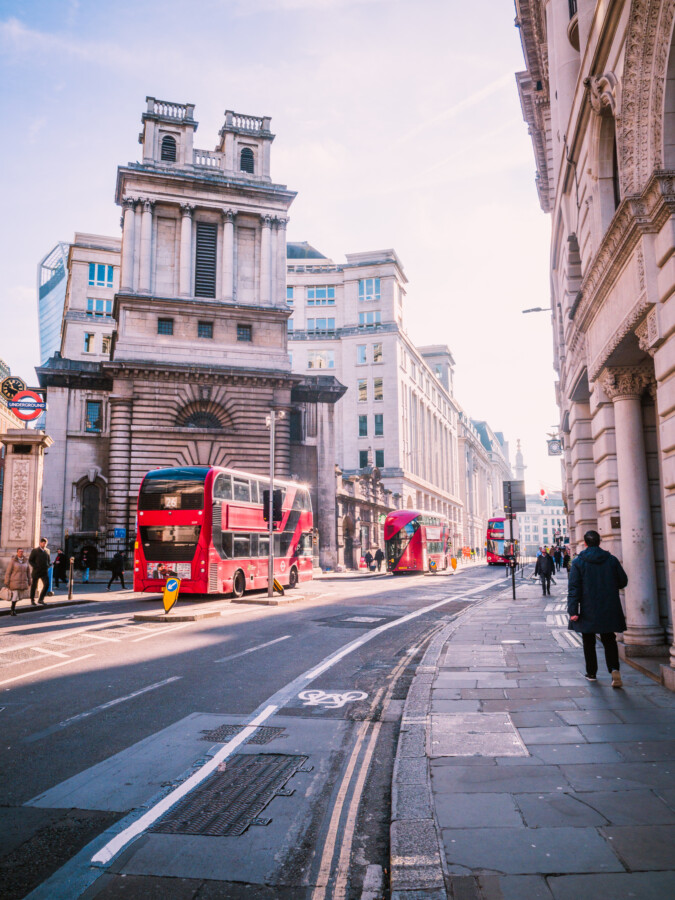
London is one of the strongest city choices on this list because buses, taxis, museums, theaters, and major attractions provide many ways to reduce walking. The city is still enormous, and a “step-free station” does not always mean a short interchange or a level gap between train and platform.
Transport for London says every bus route uses low-floor vehicles with an access ramp and a dedicated wheelchair space. All DLR stations are step-free, while only around one-third of Tube stations provide step-free access. Use TfL’s accessible journey planner for the exact route and direction of travel.
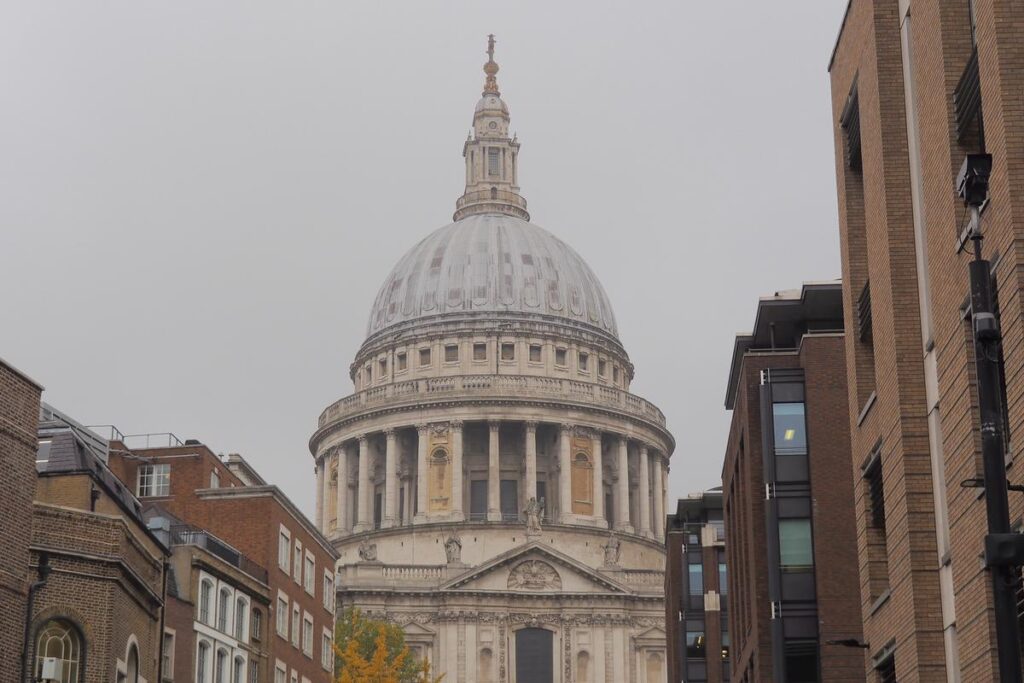
Several signature attractions can be planned with little walking. The London Eye is wheelchair accessible, but wheelchair slots should be booked in advance because capacity is limited. Buckingham Palace offers a step-free route and loan wheelchairs or rollators, but the Royal Collection Trust requires advance arrangements for step-free access.
- Use buses for short sightseeing hops when the nearest Tube station is not step-free.
- Choose a hotel near a step-free station and a frequent bus corridor, then test the route in TfL’s planner before booking.
- Prebook wheelchair spaces, access routes, companion tickets, and loan equipment at popular attractions.
- Use AccessAble or the venue’s own access guide to check entrance gradients, seating, toilets, lift dimensions, and hearing or sensory support.
Start with our guide to the best things to do in London, then adapt this two-day London itinerary by replacing long walks with buses, taxis, and one attraction cluster per half day. You can also check London Eye ticket availability after reserving the required wheelchair slot.
Best for: museum, theater, and landmark travelers who can plan around step-free stations and prebook attraction access.
How to plan a vacation when you cannot walk far
- Write down your maximum comfortable distance, how long you can stand, whether you can manage steps, and whether you can transfer from your mobility device.
- Record the dimensions and weight of your wheelchair or scooter, including its turning radius and battery type.
- Map the complete route from airport or port to hotel room, then from the room to each attraction. Include curb cuts, lifts, restroom access, gradients, and waiting areas.
- Reserve essential equipment, accessible transport, attraction access, and companion tickets before booking nonrefundable components.
- Check lift, tender, boat, and vehicle status again 48 hours before the activity and on the day itself.
- Schedule one major activity at a time and keep a backup that does not depend on the same lift, vehicle, or weather condition.
Questions to ask an accessible hotel before booking
Please confirm the step-free route from the drop-off point to the room, the clear width of every doorway, the bed height, the space beside the bed, the shower type and dimensions, the location of toilet grab bars, the lift dimensions, and whether any advertised feature could be unavailable during my stay. Please send current photos of the exact room category if possible.
Keep the response in writing. Booking-platform filters are useful for narrowing options, but they do not establish that a room fits a particular traveler. Compare options using our guide to the best websites for flights and hotels, then verify the room with the property itself.
Use the free travel packing-list generator to record medication, charging cables, repair tools, pressure-relief supplies, copies of equipment specifications, and contact details for local mobility-equipment providers.
Frequently asked questions
What type of vacation requires the least walking?
A large cruise ship with a fully accessible cabin usually requires the least daily walking because lodging, dining, and entertainment are in one place. A vehicle-based safari can require even less walking during activities, but the vehicle transfer and lodge route must be verified.
Are cruises a good option for wheelchair or scooter users?
They can be, provided you reserve the correct accessible cabin and verify gangways, shore transport, and tender ports. Power chairs and scooters may not be allowed on tender boats unless roll-on access is available.
Which European destinations are best for travelers who cannot walk far?
London and Switzerland are the strongest choices in this list because they offer extensive accessible transport and many step-free attractions. Amsterdam can work with an accessible metro route and prebooked canal boat. Rome requires more vehicle transfers because of cobblestones, hills, and inconsistent lift access.
How do I verify that an accessible hotel room will work for me?
Ask for exact doorway widths, bed height, transfer space, shower dimensions, toilet grab-bar placement, lift dimensions, and current photos of the exact room category. Also confirm the step-free route from the vehicle drop-off point to the room.
Can I take an international vacation if I cannot walk at all?
Yes, but every critical link must work without walking: airport assistance, transfers, hotel access, toilets, attractions, restaurants, and emergency alternatives. A specialist accessible-travel operator is often worth the cost when several countries, rural areas, boats, or vehicle transfers are involved.
Choose the trip that matches your mobility needs
The easiest trip is not always the closest or the flattest. It is the one where transportation, accommodation, activities, restrooms, and backup plans form a continuous route that works for your body and equipment. A cruise or safari may minimize walking most effectively. London or Switzerland may offer more independent movement. Amsterdam, Oahu, and Rome can still be rewarding when the itinerary is built around verified access rather than optimistic assumptions.