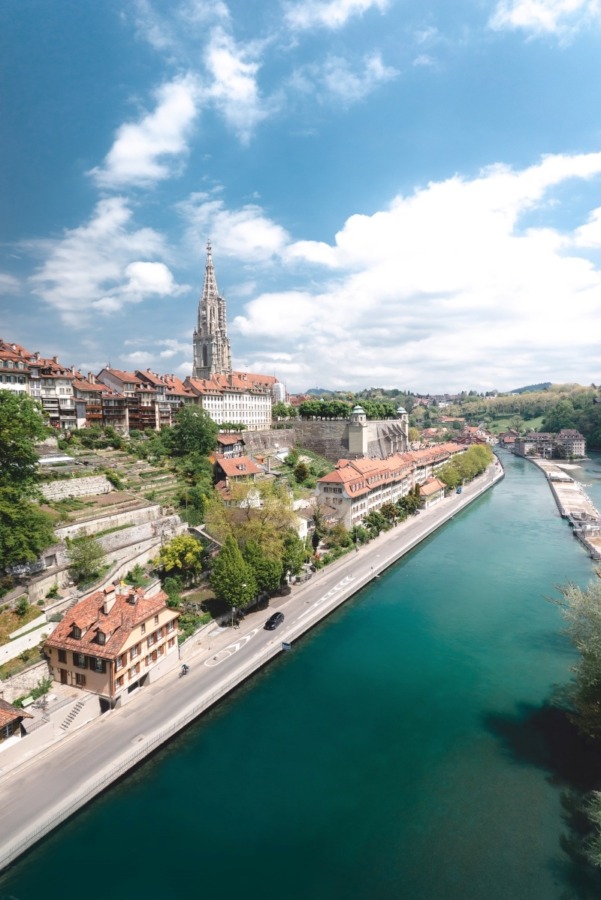
UNESCO World Heritage Old City preserving Europe’s most coherent medieval planning since 1220—rebuilt entirely in sandstone after 1405’s devastating fire, creating Switzerland’s exceptional example of incorporating modernity into authentic medieval architecture. Zytglogge’s legendary clock tower performs hourly puppet shows featuring bears, jesters, roosters, and Cronos (god of time) alongside the 1530 astronomical astrolabe displaying sun/moon positions and zodiac signs. Bears roam freely in Bärenpark’s naturalistic habitat continuing 500+ years of tradition, while Federal Palace (Bundeshaus) houses Swiss Parliament within the historic core. Climb 130 steps for breathtaking UNESCO rooftop views extending to Bernese Oberland peaks on clear days, or explore 15th-century arcades where medieval houses expanded into streets. Renaissance fountains dot Switzerland’s tallest minster surroundings, creating the world’s most intact medieval capital where sandstone architecture survived through careful preservation rather than destruction.
The destination guide
Bern
City in Switzerland, EuropeUpdated
- Overall8/10
- Best forCouples
- PeakJan, Feb, Jul, Aug
- CurrencyCHF
Bern’s 15th-century arcades and sandstone streets look almost exactly as they did in 1405. Switzerland’s capital is quietly one of Europe’s best-preserved medieval cities.
Travel guides for Bern
More guides featuring Bern (8)
At a glance
- German
- French
- Italian
- Romansh
- Alpine city
- Aare River
- Bernese Oberland views
- Medieval old town
- Medieval Cities
- UNESCO World Heritage
- River Swimming
- Swiss Capital.
How Bern scores
Editorial scores on a 10-point scale, weighed against destinations of the same kind.
Travel safety snapshot
SafePlace indicators use their source 100-point scale; higher is more favourable. Planning context, not a live travel advisory — check official government guidance before you go.
When to go
Best months to visit: April, May, June, July, August, September, October and December.
- January: -4.9 to 3.8 degrees Celsius, 25.2 millimetres of rain, best-time score 3 out of 5.
- February: -3.9 to 6.1 degrees Celsius, 23.3 millimetres of rain, best-time score 3 out of 5.
- March: -1.1 to 9.4 degrees Celsius, 39.5 millimetres of rain, best-time score 3 out of 5.
- April: 1.8 to 13.3 degrees Celsius, 27 millimetres of rain, best-time score 4 out of 5.
- May: 3.6 to 12.9 degrees Celsius, 73.2 millimetres of rain, best-time score 5 out of 5.
- June: 10.1 to 21.4 degrees Celsius, 38.3 millimetres of rain, best-time score 5 out of 5.
- July: 11 to 22.3 degrees Celsius, 59.5 millimetres of rain, best-time score 5 out of 5.
- August: 11.8 to 23.6 degrees Celsius, 60.3 millimetres of rain, best-time score 5 out of 5.
- September: 9.1 to 19.6 degrees Celsius, 22.9 millimetres of rain, best-time score 5 out of 5.
- October: 3.9 to 13.6 degrees Celsius, 32.1 millimetres of rain, best-time score 4 out of 5.
- November: 0.9 to 9.9 degrees Celsius, 28.7 millimetres of rain, best-time score 3 out of 5.
- December: -2.7 to 4.4 degrees Celsius, 40.6 millimetres of rain, best-time score 4 out of 5.
Month-by-month conditions and packing advice
- January
- Cold weather, mostly dry January in Bern: cold or changeable weather narrows outdoor comfort. Crowds: January marks Bern’s low tourist season, appealing to those seeking tranquility over crowds. Cold temperatures and occasional snowfall create a serene atmosphere, but also limit some outdoor activities. Accommodation rates are generally more affordable, and availability is high. This period is ideal for cultural immersion—museums, galleries, and historic landmarks can be enjoyed at a leisurely pace. Winter sports enthusiasts will find nearby ski resorts accessible for day trips, though city walking tours require warm clothing and sturdy footwear. Travelers should plan for shorter daylight hours and embrace the slower, cozier rhythm of Bern’s winter season. Pack: Insulated winter coat with windproof outer layer; Waterproof boots with good traction for icy streets; Thermal base layers for warmth; Wool hat and insulated gloves; Scarf or neck gaiter to protect against wind chill; Smart casual layers for indoor dining and cultural venues
- February
- Cold weather, mostly dry February in Bern: cold or changeable weather narrows outdoor comfort. Crowds: February is low tourist season in Bern, offering a calm, unhurried experience at major attractions like the Zytglogge clock tower and Bundeshaus. Hotel rates are generally lower, and popular sites are far less crowded than in the warmer months. Cold temperatures and short daylight hours mean outdoor activities require preparation, though winter sports enthusiasts can take day trips to nearby ski areas in the Bernese Oberland. Cultural events, such as museum exhibitions and classical concerts, provide cozy indoor options. For budget-conscious travelers who don’t mind bundling up, this month offers both affordability and authenticity. Advance booking is less critical, but checking opening times for seasonal attractions is advised. Pack: Insulated winter coat suitable for sub-zero temperatures; Thermal base layers for warmth; Waterproof, insulated boots for snow and slush; Wool hat and insulated gloves; Scarf or neck gaiter for wind protection; Smart casual attire for indoor cultural events
- March
- Cold weather, some rain March in Bern: cold or changeable weather narrows outdoor comfort. Crowds: March in Bern offers a quieter, more reflective travel experience between the busy ski season and the onset of spring tourism. Conditions remain cool, making it a good month for cultural exploration—museums, historic sites, and warm cafés—while still enjoying scenic views of snow-capped peaks. Outdoor activities like light hiking or riverside walks are possible on sunnier days, though weather can shift quickly. Accommodation rates are generally moderate, and crowds are minimal, allowing more intimate encounters with local life. Visitors should be prepared for chilly mornings and possible rain or wet snow, but benefit from easier bookings and a more authentic, unhurried pace. It’s a great time for travelers seeking Bern’s charm without peak-season bustle. Pack: Warm, layered clothing including thermal base layers; Water-resistant jacket for rain or wet snow; Comfortable waterproof walking shoes; Light gloves and a warm hat for chilly mornings; Compact travel umbrella; Casual but neat attire for museums and restaurants
- April
- Cool weather, some rain April in Bern: spring, autumn, or festive winter timing can still work with layers. Crowds: April is shoulder season in Bern, offering a quieter travel experience before the summer influx. Accommodation rates remain moderate, and popular attractions like the Zytglogge, Bear Park, and Paul Klee Center are less crowded. The cool but comfortable climate supports both urban exploration and lower-elevation hikes, though higher Alpine trails may still be snowbound. Intermittent showers are likely, so flexible planning is advised. Seasonal markets and Easter celebrations bring added cultural value, but limited opening hours may still apply in some mountain destinations. This month is ideal for travelers seeking a balanced mix of cultural immersion and early spring landscapes without peak-season congestion. Pack: Water-resistant jacket for light showers; Layered clothing for temperature changes; Comfortable waterproof walking shoes; Compact travel umbrella; Light scarf for warmth in the evenings; Camera with weather protection for outdoor photography
- May
- Cool weather, some rain May in Bern: old-town walks, Aare swimming, museums, arcades, mountain day trips, and outdoor dining are most accessible. Crowds: May is a shoulder-season month in Bern, offering a quieter experience before the summer tourist influx. Accommodation prices are generally lower than peak months, and many attractions operate without long queues. The moderate rainfall means packing for mixed conditions, but the fresh greenery and spring blooms create excellent photography opportunities. Outdoor cafés start to fill with locals enjoying the warming days, and the city’s cultural calendar begins to pick up with open-air concerts and events. While high alpine passes may still be closed due to lingering snow, lower-altitude hikes and city walking tours are ideal. Booking ahead is less critical than in summer, but securing central accommodation still ensures convenience for sightseeing. Pack: Waterproof jacket with hood for rain protection; Layered clothing for variable temperatures; Comfortable walking shoes for cobblestone streets; Compact travel umbrella; Light scarf or wrap for cooler evenings; Camera with weather protection for outdoor photography
- June
- Warm and pleasant, some rain June in Bern: old-town walks, Aare swimming, museums, arcades, mountain day trips, and outdoor dining are most accessible. Crowds: June marks the beginning of Bern’s summer tourism peak, offering excellent conditions for both urban exploration and nearby alpine day trips. Pleasant temperatures and extended daylight hours make it perfect for walking tours, cycling along the Aare, and enjoying open-air events. Crowds increase, especially around weekends and during festivals, which can push accommodation prices upward. Light showers are common but rarely disrupt plans, and they tend to freshen the air. This is also an optimal time for photographers, with soft evening light and vibrant greenery. Advance booking for hotels and popular guided tours is recommended to secure the best options and rates. Pack: Light waterproof jacket for sudden showers; Comfortable walking shoes for cobblestone streets; Layered clothing for cool mornings and warm afternoons; Compact travel umbrella; Reusable water bottle for day trips; Casual yet neat attire for dining and cultural venues
- July
- Warm and pleasant, some rain July in Bern: old-town walks, Aare swimming, museums, arcades, mountain day trips, and outdoor dining are most accessible. Crowds: July marks Bern’s high summer season, drawing visitors for both cultural events and outdoor recreation. Expect bustling streets, full hotel bookings, and lively café terraces, especially during major festivals. Warm weather supports activities like river swimming in the Aare, hiking in nearby hills, and day trips to the Bernese Oberland. Rain showers are usually short-lived, but packing for them ensures uninterrupted plans. Peak season pricing applies, particularly for accommodations near the historic center. Advance reservations are strongly recommended for tours, restaurants, and train journeys to popular Alpine destinations. This is the prime window for those seeking Bern’s most vibrant urban atmosphere paired with its lush, green surroundings. Pack: Light waterproof jacket for summer showers; Breathable walking shoes for cobblestone streets; Lightweight layers for variable mountain-influenced temperatures; Compact travel umbrella for sudden rain; Reusable water bottle for warm afternoons; Smart casual attire for evening dining and cultural events
- August
- Warm and pleasant, some rain August in Bern: old-town walks, Aare swimming, museums, arcades, mountain day trips, and outdoor dining are most accessible. Crowds: August is high summer in Bern, attracting both international visitors and Swiss holidaymakers. Warm weather supports all outdoor pursuits, from strolling the Zytglogge to cycling along the Aare River. Tourist numbers are elevated, particularly around national holidays and festivals, leading to higher accommodation prices and busier attractions. The moderate rainfall doesn’t disrupt plans significantly but may prompt quick indoor breaks in museums or cafés. This is also peak season for regional excursions into the Bernese Oberland, so transport and tour bookings should be made well in advance. Overall, August is prime time for travelers seeking lively city energy paired with access to Switzerland’s alpine landscapes. Pack: Lightweight layers for daytime warmth and cool mornings; Water-resistant jacket or compact umbrella; Comfortable walking shoes for cobblestone streets; Sunglasses and SPF 30+ sunscreen for high UV days; Smart-casual attire for dining and cultural events; Daypack for carrying water, snacks, and a light sweater
- September
- Cool weather, mostly dry September in Bern: old-town walks, Aare swimming, museums, arcades, mountain day trips, and outdoor dining are most accessible. Crowds: September offers ideal conditions for travelers seeking a balance between comfortable weather and fewer tourists. The mild temperatures and low rainfall allow for full-day walking tours, cycling along the Aare, and excursions into nearby alpine villages without the summer heat or peak-season congestion. While not the height of Bern’s tourist season, cultural events and markets remain active, offering authentic local experiences without inflated prices. Accommodation rates begin to dip compared to summer highs, and popular attractions such as the Zytglogge or Bundeshaus are easier to enjoy without queues. Outdoor photography benefits from the softer autumn light, though early evenings can be chilly, encouraging cozy indoor dining after sunset. Pack: Light jacket or fleece for cool mornings and evenings; Comfortable walking shoes for cobblestone streets; Compact umbrella or light rain jacket; Layered clothing for fluctuating daytime temperatures; Scarf or shawl for added warmth in the evening; Casual yet neat attire for dining and cultural sites
- October
- Cool weather, some rain October in Bern: spring, autumn, or festive winter timing can still work with layers. Crowds: October marks Bern’s shoulder season, offering a quieter experience compared to the summer peak. Cooler temperatures make walking tours, historical site visits, and nearby vineyard excursions comfortable, though layered clothing is essential. Accommodation prices tend to be more moderate than in high season, and crowd levels are low, allowing for unhurried museum visits and scenic tram rides. Rain is possible, but rarely disruptive, and the city’s well-connected public transport ensures easy movement even on wet days. This is also a good month for cultural immersion, with local autumn fairs and harvest festivals offering authentic Swiss experiences. Booking last-minute accommodation is often feasible, though securing spots for special events is recommended. Pack: Water-resistant jacket for light rain; Layered sweaters and long-sleeve shirts; Comfortable walking shoes with good grip; Light scarf and gloves for chilly mornings; Compact travel umbrella; Smart-casual attire for dining and cultural events
- November
- Cool weather, some rain November in Bern: cold or changeable weather narrows outdoor comfort. Crowds: November is part of Bern’s shoulder season, offering a quieter experience after the autumn foliage peaks and before the full onset of winter tourism. Accommodation rates tend to be more moderate, and popular attractions like the Zytglogge clock tower or Bundeshaus are less crowded. The cooler temperatures are perfect for museum visits, café culture, and short scenic walks along the Aare. Some alpine excursions may be limited due to early snow or reduced services, but the city’s festive preparations for Christmas markets begin late in the month, adding seasonal charm. Travelers should plan for variable conditions, layering clothing for comfort, and make indoor activities part of their itinerary. Pack: Warm layered clothing including sweaters and a light insulated jacket; Water-resistant walking shoes for cobblestone streets; Compact umbrella or rain jacket for light showers; Scarf, gloves, and hat for chilly mornings and evenings; Camera with low-light capability for short daylight hours; Smart casual attire for dining and cultural events
- December
- Cold weather, some rain December in Bern: spring, autumn, or festive winter timing can still work with layers. Crowds: December is firmly in Bern’s winter tourism season, appealing to travelers who enjoy festive atmospheres and easy access to alpine activities. The city is lively with holiday events, yet far less crowded than peak summer months. Accommodation rates can rise around Christmas and New Year, so early booking is recommended. Short daylight hours mean sightseeing should be planned efficiently, focusing on indoor attractions like museums and the UNESCO-listed Old Town in the afternoons. Outdoor enthusiasts can combine city stays with quick rail trips to nearby ski resorts. Cold, damp conditions require warm clothing, but the seasonal charm and cultural richness more than compensate for the chill. Pack: Insulated winter coat for sub-zero nights; Waterproof walking shoes with good grip; Thermal base layers for added warmth; Wool hat, scarf, and gloves set; Compact umbrella for light rain or snow; Dressy yet warm outfit for holiday dinners
- December
- January
- February
- July
- August
- April
- May
- October
- November
- March
- June
- September
Know before you go
Best time to visit
May to September
Season by season
Summer (June-Aug) is the lively peak season when everyone swims in the river; Spring (May-June) and Autumn (Sept-Oct) offer beautiful sightseeing weather; Winter features a very charming, atmospheric Old Town Christmas market.
Crowds
Moderate
Getting there and around
Getting there
Bern is served by small Bern-Belp Airport (BRN) with limited European connections, making Zurich Airport (125km) the primary international gateway with hourly direct trains taking 75 minutes to Bern Hauptbahnhof. Geneva Airport (160km) offers alternative access with trains via Lausanne in 2 hours. The centrally located Hauptbahnhof serves as a major Swiss rail hub with connections to all major cities. InterCity trains run frequently to Zurich (1 hour), Basel (1 hour), and Geneva (2 hours). The A1 and A6 motorways converge at Bern for easy driving access.
Getting around
Bernmobil operates an extensive network of trams and buses covering the capital comprehensively, with the Libero fare system valid across all regional transport. The UNESCO-listed Old Town is compact and pedestrian-friendly, best explored on foot through covered arcades (Lauben). The unique Marzilibahn funicular descends to the Aare River in 2 minutes. PubliBike stations offer bike-sharing throughout the city. The BearPark and Rose Garden are accessible via bus 12. Many hotels provide free public transport cards. The Gurten funicular leads to Bern’s local mountain for panoramic views.
Top experiences in Bern
Zytglogge (Clock Tower)
A medieval clock tower with moving puppets. It inspired Einstein (who lived nearby) to think about time. The astronomical clock is a masterpiece of engineering from the 15th century.
Old City of Bern
Currently a UNESCO World Heritage site. The 6km of arcades (Lauben) allow you to shop in the rain without getting wet. The sandstone buildings and fountains are perfectly preserved.
Bear Park (BärenPark)
The symbol of Bern is the bear. The new park on the riverbank allows the bears to roam, swim, and climb. It is a respectful and fascinating way to see the city’s heraldic animal.
Rose Garden (Rosengarten)
A park on a hill overlooking the Old Town. It offers the classic postcard view of the river loop and the rooftops. It is filled with hundreds of rose varieties and is the best sunset spot.
Federal Palace (Bundeshaus)
The seat of the Swiss Parliament and government. The domed building is impressive. You can watch the fountains in front of it (popular with kids in summer) or take a guided tour inside.
Editor-curated picks carried over from our original guide. Where a full place guide exists, the card links to it.
Worth booking ahead in Bern
Hand-picked from the operators our guides already send readers to. Prices and availability are live on the partner site.
BrowseViator
Tours and tickets in Bern on Viator (opens Viator in a new tab)
Viator's full list of bookable tours and tickets in Bern.
BrowseGetYourGuide
Experiences in Bern on GetYourGuide (opens GetYourGuide in a new tab)
Everything GetYourGuide sells in Bern, with the cancellation terms on each listing.
Where to stayBooking.com
Stays in Bern (opens Booking.com in a new tab)
Live rates and availability for Bern on Booking.com; filter by neighbourhood once you know where your days start.
We earn a commission if you book through these links, at no extra cost to you. It is how we keep the guides free and independent.
Where to stay
Hotel Bellevue Palace Bern
Kochergasse 3-5, 3011 Bern, Switzerland
The official guesthouse of the Swiss government. It is grand, historic, and offers incredible views of the Alps and the Aare river from its terrace. It is the definition of Swiss luxury.
Hotel Savoy Bern
Bahnhofplatz 11, 3001 Bern, Switzerland
A historic 5-star hotel right across from the train station. It features a stunning rooftop terrace (Sky Terrace) and a luxurious spa. It blends tradition with modern comfort.
Boutique Hotel Belle Epoque Bern
Schauplatzgasse 10, 3011 Bern, Switzerland
A stylish, modern 4-star hotel in the heart of the Old Town. It has a British flair (hence the name) and is perfect for exploring the city on foot. It is vibrant and cozy.
Editor-curated stays carried over from our original guide. Where we have reviewed the hotel, the card links to the review.
Tips from the field
Highlights
- The beautifully preserved 15th-century architecture and fountains of the Old City, and the unique experience of urban swimming in the fast-flowing River Aare.
Best activities
- Watching the medieval astronomical clock (Zytglogge) strike the hour, walking the 6 kilometers of covered shopping arcades, and seeing the brown bears at the Bear Park.
Local experiences
- Join the locals on a hot summer day by floating down the clean, fast-moving Aare River.
Practical tips
- Bern is extremely compact and best explored entirely on foot. The extensive Lauben (covered arcades) make it a great destination even on rainy days.
Photography tips
- The most iconic view of the Old City loop with the river and mountains in the background is from the Rosengarten (Rose Garden) park, which is especially beautiful at sunset.
Timing
- 1-2 days is perfect for exploring the compact Old City, making it an excellent stopover between the Bernese Oberland and major cities like Zurich or Geneva.
Keeping it authentic
- As the capital of Switzerland, Bern is surprisingly relaxed, boasting a pristine, UNESCO-listed medieval center entirely enclosed by a loop of the Aare River.
Culture, customs and safety
Cultural heritage
Bern preserves its medieval character as Switzerland’s capital within UNESCO-protected arcades stretching six kilometers. The Zytglogge astronomical clock has marked time since 1530 with mechanical figures performing hourly. The city’s bear pits, housing the heraldic animal since 1513, evolved into modern BearPark. Einstein developed relativity theory here, commemorated at his preserved apartment. The Federal Palace’s public squares host traditional markets selling Bernese gingerbread (Lebkuchen) and farmer’s cheese. Underground cellars store government wine reserves and shelter restaurants in former storage vaults. The Bernese German dialect remains distinctly different from standard Swiss German, preserving local linguistic heritage.
Local customs & etiquette
As Switzerland’s federal capital, Bern maintains a understated, bureaucratic culture despite its political importance. The bear is the city symbol, with real bears kept at BearPark since 1513. Bernese German (Bärndütsch) is particularly difficult even for other Swiss Germans. Punctuality is essential for both business and social meetings. The Aare River swimming is a summer tradition with locals floating downstream in the clean, fast current. Onion Market (Zibelemärit) in November is the city’s biggest folk festival. Coffee culture thrives in the arcade cafes. The Swiss capital paradoxically maintains a small-town atmosphere with relaxed pace.
Safety notes
Bern is an exceptionally safe city, day and night. The primary safety concern is for those choosing to swim in the Aare River; the current is very strong, and the water is cold, so it is only recommended for strong, experienced swimmers.