

Las Vegas defies nature and logic as an oasis of excess rising from the Mojave Desert, where entertainment reaches unprecedented scales and the normal rules of time, money, and behavior temporarily suspend. The Strip’s four-mile corridor contains architectural fantasies from around the world: Paris’ Eiffel Tower, Venice’s canals, New York’s skyline, and ancient Egypt’s pyramids create a surreal geography where visitors can tour the globe without leaving the desert. Behind the neon facades, world-class entertainment ranges from Cirque du Soleil’s acrobatic artistry to residencies by music’s biggest stars, while celebrity chef restaurants have transformed Vegas into a legitimate culinary destination. The city’s 24-hour energy means champagne brunches at 3 AM, pool parties in December, and wedding chapels that never close, creating a playground where conventional schedules cease to matter. Beyond the casinos, Las Vegas has evolved into a complete resort destination with world-class spas, championship golf courses, and shopping that rivals any global capital. Downtown’s ongoing revitalization through the Fremont Experience and Arts District adds authentic local culture to complement the Strip’s manufactured fantasies. Red Rock Canyon and Valley of Fire State Park provide stunning natural escapes just minutes from the neon, offering hiking, rock climbing, and desert beauty that predates human ambition. The city’s convention facilities make it America’s trade show capital, where business and pleasure blend in ways only Vegas allows. Whether seeking fortune at the tables, marveling at architectural excess, or using Vegas as a base for exploring the Southwest’s natural wonders, Las Vegas remains America’s most unapologetic celebration of entertainment, risk, and the pursuit of pleasure in the desert.
The destination guide
Las Vegas

City in United States, North AmericaUpdated
- Overall7/10
- Best forCouples
- PeakJan–Apr
- CurrencyUSD
Learn about the travel allure of Las Vegas, from its iconic casinos and dazzling entertainment to its charming neighborhoods and hidden gems beyond The Strip.
Travel guides for Las Vegas
Itineraries & day trips (1)
Things to do (1)
Where to stay (2)
Food & drink (1)
Travel tips & costs (1)
Destination stories (2)
More guides featuring Las Vegas (41)
At a glance
- English
- Desert landscape
- Neon Strip
- Red Rock Canyon
- Lake Mead
- Casino Resorts
- Nightlife & Entertainment
- Luxury Dining
- Bachelor/Bachelorette Parties.
How Las Vegas scores
Character
Editorial scores on a 10-point scale, weighed against destinations of the same kind.
Travel safety snapshot
SafePlace indicators use their source 100-point scale; higher is more favourable. Planning context, not a live travel advisory — check official government guidance before you go.
When to go
Best months to visit: February, March, April, May, September, October, November and December.
- January: 4.8 to 13.1 degrees Celsius, 5.7 millimetres of rain, best-time score 3 out of 5.
- February: 7 to 16.4 degrees Celsius, 1.4 millimetres of rain, best-time score 4 out of 5.
- March: 11.1 to 21.1 degrees Celsius, 4.1 millimetres of rain, best-time score 5 out of 5.
- April: 12.4 to 23.5 degrees Celsius, best-time score 5 out of 5.
- May: 19.6 to 31.1 degrees Celsius, 1.3 millimetres of rain, best-time score 5 out of 5.
- June: 25.1 to 37.7 degrees Celsius, 1 millimetres of rain, best-time score 3 out of 5.
- July: 28.2 to 40.4 degrees Celsius, 5.9 millimetres of rain, best-time score 2 out of 5.
- August: 28.1 to 39.5 degrees Celsius, best-time score 2 out of 5.
- September: 23.1 to 34.1 degrees Celsius, 1.4 millimetres of rain, best-time score 5 out of 5.
- October: 16.8 to 27.7 degrees Celsius, best-time score 5 out of 5.
- November: 9.1 to 19.1 degrees Celsius, best-time score 5 out of 5.
- December: 4.6 to 11.9 degrees Celsius, 0.8 millimetres of rain, best-time score 4 out of 5.
Month-by-month conditions and packing advice
- January
- Cool weather, mostly dry January in Las Vegas: indoor entertainment is strong, but heat or cool snaps reduce the all-around balance. Crowds: January is part of Las Vegas’s shoulder season, with cooler weather reducing outdoor poolside activity but enhancing comfort for walking tours, day hikes, and cultural excursions. Crowds are lighter after the New Year rush, meaning shorter wait times at popular shows and restaurants, while hotel rates often dip compared to the high-traffic spring and fall months. The cool evenings encourage indoor exploration—museums, exhibitions, casinos, and performances all thrive as the main draw. Outdoor adventures are more pleasant than in summer, but nighttime desert excursions require preparation for chilly conditions. For travelers seeking good value and fewer crowds, January is an excellent time to experience both the Strip and the desert landscapes without the intense heat or premium prices of peak seasons. Pack: Warm jacket for chilly desert nights; Layered clothing for daytime to evening shifts; Comfortable walking shoes for the Strip and canyon hikes; Light scarf or beanie for added warmth outdoors; Reusable water bottle to stay hydrated in dry air; Smart casual attire for casinos and evening shows
- February
- Cool weather, mostly dry February in Las Vegas: weather is usable, though event pricing or cooler nights can affect plans. Crowds: Travelers visiting Las Vegas in February encounter a quieter season compared to the high-energy summer months. The cool weather is perfect for city walks, day trips to nearby natural attractions, and enjoying shows without the oppressive desert heat. This month falls in the shoulder season: crowd levels are moderate, and accommodation prices are more affordable than during spring break or peak convention periods. Outdoor activities like hiking in Red Rock Canyon, exploring Hoover Dam, or simply wandering the Strip are far more comfortable in the mild conditions. The cooler evenings encourage layering, but daytime sightseeing remains pleasant. Booking ahead is still recommended for popular shows and weekend stays, but February offers a balance of lower costs, manageable crowds, and enjoyable weather for both urban and nature-based experiences. Pack: Warm jacket or fleece for cool desert nights; Comfortable walking shoes for long distances; Layered clothing for shifting day-to-night temperatures; Sunglasses and SPF 30+ sunscreen for daytime sun; Casual but stylish outfits for casinos and shows; Reusable water bottle to stay hydrated in dry air
- March
- Warm and pleasant, mostly dry March in Las Vegas: desert temperatures suit the Strip, pools, food trips, shows, Red Rock, and day excursions. Crowds: March represents the start of Las Vegas’s high spring tourist season, with comfortable weather drawing both international visitors and regional weekend crowds. Conditions are excellent for outdoor exploration, including day trips to Hoover Dam and nearby state parks, while nightlife and entertainment remain in full swing. Hotel rates rise during weekends and conventions, making advance booking advisable. Daytime warmth supports patio dining and the opening of pool parties, while evenings remain cool enough to enjoy walking the Strip comfortably. Travelers benefit from lighter rainfall and reduced weather-related disruptions compared to summer. March is an excellent time to visit before the intense desert heat of late spring and summer sets in, though popular attractions may feel busy during spring break periods. Pack: Light jacket or cardigan for cooler desert evenings; Comfortable walking shoes for exploring the Strip and canyon trails; Breathable daytime clothing such as cotton shirts and jeans; Sunglasses with UV protection for bright desert light; Reusable water bottle to stay hydrated in dry air; Dressy outfit for casinos, shows, or upscale restaurants
- April
- Warm and pleasant, mostly dry April in Las Vegas: desert temperatures suit the Strip, pools, food trips, shows, Red Rock, and day excursions. Crowds: April represents one of the most favorable times to visit Las Vegas, positioned firmly in the spring shoulder season. The weather supports nearly all activities—from high-energy pool parties and desert hikes to more leisurely walking tours of Fremont Street and the Arts District. With the absence of summer’s scorching heat, visitors can explore outdoors extensively without the health risks that July or August bring. As this is a prime season, especially around Easter and major conventions, travelers should anticipate higher accommodation prices and moderate-to-heavy crowd levels on weekends. Midweek stays often provide more value. Outdoor venues, festivals, and open-air dining thrive during this month, so advanced booking is strongly recommended for popular shows, restaurants, and tours. Overall, April strikes an optimal balance between pleasant weather and vibrant city life. Pack: Light layers for shifting day-to-night temperatures; Comfortable walking shoes for long stretches on the Strip; Sunglasses and broad-spectrum sunscreen; Smart casual evening wear for shows and upscale dining; Refillable water bottle to stay hydrated in dry conditions; Light jacket or wrap for cooler desert evenings
- May
- Hot and sunny, mostly dry May in Las Vegas: desert temperatures suit the Strip, pools, food trips, shows, Red Rock, and day excursions. Crowds: May marks the beginning of the high summer transition in Las Vegas tourism. While temperatures are not yet at their punishing peak, the city already shifts into warm-season rhythms. Outdoor activities—such as pool parties, rooftop dining, and canyon day trips—thrive under the reliable dry heat. Hotel pricing remains elevated as festivals and conventions draw large crowds, though it is slightly more affordable compared to peak summer months. Travelers benefit from extended daylight hours but must prepare for strong sun exposure and limited natural shade. It’s an ideal time to enjoy both nightlife and day adventures before extreme summer heat narrows the range of comfortable activities. Booking in advance is recommended to secure accommodations close to attractions and major events. Pack: Lightweight, breathable clothing suitable for desert heat; High-SPF sunscreen and lip balm to counter strong sun; Wide-brimmed hat and polarized sunglasses for glare; Reusable water bottle to stay hydrated during outings; Smart casual evening wear for casinos and fine dining; Comfortable sandals or walking shoes for long strolls
- June
- Hot and sunny, mostly dry June in Las Vegas: indoor entertainment is strong, but heat or cool snaps reduce the all-around balance. Crowds: Travelers visiting in June face extreme daytime heat that shapes nearly every experience. While iconic Las Vegas attractions, shows, and casinos are comfortably climate-controlled, outdoor exploration can be challenging by midday. Early mornings and evenings are the best times for walking the Strip, exploring Fremont Street, or venturing into desert landscapes. This period falls within Las Vegas’s peak season, especially for conventions and summer leisure travelers, so expect high room rates and crowded entertainment venues. Outdoor pool parties thrive in this weather, but hiking and nature activities require caution and preparation. June is excellent for nightlife and city-based experiences, but visitors should balance ambition with respect for the desert’s intensity, staying hydrated and planning breaks indoors. Pack: Breathable, light-colored clothing to handle desert heat; Wide-brimmed hat and high-SPF sunscreen; Reusable water bottle with hydration salts; Lightweight evening layers for indoor air conditioning; Comfortable sandals or walking shoes; Swimwear for pools and resort activities
- July
- Hot and sunny, mostly dry July in Las Vegas: extreme summer heat makes outdoor walking and desert day trips difficult. Crowds: July falls in the off-peak season for Las Vegas tourism, as extreme temperatures push many visitors indoors during the day. While hotel rates and flight prices often drop compared to spring and fall, outdoor activities such as walking the Strip, hiking in Red Rock Canyon, or exploring the desert are limited to early mornings and late evenings. Pools become the central attraction, with hotels hosting elaborate daytime parties tailored to the heat. Crowds are still substantial due to conventions and nightlife, but the rhythm of activity shifts indoors—casinos, shows, and air-conditioned cultural venues thrive. Budget-conscious travelers benefit from seasonal discounts, though they must plan carefully around the heat, especially if venturing outside city limits. Pack: Lightweight, breathable clothing for extreme heat; Wide-brimmed hat and high SPF sunscreen; Reusable water bottle to prevent dehydration; Comfortable sandals for daytime wear; Light jacket or wrap for heavily air-conditioned venues; Swimwear for resort pools and day clubs
- August
- Hot and sunny, mostly dry August in Las Vegas: extreme summer heat makes outdoor walking and desert day trips difficult. Crowds: August is considered one of the toughest months for outdoor tourism in Las Vegas due to the extreme desert heat. Midday excursions on foot can be dangerous, and many travelers opt to stay inside air-conditioned casinos, museums, or shows during peak hours. This period is technically off-peak for traditional sightseeing, so hotel rates and flight prices are often lower than in cooler months, making it attractive for budget-minded visitors. Pool parties, nightlife, and resort amenities thrive during August, offering shaded or water-based escapes from the heat. Outdoor adventures such as Red Rock Canyon hikes or Hoover Dam tours should be scheduled early in the morning. Travelers should prepare for smaller daytime crowds at outdoor attractions but busier indoor entertainment venues. Pack: Wide-brimmed hat for intense desert sun; High-SPF sunscreen and lip balm; Breathable, loose-fitting clothing in light colors; Reusable water bottle with hydration salts; Comfortable sandals or light walking shoes; Swimwear for resort pools and water activities
- September
- Hot and sunny, mostly dry September in Las Vegas: desert temperatures suit the Strip, pools, food trips, shows, Red Rock, and day excursions. Crowds: September signals a shoulder season in Las Vegas, where the oppressive heat of summer begins to ease yet remains warm enough for poolside lounging and desert excursions. Crowds are lighter compared to July and August, and hotel pricing often becomes more favorable, especially midweek. Outdoor attractions such as Red Rock Canyon and the Neon Museum are more enjoyable in the mornings and evenings, though afternoons can still feel punishing under direct sun. The city’s entertainment calendar comes alive again after the slower summer months, with conventions and shows returning. Travelers should book accommodations in advance if planning around major events, but spontaneous visits are easier than during peak winter months. Overall, September offers a balance between manageable conditions, reduced crowds, and access to both cultural and outdoor experiences. Pack: Breathable cotton or linen clothing for hot days; Wide-brimmed hat and sunglasses for sun protection; High SPF sunscreen for prolonged outdoor exposure; Light jacket or shawl for cooler evenings; Comfortable walking shoes for city and desert outings; Reusable water bottle to stay hydrated in dry climate
- October
- Warm and pleasant, mostly dry October in Las Vegas: desert temperatures suit the Strip, pools, food trips, shows, Red Rock, and day excursions. Crowds: October marks the sweet spot between Las Vegas’s sweltering summers and chilly winters, making it one of the busiest travel months of the year. Comfortable weather invites a surge of visitors, especially for conventions, entertainment events, and outdoor festivals. Hotels and flights often see higher pricing, so advance booking is recommended. The mild desert climate makes this period excellent for walking tours along the Strip, hiking at nearby national parks, and enjoying poolside leisure without extreme heat. Crowds are moderate to high, but conditions remain manageable compared to summer, when heat restricts outdoor activities. For budget-conscious travelers, early October offers slightly better rates before peak convention season intensifies. Pack: Breathable daytime clothing such as cotton shirts; Light jacket or sweater for cooler desert evenings; Comfortable walking shoes for exploring the Strip and nearby trails; Reusable water bottle to stay hydrated in the dry climate; Sunglasses with high UV protection for bright desert sun; Smart casual outfits for shows, dining, and nightlife
- November
- Cool weather, mostly dry November in Las Vegas: desert temperatures suit the Strip, pools, food trips, shows, Red Rock, and day excursions. Crowds: November brings a shoulder-season feel to Las Vegas. While the summer crowds have eased, the city still draws visitors for conventions and entertainment events. The cooler weather creates prime conditions for walking the Strip, enjoying outdoor dining, or venturing into the desert for excursions like Red Rock Canyon hikes. Hotel rates are generally more affordable compared to peak holiday and summer months, though weekends tied to major events can see price spikes. Outdoor pools may be less inviting due to cooler temperatures, but the city’s shows, nightlife, and culinary scene remain in full swing. For travelers seeking comfortable sightseeing without the intense heat or overwhelming tourist surges, November strikes an excellent balance. Booking in advance for weekends is still advised as popular shows and accommodations can fill quickly. Pack: Light jacket or sweater for cool evenings; Comfortable walking shoes for exploring the Strip; Sunglasses for bright desert sun; Layered clothing to adjust between day and night temperatures; Reusable water bottle to stay hydrated in dry air; Casual yet neat attire for casinos and dining venues
- December
- Cool weather, mostly dry December in Las Vegas: weather is usable, though event pricing or cooler nights can affect plans. Crowds: December is part of Las Vegas’s winter season, bringing lighter tourist crowds compared to spring or fall. Hotel rates are often more affordable outside the Christmas and New Year’s peak dates, offering excellent value for travelers. Outdoor walking remains comfortable during the day, though evenings can feel cold, limiting late-night desert excursions. Visitors can enjoy festive holiday attractions, indoor performances, and casino nightlife without battling peak-season congestion. Hiking at nearby natural parks is possible with proper layers, though daylight hours are shorter. Advance bookings are recommended for New Year’s Eve, as prices spike and crowds surge during the city’s famous celebrations. Pack: Warm layers including sweaters or light fleece; Comfortable walking shoes for the Strip and excursions; Insulated jacket for chilly desert nights; Moisturizer and lip balm for dry desert air; Smart-casual outfits for evening shows and dining; Scarf and gloves for night walks or outdoor excursions
- March
- February
- January
- April
- September
- August
- July
- June
Know before you go
About
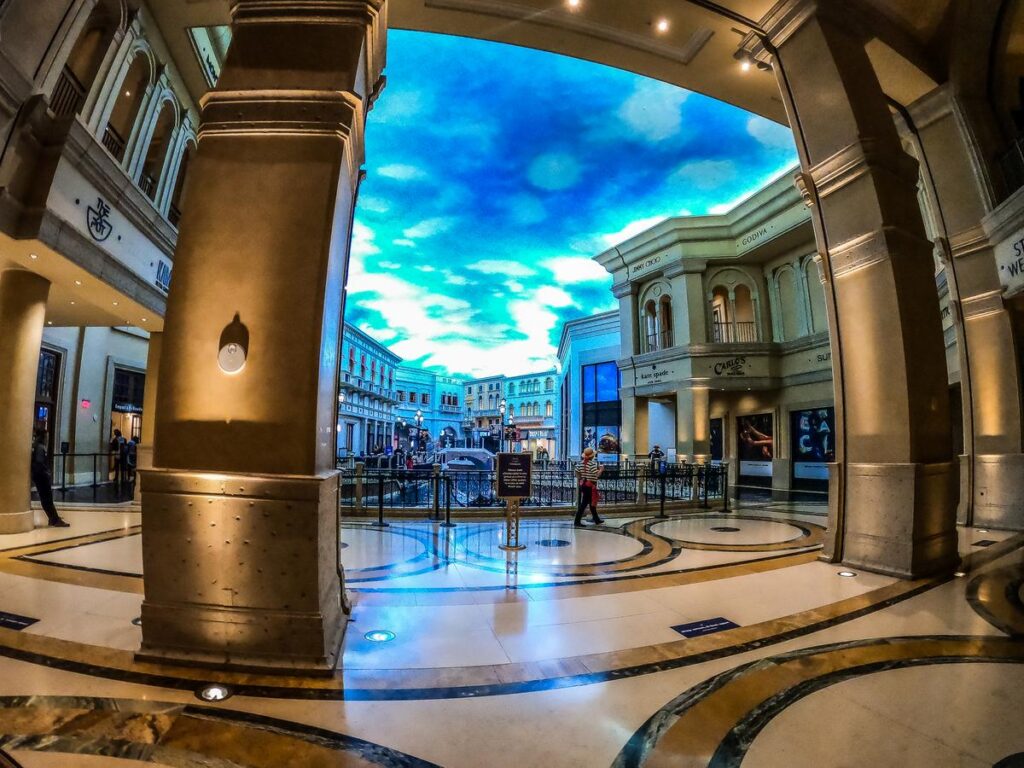
Las Vegas, Nevada, is a resort city in the Mojave Desert known worldwide as the “Entertainment Capital of the World,” built around gambling, live shows, dining, and around-the-clock nightlife. Its heart is the Las Vegas Strip, a roughly four-mile boulevard of mega-resorts where themed properties recreate global landmarks: the canals of Venice at The Venetian, the Eiffel Tower at Paris Las Vegas, the Colosseum at Caesars Palace, a pyramid at the Luxor, and the Manhattan skyline at New York-New York. Visitors gather for the free Fountains of Bellagio water shows, ride the High Roller, North America’s tallest observation wheel at 550 feet, and catch resident Cirque du Soleil productions and headline concerts. Beyond the neon, the city is a gateway to dramatic desert scenery, including Red Rock Canyon, the Hoover Dam, and Lake Mead. Drawing tens of millions of visitors annually, Las Vegas pairs world-class hotels, buffets, and casinos with major conventions and sporting events, making it one of America’s most-visited and most distinctive destinations.
Neighbourhoods
Las Vegas travel usually brings folks downtown rather than into the other city neighborhoods. Yet city dwellers know that a place’s downtown is far from the only example of how people live there. If you get a chance to venture into other parts of Las Vegas or even beyond to see the Grand Canyon, consider a few of these first.
In Las Vegas, though, a lot of the “neighborhoods” are their own towns or are technically part of Henderson.- Summerlin: As the largest planned community in Las Vegas, Summerlin is a neighborhood with a lot to do — especially if you’re outdoorsy. There are over 250 parks and over 150 miles of trails to enjoy, as well as shopping and hotels. It is also considered one of the best master-planned communities in the country.
- Spring Valley: This adorable unincorporated town is only a few miles from The Strip. It is also where you will find Wet’n’Wild Las Vegas, one of the few in the area. WnW is also formerly known as Cowabunga Canyon Waterpark.
- Centennial Hills: Northwest Las Vegas is known as Centennial Hills. It is only a few miles away from downtown Las Vegas, with easy access to incredible natural wonders. From here, you can visit the Tule Springs Fossil Beds National Monument and Red Rock Canyon National Conservation Area.
Best time to visit
March to May, September to November
Season by season
Spring and Fall have perfect, warm weather. Summer is dangerously hot (often over 100°F). Winter is mild during the day but cold at night.
Crowds
High
Getting there and around
Getting there
Harry Reid International Airport (LAS) is 5 minutes from the Strip by ride-share ($15-20). No rail connection.
Getting around
The Strip is walkable but longer than it looks (4 miles). The Deuce bus runs the Strip 24/7. Ride-shares are easiest for off-Strip venues.
Top experiences in Las Vegas
The Las Vegas Strip
The mile-long casino-lined boulevard that defines Vegas — a surreal neon canyon of themed mega-resorts stretching from Mandalay Bay to the SLS. Free spectacles include the Bellagio Fountains (a choreographed water ballet every 15–30 minutes), the erupting volcano at The Mirage, and the Fremont Street Experience light show downtown. By night the Strip transforms into a pedestrian carnival of street performers, celebrity-chef restaurants, residency shows, and 24-hour energy. Walk it south to north at sunset for the best photo progression.
Fremont Street Experience
Bellagio Fountains
Fremont Street Experience
Downtown’s five-block pedestrian mall with a massive LED canopy, live music stages, and zip-line rides.
Red Rock Canyon
A 13-mile scenic loop drive through red sandstone formations just 20 minutes from the Strip — excellent hiking and rock climbing.
Editor-curated picks carried over from our original guide. Where a full place guide exists, the card links to it.

Worth booking ahead in Las Vegas
Hand-picked from the operators our guides already send readers to. Prices and availability are live on the partner site.
BrowseViator
Tours and tickets in Las Vegas on Viator (opens Viator in a new tab)
Viator's full list of bookable tours and tickets in Las Vegas.
BrowseGetYourGuide
Experiences in Las Vegas on GetYourGuide (opens GetYourGuide in a new tab)
Everything GetYourGuide sells in Las Vegas, with the cancellation terms on each listing.
Where to stayBooking.com
Stays in Las Vegas (opens Booking.com in a new tab)
Live rates and availability for Las Vegas on Booking.com; filter by neighbourhood once you know where your days start.
We earn a commission if you book through these links, at no extra cost to you. It is how we keep the guides free and independent.
Where to stay
Bellagio Hotel & Casino
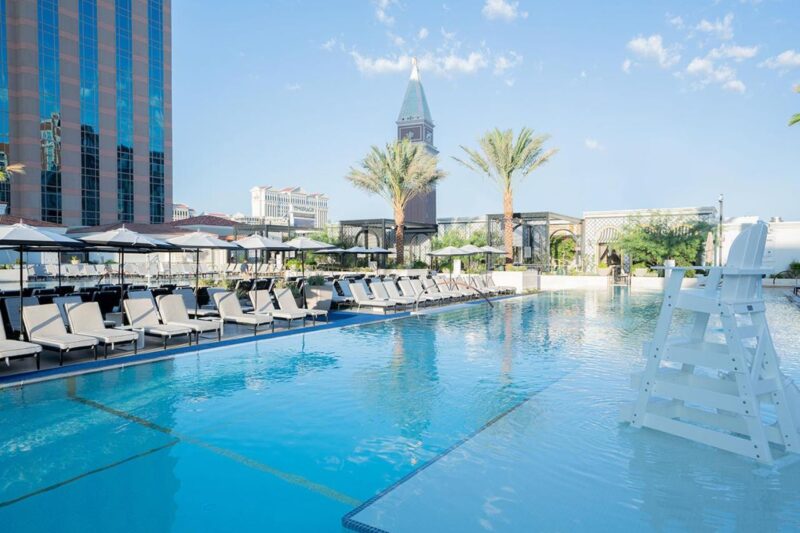
All-suite Strip resort with Grand Canal Shoppes, gondola rides, and five pools across 120 acres.
The Venetian Resort
Luxury resort with an 18-hole golf course, a lake of dreams water show, and award-winning restaurants.
Wynn Las Vegas
Boutique-style Strip hotel with terrace rooms overlooking the Bellagio fountains, a marquee dayclub, and an ice rink.
Editor-curated stays carried over from our original guide. Where we have reviewed the hotel, the card links to the review.
Tips from the field
Highlights
- The mesmerizing choreographed Bellagio Fountains, the glowing neon spectacle of Fremont Street, and infinite world-class entertainment and dining options.
Best activities
- Watching a Cirque du Soleil show, dining at celebrity-chef restaurants, and taking a day trip to Red Rock Canyon.
Local experiences
- Venture Downtown to the Arts District for local breweries and vintage shops, escaping the corporate sheen of the Strip.
Practical tips
- Casinos are designed to be confusing to keep you inside
- pay attention to signs. The Strip is much longer than it looks, so wear comfortable walking shoes or use the Monorail.
Photography tips
- The Neon Museum 'Boneyard' offers incredible, vintage Las Vegas photo opportunities, especially at sunset or during a night tour.
Timing
- 3 to 4 days is usually enough sensory overload for most visitors.
Keeping it authentic
- Las Vegas is the global capital of artificiality, but that unabashed embrace of spectacle and over-the-top entertainment *is* its authentic self.
Culture, customs and safety
Cultural heritage
Mob-built origins, Rat Pack legacy, and a reinvention as a culinary and entertainment hub beyond gambling.
Local customs & etiquette
What happens in Vegas stays in Vegas applies to discretion, not to noise. Tipping is essential — dealers, bartenders, valets all expect it.
Safety notes
The Strip and Fremont Street are heavily surveilled and highly secure due to the casinos. However, beware of pickpockets in crowds and avoid wandering off the main tourist corridors at night.

