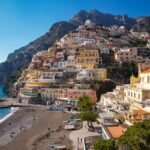
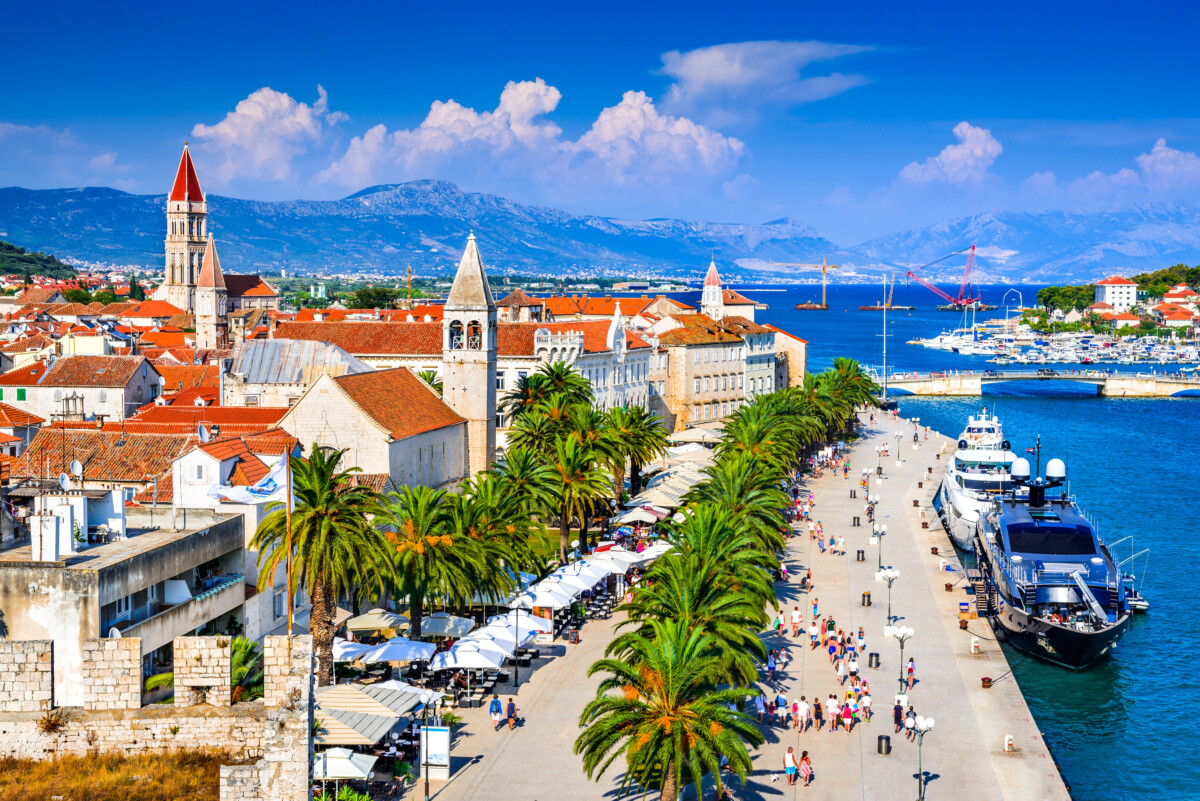
Croatia is a stunning Central European and Mediterranean country renowned for its breathtaking Adriatic coastline, which is considered the most indented in the Mediterranean with over 1,200 islands and islets. The country’s geography is diverse, featuring the plains of Slavonia in the east, the mountainous Dinaric Alps running through its center, and the spectacular Dalmatian coast to the west. Croatia’s coastal region of Dalmatia is particularly famous for its crystal-clear waters, pristine beaches, and historic stone towns including the UNESCO World Heritage site of Dubrovnik, often called the “Pearl of the Adriatic,” and Split with its ancient Diocletian’s Palace. Inland, Croatia boasts the stunning Plitvice Lakes National Park with its cascading lakes and waterfalls. The country’s rich cultural heritage reflects influences from the Romans, Venetians, and Austro-Hungarians, resulting in a fascinating blend of architectural styles, culinary traditions, and cultural practices that vary distinctly between regions.
The destination guide
Croatia
Country in EuropeUpdated
- Overall9/10
- Best forBudget travelers, Solo travelers
- PeakJun–Sep
- CurrencyEUR
1,200 islands, a Roman palace you can still sleep inside, and a national park where the water runs turquoise over sixteen terraced lakes.
Browse all 12 destinations in Croatia
Travel guides for Croatia
Itineraries & day trips (1)
Things to do (5)
More guides featuring Croatia (19)
At a glance
- Croatian
- Adriatic coast
- Island archipelago
- Plitvice Lakes
- Mountain ranges
How Croatia scores
Editorial scores on a 10-point scale, weighed against destinations of the same kind.
Travel safety snapshot
SafePlace indicators use their source 100-point scale; higher is more favourable. Planning context, not a live travel advisory — check official government guidance before you go.
When to go
Best months to visit: April, May, June, July, August, September and October.
- January: -4.7 to 2.2 degrees Celsius, 141.7 millimetres of rain, best-time score 2 out of 5.
- February: -2.6 to 4.5 degrees Celsius, 126.6 millimetres of rain, best-time score 2 out of 5.
- March: -0.9 to 7.5 degrees Celsius, 122.6 millimetres of rain, best-time score 3 out of 5.
- April: 2.3 to 11.7 degrees Celsius, 97.5 millimetres of rain, best-time score 4 out of 5.
- May: 6.5 to 14.9 degrees Celsius, 149.6 millimetres of rain, best-time score 5 out of 5.
- June: 11.7 to 21.3 degrees Celsius, 72.9 millimetres of rain, best-time score 5 out of 5.
- July: 13.2 to 23.6 degrees Celsius, 88.9 millimetres of rain, best-time score 4 out of 5.
- August: 13.1 to 23.2 degrees Celsius, 77.3 millimetres of rain, best-time score 4 out of 5.
- September: 9.1 to 17.8 degrees Celsius, 132.2 millimetres of rain, best-time score 5 out of 5.
- October: 5.4 to 13.3 degrees Celsius, 131.7 millimetres of rain, best-time score 5 out of 5.
- November: 0.8 to 7 degrees Celsius, 170.4 millimetres of rain, best-time score 3 out of 5.
- December: -2.6 to 3.6 degrees Celsius, 150.3 millimetres of rain, best-time score 2 out of 5.
Month-by-month conditions and packing advice
- January
- Cold, rainy January in Croatia: winter closures and damp weather make a broad Croatia trip less flexible. Crowds: January in Croatia is one of the wetter periods, so museums, food stops, flexible reservations, and backup indoor plans make the trip easier. Pack: Pack warm layers, a coat, and comfortable shoes for cold mornings and evenings. Add a rain jacket or compact umbrella.
- February
- Cold, some rain February in Croatia: winter closures and damp weather make a broad Croatia trip less flexible. Crowds: February in Croatia is workable with normal seasonal planning; build in layers, weather checks, and a mix of indoor and outdoor activities. Pack: Pack warm layers, a coat, and comfortable shoes for cold mornings and evenings. Add a rain jacket or compact umbrella.
- March
- Cold, some rain March in Croatia: cooler shoulder weather narrows swimming and ferry plans. Crowds: March in Croatia is workable with normal seasonal planning; build in layers, weather checks, and a mix of indoor and outdoor activities. Pack: Pack warm layers, a coat, and comfortable shoes for cold mornings and evenings. Add a rain jacket or compact umbrella.
- April
- Cool to mild, some rain April in Croatia: early spring or peak summer can work with cooler seas, heat, and crowd planning. Crowds: April in Croatia is workable with normal seasonal planning; build in layers, weather checks, and a mix of indoor and outdoor activities. Pack: Pack warm layers, a coat, and comfortable shoes for cold mornings and evenings. Add a rain jacket or compact umbrella.
- May
- Cool to mild, rainy May in Croatia: coastlines, islands, national parks, old towns, ferries, food, and warm seas balance weather with fewer peak crowds. Crowds: May in Croatia is one of the wetter periods, so museums, food stops, flexible reservations, and backup indoor plans make the trip easier. Pack: Pack layered clothing and comfortable walking shoes. Add a rain jacket or compact umbrella.
- June
- Mild to warm, some rain June in Croatia: coastlines, islands, national parks, old towns, ferries, food, and warm seas balance weather with fewer peak crowds. Crowds: June in Croatia is workable with normal seasonal planning; build in layers, weather checks, and a mix of indoor and outdoor activities. Pack: Pack layered clothing and comfortable walking shoes. Add a rain jacket or compact umbrella.
- July
- Mild to warm, some rain July in Croatia: early spring or peak summer can work with cooler seas, heat, and crowd planning. Crowds: July in Croatia is workable with normal seasonal planning; build in layers, weather checks, and a mix of indoor and outdoor activities. Pack: Pack layered clothing and comfortable walking shoes. Add a rain jacket or compact umbrella.
- August
- Mild to warm, some rain August in Croatia: early spring or peak summer can work with cooler seas, heat, and crowd planning. Crowds: August in Croatia is workable with normal seasonal planning; build in layers, weather checks, and a mix of indoor and outdoor activities. Pack: Pack layered clothing and comfortable walking shoes. Add a rain jacket or compact umbrella.
- September
- Cool to mild, rainy September in Croatia: coastlines, islands, national parks, old towns, ferries, food, and warm seas balance weather with fewer peak crowds. Crowds: September in Croatia is one of the wetter periods, so museums, food stops, flexible reservations, and backup indoor plans make the trip easier. Pack: Pack layered clothing and comfortable walking shoes. Add a rain jacket or compact umbrella.
- October
- Cool to mild, rainy October in Croatia: coastlines, islands, national parks, old towns, ferries, food, and warm seas balance weather with fewer peak crowds. Crowds: October in Croatia is one of the wetter periods, so museums, food stops, flexible reservations, and backup indoor plans make the trip easier. Pack: Pack layered clothing and comfortable walking shoes. Add a rain jacket or compact umbrella.
- November
- Cold, rainy November in Croatia: cooler shoulder weather narrows swimming and ferry plans. Crowds: November in Croatia is one of the wetter periods, so museums, food stops, flexible reservations, and backup indoor plans make the trip easier. Pack: Pack warm layers, a coat, and comfortable shoes for cold mornings and evenings. Add a rain jacket or compact umbrella.
- December
- Cold, rainy December in Croatia: winter closures and damp weather make a broad Croatia trip less flexible. Crowds: December in Croatia is one of the wetter periods, so museums, food stops, flexible reservations, and backup indoor plans make the trip easier. Pack: Pack warm layers, a coat, and comfortable shoes for cold mornings and evenings. Add a rain jacket or compact umbrella.
- June
- July
- August
- September
- January
- February
- November
Know before you go
Best time to visit
May through September for island-hopping and Adriatic beaches. June and September balance warm seas with fewer crowds. Inland Istria is wonderful in spring and fall for truffle season.
Season by season
Summer (July-Aug):
Weather: 30°C, hot
Highlights: Coast/Islands
Best For: Swimming
Shoulder (May-June, Sept):
Weather: 25°C, perfect
Highlights: Everything
Best For: Touring
Winter (Nov-March):
Weather: 10°C, rainy
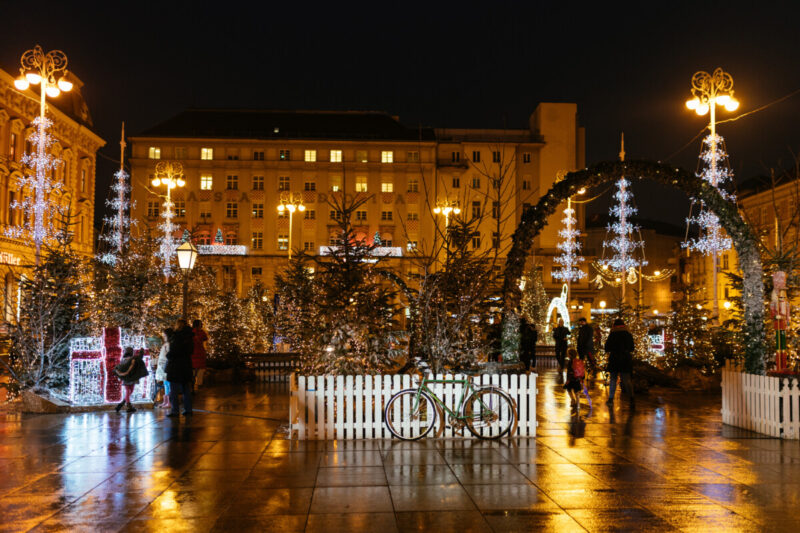
Highlights: Zagreb Advent
Best For: Culture
Crowds
Croatia sees peak crowds July–August (Adriatic coast, Dubrovnik, Split) and busy shoulder seasons May–June and Sept; quietest November–March when coastal tourism falls off though Dubrovnik can still draw cruise-day visitors—overall very crowded on coast in summer, much quieter inland/off-season.
Getting there and around
Getting there
Croatia is a popular European destination accessed primarily by air during peak season (May-September). Main international airports are Zagreb (ZAG), Split (SPU), and Dubrovnik (DBV). While few direct flights exist from North America, most U.S./Canadian travelers connect through major European cities. Airlines include Croatia Airlines, Lufthansa, and budget carriers connecting to UK and Europe. Overland travel via bus and train from neighboring Italy, Slovenia, and Hungary is viable. Ferry services connect Croatian coastal cities with Italy.
Getting around
Discover Croatia’s outstanding bus network connecting coastal gems from Rijeka to Dubrovnik—more extensive than rail lines, these fast and cheap coaches excel where European trains fall short. Navigate the 1,200+ islands via Jadrolinija’s 54-vessel state-owned fleet, including massive car ferries and speedy passenger-only catamarans departing from major hubs: Split, Dubrovnik, Šibenik, Zadar, and Rijeka. Book online but arrive early in peak season (July-August) as reservations don’t guarantee space. Experience Croatia Airlines’ domestic flights cutting Zagreb-Dubrovnik to 1 hour versus 9 hours by bus, though limited carriers mean higher costs. Rent cars for ultimate flexibility on modern, well-maintained roads offering world-class scenic drives for just $3-10 daily from Sixt, Avis, or local gems like Nova and Oryx. Remember seasonal reality: reduced November-March schedules require careful planning, while summer ferry frequencies accommodate tourist demands. Combine transport modes strategically—buses for mainland cities, ferries for island-hopping adventures, cars for scenic coastal drives, and flights for time-pressed transfers.
Top experiences in Croatia
Dubrovnik Old Town Walls
The finest city walls in the world. You can walk the entire 2km loop. Views of the red roofs and the Adriatic are breathtaking. Game of Thrones (King’s Landing) was filmed here.
Plitvice Lakes National Park
A chain of 16 terraced lakes joined by waterfalls. The water color changes from azure to green. Walkways crisscross the lakes. A UNESCO natural wonder.
Hvar Town
The party and yacht capital. But also historic. The fortress (Fortica) overlooks the Pakleni islands. The main square is the largest in Dalmatia. Chic and sunny.
Diocletian's Palace (Split)
A Roman emperor’s retirement palace that became a city. Split is built INSIDE the palace ruins. It is a living, breathing museum. The Peristyle is the heart.
Pula Arena
One of the best-preserved Roman amphitheaters in the world. Located in Istria. It is still used for concerts and festivals. A reminder of Roman power.
Editor-curated picks carried over from our original guide. Where a full place guide exists, the card links to it.
Worth booking ahead in Croatia
Hand-picked from the operators our guides already send readers to. Prices and availability are live on the partner site.
BrowseViator
Tours and tickets in Croatia on Viator (opens Viator in a new tab)
Viator's full list of bookable tours and tickets in Croatia.
BrowseGetYourGuide
Experiences in Croatia on GetYourGuide (opens GetYourGuide in a new tab)
Everything GetYourGuide sells in Croatia, with the cancellation terms on each listing.
Where to stayBooking.com
Stays in Croatia (opens Booking.com in a new tab)
Live rates and availability for Croatia on Booking.com; filter by neighbourhood once you know where your days start.
We earn a commission if you book through these links, at no extra cost to you. It is how we keep the guides free and independent.
Where to stay
Hotel Excelsior Dubrovnik
Ul. Frana Supila 12, 20000, Dubrovnik, Croatia
A landmark hotel just outside the Ploce Gate of Dubrovnik’s Old Town. Steps confirm Kings, Queens, and movie stars. The terrace view of the fortress is unbeatable.
Grand Park Hotel Rovinj
Smareglijeva ulica 1A, 52210, Rovinj, Croatia
Located in Istria. It offers spectacular views of Rovinj’s old town and the church of St. Euphemia. Modern, terraced design filled with greenery. A wellness destination.
Palace Elisabeth, Hvar Heritage Hotel
Trg Sv. Stjepana 5, 21450, Hvar, Croatia
The first 5-star hotel on Hvar island. Located on the main square. Built in the 13th century (Venetian Loggia). Immerse yourself in the history and glamour of Hvar.
Editor-curated stays carried over from our original guide. Where we have reviewed the hotel, the card links to the review.
Tips from the field
Highlights
- City – Dubrovnik
- Nature – Plitvice
- Island – Hvar
- History – Split
- Region – Istria
- Food – Truffles/Oysters
- Sails – Yacht Week
- TV – Game of Thrones
Best activities
- Walk the walls of Dubrovnik. Explore the waterfalls of Plitvice. Party in Hvar. Have coffee in the Peristyle in Split. Visit the Pula Arena. Sail the Adriatic. Eat Oysters in Ston.
Practical tips
- Kuna was replaced by the Euro in 2023. Island-hopping ferries sell out in July/August — book Jadrolinija in advance. Croatian tap water is safe and tastes excellent.
Photography tips
- Golden Hour: Sunset from Srd Hill (Dubrovnik). Late afternoon at the waterfalls in Plitvice.
- Iconic Shots:
- Dubrovnik from the City Walls.
- The Big Waterfall (Veliki Slap) at Plitvice.
- The view of Hvar harbor from the Fortica.
- The Peristyle in Split (early morning).
- Zlatni Rat beach (drone).
- Technique: Plitvice is crowded—use a tripod and ND filter for smooth water in the early morning. Dubrovnik gets hot—shoot early.
Timing
- Peak Season (July-Aug):
- Max crowds/prices
- Shoulder Season (May-June, Sept-Oct):
- Ideal balance
- Low Season (Nov-April):
- Quiet coast, busy Zagreb
Keeping it authentic
- Croatia is diverse. Dalmatia is relaxed and Mediterranean. Istria is Italian-influenced (truffles/olive oil). The inland (Zagreb) is Austro-Hungarian. 'Fijaka' is the Dalmatian art of aspiring to do nothing.
Culture, customs and safety
Cultural heritage
Croatia boasts 10 UNESCO World Heritage Sites, with Dubrovnik Old Town, Split Diocletian Palace, and Plitvice Lakes inscribed in 1979 as founding sites. Medieval Dubrovnik features complete fortification walls encircling terracotta-roofed buildings and cobblestone streets. Roman Emperor Diocletian 3rd-4th century retirement palace forms living heart of Split old town. Additional sites include Euphrasian Basilica in Poreč with 6th-century gold Byzantine mosaics, Renaissance Šibenik Cathedral by Niccolò Fiorentino with masterpiece cupola, Trogir historic town, Hvar Stari Grad Plain, and medieval stećci tombstone graveyards. Intangible heritage encompasses klapa multipart a cappella singing tradition from Dalmatian coastal towns and islands, northern Croatia gingerbread craft originating in medieval monasteries, traditional lacemaking, and wooden toy manufacturing in Hrvatsko Zagorje region. Musical traditions include Istrian two-part singing, Eastern Croatia bećarac vocal-instrumental performances with erotic humor from Slavonia, Baranja and Srijem regions. Architecture spans Roman heritage at Cathedral of St. Domnius, Romanesque churches, medieval fortifications, Gothic structures, Renaissance palaces, and Baroque architecture throughout historic city centers, representing continuous cultural evolution from antiquity to modern times.
Local customs & etiquette
Social life in Croatia often revolves around long coffee meetings in cafes, which are a primary way to socialize and build relationships. When greeting someone, a firm handshake with direct eye contact is the norm. If invited to a Croatian home, it is customary to bring a small gift and to take off your shoes upon entering.
Safety notes
Very safe. Watch for pickpockets in Dubrovnik Old Town during cruise-ship rush hours. Landmines from the 1990s war remain in remote interior areas — stick to marked paths.