

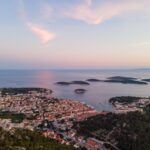
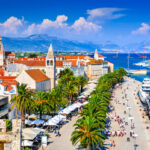
Hvar is a stunning island in the Adriatic Sea, known for its picturesque landscapes, crystal-clear waters, and vibrant nightlife. The island is rich in history, with charming medieval towns, ancient fortresses, and lush vineyards. Visitors can enjoy sunbathing on beautiful beaches, exploring quaint streets, and savoring local cuisine, making Hvar a perfect destination for relaxation and adventure.
The destination guide
Hvar

Travel guides for Hvar
Things to do (1)
More guides featuring Hvar (6)
At a glance
Currency€ EURCode: EUR
Time zoneCentral European Time
Languages
- Croatian
Setting
- Adriatic island
- Lavender fields
- Medieval town
- Sandy beaches
Known for
- Beach and sun
- Historical exploration
- Nature and hiking
- Nightlife and parties
Population4,2514,251 residents
VisaDuration: Up to 90 days within any 180-day period in the Schengen Area · Documents: Valid passport issued within the last 10 years and valid for at least 3 months after planned departure, plus proof of accommodation, onward or return travel, and sufficient funds if requested
How Hvar scores
7/10OverallGood
Weather9/10
Value for money7/10
Safety8/10
Food & cuisine8/10
Culture & arts6/10
Cultural experience8/10
History8/10
Nature & outdoors9/10
Adventure6/10
Nightlife8/10
Shopping6/10
Family friendly5/10
Romance9/10
Character
Photography score7/10
Authenticity score9/10
Off-the-beaten-path score6/10
Editorial scores on a 10-point scale, weighed against destinations of the same kind.
Travel safety snapshot
Overall84/100High rating
Women travellers85/100
LGBTQ+ travellers65/100
Theft78/100
Medical care72/100
Physical harm88/100
Political freedom75/100
SafePlace indicators use their source 100-point scale; higher is more favourable. Planning context, not a live travel advisory — check official government guidance before you go.
When to go
Best months to visit: May, June, July, August, September and October.
- January: 7.8 to 11.3 degrees Celsius, 63.3 millimetres of rain, best-time score 2 out of 5.
- February: 7 to 11.1 degrees Celsius, 39.5 millimetres of rain, best-time score 2 out of 5.
- March: 8.9 to 13.3 degrees Celsius, 10.5 millimetres of rain, best-time score 2 out of 5.
- April: 12.2 to 16 degrees Celsius, 19 millimetres of rain, best-time score 3 out of 5.
- May: 15.6 to 19 degrees Celsius, 96.7 millimetres of rain, best-time score 5 out of 5.
- June: 20.3 to 24.3 degrees Celsius, 39.4 millimetres of rain, best-time score 5 out of 5.
- July: 23 to 27.4 degrees Celsius, 11.7 millimetres of rain, best-time score 4 out of 5.
- August: 23.8 to 27.8 degrees Celsius, 2.5 millimetres of rain, best-time score 4 out of 5.
- September: 21.3 to 24.6 degrees Celsius, 9.4 millimetres of rain, best-time score 5 out of 5.
- October: 16.3 to 20.1 degrees Celsius, 117.6 millimetres of rain, best-time score 4 out of 5.
- November: 12.8 to 16.4 degrees Celsius, 14.1 millimetres of rain, best-time score 2 out of 5.
- December: 9.1 to 12.6 degrees Celsius, 74 millimetres of rain, best-time score 2 out of 5.
Month-by-month conditions and packing advice
- January
- Cool weather, some rain January in Hvar: winter closures and cool weather make this less balanced for island travel. Crowds: Travelers visiting Hvar in January should expect a quieter, more introspective experience rather than the lively summer scene. This is the low tourist season, with significantly reduced crowds and much more affordable accommodation options compared to peak months. Some beach-oriented activities and nightlife are limited due to the cooler temperatures and damp conditions, but this creates space for deeper engagement with local culture, gastronomy, and history. Visitors will find it easier to explore medieval fortresses, historic monasteries, and fishing villages at a relaxed pace. Ferries run on winter schedules, so planning transport ahead is essential. For those seeking peaceful landscapes and local connection rather than vibrant social energy, January represents an excellent time to visit. It is best suited for travelers who appreciate off-season charm, cultural immersion, and the chance to see Croatia’s Adriatic coast in its most authentic, unpolished state. Pack: Waterproof jacket and compact umbrella for frequent showers; Warm sweater or fleece for cool evenings; Comfortable waterproof walking shoes for cobblestone streets; Scarf and gloves for chilly winds near the coast; Smart casual attire suitable for cozy cafes and restaurants; Layered clothing for flexibility between sunny spells and damp weather
- February
- Cool weather, some rain February in Hvar: winter closures and cool weather make this less balanced for island travel. Crowds: Traveling to Hvar in February means experiencing the island outside of its bustling summer season. Tourist infrastructure operates on a reduced schedule, with fewer ferry connections and many beach clubs or seasonal hotels closed. However, those who do visit enjoy low prices on accommodations and the ability to explore heritage sites such as Hvar Fortress and Franciscan Monastery without crowds. The weather, while cool and damp at times, is pleasant enough for hiking along coastal trails and enjoying quiet cafés in Hvar Town. While nightlife and beach activities are dormant, February rewards travelers seeking cultural depth, authentic local encounters, and a peaceful atmosphere. Advance planning for transport and open venues is advised, as services can be limited. Pack: Waterproof jacket for rainy days; Sturdy walking shoes for cobblestone streets; Warm sweater or fleece for cool evenings; Compact umbrella for sudden showers; Scarf and layers for adaptable comfort; Notebook or camera for capturing off-season charm
- March
- Cool weather, mostly dry March in Hvar: winter closures and cool weather make this less balanced for island travel. Crowds: March in Hvar is part of the shoulder season, offering travelers a peaceful escape before the arrival of spring crowds. Accommodation rates remain lower than in peak months, and availability is generous. While beach activities are limited due to cool sea temperatures, conditions are favorable for hiking trails through lavender fields and exploring cultural sites without the bustle. Ferry services are more reliable compared to winter but still less frequent than in summer, so planning transport in advance is wise. The island’s charm lies in its authenticity during this month—restaurants and wineries often welcome visitors with more personal attention, and the calm atmosphere allows deeper cultural engagement. This is an excellent time for travelers seeking quiet exploration, photography, and a glimpse of local life before the island awakens fully to tourism. Pack: Light jacket or windbreaker for cool evenings; Comfortable walking shoes for cobblestone streets; Layered clothing for daytime temperature shifts; Compact umbrella for occasional showers; Scarf or shawl for added warmth and church visits; Reusable water bottle for long walks and hikes
- April
- Cool weather, mostly dry April in Hvar: spring scenery is appealing, but sea temperatures and services may still be limited. Crowds: April is part of Hvar’s shoulder season, offering a calm and affordable alternative to the summer rush. Accommodation prices are lower and availability is plentiful, while popular sites such as the Franciscan Monastery and St. Stephen’s Square remain uncrowded. The weather favors hiking, vineyard tours, and cultural explorations, though beach lounging and swimming are limited by cooler sea temperatures. It’s an excellent time for travelers seeking authenticity without peak-season crowds. Advance booking isn’t strictly necessary, but ferry schedules and boat excursions may still run on reduced timetables. This makes April a smart month for those prioritizing cultural immersion, outdoor activities, and photography over nightlife and beach tourism. Pack: Light jacket or windbreaker for cool evenings; Comfortable walking shoes for cobblestone streets; Breathable layers for daytime exploration; Compact umbrella or light rain jacket for occasional showers; Scarf or shawl for monastery and church visits; Reusable water bottle for hikes and coastal walks
- May
- Warm and pleasant, some rain May in Hvar: beaches, boats, lavender scenery, old-town evenings, and island day trips balance warmth with fewer peak crowds. Crowds: May represents the shoulder season in Hvar, striking a balance between pleasant weather and manageable visitor numbers. While the island starts to see more activity as summer nears, beaches and cultural sites remain relatively uncrowded compared to July and August. Accommodation prices are moderately lower than peak season, offering good value for travelers. Conditions are excellent for hiking coastal trails, cycling through vineyard-dotted landscapes, or attending early-season cultural festivals. Rain showers may interrupt outdoor plans briefly, but they rarely last long enough to disrupt full days of exploration. For travelers seeking authentic experiences with fewer crowds and comfortable conditions, May is one of the best months to visit before the summer influx. Pack: Light rain jacket for passing showers; Breathable layers for mild days and cooler evenings; Comfortable walking shoes for cobblestone streets and trails; Compact umbrella for sudden rainfall; Sun protection including sunglasses and high-SPF sunscreen; Smart-casual attire for vineyard visits and seaside dining
- June
- Warm and pleasant, some rain June in Hvar: beaches, boats, lavender scenery, old-town evenings, and island day trips balance warmth with fewer peak crowds. Crowds: June marks the beginning of Hvar’s high season, with weather conditions perfectly suited for both cultural exploration and outdoor leisure. Crowds begin to rise as European summer holidays approach, though they remain lighter than the peak in July and August. Accommodation prices trend upward, and advance booking is recommended, particularly for waterfront stays and boutique properties. The pleasant climate makes it one of the best months for vineyard tours, sailing, and hiking trails with coastal panoramas. The occasional shower may briefly disrupt a beach day but usually brings cooler air and fewer crowds for sightseeing. Overall, June strikes an optimal balance: excellent weather, increasing energy in the town squares, and manageable visitor levels before the height of the season. Pack: Lightweight linen shirts and dresses for daytime comfort; Comfortable sandals or walking shoes for cobblestone streets; Swimsuit and quick-dry towel for spontaneous swims; Compact travel umbrella or light rain jacket for showers; Wide-brimmed hat and reef-safe sunscreen for sun protection; Evening layer such as a light sweater for breezy nights
- July
- Hot and sunny, mostly dry July in Hvar: summer or early fall can be excellent, though crowds, prices, or late-season schedules need planning. Crowds: July represents peak summer season in Hvar, drawing both international visitors and yacht travelers to its lively harbors. Expect crowded beaches, bustling nightlife, and premium pricing on accommodation. The near-perfect weather encourages full-day itineraries, from morning swims to late-night concerts under the stars. While conditions are excellent for boating, swimming, and island-hopping, the popularity of this month means early bookings are essential to secure quality lodging and dining reservations. Daytime heat is strong but manageable thanks to sea breezes, making outdoor explorations feasible if planned around midday sun. Travelers seeking quieter experiences should explore early mornings or ferry to less-visited nearby islands. Pack: Lightweight linen or cotton outfits for daytime heat; Swimwear and reef-safe sunscreen for long beach days; Wide-brimmed hat and polarized sunglasses; Comfortable sandals for stone streets and promenades; Light scarf or wrap for visiting churches and monasteries; Reusable water bottle to stay hydrated during excursions
- August
- Hot and sunny, mostly dry August in Hvar: summer or early fall can be excellent, though crowds, prices, or late-season schedules need planning. Crowds: August is the height of Hvar’s tourist season, offering ideal weather for swimming, sailing, and late-night waterfront gatherings. Expect bustling crowds at beaches, bars, and cultural sites, with accommodation prices reflecting peak demand. The island’s lively nightlife and festival calendar are in full swing, though quieter coves still reward those seeking solitude. Ferry tickets and popular restaurants often sell out, so advance booking is essential. The dry, hot conditions favor outdoor exploration, but midday sightseeing can be draining without shade. For budget-conscious travelers, costs are highest this month, yet the unique blend of cultural events and perfect seaside weather justifies the premium. Early mornings or late afternoons are best for exploring Hvar Town’s narrow lanes, while midday is better spent in the water or under an umbrella. Pack: Lightweight linen or cotton clothing for daytime heat; Wide-brimmed hat and high-SPF reef-safe sunscreen; Comfortable sandals for cobblestone streets; Swimwear for daily sea activities; Reusable water bottle to stay hydrated; Light evening attire for outdoor dining and nightlife
- September
- Warm and pleasant, mostly dry September in Hvar: beaches, boats, lavender scenery, old-town evenings, and island day trips balance warmth with fewer peak crowds. Crowds: September is considered one of the most favorable months to visit Hvar, often referred to as the island’s ‘secret second summer.’ The main summer crowds taper off after August, leading to more relaxed beaches, easier restaurant reservations, and lower accommodation costs while the weather remains excellent. This shoulder season offers perfect conditions for wine tasting tours, sailing excursions, and attending local harvest festivals. Travelers benefit from fewer queues at historic sites such as the Spanish Fortress and St. Stephen’s Cathedral, while still enjoying long, warm days suitable for outdoor dining and cultural exploration. Advance booking is still wise, but prices and availability become more traveler-friendly compared to high summer. Pack: Light linen or cotton clothing for warm daytime conditions; Comfortable sandals or walking shoes for cobblestone streets; Swimwear for beach and sailing activities; Light jacket or shawl for cooler evenings; Sunhat and high SPF sunscreen for outdoor excursions; Smart casual attire for wine tastings and evening dining
- October
- Warm and pleasant, some rain October in Hvar: summer or early fall can be excellent, though crowds, prices, or late-season schedules need planning. Crowds: October marks the shoulder season in Hvar, when the crowds of summer have thinned, yet the island retains a lively, authentic rhythm. Travel conditions remain favorable for sightseeing, hiking, and cultural exploration, though swimming may feel brisk for some as sea temperatures start to cool. Accommodation rates typically drop compared to high summer, offering better value for extended stays. While ferry services continue, schedules may be slightly reduced, so advance planning is recommended. Rain showers can occasionally interrupt outdoor activities, but they rarely dominate the day. Overall, this is an excellent time for visitors seeking a more relaxed, local experience, enjoying wine harvest festivals and uncrowded heritage sites. Those looking for nightlife may find a quieter scene, but cultural immersion and authentic encounters thrive during this calmer month. Pack: Light sweater or jacket for cooler evenings; Comfortable walking shoes for cobblestone streets; Compact umbrella or rain jacket for showers; Layered clothing for variable daytime temperatures; Camera for capturing autumn light and landscapes; Respectful attire for visiting monasteries and churches
- November
- Cool weather, mostly dry November in Hvar: winter closures and cool weather make this less balanced for island travel. Crowds: By November, Hvar has fully shifted out of its high season. The island is peaceful, with far fewer crowds than summer, giving travelers access to cultural sites and coastal walks without the bustle. Accommodation prices drop significantly, and many larger resorts close, but family-run guesthouses remain open and offer a more personal experience. The weather supports leisurely exploration, though swimming is no longer appealing to most. This month is excellent for travelers seeking authenticity, quietude, and a slower pace, especially those interested in olive oil festivals and harvest traditions. Advance booking is rarely necessary, making it a flexible time for spontaneous travel. Pack: Light jacket or fleece for cool evenings; Comfortable walking shoes for cobblestone streets; Water-resistant outer layer for occasional showers; Long-sleeve shirts and trousers for warmth and modesty; Scarf or shawl for layering and visiting churches; Daypack for carrying water and essentials on hikes
- December
- Cool weather, some rain December in Hvar: winter closures and cool weather make this less balanced for island travel. Crowds: December marks Hvar’s off-season, with significantly fewer tourists compared to the bustling summer months. While ferry schedules are reduced, those who arrive find a tranquil island experience at lower accommodation costs. Many beach clubs and seasonal restaurants are closed, but local konobas and year-round cafes provide a more authentic cultural connection. This time of year suits travelers who prioritize cultural exploration, coastal walks, and quiet moments over nightlife and swimming. The weather is mild enough for outdoor exploration with proper clothing, though rain showers may occasionally interrupt plans. For those seeking solitude, December offers a chance to see Hvar as locals live it, without the layers of summer tourism. Pack: Water-resistant jacket for rain showers; Warm layers including sweaters and scarves; Comfortable waterproof walking shoes; Umbrella or compact rain poncho; Smart casual wear for dining in local konobas; Travel adapter and portable charger for shorter daylight hours
Peak season
- July
- August
- June
- September
Off-peak
- November
- December
- January
- February
- March
- April
- May
- October
Know before you go
Best time to visit
The best time to visit Hvar is during the late spring (May to June) and early fall (September to October) when the weather is warm and the tourist crowds are smaller. July and August are peak tourist months, offering lively events and vibrant nightlife, but can be quite crowded.
Getting there and around
Getting there
Hvar is accessed via ferries and catamarans from Split, Croatia’s main transportation hub. Jadrolinija catamarans connect Split to Hvar Town (1 hour 10 minutes, daily services year-round). Car ferries from Split arrive at Stari Grad port (1 hour 45 minutes, 7 daily in summer, 3 in winter), located 16km from Hvar Town with connecting bus services timed to ferry arrivals. Krilo catamaran operates private Split-Hvar-Korčula route. Alternative mainland access via Drvenik (Makarska Riviera) to Sućuraj on Hvar’s eastern tip (40 minutes by ferry). Buses connect Hvar Town to Stari Grad (30 minutes, coordinated with ferry schedules). Taxis available between ports and towns (approximately 250kn from Stari Grad to Hvar Town). UberBOAT offers island-hopping services. No airport on Hvar – closest is Split Airport (SPU) with onward ferry connections.
Getting around
Getting around Hvar is refreshingly simple thanks to its compact layout and pedestrian-friendly design—most of Hvar Town is car-free, so walking is by far the most enjoyable and efficient way to explore the historic center, harborfront, and nearby beaches. While there are no trams or metros, local buses do run between key towns like Stari Grad, Jelsa, and Vrboska, though service can be limited and operates on a seasonal schedule, so always check the current timetables at the main bus station. Taxis are available but can be pricey, and rideshare services are not widely used—your best bet for flexibility is renting a scooter or boat to explore more remote coves and inland villages. There’s no need for transit passes here; just bring comfortable shoes, sunscreen, and a curiosity for tucked-away spots off the main promenade.
Worth booking ahead in Hvar
Hand-picked from the operators our guides already send readers to. Prices and availability are live on the partner site.
BrowseViator
Tours and tickets in Hvar on Viator (opens Viator in a new tab)
Viator's full list of bookable tours and tickets in Hvar.
BrowseGetYourGuide
Experiences in Hvar on GetYourGuide (opens GetYourGuide in a new tab)
Everything GetYourGuide sells in Hvar, with the cancellation terms on each listing.
Where to stayBooking.com
Stays in Hvar (opens Booking.com in a new tab)
Live rates and availability for Hvar on Booking.com; filter by neighbourhood once you know where your days start.
We earn a commission if you book through these links, at no extra cost to you. It is how we keep the guides free and independent.
Tips from the field
Highlights
- [Fortica Fortress](https://www.timeout.com/croatia/travel/hvar-travel-guide)
- Hvar Town's main square
- Dubovica Beach
- Pakleni Islands
- Lavender fields
Best activities
- Hiking to [Fortica Fortress](https://www.timeout.com/croatia/travel/hvar-travel-guide) for panoramic views
- Swimming and sunbathing at [Dubovica Beach](https://www.bontraveler.com/the-ultimate-guide-to-hvar-croatia/)
- Exploring the charming streets of Hvar Town
- Taking a boat trip to the [Pakleni Islands](https://bucketlistbums.com/single-post/hvar/)
Practical tips
- Book accommodations in advance, especially for July and August
- Rent a scooter or car to explore the island's interior
- Bring comfortable walking shoes for exploring the hilly terrain
Keeping it authentic
- Visit the [Franciscan Monastery](https://www.frankaboutcroatia.com/hvar-island-travel-guide/) for a glimpse of local history
- Explore the lavender fields near Brusje for a true Hvar experience
Culture, customs and safety
Cultural heritage
Hvar preserves the cultural heritage of Dalmatian maritime civilization, where ancient Greek colonization, Venetian Renaissance influence, and Croatian island traditions created one of the Adriatic most sophisticated cultural centers. The island maintains traditional lavender cultivation, stone masonry, and fishing practices while preserving Renaissance architecture and cultural traditions that span over 2,400 years. Hvar cultural heritage encompasses ancient Greek foundations, Venetian cultural refinement, traditional Croatian island customs, and contemporary Mediterranean lifestyle that continues to represent the pinnacle of Adriatic cultural sophistication and historical continuity.
Local customs & etiquette
Hvar embraces traditional Dalmatian hospitality with Croatian warmth and Mediterranean lifestyle. Croatian is the official language, though English is widely spoken in tourist areas – learning basic Croatian phrases shows respect. Direct eye contact and polite handshakes are standard greetings. Dress modestly when visiting churches and local gatherings; swimwear is appropriate only for beaches, not town areas. Dining occurs later than Northern European standards – lunch after 2 PM, dinner after 8 PM. Respect for UNESCO heritage sites is paramount – the Stari Grad Plain represents 2,400 years of continuous agricultural tradition. Local pride centers on traditional crafts, particularly Benedictine nun-made agave lace (UNESCO Intangible Cultural Heritage). Wine culture is deeply rooted – Hvar produces some of Croatia’s finest wines from ancient vineyard plots. During summer festivals, expect lively celebrations but maintain respectful noise levels in historic areas.
Travel Style
Activities