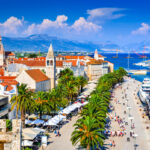
Nikola Bašić’s revolutionary Sea Organ (2005) creating the world’s first architectural musical instrument where underwater pipes and resonating chambers sync with Adriatic waves, generating symphonic melodies from marble steps descending into the sea as gathering places for sunset contemplation. Greeting to the Sun’s contemporary solar monument (2008) featuring 300 multi-layered glass plates arranged in 22-meter diameter circles with solar modules underneath, creating vibrant light displays mirroring the solar system as darkness falls. Croatia’s largest Roman Forum preserving ancient marketplace ruins in Old Town peninsula alongside medieval St. Donatus Church, showcasing Zadar’s rich Roman and Venetian heritage through charming cobblestone streets and architectural testimony spanning multiple civilizations. Dalmatian Coast’s stunning eastern Adriatic shoreline position offering crystal-clear waters, incredible sunsets, and perfect beginning point for exploring Europe’s most beautiful coastlines rich in ancient, medieval, Renaissance, and Baroque cultural layers. Multisensory waterfront experiences where architecture, music, and natural beauty blend uniquely—locals and tourists gathering for magical sunset moments when Sea Organ melodies, solar light installations, and coastal panoramas create unforgettable, deeply moving encounters on this historically-layered peninsula.
The destination guide
Zadar
Travel guides for Zadar
More guides featuring Zadar (4)
At a glance
- Croatian
- Adriatic coast
- Roman ruins
- City walls
- Island archipelago nearby
How Zadar scores
Editorial scores on a 10-point scale, weighed against destinations of the same kind.
Travel safety snapshot
SafePlace indicators use their source 100-point scale; higher is more favourable. Planning context, not a live travel advisory — check official government guidance before you go.
When to go
Best months to visit: April, May, June, July, August, September and October.
- January: 4.6 to 9.9 degrees Celsius, 37.1 millimetres of rain, best-time score 2 out of 5.
- February: 3.9 to 10.3 degrees Celsius, 36 millimetres of rain, best-time score 2 out of 5.
- March: 6.4 to 12.6 degrees Celsius, 20.5 millimetres of rain, best-time score 3 out of 5.
- April: 9.7 to 16.7 degrees Celsius, 14.8 millimetres of rain, best-time score 4 out of 5.
- May: 13.5 to 19.4 degrees Celsius, 48.9 millimetres of rain, best-time score 5 out of 5.
- June: 18.1 to 25.3 degrees Celsius, 20.3 millimetres of rain, best-time score 5 out of 5.
- July: 21 to 28.5 degrees Celsius, 1.6 millimetres of rain, best-time score 4 out of 5.
- August: 21.6 to 28.8 degrees Celsius, 13.2 millimetres of rain, best-time score 4 out of 5.
- September: 18.8 to 25.1 degrees Celsius, 19.5 millimetres of rain, best-time score 5 out of 5.
- October: 13.7 to 19.4 degrees Celsius, 139.9 millimetres of rain, best-time score 4 out of 5.
- November: 10 to 14.9 degrees Celsius, 13.7 millimetres of rain, best-time score 3 out of 5.
- December: 6 to 11.1 degrees Celsius, 51.5 millimetres of rain, best-time score 2 out of 5.
Month-by-month conditions and packing advice
- January
- Cool weather, some rain January in Zadar: winter closures and damp weather make the coastal trip less flexible. Crowds: January marks the peak tourist season in Zadar, with favorable weather for outdoor activities such as exploring ancient Roman ruins, enjoying the Sea Organ, and visiting the Church of St. Donatus. Hotel rates and crowd levels are high, with UV levels moderate despite cooler temperatures. Ideal for cultural tours and beach visits, but be prepared for occasional rain showers. Pack: Lightweight layers for temperature variation; Waterproof jacket for rain protection; Comfortable walking shoes for exploring; Hat and sunglasses for sun protection; Light scarf for cooler evenings; Breathable fabrics for comfort
- February
- Cool weather, some rain February in Zadar: winter closures and damp weather make the coastal trip less flexible. Crowds: February marks the beginning of the tourist season with moderate crowd levels and pleasant weather conditions ideal for sightseeing, including exploring ancient Roman ruins, enjoying waterfront promenades, and attending cultural festivals. Accommodation prices start to rise as the season progresses. Visitors should be prepared for occasional rain showers, which are generally brief and refreshing. Pack: Lightweight layers for temperature variation; Waterproof jacket for rain showers; Comfortable walking shoes for exploring historic sites; Umbrella for unexpected rain; Light scarf for cooler evenings; Breathable cotton/linen fabrics
- March
- Cool weather, mostly dry March in Zadar: cooler shoulder weather narrows swimming and boat plans. Crowds: March marks the beginning of peak tourist season with excellent conditions for outdoor activities such as hiking, cycling, and exploring historical sites. Hotel rates and crowd levels are moderate, offering a balance between affordability and availability. Despite cooler temperatures, UV levels remain high, necessitating sunscreen use. Ideal weather for cultural exploration and enjoying the local cuisine. Pack: Lightweight layers for temperature variation; Comfortable walking shoes for city exploration; Broad-brimmed hat and SPF 50+ sunscreen; Light cardigan for air-conditioned spaces; Modest clothing for cultural sites and mosques; Breathable cotton/linen fabrics
- April
- Cool weather, mostly dry April in Zadar: early-season touring or peak-summer beach timing can work with crowds and heat planned around. Crowds: Peak tourist season with excellent conditions for all outdoor activities including walking tours, cultural site visits, and beach outings. Hotel rates and crowd levels are highest during this period. UV levels remain high despite cooler temperatures. Pack: Lightweight layers for temperature variation; Comfortable walking shoes for city exploration; Broad-brimmed hat and SPF 50+ sunscreen; Light cardigan for air-conditioned spaces; Modest clothing for cultural sites and mosques; Breathable cotton/linen fabrics
- May
- Warm and pleasant, some rain May in Zadar: old-town walks, sea organ sunsets, islands, beaches, boat trips, and nearby parks balance warmth with fewer peak crowds. Crowds: May marks the peak tourist season in Zadar, with excellent weather conditions for a variety of activities such as exploring ancient Roman ruins, enjoying the vibrant local festivals, and taking boat tours along the coast. Hotel prices and tourist crowds are at their highest, so early booking is recommended. Despite the pleasant temperatures, UV levels remain high, necessitating the use of sunscreen and protective clothing. Pack: Lightweight layers for temperature variation; Comfortable walking shoes for exploring historic sites; Broad-brimmed hat and SPF 50+ sunscreen; Light cardigan for air-conditioned venues; Modest clothing for cultural sites and religious visits; Breathable cotton/linen fabrics
- June
- Warm and pleasant, mostly dry June in Zadar: old-town walks, sea organ sunsets, islands, beaches, boat trips, and nearby parks balance warmth with fewer peak crowds. Crowds: June marks the peak tourist season in Zadar, with excellent weather conditions for beach activities, boat tours, and exploring the historic old town. The city experiences moderate crowd levels, with accommodation prices peaking during this time. Visitors can enjoy water sports and cultural events, while the UV index remains high, necessitating sunscreen use. Pack: Lightweight layers for temperature variation; Comfortable walking shoes for exploring the old town; Sunscreen with SPF 50+; Light cardigan for cooler evenings; Modest clothing for cultural sites and religious venues; Breathable cotton/linen fabrics
- July
- Warm and pleasant, mostly dry July in Zadar: early-season touring or peak-summer beach timing can work with crowds and heat planned around. Crowds: July marks the peak tourist season in Zadar, with excellent weather conditions for a variety of activities such as sailing, beach visits, and exploring the historic old town. The city experiences high tourist numbers, leading to crowded attractions and increased prices for accommodations and local services. Despite the warm temperatures, UV levels remain high, so visitors should apply sunscreen and stay hydrated. Pack: Lightweight layers for temperature variation; Comfortable walking shoes for exploring the old town; Wide-brimmed hat and SPF 50+ sunscreen; Light cardigan for air-conditioned spaces; Light, breathable clothing for beach outings; Comfortable sandals for walking
- August
- Hot and sunny, mostly dry August in Zadar: early-season touring or peak-summer beach timing can work with crowds and heat planned around. Crowds: August marks the peak tourist season in Zadar, with high levels of activity across various attractions, including beaches, historical landmarks, and cultural festivals. The weather is perfect for beach activities, water sports, and exploring the city's ancient architecture. However, this period also sees increased tourist crowds and higher accommodation prices. Visitors should plan for peak season demands and consider booking in advance to secure accommodations. Pack: Lightweight, breathable clothing for beach and sun exposure; Swimwear for water activities; Sun hat and UV-protective sunglasses; Light jacket or sweater for cooler evenings; Comfortable walking shoes for exploring; Light scarf or shawl for cultural sites
- September
- Warm and pleasant, mostly dry September in Zadar: old-town walks, sea organ sunsets, islands, beaches, boat trips, and nearby parks balance warmth with fewer peak crowds. Crowds: September marks the peak tourist season in Zadar, with excellent weather conditions for a variety of activities including sailing, beach visits, and exploring historical sites. The city experiences moderate crowd levels, with accommodation rates peaking during this time. Despite the warm temperatures, UV levels remain high, necessitating the use of sunscreen and protective clothing. Visitors are encouraged to plan activities during the cooler morning and late afternoon hours to avoid the midday heat. Pack: Lightweight layers for temperature variation; Comfortable walking shoes for exploring historical sites; Broad-brimmed hat and SPF 50+ sunscreen; Light cardigan for air-conditioned spaces; Modest clothing for cultural sites and religious venues; Breathable cotton/linen fabrics
- October
- Warm and pleasant, heavy rain October in Zadar: early-season touring or peak-summer beach timing can work with crowds and heat planned around. Crowds: January in Zadar marks the peak tourist season, with visitors flocking to experience the city's cultural heritage and natural beauty. The weather, though cool and occasionally rainy, offers excellent conditions for exploring the historic sites, including the Roman Forum and St. Donatus Church. Tourist activities such as boat tours and beach visits are popular, with hotel rates and crowd levels peaking during this time. Despite the rain, the city's vibrant atmosphere and cultural events make it a must-visit destination. Visitors should be prepared for variable weather and consider bringing waterproof gear. Pack: Waterproof jacket for frequent rain showers; Comfortable walking shoes for exploring historic sites; Lightweight, breathable clothing for daytime activities; Umbrella for unexpected rain; Hat and sunglasses for sunny breaks; Waterproof backpack for keeping belongings dry
- November
- Cool weather, mostly dry November in Zadar: cooler shoulder weather narrows swimming and boat plans. Crowds: Peak tourist season with excellent conditions for cultural exploration, including visits to Diocletian's Palace, seafront promenades, and local markets. Hotel rates and crowd levels are highest during this period. Despite cooler temperatures, UV levels remain high, so sun protection is essential. Pack: Lightweight layers for temperature variation; Comfortable walking shoes for city exploration; Broad-brimmed hat and SPF 50+ sunscreen; Light cardigan for air-conditioned spaces; Modest clothing for cultural sites and mosques; Breathable cotton/linen fabrics
- December
- Cool weather, some rain December in Zadar: winter closures and damp weather make the coastal trip less flexible. Crowds: December marks the peak tourist season with excellent conditions for outdoor activities such as boat tours, historical site visits, and winter festivals. Hotel rates and crowd levels are highest during this period. UV levels remain moderate despite cooler temperatures. Pack: Lightweight layers for temperature variation; Waterproof jacket for occasional rain; Comfortable walking shoes for city exploration; Wide-brimmed hat and SPF 30+ sunscreen; Light scarf for cultural sites and mosques; Breathable cotton/linen fabrics
- June
- July
- August
- September
- January
- February
- November
Know before you go
Best time to visit
May through September for warm Adriatic weather and swimming. July-August are peak season. June and September offer warm seas with fewer crowds. Winter is mild but quiet.
Season by season
Summer (June-Aug):
Weather: 28-35°C, hot
Highlights: Sunsets
Best For: Swimming
Spring (May-June):
Weather: 20-25°C, nice
Highlights: Green
Best For: Sightseeing
Fall (Sept-Oct):
Weather: 20-25°C, warm
Highlights: Sailing
Best For: Relaxing
Winter (Nov-March):
Weather: 5-15°C, rain
Highlights: Empty
Best For: Locals
Crowds
Zadar is busiest in July–August with beach tourism and day-trippers from cruise ships; June and September are busy but less crowded; quietest November–March when many coastal tourist services close—overall strong summer peak, light off-season.
Getting there and around
Getting there
Fly into Zadar Airport (ZAD) with budget carrier connections. Regular ferries connect from Ancona, Italy. Buses from Zagreb (3.5h), Split (1.5h), and Dubrovnik (6h). The A1 motorway connects to Zagreb.
Top experiences in Zadar
Sea Organ (Morske Orgulje)
An architectural sound art object. Marble steps descend into the sea with tubes underneath. The waves push air through the tubes to play haunting, whale-like music. Best at sunset.
Greeting to the Sun
A large solar-powered circle on the pavement next to the Sea Organ. At night, it puts on a trippy light show powered by the sun it absorbed during the day. A tribute to nature.
Roman Forum
The ruins of the Roman marketplace (1st century BC). It is an open-air museum right in the city center. You can walk among the ancient columns and stones.
Church of St. Donatus
The symbol of Zadar. A massive 9th-century Byzantine church built on the Roman Forum. It is round and acoustically perfect (used for concerts). It has no windows on the ground floor.
Kornati National Park
A nautical paradise nearby. An archipelago of 89 uninhabited islands, islets, and reefs. It is a moonscape of stone and blue water. A must-do day trip by boat.
Editor-curated picks carried over from our original guide. Where a full place guide exists, the card links to it.
Worth booking ahead in Zadar
Hand-picked from the operators our guides already send readers to. Prices and availability are live on the partner site.
BrowseViator
Tours and tickets in Zadar on Viator (opens Viator in a new tab)
Viator's full list of bookable tours and tickets in Zadar.
BrowseGetYourGuide
Experiences in Zadar on GetYourGuide (opens GetYourGuide in a new tab)
Everything GetYourGuide sells in Zadar, with the cancellation terms on each listing.
Where to stayBooking.com
Stays in Zadar (opens Booking.com in a new tab)
Live rates and availability for Zadar on Booking.com; filter by neighbourhood once you know where your days start.
We earn a commission if you book through these links, at no extra cost to you. It is how we keep the guides free and independent.
Where to stay
Falkensteiner Hotel & Spa Iadera
Ulica 1/151, 23231 Petrčane, Croatia
Located in Punta Skala (near Zadar). A sleek, modern design hotel with massive glass walls and a 6,000 sqm spa (Acquapura). It is one of the best wellness hotels in Croatia.
Almayer Art & Heritage Hotel
Ul. Braće Vranjana 14, 23000 Zadar, Croatia
A boutique hotel in the heart of Zadar’s Old Town. It is an art gallery and hotel in one. Located in a renovated 19th-century military hospital. Trendy, intimate, and stylish.
Bastion Heritage Hotel
Bedemi zadarskih pobuna 13, 23000 Zadar, Croatia
Built on the remains of the 13th-century Venetian fortress (Kastel). It is a Relais & Châteaux member. The rooms are elegant and it has a lovely terrace on the city walls.
Editor-curated stays carried over from our original guide. Where we have reviewed the hotel, the card links to the review.
Tips from the field
Highlights
- Art – Sea Organ
- Light – Sun Salutation
- History – Roman Forum
- Church – St. Donatus
- Nature – Kornati Islands
- Sunset – Alfred Hitchcock
- Drink – Maraschino
- Vibe – Ancient/Modern
Best activities
- Listen to the Sea Organ at sunset. Dance on the Greeting to the Sun. Walk through the Roman Forum. Climb the Bell Tower. Take a boat trip to Kornati. Drink Maraschino liqueur. Swim at Kolovare Beach.
Practical tips
- Currency: Euro (EUR). Cards accepted at most places.
- Getting There: Zadar Airport (ZAD) via shuttle bus (25 kn). Ferries from Italy. Bus connections along Croatian coast.
- Transportation: Old Town is small and walkable. Liburnija bus for beaches. Car rental for day trips (Plitvice Lakes, Kornati Islands).
- Dining: Dalmatian seafood, pašticada (beef stew), maraschino liqueur (invented here). Restaurant meals €10-20. Old Town restaurants are reasonably priced.
- Free Attractions: Sea Organ (sound installation), Sun Salutation light display, Roman Forum, Old Town walking, sunset (Alfred Hitchcock called it the best in the world).
- Tipping: Round up or 10%
- Electricity: 230V/50Hz, Type C/F plugs
Photography tips
- Golden Hour: Sunset at the Sea Organ. Alfred Hitchcock called Zadar's sunset the 'most beautiful in the world'.
- Iconic Shots:
- The Greeting to the Sun light show at night.
- St. Donatus Church with the Roman Forum ruins.
- The Bell Tower of St. Anastasia (climb for view).
- Aerial view of the Kornati Islands (if possible).
- The Sphinx of Zadar.
- Technique: Long exposure for the Greeting to the Sun lights. Capture the people sitting on the Sea Organ steps listening.
Timing
- Peak Season (July-Aug):
- Crowded, hot
- Shoulder Season (May-June, Sept):
- Best balance
- Low Season (Oct-April):
- Quiet, services reduced
Keeping it authentic
- Zadar is older than Rome. It feels more lived-in and less 'museum-like' than Dubrovnik. Maraschino (cherry liqueur) originated here in the 16th century. The sunset really is special due to the islands' alignment.
Culture, customs and safety
Cultural heritage
Zadar preserves 3,000 years of history through Roman forums, medieval churches, and contemporary installations creating unique temporal dialogue. The Sea Organ and Sun Salutation transform natural elements into art, representing modern Croatian creativity. St. Donatus Church exemplifies pre-Romanesque architecture while Roman Forum ruins anchor the old town. Venetian defensive walls enclose Renaissance palaces and baroque churches. Traditional maraschino liqueur production and gold/silver craftsmanship maintain artisanal heritage alongside innovative cultural expressions.
Safety notes
Zadar is very safe — a welcoming Croatian coastal city.
General Safety:
• Crime is virtually nonexistent for tourists
• Old Town and beaches are safe at all hours
Emergency: 112