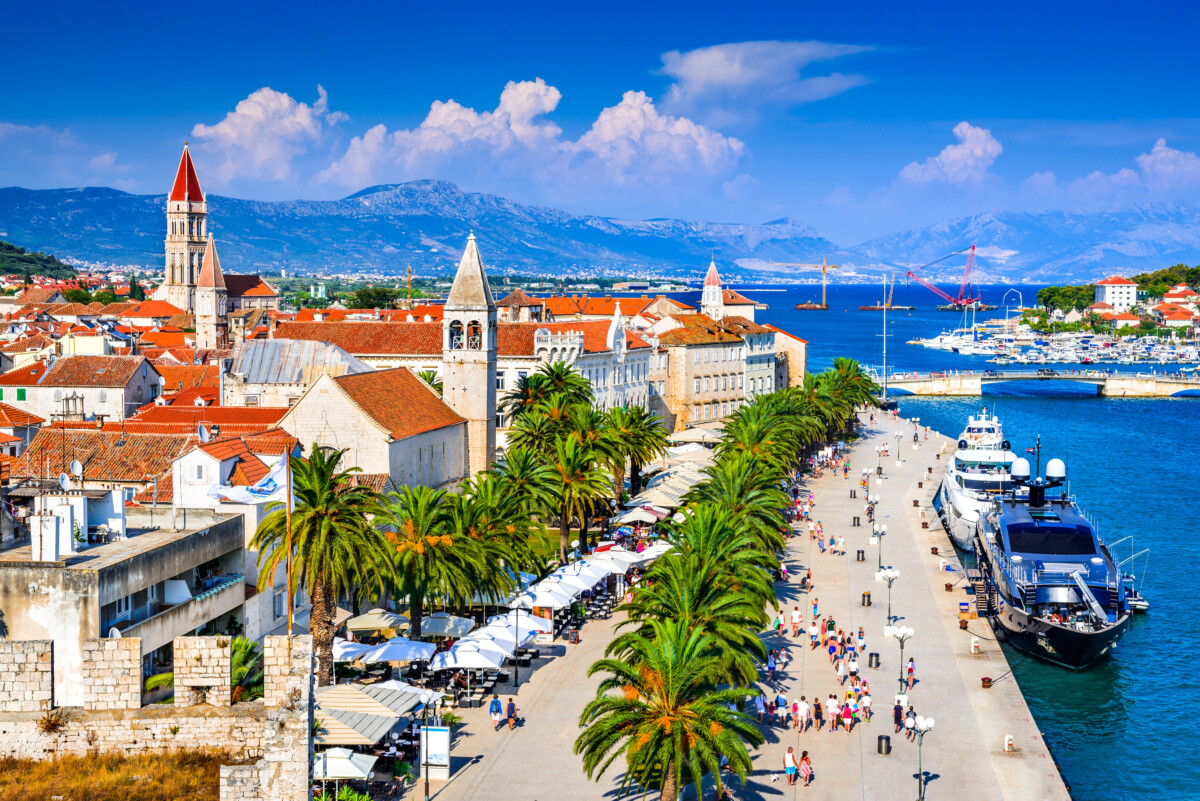
Trogir is a stunning historic town located on the Adriatic coast, known for its well-preserved medieval architecture and rich cultural heritage. A UNESCO World Heritage site, Trogir is famous for its charming old town filled with narrow streets, ancient churches, and vibrant waterfront. Visitors can explore the Cathedral of St. Lawrence and enjoy the lively atmosphere of the local markets.
The destination guide
Trogir
Travel guides for Trogir
More guides featuring Trogir (3)
At a glance
Currency€ EURCode: EUR
Time zoneCentral European Time
Languages
- Croatian
Setting
- Adriatic coast
- Historic stone center
- Kamerlengo fortress
- Island views
Known for
- History & Architecture
- Coastal Towns
- Island Exploration
- Romance.
Population13,00013,000 residents
VisaDuration: Up to 90 days within any 180-day period in the Schengen Area · Documents: Valid passport issued within the last 10 years and valid for at least 3 months after planned departure, plus proof of accommodation, onward or return travel, and sufficient funds if requested
How Trogir scores
8/10OverallExcellent
Weather9/10
Value for money8/10
Food & cuisine7/10
Culture & arts6/10
Cultural experience9/10
Nature & outdoors6/10
Adventure4/10
Nightlife4/10
Shopping5/10
Family friendly5/10
Romance8/10
Editorial scores on a 10-point scale, weighed against destinations of the same kind.
Travel safety snapshot
Overall84/100High rating
Women travellers82/100
LGBTQ+ travellers78/100
Theft68/100
Medical care76/100
Physical harm85/100
Political freedom80/100
SafePlace indicators use their source 100-point scale; higher is more favourable. Planning context, not a live travel advisory — check official government guidance before you go.
When to go
Best months to visit: April, May, June, July, August, September and October.
- January: 8.9 to 11.4 degrees Celsius, 41.8 millimetres of rain, best-time score 2 out of 5.
- February: 7.8 to 11.3 degrees Celsius, 15.1 millimetres of rain, best-time score 2 out of 5.
- March: 9.8 to 12.8 degrees Celsius, 8.1 millimetres of rain, best-time score 3 out of 5.
- April: 12.6 to 15.8 degrees Celsius, 13.3 millimetres of rain, best-time score 4 out of 5.
- May: 15.8 to 18.8 degrees Celsius, 47.9 millimetres of rain, best-time score 5 out of 5.
- June: 20.8 to 24.3 degrees Celsius, 16.8 millimetres of rain, best-time score 5 out of 5.
- July: 23.4 to 27.3 degrees Celsius, 1.9 millimetres of rain, best-time score 4 out of 5.
- August: 24.2 to 27.3 degrees Celsius, 3.2 millimetres of rain, best-time score 4 out of 5.
- September: 21.7 to 24.1 degrees Celsius, 7.6 millimetres of rain, best-time score 5 out of 5.
- October: 16.9 to 19.9 degrees Celsius, 82.4 millimetres of rain, best-time score 4 out of 5.
- November: 13.8 to 16.6 degrees Celsius, 9.8 millimetres of rain, best-time score 3 out of 5.
- December: 9.8 to 12.8 degrees Celsius, 44.7 millimetres of rain, best-time score 2 out of 5.
Month-by-month conditions and packing advice
- January
- Cool weather, some rain January in Trogir: winter closures and damp weather make the classic coastal trip less flexible. Crowds: Peak tourist season with excellent conditions for cultural exploration, including visiting historic sites, enjoying local festivals, and participating in outdoor activities. Hotel rates and crowd levels are highest during this period. Rainfall is moderate, but it adds to the charm of the region. Visitors should be prepared for occasional showers. Pack: Lightweight layers for temperature variation; Waterproof jacket for rain showers; Comfortable walking shoes for exploring; Umbrella for unexpected rain; Warm scarf and gloves for cooler evenings; Breathable cotton/linen fabrics
- February
- Cool weather, mostly dry February in Trogir: winter closures and damp weather make the classic coastal trip less flexible. Crowds: February marks the beginning of the tourist season with moderate crowd levels and pleasant weather conditions for outdoor activities such as exploring ancient ruins, enjoying coastal walks, and visiting local markets. Accommodation prices start to rise as the season progresses. Visitors can expect sunny days with occasional rain, ideal for both cultural exploration and outdoor adventures. Pack: Lightweight layers for temperature variation; Waterproof jacket for occasional rain; Comfortable walking shoes for exploring historic sites; Hat and sunglasses for sunny days; Light scarf for cooler evenings; Breathable cotton/linen fabrics
- March
- Cool weather, mostly dry March in Trogir: cooler shoulder weather narrows swimming and boat plans. Crowds: March marks the beginning of peak tourist season with excellent conditions for outdoor activities including historical tours, beach visits, and cultural site exploration. Hotel rates and crowd levels are moderate during this period. UV levels remain high despite cooler temperatures. Pack: Lightweight layers for temperature variation; Comfortable walking shoes for city exploration; Broad-brimmed hat and SPF 50+ sunscreen; Light cardigan for air-conditioned spaces; Modest clothing for cultural sites and mosques; Breathable cotton/linen fabrics
- April
- Cool weather, mostly dry April in Trogir: conditions remain useful with early-season layers or peak-summer beach planning. Crowds: April marks the beginning of peak tourist season with moderate crowd levels and comfortable weather conditions. Hotel rates and activity availability are high, making it an ideal time for cultural tours, beach visits, and exploring the charming old town. The weather is generally favorable, though occasional rain showers can be expected. Pack: Lightweight layers for temperature variation; Comfortable walking shoes for city exploration; Umbrella for occasional rain showers; Light cardigan for air-conditioned spaces; Modest clothing for cultural sites and mosques; Breathable cotton/linen fabrics
- May
- Warm and pleasant, some rain May in Trogir: old-town lanes, waterfront dining, boat trips, beaches, Split day trips, and Adriatic swimming balance warmth and crowds. Crowds: May marks the peak tourist season in Trogir, with favorable weather conditions perfect for sightseeing, beach visits, and exploring the city's rich history. Tourist numbers are high, leading to crowded attractions and increased prices for accommodations and activities. Despite the warmth, visitors can enjoy outdoor events and festivals, while the occasional rain adds a refreshing contrast to the sunny days. Pack: Lightweight layers for temperature variation; Comfortable walking shoes for city exploration; Rain jacket for occasional showers; Sunscreen for UV protection; Wide-brimmed hat for sun protection; Breathable cotton/linen fabrics
- June
- Warm and pleasant, mostly dry June in Trogir: old-town lanes, waterfront dining, boat trips, beaches, Split day trips, and Adriatic swimming balance warmth and crowds. Crowds: June marks the peak tourist season in Trogir, with excellent weather conditions for sightseeing, beach visits, and exploring historical sites. The city experiences moderate crowd levels, with accommodation rates peaking during this period. Visitors can enjoy outdoor activities such as hiking and cycling, while the Mediterranean climate offers pleasant conditions for water sports. However, UV levels remain high, so sun protection is recommended. Pack: Lightweight layers for temperature variation; Comfortable walking shoes for exploring historical sites; Sunscreen with SPF 50+; Light cardigan for cooler evenings; Modest clothing for cultural sites and religious venues; Breathable cotton/linen fabrics
- July
- Hot and sunny, mostly dry July in Trogir: conditions remain useful with early-season layers or peak-summer beach planning. Crowds: July marks peak tourist season in Trogir, with excellent weather conditions for beach activities, hiking, and exploring the town's rich history. The high temperatures and sunny skies attract a large number of visitors, leading to crowded beaches and popular attractions. Accommodation prices and dining options tend to rise during this period. Visitors should prepare for potential heat exhaustion and stay hydrated. Pack: Lightweight, breathable clothing for sun protection; Wide-brimmed hat and UV-blocking sunglasses; Lightweight, moisture-wicking athletic wear; Sunglasses with UV protection; Reusable water bottle; Light, long-sleeved shirt for cultural sites
- August
- Hot and sunny, mostly dry August in Trogir: conditions remain useful with early-season layers or peak-summer beach planning. Crowds: August marks the peak tourist season in Trogir, with high demand for accommodations and attractions. The weather is perfect for beach activities, hiking, and exploring the town's historic sites. However, the heat can be intense, so visitors should stay hydrated and seek shade during midday. Local festivals and cultural events often coincide with this period, adding to the vibrant atmosphere. Pack: Lightweight, breathable clothing for sun protection; Wide-brimmed hat and UV-blocking sunglasses; Lightweight, moisture-wicking athletic wear; Sunglasses with UV protection; Reusable water bottle; Light, long-sleeved shirt for cultural sites
- September
- Warm and pleasant, mostly dry September in Trogir: old-town lanes, waterfront dining, boat trips, beaches, Split day trips, and Adriatic swimming balance warmth and crowds. Crowds: September marks the peak tourist season in Trogir, with excellent weather conditions for outdoor activities such as hiking, cycling, and exploring historical sites. The city experiences moderate tourist crowds, with accommodation rates peaking during this time. Visitors can enjoy cultural events and festivals, while the sunny weather enhances photography opportunities. It's advisable to book accommodations and popular tours in advance due to high demand. Pack: Lightweight layers for temperature variation; Comfortable walking shoes for exploring historic sites; Sunscreen and a wide-brimmed hat for sun protection; Light jacket for cooler evenings; Comfortable walking shoes for exploring historic sites; Breathable cotton/linen fabrics
- October
- Warm and pleasant, some rain October in Trogir: conditions remain useful with early-season layers or peak-summer beach planning. Crowds: January marks the peak tourist season in Trogir, with favorable weather conditions for outdoor exploration and cultural activities. Visitors can enjoy hiking, cycling, and exploring the charming old town. Accommodation prices and tourist crowds are at their highest, with high UV levels due to the sunny weather. Ideal for photography and cultural immersion, but be prepared for peak season demands. Pack: Lightweight layers for temperature variation; Comfortable walking shoes for exploring historical sites; Rain jacket for occasional showers; Sunscreen and wide-brimmed hat; Light sweater for cooler evenings; Comfortable walking shoes for exploring historical sites
- November
- Warm and pleasant, mostly dry November in Trogir: cooler shoulder weather narrows swimming and boat plans. Crowds: January marks the peak tourist season in Trogir, with excellent weather conditions for sightseeing and outdoor activities. Visitors can enjoy hiking, exploring the charming old town, and visiting local museums. Hotel prices and crowd levels are at their highest, so early booking is recommended. Despite the pleasant temperatures, UV levels remain high, so sunscreen and protective clothing are advisable. Pack: Lightweight layers for temperature variation; Comfortable walking shoes for city exploration; Broad-brimmed hat and SPF 50+ sunscreen; Light cardigan for air-conditioned spaces; Modest clothing for cultural sites and mosques; Breathable cotton/linen fabrics
- December
- Cool weather, some rain December in Trogir: winter closures and damp weather make the classic coastal trip less flexible. Crowds: December marks the peak tourist season with excellent conditions for cultural exploration, including historical tours, local festivals, and outdoor markets. Hotel rates and crowd levels are highest during this period. Rainfall is moderate, but it adds charm to the cityscape. Visitors should be prepared for occasional rain showers, which enhance the ambiance of the region. Pack: Lightweight layers for temperature variation; Waterproof jacket for occasional rain; Comfortable walking shoes for exploring historic sites; Umbrella for unexpected showers; Light cardigan for air-conditioned spaces; Breathable cotton/linen fabrics
Peak season
- June
- July
- August
- September
Off-peak
- January
- February
- November
Know before you go
About
Trogir, on a small island just off the Dalmatian coast in Croatia’s Split-Dalmatia County, is a town of about 10,000 famed for one of the best-preserved medieval town cores in Central Europe. Founded by Greek settlers as Tragurion around 380 BC, it preserves a street grid dating to the Hellenistic age within Venetian-era walls. Its showpiece is the Cathedral of St. Lawrence, begun in 1213, whose Romanesque portal carved by the master Radovan is among the finest in the region. The Kamerlengo Fortress guards the waterfront, and the compact old town earned UNESCO World Heritage status in 1997. Just a short drive from Split, Trogir packs Romanesque, Gothic and Renaissance architecture into a tiny, walkable island linked to the mainland by bridge.
Best time to visit
May to June, September to October
Season by season
Summer is very hot, dry, and crowded with tourists and yachts; Spring (May-June) and Autumn (Sept-Oct) offer perfect, warm weather and fewer crowds; Winter is mild but many tourist facilities and restaurants may close.
Crowds
High (In July and August)
Getting there and around
Getting there
Fly into Split Airport (SPU), 6 km away, then take a bus or taxi. Ferries from Split and other Croatian islands reach Trogir harbor. Local bus line 37 connects Split city center to Trogir in 30 minutes.
Top experiences in Trogir
Kamerlengo Castle
A 15th-century Venetian fortress at the edge of the island. You can walk the walls for great views of the harbor and the old town. In summer, the courtyard becomes an open-air cinema and concert venue.
Cathedral of St. Lawrence
The masterpiece of Trogir. The Romanesque portal by Master Radovan (1240) is incredibly detailed. You can climb the bell tower for a dizzying view over the rooftops and the sea. The Chapel of Blessed John is a Renaissance gem.
Trogir Old Town & Riva
The palm-lined waterfront is the living room of the city. It is lined with cafes, yachts, and historic buildings. It is the perfect place for a coffee in the morning or a cocktail at sunset. The car-free atmosphere is relaxing.
The Old Town (UNESCO)
The entire historic center is a UNESCO World Heritage site. It is a tiny island connected by bridges. The preservation is impeccable—it is like a miniature Venice without canals. Getting lost in the maze of alleys is the best activity.
Ciovo Island Beaches
Ciovo is the larger island connected to Trogir by a bridge. It has many beaches and coves (like Okrug Gornji) that are easily accessible. It is where you go to swim and relax after sightseeing.
Editor-curated picks carried over from our original guide. Where a full place guide exists, the card links to it.


Worth booking ahead in Trogir
Hand-picked from the operators our guides already send readers to. Prices and availability are live on the partner site.
BrowseViator
Tours and tickets in Trogir on Viator (opens Viator in a new tab)
Viator's full list of bookable tours and tickets in Trogir.
BrowseGetYourGuide
Experiences in Trogir on GetYourGuide (opens GetYourGuide in a new tab)
Everything GetYourGuide sells in Trogir, with the cancellation terms on each listing.
Where to stayBooking.com
Stays in Trogir (opens Booking.com in a new tab)
Live rates and availability for Trogir on Booking.com; filter by neighbourhood once you know where your days start.
We earn a commission if you book through these links, at no extra cost to you. It is how we keep the guides free and independent.
Where to stay
Hotel Brown Beach House & Spa
Put Gradine 66, 21220, Trogir, Croatia
A stylish boutique hotel in a restored tobacco warehouse. It features a stunning black-and-white tiled pool and retro-chic design. It is just across the bridge from the old town. It brings a touch of modern glamour to the historic city.
Bifora Heritage Hotel
Trg Ivana Pavla II 2, 21220, Trogir, Croatia
Located in the heart of the UNESCO old town in a 15th-century palace. It is intimate (17 rooms) and deeply historic. The interiors feature exposed stone and elegant furnishings. It feels like staying in a museum.
Heritage Hotel Vila Sikaa
Obala bana Berislavića 12, 21220, Trogir, Croatia
Another heritage gem on the waterfront promenade. It is small, exclusive, and perfectly located for exploring. The restaurant has tables right on the Riva. It combines medieval walls with modern luxury.
Editor-curated stays carried over from our original guide. Where we have reviewed the hotel, the card links to the review.
Tips from the field
Highlights
- The incredibly intricate Radovan's Portal on the Cathedral of St. Lawrence, the historic fortress walls of Kamerlengo Castle, and the charming venetian-style palaces.
Best activities
- Wandering the maze of cobblestone streets in the Old Town, climbing the bell tower of St. Lawrence Cathedral, exploring Kamerlengo Castle, and strolling along the Riva promenade.
Local experiences
- Enjoy fresh seafood or a coffee at a cafe along the palm-lined Riva, watching the yachts and boats pass by the historic walls. Shop for local produce at the Green Market.
Practical tips
- Trogir is located very close to Split Airport (SPU), making it an excellent first or last stop on a Croatian itinerary. The Old Town is pedestrian-only
- you must park outside the historic center.
Photography tips
- The view from the top of Kamerlengo Castle offers the best panoramic shot of the Old Town's rooftops, the cathedral tower, and the surrounding mountains. The narrow streets are deeply shadowed, so timing is key for good light.
Timing
- Trogir's Old Town is small and can easily be seen in a half-day or full-day trip from Split, but staying 1-2 nights offers a more relaxed experience after the day-trippers leave.
Keeping it authentic
- Trogir is a remarkable example of urban continuity, a beautifully preserved medieval town built on a small island, showcasing Romanesque and Renaissance architecture.
Culture, customs and safety
Cultural heritage
Trogir represents a perfectly preserved medieval town on UNESCO World Heritage list, showcasing 2,300 years of continuous urban tradition from Greek Tragurion. The historic core features Romanesque churches, Renaissance palaces, and Venetian architecture within medieval walls. Cathedral of St. Lawrence displays the masterwork Radovan Portal, pinnacle of Croatian medieval art. Traditional stone carving continues through restoration projects and artisan workshops. The town maintains dalmatian cultural traditions through klapa singing, traditional festivals, and seafaring heritage creating authentic island atmosphere.
Safety notes
Trogir is very safe, with a low crime rate. Violent crime is rare. Standard precautions against pickpockets should be taken in crowded areas, especially during the peak summer months.

Activities