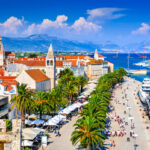
The Croatian Coast, particularly Dubrovnik, is a stunning destination known for its medieval architecture, crystal-clear waters, and breathtaking landscapes. Often referred to as the ‘Pearl of the Adriatic,’ Dubrovnik features a UNESCO World Heritage site with its iconic city walls, ancient fortresses, and vibrant old town filled with charming streets, shops, and restaurants.
The destination guide
Croatian Coast
At a glance
Currency€ EURCode: EUR
Time zoneCentral European Time
Languages
- Croatian
Setting
- Adriatic coastline
- Island archipelago
- Limestone cliffs
- Dalmatian towns
Population850K850,000 residents
VisaDuration: Up to 90 days within any 180-day period in the Schengen Area · Documents: Valid passport issued within the last 10 years and valid for at least 3 months after planned departure, plus proof of accommodation, onward or return travel, and sufficient funds if requested
How Croatian Coast scores
9/10OverallExcellent
Weather9/10
Value for money7/10
Food & cuisine8/10
Culture & arts7/10
Cultural experience9/10
Nature & outdoors8/10
Adventure4/10
Nightlife6/10
Shopping6/10
Family friendly5/10
Romance9/10
Editorial scores on a 10-point scale, weighed against destinations of the same kind.
Travel safety snapshot
Overall82/100High rating
Women travellers78/100
LGBTQ+ travellers72/100
Theft65/100
Medical care75/100
Physical harm80/100
Political freedom80/100
SafePlace indicators use their source 100-point scale; higher is more favourable. Planning context, not a live travel advisory — check official government guidance before you go.
When to go
Best months to visit: April, May, June, July, August, September and October.
- January: -1.3 to 4.1 degrees Celsius, 4.3 millimetres of rain, best-time score 2 out of 5.
- February: -1.1 to 6 degrees Celsius, 16.4 millimetres of rain, best-time score 2 out of 5.
- March: 2.6 to 11.4 degrees Celsius, 5.2 millimetres of rain, best-time score 3 out of 5.
- April: 6.3 to 16.6 degrees Celsius, 11.6 millimetres of rain, best-time score 4 out of 5.
- May: 9.3 to 17.1 degrees Celsius, 89.9 millimetres of rain, best-time score 5 out of 5.
- June: 14.2 to 24.4 degrees Celsius, 29.4 millimetres of rain, best-time score 5 out of 5.
- July: 15.8 to 27.2 degrees Celsius, 9 millimetres of rain, best-time score 4 out of 5.
- August: 16.4 to 29.2 degrees Celsius, 8.3 millimetres of rain, best-time score 4 out of 5.
- September: 13.3 to 23.4 degrees Celsius, 18.4 millimetres of rain, best-time score 5 out of 5.
- October: 7.3 to 16.1 degrees Celsius, 74.8 millimetres of rain, best-time score 4 out of 5.
- November: 4.8 to 11 degrees Celsius, 6.9 millimetres of rain, best-time score 3 out of 5.
- December: 0.3 to 4.9 degrees Celsius, 20.8 millimetres of rain, best-time score 2 out of 5.
Month-by-month conditions and packing advice
- January
- Cold weather, mostly dry January in Croatian Coast: winter closures and damp weather make a broad coast trip less flexible. Crowds: January marks the low tourist season on the Croatian Coast, ideal for travelers seeking solitude and authentic daily life. Crowds are minimal, and accommodations are more affordable compared to peak months, though some seasonal restaurants and ferry routes may operate on reduced schedules. The weather favors cultural exploration—wandering old town districts, visiting museums, and enjoying hearty Dalmatian cuisine in cozy taverns—rather than beach activities. While mild compared to inland Croatia, coastal temperatures still demand warm clothing, especially with the frequent bura winds. This is an excellent time for budget-conscious travelers, photographers, and those who prefer atmospheric, uncrowded destinations. Booking ahead is not essential, but confirming operating hours for attractions and transport is recommended. Pack: Insulated jacket for coastal winds; Warm hat and gloves for bura gusts; Layered clothing for indoor/outdoor temperature changes; Comfortable waterproof walking shoes; Scarf for added wind protection; Casual but modest attire for cultural sites
- February
- Cold weather, mostly dry February in Croatian Coast: winter closures and damp weather make a broad coast trip less flexible. Crowds: This is firmly the off-season for the Croatian coast, bringing minimal tourist crowds and much lower accommodation prices. The cool temperatures and reduced daylight hours mean it’s less ideal for beach holidays but excellent for cultural sightseeing, photography, and enjoying the region without summer congestion. Some ferry services to smaller islands may operate on reduced schedules, and certain coastal restaurants close for winter breaks. However, major cities remain active and welcoming, with fresh seafood, local markets, and winter festivals providing cultural engagement. Travelers should be prepared for chilly outdoor conditions and plan indoor activities for colder evenings. Booking in advance is rarely necessary this time of year. Pack: Warm insulated jacket for coastal winds; Layered sweaters and thermal tops; Comfortable waterproof walking shoes; Light scarf and gloves for mornings and evenings; Compact umbrella for occasional showers; Camera gear for winter light and landscapes
- March
- Cool weather, mostly dry March in Croatian Coast: cooler shoulder weather narrows swimming and ferry plans. Crowds: March sits firmly in the shoulder season for the Croatian coast, offering a peaceful alternative to summer’s bustle. Cool yet sunny days are perfect for leisurely city strolls, hiking coastal trails, and exploring UNESCO-listed old towns without queues. Accommodation prices remain low, and many boutique stays offer offseason deals. While ferry schedules are reduced compared to summer, they still connect major islands for day trips. Outdoor dining is limited in the evenings due to cooler temperatures, but lunchtime al fresco meals are comfortable. This is an ideal time for travelers seeking authentic local interactions, as residents prepare for the busier months ahead, and seasonal festivals start to appear toward the end of the month. Pack: Medium-weight jacket for cool mornings and evenings; Layerable sweaters and long-sleeve shirts; Comfortable walking shoes with good grip for cobblestone streets; Scarf or light hat for breezy coastal conditions; Compact umbrella or rain-resistant jacket; Modest attire for church and monastery visits
- April
- Cool weather, mostly dry April in Croatian Coast: early-season touring or peak-summer beach timing can work with crowds and heat planned around. Crowds: April is shoulder season on the Croatian Coast, offering a balanced mix of pleasant sightseeing weather and lower crowd levels. While it’s not prime beach season due to cooler sea temperatures, it’s ideal for cultural exploration, photography, and hiking along coastal trails. Accommodation prices are still moderate compared to the summer peak, and popular UNESCO sites are far less crowded. Ferries and regional transport operate on spring schedules, so some routes may be reduced, but this also helps keep the atmosphere more relaxed. Travelers benefit from the longer daylight hours, making day trips between coastal towns easy to plan. Those seeking lively nightlife or summer festivals will find a quieter scene, but food markets and local eateries are in full swing. Pack: Light jacket for cool evenings and sea breezes; Layered clothing to adjust to daily temperature changes; Comfortable walking shoes for cobblestone streets; Light scarf for warmth and cultural site visits; Sunglasses for bright coastal glare; Compact umbrella or light rain jacket for occasional showers
- May
- Cool weather, some rain May in Croatian Coast: islands, beaches, old towns, boat trips, seafood, swimming, and coastal hikes balance warm weather and manageable crowds. Crowds: May sits in the shoulder season, offering a quieter alternative to Croatia’s bustling summer months. While not yet peak beach weather, the conditions are ideal for cultural touring, hiking coastal trails, and enjoying uncrowded UNESCO sites. Accommodation prices remain moderate compared to July and August, and ferry routes are increasingly active, making island-hopping more feasible. Occasional rain showers may alter outdoor plans, but they are often short-lived. Travelers can expect fewer cruise ship crowds, meaning more intimate experiences in coastal towns. Booking ahead is wise for boutique stays in popular destinations, as early-season events and festivals can still draw visitors. This period suits those prioritizing cultural immersion, scenic landscapes, and a more relaxed travel pace over high-energy beach holidays. Pack: Water-resistant light jacket for unpredictable showers; Comfortable walking shoes with good grip for wet stone streets; Layered clothing for cool mornings and warmer afternoons; Compact travel umbrella for sudden rain; Scarf or shawl for added warmth during breezy evenings; Daypack for carrying water, camera, and weather gear
- June
- Warm and pleasant, some rain June in Croatian Coast: islands, beaches, old towns, boat trips, seafood, swimming, and coastal hikes balance warm weather and manageable crowds. Crowds: June marks the start of Croatia’s high tourism season, though it’s still less crowded than July or August. Accommodation rates begin to climb, but availability remains reasonable if booked in advance. The weather is excellent for outdoor activities—sailing, kayaking, hiking coastal trails, and touring historic sites. Beaches are lively but not yet packed, and ferries between islands operate on expanded schedules. Occasional showers are unlikely to disrupt plans significantly, making this an optimal balance between pleasant conditions and manageable crowd levels. Early morning and late afternoon light are particularly rewarding for photographers, and waterfront dining is at its seasonal best. Pack: Lightweight breathable clothing for warm days; Comfortable walking sandals or shoes for cobblestone streets; Packable rain jacket for occasional showers; Swimwear for beach and island excursions; Light sweater or shawl for cooler evenings; Sunhat and high-SPF sunscreen for daytime protection
- July
- Warm and pleasant, mostly dry July in Croatian Coast: early-season touring or peak-summer beach timing can work with crowds and heat planned around. Crowds: This is peak tourist season along the Croatian coast, when warm, dry weather draws both international visitors and local holidaymakers. Expect bustling promenades, lively beaches, and fully booked ferries to island destinations. Accommodation and flight prices are at their highest, with reservations often needed months in advance. The conditions are ideal for island-hopping, outdoor dining, and cultural festivals, but mid-afternoon heat can make inland excursions less comfortable. Plan sightseeing early or in the evening and reserve popular restaurants ahead. For quieter experiences, explore smaller coastal villages or less-visited islands while still enjoying the same exceptional weather. Pack: Lightweight linen or cotton clothing for daytime heat; Comfortable sandals for coastal walking; Swimwear and quick-dry towel; Wide-brimmed hat and high-SPF sunscreen; Light evening sweater for breezy nights; Reusable water bottle for staying hydrated
- August
- Warm and pleasant, mostly dry August in Croatian Coast: early-season touring or peak-summer beach timing can work with crowds and heat planned around. Crowds: August marks peak tourist season along the Croatian Coast, driven by consistently hot, dry weather and a vibrant calendar of cultural events. Expect bustling waterfront promenades, fully booked ferries, and premium pricing on accommodation, especially in iconic destinations like Dubrovnik and Split. This is an ideal time for water-based activities—sailing, kayaking, and island-hopping—as sea temperatures are at their most inviting. Beaches are lively from morning until sunset, and nightlife flourishes in harborside cafés and bars. The lack of rain ensures uninterrupted sightseeing but can make midday hours intense under the sun. Booking accommodations and ferry tickets well in advance is essential, and early mornings or late afternoons are best for visiting major landmarks to avoid peak heat and crowds. Pack: Lightweight linen or cotton clothing for daytime heat; Wide-brimmed hat for sun protection; High SPF reef-safe sunscreen; Comfortable sandals for beach and town walks; Light evening sweater for coastal breezes; Swimwear and quick-dry towel for daily sea activities
- September
- Warm and pleasant, mostly dry September in Croatian Coast: islands, beaches, old towns, boat trips, seafood, swimming, and coastal hikes balance warm weather and manageable crowds. Crowds: September marks the shoulder season on the Croatian Coast, combining peak-summer weather with fewer crowds. This is an excellent time for walking tours, sailing trips, and cultural excursions without the intense heat or congestion of July and August. Accommodation prices start to ease from summer highs, and booking becomes more flexible. Ferry schedules remain frequent, enabling easy island-hopping. Outdoor dining is still a highlight, with most seasonal restaurants open and fresh local produce at its best. The reduced humidity and warm temperatures make hiking along coastal trails or visiting historical sites particularly comfortable. Advance booking is still advised for popular destinations like Dubrovnik’s Old Town but spontaneous day trips are more feasible. Pack: Lightweight long-sleeve shirts for sun protection; Comfortable walking sandals or breathable sneakers; Swimwear for beach and boat outings; Light jacket or sweater for cooler evenings; Sunglasses with UV protection; Reusable water bottle to stay hydrated during excursions
- October
- Cool weather, some rain October in Croatian Coast: early-season touring or peak-summer beach timing can work with crowds and heat planned around. Crowds: October marks the shoulder season along the Croatian Coast, ideal for travelers seeking fewer crowds and more authentic local encounters. Summer’s bustle has faded, and accommodation rates often drop significantly. While not beach season, it’s a prime time for hiking, wine tasting, and exploring UNESCO-listed towns without the crush of peak tourism. Some island ferry schedules may be reduced, and occasional rain showers can alter outdoor plans, but these are balanced by the comfort of cooler walking temperatures. Restaurants and markets shift toward autumn menus, and cultural festivals often take place in coastal towns. Booking is generally flexible, though waterfront accommodations with heating are advisable as evenings cool. Pack: Waterproof jacket for unpredictable showers; Comfortable walking shoes with good grip; Warm sweater or fleece for evenings; Travel umbrella for sudden rain; Light scarf for wind protection along the coast; Smart-casual layers suitable for wine tastings and dining
- November
- Cool weather, mostly dry November in Croatian Coast: cooler shoulder weather narrows swimming and ferry plans. Crowds: This is the shoulder-to-off-season transition, offering serenity but cooler conditions that may limit swimming or extended beach lounging. November travel rewards those seeking cultural depth over summer crowds—museums, historic fortresses, and seaside promenades can be enjoyed at a relaxed pace. Accommodation rates drop significantly, and restaurants cater more to locals, giving a genuine culinary experience. While ferry schedules are reduced, inland excursions and coastal drives remain easily accessible. Visitors should plan for shorter daylight hours and fewer organized tours, making advance checks on opening times worthwhile. It’s a perfect time for photographers, history enthusiasts, and travelers craving solitude rather than nightlife or sunbathing. Pack: Warm layered clothing for cool days and colder evenings; Water-resistant jacket for unexpected showers; Comfortable walking shoes for cobblestone streets; Light scarf for added warmth and style; Camera with low-light capability for soft November light; Casual but neat attire for dining in local restaurants
- December
- Cold weather, mostly dry December in Croatian Coast: winter closures and damp weather make a broad coast trip less flexible. Crowds: This is firmly the low season along the Croatian coast, meaning you’ll find minimal tourist crowds, lower accommodation rates, and a serene atmosphere in popular destinations like Dubrovnik, Split, and Rovinj. Many smaller hotels and coastal eateries close for the winter, so planning ahead for dining and lodging is wise. Outdoor activities focus on cultural exploration, photography, and enjoying quiet waterfront promenades rather than swimming or sailing. The cooler, drier air is ideal for sightseeing without summer’s heat or humidity, but some attractions may have reduced opening hours. For those seeking solitude, authentic local encounters, and a sense of the Adriatic without the summer bustle, December offers a rewarding and peaceful experience. Pack: Insulated jacket for cold coastal winds; Warm layers including sweaters and thermal tops; Water-resistant walking shoes for damp streets; Scarf, gloves, and knit hat for wind protection; Smart casual attire for indoor dining; Compact umbrella for occasional showers
Peak season
- June
- July
- August
- September
Off-peak
- January
- February
- November
Know before you go
About
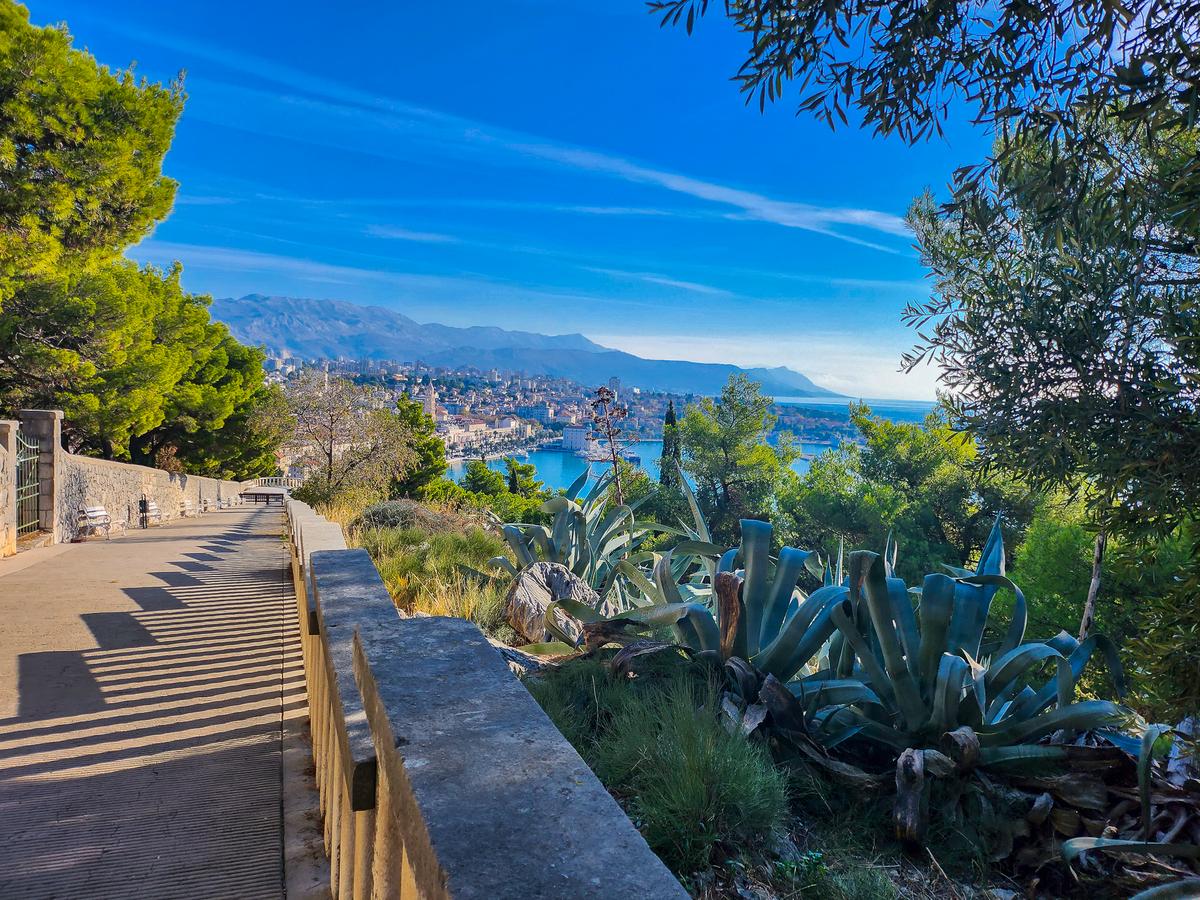
The Croatian Coast is Croatia’s stretch of the eastern Adriatic, running through the Istria and Dalmatia regions along around 1,777 kilometers of mainland shore fringed by more than 1,000 islands. Its cities layer Roman, Venetian, and medieval heritage: Split is built around Diocletian’s Palace, a Roman emperor’s retirement residence from about 305 AD that still functions as a living town center, while walled Dubrovnik, the “Pearl of the Adriatic,” is a model of medieval urban planning. Zadar is known for its waterfront Sea Organ, and the coast is dotted with national parks such as Krka and the Kornati archipelago. With clear turquoise water, pebble coves, fresh seafood, and historic ports like Šibenik, Trogir, and Rovinj, the Croatian Coast has become one of the Mediterranean’s most popular sailing and beach destinations.
Best time to visit
May through September for island-hopping, swimming, and warm Adriatic weather. June and September balance warm seas with fewer crowds. Dubrovnik gets extremely busy July-August.
Season by season
Summer (July-Aug):
Weather: 25-35°C, hot
Highlights: Yacht week
Best For: Swimming
Spring (May-June):
Weather: 20-25°C, perfect
Highlights: Green nature
Best For: Plitvice
Fall (Sept-Oct):
Weather: 20-25°C, warm sea
Highlights: Harvest
Best For: Sailing
Winter (Nov-March):
Weather: 5-15°C, rain
Highlights: Christmas (Zagreb)
Best For: Empty cities
Crowds
The Croatian Coast (Dalmatia/Istria) is extremely busy June-September with peak crowds in July-August and during cruise-ship stopovers in Split and Dubrovnik; quietest from November-March when many islands and seasonal businesses close.
Getting there and around
Getting there
The Croatian Coast enjoys superb connectivity through multiple gateways along the stunning Adriatic shoreline. Split Airport (SPU) and Dubrovnik Airport (DBV) serve as primary international hubs, with Zagreb connections taking under an hour for €50 via Croatia Airlines. Split Airport lies 12 miles from the city center with €4.50 bus transfers taking 30 minutes, while Dubrovnik Airport offers €40 taxi rides or €32 Uber journeys to the Old Town. Ferry networks provide scenic alternatives – daily routes connect mainland cities, with Split to Dubrovnik taking 4.5 hours by bus (€16-30) or catamaran services via Jadrolinija, Krilo-Kapetan Luka, and TP Line. International ferries link Bari, Italy to Croatian ports. Island-hopping enthusiasts enjoy UberBOAT services connecting Split Airport to Hvar for €352 (split between 8 passengers) in just one hour. Car rentals from €30/day offer maximum flexibility for coastal exploration, though summer months require advance bookings. The outstanding bus network provides fast, economical connections between Rijeka, Zadar, Split, and Dubrovnik, with reduced winter schedules requiring careful planning.
Getting around
Getting around the Croatian Coast is relatively easy thanks to a well-connected network of intercity buses that link most towns and coastal cities like Split, Dubrovnik, Zadar, and Rijeka, though metro or tram systems are only found inland (notably in Zagreb). Within coastal towns, historic centers are typically very walkable—especially in places like Dubrovnik and Rovinj where cars are restricted—so pack comfortable shoes for navigating cobblestone alleys and hilly terrain. Taxis are available but can be expensive in tourist hotspots; rideshare options like Bolt (more popular than Uber) are reliable alternatives, especially in urban areas. If you’re planning to move between cities frequently, consider purchasing tickets in advance through platforms like FlixBus or local carriers such as Arriva, but note that multi-ride transit passes are uncommon and local buses are usually paid per ride or via mobile apps.
Top experiences in Croatian Coast
Dubrovnik City Walls
The finest medieval fortification system in Europe. You can walk the entire 2km loop for incredible views of the red rooftops and the sea. It is the real King’s Landing.
Diocletian's Palace (Split)
A UNESCO site that is not just a ruin but a living city. People live, eat, and shop inside the Roman emperor’s retirement palace. The Peristyle square is the heart of the action.
Plitvice Lakes National Park
A system of 16 terraced lakes joined by waterfalls. It is a natural wonderland of turquoise water and forest. The wooden boardwalks allow you to walk vast distances over the water.
Hvar Town & Fortress
The chic island capital. The fortress (Fortica) offers the best view of the Pakleni Islands. The main square is the largest in Dalmatia. It is famous for lavender, nightlife, and yachting.
Greetings to the Sun (Zadar)
A solar-powered art installation in Zadar that produces a light show at night. Ideally visited alongside the ‘Sea Organ’, which plays music powered by the waves.
Editor-curated picks carried over from our original guide. Where a full place guide exists, the card links to it.
Worth booking ahead in Croatian Coast
Hand-picked from the operators our guides already send readers to. Prices and availability are live on the partner site.
BrowseViator
Tours and tickets in Croatian Coast on Viator (opens Viator in a new tab)
Viator's full list of bookable tours and tickets in Croatian Coast.
BrowseGetYourGuide
Experiences in Croatian Coast on GetYourGuide (opens GetYourGuide in a new tab)
Everything GetYourGuide sells in Croatian Coast, with the cancellation terms on each listing.
Where to stayBooking.com
Stays in Croatian Coast (opens Booking.com in a new tab)
Live rates and availability for Croatian Coast on Booking.com; filter by neighbourhood once you know where your days start.
We earn a commission if you book through these links, at no extra cost to you. It is how we keep the guides free and independent.
Where to stay
Hotel Excelsior Dubrovnik
Frana Supila 12, 20000 Dubrovnik, Croatia
A legendary hotel in Dubrovnik. It overlooks the Adriatic and the Old Town walls. It has hosted royalty and celebrities like Queen Elizabeth II. The seaside terrace is iconic.
Palace Judita Heritage Hotel (Split)
Narodni trg 4, 21000 Split, Croatia
A heritage hotel located *inside* Diocletian’s Palace in Split. It dwells in a 16th-century palace. It offers an intimate, historical experience with exposed stone walls and luxury service.
Amfora Hvar Grand Beach Resort
Ulica biskupa Jurja Dubokovića 5, 21450 Hvar, Croatia
Located in a secluded bay in Hvar. It features a spectacular cascading pool area and a private beach club (Bonj ‘les bains’). It is the place to be for a glamorous island vacation.
Editor-curated stays carried over from our original guide. Where we have reviewed the hotel, the card links to the review.
Tips from the field
Highlights
- Walled City – Dubrovnik
- Palace – Split
- Nature – Plitvice Lakes
- Island – Hvar/Korcula
- Sea – Crystal clear
- Sun – Zadar sunset
- Food – Seafood/Truffles
- Sailing – Island hopping
Best activities
- Walk the walls of Dubrovnik. Explore Diocletian's Palace. Hike the boardwalks of Plitvice. Swim in the Adriatic (anywhere). Party in Hvar. Listen to the Sea Organ in Zadar. Visit the Blue Cave (Biševo).
Photography tips
- Golden Hour: Sunset from the Dubrovnik walls or the Zadar waterfront (famous sunset).
- Iconic Shots:
- Dubrovnik from the Buža Bar (cliff bar).
- Not the Plitvice waterfalls (long exposure).
- The Peristyle in Split without crowds (early morning).
- The view from Hvar Fortress.
- The Sea Organ steps.
- Technique: A polarizer is essential for the incredible blue of the Adriatic.
Timing
- Peak Season (July-Aug):
- Expensive, crowded
- Shoulder Season (May-June, Sept):
- Ideal conditions
- Low Season (Oct-April):
- Quiet, ferry schedules reduced
Keeping it authentic
- Croatia is Dalmatian, Mediterranean, and Central European all at once. The concept of 'Fjaka' (the art of doing nothing) is the local way of life. The coast is rocky (bring water shoes), not sandy, which is why the water is so clear.
Culture, customs and safety
Cultural heritage
The Croatian Coast preserves Illyrian, Roman, and Venetian legacies along crystal Adriatic waters where ancient Diocletian’s Palace forms Split’s living heart. Maritime traditions continue through wooden shipbuilding in Mali Ston and coral diving off Zlarin. The klapa singing, UNESCO-recognized a cappella harmonies, echo through stone alleys. Traditional salt harvesting on Pag Island uses Roman methods, while lavender cultivation on Hvar maintains centuries-old practices. Unique dialects preserve Italian influences in coastal towns, while peka cooking under iron bells represents ancient culinary methods. Each island maintains distinct traditions: Brač’s stone carving (source of White House limestone), Korčula’s sword dances, and Vis’s fishing heritage protected by decades of military closure.
Local customs & etiquette
Dalmatian hospitality embodies the Mediterranean soul with distinctive Croatian warmth that transforms visitors into temporary family members. Accept offered coffee or rakija (fruit brandy) immediately – refusal implies rejecting the host’s generosity and can cause genuine offense. Greetings involve firm handshakes with direct eye contact, progressing to cheek kisses (starting right) for friends, known as “bacio.” The sacred coffee culture (kafići) represents life’s essence – expect leisurely 2-3 hour sessions for socializing, business discussions, and genuine connection rather than quick caffeine fixes. Klapa music, UNESCO-recognized a cappella harmonies celebrating love, life, and sea, often erupts spontaneously in taverns and festivals. Embrace “marenda,” the mid-morning social break (10am-noon) featuring grilled fish or pastries with animated conversation. Punctuality allows 15-minute “akademska četvrt” grace periods, while weekends remain sacred family time. Table manners follow Continental style with bread torn by hand, not cut. Gift-giving requires odd-numbered flowers (even numbers honor the deceased) and quality wine or chocolates for hosts. Strong Catholic traditions influence daily rhythms, requiring modest dress in religious buildings. The relaxed Adriatic lifestyle prioritizes relationships over schedules, genuine conversation over small talk, and shared meals over solitary dining.