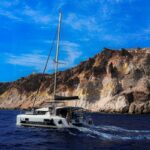
The Croatian Islands are a stunning archipelago known for their crystal-clear waters, beautiful beaches, and charming coastal towns. Each island offers a unique blend of natural beauty, rich history, and vibrant culture. From the lavender fields of Hvar to the historic sites of Korčula, visitors can explore diverse landscapes and indulge in delicious Mediterranean cuisine.
The destination guide
Croatian Islands
Hvar gets the crowds, but Korčula is where you actually want to be — quieter streets, better food, and the same Adriatic water.
Travel guides for Croatian Islands
More guides featuring Croatian Islands (1)
At a glance
Currency€ EURCode: EUR
Time zoneCentral European Time
Languages
- Croatian
Setting
- Adriatic archipelago
- Pine-covered islands
- Crystal-clear waters
- Fishing villages
Known for
- Island Hopping
- Beach
- Sailing
- Wine & Gastronomy
- History
- Romance
- Adventure
- Nightlife (Hvar)
Population120K120,000 residents
VisaDuration: Up to 90 days within any 180-day period in the Schengen Area · Documents: Valid U.S. passport with at least three months validity beyond planned departure (six months recommended) and one blank page
Practical basics
- Driving side
- Right
- Electrical standard
- 230V/50Hz Type C/F
- Measurement system
- Metric
- Emergency numbers
- 112
- Country code
- HR
How Croatian Islands scores
7/10OverallGood
Weather8/10
Value for money7/10
Safety8/10
Food & cuisine8/10
Culture & arts6/10
Cultural experience8/10
History8/10
Nature & outdoors9/10
Adventure4/10
Nightlife6/10
Shopping5/10
Family friendly5/10
Romance9/10
Character
Photography score7/10
Authenticity score10/10
Off-the-beaten-path score7/10
Editorial scores on a 10-point scale, weighed against destinations of the same kind.
Travel safety snapshot
Overall80/100High rating
Women travellers78/100
LGBTQ+ travellers70/100
Theft72/100
Medical care70/100
Physical harm82/100
Political freedom75/100
SafePlace indicators use their source 100-point scale; higher is more favourable. Planning context, not a live travel advisory — check official government guidance before you go.
When to go
Best months to visit: May, June, July, August, September and October.
- January: 8.1 to 11.7 degrees Celsius, 85.8 millimetres of rain, best-time score 2 out of 5.
- February: 9.2 to 12.3 degrees Celsius, 79.6 millimetres of rain, best-time score 2 out of 5.
- March: 10.3 to 13.4 degrees Celsius, 77 millimetres of rain, best-time score 2 out of 5.
- April: 12.5 to 15.6 degrees Celsius, 49.4 millimetres of rain, best-time score 3 out of 5.
- May: 16.3 to 19.1 degrees Celsius, 71.7 millimetres of rain, best-time score 5 out of 5.
- June: 20.8 to 23.8 degrees Celsius, 40.5 millimetres of rain, best-time score 5 out of 5.
- July: 23 to 26.3 degrees Celsius, 23.5 millimetres of rain, best-time score 4 out of 5.
- August: 23.3 to 26.8 degrees Celsius, 38.7 millimetres of rain, best-time score 4 out of 5.
- September: 20.1 to 23.8 degrees Celsius, 92 millimetres of rain, best-time score 5 out of 5.
- October: 16.9 to 20 degrees Celsius, 71.3 millimetres of rain, best-time score 5 out of 5.
- November: 13.2 to 16.6 degrees Celsius, 167.6 millimetres of rain, best-time score 3 out of 5.
- December: 10.1 to 13.6 degrees Celsius, 120.9 millimetres of rain, best-time score 2 out of 5.
Month-by-month conditions and packing advice
- January
- Cool to mild, some rain January in Croatian Islands: winter closures and unsettled weather limit island-hopping. Crowds: January in Croatian Islands is workable with normal seasonal planning; build in layers, weather checks, and a mix of indoor and outdoor activities. Pack: Pack layered clothing and comfortable walking shoes. Add a rain jacket or compact umbrella.
- February
- Cool to mild, some rain February in Croatian Islands: winter closures and unsettled weather limit island-hopping. Crowds: February in Croatian Islands is workable with normal seasonal planning; build in layers, weather checks, and a mix of indoor and outdoor activities. Pack: Pack layered clothing and comfortable walking shoes. Add a rain jacket or compact umbrella.
- March
- Cool to mild, some rain March in Croatian Islands: winter closures and unsettled weather limit island-hopping. Crowds: March in Croatian Islands is workable with normal seasonal planning; build in layers, weather checks, and a mix of indoor and outdoor activities. Pack: Pack layered clothing and comfortable walking shoes. Add a rain jacket or compact umbrella.
- April
- Cool to mild, occasional rain April in Croatian Islands: cooler weather and reduced ferry or hotel schedules narrow the trip. Crowds: April in Croatian Islands is workable with normal seasonal planning; build in layers, weather checks, and a mix of indoor and outdoor activities. Pack: Pack layered clothing and comfortable walking shoes.
- May
- Cool to mild, some rain May in Croatian Islands: ferries, beaches, old towns, sailing, swimming, and island walks balance warm weather with fewer peak crowds. Crowds: May in Croatian Islands is workable with normal seasonal planning; build in layers, weather checks, and a mix of indoor and outdoor activities. Pack: Pack layered clothing and comfortable walking shoes. Add a rain jacket or compact umbrella.
- June
- Mild to warm, occasional rain June in Croatian Islands: ferries, beaches, old towns, sailing, swimming, and island walks balance warm weather with fewer peak crowds. Crowds: June in Croatian Islands is comfortable for sightseeing, neighborhoods, food stops, day trips, and outdoor time with limited weather friction. Pack: Pack layered clothing and comfortable walking shoes.
- July
- Mild to warm, mostly dry July in Croatian Islands: summer is best for beach-first travel, though crowds and prices are higher. Crowds: July in Croatian Islands is comfortable for sightseeing, neighborhoods, food stops, day trips, and outdoor time with limited weather friction. Pack: Pack light clothing, sun protection, and comfortable walking shoes.
- August
- Mild to warm, occasional rain August in Croatian Islands: summer is best for beach-first travel, though crowds and prices are higher. Crowds: August in Croatian Islands is comfortable for sightseeing, neighborhoods, food stops, day trips, and outdoor time with limited weather friction. Pack: Pack light clothing, sun protection, and comfortable walking shoes.
- September
- Mild to warm, some rain September in Croatian Islands: ferries, beaches, old towns, sailing, swimming, and island walks balance warm weather with fewer peak crowds. Crowds: September in Croatian Islands is workable with normal seasonal planning; build in layers, weather checks, and a mix of indoor and outdoor activities. Pack: Pack layered clothing and comfortable walking shoes. Add a rain jacket or compact umbrella.
- October
- Cool to mild, some rain October in Croatian Islands: ferries, beaches, old towns, sailing, swimming, and island walks balance warm weather with fewer peak crowds. Crowds: October in Croatian Islands is workable with normal seasonal planning; build in layers, weather checks, and a mix of indoor and outdoor activities. Pack: Pack layered clothing and comfortable walking shoes. Add a rain jacket or compact umbrella.
- November
- Cool to mild, rainy November in Croatian Islands: cooler weather and reduced ferry or hotel schedules narrow the trip. Crowds: November in Croatian Islands is one of the wetter periods, so museums, food stops, flexible reservations, and backup indoor plans make the trip easier. Pack: Pack layered clothing and comfortable walking shoes. Add a rain jacket or compact umbrella.
- December
- Cool to mild, some rain December in Croatian Islands: winter closures and unsettled weather limit island-hopping. Crowds: December in Croatian Islands is workable with normal seasonal planning; build in layers, weather checks, and a mix of indoor and outdoor activities. Pack: Pack layered clothing and comfortable walking shoes. Add a rain jacket or compact umbrella.
Peak season
- June
- July
- August
- September
Off-peak
- January
- February
- November
Know before you go
About
The Croatian Islands, strung along the eastern Adriatic, form one of Europe’s great archipelagos: more than 1,000 islands, islets and reefs (commonly counted at around 1,200), of which only a few dozen are permanently inhabited. Krk and Cres are the two largest at roughly 405 km2 each, while Brač, the third-largest at about 395 km2, holds Vidova Gora (778 m), the highest peak of any Adriatic island, and the shifting white-pebble tip of Zlatni Rat beach. Hvar ranks among Europe’s sunniest spots, averaging more than 2,700 hours of sunshine a year, and Korčula is a walled, vineyard-clad town by local tradition said to be Marco Polo’s birthplace. Together the islands offer clear turquoise water, Venetian and Roman heritage, lavender fields, and some of the Mediterranean’s finest sailing, reached by ferry from Split, Zadar, and Dubrovnik.
Neighbourhoods
On the Croatian Islands, notable cultural districts include Hvar Town on Hvar Island – a Renaissance – era harbor town with Venetian architecture, vibrant arts scene, and historic fortresses; Stari Grad on Hvar Island – one of Europe’s oldest towns featuring ancient Greek grid street patterns and rich agricultural heritage; and Korčula Old Town on Korčula Island – a medieval walled town famed for its Gothic – Renaissance buildings, traditional sword dances, and connection to Marco Polo. These districts showcase the islands’ layered history, artistic traditions, and unique Mediterranean cultural identity
Best time to visit
May–June and September–October for warm 22–27 °C weather, swimable 22–24 °C seas, fewer crowds, and lower ferry/hotel prices. July–August is peak season (30–33 °C) with the liveliest nightlife but premium rates and crowded beaches.
Season by season
Spring (Apr–May): 18–24 °C, wildflowers, empty beaches, lower prices, some ferries not yet running. Summer (Jun–Aug): 28–33 °C, warmest seas (24–26 °C), full ferry schedules, Hvar nightlife peaks. Autumn (Sep–Oct): 20–26 °C, wine harvest, fewer crowds, warm seas linger. Winter (Nov–Mar): 10–15 °C, many hotels and restaurants close, quiet and atmospheric.
Crowds
Very High in July–August on Hvar; moderate on Korčula year-round; low in shoulder seasons
Getting there and around
Getting there
Croatian Islands enjoy exceptional connectivity through an extensive ferry network radiating from Split and Dubrovnik, transforming island-hopping into a seamless adventure. From Split, reach Hvar in just 1 hour (€6-25), Brač in 25-50 minutes via Milna or Bol ports, Vis in 2-3 hours, and Korčula’s Vela Luka in 3.5 hours via Jadrolinija car ferry. Dubrovnik offers connections to Hvar (3-3.5 hours, €23), Brač (4-5 hours, €25-50), and Korčula (1.5-2.5 hours, €13-25). High-speed catamarans operated by Krilo and TP Line provide foot passenger services, while Jadrolinija ferries accommodate vehicles. Summer sees up to 20 daily departures to popular destinations, reducing to 1-2 in winter. Inter-island connections thrive: Hvar-Korčula takes 1-1.5 hours, Brač-Hvar just 30-50 minutes. The scenic Dubrovnik-Split catamaran route stops at Mljet (Pomena), Korčula, Hvar, and Brač (Milna), taking 4.5 hours total. Book ferry tickets in advance during July-September peak season. For ultimate flexibility, combine ferries with local buses, taxis, or rental cars/scooters available on larger islands. Northern Pag uniquely connects via bridge from Zadar, requiring just an hour’s drive.
Getting around
Getting around the Croatian islands requires a mix of local knowledge and flexibility, as public transportation options vary significantly from island to island. Most of the larger islands like Hvar, Korčula, and Brač have reliable local bus services connecting major towns and beaches, but they often run on limited schedules, especially outside of summer months, and there are no metros or trams. Walking is often the most rewarding way to explore the old towns and waterfront promenades, while taxis can be found in larger hubs—though they can be expensive and inconsistent—so it’s smart to arrange transfers in advance or ask your accommodation to help. Rideshare apps like Uber operate on some of the more tourist-heavy islands (like Hvar during peak season), but their availability is not guaranteed, and there are no transit passes covering multiple islands, so always carry kuna or euros in small denominations and confirm ferry and bus times ahead of any day trips.
Top experiences in Croatian Islands
Hvar Town & Španjola Fortress
A sun-drenched Renaissance town beneath a 13th-century fortress (Fortica) that delivers panoramic views of the harbor, Pakleni Islands, and open Adriatic. Climb 20 minutes from St. Stephen’s Square for sunset; the view is one of the best on the Dalmatian coast.
Pakleni Islands Archipelago
A chain of 21 small islands just off Hvar’s southwest coast, laced with hidden coves, turquoise lagoons, and pine-shaded beaches. Water taxis run from Hvar harbor (15 min); Palmižana is the most popular landing, with a Robinson Crusoe-style beach bar and botanical garden.
Korčula Old Town
A compact medieval walled town on a peninsula, often called ‘Little Dubrovnik.’ Herringbone-patterned streets fan out from St. Mark’s Cathedral to the waterfront promenade. The Marco Polo Museum claims the explorer was born here; the Moreška sword dance is performed on summer evenings.
Blue Cave (Biševo Island)
A natural sea grotto on tiny Biševo Island where sunlight refracts through an underwater opening to paint the interior silver-blue. Accessible only by small boat (tours depart Hvar and Vis); best visited between 11 AM and noon when the light effect peaks. Seas must be calm for entry.
Stari Grad Plain (UNESCO)
A 6,000-year-old agricultural landscape near Stari Grad on Hvar, inscribed as a UNESCO World Heritage Site. The original Greek land-division grid still shapes fields of olive trees, grapes, and lavender. A cycling loop through the plain takes about 90 minutes and passes stone walls, chapels, and farms.
Editor-curated picks carried over from our original guide. Where a full place guide exists, the card links to it.
Worth booking ahead in Croatian Islands
Hand-picked from the operators our guides already send readers to. Prices and availability are live on the partner site.
BrowseViator
Tours and tickets in Croatian Islands on Viator (opens Viator in a new tab)
Viator's full list of bookable tours and tickets in Croatian Islands.
BrowseGetYourGuide
Experiences in Croatian Islands on GetYourGuide (opens GetYourGuide in a new tab)
Everything GetYourGuide sells in Croatian Islands, with the cancellation terms on each listing.
Where to stayBooking.com
Stays in Croatian Islands (opens Booking.com in a new tab)
Live rates and availability for Croatian Islands on Booking.com; filter by neighbourhood once you know where your days start.
We earn a commission if you book through these links, at no extra cost to you. It is how we keep the guides free and independent.
Where to stay
Palace Elisabeth Heritage Hotel
Ulica sv. Katarine bb, 21450 Hvar, Croatia
The oldest hotel on Hvar Island, a heritage property with Renaissance and Gothic facades overlooking St. Stephen’s Square and the harbor. Rooms blend stone archways with modern luxury; the rooftop terrace serves cocktails above the marina. Prime location for exploring Hvar Town on foot.
Lešić Dimitri Palace
Obala 3 br. 46, 20260 Korčula, Croatia
A boutique palazzo hotel in the walled heart of Korčula Old Town, with five unique residence-suites inspired by Marco Polo’s Silk Road journey. Features a Michelin-recommended restaurant (LD Terrace), a wine cellar, and a spa. One of Croatia’s most refined small hotels.
Maslina Resort
Šetalište Ive Lole Ribara bb, 21450 Stari Grad, Croatia
A 5-star resort set in olive groves and gardens near Stari Grad on Hvar, with 50 suites, private pools, a farm-to-table restaurant, and a spa using locally harvested herbs. Designed for guests seeking seclusion away from Hvar Town’s nightlife.
Editor-curated stays carried over from our original guide. Where we have reviewed the hotel, the card links to the review.
Tips from the field
Highlights
- Hvar Town & Fortress
- Pakleni Islands
- Korčula Old Town
- Blue Cave (Biševo)
- Stari Grad Plain (UNESCO)
- Lavender Fields
- Grk Wine Tasting (Lumbarda)
- Moreška Sword Dance
Best activities
- Island-hop by catamaran between Hvar, Vis, Korčula, and Brač
- snorkel the Pakleni Islands' turquoise coves
- visit the Blue Cave on Biševo
- climb Španjola Fortress for sunset
- explore Korčula Old Town's herringbone streets
- wine-taste Grk in Lumbarda
- cycle the Stari Grad Plain
- kayak around Korčula's coves to Badija Island
- attend a Moreška sword-dance performance
- and sail to Mljet National Park's saltwater lakes.
Local experiences
- Join a lavender-harvesting workshop on Hvar in June, take a private Grk wine-tasting tour in Lumbarda, rent a small boat (no license needed for boats under 5 HP) and find your own cove, attend the Moreška sword-dance performance in Korčula's Old Town on a summer evening, or kayak from Korčula to the Franciscan monastery on Badija Island.
Practical tips
- Ferries: Jadrolinija and Kapetan Luka run catamarans from Split to Hvar (1 hr) and Korčula (3.5 hr). Book online in peak season.
- Boats: Boats under 5 HP can be rented without a license — ideal for cove exploration.
- Cash: Many konobas and small shops are cash-only; several ATMs are in Hvar and Korčula towns.
- Dress: Modest clothing is expected when entering churches.
- Currency: Euro (EUR) since 2023.
- Tipping: 10–15 % at restaurants; round up taxi fares.
Photography tips
- Hvar Town's fortress delivers the classic island panorama — shoot at golden hour facing southwest toward the Pakleni Islands. Korčula's medieval skyline photographs best from the water: rent a kayak and frame the bell towers against the sunset. The Blue Cave interior requires a fast lens (f/1.4–2.8) and high ISO to capture the ethereal blue light. Lavender fields peak in late June
- position rows leading toward a distant farmhouse for depth.
Timing
- Allow 2–3 days for Hvar and 2 days for Korčula. A full Croatian Islands itinerary (Split → Hvar → Vis → Korčula → Dubrovnik) takes 7–10 days. Day trips to Biševo (Blue Cave) and Mljet depart from each island.
Keeping it authentic
- The Croatian islands retain an unhurried Mediterranean rhythm. On Hvar, lavender fields bloom purple from mid-June to late July — lavender oil and honey are sold roadside. Korčula's wine heritage centers on Grk, a grape grown exclusively in the sandy soil of Lumbarda
- tastings at family-run konobas (taverns) pair the wine with grilled fish caught the same morning. The Moreška sword dance, performed in Korčula since the 15th century, dramatizes a battle between the White and Black Kings over a maiden — one of Europe's oldest surviving folk dances.
Culture, customs and safety
Cultural heritage
The Croatian Islands preserve distinct microcultures where each island maintains unique dialects, crafts, and customs shaped by centuries of isolation. Hvar’s lavender fields and UNESCO-protected Stari Grad Plain show Greek agricultural patterns from 384 BCE. Korčula claims Marco Polo’s birthplace and performs the Moreyška sword dance depicting Christians versus Moors. Brač’s white stone built Diocletian’s Palace and the White House, with quarrying traditions continuing today. Vis, closed to foreigners until 1989, preserves authentic fishing culture and hidden military tunnels. Pag Island’s lunar landscape produces world-renowned sheep cheese and intricate needle lace. Traditional klapa singing, peka cooking, and ancient wine varieties like Grk create an archipelago of living museums.
Local customs & etiquette
Island life in Croatia pulses with distinct rhythms where ancient traditions merge with warm Adriatic hospitality, creating experiences more authentic than mainland encounters. Accept offered raki (grappa) or coffee immediately – refusal deeply offends islanders who consider hospitality sacred. Klapa singing, UNESCO-recognized a cappella harmonies expressing love, loss, and the sea, erupts spontaneously in konobas (taverns) especially after wine flows. Island time operates differently – expect leisurely meals spanning hours with food ordered for sharing, not individuals. Traditional sword dancing survives only on Korčula, performed summer evenings for mesmerized audiences. Fishermen’s Nights celebrate maritime heritage with freshly grilled octopus, local wine, and communal dancing where tourists become temporary locals. The sacred olive harvest involves entire families, while wine-making traditions on Hvar and Korčula produce unique indigenous varieties found nowhere else. Island isolation preserved distinct dialects, customs, and the famous Lastovo Carnival drawing surprising February crowds. Sunday church attendance remains important, followed by extended family lunches. Soccer rivalries run deep – support the home team to make instant friends. Expect probing personal questions from curious locals and invitations for coffee that lead to memorable connections. Island hospitality means you’ll struggle to pay restaurant bills as locals compete for the honor of treating foreign guests.
Safety notes
Croatia is one of Europe’s safest destinations with very low violent crime. The islands are particularly safe. Standard precautions apply: watch for pickpockets in crowded harbors and on ferries, use hotel safes for valuables, and avoid leaving belongings on the beach. Sea urchins are common on rocky shorelines — wear water shoes when entering the water. Sunburn is a real risk; the Adriatic reflects UV intensely. Emergency: 112.

Travel Style
Activities