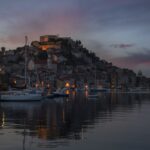
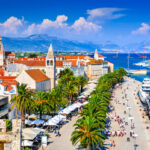
Sibenik is a picturesque coastal city in Croatia, known for its stunning medieval architecture and rich history. The city is famous for its UNESCO World Heritage Sites, including the Cathedral of St. James and the fortresses that overlook the Adriatic Sea. With its charming old town, vibrant waterfront, and proximity to national parks, Sibenik offers a unique blend of culture and natural beauty.
The destination guide
Sibenik

Travel guides for Sibenik
More guides featuring Sibenik (1)
At a glance
Currency€ EURCode: EUR
Time zoneCentral European Time
Languages
- Croatian
Setting
- Mediterranean coast
- Historic stone city
- River Krka
- Island archipelago
Known for
- History
- Architecture
- National Parks
- Coastal Towns.
Population37,00037,000 residents
VisaDuration: Up to 90 days within any 180-day period in the Schengen Area · Documents: Valid passport issued within the last 10 years and valid for at least 3 months after planned departure, plus proof of accommodation, onward or return travel, and sufficient funds if requested
How Sibenik scores
7/10OverallGood
Weather8/10
Value for money8/10
Safety9/10
Food & cuisine7/10
Culture & arts7/10
Cultural experience8/10
History8/10
Nature & outdoors8/10
Adventure4/10
Nightlife5/10
Shopping5/10
Family friendly5/10
Romance8/10
Editorial scores on a 10-point scale, weighed against destinations of the same kind.
Travel safety snapshot
Overall85/100High rating
Women travellers80/100
LGBTQ+ travellers74/100
Theft60/100
Medical care78/100
Physical harm88/100
Political freedom82/100
SafePlace indicators use their source 100-point scale; higher is more favourable. Planning context, not a live travel advisory — check official government guidance before you go.
When to go
Best months to visit: April, May, June, July, August, September and October.
- January: 8.9 to 11.4 degrees Celsius, 41.8 millimetres of rain, best-time score 2 out of 5.
- February: 7.8 to 11.3 degrees Celsius, 15.1 millimetres of rain, best-time score 2 out of 5.
- March: 9.8 to 12.8 degrees Celsius, 8.1 millimetres of rain, best-time score 3 out of 5.
- April: 12.6 to 15.8 degrees Celsius, 13.3 millimetres of rain, best-time score 4 out of 5.
- May: 15.8 to 18.8 degrees Celsius, 47.9 millimetres of rain, best-time score 5 out of 5.
- June: 20.8 to 24.3 degrees Celsius, 16.8 millimetres of rain, best-time score 5 out of 5.
- July: 23.4 to 27.3 degrees Celsius, 1.9 millimetres of rain, best-time score 5 out of 5.
- August: 24.2 to 27.3 degrees Celsius, 3.2 millimetres of rain, best-time score 5 out of 5.
- September: 21.7 to 24.1 degrees Celsius, 7.6 millimetres of rain, best-time score 5 out of 5.
- October: 16.9 to 19.9 degrees Celsius, 82.4 millimetres of rain, best-time score 4 out of 5.
- November: 13.8 to 16.6 degrees Celsius, 9.8 millimetres of rain, best-time score 2 out of 5.
- December: 9.8 to 12.8 degrees Celsius, 44.7 millimetres of rain, best-time score 3 out of 5.
Month-by-month conditions and packing advice
- January
- Cool weather, some rain Cold winter weather, few tourists. Crowds: Peak tourist season with excellent conditions for cultural exploration, including visits to historic sites, museums, and scenic coastal walks. Hotel rates and crowd levels are highest during this period. Rainfall is moderate, but it adds a refreshing element to outdoor activities. Visitors should be prepared for occasional rain showers. Pack: Lightweight layers for temperature variation; Waterproof jacket for rain showers; Comfortable walking shoes for city exploration; Umbrella for unexpected rain; Modest clothing for cultural sites and mosques; Breathable cotton/linen fabrics
- February
- Cool weather, mostly dry Chilly and quiet, good for museums. Crowds: February marks the beginning of the tourist season with moderate crowd levels and pleasant weather conditions. Visitors can enjoy outdoor activities such as exploring historic sites, hiking in nearby hills, and attending cultural festivals. Accommodation prices start to rise as the season progresses. Travelers should be prepared for occasional rain showers. Pack: Lightweight layers for temperature variation; Waterproof jacket for rain showers; Comfortable walking shoes for exploring; Hat and sunglasses for sunny days; Light scarf for cultural sites; Breathable fabrics for comfort
- March
- Cool weather, mostly dry Beginning to warm up, spring blossoms. Crowds: March marks the beginning of the tourist season with moderate crowd levels and pleasant weather conditions. Ideal for exploring the city's historic sites, enjoying local cuisine, and participating in cultural festivals. Accommodation prices start to rise as the season progresses. Visitors should be prepared for occasional rain showers. Pack: Lightweight layers for temperature variation; Comfortable walking shoes for city exploration; Umbrella for occasional rain showers; Light cardigan for air-conditioned spaces; Modest clothing for cultural sites and mosques; Breathable cotton/linen fabrics
- April
- Cool weather, mostly dry Pleasant spring weather, great for walking. Crowds: April marks the beginning of the tourist season with moderate crowd levels and comfortable weather conditions. Visitors can enjoy outdoor activities such as hiking, cycling, and exploring local vineyards. Accommodation prices start to rise as the season progresses. The weather remains mild, making it suitable for cultural tours and sightseeing. Pack: Lightweight layers for temperature variation; Comfortable walking shoes for exploring vineyards and trails; Light jacket for cooler evenings; Wide-brimmed hat and UV protection; Light rain jacket for unexpected showers; Breathable cotton/linen fabrics
- May
- Warm and pleasant, some rain Excellent weather before the summer crowds. Crowds: May marks the peak tourist season in Sibenik, with excellent weather conditions for a variety of outdoor activities including hiking, cycling, and exploring local markets. The city experiences moderate rainfall, which adds a refreshing touch to the warm climate. Hotel rates and crowd levels are at their highest during this period, attracting visitors from around the world. Despite the pleasant weather, travelers should be prepared for occasional rain showers, which are generally short-lived. Visitors are encouraged to pack light jackets for air-conditioned venues and ensure they have waterproof gear for unexpected showers. Pack: Lightweight layers for temperature variation; Comfortable walking shoes for exploring historical sites; Waterproof jacket for occasional rain showers; Sunscreen and sunglasses for sunny days; Light scarf or shawl for air-conditioned spaces; Breathable cotton clothing for cultural sites
- June
- Warm and pleasant, mostly dry Warm, sunny, and lively. Crowds: June marks the peak tourist season in Sibenik, with excellent weather conditions supporting a variety of outdoor activities including boat tours, cycling along scenic routes, and exploring ancient ruins. Hotel rates and crowd levels are at their highest, with increased demand for accommodations and guided tours. Despite the warm temperatures, UV levels remain manageable, encouraging visitors to apply sunscreen and wear protective clothing. Pack: Lightweight layers for temperature variation; Comfortable walking shoes for exploring historic sites; Wide-brimmed hat and SPF 50+ sunscreen; Light cardigan for cooler evenings; Modest clothing for cultural sites and religious venues; Breathable cotton/linen fabrics
- July
- Hot and sunny, mostly dry Peak summer heat and peak tourist season. Crowds: July marks the peak tourist season in Sibenik, with excellent weather conditions for beach activities, hiking, and exploring the city's rich history. The warm temperatures and sunny skies attract a large number of visitors, leading to higher hotel rates and crowded attractions. Despite the heat, the dry climate allows for comfortable outdoor exploration. Visitors are advised to stay hydrated and apply sunscreen regularly. Pack: Lightweight, breathable clothing for sun protection; Comfortable walking shoes for exploring historic sites; Wide-brimmed hat and UV-protective sunglasses; Light jacket or sweater for cooler evenings; Swimwear for beach activities; Reusable water bottle for staying hydrated
- August
- Hot and sunny, mostly dry Very warm, many festivals and outdoor dining. Crowds: August marks the peak tourist season in Sibenik, with excellent weather conditions for beach activities, hiking, and exploring the city's rich history. The weather supports a vibrant atmosphere with numerous festivals and cultural events. However, this period also sees higher hotel rates and increased tourist crowds. Visitors should prepare for sunny conditions and consider staying hydrated. Pack: Lightweight, breathable clothing for beach and outdoor activities; Sunscreen with high SPF; Comfortable walking shoes for exploring historic sites; Wide-brimmed hat for sun protection; Light jacket for cooler evenings; Swimwear for beach outings
- September
- Warm and pleasant, mostly dry Perfect shoulder season with great weather. Crowds: September marks the peak tourist season in Sibenik, with favorable weather conditions for a variety of outdoor activities including hiking, cycling, and exploring historical sites. Hotel rates and crowd levels are at their highest, with peak UV levels due to the clear skies. Visitors can enjoy cultural events and festivals that coincide with the pleasant weather, while the city's attractions remain accessible and enjoyable throughout the day. Pack: Lightweight layers for temperature variation; Comfortable walking shoes for city exploration; Broad-brimmed hat and SPF 50+ sunscreen; Light cardigan for air-conditioned spaces; Modest clothing for cultural sites and mosques; Breathable cotton/linen fabrics
- October
- Warm and pleasant, some rain Crisp autumn air and beautiful colors. Crowds: January marks the peak tourist season in Sibenik, with excellent weather conditions for outdoor activities such as hiking, exploring historical sites, and enjoying the local cuisine. The city experiences moderate rainfall, which is generally well-distributed throughout the month, ensuring that most outdoor attractions remain accessible. Hotel rates and crowd levels are high during this period, making it a popular time for travelers. Visitors should be prepared for occasional rain showers, but the overall weather remains conducive to enjoying Sibenik's cultural and natural offerings. Pack: Lightweight layers for temperature variation; Waterproof jacket for occasional rain; Comfortable walking shoes for exploring; Hat and sunglasses for sun protection; Light sweater for cooler evenings; Breathable fabrics for comfort
- November
- Warm and pleasant, mostly dry Cooling down rapidly, often rainy. Crowds: January marks the peak tourist season in Sibenik, with favorable weather conditions for a variety of activities including hiking, exploring historical sites, and enjoying the local cuisine. The city experiences moderate tourist crowds, with accommodation rates peaking during this period. Visitors can expect sunny days with occasional rain showers, ideal for sightseeing and beach outings. Booking accommodations in advance is recommended to secure the best rates and availability. Pack: Lightweight layers for temperature variation; Comfortable walking shoes for exploring historical sites and beaches; Wide-brimmed hat and UV-protective sunscreen; Light cardigan for cooler evenings; Modest clothing for visiting religious sites; Breathable cotton/linen fabrics
- December
- Cool weather, some rain Cold but festive holiday atmosphere. Crowds: Peak tourist season with excellent conditions for cultural exploration, including historical tours, local festivals, and scenic boat cruises. Hotel rates and crowd levels are highest during this period. Rainfall is moderate, but it adds charm to the city's ambiance. Pack: Lightweight layers for temperature variation; Waterproof jacket for occasional rain; Comfortable walking shoes for exploring; Umbrella for unexpected showers; Light scarf for cultural sites; Breathable cotton fabrics
Peak season
- June
- July
- August
- September
Off-peak
- January
- February
- November
Know before you go
About
Sibenik, on the central Dalmatian coast of Croatia, is a historic city of about 34,000 set where the Krka River meets the Adriatic. Unlike its Greek- and Roman-founded neighbors, it was founded by Croats, first mentioned on Christmas Day 1066 in a charter of King Petar Kresimir IV, earning it the nickname Kresimir’s town. Its masterpiece is the Cathedral of St. James, built entirely of stone between 1431 and 1535 and inscribed as a UNESCO World Heritage Site in 2000. A second UNESCO listing covers St. Nicholas Fortress at the harbor entrance, part of the Venetian defensive works. Three more hilltop fortresses crown the old town’s maze of stone streets. The gateway to Krka National Park’s waterfalls, Sibenik is the oldest native Croatian town on the eastern Adriatic.
Neighbourhoods
Old Town, Mandalina, Dolac, Vidici
Best time to visit
June and September
Season by season
Summer (July-August) is hot and ideal for beaches, but crowded; Shoulder seasons (June, Sept) offer great weather and fewer tourists; Spring is fresh and Krka waterfalls are at their peak; Winter is quiet and some establishments close.
Crowds
Moderate to High
Getting there and around
Getting there
Fly directly into Jackson Hole Airport (JAC), located inside the park. Driving from SLC takes ~4.5 hours.
Getting around
Car is essential as there are no park-wide shuttles. Biking is popular on the multi-use path.
Top experiences in Sibenik
Cathedral of St. James
The park’s jewel offering boat shuttles, hiking access to Hidden Falls/Inspiration Point, and scenic drives.
St. Michael's Fortress
Krka National Park (Day Trip)
Editor-curated picks carried over from our original guide. Where a full place guide exists, the card links to it.
Worth booking ahead in Sibenik
Hand-picked from the operators our guides already send readers to. Prices and availability are live on the partner site.
BrowseViator
Tours and tickets in Sibenik on Viator (opens Viator in a new tab)
Viator's full list of bookable tours and tickets in Sibenik.
BrowseGetYourGuide
Experiences in Sibenik on GetYourGuide (opens GetYourGuide in a new tab)
Everything GetYourGuide sells in Sibenik, with the cancellation terms on each listing.
Where to stayBooking.com
Stays in Sibenik (opens Booking.com in a new tab)
Live rates and availability for Sibenik on Booking.com; filter by neighbourhood once you know where your days start.
We earn a commission if you book through these links, at no extra cost to you. It is how we keep the guides free and independent.
Where to stay
D-Resort Šibenik
Obala Dr. Franje Tuđmana 16, 22000 Šibenik, Croatia
Historic full-service eco-hotel with massive windows framing panoramic views of Jackson Lake and the Tetons.
Heritage Hotel Life Palace
Na Boriku bb, 22000 Šibenik, Croatia
Modern beachfront hotel and spa near the historic centre with a rooftop pool and panoramic Adriatic views.
Amadria Park Resort
Solaris Village 86A, 22000 Šibenik, Croatia
Family-friendly resort on the coast with multiple pools, an aquapark, private beach, and easy access to Krka National Park.
Editor-curated stays carried over from our original guide. Where we have reviewed the hotel, the card links to the review.
Tips from the field
Highlights
- Stunning UNESCO-listed cathedral, medieval fortresses with sea views, gateway to Krka National Park.
Best activities
- Exploring fortresses, admiring Renaissance architecture, island hopping to Kornati, swimming near waterfalls at Krka.
Local experiences
- Enjoy Dalmatian cuisine in a traditional konoba. Attend an open-air concert at St. Michael's Fortress. Explore the narrow alleys of the Old Town at night.
Practical tips
- Wear comfortable shoes for walking the steep, cobblestone streets of the Old Town. Book Krka National Park tickets well in advance during summer.
Photography tips
- Capture panoramic views from St. Michael's or St. John's fortresses at sunset. The intricate stone faces on the Cathedral of St. James are a great detail shot.
Timing
- The Old Town can be explored in a day, but add extra days for trips to Krka and Kornati National Parks.
Keeping it authentic
- Sibenik is the oldest native Croatian city on the Adriatic, distinguished by its unique stone architecture and lack of Roman origins.
Culture, customs and safety
Cultural heritage
Sibenik showcases Croatian medieval architecture through the UNESCO-listed Cathedral of St. James, representing Gothic-Renaissance transition entirely built from stone. Four historic fortresses protect the city, reflecting centuries of Venetian, Austrian, and Croatian rule. The old town preserves narrow medieval streets and stone houses with traditional konoba restaurants. St. Nicholas Fortress at the channel entrance demonstrates Renaissance military architecture. Local culture maintains traditional coral diving, klapa singing, and distinctive Sibenik cap craftsmanship creating authentic Dalmatian identity.
Local customs & etiquette
Strict wildlife distance rules (100yds for bears/wolves). Leave No Trace. High altitude requires acclimatization.
Safety notes
Sibenik is very safe. Serious crime is rare. Exercise normal precautions against petty theft in crowded tourist areas.
Activities