

Athens, the cradle of Western civilization, is a city steeped in history and culture. Known for its ancient landmarks like the Acropolis and the Parthenon, Athens also boasts a vibrant modern scene with bustling markets, art galleries, and a lively nightlife. Visitors can explore the rich tapestry of history while enjoying contemporary Greek cuisine and hospitality.
The destination guide
Athens
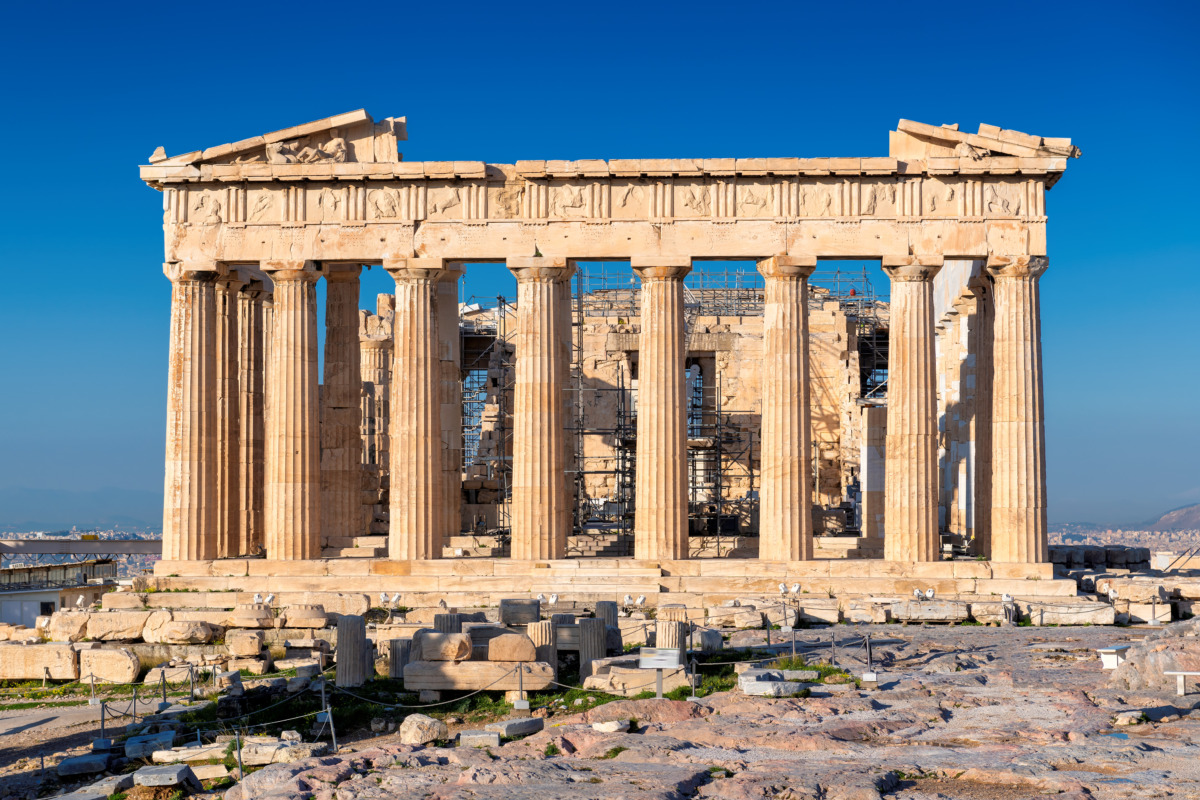
Athens has the Acropolis towering over a city where 3,400 years of history sit next to street art, rooftop bars, and €3 souvlaki that rivals any fine dining.
Travel guides for Athens
More guides featuring Athens (17)
At a glance
Currency€ EURCode: EUR
Time zoneEastern European Time
Languages
- Greek
Setting
- Aegean coast
- Acropolis hilltop
- Mediterranean climate
- Ancient ruins
Population2.2M2,229,621 residents
VisaDuration: Up to 90 days within any 180-day period in the Schengen Area · Documents: Valid passport issued within the last 10 years and valid for at least 3 months after planned departure, plus proof of accommodation, onward or return travel, and sufficient funds if requested
How Athens scores
8/10OverallExcellent
Weather8/10
Value for money7/10
Safety6/10
Food & cuisine8/10
Culture & arts7/10
Cultural experience9/10
History10/10
Nature & outdoors5/10
Adventure4/10
Nightlife7/10
Shopping7/10
Family friendly5/10
Romance8/10
Character
Photography score9/10
Authenticity score10/10
Off-the-beaten-path score4/10
Editorial scores on a 10-point scale, weighed against destinations of the same kind.
Travel safety snapshot
Overall70/100Moderate rating
Women travellers68/100
LGBTQ+ travellers40/100
Theft60/100
Medical care75/100
Physical harm65/100
Political freedom65/100
SafePlace indicators use their source 100-point scale; higher is more favourable. Planning context, not a live travel advisory — check official government guidance before you go.
When to go
Best months to visit: March, April, May, June, September, October and November.
- January: 6.9 to 12.8 degrees Celsius, 7.8 millimetres of rain, best-time score 3 out of 5.
- February: 6.2 to 11.8 degrees Celsius, 29.1 millimetres of rain, best-time score 3 out of 5.
- March: 8.1 to 15.2 degrees Celsius, 14.8 millimetres of rain, best-time score 4 out of 5.
- April: 12.2 to 20.3 degrees Celsius, 19 millimetres of rain, best-time score 5 out of 5.
- May: 17 to 25.7 degrees Celsius, 4.4 millimetres of rain, best-time score 5 out of 5.
- June: 21.4 to 29.3 degrees Celsius, 6.2 millimetres of rain, best-time score 5 out of 5.
- July: 24 to 32.9 degrees Celsius, 8.1 millimetres of rain, best-time score 2 out of 5.
- August: 23.4 to 32.4 degrees Celsius, 1.7 millimetres of rain, best-time score 2 out of 5.
- September: 21.1 to 29.5 degrees Celsius, 4.1 millimetres of rain, best-time score 5 out of 5.
- October: 16.7 to 22.9 degrees Celsius, 25.2 millimetres of rain, best-time score 5 out of 5.
- November: 12.7 to 18.2 degrees Celsius, 14.3 millimetres of rain, best-time score 4 out of 5.
- December: 9.3 to 14.7 degrees Celsius, 19 millimetres of rain, best-time score 3 out of 5.
Month-by-month conditions and packing advice
- January
- Cool weather, mostly dry January in Athens: winter is quieter and museum-friendly, but weather and daylight are less reliable. Crowds: January marks the low tourist season in Athens, offering a tranquil atmosphere at major historical sites such as the Parthenon and the Ancient Agora. Cooler temperatures make walking tours and archaeological exploration comfortable, though evenings can feel brisk. Accommodation rates are typically at their lowest, and crowd levels are minimal, providing exceptional value for travelers seeking an unhurried cultural immersion. Outdoor dining is less common due to the chill, but indoor venues thrive with cozy, authentic experiences. It’s an ideal time for budget-conscious travelers, history enthusiasts, and photographers seeking unobstructed views. Advance booking isn’t usually necessary, except for special cultural events or guided tours. Pack: Warm layered clothing for daytime and cooler nights; Water-resistant jacket for occasional showers; Comfortable walking shoes with good grip for uneven terrain; Scarf and gloves for early morning or evening chill; Modest attire for visiting churches and monasteries; Small daypack for carrying camera, water, and guidebook
- February
- Cool weather, some rain February in Athens: winter is quieter and museum-friendly, but weather and daylight are less reliable. Crowds: February sits in Athens’ low tourist season, offering fewer crowds at iconic sites and lower accommodation prices compared to spring and summer. While some outdoor activities may be briefly interrupted by passing showers, the cooler temperatures are excellent for extended walking tours, archaeological exploration, and museum visits. Seasonal produce fills local markets, making it a great time for food-focused itineraries. The city’s cultural calendar remains active, with concerts, gallery openings, and smaller local festivals providing authentic experiences. Travelers should book central accommodations to minimize transit during cooler, wetter days, and be ready for flexible itineraries that work around light rain. Pack: Water-resistant jacket with hood; Comfortable waterproof walking shoes; Light to mid-weight sweater for layering; Compact travel umbrella; Scarf for added warmth in the evenings; Smart-casual attire for indoor cultural venues
- March
- Cool weather, mostly dry March in Athens: city sightseeing remains practical with cooler temperatures and fewer crowds. Crowds: March is a shoulder-season month in Athens, offering lower crowd levels and more affordable accommodation compared to the summer high season. The mild weather allows for long days of walking between historical sites, museums, and neighborhood tavernas without the exhaustion caused by peak summer heat. While some island ferry schedules may still be limited, mainland cultural and culinary experiences are in full swing. Outdoor cafés and rooftop terraces begin reopening, though evenings remain cool enough to encourage a light jacket. Flight prices can be favorable, but booking early is still wise for the best deals. This period is particularly appealing for photographers, history enthusiasts, and travelers who prefer cultural depth over beach time, with fewer tour groups and more breathing space at major landmarks. Pack: Light jacket or windbreaker for cooler mornings and evenings; Comfortable walking shoes with good grip for cobblestone streets; Compact umbrella or light rain jacket for occasional showers; Layered clothing for changing daytime temperatures; Scarf or shawl for added warmth and style; Daypack for carrying water, snacks, and a camera
- April
- Warm and pleasant, mostly dry April in Athens: the Acropolis, ancient sites, outdoor cafes, and coastal add-ons are comfortable before or after peak heat. Crowds: April marks the start of Athens’ shoulder season, when weather is reliably pleasant but peak summer crowds have yet to arrive. It’s an excellent time for sightseeing, outdoor dining, and day trips to nearby islands or historic sites like Delphi. Tourist numbers rise steadily toward Easter, a major cultural celebration in Greece, which can influence pricing and availability. Outdoor attractions are fully accessible, and temperatures are mild enough for comfortable walking tours. Light layers will suffice, though evenings can still feel cool. Advance booking for accommodations around Easter week is advised, as this is a popular period for both domestic and international visitors. Pack: Light jacket or cardigan for cooler evenings; Comfortable walking shoes for cobblestone streets; Light scarf for breezy conditions; Breathable cotton shirts for daytime comfort; Compact umbrella or rain jacket for brief showers; Modest attire for entering churches and monasteries
- May
- Warm and pleasant, mostly dry May in Athens: the Acropolis, ancient sites, outdoor cafes, and coastal add-ons are comfortable before or after peak heat. Crowds: May marks the beginning of Athens’ busy season, offering excellent weather for sightseeing without the peak-season crowds of July and August. Outdoor activities—ranging from archaeological site tours to hiking up Lycabettus Hill—are highly enjoyable in the mild warmth. Hotel and flight prices begin to rise compared to winter, but good deals are still possible with early booking. Popular attractions are moderately busy, so early-morning visits are best to avoid queues. With daylight stretching past 8 p.m., travelers can easily fit in both cultural excursions and leisurely meals. This month is also ideal for combining the city with nearby island day trips before summer tourism surges. Pack: Lightweight breathable shirts and dresses; Comfortable walking sandals or sneakers; Wide-brimmed hat and high-SPF sunscreen; Light jacket or shawl for cooler evenings; Modest attire for churches and monasteries; Reusable water bottle to stay hydrated
- June
- Hot and sunny, mostly dry June in Athens: the Acropolis, ancient sites, outdoor cafes, and coastal add-ons are comfortable before or after peak heat. Crowds: June marks the start of Athens’ busy summer season, drawing both European holidaymakers and international travelers before the peak July–August rush. Conditions are excellent for outdoor exploration, archaeological site visits, and coastal day trips. Crowds grow steadily, especially at major landmarks, but remain lighter than in midsummer. Accommodation prices rise compared to spring, with limited last-minute deals. The warmth supports evening cultural events and late-night dining outdoors, though midday heat may require adjusting schedules to focus on morning and late-afternoon activities. Advance booking for guided tours and ferry tickets is recommended, and early starts help avoid both the heat and the heaviest queues at major sites. Pack: Light, breathable clothing in cotton or linen; Wide-brimmed hat and UV-blocking sunglasses; High-SPF sunscreen and lip balm; Comfortable sandals or breathable walking shoes; Reusable water bottle for hydration; Light shawl or scarf for modesty in religious sites
- July
- Hot and sunny, mostly dry July in Athens: high heat and heavy tourism make daytime archaeological sightseeing harder. Crowds: July marks peak tourist season in Athens, with near-perfect conditions for nightlife, cultural festivals, and island-hopping excursions, but challenging midday heat for extended walking tours. Crowds are at their highest, particularly around major archaeological sites such as the Acropolis and the Ancient Agora. Hotel and flight prices reflect peak demand, so advance booking is essential. Daytime activities are best planned for early morning or late afternoon to avoid the strongest sun, while midday hours are ideal for museum visits or shaded cafés. Evening events thrive in the cooler air, making this an excellent month for open-air concerts and dining under the stars. Pack: Light, breathable clothing in natural fabrics; Wide-brimmed hat for sun protection; High SPF sunscreen and sunglasses; Comfortable sandals or breathable walking shoes; Reusable water bottle to stay hydrated; Light shawl or cover-up for modesty at religious sites
- August
- Hot and sunny, mostly dry August in Athens: high heat and heavy tourism make daytime archaeological sightseeing harder. Crowds: August is high tourist season in Athens, coinciding with European summer holidays, which means crowded attractions and elevated accommodation prices. The intense midday heat can limit outdoor exploration to early and late hours, but it also provides an excellent excuse to embrace Greece’s café culture or take a ferry to nearby islands. Many Athenians leave the city in August, giving some neighborhoods a quieter feel, though major tourist zones remain busy. Visitors should book accommodations and tickets well in advance and plan indoor cultural activities during peak heat hours. Beaches and coastal escapes are particularly popular this month, making them a good way to balance city exploration with relaxation. Pack: Lightweight, breathable clothing in natural fabrics; Wide-brimmed hat for sun protection; High-SPF sunscreen and sunglasses; Comfortable sandals or walking shoes; Refillable water bottle to stay hydrated; Light evening wrap for breezy coastal nights
- September
- Hot and sunny, mostly dry September in Athens: the Acropolis, ancient sites, outdoor cafes, and coastal add-ons are comfortable before or after peak heat. Crowds: September marks the tail end of Athens’ high season, offering nearly peak-summer weather with noticeably fewer tourists. Outdoor activities—from exploring the Acropolis to day trips to Hydra—are comfortable all day, and sea temperatures remain warm enough for swimming. Accommodation rates begin to ease from August highs, though popular boutique stays still book out in advance. The lighter crowds at major sites mean shorter queues and more space for photography. This is an excellent month for travelers seeking the best balance between summer vibrancy and manageable visitor numbers, with optimal conditions for both cultural exploration and coastal relaxation. Pack: Lightweight breathable clothing for warm days; Comfortable walking sandals or shoes for cobblestone streets; Wide-brimmed hat and high-SPF sunscreen; Light evening layer for breezier nights; Reusable water bottle to stay hydrated during sightseeing; Modest attire for visiting monasteries or churches
- October
- Warm and pleasant, mostly dry October in Athens: the Acropolis, ancient sites, outdoor cafes, and coastal add-ons are comfortable before or after peak heat. Crowds: October marks the tail end of Athens’ peak season, offering warm days with thinner tourist crowds and reduced hotel rates compared to summer. Conditions are excellent for walking tours of the Acropolis, open-air archaeological sites, and day trips to coastal towns without the high UV risks of July or August. Ferry services to nearby islands still operate regularly, though with slightly reduced schedules. The blend of agreeable weather, softer light, and cultural vibrancy makes this an optimal time for photographers, history enthusiasts, and culinary travelers. Advance booking for popular attractions is still recommended, but last-minute accommodations are more feasible than in peak months. Pack: Lightweight long-sleeve shirts for daytime warmth and sun protection; Comfortable walking shoes for uneven historic streets; Light jacket or sweater for cooler evenings; Sunglasses with UV protection for bright midday light; Modest attire for visiting monasteries and churches; Compact umbrella or light rain jacket for occasional showers
- November
- Warm and pleasant, mostly dry November in Athens: city sightseeing remains practical with cooler temperatures and fewer crowds. Crowds: November marks the beginning of Athens’ shoulder season, offering a relaxed pace with fewer tourists and lower accommodation rates. Sightseeing conditions are excellent—warm enough for outdoor activities like archaeological site visits, city walking tours, and alfresco dining, but without the oppressive heat of summer. Shorter daylight hours mean planning activities earlier in the day, while the mild evenings are perfect for enjoying traditional tavernas. Cultural events and exhibitions remain active, and the cooler climate suits both urban exploration and day trips to surrounding historical sites. This is a great month for travelers seeking value, cultural depth, and comfortable touring conditions. Pack: Light jacket or cardigan for cooler mornings and evenings; Comfortable walking shoes for cobblestone streets; Layered clothing to adjust to daytime warmth; Small umbrella or light rain jacket for rare showers; Modest attire for churches and monasteries; Scarf or shawl for added warmth and cultural respect
- December
- Cool weather, mostly dry December in Athens: winter is quieter and museum-friendly, but weather and daylight are less reliable. Crowds: December falls within Athens’ low tourist season, offering a quieter, more relaxed atmosphere for cultural exploration. Crowds at major sites like the Acropolis or Ancient Agora are minimal, allowing more time and space to absorb their history. Accommodation prices are generally lower than in peak months, though some boutique hotels offer festive packages for the holidays. Weather is cool but comfortable for walking tours, archaeological site visits, and winter food markets. Shorter daylight hours mean planning sightseeing earlier in the day, but the evenings are perfect for lingering over meze in cozy tavernas. Seasonal events, like Christmas markets and New Year celebrations, provide a unique cultural layer to the trip. Pack: Warm layers including sweaters and a medium-weight jacket; Comfortable waterproof walking shoes; Compact travel umbrella for light rain; Scarf and gloves for breezy evenings; Modest attire for visiting churches and monasteries; Crossbody bag to keep belongings secure in markets
Peak season
- July
- August
Off-peak
- November
- December
- January
- February
Know before you go
About
Athens, the capital of Greece, is one of the world’s oldest cities and the cradle of Western civilization, continuously inhabited for more than three thousand years. Spread across the Attica region near the Aegean Sea, the city proper is home to about 664,000 residents, with some 3.15 million across its sprawling metropolitan area. Athens is forever defined by the Acropolis, the rocky citadel crowned by the Parthenon, a marble temple to the goddess Athena built between 447 and 432 BC under the statesman Pericles. At its foot spread the ruins of the ancient Agora, where democracy itself took shape, and the atmospheric Plaka neighborhood of neoclassical houses and tavernas. Beyond its monuments, the city offers world-class museums like the Acropolis Museum, lively markets, and a vibrant modern street life of cafés and nightlife. Within easy reach lie beaches along the Athenian Riviera and ferries to the Greek islands. Layering ancient glory with contemporary energy, Athens is an essential gateway to Greece.
Best time to visit
The best time to visit Athens is during the shoulder seasons of April to June and September to October, when mild Mediterranean weather makes exploring the Acropolis and ancient sites comfortable without the extreme summer heat.
Spring (April-June)
Warm (18-28°C / 64-82°F) with blooming wildflowers, clear skies, and manageable crowds. Easter celebrations are vibrant and unique. May is ideal — warm enough for outdoor dining without summer extremes.
Summer (July-August)
Hot (32-40°C / 90-104°F). Peak tourist season. The Athens & Epidaurus Festival brings outdoor theater and music. Visit the Acropolis early morning or at sunset to avoid heat and crowds. Beach day trips to the Athenian Riviera.
Autumn (September-October)
Warm (20-28°C / 68-82°F) and dry. One of the best months — warm enough for beaches, cool enough for sightseeing. Fewer tourists and better prices.
Winter (November-March)
Mild by European standards (8-14°C / 46-57°F) with occasional rain. Very few tourists. Museums and archaeological sites are pleasantly uncrowded. Budget-friendly.
Crowds
Athens is busiest in summer (June–August) and during cruise season and Orthodox Easter; quietest in November–February when temperatures and tourist numbers drop, but major archaeological sites can still draw steady day crowds.
Getting there and around
Getting there
Athens is accessible via Athens International Airport and ferry services from Greek islands. The city connects to other European cities via rail and highway networks.
Getting around
Master ancient Athens via the efficient Metro’s three lines operating 5am-midnight (2am Friday-Saturday on Lines 2&3)—ride Line 1 Green (Piraeus Port to Kifisia), Line 2 Red (Larissa Station through Acropolis and Syntagma), Line 3 Blue (Airport to city center) with just 3-minute walks from Acropolis Metro to the Parthenon. Navigate the pedestrian-only tourist core: Monastiraki, Ermou, Plaka, Thiseio, and Acropolis areas perfect for walking tours starting from Syntagma Square through ancient archaeological sites clustered within small distances. Experience OASA’s innovative Bus 400 sightseeing route (€5) connecting Archaeological Museum, Omonoia, Psyrri, Kerameikos, Thiseion, Monastiraki, Athens Market, Syntagma, Benaki Museum, National Gallery, and Olympian Zeus Temple. Board coastal trams T6 (Syntagma-Faliro) and T7 (Voula-Piraeus) reaching seaside suburbs in one hour from central Athens. Use contactless bank cards for €4.10 daily fare caps, or purchase 3-Day Tourist Tickets (€20) including unlimited travel plus airport transfers. Access this archaeological wonderland where modern metros meet ancient monuments seamlessly.
Top experiences in Athens
Acropolis and Parthenon
Read the place guide →Ancient citadel on rocky hill featuring the iconic Parthenon temple dedicated to goddess Athena. UNESCO World Heritage site representing pinnacle of classical Greek architecture and democracy birthplace. Essential for understanding Western civilization foundations with stunning city views. Book timed entry tickets.
Acropolis Museum
Read the place guide →Modern museum housing artifacts from Acropolis archaeological site with glass floors revealing ongoing excavations below. Features Parthenon sculptures, ancient Greek statues, and interactive exhibits. Essential complement to Acropolis visit for understanding ancient Greek art and civilization.
Ancient Agora
Read the place guide →Birthplace of democracy where ancient Athenians gathered for political discussion and commerce. Features well-preserved Temple of Hephaestus, Stoa of Attalos museum, and archaeological remains. Essential for understanding ancient Greek political system and daily life in classical Athens.
Plaka District
Charming historic neighborhood below Acropolis featuring neoclassical architecture, traditional tavernas, and souvenir shops. Known as “Neighborhood of the Gods” with pedestrian streets, authentic Greek atmosphere, and easy access to major archaeological sites. Perfect for dining and cultural immersion.
National Archaeological Museum
World premier collection of ancient Greek artifacts including gold masks from Mycenae, bronze sculptures, and pottery spanning Greek civilization. Features treasures from major archaeological sites across Greece. Essential for understanding ancient Greek art, culture, and archaeological discoveries.
Editor-curated picks carried over from our original guide. Where a full place guide exists, the card links to it.




Worth booking ahead in Athens
Hand-picked from the operators our guides already send readers to. Prices and availability are live on the partner site.
BrowseViator
Tours and tickets in Athens on Viator (opens Viator in a new tab)
Viator's full list of bookable tours and tickets in Athens.
BrowseGetYourGuide
Experiences in Athens on GetYourGuide (opens GetYourGuide in a new tab)
Everything GetYourGuide sells in Athens, with the cancellation terms on each listing.
Where to stayBooking.com
Stays in Athens (opens Booking.com in a new tab)
Live rates and availability for Athens on Booking.com; filter by neighbourhood once you know where your days start.
We earn a commission if you book through these links, at no extra cost to you. It is how we keep the guides free and independent.
Where to stay
Hotel Grande Bretagne
Vasileos Georgiou A' 1, Syntagma Square, 105 64 Athens, Greece
Legendary luxury hotel on Syntagma Square with Acropolis views, rooftop restaurant, and royal heritage since 1874. Features opulent Greek décor, world-class spa, and prime location for exploring Athens historic center and shopping districts.
Electra Metropolis Athens
Mitropoleos 15, 105 57 Athens, Greece
Contemporary luxury hotel near ancient sites with rooftop pool, modern Greek design, and sophisticated atmosphere. Features panoramic Acropolis views, excellent restaurant, and central location perfect for exploring Athens archaeological treasures and vibrant neighborhoods.
AthensWas Hotel
Dionysiou Areopagitou 5, 117 42 Athens, Greece
Boutique design hotel at foot of Acropolis with contemporary art, rooftop terrace, and intimate atmosphere. Features modern Greek hospitality, excellent location for archaeological sites, and stylish rooms with ancient history literally at your doorstep.
Editor-curated stays carried over from our original guide. Where we have reviewed the hotel, the card links to the review.
Tips from the field
Practical tips
- Currency: Euro (EUR). Cards increasingly accepted; carry cash for markets and smaller tavernas.
- Getting There: Athens International Airport (ATH) connects to the city via Metro Line 3 (€10, 40 minutes), bus X95 to Syntagma (€6, 60 minutes), or taxi (€40 flat rate).
- Transportation: Athens Metro is efficient and covers key tourist areas. 5-day tourist ticket (€9) covers metro, bus, and tram. Walking is the best way to explore the historic center. Avoid taxis that won't use the meter.
- Dining: Greek tavernas serve souvlaki, moussaka, and meze for €8-15. Psyrri and Exarcheia have the best affordable dining. Street souvlaki (€3-4) is ubiquitous. Central Market (Varvakios) for fresh produce.
- Free Attractions: Changing of the Guard at Syntagma, walking through Plaka and Anafiotika, Filopappou Hill (best Acropolis views), National Garden, Monastiraki flea market browsing.
- Tipping: Round up or leave 5-10%
- Electricity: 230V/50Hz, Type C/F plugs
Culture, customs and safety
Cultural heritage
Athens preserves over 2,500 years of continuous history from ancient Acropolis to Byzantine churches and Ottoman monuments. The city maintains its role as the birthplace of democracy and philosophy. Traditional neighborhoods like Anafiotika with Cycladic architecture, Plaka’s neoclassical buildings, and authentic tavernas preserve old Athens character. Greek Orthodox traditions, ancient festivals, and family-based culture continue today.
Local customs & etiquette
In Athens, greet with ‘Yassas’ (hello). Dining is late – lunch 2-4 PM, dinner after 9 PM. Greeks are hospitable and may invite you for coffee.
Safety notes
Athens is generally safe for tourists, with standard urban precautions recommended.
General Safety:
• Tourist areas (Plaka, Monastiraki, Acropolis) are well-patrolled and safe
• Pickpocketing is common on crowded Metro lines (especially to/from Piraeus), at Monastiraki flea market, and in Syntagma Square
• Keep bags zipped and in front of you on public transport
Neighborhoods:
• Omonia and Exarcheia are edgier — exercise caution after dark
• Plaka, Kolonaki, and Psyrri are safe and pleasant
Scams:
• Beware of individuals offering “free” friendship bracelets or flowers
• Restaurant touts near Monastiraki may lead to overpriced venues — check menus before sitting
Stray Animals:
• Athens has many friendly stray cats and dogs — they’re generally harmless
Emergency contacts:
• General: 112
• Police: 100
• Ambulance: 166
Travel Style