Mantua, a UNESCO World Heritage Site, is a charming city in Northern Italy known for its stunning Renaissance architecture and picturesque lakes. The city is steeped in history, with attractions such as the Palazzo Ducale and the Basilica di Sant’Andrea. Visitors can enjoy the enchanting atmosphere of its historic streets, vibrant culture, and exquisite cuisine.
The destination guide
Mantua
- Overall8/10
- Best forCouples, Adventure seekers, Solo travelers
- PeakJun–Aug
- CurrencyEUR
Mantua sits on three lakes and gets skipped for Verona every time. That’s the mistake — the Palazzo Ducale alone takes hours.
At a glance
Currency€ EURCode: EUR
Time zoneCentral European Time
Languages
- Italian
Setting
- Lake-surrounded city
- Renaissance architecture
- Po Valley plain
- Agricultural lands
Population48,70048,700 residents
VisaDuration: Up to 90 days within any 180-day period in the Schengen Area · Documents: Valid passport issued within the last 10 years and valid for at least 3 months after planned departure, plus proof of accommodation, onward or return travel, and sufficient funds if requested
How Mantua scores
8/10OverallExcellent
Weather7/10
Value for money8/10
Safety8/10
Food & cuisine8/10
Culture & arts6/10
Cultural experience8/10
History10/10
Nature & outdoors6/10
Adventure4/10
Nightlife4/10
Shopping5/10
Family friendly5/10
Romance8/10
Editorial scores on a 10-point scale, weighed against destinations of the same kind.
Travel safety snapshot
Overall88/100High rating
Women travellers86/100
LGBTQ+ travellers85/100
Theft82/100
Medical care88/100
Physical harm89/100
Political freedom88/100
SafePlace indicators use their source 100-point scale; higher is more favourable. Planning context, not a live travel advisory — check official government guidance before you go.
When to go
Best months to visit: April, May, June, July, August, September and October.
- January: 19.5 to 25.3 degrees Celsius, 20.2 millimetres of rain, best-time score 2 out of 5.
- February: 19.8 to 27 degrees Celsius, 5.2 millimetres of rain, best-time score 2 out of 5.
- March: 20.5 to 28.3 degrees Celsius, 3 millimetres of rain, best-time score 3 out of 5.
- April: 22.9 to 30.1 degrees Celsius, 18.3 millimetres of rain, best-time score 4 out of 5.
- May: 24.2 to 30.5 degrees Celsius, 41 millimetres of rain, best-time score 5 out of 5.
- June: 25.4 to 30.7 degrees Celsius, 61.8 millimetres of rain, best-time score 5 out of 5.
- July: 25.3 to 31.6 degrees Celsius, 35.7 millimetres of rain, best-time score 5 out of 5.
- August: 25.8 to 31.6 degrees Celsius, 74 millimetres of rain, best-time score 5 out of 5.
- September: 25.7 to 31.1 degrees Celsius, 24.8 millimetres of rain, best-time score 5 out of 5.
- October: 24.3 to 29.6 degrees Celsius, 66.7 millimetres of rain, best-time score 4 out of 5.
- November: 22.6 to 27.6 degrees Celsius, 14.9 millimetres of rain, best-time score 2 out of 5.
- December: 21.5 to 26.9 degrees Celsius, 3.4 millimetres of rain, best-time score 3 out of 5.
Month-by-month conditions and packing advice
- January
- Warm and pleasant, mostly dry Cold winter weather, few tourists. Crowds: January’s warm, dry weather makes Mantua one of Italy’s hidden gems for winter travel. While northern cities like Milan or Venice are much colder, Mantua offers almost springlike conditions with little rainfall. This shoulder season means lower hotel rates, minimal crowding, and easier reservations at cultural attractions such as Palazzo Ducale and Teatro Bibiena. Outdoor activities, from cycling along the lakes to exploring the medieval city walls, are fully accessible without the heat of summer or the chill of other Italian winter destinations. However, evenings can still cool down, so layering is advisable. January lacks the big festivals that draw crowds later in the year, giving travelers the benefit of tranquil exploration, but visitors should expect shorter daylight hours that slightly limit evening sightseeing. Pack: Lightweight layers for warm days and cooler nights; Comfortable walking shoes for cobblestone streets; Compact umbrella for the occasional shower; Scarf or light jacket for evenings; Smart-casual attire suitable for Italian dining; Camera gear for winter light photography
- February
- Warm and pleasant, mostly dry Chilly and quiet, good for museums. Crowds: February is considered a shoulder-season month for Mantua, which translates into lighter crowds and more relaxed access to its cultural landmarks. With weather comfortably warm yet not overwhelmingly hot, visitors can explore Palazzo Ducale, Teatro Bibiena, and the city’s lakeside promenades without heavy tourist traffic. Hotel rates and dining experiences are generally more affordable compared to the busier spring and autumn periods, offering good value for those who plan ahead. Outdoor dining becomes feasible on sunny afternoons, though evenings still call for a light layer. Cultural programming continues through the winter, though large festivals are limited, creating an atmosphere of calm discovery rather than festivity. For travelers seeking quiet immersion into Mantua’s Renaissance heritage with weather that encourages long hours outdoors, February is a rewarding and practical choice. Pack: Lightweight long-sleeve shirts for warm afternoons; Comfortable walking shoes for cobblestone streets; Light jacket or sweater for cooler evenings; Scarf for added warmth in breezy conditions; Daypack for carrying water and camera gear; Modest attire for visiting churches and historic sites
- March
- Warm and pleasant, mostly dry Beginning to warm up, spring blossoms. Crowds: March offers highly favorable conditions for exploring Mantua before the influx of summer crowds. The warm but dry weather means walking tours of UNESCO-listed palaces and piazzas are pleasant without the discomfort of rain or heat. This shoulder-season month typically sees moderate visitor levels, translating into better availability and more reasonable accommodation prices compared to peak summer. Outdoor dining becomes a viable option, enhancing culinary experiences along the lakeside. While some seasonal festivals are yet to begin, the weather provides a comfortable backdrop for cultural immersion and day trips. Travelers should book accommodations early for weekends, when regional visitors from Milan and Verona often take short breaks, but otherwise enjoy lower crowd density and strong value for travel spend. Pack: Lightweight cotton or linen shirts for warm afternoons; A light jacket or wrap for cooler evenings; Comfortable walking shoes suitable for cobblestone streets; Sunglasses with high UV protection; Smart-casual attire for theaters and cultural venues; Compact umbrella for the occasional unexpected shower
- April
- Hot and sunny, mostly dry Pleasant spring weather, great for walking. Crowds: April in Mantua provides favorable travel conditions with abundant sunshine, minimal rain, and consistently hot days. This period represents the shoulder season before the summer tourist influx, so attractions remain accessible without overwhelming crowds. Prices for accommodation and dining tend to be moderate compared to peak summer, offering good value for travelers. The warm weather enhances outdoor experiences, from cycling to lakeside strolls, though the midday heat may require pacing activities earlier or later in the day. Cultural life begins to stir with spring festivals and performances, adding depth to a visit. Travelers should book lodging in advance for weekends, as Mantua often draws regional visitors from Milan and Verona. Pack: Light cotton or linen clothing for hot daytime temperatures; Comfortable sandals or breathable walking shoes; Wide-brimmed hat and high SPF sunscreen; Reusable water bottle to stay hydrated during sightseeing; Light evening shawl or cover-up for breezy nights; Smart casual attire for dining and cultural events
- May
- Hot and sunny, some rain Excellent weather before the summer crowds. Crowds: May represents the start of Mantua’s busy cultural season, when excellent weather draws both Italian and international travelers. Warm conditions make it ideal for exploring the UNESCO-listed historic center, cycling along riverside paths, or taking boat rides across the city’s surrounding lakes. Tourist numbers begin to rise, particularly on weekends and during cultural festivals, so accommodations should be booked in advance. Prices are not yet at their summer peak but trend higher than in March or April. While the heat may feel intense during midday, mornings and evenings offer perfect windows for sightseeing. Overall, May strikes a balance between atmosphere and accessibility, making it one of the most rewarding months to experience Mantua. Pack: Breathable cotton or linen clothing for daytime heat; Comfortable sandals or walking shoes for cobblestone streets; Light jacket or shawl for cooler evenings; Compact umbrella or light rain jacket for brief showers; Stylish yet modest attire for churches and cultural sites; UV-protection sunglasses and high-SPF sunscreen
- June
- Hot and sunny, some rain Warm, sunny, and lively. Crowds: June brings Mantua into peak summer rhythm. Long, bright days favor outdoor activities such as visiting Palazzo Te, wandering through the Piazza delle Erbe, or taking a boat trip on the surrounding lakes. The heat and humidity, however, can slow midday sightseeing, making early mornings and late afternoons the best times to explore. Tourism numbers increase as schools close and festivals begin, meaning higher hotel prices and busier cultural landmarks. Rain showers are brief and unlikely to disrupt plans, but carrying a light umbrella helps. Visitors seeking authentic local life will find evenings lively, as locals gather outdoors after the heat subsides. Advance bookings are recommended for both accommodations and popular attractions to avoid seasonal congestion. Pack: Light, breathable clothing in cotton or linen; Comfortable sandals or walking shoes for uneven streets; Wide-brimmed hat and sunglasses for strong sun; Compact umbrella or light rain jacket for showers; Refillable water bottle to stay hydrated; Modest attire for visiting churches and religious sites
- July
- Hot and sunny, some rain Peak summer heat and peak tourist season. Crowds: July is peak summer travel season in Mantua, coinciding with Italy’s broader holiday period. Expect lively piazzas and higher accommodation prices, especially around cultural festivals and music events hosted in open-air venues. The warm weather makes early morning sightseeing ideal, while midday heat can slow down exploration. Crowds cluster near shaded cafes and along the lakeside promenades, so booking accommodations and event tickets well in advance is recommended. The long daylight hours are perfect for extended excursions and evening dining al fresco, though visitors should plan around occasional afternoon storms. For those seeking both cultural depth and a lively seasonal atmosphere, July offers a memorable, if busy, window into Mantua’s character. Pack: Lightweight breathable clothing for hot afternoons; Wide-brimmed hat and high-SPF sunscreen; Comfortable sandals or walking shoes for cobbled streets; Refillable water bottle to stay hydrated; Compact umbrella or light rain jacket for summer storms; Smart-casual attire for evening concerts or cultural events
- August
- Hot and sunny, some rain Very warm, many festivals and outdoor dining. Crowds: August is one of the hottest months in Mantua, which significantly shapes the visitor experience. This is still high summer season across Italy, meaning more crowds and elevated accommodation prices, especially as Italians take their Ferragosto holiday. Outdoor activities such as exploring Palazzo Ducale courtyards or walking the lakefront promenades are best scheduled in the early morning or late evening when conditions are more comfortable. Midday hours are better reserved for museum visits, shaded cafes, or cooling gelato breaks. Travelers sensitive to heat may find the weather challenging, though the long daylight hours reward those willing to adapt their rhythm. Booking lodging with reliable air-conditioning is strongly advised, and reservations should be made early due to seasonal demand. Pack: Light, breathable cotton or linen outfits for humid heat; Wide-brimmed hat and polarized sunglasses for sun protection; Refillable water bottle to stay hydrated during long walks; Comfortable sandals or breathable walking shoes; Light rain jacket or compact umbrella for sudden showers; Respectful attire (covered shoulders/knees) for churches and religious sites
- September
- Hot and sunny, mostly dry Perfect shoulder season with great weather. Crowds: September straddles the line between peak summer tourism and the quieter shoulder season. The warm, dry conditions are excellent for exploring Mantua’s outdoor attractions, from walking tours through the historic center to cycling along riverbanks. While temperatures remain hot, especially at midday, mornings and evenings are comfortable for cultural excursions and dining al fresco. Crowds begin to thin compared to August, leading to more relaxed visits at popular sites like Palazzo Te. Accommodation rates remain relatively high early in the month but gradually ease as the season progresses. The timing also coincides with harvest festivals and food events across Lombardy, giving travelers a chance to enjoy regional specialties at their freshest. Early bookings are recommended for cultural events, while those seeking quieter exploration may benefit from visiting later in the month. Pack: Lightweight, breathable clothing to stay cool in heat; Wide-brimmed hat for sun protection during midday walks; Reusable water bottle to stay hydrated in warm conditions; Comfortable sandals or walking shoes for cobblestone streets; Light scarf or shawl for modesty when visiting churches; Compact umbrella for the occasional brief shower
- October
- Hot and sunny, some rain Crisp autumn air and beautiful colors. Crowds: October offers a shoulder-season charm in Mantua, though the weather still leans toward hot and humid rather than crisp autumnal coolness. The city is less crowded than in the peak summer months, yet cultural life remains vibrant with seasonal food festivals and harvest celebrations. Prices for accommodation often dip after the September rush, making this a more affordable time to visit. Warm temperatures mean visitors can comfortably enjoy walking tours, boat rides on the lakes, and countryside excursions, though midday heat may feel intense for prolonged outdoor activities. Rain showers are brief but can disrupt plans if unprepared. This month rewards travelers seeking a blend of cultural immersion and reduced crowds, with the bonus of the harvest season influencing local cuisine. Advance booking is not as critical as in summer, but securing stays near the historic center ensures convenience and atmosphere. Pack: Breathable cotton and linen clothing for warm, humid days; Comfortable walking sandals or lightweight shoes; Compact travel umbrella or light rain jacket; Wide-brimmed hat and high SPF sunscreen; Light scarf or shawl for cooler evenings and churches; Reusable water bottle to stay hydrated during city walks
- November
- Hot and sunny, mostly dry Cooling down rapidly, often rainy. Crowds: November is typically shoulder season in Mantua, but the unusually warm temperatures create conditions more reminiscent of late summer. Travelers benefit from lower hotel rates and fewer crowds, as peak tourism fades after October. This makes visiting UNESCO sites like Palazzo Te more relaxed, with fewer queues and better opportunities for guided tours. The mild, dry weather allows comfortable daylong exploration without the heat fatigue of August. However, daylight hours shorten, so planning morning visits to major landmarks ensures maximum enjoyment. Local truffle fairs and autumnal food markets also align with the season, offering cultural depth alongside favorable weather. For photographers and cultural travelers, this month provides a unique chance to experience Mantua with the clarity of summer skies but without peak-season congestion. Pack: Lightweight long-sleeve shirts for sunny days; Breathable walking shoes for cobblestone streets; Reusable water bottle to stay hydrated; Light jacket or wrap for cooler evenings; Smart casual attire for dining and cultural sites; Camera gear for capturing golden-hour cityscapes
- December
- Warm and pleasant, mostly dry Cold but festive holiday atmosphere. Crowds: December in Mantua offers shoulder-season benefits without the usual wintry drawbacks. The mild weather allows sightseeing without the crowds and inflated prices of summer, while also avoiding the dreariness of northern European winters. Christmas markets and festive lights enhance the cultural experience, and the warm, dry climate means these activities are comfortable rather than chilly. Tourism flows are modest, with mainly regional visitors, so accommodations and restaurants are more accessible and often more affordable. This creates an excellent window for travelers seeking authentic cultural encounters, fewer lines at landmarks, and a calm pace for exploration. Advance booking isn’t critical outside the holidays, but planning around Christmas and New Year ensures smooth travel. Pack: Light jacket for cooler evenings; Comfortable walking shoes for cobblestone streets; Breathable long-sleeve shirts for daytime comfort; Smart casual wear for trattorias and evening outings; Compact umbrella for occasional showers; Scarf for both style and warmth in breezy moments
Peak season
- June
- July
- August
Off-peak
- November
- December
- January
- February
Know before you go
About
Mantua, or Mantova, in Italy’s Lombardy region, is a refined Renaissance city almost encircled by water, set among three artificial lakes created in the 12th century as defenses. Long the seat of the powerful Gonzaga dynasty, the city of about 50,000 preserves an extraordinary artistic legacy and, together with nearby Sabbioneta, forms a UNESCO World Heritage Site honored for Renaissance urban planning. Its centerpiece is the vast Palazzo Ducale, the Gonzaga residence with more than a thousand rooms, which houses Andrea Mantegna’s celebrated Camera degli Sposi frescoes. On the city’s edge stands the Palazzo Te, Giulio Romano’s playful Mannerist villa famed for its illusionistic painted halls. Mantua’s atmospheric piazzas, churches, and porticoed streets reward unhurried wandering, while its lakeside setting lends a serene, romantic air. The city is also known for hearty Mantuan cuisine, including the sweet-savory pumpkin tortelli. Quietly grand and steeped in art, Mantua is one of northern Italy’s most rewarding and underrated cultural destinations.
Neighbourhoods
Centro Storico, Virgiliana, Te Brunetti
Best time to visit
Spring (April–June) and early autumn (September–October) are ideal, with comfortable temperatures between 10°C and 25°C (50–77°F), moderate crowds, and excellent light for enjoying Mantua’s lakeside setting and Renaissance architecture. Summer (June–August) can be hot and humid — temperatures occasionally reach 36°C (97°F) — but the Mantua Literature Festival in September and warm evenings on Piazza delle Erbe compensate. Winter (November–March) is cold and foggy, which lends a mysterious atmosphere to the city’s medieval streets and keeps crowds to a minimum — ideal for focused museum visits and sampling hearty Mantuan cuisine like tortelli di zucca.
Season by season
Spring (April–June):
Weather: 10–25°C (50–77°F), occasional rain
Highlights: Blooming lakeside gardens, comfortable walking weather, Easter processions
Best For: Palazzo visits, cycling along the lakes, open-air dining beginnings
Summer (June–August):
Weather: 25–36°C (77–97°F), hot and humid
Highlights: Lotus flower bloom on lakes (July–Aug), outdoor concerts, Mantua Film Festival
Best For: Boat tours, evening dining on piazzas, lakeside photography
Fall (September–October):
Weather: 12–22°C (54–72°F), mild and clear
Highlights: Festivaletteratura (September), pumpkin harvest, autumn fog atmospherics
Best For: Literary events, food tours, uncrowded museum visits
Winter (November–March):
Weather: 0–8°C (32–46°F), foggy and cold
Highlights: Christmas markets, quiet palaces, hearty Mantuan cuisine season
Best For: Museum-focused visits, cooking classes, budget-friendly trips
Crowds
Low (moderate during Festivaletteratura in September)
Getting there and around
Getting there
Mantua is accessible via Italy’s high-speed rail network and regional airports. The city connects to Rome, Milan, Florence, and other Italian cities via train and highway networks.
Getting around
Mantua’s compact historic center is easily walkable — the train station is a 10-minute walk from Piazza Sordello, and all major attractions lie within a small radius. Bicycles are popular and rental stations are available near the station and along the lakefront. For the lakes, boat tours depart from near Ponte di San Giorgio and circuit the three artificial lakes (Superiore, di Mezzo, and Inferiore) surrounding the city. Local buses connect the center to surrounding areas. For day trips to Verona, Modena, or Lake Garda, trains run frequently from Mantua station. Driving in the old town is restricted — use the free parking at Campo Canoa across the river, which has a shuttle to the center.
Top experiences in Mantua
Palazzo Ducale
One of Italy’s largest architectural complexes, the Palazzo Ducale served as the Gonzaga family residence from the 14th to 18th century. The complex includes over 1,000 rooms, courtyards, hanging gardens, and churches spread across approximately 34,000 square meters. The crown jewel is the Camera degli Sposi (Bridal Chamber) in the Castello di San Giorgio, featuring Andrea Mantegna’s revolutionary trompe-l’oeil frescoes completed in 1474, which create the illusion of open sky and figures peering down from above. Access is limited to 1,500 visitors per day — advance reservations are essential.
Palazzo Te
Built between 1525 and 1535 by Giulio Romano for Federico II Gonzaga as a suburban pleasure palace, Palazzo Te is a masterpiece of Mannerist architecture. The Sala dei Giganti (Room of the Giants) is the highlight: a completely frescoed room depicting the mythological fall of the Titans, where walls and ceiling merge in a disorienting, immersive 360-degree composition. Other notable rooms include the Sala di Amore e Psiche with its mythological banquet scenes. The palace gardens are free to enter and provide a peaceful counterpoint to the elaborate interiors.
Basilica di Sant'Andrea
Designed by Leon Battista Alberti and begun in 1472, the Basilica di Sant’Andrea is one of the finest Renaissance churches in northern Italy. Its massive barrel-vaulted nave — inspired by ancient Roman architecture — set a new standard for church design and influenced buildings for centuries. The basilica houses the tomb of painter Andrea Mantegna and is believed to hold a relic of the Holy Blood of Christ, brought to Mantua by the Roman centurion Longinus. The octagonal crypt below contains the relic vessels, and the interior’s monumental proportions reward careful study.
Piazza delle Erbe & Astronomical Clock Tower
Mantua’s most atmospheric square, Piazza delle Erbe (Herb Square), functions as the city’s daily market and social hub. Surrounded by medieval and Renaissance buildings, it houses the Palazzo della Ragione (13th-century court of justice, now an exhibition space) and the 15th-century Astronomical Clock Tower, which tracked lunar phases, zodiac signs, and celestial positions. The adjacent Rotonda di San Lorenzo — Mantua’s oldest church, dating to the 11th century — is a unique circular Romanesque structure with remnants of medieval frescoes. Morning markets sell local produce, cheese, and cured meats.
The Three Lakes & Ponte di San Giorgio
Mantua is uniquely surrounded on three sides by artificial lakes — Lago Superiore, Lago di Mezzo, and Lago Inferiore — created in the 12th century by damming the Mincio River. The lakes define the city’s silhouette and provide exceptional photographic opportunities, particularly at sunrise and sunset when the skyline reflects in the still water. Boat tours depart regularly and circle the city, offering views of Palazzo Ducale and the lakefront lotus flower beds (blooming July–August). The Ponte di San Giorgio, a historic bridge connecting the old city to the mainland, provides one of the most iconic viewpoints of Mantua’s skyline.
Editor-curated picks carried over from our original guide. Where a full place guide exists, the card links to it.
Worth booking ahead in Mantua
Hand-picked from the operators our guides already send readers to. Prices and availability are live on the partner site.
Guided tourGetYourGuide
Colosseum, Forum and Palatine Hill small-group tour (opens GetYourGuide in a new tab)
Small group with the Forum and Palatine Hill included; the standard Colosseum visit done properly.
Where to stayBooking.com
Stays in Mantua (opens Booking.com in a new tab)
Live rates and availability for Mantua on Booking.com; filter by neighbourhood once you know where your days start.
We earn a commission if you book through these links, at no extra cost to you. It is how we keep the guides free and independent.
Where to stay
Hotel Casa Poli
Corso Garibaldi 32, 46100 Mantua, Italy
A design-forward four-star hotel in the heart of Mantua’s historic center, Casa Poli occupies a restored 18th-century building on Corso Garibaldi. The 33 rooms feature contemporary Italian design with warm woods, designer lighting, and refined touches. Several rooms have views over the city rooftops. The hotel sits within walking distance of Palazzo Ducale, Piazza delle Erbe, and the lakefront. A well-curated wine bar, wellness area, and rooftop terrace complete the offering — one of Mantua’s most polished stays.
Palazzo Castiglioni
Piazza Sordello 12, 46100 Mantua, Italy
Set in a genuine Renaissance palace once owned by the Castiglioni noble family, this bed-and-breakfast offers a handful of elegantly furnished rooms with original frescoed ceilings, period furniture, and views over historic courtyards. The property sits steps from Piazza Sordello and the Palazzo Ducale. Breakfast is served in a frescoed salon, and the host provides personalized recommendations for dining and sightseeing. An intimate, family-run alternative to standard hotels.
Grand Hotel San Lorenzo
Piazza Concordia 14, 46100 Mantua, Italy
A four-star hotel occupying a historic building directly on Piazza Concordia, steps from Piazza delle Erbe and Basilica di Sant’Andrea. The 40 rooms blend traditional furnishings with modern comforts, and several executive rooms feature wooden beams and views over the city’s rooftops. The hotel’s La Cupola wellness center includes a small spa and relaxation area. The central location, professional service, and on-site restaurant make it a reliable choice for travelers seeking comfort and convenience.
Editor-curated stays carried over from our original guide. Where we have reviewed the hotel, the card links to the review.
Tips from the field
Highlights
- Palazzo Ducale — Camera degli Sposi with Mantegna's revolutionary trompe-l'oeil frescoes
- Palazzo Te — Giulio Romano's Mannerist masterpiece with the Room of the Giants
- Three Artificial Lakes — Unique lakeside setting with lotus flower blooms in summer
- Basilica di Sant'Andrea — Alberti's Renaissance church with the relic of the Holy Blood
- Piazza delle Erbe — Medieval square with Astronomical Clock Tower and daily market
- Gonzaga Legacy — 400 years of art patronage visible throughout the city
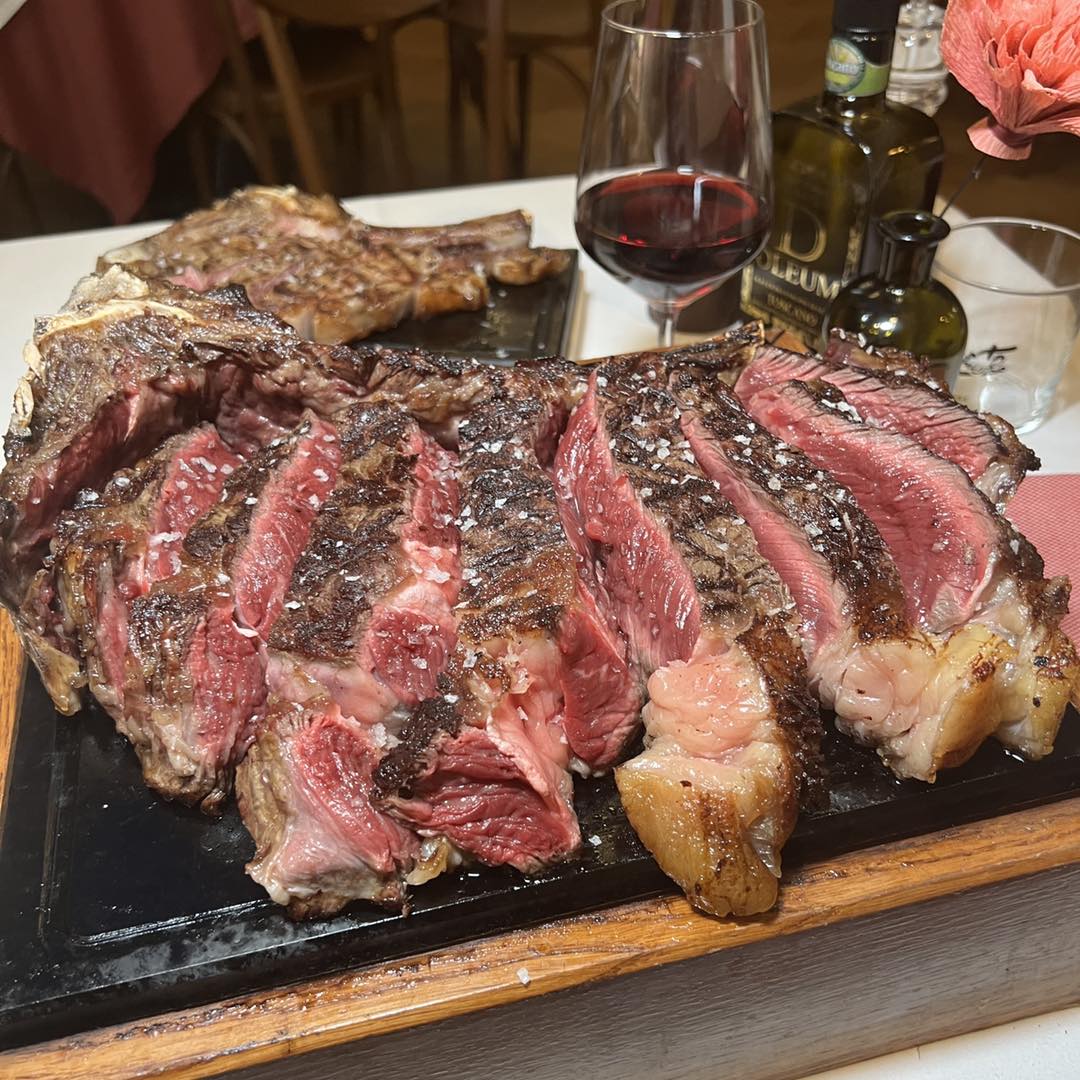
- Mantuan Cuisine — Tortelli di zucca, risotto alla pilota, sbrisolona
- UNESCO World Heritage — Intact Renaissance urban planning and architecture
- Festivaletteratura — Major international literature festival every September
- Day trips — Verona, Lake Garda, and Sabbioneta (Gonzaga's 'ideal city') nearby
Best activities
- Mantua offers an extraordinary concentration of Renaissance art within a compact, walkable city. Spend a morning in Palazzo Ducale exploring the Gonzaga state rooms and Mantegna's Camera degli Sposi frescoes. Walk to Palazzo Te for Giulio Romano's fantastical Room of the Giants. Explore the architectural layers of Piazza delle Erbe — the Astronomical Clock Tower, the Rotonda di San Lorenzo, and the daily food market where vendors sell local pumpkin preserves and Parmesan. Take a boat tour around the three artificial lakes to see the city's skyline from the water, timing it for the lotus flower bloom in July and August. Visit the Basilica di Sant'Andrea for Alberti's revolutionary Renaissance architecture. Sample Mantuan cuisine: tortelli di zucca at a family-run trattoria, sbrisolona with a glass of Lambrusco, and the local mostarda di frutta (candied fruit in mustard syrup). Day trips to Verona (45 min by train) and Lake Garda (1 hour) are easy additions.
Local experiences
- Begin at Piazza delle Erbe's morning market for local cheese, salumi, and pumpkin preserves — the ingredients behind Mantuan cooking. Book a cooking class to learn how to make tortelli di zucca, the city's signature hand-filled pumpkin pasta. Tour Palazzo Ducale early when the Camera degli Sposi is less crowded, then walk through the lakeside gardens. Cross to Palazzo Te in the afternoon for the Room of the Giants — arrive just before closing for a near-private experience. In the evening, order risotto alla pilota and a glass of Lambrusco Mantovano at a trattoria on Piazza delle Erbe. Take a sunset boat ride on the lakes when the city's skyline reflects in still water. On weekends, explore the Sabbioneta excursion — the Gonzaga's 'ideal city,' a UNESCO site 30 km southwest, reachable by bus or car. If visiting in September, the Festivaletteratura transforms the city with readings, talks, and performances in palaces, churches, and piazzas.
Practical tips
- Currency: Euro (€)
- Language: Italian (English at major attractions and hotels; limited elsewhere)
- Getting There: Nearest airports are Verona (VRN, 25 min by car) and Bologna (BLQ, 1 hour). Frequent trains from Verona (45 min), Modena (1 hr), Milan (1.5 hrs), and Rome (3.5 hrs). Train station is a 10-minute walk from the center.
- Parking: Free parking at Campo Canoa across the river with a shuttle to the center. ZTL (restricted traffic zone) in the old town.
- Palazzo Ducale: Book Camera degli Sposi tickets in advance — limited to 1,500 visitors/day.
- Museum Hours: Most museums close on Mondays. Churches close for lunch (roughly 12:30–15:00).
- Food: Try tortelli di zucca, risotto alla pilota, and sbrisolona. Lambrusco Mantovano is the local red wine.
- Festivals: Festivaletteratura (September) is a major literary festival — book hotels early.
- Weather: Pack layers for spring/fall; light clothing and sun protection for summer; warm layers for foggy winters.
Photography tips
- Golden Hour: Mantua's lakeside setting makes sunrise and sunset exceptional. Shoot from Ponte di San Giorgio at dawn for the classic skyline reflection in Lago di Mezzo.
- Iconic Spots:
- Ponte di San Giorgio — cityscape reflected in the lake, best in early morning calm
- Piazza Sordello — wide-angle of the Palazzo Ducale façade and Cathedral
- Piazza delle Erbe — market life, the Clock Tower, and Rotonda di San Lorenzo in one frame
- Palazzo Te exterior — Mannerist details in warm afternoon light
- Lakeside paths — lotus flowers bloom in July–August, creating unique foreground elements
- Interiors: The Camera degli Sposi prohibits flash but allows photography. Use a high ISO and steady hands for Mantegna's frescoes. Palazzo Te's Room of the Giants rewards wide-angle lenses to capture the immersive ceiling.
- Seasonal: Autumn fog creates atmospheric conditions — the city emerging from mist is a compelling subject. Spring brings clear skies and flowering along the lakefront.
- Equipment: Wide-angle (14–24mm) for palace interiors and piazzas. A 70–200mm for architectural details and lakeside wildlife.
Timing
- Peak Season (June–August & September for Festivaletteratura):
- Warmest weather; Festivaletteratura creates a secondary peak in September
- Camera degli Sposi tickets sell faster; book 1–2 weeks ahead
- Hotel rates at their highest during the literature festival
- Shoulder Season (April–May & October):
- Best overall conditions — pleasant weather, moderate crowds, good prices
- Most attractions fully open with shorter queues
- Excellent for photography and dining outdoors
- Off-Season (November–March):
- Lowest prices; foggy, cold atmosphere with genuine local character
- Some minor attractions may have reduced hours
- Ideal for food-focused visits — hearty Mantuan cuisine at its best
- Christmas markets add seasonal charm in December
- Key Events:
- Festivaletteratura: Early September
- Mantua Lotus Bloom: Mid-July to August
- Mantua Film Festival: Late August
- Christmas Markets: December
Keeping it authentic
- Mantua remains remarkably unspoiled by mass tourism despite its UNESCO World Heritage status. The Gonzaga family's 400-year patronage left an extraordinary artistic legacy that rivals Florence and Venice, yet the city receives a fraction of those cities' visitors. Mantuan cuisine has genuine local roots: tortelli di zucca (pumpkin-filled pasta), risotto alla pilota (pork sausage risotto), and sbrisolona (crumbly almond cake) are dishes you'll find on every trattoria menu, made with ingredients from the surrounding Po Valley farms. The three lakes give Mantua an atmosphere entirely unlike other Italian art cities — the water reflections, lotus blooms, and fishing culture create a distinctive identity. The annual Festivaletteratura (Literature Festival) in September draws readers and authors from around the world while maintaining its intimate, intellectual character.
Culture, customs and safety
Cultural heritage
Mantua preserves the cultural legacy of Renaissance court civilization and Italian artistic patronage, where Gonzaga family patronage, Renaissance architectural innovation, and traditional Italian craftsmanship created one of Northern Italy most culturally significant ducal cities. The city maintains traditional Italian artisan workshops while preserving its UNESCO World Heritage Renaissance urban planning and palace architecture that influenced European court culture. Mantua cultural heritage encompasses Renaissance court culture, Italian artistic patronage traditions, traditional craft preservation, and contemporary Italian cultural stewardship that continues to represent the pinnacle of Renaissance cultural achievement and Italian artistic heritage.
Local customs & etiquette
Mantua has a quieter, more reserved character than Italian stereotypes might suggest — Lombard culture values understatement. Greet shopkeepers with ‘Buongiorno’ (morning) or ‘Buonasera’ (afternoon/evening) when entering. Dress modestly when visiting churches — covered shoulders and knees are expected. Lunch is the main meal, typically served 12:30–14:00; many shops and some attractions close for a midday break (riposo) until 15:30 or 16:00. Tipping is not expected, but rounding up or leaving €1–2 is appreciated for good service. The Camera degli Sposi has strict photography rules — flash is prohibited to protect the frescoes. Italian is the primary language; English is spoken at hotels and major attractions but less so in local shops and trattorias.
Safety notes
Mantua is a remarkably safe city with very low crime rates. The compact historic center is well-maintained and feels secure at all hours. Standard precautions apply: keep valuables secured in crowds (market days on Piazza delle Erbe), and be aware of your surroundings near the train station after dark, where the area can feel quieter and less well-lit. Traffic in the pedestrianized center is minimal. The lakeside paths are safe for walking and cycling during daylight. In summer, mosquitoes near the lakes can be persistent — bring repellent. Healthcare facilities are available at the Ospedale Carlo Poma. Emergency: 112.

Travel Style
Activities