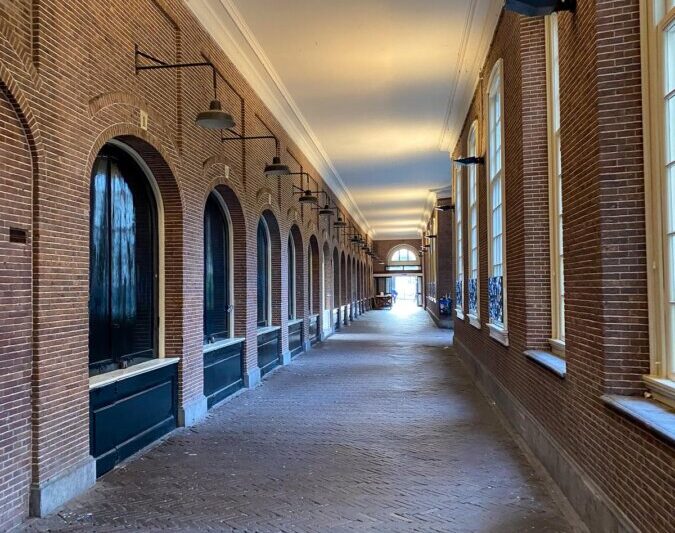
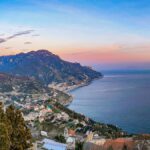
Montalcino, a picturesque hilltop town in Tuscany, is renowned for its stunning landscapes, medieval architecture, and exceptional wine, particularly the famous Brunello di Montalcino. Visitors can explore charming streets, historic sites, and enjoy breathtaking views of the surrounding vineyards and olive groves.
The destination guide
Montalcino
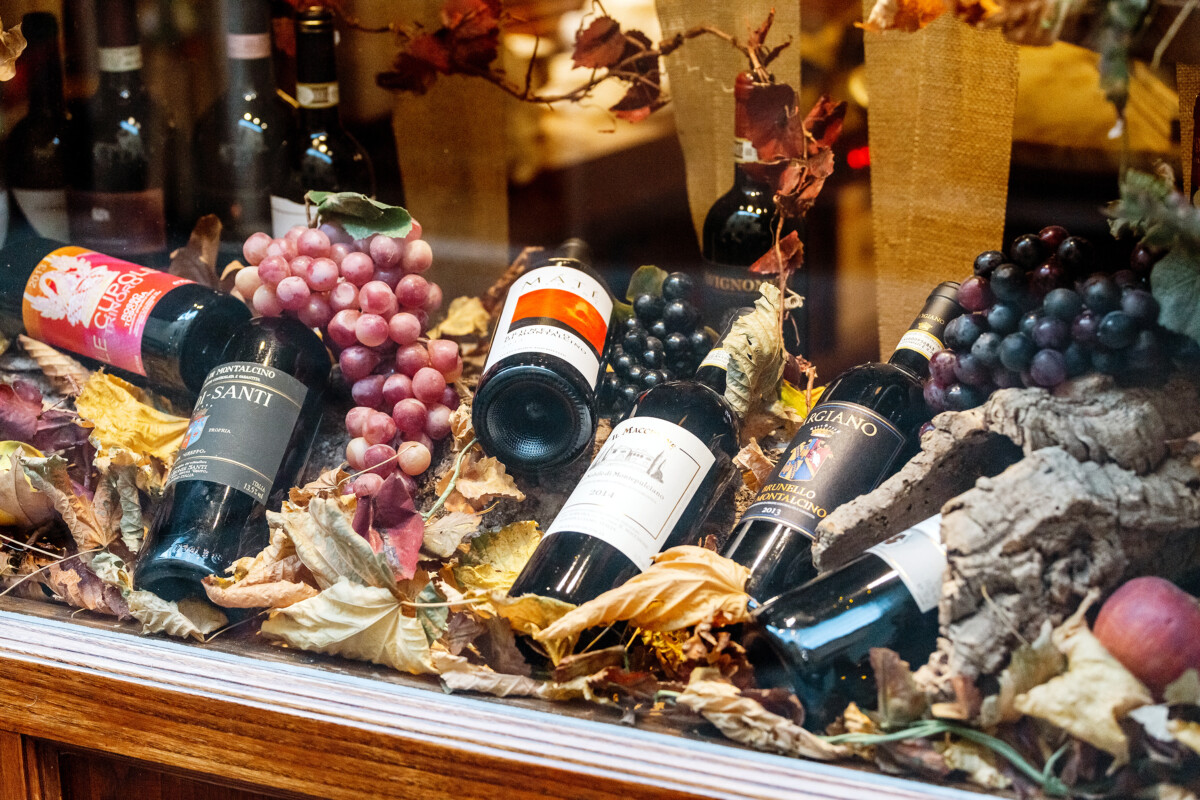
Brunello di Montalcino is reason enough to come. The fortress views over the Val d’Orcia seal the deal.
Travel guides for Montalcino
More guides featuring Montalcino (2)
At a glance
Currency€ EURCode: EUR
Time zoneCentral European Time
Languages
- Italian
Setting
- Tuscan hilltop town
- Vineyard landscapes
- Val d'Orcia valley
- Rolling countryside
Population5,0005,000 residents
VisaDuration: Up to 90 days within any 180-day period in the Schengen Area · Documents: Valid passport issued within the last 10 years and valid for at least 3 months after planned departure, plus proof of accommodation, onward or return travel, and sufficient funds if requested
Daily budget$60–$300 / day Full budget guide →
How Montalcino scores
8/10OverallExcellent
Weather7/10
Value for money7/10
Safety9/10
Food & cuisine9/10
Culture & arts7/10
Cultural experience8/10
Nature & outdoors8/10
Adventure4/10
Nightlife3/10
Shopping4/10
Family friendly5/10
Romance9/10
Editorial scores on a 10-point scale, weighed against destinations of the same kind.
Travel safety snapshot
Overall88/100High rating
Women travellers85/100
LGBTQ+ travellers70/100
Theft86/100
Medical care80/100
Physical harm90/100
Political freedom85/100
SafePlace indicators use their source 100-point scale; higher is more favourable. Planning context, not a live travel advisory — check official government guidance before you go.
When to go
Best months to visit: April, May, June, July, August, September and October.
- January: 1.5 to 8.4 degrees Celsius, 16.2 millimetres of rain, best-time score 2 out of 5.
- February: 0.5 to 9.4 degrees Celsius, 16.4 millimetres of rain, best-time score 2 out of 5.
- March: 3.1 to 12.4 degrees Celsius, 14 millimetres of rain, best-time score 3 out of 5.
- April: 5.8 to 16.1 degrees Celsius, 24.4 millimetres of rain, best-time score 4 out of 5.
- May: 7.7 to 17 degrees Celsius, 59.1 millimetres of rain, best-time score 5 out of 5.
- June: 13.7 to 24.7 degrees Celsius, 18.6 millimetres of rain, best-time score 5 out of 5.
- July: 16.8 to 28.3 degrees Celsius, 24.1 millimetres of rain, best-time score 5 out of 5.
- August: 17.5 to 29.1 degrees Celsius, 9.4 millimetres of rain, best-time score 5 out of 5.
- September: 15 to 25 degrees Celsius, 36 millimetres of rain, best-time score 5 out of 5.
- October: 9.8 to 18.6 degrees Celsius, 56.2 millimetres of rain, best-time score 4 out of 5.
- November: 6.8 to 13.4 degrees Celsius, 47.9 millimetres of rain, best-time score 2 out of 5.
- December: 3.3 to 9.3 degrees Celsius, 38.9 millimetres of rain, best-time score 3 out of 5.
Month-by-month conditions and packing advice
- January
- Cool weather, mostly dry Cold winter weather, few tourists. Crowds: Travelers visiting Montalcino in January will find a distinctly off-season experience, with far fewer tourists compared to the spring and autumn wine harvest periods. While the cool temperatures and subdued landscapes make outdoor vineyard strolls less comfortable, this is the perfect time for unhurried exploration of Brunello wine cellars, trattorias, and historic stone streets without crowds. Accommodation rates are lower, and reservations are easier to secure, though some rural properties may limit services during the quiet season. Cultural life continues with locals frequenting cafes and osterias, offering travelers more authentic interactions. Those seeking Tuscany’s famed rolling hills should expect muted winter tones, but the reward is solitude and a deeper sense of place. January is ideal for travelers prioritizing culture, gastronomy, and photography over vineyard walks or countryside drives. Pack: Warm wool coat for cold mornings and evenings; Layered sweaters and thermal tops; Water-resistant walking shoes for damp streets; Scarf, gloves, and knit hat for added warmth; Smart-casual attire for wine tastings and dinners; Camera with low-light lens for winter landscapes
- February
- Cool weather, mostly dry Chilly and quiet, good for museums. Crowds: February is firmly within Montalcino’s low season, which means far fewer visitors, quieter streets, and easier access to wine estates and restaurants without the usual crowds. Hotel rates are significantly lower, offering good value for those willing to embrace the chill. Outdoor activities like vineyard walks and countryside cycling are less practical due to cold mornings, but wine tastings, truffle-based cuisine, and time spent in cozy enotecas become the highlights of travel. Photographers and cultural explorers benefit from the solitude, as iconic sites like the Fortezza di Montalcino can be experienced without interruption. Advance booking isn’t critical during this month, but travelers should confirm opening hours as some smaller estates and restaurants may have limited schedules in winter. Pack: Insulated jacket for cold mornings and evenings; Layered clothing including sweaters and scarves; Comfortable boots for cobblestone streets; Umbrella or light raincoat for occasional showers; Gloves and hat for early morning walks; Smart casual attire for wine tastings and dining
- March
- Cool weather, mostly dry Beginning to warm up, spring blossoms. Crowds: March is considered shoulder season in Montalcino, with cooler conditions that keep visitor numbers low and accommodation prices more favorable. While it’s not yet warm enough for extended vineyard strolls or al fresco meals, it is excellent for cultural exploration, wine tastings in Brunello cellars, and uncrowded visits to historic churches and fortresses. The cool weather may limit time spent outdoors but rewards travelers with peaceful landscapes and greater interaction with local residents. Advance booking is less critical than in summer, but boutique stays and winery tours may still require reservations, especially on weekends. For those seeking authenticity over crowds, this is an ideal moment to visit. Pack: Warm layers for cool mornings and evenings; A medium-weight jacket or coat for outdoor walks; Comfortable walking shoes suitable for cobbled streets; Scarf and gloves for early morning chill; Smart casual attire for winery visits; Umbrella or light rain jacket for occasional showers
- April
- Cool weather, mostly dry Pleasant spring weather, great for walking. Crowds: April marks the start of the shoulder season in Montalcino, offering a sweet spot between the quiet winter months and the busier summer surge. Mild weather is perfect for walking tours of the historic center, visiting wineries, and enjoying the surrounding countryside without the heavy tourist crowds. Prices for accommodations and tours are still moderate compared to high summer, and reservations are easier to secure. Outdoor activities such as hiking, cycling, and vineyard visits are enjoyable thanks to the cooler temperatures. Light rain showers may occasionally disrupt plans, but they are typically short-lived. For travelers, this period combines excellent cultural immersion with manageable crowds, making it one of the most rewarding times to visit Tuscany. Pack: Light sweater or cardigan for cool evenings; Comfortable walking shoes for cobblestone streets; Light waterproof jacket for occasional showers; Smart-casual attire suitable for wine tastings; Scarf or wrap for added warmth in the mornings; Daypack for carrying water, snacks, and layers
- May
- Cool weather, some rain Excellent weather before the summer crowds. Crowds: May represents the beginning of the tourist upswing in Tuscany, as spring weather provides favorable conditions without the intensity of summer crowds. Travelers benefit from relatively lower hotel rates compared to peak season in June through August, though early booking is recommended for vineyard tours and accommodations. Outdoor activities such as wine tastings, countryside walks, and cultural festivals are highly enjoyable, with mild afternoons ideal for exploration. Rain showers may briefly interrupt plans, but they rarely dominate the day and often leave behind fresh, clear skies. For those seeking an authentic Tuscan experience with comfortable weather, lively but not overwhelming crowds, and accessible pricing, May offers one of the most balanced months to visit. Pack: Light waterproof jacket for passing showers; Layered clothing for cool mornings and mild afternoons; Sturdy walking shoes for vineyard and hilltown exploration; Compact umbrella for unpredictable rain; Smart casual attire for wine tastings and trattoria dining; Light scarf or wrap for cooler evenings
- June
- Warm and pleasant, mostly dry Warm, sunny, and lively. Crowds: June marks the beginning of the high tourist season in Montalcino, with weather conditions nearly ideal for wine tours, hiking, and cultural events. The warm, mostly dry climate supports long days of exploration, but it also attracts more visitors, meaning popular wineries and local accommodations book quickly and prices trend higher than in spring. While crowd levels rise, they remain less intense than the peak months of July and August, giving June a sweet spot between accessibility and atmosphere. Travelers can expect bustling village squares and increased availability of seasonal festivals, making it a lively time to visit. Advance reservations for tastings and stays are strongly recommended to secure the best options. Pack: Light cotton shirts and blouses for warm daytime conditions; A light jacket or wrap for cooler evenings; Comfortable walking shoes for cobblestone streets and vineyard paths; Sunglasses and a broad-brimmed hat for sun protection; Smart casual attire suitable for winery visits and dining; Compact umbrella or light rain jacket for occasional showers
- July
- Warm and pleasant, mostly dry Peak summer heat and peak tourist season. Crowds: July represents peak summer travel season in Tuscany, drawing visitors to Montalcino for vineyard tours, medieval festivals, and long days outdoors. Conditions favor walking tours, winery visits, and countryside drives, though midday heat makes early morning and evening the best times for active exploration. As one of the busiest months, expect higher accommodation rates and fuller piazzas as both international travelers and Italians on holiday arrive. While the dry weather guarantees minimal disruption, shade and hydration become essential. Advance booking for wine estates, restaurants, and guided tours is highly recommended, as demand often exceeds availability during the height of summer. Pack: Lightweight linen or cotton clothing for daytime heat; Sunhat and polarized sunglasses for strong Tuscan sun; Refillable water bottle to stay hydrated during vineyard walks; Light jacket or shawl for cooler evenings in the hills; Comfortable walking sandals or breathable sneakers; Smart-casual outfit suitable for winery visits and dinners
- August
- Warm and pleasant, mostly dry Very warm, many festivals and outdoor dining. Crowds: August is one of Montalcino’s busiest months, coinciding with Italy’s national holiday season. Warm, dry weather makes it excellent for vineyard tours, countryside hikes, and al fresco dining in town squares. However, this is also peak tourist season, so expect higher accommodation rates and crowded tasting rooms. Daytime heat can make midday excursions tiring, so early mornings and evenings are the most pleasant times for exploring. Cultural festivals and outdoor concerts often take place during August, adding vibrancy but also drawing in more visitors. Travelers seeking quieter experiences should book well in advance or plan excursions to nearby villages during the peak of the day. Despite higher costs, this period offers the fullest immersion into Tuscan summer life and its celebratory atmosphere. Pack: Breathable linen or cotton outfits for daytime warmth; Wide-brimmed sunhat and SPF 50+ sunscreen; Comfortable walking sandals for cobblestone streets; Light evening jacket for cooler nights; Reusable water bottle to stay hydrated in the heat; Smart-casual attire for vineyard visits and evening dining
- September
- Warm and pleasant, some rain Perfect shoulder season with great weather. Crowds: September marks one of the most rewarding times to visit Montalcino, coinciding with the grape harvest that defines the region’s cultural identity. Visitors will find wineries at their most active, with opportunities for tastings, vineyard tours, and food pairings tied directly to the harvest. Weather conditions are nearly perfect for long walks through town and countryside, with minimal disruption from rain. However, this also aligns with Tuscany’s secondary high season, when crowds swell with enotourists and prices for accommodation and tours rise accordingly. Booking well in advance is recommended, particularly for wine estate visits and guided tours. Outdoor activities, from hiking the rolling hills to attending harvest festivals, are at their best, though availability can be limited due to demand. Pack: Breathable linen or cotton shirts for daytime comfort; Light jacket or cardigan for cool evenings; Comfortable walking shoes suitable for cobblestone streets; Compact travel umbrella for occasional showers; Neutral-toned modest clothing for church visits; Daypack for carrying water, camera, and wine purchases
- October
- Cool weather, some rain Crisp autumn air and beautiful colors. Crowds: October is shoulder season in Montalcino, offering a balanced mix of cultural richness and manageable tourism levels. The grape harvest makes this one of the most atmospheric times to visit, though accommodations in and around vineyards may book quickly due to enotourism demand. Temperatures are cool but not cold, creating perfect conditions for wine tasting, countryside walks, and photography tours. Unlike the busy summer, crowd levels are moderate, and pricing for lodging and dining is often more favorable. Occasional rain showers are unlikely to disrupt plans significantly, though carrying an umbrella is wise. Visitors benefit from quieter village streets and more personal encounters with winemakers and locals, making October an excellent choice for travelers who value authenticity over peak-season bustle. Pack: Layered clothing including sweaters and light jackets for cool evenings; Comfortable walking shoes suitable for cobblestone streets and vineyard terrain; Compact umbrella or light rain jacket for passing showers; Scarf or shawl for added warmth in breezy hilltop areas; Smart-casual attire for wine tastings and restaurant dining; Camera with polarizing filter for capturing autumnal landscapes
- November
- Cool weather, some rain Cooling down rapidly, often rainy. Crowds: November represents the shoulder-to-low season in Montalcino, where the cooler weather and occasional rain reduce the volume of international tourists. This period offers a quieter, more intimate travel experience at reduced accommodation rates compared to the harvest season. While some smaller establishments may shorten hours, cultural immersion feels more authentic without the bustle of high season crowds. The conditions are not ideal for extended outdoor hikes, but they are excellent for wine tastings, truffle hunts, and exploring historical sites without queues. Photographers and cultural travelers benefit from the moody autumnal ambiance, though daylight hours are limited, making earlier starts more practical. Booking flexibility is higher, but planning indoor activities is recommended in case of rainy spells. Pack: Waterproof jacket with hood for light rain; Sturdy walking shoes with good grip for damp streets; Warm sweater or fleece for cooler evenings; Compact umbrella for passing showers; Scarf and gloves for morning and night chill; Smart-casual attire for winery visits and local dining
- December
- Cool weather, some rain Cold but festive holiday atmosphere. Crowds: Traveling to Montalcino in December offers a quieter, contemplative experience far removed from the summer crowds. This period falls in Tuscany’s low tourist season, meaning fewer visitors, relaxed pacing, and more affordable accommodations. Some smaller wineries and restaurants may reduce hours, but those that remain open often host fireside tastings and holiday-themed events. The weather, cool and occasionally wet, makes outdoor vineyard walks briefer, but indoor activities—wine cellars, museums, and trattorias—are particularly inviting. Expect subdued yet atmospheric travel conditions, perfect for those seeking cultural immersion rather than festival bustle. Advance booking is less critical, but checking holiday closures is advisable. Pack: Insulated jacket for cold mornings and evenings; Water-resistant walking shoes for damp cobblestones; Layered sweaters and thermal tops; Umbrella or compact rain jacket for showers; Smart-casual attire for wine tastings and fine dining; Scarf and gloves for added warmth outdoors
Peak season
- June
- July
- August
Off-peak
- November
- December
- January
- February
Know before you go
About
Montalcino, a hilltop comune in Tuscany’s Province of Siena, is one of Italy’s most celebrated wine towns, renowned worldwide as the home of Brunello di Montalcino—a powerful, age-worthy red made from Sangiovese. Perched at about 567 m in the Val d’Orcia, a UNESCO World Heritage landscape of rolling farmland and cypress-lined roads, the comune of roughly 5,500 residents has been settled since Etruscan times and is crowned by a well-preserved 14th-century fortress. From its walls, visitors take in sweeping views over vineyards and olive groves that stretch toward Siena, about 42 km to the northeast. Wine tasting is the main draw, with cellars in town and estates across the surrounding hills pouring Brunello and the younger Rosso di Montalcino, but the abbey of Sant’Antimo, medieval lanes, and Tuscan cuisine give travelers ample reason to linger. Montalcino makes an ideal base for exploring the Val d’Orcia and nearby Pienza and Montepulciano.
Neighbourhoods
Centro Storico, surrounding vineyards
Best time to visit
April through October for warm Tuscan weather. September-October for grape harvest season and truffle festivals. July-August are hot and crowded.
Season by season
Spring (April-May):
Weather: 15-20°C, green
Highlights: Wildflowers, lush vineyards
Best For: Hiking to the Abbey
Summer (June-Aug):
Weather: 25-35°C, hot/dry
Highlights: Jazz & Wine Festival (July)
Best For: Pool time, late dinners
Fall (Sept-Oct):
Weather: 15-25°C, golden
Highlights: Grape Harvest (Vendemmia)
Best For: Wine tours (action in the cellars)
Winter (Nov-March):
Weather: 5-10°C, quiet
Highlights: Benvenuto Brunello (Feb – new vintage release)
Best For: Serious wine buyers, deals
Crowds
Montalcino peaks during summer and harvest weeks (July–October) and during Brunello wine events; quietest in winter (December–February) aside from Christmas, with generally moderate crowds concentrated at wineries and town center in season.
Getting there and around
Getting there
Montalcino requires car rental as the best transportation option. Located 40km south of Siena, accessible via Via Cassia/SS2 (45-minute drive). No train stations in Montalcino – public buses available but require multiple transfers and extended travel time (1+ hours from major cities). No Uber/Lyft service in rural Tuscany. Parking available at Parcheggio Porta Cerbaia and other lots outside historic center. Essential for visiting 240+ surrounding Brunello wineries. Driving strongly recommended for wine tourism and exploring Val d’Orcia region.
Getting around
Getting around Montalcino is best done on foot due to its compact medieval layout and narrow, winding streets that are largely closed to through traffic—perfect for exploring its historic center, artisan shops, and wine bars at a leisurely pace. Public transportation is limited to a few local and regional bus services operated by Tiemme, with infrequent schedules and minimal coverage within the town itself, so it’s not reliable for intra-town movement. Taxis are scarce and typically need to be booked in advance through local services, while rideshare apps like Uber and Lyft do not operate in this rural area of Tuscany. For more flexibility, consider renting a car if you’re planning excursions to nearby vineyards or hill towns, but keep in mind that parking inside Montalcino is restricted—look for designated lots just outside the city walls.
Top experiences in Montalcino
Fortezza di Montalcino
A massive 14th-century fortress that has never been conquered. Visitors can climb the ramparts for spectacular views of the Tuscan countryside—cypress trees, rolling hills, and vineyards as far as the eye can see. Inside, there is a wine shop (Enoteca la Fortezza) where you can taste Brunello right in the castle courtyard.
Abbey of Sant'Antimo
A stunning Romanesque abbey located in a valley below Montalcino. Legend says it was founded by Charlemagne. The alabaster stone glows in the sunlight. If you time it right, you can hear the monks chanting Gregorian hymns. The walk from the town to the abbey through the vineyards is magical.
Brunello Wine Tasting
Montalcino is the home of Brunello, one of Italy’s most prestigious wines (100% Sangiovese Grosso). There are over 200 wineries. Visiting historic estates like Biondi-Santi (who invented the wine) or modern producers like Casanova di Neri is the primary activity here. Tastings often include local pecorino cheese.
Palazzo dei Priori
The town hall in the main square (Piazza del Popolo). It dates back to the 13th century and features a tall, skinny clock tower that defines the town’s silhouette. The loggia nearby is a great spot to sit and people-watch.
Val d'Orcia Scenic Drive
Montalcino sits in the heart of the Val d’Orcia, possibly the most photographed landscape in the world. Driving the winding roads towards Pienza or San Quirico d’Orcia offers views of the cypress-lined avenues and golden wheat fields that inspired Renaissance painters.
Editor-curated picks carried over from our original guide. Where a full place guide exists, the card links to it.
Worth booking ahead in Montalcino
Hand-picked from the operators our guides already send readers to. Prices and availability are live on the partner site.
Guided tourGetYourGuide
Colosseum, Forum and Palatine Hill small-group tour (opens GetYourGuide in a new tab)
Small group with the Forum and Palatine Hill included; the standard Colosseum visit done properly.
Where to stayBooking.com
Stays in Montalcino (opens Booking.com in a new tab)
Live rates and availability for Montalcino on Booking.com; filter by neighbourhood once you know where your days start.
We earn a commission if you book through these links, at no extra cost to you. It is how we keep the guides free and independent.
Where to stay
Castello di Velona Resort
Strada Provinciale della Badia di Sant'Antimo, 53024 Montalcino, Italy
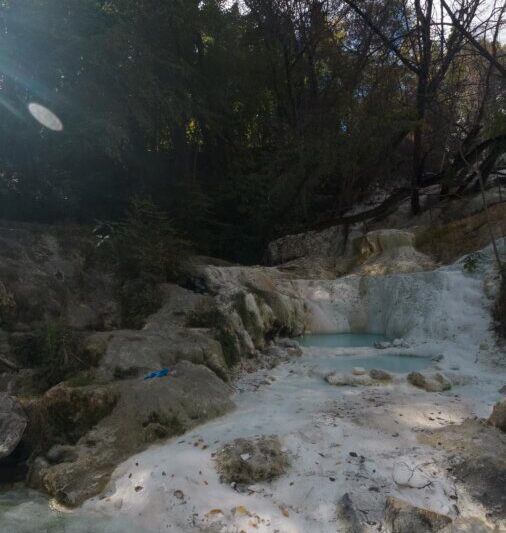
A restored 11th-century castle turned 5-star resort. It sits on a hill overlooking the Val d’Orcia (UNESCO site) and features its own thermal hot springs. The pools are fed by the volcanic waters. Dinner is served on a panoramic terrace under the stars. It combines medieval history with thermal wellness.
Rosewood Castiglion del Bosco
Località Castiglion del Bosco, 53024 Montalcino, Italy
Founded by Massimo Ferragamo, this 5,000-acre estate is one of the most exclusive resorts in Italy. It features restored farmhouses, a private golf course, and a winery. The borgo (village) center houses the suites. It defines rustic ultra-luxury, offering truffle hunting and cooking classes in complete privacy.
Castello Banfi – Il Borgo
Castello di Poggio alle Mura, 53024 Montalcino, Italy
The Banfi family put Brunello on the world map. Staying in the borgo hamlet attached to their castle is a wine lover’s dream. The rooms are elegant country-style. Guests have exclusive access to the reading room and pergola garden. The estate produces world-class wines which are matched at the Michelin-starred restaurant.
Editor-curated stays carried over from our original guide. Where we have reviewed the hotel, the card links to the review.
Tips from the field
Highlights
- Brunello di Montalcino – The Wine
- The Fortress – Views & tasting
- Sant'Antimo Abbey – Chants
- Val d'Orcia – UNESCO landscape
- Pienza – Cheese town nearby
- Bagno Vignoni – Thermal baths
- Biondi-Santi – Historic winery
- Jazz & Wine Festival – Summer event
Best activities
- Drink wine. Seriously. Do a vertical tasting of Brunello Riservas. Walk the ancient pilgrimage route (Via Francigena) segments nearby. Eat 'Pici' pasta (thick hand-rolled spaghetti) with wild boar ragu. Rent a vintage Fiat 500 and drive the backroads of the Val d'Orcia. Visit the weekly Friday market to buy porchetta.
Photography tips
- Golden Hour: Sunset from the Fortress walls looking towards Monte Amiata.
- Iconic Shots:
- The Cypress circle near San Quirico (nearby).
- The Abbey of Sant'Antimo surrounded by olive trees.
- A glass of Brunello with the fortress in the background.
- The winding 'cipressi' roads.
- Technique: Use a polarizer to pop the green/gold of the hills against the sky. Early morning mist in the valleys is prized by photographers.
Timing
- Peak Season (May-Oct):
- Busy, expensive
- Harvest (Sept-Oct):
- Best vibe, busy
- Low Season (Nov-March):
- Many restaurants close for holidays in Jan/Feb
- Quiet, authentic feel
Keeping it authentic
- Montalcino is wealthy due to wine, but retains a medieval grit. It is separated into 'contrade' (neighborhoods) like Siena, and they have intense rivalries, culminating in an archery tournament (Sagra del Tordo) in October. It attracts high-end tourists but the farmers are still working the land.
Culture, customs and safety
Cultural heritage
Montalcino preserves the cultural excellence of Tuscan wine civilization and medieval Italian hill town heritage, where Brunello wine production, traditional Tuscan agriculture, and Renaissance urban planning created one of Italy most prestigious wine cultural centers. The town maintains traditional Italian winemaking practices while preserving medieval architecture and artisan traditions that define authentic Tuscan cultural identity. Montalcino cultural heritage encompasses traditional Tuscan viticulture, medieval Italian urban planning, Renaissance agricultural practices, and contemporary Italian wine excellence that continues to influence global wine culture and Italian regional cultural identity.
Local customs & etiquette
Montalcino embraces traditional Tuscan hospitality centered around wine culture and family-owned estates. Brunello wine tasting follows formal protocols – visitors should appreciate the craftsmanship of DOCG wines aged 5+ years. Family-owned, multi-generational wineries welcome respectful guests interested in learning terroir and production methods. Wine purchases typically in 6-bottle increments for international shipping. Italian meal traditions observed – lunch 12:30-2:30 PM, dinner after 8 PM. Greetings (“Buongiorno/Buonasera”) are important. Respect for local artisanal products including honey, olive oil, and charcuterie. Festival periods (July Jazz & Wine Festival) showcase community celebration traditions.

Travel Style
Activities