Puglia, located in the heel of Italy’s boot, is renowned for its stunning coastline, charming towns, and rich culinary traditions. From the white-washed buildings of Ostuni to the unique trulli of Alberobello, this region offers a blend of history, culture, and breathtaking landscapes. Puglia is also famous for its olive oil and wines, making it a culinary paradise.
The destination guide
Puglia
Alberobello’s trulli look like a film set, but stay overnight and the town actually empties out — that’s when it gets interesting.
Travel guides for Puglia
More guides featuring Puglia (3)
At a glance
Currency€ EURCode: EUR
Time zoneCentral European Time
Languages
- Italian
Setting
- Olive groves
- Limestone trulli houses
- Rocky coastline
- Agricultural plains
Known for
- Food & Wine
- Architecture
- Coastal Scenery
- Road Trips
- Romance.
Population4M4,042,440 residents
VisaDuration: Up to 90 days within any 180-day period in the Schengen Area · Documents: Valid passport issued within the last 10 years and valid for at least 3 months after planned departure, plus proof of accommodation, onward or return travel, and sufficient funds if requested
How Puglia scores
9/10OverallExcellent
Weather9/10
Value for money7/10
Food & cuisine9/10
Culture & arts7/10
Cultural experience9/10
Nature & outdoors8/10
Adventure4/10
Nightlife5/10
Shopping6/10
Family friendly5/10
Romance8/10
Editorial scores on a 10-point scale, weighed against destinations of the same kind.
Travel safety snapshot
Overall80/100High rating
Women travellers78/100
LGBTQ+ travellers68/100
Theft65/100
Medical care78/100
Physical harm82/100
Political freedom80/100
SafePlace indicators use their source 100-point scale; higher is more favourable. Planning context, not a live travel advisory — check official government guidance before you go.
When to go
Best months to visit: April, May, June, July, August, September and October.
- January: 1.3 to 8 degrees Celsius, 11.7 millimetres of rain, best-time score 2 out of 5.
- February: 23.7 millimetres of rain, best-time score 2 out of 5.
- March: 2.1 to 11.6 degrees Celsius, 8.6 millimetres of rain, best-time score 3 out of 5.
- April: 5.6 to 14.9 degrees Celsius, 24.3 millimetres of rain, best-time score 5 out of 5.
- May: 8.9 to 18 degrees Celsius, 51.4 millimetres of rain, best-time score 5 out of 5.
- June: 13.9 to 24.6 degrees Celsius, 64.8 millimetres of rain, best-time score 5 out of 5.
- July: 17.1 to 28.9 degrees Celsius, 23.7 millimetres of rain, best-time score 4 out of 5.
- August: 17.8 to 29.7 degrees Celsius, 12.2 millimetres of rain, best-time score 4 out of 5.
- September: 14.8 to 25.1 degrees Celsius, 7 millimetres of rain, best-time score 5 out of 5.
- October: 10.6 to 18.8 degrees Celsius, 29.1 millimetres of rain, best-time score 5 out of 5.
- November: 6.8 to 13.9 degrees Celsius, 28.6 millimetres of rain, best-time score 3 out of 5.
- December: 2.9 to 9.2 degrees Celsius, 37.9 millimetres of rain, best-time score 2 out of 5.
Month-by-month conditions and packing advice
- January
- Cold weather, mostly dry January in Puglia: winter weather and reduced coastal services make the trip less balanced. Crowds: Travel to Puglia in January offers a starkly different rhythm than its bustling summer months. This is low tourist season, meaning accommodations are more affordable, sites are uncrowded, and you can engage with local life without the filter of mass tourism. The cold and damp conditions may limit long outdoor explorations, yet they create the perfect excuse to linger indoors at museums, wine cellars, and traditional restaurants. Coastal walks remain possible, but dress warmly against the brisk sea air. Festivals are sparse, but small-town Epiphany celebrations reveal intimate traditions. Visitors benefit from lower prices and greater authenticity, though expect some seasonal closures in resort towns and limited ferry or tour operations. For travelers prioritizing culture over beach-going, January represents an underrated opportunity for deeper connection with Puglia. Pack: Warm coat suitable for cold Mediterranean winters; Water-resistant shoes for damp streets; Wool scarf, gloves, and hat for chilly mornings; Layered clothing including sweaters and thermals; Smart casual attire for dining in trattorias; Compact umbrella for occasional light rain
- February
- Cold weather, mostly dry February in Puglia: winter weather and reduced coastal services make the trip less balanced. Crowds: Traveling to Puglia in February means stepping into the region’s low tourist season, a time when international visitors are rare and local life moves at a slower pace. The chilly weather discourages coastal activities, but it provides a unique opportunity to enjoy cultural landmarks, rustic trattorias, and small-town festivals without crowds. Prices for accommodation and dining are significantly lower compared to spring and summer, making this an excellent budget-friendly window. While beaches remain quiet, historic towns such as Lecce, Alberobello, and Ostuni offer uninterrupted exploration and a strong sense of place. The cold temperatures may limit time outdoors, but the intimate atmosphere of winter markets, regional wines, and hearty Pugliese cuisine compensate for it. Advance booking isn’t necessary, giving flexibility for spontaneous travel within the region. Pack: Insulated jacket for cold daytime and evening temperatures; Warm scarf, gloves, and hat to cut the chill from coastal winds; Layered clothing including sweaters and thermal tops; Comfortable waterproof walking shoes for cobbled streets; Modest attire suitable for church and historic site visits; Compact umbrella for occasional showers
- March
- Cool weather, mostly dry March in Puglia: cooler transition months narrow swimming and outdoor dining. Crowds: March is part of Puglia’s low tourist season, which means fewer crowds at UNESCO sites like Castel del Monte and Alberobello. Accommodation rates remain favorable, and restaurants are more relaxed compared to the summer crush. While beach days are still far off, the cool temperatures make city walks in Bari, Lecce, or Ostuni comfortable. Some smaller coastal businesses may still be closed in anticipation of the Easter holidays, but cultural attractions and inland agriturismos welcome visitors. Travelers who prefer quieter experiences will find this an excellent time to visit, though planning around limited seasonal transport schedules is wise. Pack: Warm layers including a medium-weight jacket; Comfortable closed-toe walking shoes; Scarf and gloves for chilly mornings; Umbrella or light rain jacket for occasional showers; Smart casual clothing for dining and cultural sites; Camera gear for capturing early spring landscapes
- April
- Cool weather, mostly dry April in Puglia: beaches, whitewashed towns, countryside drives, food, trulli, and coastal walks balance warmth with fewer peak crowds. Crowds: April marks the beginning of Puglia’s spring shoulder season, when cooler weather mixes with the first signs of warmth. This creates excellent conditions for cultural touring, city walks, and food-focused excursions, though it may still feel brisk along the coast. Crowds remain low compared to the peak summer months, making it an ideal time for travelers who prefer tranquility and lower accommodation prices. Outdoor activities such as cycling through the Valle d’Itria or exploring coastal trails are comfortable, though beachgoing is premature for most visitors. Seasonal festivals celebrating Easter and regional cuisine begin to emerge, offering authentic cultural experiences without the bustle of peak tourism. Booking flexibility remains high, with easier access to boutique stays and agriturismi. Pack: Light jacket or windbreaker for cool breezes; Layered clothing to adjust for day-night variation; Comfortable walking shoes for cobblestone towns; Compact umbrella or rain jacket for spring showers; Scarf or shawl for churches and cooler evenings; Reusable water bottle for long days exploring
- May
- Cool weather, some rain May in Puglia: beaches, whitewashed towns, countryside drives, food, trulli, and coastal walks balance warmth with fewer peak crowds. Crowds: May offers one of the best times to explore Puglia before the high-summer crowds arrive. Tourist numbers remain moderate, allowing visitors to enjoy cultural sites, vineyards, and coastal villages with greater ease and slightly lower accommodation rates than peak season. The mild temperatures are ideal for cycling through olive groves, visiting UNESCO-listed towns, or tasting wines during countryside tours. Occasional showers may briefly delay outdoor plans, but they rarely overshadow the experience. Beaches begin to open, though the sea may still feel cool for extended swims. For travelers looking to balance affordability, authentic encounters, and comfortable weather, May is a sweet spot—early bookings are recommended to secure charming stays before prices rise in June. Pack: Light jacket or sweater for cooler evenings; Compact travel umbrella for spring showers; Comfortable walking shoes for cobblestone streets; Breathable cotton shirts for daytime exploring; Modest clothing for churches and religious sites; Daypack for carrying water and market finds
- June
- Warm and pleasant, some rain June in Puglia: beaches, whitewashed towns, countryside drives, food, trulli, and coastal walks balance warmth with fewer peak crowds. Crowds: June is one of Puglia’s most attractive months for travel, balancing pleasant weather with growing seasonal vibrancy. This period marks the beginning of the high season, so popular towns such as Alberobello and Polignano a Mare see rising visitor numbers, though not yet at July–August peaks. Accommodation prices trend upward but remain more accessible than midsummer rates, making it a sweet spot for budget-conscious travelers seeking comfort. Beaches begin to fill, and cultural calendars offer open-air concerts and food festivals tied to the summer season. Rain showers are brief and rarely disruptive, allowing most activities to proceed uninterrupted. This is an ideal time for cycling through olive groves, wine tours, and enjoying coastal drives with less traffic than later in the season. Travelers should book accommodations early, particularly in coastal areas, to secure good value during this shoulder peak. Pack: Breathable cotton or linen clothing for warm days; Light jacket or sweater for cooler evenings; Comfortable sandals or walking shoes for village exploration; Compact umbrella or light rain jacket for passing showers; Sunhat and high-SPF sunscreen for coastal outings; Smart-casual attire for dining and local festivals
- July
- Warm and pleasant, mostly dry July in Puglia: peak summer can work for beaches with heat and crowds planned around. Crowds: July represents peak tourist season in Puglia, coinciding with Italian summer holidays and international arrivals. Beaches and coastal towns become lively, with crowds at popular swimming spots and historic centers like Lecce and Alberobello. Prices for accommodation and flights rise significantly, and advance booking is strongly recommended. The weather is excellent for beach-going, boat excursions, and late-night festivals, though the midday heat can limit intensive sightseeing. Early mornings and evenings are the best times for exploring inland towns or cycling through the countryside. While crowds can be heavy in tourist hot spots, quieter rural areas still offer pockets of calm. Visitors should expect vibrant local festivals, high energy in piazzas, and long, convivial evenings of outdoor dining. For those seeking both cultural vibrancy and perfect beach conditions, July is ideal—though not for travelers who dislike heat or busy atmospheres. Pack: Light cotton or linen clothing for hot days; Wide-brimmed hat and high-SPF sunscreen; Comfortable sandals for cobblestone streets; Swimwear for beaches and coastal caves; Reusable water bottle to stay hydrated; Light shawl or cover-up for churches and religious sites
- August
- Warm and pleasant, mostly dry August in Puglia: peak summer can work for beaches with heat and crowds planned around. Crowds: August represents the height of the tourist season in Puglia, with warm, dry weather drawing both Italians and international visitors. Beaches are lively and sometimes crowded, particularly around Ferragosto (August 15), a major Italian holiday when locals flock to the coast. Accommodation prices reach their annual peak, and early booking is essential for both seaside resorts and agriturismo stays. The conditions are perfect for beach holidays, sailing, and vineyard visits, though mid-afternoon heat may limit extended inland exploration. Cultural festivals and evening markets flourish during this period, offering rich experiences once the sun sets. Travelers seeking a quieter pace may prefer early mornings for city walks or late afternoons for exploring historical towns, when crowds thin and temperatures ease. Pack: Light linen or cotton clothing for daytime heat; Swimwear and beach essentials for coastal outings; Wide-brimmed hat and high-SPF sunscreen; Comfortable sandals and sturdy walking shoes; Light jacket or shawl for cooler evenings outdoors; Modest attire for visiting churches and sacred sites
- September
- Warm and pleasant, mostly dry September in Puglia: beaches, whitewashed towns, countryside drives, food, trulli, and coastal walks balance warmth with fewer peak crowds. Crowds: September is one of Puglia’s shoulder-season gems, offering excellent weather with far fewer crowds compared to the peak summer months. While coastal resorts remain lively, beaches are less congested and easier to enjoy. This is also harvest season, so visitors will encounter food and wine festivals tied to the grape and olive harvests, creating unique cultural opportunities. Prices begin to ease from their August highs, though popular agriturismi and boutique stays still book quickly. Conditions are ideal for cycling tours, countryside drives, and exploring UNESCO sites like Alberobello without the summer intensity. Outdoor dining, cultural events, and mild evenings extend the tourist day, but travelers should secure accommodations early as local festivals attract regional visitors. Pack: Breathable linen and cotton outfits for warm afternoons; Light jacket or shawl for cooler evenings; Comfortable sandals and walking shoes for cobblestone streets; Sunhat and SPF 30+ sunscreen for midday sun; Smart-casual attire suitable for wine tastings and countryside dinners; Lightweight rain jacket in case of brief showers
- October
- Cool weather, some rain October in Puglia: beaches, whitewashed towns, countryside drives, food, trulli, and coastal walks balance warmth with fewer peak crowds. Crowds: October is part of Puglia’s shoulder season, bringing fewer tourists than summer yet still favorable conditions for exploration. Travelers benefit from lower accommodation prices, quieter streets, and easier reservations at popular restaurants. While beach tourism winds down, this is prime time for wine and olive oil tastings, food festivals, and countryside tours. Some outdoor activities like cycling and hiking are especially pleasant in the mild temperatures. Rainfall is occasional but rarely disruptive, so flexibility in planning ensures a rewarding trip. Cultural experiences outweigh summer leisure activities, with locals shifting their focus to harvest traditions. Advance booking is less urgent, though boutique stays in rural areas may still require reservations. Pack: Light waterproof jacket for occasional rain; Comfortable closed-toe shoes for cobblestone towns; Warm sweater for cooler evenings; Compact umbrella for sudden showers; Scarf or shawl for layering and modesty in churches; Daypack for carrying festival finds and market goods
- November
- Cool weather, some rain November in Puglia: cooler transition months narrow swimming and outdoor dining. Crowds: Travelers visiting Puglia in November will find the region firmly in its off-season. With cooler temperatures and a chance of showers, outdoor activities shift from seaside relaxation to cultural exploration. This is a shoulder-to-low season for tourism, which means smaller crowds at UNESCO-listed sites and lower accommodation rates compared to the summer peak. Restaurants and wineries remain open, often featuring seasonal menus highlighting truffles, chestnuts, and new olive oil harvests. However, some coastal resorts and beach clubs may already be closed for the season, limiting seaside amenities. This timing is ideal for visitors who prioritize authenticity, food, and local festivals over sunbathing. Advance bookings for accommodations are less urgent, but travelers should prepare for shorter daylight hours that can impact sightseeing schedules. Pack: Waterproof jacket or compact umbrella for autumn showers; Layered clothing for temperature shifts between day and night; Comfortable waterproof walking shoes for cobblestones and wet streets; Warm sweater or fleece for cool evenings; Modest attire for visiting churches and religious sites; Scarf or shawl for added warmth and cultural appropriateness
- December
- Cool weather, some rain December in Puglia: winter weather and reduced coastal services make the trip less balanced. Crowds: December marks the off-season in Puglia, when tourism is minimal and prices for accommodation and flights are at their most affordable. The cool and damp weather reduces opportunities for beach activities, but it opens the door to cultural discovery, from Roman ruins to UNESCO-listed trulli villages, without the distraction of summer crowds. Seasonal food experiences are at their best, with markets offering olives, chestnuts, and hearty winter fare that reflect the region’s agricultural traditions. The quietness means many restaurants and smaller shops in coastal towns may limit hours, but larger cities remain active with holiday festivities and Christmas markets. Travelers seeking authenticity, festive atmosphere, and solitude will find December particularly rewarding, while those expecting lively nightlife or beach weather may be disappointed. Advance booking isn’t essential during this month, giving visitors greater flexibility. Pack: Warm, insulated jacket for chilly evenings; Water-resistant shoes for wet cobblestone streets; Layered sweaters and long-sleeve shirts; Umbrella or compact raincoat for showers; Scarf and gloves for coastal winds; Smart casual wear for festive dinners and cultural sites
Peak season
- June
- July
- August
Off-peak
- November
- December
- January
- February
Know before you go
About
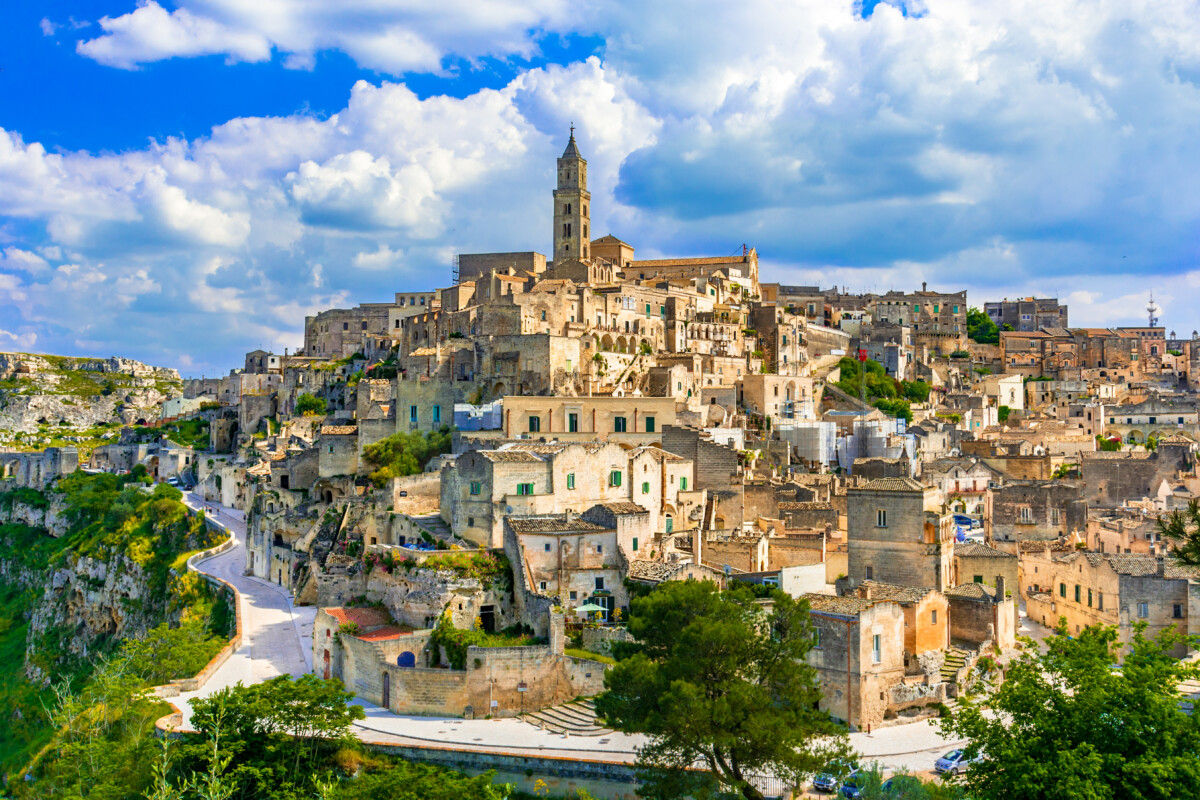
Puglia, or Apulia, forms the sun-baked heel of Italy’s boot, a long southern region washed by the Adriatic Sea to the east and the Ionian to the south. Home to about 3.9 million residents and centered on its lively capital, Bari, it has emerged as one of Italy’s most alluring destinations, prized for whitewashed towns, olive groves, and turquoise coastlines. Its most iconic sight is Alberobello, a UNESCO World Heritage Site since 1996, where the streets are lined with trulli—conical dry-stone houses found nowhere else. Puglia is a powerhouse of Italian olive oil, producing a large share of the national supply from groves of ancient, gnarled trees. Travelers wander the baroque streets of Lecce, often called the Florence of the South, explore the cave dwellings of nearby Matera, and unwind on the beaches of the Salento peninsula. With seafood-rich cuisine, masseria farmhouse stays, and a relaxed pace, Puglia offers an authentic, less-crowded taste of southern Italy.
Best time to visit
May to June, September to October
Season by season
Spring (May-June) is ideal with blooming wildflowers; Summer (July-August) is very hot and extremely crowded; Autumn (Sept-Oct) is perfect for warm seas and harvest festivals; Winter is quiet and many coastal spots close.
Crowds
High (In July and August)
Getting there and around
Getting there
Fly into Bari (BRI) or Brindisi (BDS) airports. High-speed trains from Rome and Naples reach Bari. Ferries from Greece and Albania.
Getting around
Rent a car for the fullest experience—public transport is limited between smaller towns. Watch for ZTL restricted zones in cities.
Top experiences in Puglia
Alberobello (Trulli Houses)
Ostuni (The White City)
Lecce (Baroque Architecture)
Castel del Monte (UNESCO)
Ostuni (The White City)
Editor-curated picks carried over from our original guide. Where a full place guide exists, the card links to it.
Worth booking ahead in Puglia
Hand-picked from the operators our guides already send readers to. Prices and availability are live on the partner site.
Guided tourGetYourGuide
Colosseum, Forum and Palatine Hill small-group tour (opens GetYourGuide in a new tab)
Small group with the Forum and Palatine Hill included; the standard Colosseum visit done properly.
Where to stayBooking.com
Stays in Puglia (opens Booking.com in a new tab)
Live rates and availability for Puglia on Booking.com; filter by neighbourhood once you know where your days start.
We earn a commission if you book through these links, at no extra cost to you. It is how we keep the guides free and independent.
Where to stay
Masseria Torre Coccaro
Contrada Fasano 88, 72015 Savelletri di Fasano, Puglia, Italy
Five-star masseria resort set in centuries-old olive groves with a championship golf course, three pools, spa, and farm-to-table restaurants.
Masseria San Domenico
Strada Provinciale per Egnazia, 72015 Fasano, Puglia, Italy
Luxury resort in a converted 16th-century farmhouse with whitewashed rooms, a beachfront pool, organic garden, and Puglian cooking classes.
Borgo Egnazia
Via Indipendenza 21, 73014 Gallipoli, Puglia, Italy
Boutique hotel in a historic palazzo overlooking Gallipoli’s old town and the Ionian Sea with rooftop dining and a private beach.
Editor-curated stays carried over from our original guide. Where we have reviewed the hotel, the card links to the review.
Tips from the field
Highlights
- The fairytale-like conical roofs of Alberobello's trulli, the stunning coastal cliffs of Polignano a Mare, and the rich, authentic culinary Scene.
Best activities
- Sleeping in a traditional Trullo, exploring the Baroque churches of Lecce, swimming in the clear waters of Polignano a Mare, and tasting local olive oil and orecchiette pasta.
Local experiences
- Take an orecchiette (ear-shaped pasta) making class from a local 'nonna' in the streets of Bari Vecchia. Stay in a restored Masseria.
Practical tips
- Renting a car is essential for exploring Puglia properly, as public transport between the smaller hilltop towns and masserie is very limited.
Photography tips
- The white walls of Ostuni are blindingly bright in the midday sun
- early morning or late afternoon light provides the best contrast and softer shadows.
Timing
- At least 7-10 days are needed for a proper road trip to cover both the northern (Gargano/Bari) and southern (Salento) parts of the region.
Keeping it authentic
- Puglia remains one of Italy's most authentic regions, characterized by ancient olive groves, fortified 'masserie' farmhouses, and towns built of dazzling white local stone.
Culture, customs and safety
Cultural heritage
Puglia’s cultural heritage centers on the UNESCO World Heritage Site of Alberobello trulli, inscribed in 1996 as remarkable examples of prehistoric drywall construction. The property encompasses 1,620 trulli across Rione Monti (1,030 structures) and Rione Aia Piccola (590 structures), featuring corbelled limestone slabs forming pyramidal roofs without mortar. Dating to the 14th century, these structures used removable construction to avoid taxation under the Kingdom of Naples until 1797. The region showcases distinctive architecture including whitewashed Ostuni (“white city”), circular Locorotondo, and baroque Martina Franca. Ancient dry-stone wall techniques recently gained UNESCO Intangible Cultural Heritage recognition. Masserie represent architectural fusion from Byzantine to Renaissance influences, featuring ornate courtyards, secret passages, and traditional agricultural spaces. The broader Itria Valley contains scattered trulli among olive groves and vineyards. Puglia’s cultural landscape reflects centuries of agricultural innovation, with traditional construction methods still practiced today. The region’s designation as one of “I Borghi più belli d’Italia” confirms its status as preserving Italy’s most beautiful village heritage while maintaining living cultural traditions.
Safety notes
Puglia is generally safe for tourists. The main concern is petty theft (pickpocketing) in busy cities like Bari or Lecce, and car break-ins at remote beach parking areas. Never leave valuables visible in a parked car.
Travel Style
Activities