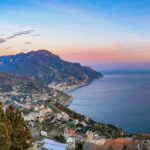
Cinque Terre, a stunning coastal region in Italy, is renowned for its picturesque villages, dramatic cliffs, and vibrant landscapes. Comprising five charming towns—Monterosso al Mare, Vernazza, Corniglia, Manarola, and Riomaggiore—this UNESCO World Heritage Site offers breathtaking views, hiking trails, and a rich cultural heritage. Visitors can enjoy fresh seafood, local wines, and the warm hospitality of the Ligurian people.
The destination guide
Cinque Terre

Travel guides for Cinque Terre
Things to do (1)
Where to stay (1)
More guides featuring Cinque Terre (13)
At a glance
Currency€ EURCode: EUR
Time zoneCentral European Time
Languages
- Italian
Setting
- Coastal cliffs
- Colorful seaside villages
- Terraced vineyards
- Mediterranean sea
Population5,0005,000 residents
VisaDuration: Up to 90 days within any 180-day period in the Schengen Area · Documents: Valid passport issued within the last 10 years and valid for at least 3 months after planned departure, plus proof of accommodation, onward or return travel, and sufficient funds if requested
How Cinque Terre scores
9/10OverallExcellent
Weather8/10
Value for money6/10
Safety8/10
Food & cuisine9/10
Culture & arts6/10
Cultural experience8/10
Nature & outdoors9/10
Adventure6/10
Nightlife4/10
Shopping5/10
Family friendly5/10
Romance9/10
Editorial scores on a 10-point scale, weighed against destinations of the same kind.
Travel safety snapshot
Overall79/100Moderate rating
Women travellers78/100
LGBTQ+ travellers70/100
Theft55/100
Medical care75/100
Physical harm82/100
Political freedom77/100
SafePlace indicators use their source 100-point scale; higher is more favourable. Planning context, not a live travel advisory — check official government guidance before you go.
When to go
Best months to visit: April, May, June, July, August, September and October.
- January: 22.7 to 25.4 degrees Celsius, 18.1 millimetres of rain, best-time score 2 out of 5.
- February: 22.6 to 25.3 degrees Celsius, 9.2 millimetres of rain, best-time score 2 out of 5.
- March: 22.6 to 25.3 degrees Celsius, 7.3 millimetres of rain, best-time score 3 out of 5.
- April: 23.1 to 25.8 degrees Celsius, 14.4 millimetres of rain, best-time score 4 out of 5.
- May: 23.8 to 26.6 degrees Celsius, 11.3 millimetres of rain, best-time score 5 out of 5.
- June: 24.5 to 27.3 degrees Celsius, 33.5 millimetres of rain, best-time score 5 out of 5.
- July: 24.6 to 27.1 degrees Celsius, 21.1 millimetres of rain, best-time score 5 out of 5.
- August: 24.7 to 27.7 degrees Celsius, 32.1 millimetres of rain, best-time score 5 out of 5.
- September: 25.4 to 28.3 degrees Celsius, 45.6 millimetres of rain, best-time score 5 out of 5.
- October: 25.1 to 27.7 degrees Celsius, 44.2 millimetres of rain, best-time score 4 out of 5.
- November: 24.3 to 27.1 degrees Celsius, 22.4 millimetres of rain, best-time score 2 out of 5.
- December: 23.5 to 26.2 degrees Celsius, 11.3 millimetres of rain, best-time score 3 out of 5.
Month-by-month conditions and packing advice
- January
- Warm and pleasant, mostly dry Cold winter weather, few tourists. Crowds: January is firmly in the low tourist season for Cinque Terre, offering a peaceful, unhurried atmosphere in contrast to the crowded summer months. Accommodation rates are lower, and restaurants have more availability, though some seasonal businesses may be closed. The weather is ideal for leisurely hikes on the Sentiero Azzurro, village-to-village exploration, and photography without jostling for space. While swimming is not typical in winter, the mild temperatures make it comfortable to linger outdoors. This is also an excellent time for cultural immersion, with locals more available for conversation and authentic experiences. Travelers should book accommodations in advance to ensure options remain open, especially in smaller villages where winter operations are limited. Pack: Lightweight long-sleeve shirts for mild days; Comfortable walking shoes with good grip for trails; Windbreaker or light jacket for coastal breezes; Reusable water bottle for day trips; Camera with extra batteries for photography; Smart-casual attire for dining in local restaurants
- February
- Warm and pleasant, mostly dry Chilly and quiet, good for museums. Crowds: This is the off-season in Cinque Terre, meaning far fewer tourists and more relaxed interactions with locals. Accommodation prices are lower, and reservations at sought-after restaurants are much easier to secure. Trails and waterfront promenades are open and generally uncrowded, though some smaller businesses may close for winter rest. The mild weather makes it perfect for hiking, photography, and exploring cultural heritage without the summer rush. Ferry services are limited in February, so travelers should rely more on trains and local buses. Overall, this month is excellent for slow travel and authentic engagement, especially for visitors who prioritize scenery and atmosphere over beachgoing. Pack: Lightweight long-sleeve shirts for sun protection; Comfortable hiking shoes for uneven coastal paths; Compact rain jacket for occasional showers; Layerable cardigan or light sweater for cooler mornings; Sunhat and polarized sunglasses for coastal glare; Daypack for carrying water, snacks, and camera gear
- March
- Warm and pleasant, mostly dry Beginning to warm up, spring blossoms. Crowds: These near-summer conditions in March are rare and highly favorable for travelers, making it an exceptional shoulder-season window. While not peak tourist season, early arrivals will find fewer crowds compared to summer, allowing easier access to popular hiking trails such as the Sentiero Azzurro. Accommodation rates are generally lower than high season, though some smaller guesthouses may still be preparing for full operations. The warm, dry climate supports all core activities—hiking, village hopping, and boat tours—without the heat stress of July and August. Booking ferries and key accommodation in advance is still recommended, as favorable weather can attract spontaneous weekend visitors from nearby Italian cities. Pack: Breathable cotton or linen clothing for daytime warmth; Comfortable hiking shoes with good grip for coastal trails; Light jacket or wrap for cooler evenings; Sun hat and high-SPF sunscreen for midday exposure; Reusable water bottle to stay hydrated on hikes; Light scarf for both style and wind protection along cliffs
- April
- Warm and pleasant, mostly dry Pleasant spring weather, great for walking. Crowds: April marks the shoulder season in Cinque Terre, bringing comfortable warmth without the high-summer congestion. Hiking conditions are excellent, and ferry services between villages typically resume, expanding travel options beyond the train. Crowds are moderate—enough to create a lively atmosphere but still allowing moments of solitude on popular trails. Accommodation and dining prices are rising from winter lows but remain more affordable than peak months of June through August. Beach swimming is possible for those accustomed to cooler waters, though most visitors focus on coastal walks and cultural exploration. This is a prime window for travelers seeking authentic interactions with locals before the influx of summer tourism, with easier booking for guided tours and photography sessions. Pack: Breathable cotton or linen clothing for warm daytime conditions; Light jacket or sweater for cooler mornings and evenings; Sturdy walking shoes for coastal and hillside trails; Sunhat and high-SPF sunscreen for midday exploration; Reusable water bottle to stay hydrated on hikes; Light scarf or shawl for visiting churches and breezy viewpoints
- May
- Hot and sunny, mostly dry Excellent weather before the summer crowds. Crowds: May is one of Cinque Terre’s most rewarding months for travelers—warm enough for swimming and beach lounging, yet early enough to avoid the peak summer crush of July and August. It’s firmly within the high season, so accommodations begin to fill quickly, and prices rise accordingly. Hiking the famous Sentiero Azzurro trail network is especially enjoyable now, with stable weather and wildflowers in bloom. Ferries and trains operate at full schedules, connecting villages seamlessly. Crowds are moderate to high, particularly on weekends, but the energy is vibrant rather than overwhelming. For the best experience, secure lodging and key activity bookings well in advance, and plan early morning starts for the most popular trails and viewpoints. Pack: Breathable summer clothing for hot afternoons; Wide-brimmed hat and polarized sunglasses; Light sweater for cooler evenings by the water; Comfortable hiking shoes with good grip; Swimwear and quick-dry towel; Reusable water bottle to stay hydrated on trails
- June
- Hot and sunny, some rain Warm, sunny, and lively. Crowds: June marks the start of peak tourist season in Cinque Terre, with consistently warm weather perfect for hiking, swimming, and al fresco dining. The pleasant sea conditions draw beachgoers and snorkelers, while the trails connecting the five villages become lively with visitors. Accommodation rates and restaurant reservations should be secured well in advance due to high demand. Crowds peak midday, so early morning or late afternoon excursions offer a quieter experience. Local ferries and trains operate at full capacity, making it easier to explore without a car. This is an excellent time for outdoor exploration and photography, though travelers sensitive to heat should plan shade breaks. Pack: Lightweight, breathable clothing for hot days; Wide-brimmed hat and high-SPF sunscreen; Reusable water bottle to stay hydrated on hikes; Sturdy walking sandals or breathable hiking shoes; Swimwear for beach and boat outings; Light rain jacket for occasional showers
- July
- Hot and sunny, mostly dry Peak summer heat and peak tourist season. Crowds: July is high summer in Cinque Terre, firmly within peak tourist season. Beaches, hiking trails, and village streets see their largest crowds of the year, and hotel prices reflect the demand. It’s the ideal time for sea-based activities like boat tours, snorkeling, and cliffside sunsets, but midday heat can make long hikes challenging without shade. Early mornings and late afternoons offer cooler, quieter exploration windows. Expect ferries and trains to be busy—advance bookings are essential for both accommodations and popular excursions. For travelers seeking the liveliest atmosphere and maximum swimming days, this month delivers, but those preferring solitude may find it overwhelming. Pack: Breathable linen or cotton clothing for hot weather; Wide-brimmed hat and high-SPF sunscreen; Reusable water bottle to stay hydrated on hikes; Comfortable walking sandals or light hiking shoes; Lightweight swimwear and quick-dry towel; Sunglasses with strong UV protection
- August
- Hot and sunny, some rain Very warm, many festivals and outdoor dining. Crowds: August marks peak tourism in Cinque Terre, with near-ideal conditions for beach lounging, boat excursions, and long hikes along the Sentiero Azzurro. The combination of warm seas and abundant sunshine draws heavy crowds, and accommodation prices are at their annual high. Popular trails and train connections between villages can become congested, especially midday. Early morning and late afternoon offer more serene experiences with softer light for photography. While the occasional brief shower may cool the air, most days are reliably sunny. Travelers seeking a lively, energetic atmosphere will find August ideal, but those preferring solitude may wish to explore outer villages or venture inland during peak hours. Advance bookings for lodging and restaurants are essential this month. Pack: Light, breathable clothing for hot daytime temperatures; Wide-brimmed hat and polarized sunglasses; High SPF reef-safe sunscreen; Comfortable walking sandals with good grip; Swimwear for beach and boat days; Reusable water bottle to stay hydrated on hikes
- September
- Hot and sunny, some rain Perfect shoulder season with great weather. Crowds: September offers near-peak conditions for enjoying Cinque Terre’s hiking trails, beaches, and boat excursions, without the intense heat or overwhelming crowds of midsummer. The weather supports full-day outdoor itineraries, from vineyard walks to kayaking along the rugged coastline. While not the absolute peak tourist month, accommodations can still be in high demand, and prices remain on the higher side due to enduring popularity. Sea conditions are generally calm, enhancing ferry and small boat travel between villages. With the grape harvest underway in surrounding Liguria, wine-related events and tastings add an extra cultural draw. Advance booking is recommended for both lodging and popular restaurants. Pack: Breathable summer clothing for warm days; Light rain jacket for occasional showers; Comfortable hiking shoes for cliffside trails; Sunhat and SPF 50+ sunscreen; Reusable water bottle for long walks; Light scarf or wrap for cooler evenings by the sea
- October
- Hot and sunny, some rain Crisp autumn air and beautiful colors. Crowds: October offers a sweet spot between summer’s energy and winter’s quiet, with warm weather supporting nearly all outdoor activities — from hiking the Sentiero Azzurro to kayaking along the coast. Crowds are thinner than in July and August, making it easier to secure tables at local trattorias and find space on beaches. Accommodation prices begin to ease, though weekends can still draw Italian travelers enjoying the shoulder season. Rain showers are possible but infrequent, so most plans remain unaffected. This is an excellent time for food-focused travel, coinciding with autumn harvests and wine festivals. Advance booking is wise for coastal view rooms, but last-minute flexibility is more feasible than in peak months. Pack: Light, breathable clothing for warm days; Comfortable hiking shoes for uneven coastal trails; Sun hat and high-SPF sunscreen; Light rain jacket or travel umbrella; Swimwear for late-season sea swims; Evening wrap or light sweater for harborfront dinners
- November
- Hot and sunny, mostly dry Cooling down rapidly, often rainy. Crowds: November offers a rare blend of summer-like warmth with the tranquility of the off-season. These conditions are ideal for hiking the Sentiero Azzurro, photographing vibrant villages without jostling for space, and enjoying longer daylight for exploration. Accommodation prices tend to be lower than in peak months, and reservations for restaurants are easier to secure. While ferries still operate, schedules may be reduced, so advance planning for inter-village travel is recommended. The warm weather also extends the swimming season for hardy travelers. This is an excellent month for those seeking cultural immersion over a fast-paced tourist circuit. Pack: Lightweight breathable clothing for warm days; Comfortable hiking shoes for coastal trails; Sunhat and high-SPF sunscreen; Reusable water bottle for long walks; Light jacket for cooler evenings; Camera with polarizing filter for vibrant coastal shots
- December
- Hot and sunny, mostly dry Cold but festive holiday atmosphere. Crowds: This is a shoulder-season anomaly—summer weather in the heart of winter—which offers significant advantages for travelers. Outdoor activities like hiking the cliffside trails, photography, and boat excursions remain viable and highly comfortable. With tourism at a fraction of its summer peak, visitors enjoy uncrowded trains, open tables at popular trattorie, and more affordable accommodation rates. While some smaller businesses may close for the off-season, core services and major dining spots remain open. Expect a calm, local-oriented atmosphere ideal for cultural immersion rather than high-energy events. Advance booking is still advised for premium stays, as savvy travelers often target this period for its weather advantages without the high-season bustle. Pack: Lightweight breathable clothing for warm days; Comfortable walking shoes for uneven coastal paths; Sunhat and SPF 30+ sunscreen; Light jacket for cooler evenings by the water; Reusable water bottle for hikes; Swimwear for unexpected beach or boat outings
Peak season
- June
- July
- August
Off-peak
- November
- December
- January
- February
Know before you go
Neighbourhoods
Monterosso, Vernazza, Corniglia, Manarola, Riomaggiore
Best time to visit
May to mid-June and September for warm weather (20-27°C), open hiking trails, and fewer crowds than peak summer. These months offer the best balance of pleasant conditions and manageable visitor numbers. July and August are hot, very crowded, and accommodation prices peak. Late April and October can still be pleasant but with reduced services and cooler temperatures. November to March is the off-season — many restaurants and hotels close, trails may be restricted, and ferry services are suspended.
Season by season
Summer (June-Aug):
Weather: 25-30°C, hot
Highlights: Swimming, busiest time
Best For: Beach (Monterosso)
Spring (April-May):
Weather: 15-20°C, flowers
Highlights: Hiking
Best For: Walking the trails
Fall (Sept-Oct):
Weather: 20-25°C, mild
Highlights: Grape harvest
Best For: Wine, hiking
Winter (Nov-March):
Weather: 5-15°C, rainy
Highlights: Quiet villages
Best For: Solitude, but trails may close
Crowds
Cinque Terre sees peak crowds May–September, especially July–August and holiday weekends, with train platforms and main trails very crowded; quietest November–March (excluding holidays), offering much lower visitor numbers though some services are reduced.
Getting there and around
Getting there
The Cinque Terre villages are car-free and best reached by train. La Spezia is the main southern gateway, with frequent Cinque Terre Express trains stopping at all five villages. From Florence, trains to La Spezia take about 2.5 hours. From Milan, it is about 3 hours. From Rome, about 4 hours with a change in La Spezia. Pisa Airport (PSA) is the nearest, about 1.5 hours by train via La Spezia. Levanto, just north of Monterosso, is another access point. Driving is strongly discouraged — roads are narrow, parking is extremely limited and expensive, and cars cannot enter the village centers.
Getting around
The Cinque Terre Express train is the fastest and most practical way to move between villages — journeys between stops take just 2-5 minutes. The Cinque Terre Train Card offers unlimited rides plus hiking trail access. Hiking the Sentiero Azzurro (Blue Trail) connects all five villages along the coast, taking 5-6 hours in total. Ferries run from late March to early November between villages (except Corniglia, which has no harbor), offering a scenic alternative. Walking within each village is the only option — the lanes are too narrow for vehicles. Shuttle buses connect train stations to upper parts of some villages.
Top experiences in Cinque Terre
Vernazza Harbor
Riomaggiore, Manarola, Corniglia, Vernazza, Monterosso. Each has a personality. Riomaggiore and Manarola are dramatic cliff-hangers. Corniglia is high and quiet (no sea access). Vernazza is the jewel with a natural harbor. Monterosso is the resort with a big beach. All are colorful and car-free.
Sentiero Azzurro (Blue Trail)
The famous hiking path connecting the villages. Walking from village to village offers spectacular unparalleled views of the coastline. The leg from Vernazza to Monterosso is the most popular and scenic. Note: Some sections (like Manarola to Corniglia) are often closed due to landslides, so check status.
Manarola Colorful Village
The ‘Way of Love’ is a flat, paved path cut into the cliff between Riomaggiore and Manarola. Famous for its romantic views and locks left by lovers. It has been closed for years for renovation but is reopening in stages (check current status for 2025).
Monterosso Beach
Seeing the villages from the sea is essential to understand their impossible geography. The regular ferry connects them (except Corniglia), but a private sunset gozzo (traditional boat) tour with prosecco is the magical way to do it. You can see the vineyard terraces climbing the hills.
Via dell'Amore
The steep hillsides are terraced with ancient dry-stone walls growing grapes for Sciacchetrà (dessert wine) and Cinque Terre DOC white. A vineyard tour involves riding the ‘monorail’ trains used by farmers to transport grapes up the vertical slopes.
Editor-curated picks carried over from our original guide. Where a full place guide exists, the card links to it.

Worth booking ahead in Cinque Terre
Hand-picked from the operators our guides already send readers to. Prices and availability are live on the partner site.
Guided tourGetYourGuide
Colosseum, Forum and Palatine Hill small-group tour (opens GetYourGuide in a new tab)
Small group with the Forum and Palatine Hill included; the standard Colosseum visit done properly.
Where to stayBooking.com
Stays in Cinque Terre (opens Booking.com in a new tab)
Live rates and availability for Cinque Terre on Booking.com; filter by neighbourhood once you know where your days start.
We earn a commission if you book through these links, at no extra cost to you. It is how we keep the guides free and independent.
Where to stay
Hotel Porto Roca
Via Corone 1, 19016 Monterosso al Mare SP, Italy
Located in Monterosso, perched on a cliff edge with panoramic sea views. It has a stunning infinity pool overlooking the bay (a rarity here). The classic Italian villa style and the private beach access make it the most luxurious traditional hotel in the Five Lands.
La Mala Vernazza
Vico Volto 20, 19017 Manarola SP, Italy
A boutique lodge in Manarola. The rooms are individually designed and offer incredible views of the village houses stacking up the cliff. They serve a complimentary aperitivo every evening. It feels personal, romantic, and deeply embedded in the village structure.
Hotel Marina Piccola
Via Birolli 120, 19017 Manarola SP, Italy
Situated right at the harbor of Manarola. You fall asleep to the sound of the waves. The building is a typical Ligurian tower house. It’s simple but stylish, with stone walls and modern amenities. The location is unbeatable for swimming and sunset watching.
Editor-curated stays carried over from our original guide. Where we have reviewed the hotel, the card links to the review.
Tips from the field
Highlights
- Five UNESCO villages — Riomaggiore, Manarola, Corniglia, Vernazza, and Monterosso, each with a distinct character. Sentiero Azzurro — Coastal hiking trail linking all five villages with panoramic Mediterranean views. Vernazza — Arguably the most photogenic, with a natural harbor and colorful Ligurian houses. Manarola — Famous for colorful buildings cascading to a rocky harbor
- iconic sunset spot. Monterosso — The only village with a proper sandy beach. Via dell'Amore — Romantic cliffside path between Riomaggiore and Manarola (reopened 2025). Corniglia — The quietest village, perched high on a cliff with 382 steps from the station.
Best activities
- Hike the Senterio Azzurro from Vernazza to Monterosso (start early). Swim off the rocks in Manarola. Eat a cone of fried seafood (fritto misto) while walking the street. Have a pesto making class. Take the ferry to admire the coastline from the water. Watch the sunset at Nessun Dorma in Manarola with a bruschetta.
Local experiences
- Hike the Sentiero Azzurro (Blue Trail) connecting all five villages along the coast — the classic Cinque Terre experience. Swim off the rocks at Manarola's natural swimming area, where locals have been jumping into the Mediterranean for generations. Take a boat from Riomaggiore to Monterosso and see the painted cliff-side houses from the water. Sample freshly made pesto at a family-run trattoria in Vernazza — Ligurian basil pesto originated in this region. Join a local fisherman's boat to watch traditional anchovy fishing techniques still practiced in the villages. Buy sciacchetrà, a rare sweet wine made from grapes dried on terraced hillside vineyards unique to Cinque Terre.
Practical tips
- Buy the Cinque Terre Train Card for unlimited train travel and trail access — it pays for itself in 2-3 rides. Sturdy hiking shoes are mandatory on trails
- flip-flops and open-toed shoes are banned and can result in fines. Carry water — shade is limited on exposed coastal paths. Start hiking early (before 9 AM) to avoid midday heat and crowds. Vernazza and Manarola have the most photogenic harbors
- time your visit for morning or late afternoon light. Book accommodation months ahead for June-September stays
- Monterosso has the most hotel options. Each village is small — plan to visit 2-3 per day rather than rushing all five. The Via dell'Amore requires a reservation and separate fee on top of the Cinque Terre Card.
Photography tips
- Golden Hour: Manarola viewpoint (Nessun Dorma) at sunset is world-famous. Vernazza harbor at blue hour.
- Iconic Shots:
- Manarola's rainbow houses glowing at sunset.
- Riomaggiore's harbor from the jetty.
- View of Vernazza from the trail approach.
- The colorful umbrellas of Monterosso beach.
- Technique: Bring a wide lens for the tight villages and a telephoto to compress the stacked houses.
Timing
- Peak Season (May-Sept):
- Very crowded, hot
- Shoulder Season (April, Oct):
- Best for hiking
- Low Season (Nov-March):
- Quiet, unpredictable weather
Keeping it authentic
- Cinque Terre is overwhelmed by tourists (cruise shippers). To find authenticity, stay overnight. The magic happens before 10 am and after 5 pm. The locals are farmers and fishermen who have tamed a harsh landscape. Respect the land
- don't wear flip-flops on trails (you will be fined).
Culture, customs and safety
Cultural heritage
Cinque Terre preserves centuries-old terraced viticulture on impossible cliffs where dry-stone walls stretch 6,700 kilometers—longer than the Great Wall of China. Each village maintains distinct traditions: Monterosso’s anchovy salting, Vernazza’s maritime heritage, Corniglia’s wine production, Manarola’s nativity tradition, and Riomaggiore’s murals. The ancient Ligurian sciacchetrà wine, made from grapes dried on reed mats, nearly vanished before local families revived production. Sentiero Azzurro coastal paths, carved by farmers accessing terraces, connect villages where boats remained primary transport until the 1960s. Traditional fishing methods include lampara night fishing, while pesto originated here using local basil, pine nuts, and wooden mortars.
Local customs & etiquette
In Cinque Terre, greet with ‘Buongiorno’ or ‘Buonasera’ depending on time of day. Dress well, especially in churches. Dining is social – lunch 12:30-2:30 PM, dinner after 8 PM.
Safety notes
Cinque Terre is very safe with virtually no violent crime. The main safety concerns are trail-related: paths can be steep, narrow, and uneven with sheer drops. Always stop to take photos rather than walking and looking at your phone. Check trail status before setting out — sections close for maintenance and weather. Carry water and sun protection on hikes. Strong currents occur at some beaches; follow local flag warnings. Crowded trains during peak hours can be targets for pickpockets. Emergency: 112.

Activities