Pienza, often referred to as the ‘Ideal City’, is a charming Renaissance town located in the heart of Tuscany. Known for its stunning architecture and panoramic views of the Val d’Orcia, Pienza is famous for its pecorino cheese and beautiful landscapes. Visitors can explore its quaint streets, visit historic sites, and indulge in local culinary delights.
The destination guide
Pienza
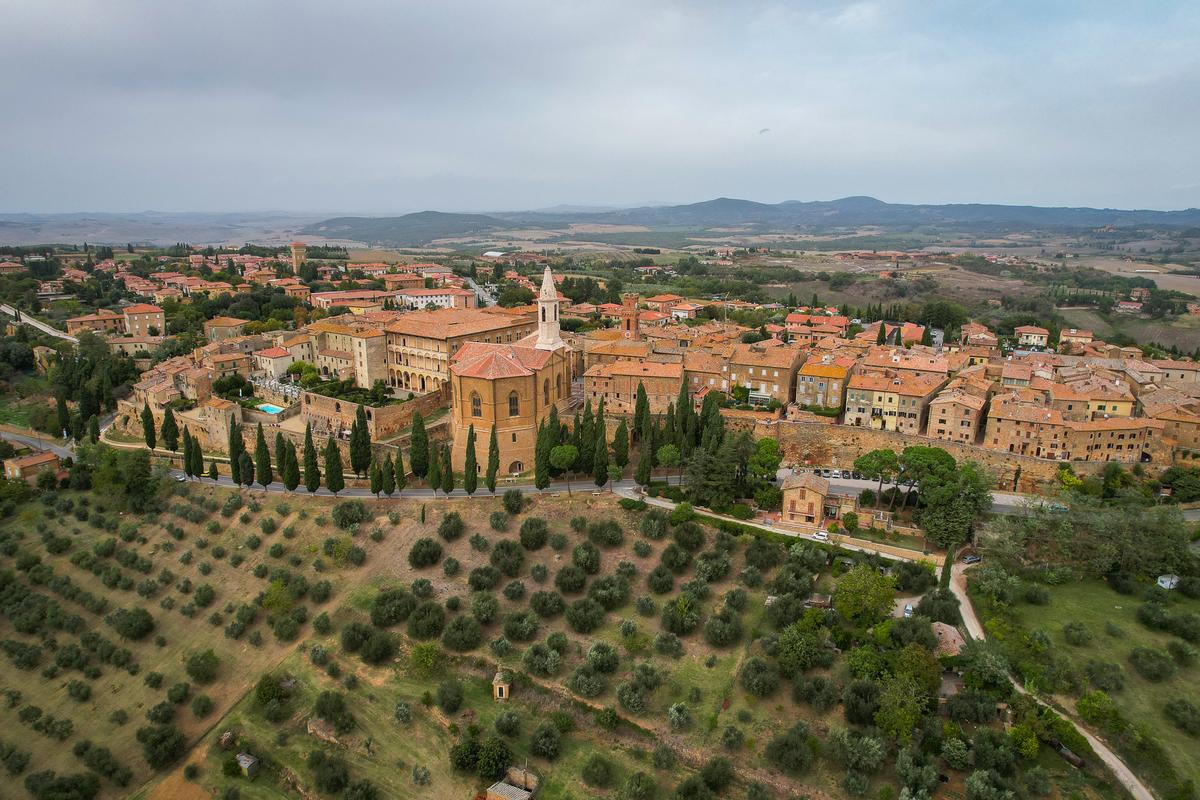
Pienza was redesigned by a pope as the “ideal Renaissance city” and the Val d’Orcia views from its walls are exactly what every Tuscan postcard promises.
Travel guides for Pienza
Things to do (1)
More guides featuring Pienza (2)
At a glance
Currency€ EURCode: EUR
Time zoneCentral European Time
Languages
- Italian
Setting
- Tuscan hilltop
- Val d'Orcia views
- Renaissance town
- Pecorino cheese country
Known for
- Renaissance architecture
- Tuscan cuisine
- Italian history
- Rural landscapes
- Wine and cheese
Population2,0002,000 residents
VisaDuration: Up to 90 days within any 180-day period in the Schengen Area · Documents: Valid passport issued within the last 10 years and valid for at least 3 months after planned departure, plus proof of accommodation, onward or return travel, and sufficient funds if requested
How Pienza scores
7/10OverallGood
Weather8/10
Value for money7/10
Safety9/10
Food & cuisine9/10
Culture & arts6/10
Cultural experience9/10
History10/10
Nature & outdoors8/10
Adventure4/10
Nightlife5/10
Shopping6/10
Family friendly5/10
Romance9/10
Character
Photography score9/10
Authenticity score10/10
Off-the-beaten-path score7/10
Editorial scores on a 10-point scale, weighed against destinations of the same kind.
Travel safety snapshot
Overall90/100High rating
Women travellers90/100
LGBTQ+ travellers86/100
Theft88/100
Medical care80/100
Physical harm92/100
Political freedom90/100
SafePlace indicators use their source 100-point scale; higher is more favourable. Planning context, not a live travel advisory — check official government guidance before you go.
When to go
Best months to visit: March, April, May, June, September, October and November.
- January: 1.3 to 8.4 degrees Celsius, 16.4 millimetres of rain, best-time score 2 out of 5.
- February: 0.1 to 9.6 degrees Celsius, 22.9 millimetres of rain, best-time score 2 out of 5.
- March: 2.8 to 12.8 degrees Celsius, 14.4 millimetres of rain, best-time score 4 out of 5.
- April: 6 to 16.3 degrees Celsius, 15.4 millimetres of rain, best-time score 5 out of 5.
- May: 9.1 to 17.9 degrees Celsius, 63.8 millimetres of rain, best-time score 5 out of 5.
- June: 14.4 to 24.9 degrees Celsius, 19.8 millimetres of rain, best-time score 4 out of 5.
- July: 16.8 to 28.9 degrees Celsius, 17.9 millimetres of rain, best-time score 3 out of 5.
- August: 17 to 29.8 degrees Celsius, 8.9 millimetres of rain, best-time score 3 out of 5.
- September: 14.5 to 25.1 degrees Celsius, 39.7 millimetres of rain, best-time score 5 out of 5.
- October: 9.9 to 19.1 degrees Celsius, 36.5 millimetres of rain, best-time score 5 out of 5.
- November: 6.3 to 13.3 degrees Celsius, 41.3 millimetres of rain, best-time score 4 out of 5.
- December: 2.7 to 8.5 degrees Celsius, 33.2 millimetres of rain, best-time score 3 out of 5.
Month-by-month conditions and packing advice
- January
- Cool weather, mostly dry January in Pienza: cold, quiet winter conditions make this less flexible for a Tuscan road trip. Crowds: Travelers visiting Pienza in January will find it quiet and contemplative, far removed from the tourist bustle of spring and summer. This is the low season, meaning accommodation rates are more affordable and availability is high, particularly in agriturismo stays and boutique hotels. The cool weather is best suited for cultural exploration—wandering through Pienza’s UNESCO-listed streets, visiting small artisan shops, or enjoying wine tastings in nearby Montepulciano. Outdoor hiking is still possible but requires proper layering due to chilly winds and shorter daylight hours. Photography enthusiasts will appreciate the winter light that enhances the textures of medieval stonework and countryside landscapes. The tranquil atmosphere makes this month ideal for those seeking authentic connections with local life rather than the crowded festival atmosphere of warmer months. Pack: Warm layered clothing including sweaters and jackets; Water-resistant walking shoes for cobblestone streets; Scarf, gloves, and hat for chilly mornings; Compact umbrella for occasional showers; Smart casual attire for trattoria and winery visits; Camera gear with extra batteries for cold weather photography
- February
- Cold weather, mostly dry February in Pienza: cold, quiet winter conditions make this less flexible for a Tuscan road trip. Crowds: Travelers visiting Pienza in February will find a peaceful, low-season atmosphere. The weather, though cold, is manageable with proper layers, and the mostly dry conditions allow for comfortable exploration of cobblestone streets and nearby hilltop towns. This is not peak tourist season, so accommodations are more affordable and attractions are less crowded, though some smaller shops or family-run trattorias may reduce hours. Outdoor activities such as walking the town walls or hiking short countryside trails are best enjoyed during midday warmth, while evenings call for cozy indoor dining with local wines and hearty Tuscan dishes. For those seeking authenticity over crowds, February offers a rewarding balance of quiet charm and affordability. Pack: Warm layered clothing for cold mornings and evenings; Insulated jacket suitable for 5°C temperatures; Comfortable waterproof walking shoes for cobblestones; Wool scarf, gloves, and hat for added warmth; Smart casual wear for trattoria dining; Camera with extra batteries for crisp winter light
- March
- Cool weather, mostly dry March in Pienza: conditions remain rewarding with either early spring, early summer, or late fall atmosphere. Crowds: March marks the early shoulder season in Pienza, offering quieter travel experiences compared to the busy summer months. Accommodation rates are generally more affordable, and restaurants are easier to book, though some rural establishments may still operate on reduced schedules after winter. The weather supports outdoor walking tours, photography, and visits to cultural sites, but long countryside hikes may feel brisk without proper layering. Vineyards and olive groves are not yet in full bloom, though this allows visitors to appreciate the stark beauty of the Tuscan landscape. Crowds are sparse, making it an excellent time for those seeking contemplative travel or immersive encounters with locals. It’s advisable to plan indoor activities such as visiting small museums or trattorias during cooler evenings, while afternoons are best spent wandering the town’s Renaissance squares and surrounding hillsides. Pack: Warm layered clothing including sweaters and a midweight jacket; Comfortable walking shoes suitable for cobblestones; Light scarf and gloves for chilly mornings and evenings; Compact umbrella or rain-resistant jacket for occasional showers; Camera with extra batteries for misty morning landscapes; Smart-casual attire respectful of local dining culture
- April
- Cool weather, mostly dry April in Pienza: Val d Orcia landscapes, hill-town walks, pecorino tastings, drives, and photography are strongest in mild shoulder weather. Crowds: April represents the start of Tuscany’s spring travel season, when Pienza and the surrounding Val d’Orcia begin welcoming more visitors after the quiet winter months. Conditions are ideal for walking tours, cycling routes, and countryside excursions, as temperatures remain cool and humidity is moderate. Crowds are lighter compared to summer, meaning access to attractions, wineries, and trattorias is easier, with more favorable pricing on accommodations. Shoulder season perks combine with photogenic landscapes, making April one of the best times for culturally minded travelers to enjoy authentic local life before the influx of high-summer tourism. Booking a stay a few weeks ahead is recommended as Easter holidays can increase demand. Pack: Light jacket for cool mornings and evenings; Comfortable walking shoes for cobblestone streets; Layered clothing for variable daytime temperatures; Umbrella or compact raincoat for occasional showers; Smart casual attire for wine tastings and dining; Scarf for added warmth and cultural appropriateness
- May
- Cool weather, some rain May in Pienza: Val d Orcia landscapes, hill-town walks, pecorino tastings, drives, and photography are strongest in mild shoulder weather. Crowds: May is one of the most favorable months to visit Pienza, sitting firmly in Tuscany’s spring shoulder season. The mild weather conditions are ideal for outdoor exploration, cycling, and wine-tasting tours. Visitor numbers begin to rise, but they remain far below the peak summer crowds of July and August, allowing for quieter access to cultural sites and scenic drives. Accommodation prices are moderately higher than winter but still more affordable than peak-season rates. Occasional showers may encourage indoor activities such as museum visits or long lunches in trattorias. Overall, May combines the comfort of cool weather with the energy of spring festivals and countryside beauty, making advance booking wise but not yet competitive compared to summer. Pack: Light jacket or windbreaker for cool evenings; Waterproof shoes or sandals for rainy days; Compact umbrella for sudden showers; Comfortable walking shoes for cobblestone streets; Smart-casual attire for dining and wine tastings; Camera or smartphone with extra storage for landscapes
- June
- Warm and pleasant, mostly dry June in Pienza: conditions remain rewarding with either early spring, early summer, or late fall atmosphere. Crowds: June brings highly favorable conditions for travelers to Pienza, with weather supporting a wide range of activities from wine-tasting tours and countryside cycling to cultural exploration of Renaissance architecture. This period sits within Tuscany’s peak tourist season, meaning visitor numbers and accommodation rates rise noticeably, especially in the latter half of the month. The long daylight hours enhance opportunities for sightseeing and photography, while evenings remain cool enough for al fresco dining. Crowds in popular towns such as nearby Montepulciano or Montalcino may be dense, so early bookings are recommended for accommodations and guided tours. The largely dry climate ensures minimal disruption to plans, making it a dependable time for outdoor cultural festivals and vineyard visits. Those seeking quieter experiences may benefit from exploring less-known villages in the Val d’Orcia early in the day, balancing cultural depth with comfort and accessibility. Pack: Lightweight linen or cotton clothing for daytime warmth; Comfortable walking shoes for cobbled streets; A light jacket or shawl for cooler evenings; Sunhat and high SPF sunscreen for daytime excursions; Modest attire for visiting churches and sacred sites; Reusable water bottle to stay hydrated during countryside walks
- July
- Warm and pleasant, mostly dry July in Pienza: heat, holiday timing, or short days reduce the overall countryside balance. Crowds: July is peak season in Pienza and across Tuscany, with weather that encourages outdoor exploration from morning vineyard tours to late-night gelato stops. These ideal conditions coincide with high visitor numbers, meaning crowds at major attractions and elevated prices for accommodations. The warm but manageable temperatures allow for countryside hikes and cycling, though midday heat can be intense, making early mornings and evenings best for activities. Reservations for restaurants, tours, and accommodations are essential during this period. Travelers should anticipate a lively, festive atmosphere, with frequent local events and the town at its most animated, though quieter rural experiences may require venturing beyond the center. For cultural travelers, July offers both advantages and trade-offs: brilliant weather and vivid experiences balanced against higher costs and busier streets. Pack: Breathable linen or cotton clothing for hot days; Wide-brimmed hat and high SPF sunscreen; Comfortable sandals or walking shoes for cobbled streets; Light jacket or shawl for cooler evenings; Reusable water bottle to stay hydrated; Modest attire for visiting churches and monasteries
- August
- Warm and pleasant, mostly dry August in Pienza: heat, holiday timing, or short days reduce the overall countryside balance. Crowds: August represents peak summer travel in Tuscany, and Pienza is no exception. The warm, dry weather makes it perfect for countryside drives, wine estate visits, and cultural festivals, yet it also coincides with Italy’s busiest holiday season. Local towns may be crowded with both international visitors and Italians vacationing, and accommodation prices are typically at their yearly highest. Midday heat can slow sightseeing in exposed hilltop towns, so travelers often plan early morning or late afternoon explorations. Despite these challenges, this period offers the most iconic Tuscan experiences, from savoring seasonal dishes on shaded terraces to attending harvest-related events. Travelers should book accommodations and tours well in advance and prepare for lively, vibrant energy across the region. Pack: Breathable linen or cotton clothing for daytime heat; Comfortable sandals or walking shoes for cobblestone streets; Wide-brimmed hat and sunglasses for strong sun; Light jacket or shawl for cooler evenings in hill towns; Reusable water bottle to stay hydrated while touring; Modest attire for entering churches and religious sites
- September
- Warm and pleasant, some rain September in Pienza: Val d Orcia landscapes, hill-town walks, pecorino tastings, drives, and photography are strongest in mild shoulder weather. Crowds: September represents shoulder season in Pienza, when the weather is favorable but the summer crowds begin to taper off. Conditions are excellent for outdoor exploration—vineyard tours, hiking trails, and cycling routes benefit from cooler evenings and comfortable daytime highs. This is also grape harvest season, meaning local wineries and villages are lively with cultural events and festivals. Travelers should expect slightly lower accommodation prices compared to peak summer, though popular agriturismos and boutique stays still book quickly. Dining terraces remain inviting, with the added advantage of quieter piazzas. The occasional rain shower is rarely disruptive, making September an ideal month for visitors seeking authenticity, seasonal food experiences, and fewer crowds while enjoying near-perfect weather. Pack: Light layers for warm afternoons and cooler evenings; Comfortable walking shoes for cobblestone streets and countryside trails; Compact travel umbrella or light rain jacket for occasional showers; Sunhat and SPF 30+ sunscreen for daytime exploration; Smart casual attire suitable for wine tastings and local dining; Light scarf or shawl for breezy evenings and church visits
- October
- Cool weather, some rain October in Pienza: Val d Orcia landscapes, hill-town walks, pecorino tastings, drives, and photography are strongest in mild shoulder weather. Crowds: October marks the shoulder season in Pienza, balancing manageable tourist traffic with favorable cultural experiences. The mild daytime temperatures are excellent for exploring historical sites, cycling through the Val d’Orcia, or participating in harvest festivals and wine tastings. Crowds are noticeably thinner than in the peak summer months, yet accommodations and restaurants remain open, often at reduced prices. Rainfall may disrupt extended outdoor excursions, but it rarely limits shorter activities. This month is ideal for travelers seeking authentic Tuscan life without the pressures of peak-season tourism. Advance booking is recommended for special harvest events but less critical for general stays. Pack: Layered clothing for fluctuating temperatures; Comfortable waterproof walking shoes; Compact travel umbrella or rain jacket; Warm sweater or light coat for evenings; Smart casual wear for Tuscan dining; Scarf or shawl for added warmth and cultural sites
- November
- Cool weather, some rain November in Pienza: conditions remain rewarding with either early spring, early summer, or late fall atmosphere. Crowds: November is shoulder season in Pienza, offering tranquility compared to the bustling summer months. The cooler weather and occasional rain reduce the crowds significantly, creating ideal conditions for travelers seeking authenticity and reflection rather than lively festivals or vineyard tours. Accommodation prices drop noticeably, and restaurants are easier to book without advance planning. Outdoor exploration is still possible, though shorter daylight hours and damp conditions may limit long hikes. Instead, visitors can focus on cultural immersion, culinary experiences, and exploring hilltop towns with fewer interruptions. It’s a perfect time for photographers, food lovers, and those who appreciate atmospheric Tuscan landscapes. Planning flexible indoor options ensures a balanced itinerary that adapts to rainier days. Pack: Water-resistant jacket for light rain; Sturdy walking shoes with good grip for wet cobblestones; Warm sweater or fleece for cool evenings; Compact umbrella for sudden showers; Scarf for added warmth and style in breezy hilltop towns; Smart casual attire suitable for trattorias and wine tastings
- December
- Cool weather, some rain December in Pienza: heat, holiday timing, or short days reduce the overall countryside balance. Crowds: December represents Pienza’s low tourist season. The cooler, damp conditions deter large crowds, making it a peaceful time to explore historic piazzas and UNESCO-listed architecture without interruption. Prices for accommodations and dining are generally lower, and availability is higher compared to peak summer. While outdoor vineyard tours and countryside walks are more limited due to rain and chilly air, the season excels for cultural immersion. Local Christmas markets and holiday events fill small squares with festive atmosphere. Travelers should plan for shorter daylight hours and bring warm layers for comfort. Booking in advance isn’t essential, but choosing accommodations with heating and cozy interiors enhances the winter experience. Pack: Warm layered clothing including sweaters and thermal tops; Water-resistant jacket or coat for light rain; Comfortable waterproof walking shoes for cobblestone streets; Scarf, gloves, and hat for chilly evenings; Travel umbrella for unpredictable showers; Smart casual wear for trattorias and cultural events
Peak season
- July
- August
- May
- June
- September
Off-peak
- November
- December
- January
- February
- March
- April
- October
Know before you go
About
Pienza, a tiny hilltop town in Tuscany’s Province of Siena, is a jewel of Renaissance urban planning set amid the rolling, cypress-dotted hills of the Val d’Orcia. Home to roughly 2,000 residents, it was transformed between 1459 and 1462 when Pope Pius II commissioned the architect Bernardo Rossellino to remake his humble birthplace, Corsignano, into an ideal city. The result, centered on the harmonious Piazza Pio II with its cathedral and palaces, is considered the first fully realized Renaissance town plan and has been a UNESCO World Heritage Site since 1996. Visitors stroll its compact grid of honey-colored streets—many bearing romantic names—pausing at panoramic terraces that frame the classic Tuscan landscape of lone cypresses and golden fields. Pienza is also famed for its pecorino, a prized sheep’s-milk cheese sold in shops throughout the town. Small, serene, and exquisitely composed, Pienza makes an idyllic base for exploring nearby Montepulciano, Montalcino, and the wider Val d’Orcia.
Neighbourhoods
Pienza’s walled centre is a single-street town stretching 300 m from Porta al Ciglio to the piazza and palazzo district. Corso Rossellino is the main pedestrian lane, lined with pecorino cheese shops, wine bars, and craft ceramics. The southern edge of the town opens onto panoramic views of the Val d’Orcia landscape. Monticchiello, 5 km east, is a fortified hamlet with a summer outdoor theatre and a road lined with cypresses.
Best time to visit
The best time to visit Pienza is during the spring (April to June) and fall (September to October) when the weather is mild and the countryside is vibrant with flowers and autumn colors. Summer can be hot, but the town’s charm remains appealing. Winter offers a quieter experience with fewer tourists.
Getting there and around
Getting there
From Siena, take a TIEMME bus (1 h 20 min, several daily) or drive 52 km south on the SR 2 (Via Cassia). From Florence, drive 120 km south (about 1.5 hours) via the FI-SI superstrada and SR 2. The nearest train station is Chiusi-Chianciano Terme on the Rome-Florence line (40 km east). No direct train service reaches Pienza—a car or bus transfer is required.
Getting around
Pienza is tiny and entirely walkable—the entire walled centre takes 10 minutes to traverse. Cars must park outside the walls in designated lots. For the surrounding Val d’Orcia countryside (San Quirico d’Orcia, Monticchiello, Bagno Vignoni hot springs), a car or bicycle is essential. TIEMME buses connect Pienza to Siena (1 h 20 min) and Montepulciano (20 min), but service is infrequent.
Top experiences in Pienza
Piazza Pio II & Palazzo Piccolomini
The trapezoidal piazza designed by Rossellino in the 1460s is enclosed by the cathedral, the Palazzo Piccolomini (Pius II’s family palace), the bishop’s palace, and the town hall. The Palazzo Piccolomini’s hanging garden (loggia) offers what may be the finest view in Tuscany—a panorama of Monte Amiata, the Val d’Orcia’s rolling hills, and the cypress-lined roads stretching to Monticchiello. The palace interior preserves Pius II’s library, armoury, and frescoed reception rooms.
Pienza Cathedral (Duomo dell'Assunta)
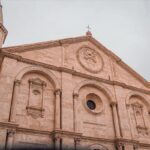
Built between 1459 and 1462 in a fusion of Gothic and Renaissance styles, the cathedral occupies the eastern side of Piazza Pio II. Its luminous interior was designed to flood with light—Pius II instructed Rossellino to create a ‘domus vitrea’ (house of glass). Five altarpieces by leading Sienese painters fill the apse. The building is structurally compromised by the cliff beneath the apse; cracks are monitored, and a conservation debate continues.
Pecorino di Pienza & Food Shopping
Pienza is the unofficial capital of Tuscan pecorino cheese—Corso Rossellino is lined with shops selling wheels aged in walnut leaves, hay, or ash. The annual Fiera del Cacio (cheese-rolling festival) in early September fills the piazza with competitions and tastings. Local producers pair pecorino with Val d’Orcia honey, wild boar salami, and Brunello di Montalcino wine. The town’s restaurants serve pici (hand-rolled pasta) with garlic and pecorino fonduta.
Val d'Orcia Scenic Drives
The UNESCO-inscribed landscape surrounding Pienza is defined by rolling clay hills, lone cypress trees, medieval farmhouses, and golden wheat fields that change colour with the seasons. The road from Pienza to San Quirico d’Orcia (8 km) passes the iconic row of cypresses near the Gladiator villa. The road to Monticchiello (5 km) winds through a tunnel of cypress-lined curves. Dawn and dusk light makes this one of the most photographed landscapes in Italy.
Bagno Vignoni Hot Springs
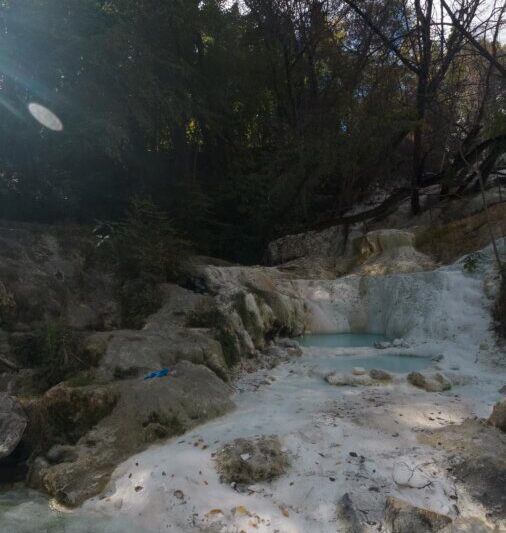
A village 10 km southwest of Pienza built around a 16th-century stone basin fed by natural hot springs at 49 degrees C. The basin replaces the traditional town square—it is the piazza. While bathing in the central basin is no longer permitted, modern thermal pools at the nearby Hotel Posta Marcucci and the free-flowing waterfall below the village (Parco dei Mulini) offer natural hot-water bathing with views of the Val d’Orcia.
Editor-curated picks carried over from our original guide. Where a full place guide exists, the card links to it.
Worth booking ahead in Pienza
Hand-picked from the operators our guides already send readers to. Prices and availability are live on the partner site.
Guided tourGetYourGuide
Colosseum, Forum and Palatine Hill small-group tour (opens GetYourGuide in a new tab)
Small group with the Forum and Palatine Hill included; the standard Colosseum visit done properly.
Where to stayBooking.com
Stays in Pienza (opens Booking.com in a new tab)
Live rates and availability for Pienza on Booking.com; filter by neighbourhood once you know where your days start.
We earn a commission if you book through these links, at no extra cost to you. It is how we keep the guides free and independent.
Where to stay
La Bandita Townhouse
Corso Il Rossellino 111, 53026 Pienza, Italy
Boutique hotel in a converted palazzo on the main corso with refined rooms, a wine bar, and views across the Val d’Orcia.
Hotel Corsignano
Editor-curated stays carried over from our original guide. Where we have reviewed the hotel, the card links to the review.
Tips from the field
Highlights
- Piazza Pio II
- Palazzo Piccolomini
- Pienza Cathedral
- Panoramic views of Val d'Orcia
- Local pecorino cheese
Best activities
- Explore the historic Centro Storico
- Visit Palazzo Piccolomini and its gardens
- Tour the Pienza Cathedral
- Walk along the panoramic Camminata Panoramica
- Taste local pecorino cheese
Practical tips
- Many attractions close during lunch hours, plan accordingly
- Book guided tours in advance for Palazzo Piccolomini
- Wear comfortable shoes for walking on cobblestone streets
- Try to visit early morning or late afternoon to avoid crowds
Keeping it authentic
- Pienza is a UNESCO World Heritage site, known for its Renaissance urban planning
- The town's architecture and layout reflect the 'ideal city' concept of the 15th century
Culture, customs and safety
Cultural heritage
Pienza is a remarkable Renaissance urban experiment. In 1459, Pope Pius II (born Enea Silvio Piccolomini in the village then called Corsignano) commissioned architect Bernardo Rossellino to redesign his birthplace as an ‘ideal city.’ Rossellino created a harmonious piazza flanked by the cathedral, papal palace, bishop’s palace, and town hall—all built in travertine over three years. UNESCO inscribed the historic centre as a World Heritage Site in 1996, recognising it as the first application of Renaissance humanist urban planning. The surrounding Val d’Orcia landscape received its own UNESCO inscription in 2004.
Local customs & etiquette
- Greet locals with a friendly ‘Buongiorno’ or ‘Buonasera’
- Enjoy meals at a leisurely pace, as dining is an important social activity
- Respect local traditions and participate in festivals if possible
- Support local artisans and markets by purchasing handmade goods
Travel Style
Activities