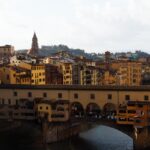
Pisa, famous for its iconic Leaning Tower, is a historic city in Tuscany that boasts a rich architectural heritage and vibrant student life. Beyond the tower, visitors can explore beautiful piazzas, stunning churches, and the picturesque Arno River. The city’s charming streets are filled with cafes, shops, and cultural landmarks, making it a delightful destination for travelers.
The destination guide
Pisa
Travel guides for Pisa
More guides featuring Pisa (7)
At a glance
Currency€ EURCode: EUR
Time zoneCentral European Time
Languages
- Italian
Setting
- Arno River
- Leaning Tower terrain
- Tuscan plain
- Renaissance city
Known for
- Medieval architecture
- Renaissance history
- University culture
- Tuscan cuisine
- Religious art and monuments
Population90,00090,000 residents
VisaDuration: Up to 90 days within any 180-day period in the Schengen Area · Documents: Valid passport issued within the last 10 years and valid for at least 3 months after planned departure, plus proof of accommodation, onward or return travel, and sufficient funds if requested
How Pisa scores
7/10OverallGood
Weather8/10
Value for money7/10
Safety7/10
Food & cuisine8/10
Culture & arts6/10
Cultural experience8/10
History9/10
Nature & outdoors5/10
Adventure4/10
Nightlife6/10
Shopping6/10
Family friendly5/10
Romance7/10
Character
Photography score9/10
Authenticity score9/10
Off-the-beaten-path score6/10
Editorial scores on a 10-point scale, weighed against destinations of the same kind.
Travel safety snapshot
Overall84/100High rating
Women travellers80/100
LGBTQ+ travellers85/100
Theft75/100
Medical care82/100
Physical harm85/100
Political freedom85/100
SafePlace indicators use their source 100-point scale; higher is more favourable. Planning context, not a live travel advisory — check official government guidance before you go.
When to go
Best months to visit: March, April, May, June, September, October and November.
- January: 2.8 to 8.6 degrees Celsius, 7.9 millimetres of rain, best-time score 3 out of 5.
- February: 2.6 to 10.1 degrees Celsius, 29.5 millimetres of rain, best-time score 3 out of 5.
- March: 5.1 to 13.1 degrees Celsius, 31.1 millimetres of rain, best-time score 4 out of 5.
- April: 8.4 to 17.5 degrees Celsius, 13.8 millimetres of rain, best-time score 5 out of 5.
- May: 10.9 to 18.3 degrees Celsius, 42.4 millimetres of rain, best-time score 5 out of 5.
- June: 16.4 to 25.1 degrees Celsius, 18.7 millimetres of rain, best-time score 5 out of 5.
- July: 18.8 to 28.3 degrees Celsius, 7.6 millimetres of rain, best-time score 3 out of 5.
- August: 19.4 to 28.8 degrees Celsius, 11.9 millimetres of rain, best-time score 3 out of 5.
- September: 15.9 to 24.9 degrees Celsius, 24 millimetres of rain, best-time score 5 out of 5.
- October: 11.1 to 18.4 degrees Celsius, 57.9 millimetres of rain, best-time score 5 out of 5.
- November: 7.9 to 13.5 degrees Celsius, 96.5 millimetres of rain, best-time score 4 out of 5.
- December: 4.2 to 10.2 degrees Celsius, 28.3 millimetres of rain, best-time score 3 out of 5.
Month-by-month conditions and packing advice
- January
- Cool weather, mostly dry January in Pisa: winter quiet or summer heat and crowds make sightseeing less balanced. Crowds: January represents Pisa’s low tourism season, when cooler weather keeps large crowds at bay. Travelers benefit from quieter streets, reduced wait times at major landmarks, and lower accommodation prices compared to spring and summer. While outdoor exploration is still enjoyable, shorter daylight hours and brisk temperatures mean planning visits around midday warmth is wise. This is an excellent time for museum visits, cathedral tours, and sampling Tuscan cuisine in cozy trattorias. The absence of heavy rainfall keeps walking tours feasible, but layered clothing is essential for comfort. Photographers will appreciate the subdued winter light and the relative emptiness of iconic sites, offering rare perspectives not possible during peak season. Pack: Warm coat suitable for cool, damp conditions; Layered clothing including sweaters and long-sleeve shirts; Comfortable waterproof walking shoes; Scarf, hat, and gloves for early mornings and evenings; Travel umbrella for occasional drizzles; Modest attire for cathedral and religious site visits
- February
- Cool weather, some rain February in Pisa: winter quiet or summer heat and crowds make sightseeing less balanced. Crowds: February falls within Pisa’s low tourist season, offering travelers a quieter experience with far fewer crowds around major attractions. While the weather is cool and occasionally rainy, this timing allows visitors to enjoy the city’s landmarks without the intense summer foot traffic or high-season pricing. Outdoor exploration requires warmer clothing, but museums, churches, and local trattorias provide plenty of cozy indoor refuges. Hotel rates are typically more affordable, making February attractive for budget-conscious travelers who don’t mind layering up. Photography enthusiasts may appreciate the softer winter light and the chance to capture monuments unobstructed. However, evening activities outdoors can feel chilly, so extended al fresco dining may be less comfortable. Booking flexibility is generally good, with less urgency compared to peak spring and summer months. Pack: Warm coat suitable for cool winter days; Water-resistant walking shoes for rainy streets; Compact travel umbrella for passing showers; Wool scarf and gloves for evening chill; Smart-casual attire for dining and museums; Layered clothing including sweaters and thermals
- March
- Cool weather, some rain March in Pisa: the city is manageable with layers or late fall planning. Crowds: March represents Pisa’s shoulder season, with fewer crowds compared to the bustling summer months. The cool temperatures and occasional showers can limit all-day outdoor exploration but create a quieter, more authentic experience of the city. Hotel rates and flight prices are generally more favorable than in peak season, making it an attractive month for budget-conscious cultural travelers. Visitors will find shorter queues at major landmarks, easier access to local trattorias, and less crowded train connections for day trips to Florence or Lucca. While outdoor cafés may not yet be in full swing, this period rewards those who prefer contemplative travel with more space and time to explore Pisa’s historical sites and Tuscan charm. Planning flexibility is key as showers may shift schedules, but overall conditions favor thoughtful cultural immersion without the pressures of peak-season tourism. Pack: Water-resistant jacket for unpredictable showers; Layered clothing to adjust between chilly mornings and mild afternoons; Compact travel umbrella for city walks; Comfortable waterproof walking shoes for cobblestone streets; Scarf or light wool sweater for cooler evenings; Respectful attire for churches and religious sites
- April
- Cool weather, mostly dry April in Pisa: the Leaning Tower complex, river walks, day trips, and outdoor dining are easiest outside peak heat. Crowds: April represents the start of Pisa’s spring tourism upswing, with comfortable weather drawing more visitors yet still offering manageable crowd levels compared to summer. Travelers benefit from lower accommodation prices than peak season, though early booking is advised during Easter holidays when Italians travel domestically. The climate is well-suited for cultural exploration—walking tours, visits to historic churches, and day trips into Tuscany’s countryside are all enjoyable without summer heat. Occasional cool evenings mean planning flexible indoor options such as museums or trattoria dining is wise. Overall, April offers a sweet spot of affordability, pleasant conditions, and growing seasonal vibrancy. Pack: Light jacket or cardigan for cool evenings; Comfortable walking shoes for cobblestone streets; Umbrella or compact raincoat for occasional showers; Layered clothing to adapt to variable spring temperatures; Scarf for both warmth and cultural site visits; Sunglasses for bright spring sunlight
- May
- Cool weather, some rain May in Pisa: the Leaning Tower complex, river walks, day trips, and outdoor dining are easiest outside peak heat. Crowds: May marks the start of Pisa’s high travel season, driven by comfortable weather and numerous springtime festivals across Tuscany. Conditions are ideal for outdoor sightseeing, including climbing the Leaning Tower, strolling along the Arno River, and taking day trips to nearby vineyards. Crowds begin to increase, particularly around major landmarks, and hotel prices rise accordingly compared to the shoulder months. While short rain showers may briefly disrupt plans, they rarely last long enough to deter exploration. Travelers should book accommodations early and expect lively public squares and bustling cafes. With mild temperatures and cultural events in full swing, May is one of the most rewarding months to visit Pisa, balancing enjoyable weather with an increasingly vibrant atmosphere. Pack: Light waterproof jacket for spring showers; Comfortable walking shoes for cobblestone streets; Layered clothing for cool mornings and warmer afternoons; Compact travel umbrella for sudden rain; Smart-casual attire suitable for Tuscan dining; Breathable fabrics like cotton or linen for daytime comfort
- June
- Warm and pleasant, mostly dry June in Pisa: the Leaning Tower complex, river walks, day trips, and outdoor dining are easiest outside peak heat. Crowds: June is the threshold of peak season in Pisa, bringing some of the year’s most enjoyable conditions for sightseeing. Comfortable warmth makes climbing the Leaning Tower or strolling the Lungarno promenades particularly inviting. With schools across Europe closing, however, tourist numbers begin to rise, leading to busier attractions and higher accommodation rates. While not as crowded as July or August, planning ahead for tickets to major landmarks is wise. The pleasant weather also aligns with cultural events and summer festivals in Tuscany, offering travelers a blend of heritage and seasonal vibrancy. Outdoor dining and evening strolls are at their best, though midday heat can encourage breaks in shaded gardens or museums. For those aiming to balance atmosphere and crowd levels, June strikes a sweet spot—vibrant but not yet overwhelming. Booking early ensures better value and access to centrally located stays. Pack: Light cotton or linen clothing for warm afternoons; Comfortable sandals or breathable walking shoes; Reusable water bottle to stay hydrated during sightseeing; Wide-brimmed hat and high-SPF sunscreen for daytime; Light jacket or shawl for cooler evenings; Modest attire for visiting churches and religious sites
- July
- Warm and pleasant, mostly dry July in Pisa: winter quiet or summer heat and crowds make sightseeing less balanced. Crowds: July represents Pisa’s high summer tourist season, drawing large crowds to its iconic landmarks and historic streets. The weather is excellent for sightseeing, with long daylight hours perfect for exploring, though heat and crowds peak midday. Accommodation rates and flight prices are at their highest, and advance booking is essential. Festivals and cultural events often take place outdoors, benefiting from the stable, dry conditions. While it is an ideal month for photography and city exploration, travelers should anticipate queues at major attractions and limited availability in central hotels. To make the most of the season, plan visits early in the morning or later in the evening, reserving the hottest hours for indoor museums or shaded cafés. Pack: Lightweight breathable clothing such as cotton or linen; Wide-brimmed hat and high-SPF sunscreen; Reusable water bottle for staying hydrated; Comfortable sandals or walking shoes for cobblestone streets; Light evening layer for breezier nights; Modest attire for visiting churches and sacred sites
- August
- Warm and pleasant, mostly dry August in Pisa: winter quiet or summer heat and crowds make sightseeing less balanced. Crowds: August in Pisa coincides with the peak of the Italian summer holiday season, which means larger crowds, busier piazzas, and higher accommodation prices. Many locals leave the city for coastal retreats, so while tourist attractions remain open, some smaller businesses may reduce hours. The weather supports full days of exploration, though sightseeing is most comfortable in the mornings and evenings when temperatures soften. Midday is best reserved for shaded cafés, museum visits, or trips to the coast. Travelers should expect significant foot traffic around the Leaning Tower and Piazza dei Miracoli, so early reservations and timed entries are recommended. This is an ideal month for long outdoor dinners and cultural festivals that take advantage of the warm nights, but not the best for those seeking quiet, low-cost travel. Pack: Breathable cotton and linen clothing for hot days; Wide-brimmed hat and high SPF sunscreen for sun protection; Comfortable sandals and sturdy walking shoes for varied terrain; Reusable water bottle to stay hydrated in the heat; Light evening layer for late-night river strolls; Modest attire for churches and sacred sites
- September
- Warm and pleasant, mostly dry September in Pisa: the Leaning Tower complex, river walks, day trips, and outdoor dining are easiest outside peak heat. Crowds: September represents one of the most attractive months to visit Pisa. The summer crowds thin as families return home after August holidays, yet conditions remain excellent for sightseeing, cycling along the Arno, or day trips into the Tuscan hills. With warm but not oppressive temperatures, exploring landmarks like the Leaning Tower or walking tours through historic neighborhoods becomes far more comfortable. Hotel rates begin to ease compared to high-summer peaks, while local restaurants and cafes are still buzzing with energy. This period also coincides with harvest festivals and regional food events, offering visitors the chance to experience authentic Tuscan culture beyond the tourist circuit. Advance booking is recommended for accommodations near central attractions, but travelers benefit from a sweet spot of favorable weather, lighter crowds, and seasonal festivities. Pack: Breathable cotton shirts for daytime comfort; Light jacket or cardigan for cooler evenings; Comfortable walking shoes for uneven streets; Sunhat and SPF 30+ sunscreen for midday sun; Compact umbrella or light rain jacket for occasional showers; Smart-casual attire for dining in traditional trattorias
- October
- Warm and pleasant, some rain October in Pisa: the Leaning Tower complex, river walks, day trips, and outdoor dining are easiest outside peak heat. Crowds: October represents Pisa’s shoulder season, offering a quieter atmosphere compared to the bustling summer months. The moderate temperatures make walking tours and cultural exploration pleasant, though visitors should anticipate some rain showers disrupting outdoor plans. Tourist crowds thin out significantly, and accommodation prices often dip, making it a more affordable period for travel. Vineyards and food festivals in Tuscany peak at this time, adding cultural richness to the visit. While beach activities are largely over, museums, churches, and architectural highlights remain in full swing. Travelers benefit from booking accommodations in advance but without the urgency of high season, enjoying a balance of accessibility and atmosphere. Pack: Waterproof jacket or compact umbrella for autumn showers; Comfortable walking shoes with good grip for wet cobblestones; Layered clothing to adapt to cool mornings and warmer afternoons; Scarf or light sweater for chilly evenings; Camera with rain cover for moody photography opportunities; Smart casual attire for dining in traditional Tuscan restaurants
- November
- Cool weather, some rain November in Pisa: the city is manageable with layers or late fall planning. Crowds: Travel in November means fewer tourists and a welcome break from the high-season crowds. Pisa is in its shoulder-to-low season during this month, with hotel prices significantly more affordable and attractions easier to access without long waits. The cool, damp weather makes extended outdoor sightseeing less comfortable, but it’s an excellent time for cultural exploration—museums, cathedrals, and historic libraries become ideal havens. Food lovers will find November rewarding as Tuscan autumn cuisine and new wines dominate menus. While rain may occasionally disrupt outdoor activities, the trade-off is a more authentic, relaxed experience of the city. Advance booking isn’t essential, but securing centrally located accommodation near covered streets can add comfort. Pack: Waterproof jacket with hood; Sturdy waterproof walking shoes; Compact travel umbrella; Warm layers such as sweaters and scarves; Modest attire for churches and religious sites; Crossbody bag to keep belongings safe in wet conditions
- December
- Cool weather, some rain December in Pisa: winter quiet or summer heat and crowds make sightseeing less balanced. Crowds: Traveling to Pisa in December means encountering the city in its off-season, with far fewer tourists compared to the warmer months. The cool weather and occasional showers create comfortable conditions for leisurely sightseeing, though outdoor dining and evening strolls require warm clothing. Hotel prices and airfares are generally lower, offering budget-friendly opportunities. While not peak season for major events, Christmas markets and festive lights brighten the streets, adding cultural charm. Visitors can enjoy more personal encounters with iconic landmarks like the Leaning Tower without heavy crowds. However, some attractions may operate with reduced hours. December is best suited for travelers seeking cultural depth and local atmosphere rather than bustling outdoor activity. Booking flexibility is greater, though securing accommodations near holiday festivities should be done early. Pack: Warm layered clothing including sweaters and jackets; Water-resistant shoes for rain-slicked streets; Compact umbrella for passing showers; Scarf, gloves, and hat for chilly mornings and evenings; Smart casual attire for dining and cultural events; Travel thermos for keeping drinks warm during exploration
Peak season
- June
- July
- August
- April
- May
- September
Off-peak
- November
- January
- February
- October
- December
- March
Know before you go
About
Pisa, Tuscany, is a historic city in central Italy on the Arno River, with about 90,000 residents and a global reputation built on a single tilting tower. Once a powerful maritime republic, it left its greatest legacy in the Piazza dei Miracoli (Square of Miracles), a UNESCO-listed ensemble of the Romanesque cathedral, the round baptistery, and the famous freestanding bell tower. The Leaning Tower of Pisa, begun in 1173, tilts because of soft, unstable subsoil and stands about 56 meters tall; centuries of engineering, most recently in the 1990s and 2000s, have stabilized its lean. Beyond the tower, Pisa is a lively university city, home to one of Italy’s oldest universities, with riverside palazzi, churches, and the annual Luminara festival. Its international airport makes it a major gateway to Tuscany and the wider region.
Neighbourhoods
The Piazza dei Miracoli (Cathedral Square) is where the Leaning Tower, Cathedral, and Baptistery stand. Borgo Stretto is a colonnaded shopping street linking the piazza to the old centre. The Lungarni are the riverside streets flanking the Arno, lined with colourful palazzi. San Martino, south of the river, is a quieter residential quarter with medieval churches. Marina di Pisa, 12 km west, offers beaches and a lighthouse.
Best time to visit
The best time to visit Pisa is during the spring (April to June) and fall (September to October) when the weather is mild and pleasant. Summer can be hot and crowded, especially around major tourist attractions, while winter offers a quieter experience with fewer tourists.
Getting there and around
Getting there
Pisa Galileo Galilei Airport (PSA) is Tuscany’s busiest, with direct flights from across Europe. A people mover connects the airport to Pisa Centrale station in 5 minutes. Trenitalia trains link Pisa to Florence (1 hour), Lucca (30 min), Rome (3 hours), and Cinque Terre (1-2 hours). By car, the FI-PI-LI highway connects Pisa to Florence in 80 minutes. Flixbus serves the main bus terminal.
Getting around
Pisa’s centre is compact and flat—a 20-minute walk separates the train station from the Leaning Tower. City buses (CPT) run from the station to the Piazza dei Miracoli. A LAM Rossa bus connects the airport to the city centre in 10 minutes. Cycling is popular; bike rentals are available at the station. Street parking is limited in the centre; park in the lots near Piazza dei Miracoli.
Top experiences in Pisa
Leaning Tower of Pisa
The freestanding bell tower of Pisa Cathedral began to lean during construction in 1173 due to soft ground on one side. Tilting 3.97 degrees after stabilisation works completed in 2001, the 56-metre marble tower draws millions of visitors annually. Climbing the 294 steps to the top offers views across the Piazza dei Miracoli and the Tuscan countryside. Timed entry tickets limit groups and must be pre-booked in peak season.
Piazza dei Miracoli (Cathedral & Baptistery)
A UNESCO World Heritage ensemble of four medieval marble structures on a green lawn. The Romanesque-Pisan Cathedral (begun 1064) features a gilded ceiling, a Giovanni Pisano pulpit, and bronze doors. The circular Baptistery (1152) has remarkable acoustics and a hexagonal pulpit by Nicola Pisano. The Camposanto Monumentale (monumental cemetery) contains Roman sarcophagi and 14th-century frescoes (heavily damaged in WWII, partially restored).
Lungarni & Palazzo Blu
The riverside streets along the Arno display Pisa’s colourful palazzi reflected in the water—especially striking at sunset. Palazzo Blu, a blue-painted 14th-century palace, houses a permanent collection of Pisan art and hosts major travelling exhibitions (past shows have included Warhol and Escher). The Church of Santa Maria della Spina, a tiny Gothic gem on the south bank, is decorated with spires and niches holding sculpted saints.
Keith Haring Mural (Tuttomondo)
American artist Keith Haring painted this 180-square-metre mural on the rear wall of the Convent of Sant’Antonio in 1989, months before his death. The colourful composition of 30 interlocking figures represents world peace and harmony—each figure symbolises a different aspect of life. It is the only one of Haring’s murals designed to be permanent, using special weather-resistant paints. The mural faces a small piazza near the train station.
Day Trip to Lucca
A 30-minute train ride from Pisa, Lucca is a walled Tuscan city encircled by 4.2 km of Renaissance ramparts converted into a tree-shaded promenade. The oval Piazza dell’Anfiteatro follows the outline of a Roman amphitheatre. The Torre Guinigi, crowned by a rooftop garden of holm oaks, provides aerial views. Lucca is known for its churches (San Michele, San Frediano), olive oil, and the annual Lucca Summer Festival.
Editor-curated picks carried over from our original guide. Where a full place guide exists, the card links to it.
Worth booking ahead in Pisa
Hand-picked from the operators our guides already send readers to. Prices and availability are live on the partner site.
Guided tourGetYourGuide
Colosseum, Forum and Palatine Hill small-group tour (opens GetYourGuide in a new tab)
Small group with the Forum and Palatine Hill included; the standard Colosseum visit done properly.
Where to stayBooking.com
Stays in Pisa (opens Booking.com in a new tab)
Live rates and availability for Pisa on Booking.com; filter by neighbourhood once you know where your days start.
We earn a commission if you book through these links, at no extra cost to you. It is how we keep the guides free and independent.
Where to stay
Palazzo Feroci
Piazza Arcivescovado 2, 56126, Pisa
Five-star boutique hotel steps from the Leaning Tower with exquisite décor, premium bedding, designer toiletries, and a garden setting.
Grand Hotel Duomo
Piazza del Duomo 1, 56126, Pisa
Four-star hotel with an American bar and a panoramic rooftop terrace offering views across the Piazza del Duomo and Leaning Tower.
Hotel Villa Kinzica
Piazza della Stazione 2, 56125, Pisa
Charming three-star hotel in the city center with easy access to the Leaning Tower, comfortable rooms, and a friendly atmosphere.
Editor-curated stays carried over from our original guide. Where we have reviewed the hotel, the card links to the review.
Tips from the field
Highlights
- Leaning Tower of Pisa
- Pisa Cathedral
- Baptistery of San Giovanni
- Piazza dei Cavalieri
- Santa Maria della Spina Church
Best activities
- Climb the Leaning Tower of Pisa
- Visit the Piazza dei Miracoli (Square of Miracles)
- Explore the Pisa Cathedral and Baptistery
- Walk along the Arno River on Lungarni di Pisa
- Tour the Botanical Garden and Museum
Practical tips
- Book Leaning Tower tickets in advance to avoid long queues
- Use public transportation or walk to explore the compact city center
- Many attractions offer combined tickets for better value
- Be aware of siesta hours when some shops may close in the afternoon
Keeping it authentic
- Explore the charming streets away from the main tourist areas
- Visit local markets and cafes for authentic Tuscan experiences
Culture, customs and safety
Cultural heritage
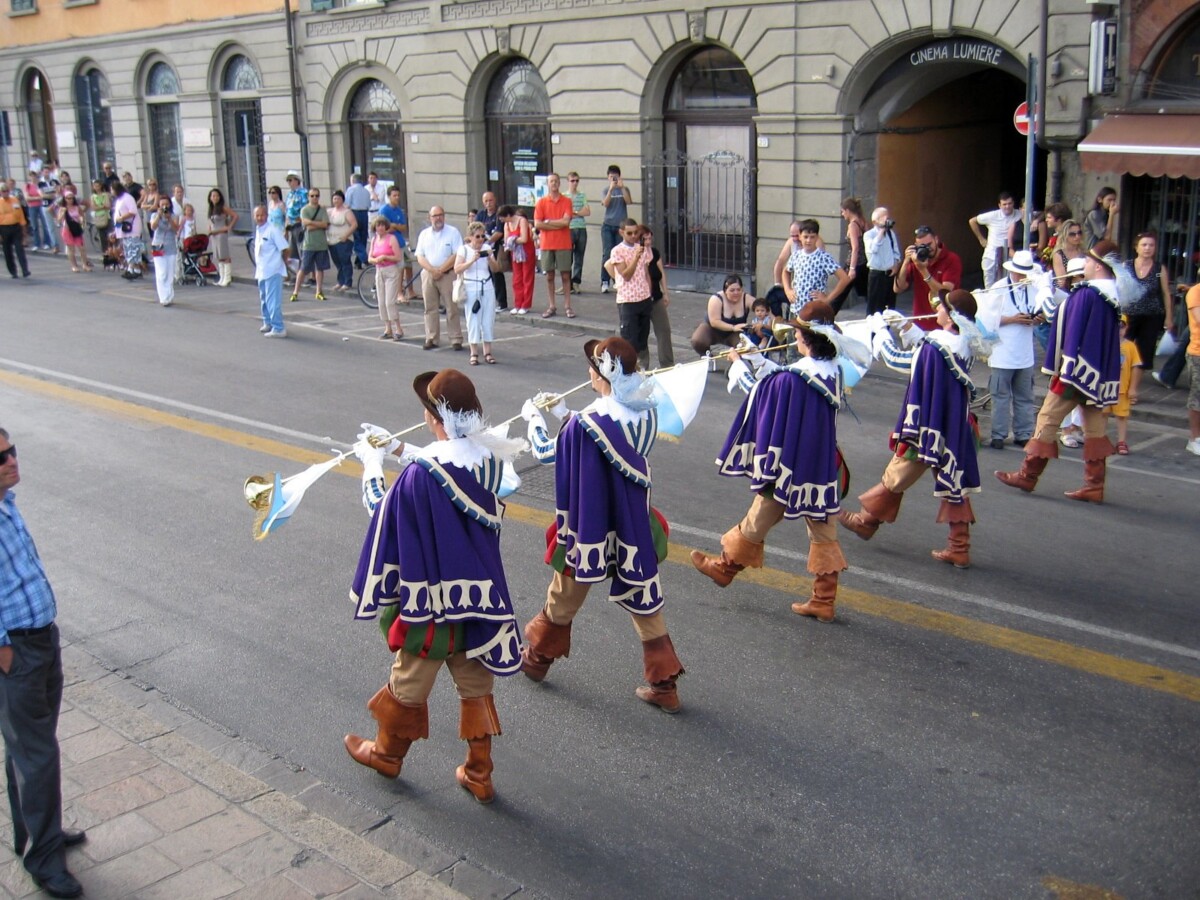
Pisa was one of the four great Medieval Maritime Republics, rivalling Genoa, Venice, and Amalfi for control of the Mediterranean. Its 11th-13th century golden age produced the monuments of the Piazza dei Miracoli, a UNESCO World Heritage Site. The university, founded in 1343, is one of Italy’s oldest and educated Galileo Galilei, who allegedly dropped weights from the Leaning Tower to test theories of gravity. The Gioco del Ponte (Bridge Game), a costumed tug-of-war between the city’s two halves, has been held annually since the 16th century.
Local customs & etiquette
- Greet locals with a friendly “Buongiorno” or “Buonasera” depending on the time of day
- Respect local dining customs, such as not rushing meals
- Dress appropriately when visiting churches and religious sites
- Try to learn a few basic Italian phrases; it is appreciated by locals

Travel Style
Activities