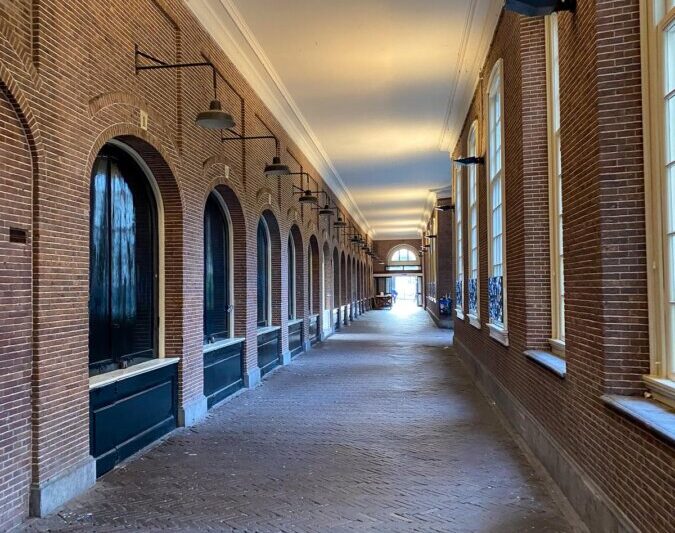
Tuscany, a region renowned for its stunning landscapes, rich history, and artistic legacy, is the heart of the Italian Renaissance. With its rolling hills, vineyards, and charming medieval towns, Tuscany offers a picturesque escape. Visitors can explore world-class art in Florence, savor exquisite wines in Chianti, and enjoy the tranquil beauty of the countryside.
The destination guide
Tuscany
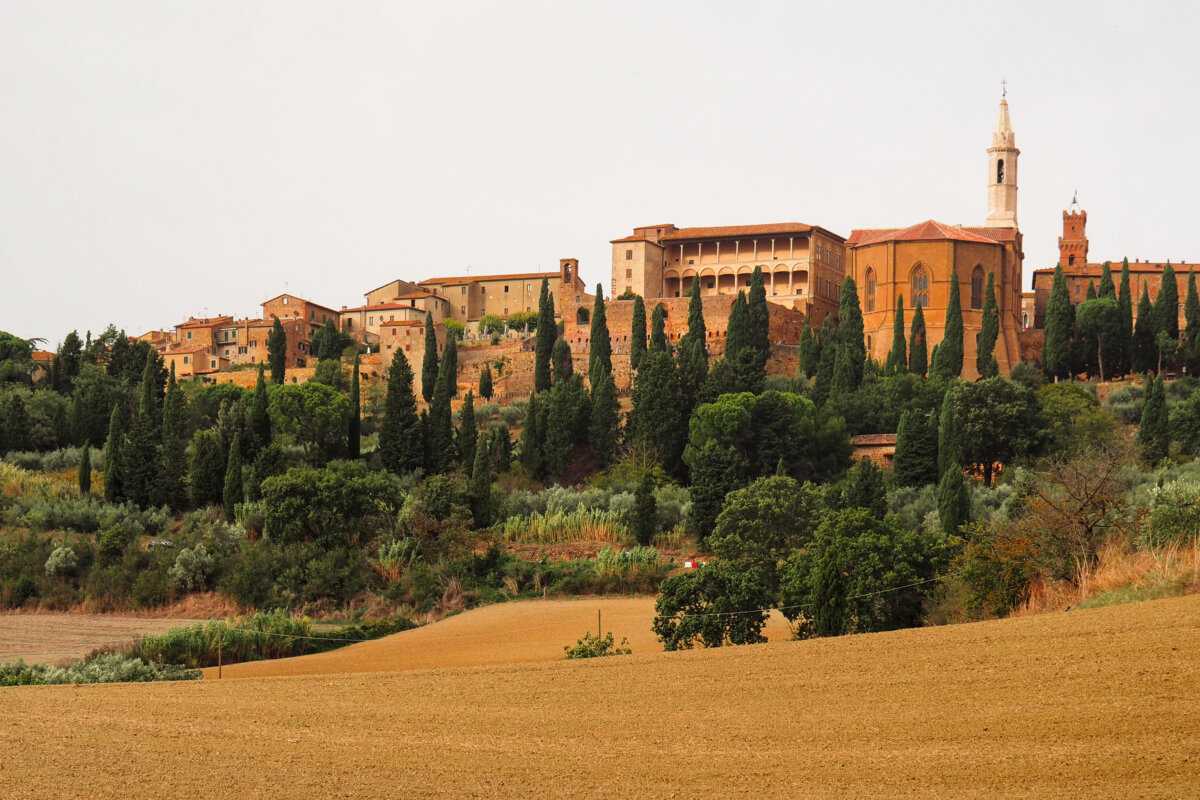
Skip the Florence day-trippers and drive south into Chianti. The vineyards, hill towns, and slow lunches are what Tuscany actually feels like.
Travel guides for Tuscany
Where to stay (1)
Destination stories (3)
More guides featuring Tuscany (25)
At a glance
Currency€ EURCode: EUR
Time zoneCentral European Time
Languages
- Italian
Setting
- Rolling hills
- Vineyard landscapes
- Olive groves
- Medieval hilltop towns
Known for
- Renaissance Art
- Wine Tasting
- Culinary Tours
- Romantic Countryside.
Population3.7M3,700,000 residents
VisaDuration: Up to 90 days within any 180-day period in the Schengen Area · Documents: Valid passport issued within the last 10 years and valid for at least 3 months after planned departure, plus proof of accommodation, onward or return travel, and sufficient funds if requested
How Tuscany scores
9/10OverallExcellent
Weather6/10
Value for money5/10
Food & cuisine9/10
Culture & arts6/10
Cultural experience9/10
Nature & outdoors8/10
Adventure4/10
Nightlife5/10
Shopping7/10
Family friendly5/10
Romance9/10
Editorial scores on a 10-point scale, weighed against destinations of the same kind.
Travel safety snapshot
Overall83/100High rating
Women travellers78/100
LGBTQ+ travellers72/100
Theft74/100
Medical care86/100
Physical harm82/100
Political freedom84/100
SafePlace indicators use their source 100-point scale; higher is more favourable. Planning context, not a live travel advisory — check official government guidance before you go.
When to go
Best months to visit: March, April, May, June, September, October and November.
- January: 20.4 to 30 degrees Celsius, 14.4 millimetres of rain, best-time score 2 out of 5.
- February: 20.6 to 30.8 degrees Celsius, 9 millimetres of rain, best-time score 2 out of 5.
- March: 21.4 to 31.9 degrees Celsius, 18.6 millimetres of rain, best-time score 4 out of 5.
- April: 22.4 to 32.6 degrees Celsius, 14.6 millimetres of rain, best-time score 5 out of 5.
- May: 22.5 to 32.3 degrees Celsius, 14.1 millimetres of rain, best-time score 5 out of 5.
- June: 22.1 to 29.8 degrees Celsius, 47.8 millimetres of rain, best-time score 5 out of 5.
- July: 22 to 29.8 degrees Celsius, 87.9 millimetres of rain, best-time score 3 out of 5.
- August: 21.9 to 30.6 degrees Celsius, 32.4 millimetres of rain, best-time score 3 out of 5.
- September: 22.4 to 32.5 degrees Celsius, 35.6 millimetres of rain, best-time score 5 out of 5.
- October: 22.2 to 32.4 degrees Celsius, 22.1 millimetres of rain, best-time score 5 out of 5.
- November: 22 to 30.8 degrees Celsius, 26 millimetres of rain, best-time score 4 out of 5.
- December: 21.3 to 29.8 degrees Celsius, 23 millimetres of rain, best-time score 3 out of 5.
Month-by-month conditions and packing advice
- January
- Hot and sunny, mostly dry January in Tuscany: deep winter is less ideal for a first-time Tuscany itinerary. Crowds: January marks the peak tourist season in Tuscany, with excellent weather conditions for outdoor activities such as wine tours, vineyard visits, and exploring historic towns. The region's cultural sites and festivals are most accessible during this time, attracting a large influx of visitors. Accommodation prices and crowd levels are at their highest, so early booking is recommended. Despite the warm temperatures, UV levels remain high, necessitating sunscreen and protective clothing. Pack: Lightweight layers for temperature variation; Comfortable walking shoes for exploring vineyards and historic sites; Broad-brimmed hat and SPF 50+ sunscreen; Light cardigan for cooler evenings; Modest clothing for visiting religious sites and churches; Breathable cotton/linen fabrics
- February
- Hot and sunny, mostly dry February in Tuscany: deep winter is less ideal for a first-time Tuscany itinerary. Crowds: February marks the peak tourist season in Tuscany, with excellent weather conditions for outdoor activities such as wine tasting, vineyard tours, and exploring medieval towns. The region experiences moderate crowd levels, with hotels and restaurants often fully booked. Accommodation prices and dining rates tend to rise during this period. Despite the warm temperatures, visitors can enjoy comfortable weather, especially with the cooler evenings. It's advisable to book accommodations and tours in advance to secure the best options. Pack: Lightweight layers for temperature variation; Comfortable walking shoes for exploring vineyards and historic sites; Wide-brimmed hat and SPF 50+ sunscreen; Light cardigan for cooler evenings; Modest clothing for visiting religious sites and churches; Breathable cotton/linen fabrics
- March
- Hot and sunny, mostly dry March in Tuscany: early spring or late autumn can work with layers and fewer crowds. Crowds: March is a prime time for visiting Tuscany, with excellent weather conditions for outdoor exploration, including wine tasting tours, vineyard visits, and scenic countryside walks. The tourist season is in full swing, attracting visitors eager to experience the region's charm. Accommodation prices and crowd levels are high, so early booking is recommended. Despite the warmth, travelers can enjoy comfortable temperatures, perfect for exploring historic towns and enjoying local cuisine. Pack: Lightweight layers for temperature variation; Comfortable walking shoes for exploring vineyards and towns; Wide-brimmed hat and UV-protective sunscreen; Light cardigan for cooler evenings; Comfortable walking shoes for exploring vineyards and towns; Breathable cotton/linen fabrics
- April
- Hot and sunny, mostly dry April in Tuscany: hill towns, vineyards, food, countryside drives, art cities, and harvest atmosphere balance mild weather and scenery. Crowds: April marks the peak tourist season in Tuscany, with excellent weather conditions for outdoor activities like wine tours, vineyard visits, and exploring medieval towns. The region experiences moderate crowds, with accommodation prices peaking during this time. Despite the warm temperatures, UV levels remain manageable, encouraging visitors to wear sunscreen and stay hydrated. April is also a great time for cultural events and festivals, offering a rich tapestry of local traditions and celebrations. Pack: Lightweight layers for temperature variation; Comfortable walking shoes for exploring vineyards and historic towns; Wide-brimmed hat and SPF 50+ sunscreen; Light cardigan for cooler evenings; Comfortable sandals for casual outings; Breathable cotton/linen fabrics
- May
- Hot and sunny, mostly dry May in Tuscany: hill towns, vineyards, food, countryside drives, art cities, and harvest atmosphere balance mild weather and scenery. Crowds: May marks the peak tourist season in Tuscany, with excellent weather conditions for outdoor activities such as wine tasting tours, hiking in the Chianti region, and exploring medieval towns. The high tourist influx leads to crowded attractions and increased prices for accommodations and dining. Despite the heat, visitors can enjoy leisurely strolls through vineyards and historic sites, with the dry weather providing clear skies and optimal lighting for photography. Pack: Lightweight, breathable clothing for daytime activities; Wide-brimmed hat and sunglasses for sun protection; Comfortable walking shoes for exploring vineyards and towns; Light jacket or sweater for cooler evenings; Sunglasses for outdoor photography; Light scarf or shawl for cultural sites
- June
- Hot and sunny, some rain June in Tuscany: hill towns, vineyards, food, countryside drives, art cities, and long evenings balance warm weather and scenery. Crowds: June marks the peak tourist season in Tuscany, with excellent weather conditions for outdoor activities such as wine tours, vineyard visits, and exploring historic towns. The region's cultural sites, including Renaissance architecture and medieval castles, are most accessible and enjoyable during this time. However, hotel rates and crowd levels tend to rise significantly, so early booking is advisable. Visitors should be prepared for high UV levels, as the sun shines brightly throughout the day, even in cooler temperatures. Pack: Lightweight layers for temperature variation; Comfortable walking shoes for exploring vineyards and historic sites; Wide-brimmed hat and UV-protective sunscreen; Light cardigan for cooler evenings; Comfortable walking shoes for exploring vineyards and historic sites; Modest clothing for visiting religious sites and cultural landmarks; Breathable cotton/linen fabrics
- July
- Hot and sunny, some rain July in Tuscany: summer heat or winter quiet makes the trip less balanced. Crowds: July marks the peak tourist season in Tuscany, with excellent weather conditions for outdoor activities. Visitors can indulge in wine festivals, food tours, and scenic drives through the picturesque countryside. Hotel rates and crowd levels are high, so early bookings are recommended. Despite the warm temperatures, UV levels remain high, necessitating the use of sunscreen and protective clothing. Pack: Lightweight, breathable clothing for daytime activities; Wide-brimmed hat and sunglasses for sun protection; Comfortable walking shoes for exploring historic sites; Light rain jacket for occasional showers; Swimwear for poolside relaxation; Light scarf or shawl for cooler evenings
- August
- Hot and sunny, some rain August in Tuscany: summer heat or winter quiet makes the trip less balanced. Crowds: August marks the peak tourist season in Tuscany, with high demand for accommodations and attractions. The warm weather encourages outdoor activities like hiking, cycling, and exploring local cuisine. Tourist crowds are expected to be high, particularly in popular regions such as Chianti and Florence. While the weather is perfect for sightseeing, visitors should be prepared for peak prices on flights and accommodations. Booking in advance is recommended to secure the best deals. Pack: Lightweight clothing for daytime activities; Comfortable walking shoes for exploring vineyards and towns; Wide-brimmed hat and UV-protective sunscreen; Light jacket or sweater for cooler evenings; Waterproof jacket for potential rain showers; Comfortable sandals for casual outings
- September
- Hot and sunny, some rain September in Tuscany: hill towns, vineyards, food, countryside drives, art cities, and harvest atmosphere balance mild weather and scenery. Crowds: September marks the peak tourist season in Tuscany, with high demand for accommodations and guided tours. The weather remains warm and sunny, encouraging visitors to explore the region's cultural heritage sites, such as medieval castles and Renaissance villas. While the tourist influx can lead to crowded attractions, the pleasant climate allows for extended outdoor activities. Visitors are advised to book accommodations early due to high demand, and to consider visiting during weekdays to avoid peak crowds. Pack: Lightweight summer clothing for daytime activities; Comfortable walking shoes for exploring historic sites; Wide-brimmed hat and UV-protective sunscreen; Light jacket or sweater for cooler evenings; Comfortable sandals for casual outings; Light rain jacket for unexpected showers
- October
- Hot and sunny, mostly dry October in Tuscany: hill towns, vineyards, food, countryside drives, art cities, and harvest atmosphere balance mild weather and scenery. Crowds: January marks the peak tourist season in Tuscany, with excellent weather conditions for outdoor activities like wine tours, hiking, and exploring medieval towns. The region experiences moderate crowds, especially in popular areas such as Florence and Siena. Accommodation prices and dining rates tend to rise during this period. Visitors should plan for higher UV exposure levels due to the sunny weather, even though temperatures are mild. Pack: Lightweight layers for temperature variation; Comfortable walking shoes for exploring vineyards and historic sites; Wide-brimmed hat and high SPF sunscreen; Light cardigan for cooler evenings; Comfortable walking shoes for exploring vineyards and historic sites; Breathable cotton/linen fabrics
- November
- Hot and sunny, some rain November in Tuscany: early spring or late autumn can work with layers and fewer crowds. Crowds: January marks the peak tourist season in Tuscany, with favorable weather conditions for outdoor exploration, including wine tasting tours, vineyard visits, and cultural heritage sites. The region's charm is complemented by moderate temperatures, though UV levels remain high. Accommodation prices and tourist crowds are at their peak, so early booking is recommended. Visitors can enjoy leisurely walks through picturesque towns and indulge in local cuisine. Pack: Lightweight layers for temperature variation; Comfortable walking shoes for exploring vineyards and historic sites; Wide-brimmed hat and SPF 50+ sunscreen; Light cardigan for cooler evenings; Modest clothing for visiting religious sites; Breathable cotton/linen fabrics
- December
- Hot and sunny, mostly dry December in Tuscany: summer heat or winter quiet makes the trip less balanced. Crowds: December marks the peak tourist season in Tuscany, with excellent weather conditions encouraging visitors to explore the region's cultural and natural attractions. The warm temperatures and sunny skies make it ideal for activities such as vineyard tours, historical city visits, and leisurely countryside strolls. Hotel rates and crowd levels are at their highest, with accommodation prices reflecting the increased demand. Despite the pleasant weather, travelers should be prepared for higher UV levels, especially during midday sun exposure. Pack: Lightweight layers for temperature variation; Comfortable walking shoes for city exploration; Broad-brimmed hat and SPF 50+ sunscreen; Light cardigan for air-conditioned spaces; Modest clothing for cultural sites and religious venues; Breathable cotton/linen fabrics
Peak season
- June
- July
- August
Off-peak
- November
- December
- January
- February
Know before you go
About
Tuscany, in central Italy, is one of the world’s most beloved travel regions, a sun-washed landscape of rolling hills, cypress-lined roads, vineyards, and art-filled cities. Home to about 3.74 million residents, it centers on Florence, the cradle of the Renaissance, where the Duomo, Uffizi Gallery, and Michelangelo’s David draw art lovers from across the globe. Tuscany was the homeland of the ancient Etruscans and later birthed an extraordinary flowering of art and architecture in the 14th and 15th centuries. Beyond Florence, travelers explore the leaning tower and cathedral square of Pisa, the medieval towers of Siena and San Gimignano, and the walled city of Lucca. The region is equally famed for its wines, above all Chianti from the hills between Florence and Siena, plus Brunello and Vernaccia, paired with celebrated olive oils and hearty cuisine. With the scenic Val d’Orcia, hot springs, and coastline added in, Tuscany blends world-class culture, food, and countryside like nowhere else in Italy.
Best time to visit
April to May, September to October
Season by season
Spring and Autumn offer beautiful weather and stunning countryside colors (wildflowers in spring, harvest in autumn). Summer is very hot and extremely crowded in Florence. Winter is cold, damp, and quiet.
Crowds
High
Getting there and around
Getting there
Fly into Florence (FLR) or Pisa (PSA) as main gateways. Trains connect Florence to Siena, Lucca, and Arezzo. A rental car is ideal for exploring hill towns, vineyards, and the Val d’Orcia countryside.
Top experiences in Tuscany
Florence Cathedral (Duomo)
The Cradle of the Renaissance. The Duomo’s dome is an engineering marvel. The Uffizi holds Botticelli’s Birth of Venus. Michelangelo’s David is at the Accademia.
Uffizi Gallery
The postcard landscape. Rolling green hills, cypress trees, and hilltop towns (Pienza, Montepulciano). It is a UNESCO site and a photographer’s dream.
Piazza del Campo (Siena)
Florence’s medieval rival. Famous for the Palio (horse race) in the shell-shaped Piazza del Campo. The Duomo here is arguably more beautiful inside than Florence’s.
Pisa (Leaning Tower)
Yes, it leans. Yes, you have to take the silly photo holding it up. But the whole Square of Miracles is stunning white marble architecture.
Chianti Wine Region
The land of the Black Rooster (Gallo Nero). Vineyards, olive groves, and castles. Towns like Greve and Radda are charming. The Sangiovese wine is legendary.
Editor-curated picks carried over from our original guide. Where a full place guide exists, the card links to it.

Worth booking ahead in Tuscany
Hand-picked from the operators our guides already send readers to. Prices and availability are live on the partner site.
Guided tourGetYourGuide
Colosseum, Forum and Palatine Hill small-group tour (opens GetYourGuide in a new tab)
Small group with the Forum and Palatine Hill included; the standard Colosseum visit done properly.
Where to stayBooking.com
Stays in Tuscany (opens Booking.com in a new tab)
Live rates and availability for Tuscany on Booking.com; filter by neighbourhood once you know where your days start.
We earn a commission if you book through these links, at no extra cost to you. It is how we keep the guides free and independent.
Tips from the field
Highlights
- The unparalleled concentration of Renaissance masterpieces in Florence, the sweeping, cypress-lined vineyard landscapes of Chianti, and the perfectly preserved medieval architecture of Siena.
Best activities
- Marveling at Michelangelo's David, wine tasting at a historic Chianti estate, and watching the sunset from Piazzale Michelangelo in Florence.
Local experiences
- Eating a massive, rare 'Bistecca alla Fiorentina' (Florentine steak) accompanied by a robust local Chianti Classico wine.
Practical tips
- Rent a car to explore the countryside and hill towns (like Val d'Orcia or Chianti), but rely on trains for traveling between major cities like Florence, Siena, and Pisa to avoid stressful ZTL driving zones.
Photography tips
- The iconic rolling hills of Val d'Orcia are best photographed in the soft morning mist or late afternoon golden hour. Wait for the 'blue hour' to shoot the Ponte Vecchio in Florence.
Timing
- 7 to 10 days provides enough time to explore Florence, take a day trip to Siena, and spend a few days touring the wine regions and smaller hill towns.
Keeping it authentic
- Tuscany is heavily touristed, yet you can easily find profound authenticity by venturing just slightly off the main Florence-Siena-Pisa axis into smaller villages or staying at a family-run 'agriturismo' (farm stay).
Culture, customs and safety
Cultural heritage
Tuscany epitomizes Renaissance birthplace through Florence artistic treasures, Siena medieval rivalry, and harmonious cultural landscape of hilltop towns and geometric vineyards. The region nurtured Dante, Michelangelo, and Leonardo while merchant wealth funded artistic patronage. Romanesque churches dot the countryside while Renaissance villas demonstrate humanist ideals. Wine culture from Chianti to Brunello defines agricultural excellence. Traditional crafts including leather, paper, and ceramics maintain artisanal heritage. The landscape itself becomes cultural artifact through centuries of cultivation creating iconic Italian imagery.
Safety notes
Tuscany is very safe. The main issue is aggressive pickpocketing targeting tourists in crowded areas of Florence (like the Duomo or Ponte Vecchio) and Pisa. Be cautious of scams and never leave valuables visible in parked rental cars.

Travel Style
Season
Activities