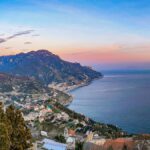
Umbrian hilltop perfection rising from volcanic tufa plateau as “brooding Etruscan presence hewn from dark volcanic rock” on sheer lava-stone ledge midway between Florence and Rome. Magnificent Duomo Cathedral’s colorful facade begun 1290 (reputedly Arnolfo di Cambio) housing Cappella di San Brizio’s remarkable Beato Angelico and Luca Signorelli Last Judgement frescoes inspiring Michelangelo’s Sistine Chapel work. Underground city’s 1,200+ Etruscan tunnels, galleries, grottoes carved by millennia of inhabitants creating olive-oil mills, wine cellars, WWII bomb shelters across 440 accessible caves from 1,200-cave labyrinth system built without formal plans. St. Patrick’s Well (Pozzo di San Patrizio) 16th-century engineering marvel requested by Pope Clement VII after 1527 Rome Sack refuge, featuring double-helix design enabling separate donkey-people staircase traffic for siege survival water supply. Famous Orvieto white wine from mineral-rich volcanic slopes where grape vines thrive since Etruscan times, considered Umbria’s best crisp wine across fertile terraced vineyards. Pozzo della Cava’s privately-owned 5th-century BCE Etruscan well (rediscovered 1984) revealing multi-layered archaeological history, while Carta Unica tickets (€25, 2-day validity) access cathedral, underground tunnels, well, museums creating comprehensive medieval-Etruscan exploration across this spectacular countryside-view destination.
The destination guide
Orvieto

- Overall7/10
- Best forCouples, Budget travelers, Solo travelers
- PeakMay–Sep
- CurrencyEUR
Orvieto perches on a volcanic plateau in Umbria with a striped Gothic cathedral, underground Etruscan caves, and a white wine (Orvieto Classico) that tastes better here.
Travel guides for Orvieto
More guides featuring Orvieto (3)
At a glance
- Italian
- Umbrian hilltop
- Volcanic tuff cliffs
- Cathedral square
- Etruscan heritage
- Medieval history
- Etruscan archaeology
- Italian Gothic architecture
- Underground exploration
- Wine tourism
How Orvieto scores
Character
Editorial scores on a 10-point scale, weighed against destinations of the same kind.
Travel safety snapshot
SafePlace indicators use their source 100-point scale; higher is more favourable. Planning context, not a live travel advisory — check official government guidance before you go.
When to go
Best months to visit: April, May, June, September and October.
- January: 3.4 to 10.3 degrees Celsius, 16.2 millimetres of rain, best-time score 2 out of 5.
- February: 2.6 to 11.5 degrees Celsius, 17.1 millimetres of rain, best-time score 2 out of 5.
- March: 4.7 to 14.3 degrees Celsius, 12.2 millimetres of rain, best-time score 3 out of 5.
- April: 7.4 to 17.8 degrees Celsius, 14.9 millimetres of rain, best-time score 5 out of 5.
- May: 10.3 to 19 degrees Celsius, 35.6 millimetres of rain, best-time score 5 out of 5.
- June: 15.9 to 26.7 degrees Celsius, 25.7 millimetres of rain, best-time score 4 out of 5.
- July: 18.6 to 30.3 degrees Celsius, 17.1 millimetres of rain, best-time score 3 out of 5.
- August: 19.1 to 30.9 degrees Celsius, 9.8 millimetres of rain, best-time score 3 out of 5.
- September: 16.7 to 26.7 degrees Celsius, 27.5 millimetres of rain, best-time score 5 out of 5.
- October: 11.8 to 20.6 degrees Celsius, 58.1 millimetres of rain, best-time score 5 out of 5.
- November: 8.8 to 15.3 degrees Celsius, 37.8 millimetres of rain, best-time score 2 out of 5.
- December: 5.3 to 10.9 degrees Celsius, 34.2 millimetres of rain, best-time score 3 out of 5.
Month-by-month conditions and packing advice
- January
- Cool weather, mostly dry January in Orvieto: cold and quiet with occasional snowfall and a sleepy hill-town atmosphere. Crowds: January represents the low season for tourism in Orvieto, offering travelers a peaceful experience without the crowds that gather in spring and summer. Accommodation prices are generally more affordable, and availability is high, making it an ideal time for budget-conscious cultural explorers. The cooler weather is best suited for historical and architectural sightseeing rather than outdoor vineyard tours or countryside hikes. Visitors should plan for shorter daylight hours, but the calm atmosphere allows unhurried visits to landmarks like the Duomo di Orvieto or the city’s underground tunnels. This season is also favorable for indulging in hearty Umbrian cuisine and local wines, with fewer lines at trattorias. For those seeking authenticity over liveliness, January provides a more intimate connection to the town’s rhythms. Pack: Insulated jacket for cool daytime and evening temperatures; Comfortable waterproof walking shoes for cobblestone streets; Warm scarf and gloves for early mornings and evenings; Layered sweaters for flexibility indoors and outdoors; Umbrella or compact rain jacket for occasional showers; Smart casual attire suitable for church visits and dining
- February
- Cool weather, mostly dry February in Orvieto: still chilly winter weather with low crowds and budget prices, though days are short and damp. Crowds: Travel in Orvieto during February is characterized by quiet streets and low tourist density, ideal for those seeking authenticity without crowds. Accommodation rates are at their most affordable, and reservations are rarely required. The cool, dry weather allows for exploration of architectural highlights like the Duomo di Orvieto and the Etruscan underground without discomfort, though extended outdoor dining is less common compared to warmer months. This is the heart of the off-season, with cultural experiences—such as local wine tastings and winter culinary traditions—taking center stage. It’s a perfect time for travelers who prioritize local immersion and affordability over outdoor events or vineyard tours, which resume with the spring warmth. Pack: Insulated jacket for cold mornings and evenings; Comfortable walking boots for cobblestone streets; Layered sweaters for variable daytime temperatures; Umbrella or compact rain jacket for occasional showers; Scarf and gloves for early morning exploration; Modest attire suitable for church visits and cultural sites
- March
- Cool weather, mostly dry March in Orvieto: early-spring warming with mild days emerging, quiet streets, and good value before peak season. Crowds: March is considered shoulder season in Orvieto, offering travelers a quieter experience before the Easter holiday crowds arrive. Cooler weather encourages exploration of the city’s indoor treasures—such as the underground caves, fresco-filled churches, and wine cellars—without the discomfort of summer heat or heavy rains. Prices for accommodation and dining remain moderate, and reservations are generally easy to secure. Outdoor walking tours are comfortable, though evenings may limit extended strolling due to chillier temperatures. Visitors benefit from experiencing cultural life at a slower pace, with local festivals and events beginning to pick up toward the end of the month. Planning flexible itineraries ensures you can enjoy both sunny outdoor days and occasional brisk, cloudy ones. Pack: Warm layers including sweaters and jackets; Scarf and gloves for chilly evenings; Water-resistant shoes for cobblestone streets; Compact umbrella for occasional showers; Smart casual attire for wine tastings and cultural visits; Camera gear for low-light photography
- April
- Cool weather, mostly dry April in Orvieto: ideal spring weather, blooming countryside, comfortable sightseeing, and manageable crowds. Crowds: April marks the beginning of Orvieto’s shoulder season, where mild weather and manageable visitor numbers create ideal conditions for cultural exploration. The cooler evenings still require some preparation, but days are perfect for walking tours, vineyard visits, and discovering Etruscan ruins without the oppressive heat of summer. Pricing for accommodations remains moderate, offering better value before the May–June tourist surge. Crowds are lighter compared to peak months, meaning iconic sites such as the Duomo or underground cave systems can be enjoyed without long waits. This month is particularly appealing for those seeking an authentic, slower-paced experience of Umbria, when locals reclaim the streets after winter and seasonal events—like Easter celebrations—bring color and ritual to the historic townscape. Pack: Light jacket for cool evenings; Comfortable walking shoes for cobblestone streets; Umbrella or compact rain jacket for occasional showers; Layered clothing for shifting daytime temperatures; Modest attire for churches and cultural sites; Reusable water bottle for day trips
- May
- Cool weather, some rain May in Orvieto: mild and sunny with lush Umbrian landscapes and excellent conditions for exploring the cathedral and cliffs. Crowds: May is considered one of the most attractive months to visit Orvieto. The weather is mild enough for extended outdoor exploration while not yet as hot or crowded as peak summer. Tourist activity begins to pick up during this time, but accommodation rates and crowd levels remain more manageable compared to June through August. Vineyards and local festivals start to awaken with the season, offering travelers cultural immersion without the overwhelming busyness of high season. Outdoor cafes, wine tastings, and countryside excursions are particularly enjoyable in this weather. Advance booking is advisable for boutique stays, but spontaneous day trips are still easy to manage in May’s balanced conditions. Pack: Water-resistant light jacket for occasional spring showers; Comfortable walking shoes for hilly cobblestone streets; Layered clothing for cool mornings and warmer afternoons; Compact umbrella for unpredictable rain; Scarf or shawl for visiting churches and cathedrals; Lightweight daypack for carrying water, camera, and essentials
- June
- Warm and pleasant, some rain June in Orvieto: warm early-summer days with long sunshine and minimal rain, pleasant though heating up toward peak. Crowds: June is one of the most popular months to visit Orvieto, sitting firmly within the high summer travel season. The warm weather encourages outdoor dining, vineyard visits, and walking tours, but this also brings higher accommodation rates and busier streets. Tour groups swell during the daytime, particularly around the Duomo and major piazzas. Early reservations are advisable for both hotels and restaurants, as demand increases significantly. The mild rainfall rarely disrupts activities and is often welcomed as a refreshing pause from the sun. This period is especially favorable for cultural travelers seeking food and wine festivals, as well as for photographers who benefit from clear skies and dramatic evening light. Travelers looking for quieter experiences may prefer early mornings or evening strolls to enjoy Orvieto’s charm away from peak crowds. Pack: Breathable cotton and linen clothing for warm days; Light rain jacket or compact umbrella for occasional showers; Comfortable walking shoes for cobblestone streets; Sunhat and SPF 50 sunscreen for midday protection; Smart-casual attire for wine tastings and evening dining; Light sweater or scarf for cooler evenings
- July
- Warm and pleasant, mostly dry July in Orvieto: hot and dry, sunny but warm for hill-town walking, with thinner crowds than coastal Italy. Crowds: July represents peak tourist season in Orvieto, with warm, dry weather drawing both international visitors and Italians on summer holidays. Expect higher hotel rates and busier streets, especially in the historic center and at major cultural sites. While the daytime heat can be intense, early mornings and evenings are ideal for walking tours, wine tastings, and scenic countryside drives. Afternoon hours are best spent in shaded cafés or museums. The lack of significant rainfall makes this an excellent month for outdoor festivals and vineyard visits, though crowds and heat may limit comfort for travelers sensitive to high temperatures. Booking accommodations and major experiences in advance is essential during this period, as July demand remains high. Pack: Lightweight linen or cotton clothing for daytime heat; Wide-brimmed hat and sunglasses for sun protection; Reusable water bottle to stay hydrated during walks; Comfortable sandals or breathable walking shoes; Light scarf or shawl for churches and modest dress codes; Portable handheld fan for hot afternoons
- August
- Hot and sunny, mostly dry August in Orvieto: hot summer peak that is quiet and inexpensive as locals leave, rewarding for those tolerating the heat. Crowds: August represents peak summer season in Orvieto, with warm, dry weather that supports open-air events and countryside exploration. It is also one of the busiest times of the year, as both international visitors and Italians on holiday converge on Umbria. Expect higher hotel rates, busier piazzas, and lively cultural programming, particularly around Ferragosto on August 15, when celebrations and fireworks are common. The heat can limit midday touring, so early mornings or evenings are best for walking tours and cathedral visits. Afternoon siestas become practical as well as cultural, with many shops closing during the hottest hours. For budget travelers, prices are elevated, but the payoff comes in vibrant energy and festival experiences unique to the season. Booking well ahead is advisable for accommodations and train tickets. Pack: Light, breathable linen or cotton outfits for daytime heat; Comfortable sandals or breathable walking shoes; Wide-brimmed hat and high-SPF sunscreen for sun protection; Reusable water bottle to stay hydrated during tours; Light scarf or shawl for modesty in churches; Evening wear suitable for outdoor concerts and dining
- September
- Warm and pleasant, some rain September in Orvieto: ideal early-autumn weather with warm days, grape harvest energy and wine, and comfortable sightseeing. Crowds: September marks one of Orvieto’s most inviting months for travel. The warm, dry conditions are perfect for vineyard tours, open-air dining, and attending harvest festivals. As this is shoulder season between summer’s peak and autumn’s quieter months, crowd levels ease compared to August, yet the town remains lively with cultural events tied to the grape harvest. Accommodation prices are more reasonable than high summer, though still higher than off-season winter rates. The moderate weather also allows for greater flexibility—guests can comfortably explore both indoor cultural treasures and outdoor countryside without extreme heat or heavy rain interfering. Travelers seeking an authentic Umbrian experience without the heaviest tourist presence will find September an excellent balance, though early booking remains wise due to continued demand from European visitors extending their summer holidays. Pack: Lightweight breathable shirts for daytime warmth; Comfortable walking shoes for cobblestone streets; Light jacket or sweater for cooler evenings; Compact umbrella or light rain jacket for occasional showers; Modest attire for church and cathedral visits; Sunhat and sunglasses for countryside walks
- October
- Warm and pleasant, some rain October in Orvieto: mild harvest-season days, beautiful foliage and food culture, with relaxed crowds despite some rain. Crowds: October represents Orvieto’s shoulder season, striking a balance between the heavy summer tourist flow and the quiet of winter. Mild weather conditions allow travelers to enjoy open-air dining, vineyard visits, and architectural exploration without the summer heat or crowds. Rain showers may occasionally shift plans, but they often pass quickly, leaving clear skies ideal for sightseeing. Pricing for accommodations and tours tends to soften compared to peak summer, though weekends can still see an uptick in visitors, particularly during food and wine festivals. This is a prime month for cultural immersion and photography, with softer natural light and fewer queues at landmarks such as the Duomo di Orvieto. Travelers seeking authenticity over speed will find October an ideal time to linger, savoring both the seasonal cuisine and the town’s medieval charm at a relaxed pace. Pack: Layered clothing to adjust between cool evenings and warm afternoons; Compact travel umbrella or light waterproof jacket; Comfortable walking shoes with good grip for cobblestone streets; Scarf or shawl for cooler nights and church visits; Camera with low-light capability for misty mornings; Reusable water bottle for long city and countryside walks
- November
- Cool weather, some rain November in Orvieto: the rainiest month with cool gray weather and short days, best for quiet, low-cost visits. Crowds: November is a shoulder-season month in Orvieto, when cooler weather and moderate rainfall keep large tourist crowds at bay. This translates to quieter streets, easier access to cultural landmarks, and more intimate experiences at wine bars and trattorie. Accommodation rates are generally more affordable than in summer, making this a cost-effective time to visit. Outdoor activities like vineyard tours and countryside walks remain feasible, though best planned around the likelihood of showers. The cooler evenings enhance the appeal of hearty Umbrian cuisine, particularly truffle and olive oil specialties tied to the season. Travelers should be prepared for limited daylight hours, with sightseeing best scheduled earlier in the day. Pack: Water-resistant jacket or trench coat for light rain; Sturdy walking shoes suitable for cobblestone streets; Warm sweater or fleece for cool evenings; Compact travel umbrella; Scarf for added warmth and local style; Smart casual attire suitable for trattorie and wine bars
- December
- Cool weather, some rain December in Orvieto: cold and mild-to-damp but atmospheric with festive Christmas charm and few tourists. Crowds: December represents Orvieto’s low tourist season, with fewer international visitors and a calmer, more intimate atmosphere. Hotels and guesthouses often offer reduced rates compared to peak months, making it a budget-friendly time to experience the city. While the cooler temperatures and occasional showers may limit long outdoor strolls, this season is perfect for exploring the Duomo, underground caves, and museums without the usual crowds. Seasonal events, such as Christmas markets and local nativity displays, add cultural depth, and regional wines and hearty fare are at their most inviting. Travelers should plan for shorter days and bring layers to adapt to damp conditions, but the trade-off is authentic access to the town’s rhythms with minimal tourist interruption. Pack: Warm layers including sweaters and a medium-weight jacket; Water-resistant walking shoes for wet cobblestones; Compact travel umbrella for passing showers; Scarf and gloves for chilly evenings; Smart casual attire for enotecas and cultural outings; Camera with low-light capability for moody winter photography
- July
- August
- May
- June
- September
- November
- January
- February
- March
- April
- October
- December
Know before you go
Neighbourhoods
The Centro Storico sits atop a volcanic tufa cliff rising 200 m above the Paglia River valley. The Duomo quarter on the eastern edge is the tourist heart. Via del Duomo and Corso Cavour form the main commercial axis. The western end near the Fortezza Albornoz is quieter, with views across the Umbrian countryside. Below the cliff, Orvieto Scalo is the modern town around the train station.
Best time to visit
The best time to visit Orvieto is in the spring (April to June) and fall (September to October) when the weather is mild and pleasant. These seasons also feature various local festivals that showcase the town’s culture and traditions. Summer can be warm and crowded, while winter offers a quieter experience with fewer tourists.
Getting there and around
Getting there
Orvieto sits on the Rome-Florence main rail line; regional trains reach Rome Termini in 1 hour and Florence in 2 hours. The A1 motorway has an Orvieto exit; the town is 120 km north of Rome and 170 km south of Florence. Flixbus stops at the base of the cliff. The funicular from the station to the hilltop takes 3 minutes.
Getting around
Orvieto’s hilltop centre is small and entirely walkable—about 15 minutes end to end. A funicular connects the train station at the base of the cliff to Piazza Cahen at the top (every 10 minutes). Mini buses (lines A and B) loop through the old town for EUR 1.30. Parking is available in garages carved into the tufa below the cliff edge. A car is useful for day trips to Civita di Bagnoregio, Bolsena, and Todi.
Top experiences in Orvieto
Orvieto Cathedral (Duomo)
One of Italy’s most striking Gothic cathedrals, begun in 1290 to house the relic of the Miracle of Bolsena (a Host said to have bled onto a corporal cloth in 1263). The facade is covered in golden mosaics, marble reliefs, and bronze doors depicting biblical scenes. Inside, the Chapel of San Brizio contains Luca Signorelli’s Last Judgement frescoes (1499-1504), which influenced Michelangelo’s Sistine Chapel composition.
Pozzo di San Patrizio (St. Patrick's Well)
A 62-metre-deep cylindrical well commissioned by Pope Clement VII in 1527 to supply water during a siege. Two separate helical staircases of 248 steps each spiral around the shaft—one descending, one ascending—so that donkeys carrying water never met. Light enters through 72 windows cut into the tufa walls. The engineering was revolutionary for its era and remains an architectural marvel.
Orvieto Underground
Beneath the hilltop city lies a labyrinth of over 1,200 caves, tunnels, and wells carved into the volcanic tufa over 2,500 years. Guided tours explore Etruscan-era pigeon coops (used for food and fertiliser), medieval olive presses, wine cellars, and a World War II air-raid shelter. The tunnels reveal cross-sections of the city’s history layer by layer.
Civita di Bagnoregio Day Trip
A dramatically eroding hilltop village 28 km east of Orvieto, accessible only by a 300-metre pedestrian bridge spanning a chasm of eroded clay badlands (calanchi). Known as the ‘dying city’ because its tufa foundations are slowly crumbling away, Civita has a population of about 10 permanent residents. The village’s medieval church, piazza, and stone houses draw day-trippers for the surreal landscape and the sense of a place suspended in time.
Orvieto Classico Wine & Food
Orvieto Classico is one of central Italy’s most renowned white wines, made primarily from Grechetto and Procanico grapes grown on the volcanic soils surrounding the city. Wineries around the Orvieto DOC zone include Decugnano dei Barbi, Barberani, and Palazzone. In town, restaurants serve umbrichelli (hand-rolled pasta) with wild boar ragu, truffles from the nearby Orvietan hills, and local pecorino cheese.
Editor-curated picks carried over from our original guide. Where a full place guide exists, the card links to it.
Worth booking ahead in Orvieto
Hand-picked from the operators our guides already send readers to. Prices and availability are live on the partner site.
Guided tourGetYourGuide
Colosseum, Forum and Palatine Hill small-group tour (opens GetYourGuide in a new tab)
Small group with the Forum and Palatine Hill included; the standard Colosseum visit done properly.
Where to stayBooking.com
Stays in Orvieto (opens Booking.com in a new tab)
Live rates and availability for Orvieto on Booking.com; filter by neighbourhood once you know where your days start.
We earn a commission if you book through these links, at no extra cost to you. It is how we keep the guides free and independent.
Where to stay
Hotel della Posta
Piazza Ranieri 1, 05018 Orvieto, Italy
Luxury five-star hotel in a restored medieval palazzo with panoramic views of the Umbrian countryside, a Michelin-starred restaurant, and an outdoor pool.
Altarocca Wine Resort
Via dei Tigli 69, 05018 Orvieto, Italy
Countryside estate hotel at the foot of Orvieto’s cliff with elegantly appointed rooms, a pool, spa, and restaurant surrounded by olive groves.
Hotel Corso
Via di Piazza del Popolo 13, 05018 Orvieto, Italy
Charming boutique hotel in the heart of the old town with tastefully decorated rooms, a rooftop terrace, and walking-distance access to the Duomo.
Editor-curated stays carried over from our original guide. Where we have reviewed the hotel, the card links to the review.
Tips from the field
Highlights
- Duomo di Orvieto – a masterpiece of Gothic architecture
- Orvieto Underground – a network of caves and tunnels
- Pozzo di San Patrizio – a historic well with unique design
- Etruscan necropolis and archaeological sites
Best activities
- Explore Orvieto Underground for a glimpse into the city's ancient past
- Visit the magnificent Duomo di Orvieto with its stunning frescoes
- Climb Torre del Moro for panoramic views of the city and surrounding countryside
- Descend into Pozzo di San Patrizio, a historic well with double helix staircases
Practical tips
- Purchase the Orvieto Card for access to multiple attractions
- Use the funicular to easily reach the hilltop town from the train station
- Wear comfortable shoes for walking on cobblestone streets
Keeping it authentic
- Orvieto is perched on a volcanic rock, preserving its medieval character
- The town has a rich Etruscan heritage, visible in its underground tunnels and necropolis
Culture, customs and safety
Cultural heritage
Orvieto was an important Etruscan city (Velzna) before Roman conquest in 264 BCE—the Etruscan necropolis at the base of the cliff dates to the 6th century BCE. In the medieval period, popes retreated here when Rome was unsafe; Pope Clement VII sheltered in Orvieto during the 1527 Sack of Rome and ordered the construction of the underground well (Pozzo di San Patrizio). The cathedral, begun in 1290, is one of Italy’s finest Gothic churches, with a facade of golden mosaics and a Chapel of San Brizio frescoed by Luca Signorelli.
Local customs & etiquette
- Greet locals with a friendly “Buongiorno” or “Buonasera” depending on the time of day.
- Respect the local customs, especially during religious events.
- Try to speak a few words of Italian; it is greatly appreciated.
- Enjoy meals at a leisurely pace, as dining is a cherished experience.