UNESCO World Heritage “Medieval Manhattan” (1990) preserving 13 magnificent tower houses from original 72 towers reaching 70-meter heights, where competing families built increasingly tall structures creating unforgettable skyline masterpiece of creative human genius. Torre Grossa’s 54-meter climb revealing marvelous town and hill views, Devil’s Tower’s curious legend, and Salvucci family’s twin towers demonstrating wealthy merchant competition across this breathtaking architectural landscape. Via Francigena medieval pilgrimage stopping point for Catholic Rome-Vatican journeys, thriving through favorable location and agricultural prosperity centered on saffron commerce and wine production still defining local heritage. Vernaccia di San Gimignano’s highly-prized white wine from ancient grape varieties grown on sandstone hillsides, earning Tuscany’s first DOC certificate (1993), while DOP-certified saffron (2005) continues producing Italy’s best precious spice with intense flavor. Piazza della Cisterna’s hilltop commercial beauty rated among Tuscany’s most beautiful squares, Cathedral’s 1148 completion featuring Florentine school fresco anthology across three naves, plus Palazzo Comunale and Sant’Agostino’s 14th-15th century fresco cycles. Strategic positioning 25 miles from Florence and Siena enabling day trips to this small walled hill town where medieval pilgrimage heritage meets contemporary Tuscan wine-saffron excellence beneath preserved tower house skylines.
The destination guide
San Gimignano
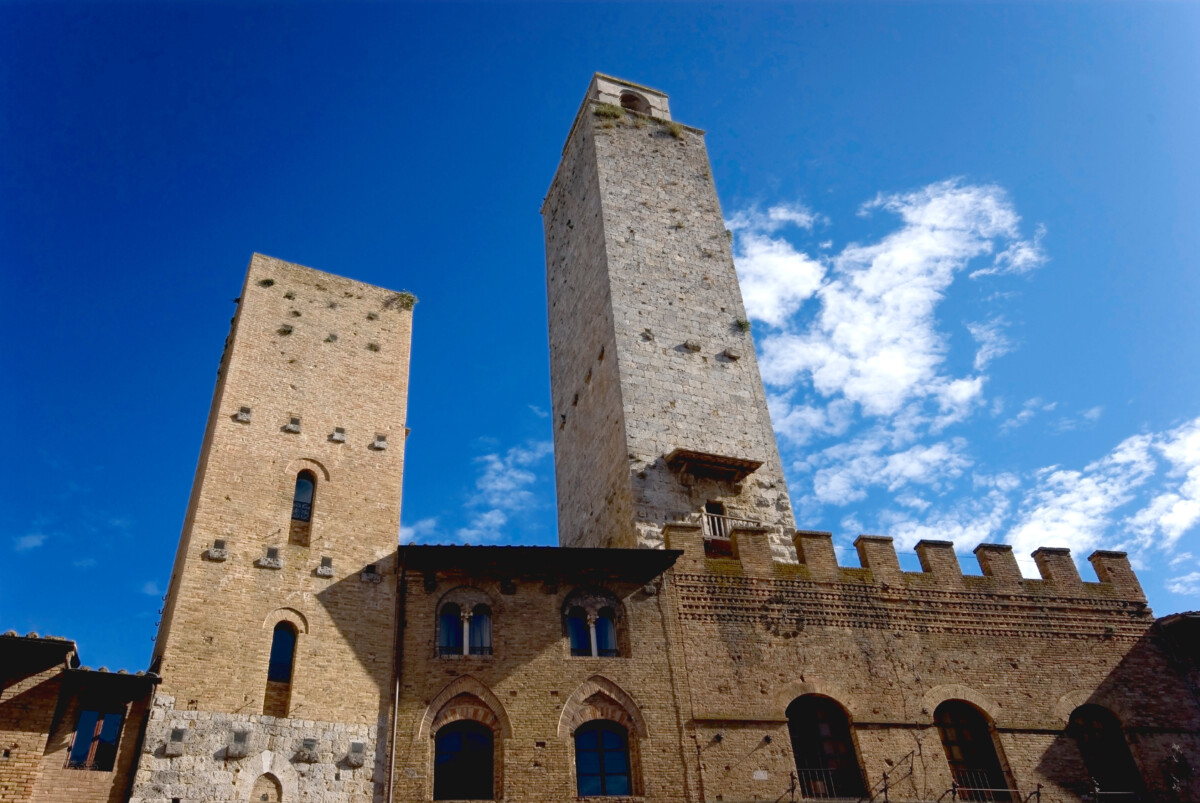
San Gimignano still has 14 medieval towers standing in a Tuscan hill town the size of a few city blocks — the gelato won a world championship and the Vernaccia wine is only made here.
Travel guides for San Gimignano
Things to do (1)
More guides featuring San Gimignano (6)
At a glance
- Italian
- Tuscan hilltop
- Medieval towers town
- Vineyard landscapes
- Vernaccia wine
- Medieval history
- Tuscan wine and cuisine
- Art and architecture
- Rural Italian lifestyle
How San Gimignano scores
Character
Editorial scores on a 10-point scale, weighed against destinations of the same kind.
Travel safety snapshot
SafePlace indicators use their source 100-point scale; higher is more favourable. Planning context, not a live travel advisory — check official government guidance before you go.
When to go
Best months to visit: March, April, May, June, September, October and November.
- January: 1.4 to 9.4 degrees Celsius, 8.6 millimetres of rain, best-time score 2 out of 5.
- February: 1.1 to 11.3 degrees Celsius, 23.5 millimetres of rain, best-time score 2 out of 5.
- March: 3.4 to 14.1 degrees Celsius, 22.4 millimetres of rain, best-time score 4 out of 5.
- April: 6.9 to 18 degrees Celsius, 12.1 millimetres of rain, best-time score 5 out of 5.
- May: 9.4 to 18.9 degrees Celsius, 55.4 millimetres of rain, best-time score 5 out of 5.
- June: 14.4 to 26.1 degrees Celsius, 24.1 millimetres of rain, best-time score 4 out of 5.
- July: 16.9 to 29.9 degrees Celsius, 4.8 millimetres of rain, best-time score 3 out of 5.
- August: 17.6 to 30.9 degrees Celsius, 8.3 millimetres of rain, best-time score 3 out of 5.
- September: 14.3 to 26.3 degrees Celsius, 52.2 millimetres of rain, best-time score 5 out of 5.
- October: 9.6 to 19.4 degrees Celsius, 57.3 millimetres of rain, best-time score 5 out of 5.
- November: 6.2 to 14.1 degrees Celsius, 72.2 millimetres of rain, best-time score 4 out of 5.
- December: 2.3 to 9.6 degrees Celsius, 34.9 millimetres of rain, best-time score 3 out of 5.
Month-by-month conditions and packing advice
- January
- Cool weather, mostly dry January in San Gimignano: cold, quiet winter conditions make this less flexible for a Tuscan itinerary. Crowds: Peak tourist season with excellent conditions for cultural exploration, including visits to historic landmarks, art galleries, and local markets. Hotel rates and crowd levels are highest during this period. Ideal weather for outdoor activities like hiking and cycling, while cultural events may be affected by cooler temperatures. Pack: Lightweight layers for temperature variation; Comfortable walking shoes for city exploration; Warm scarf and gloves for cooler mornings; Waterproof jacket for occasional rain; Wide-brimmed hat and sunglasses; Comfortable walking shoes for city exploration
- February
- Cool weather, mostly dry February in San Gimignano: cold, quiet winter conditions make this less flexible for a Tuscan itinerary. Crowds: Peak tourist season with excellent conditions for cultural exploration, including visits to historic towers, museums, and local markets. Hotel rates and crowd levels are highest during this period. While temperatures are mild, UV levels remain high, so visitors should apply sunscreen and wear protective clothing. Pack: Lightweight layers for temperature variation; Comfortable walking shoes for exploring historic sites; Broad-brimmed hat and SPF 50+ sunscreen; Light cardigan for air-conditioned spaces; Modest clothing for cultural sites and religious sites; Breathable cotton/linen fabrics
- March
- Cool weather, mostly dry March in San Gimignano: conditions remain rewarding with either early spring, early summer, or late fall atmosphere. Crowds: March marks the beginning of the tourist season with moderate crowd levels and pleasant weather conditions. Visitors can enjoy outdoor activities such as wine tours, historical site visits, and scenic walks. Accommodation prices start to rise as the season progresses. Ideal for cultural experiences and outdoor adventures. Pack: Lightweight layers for temperature variation; Comfortable walking shoes for exploring medieval streets; Wide-brimmed hat and UV-protective sunscreen; Light rain jacket for occasional showers; Comfortable walking shoes for exploring medieval streets; Breathable cotton/linen fabrics
- April
- Cool weather, mostly dry April in San Gimignano: tower views, stone lanes, wine touring, countryside drives, and photography work best in mild shoulder weather. Crowds: April marks the beginning of the tourist season with moderate crowd levels and pleasant weather conditions. Visitors can enjoy outdoor activities such as wine tours, historical site visits, and scenic walks. Accommodation prices start to rise as the season progresses. Ideal for those seeking a blend of cultural immersion and mild weather. Pack: Lightweight layers for temperature variation; Comfortable walking shoes for exploring historic sites; Wide-brimmed hat and UV-protective sunscreen; Light sweater for cooler evenings; Comfortable walking shoes for exploring historic sites; Breathable cotton/linen fabrics
- May
- Cool weather, some rain May in San Gimignano: tower views, stone lanes, wine touring, countryside drives, and photography work best in mild shoulder weather. Crowds: May marks the beginning of peak tourist season in San Gimignano, with visitors flocking to experience the city's rich history and vibrant culture. Average temperatures range from 14.375°C to 18.875°C, making it an excellent time for sightseeing and outdoor events. Crowds are moderate, with hotel rates slightly higher than usual. Visitors should prepare for occasional rain showers, which can enhance the city's charm but may require quick-dry clothing. Photography enthusiasts will find the soft lighting during rain ideal for capturing the city's medieval architecture. Pack: Lightweight rain jacket for unexpected showers; Comfortable walking shoes for exploring historic sites; Wide-brimmed hat and UV-protective sunscreen; Light sweater for cooler evenings; Modest clothing for visiting religious sites; Breathable cotton fabrics for layering
- June
- Warm and pleasant, mostly dry June in San Gimignano: conditions remain rewarding with either early spring, early summer, or late fall atmosphere. Crowds: June marks the peak tourist season in San Gimignano, with excellent conditions for outdoor activities such as wine tours, cycling through the Tuscan countryside, and exploring medieval architecture. Hotel rates and crowd levels are at their highest, with high UV levels necessitating sunscreen use. Ideal weather for cultural experiences, but visitors should be prepared for peak tourist congestion. Pack: Lightweight layers for temperature variation; Comfortable walking shoes for exploring historic sites; Broad-brimmed hat and SPF 50+ sunscreen; Light cardigan for cooler evenings; Modest clothing for visiting religious sites; Breathable cotton/linen fabrics
- July
- Warm and pleasant, mostly dry July in San Gimignano: heat, crowd pressure, or shorter days reduce the all-around balance. Crowds: Peak tourist season with excellent conditions for outdoor activities such as wine tours, vineyard visits, and exploring medieval architecture. Hotel rates and crowd levels are highest during this period. UV levels remain high despite warmer temperatures. Pack: Lightweight layers for temperature variation; Comfortable walking shoes for city exploration; Broad-brimmed hat and SPF 50+ sunscreen; Light cardigan for air-conditioned spaces; Modest clothing for cultural sites and churches; Breathable cotton/linen fabrics
- August
- Warm and pleasant, mostly dry August in San Gimignano: heat, crowd pressure, or shorter days reduce the all-around balance. Crowds: Peak tourist season with excellent conditions for outdoor activities such as wine tours, cycling through vineyards, and exploring medieval architecture. Hotel rates and crowd levels are highest during this period. UV levels remain high despite warmer temperatures, so sun protection is essential. Pack: Lightweight layers for temperature variation; Comfortable walking shoes for exploring vineyards and historic sites; Broad-brimmed hat and SPF 50+ sunscreen; Light cardigan for cooler evenings; Modest clothing for visiting religious sites; Breathable cotton/linen fabrics
- September
- Warm and pleasant, some rain September in San Gimignano: tower views, stone lanes, wine touring, countryside drives, and photography work best in mild shoulder weather. Crowds: September marks the peak tourist season in San Gimignano, attracting visitors eager to explore its well-preserved medieval streets, art galleries, and local markets. The weather is ideal for outdoor activities such as hiking in the surrounding hills and visiting vineyards. Hotel prices and crowd levels are at their highest, with accommodation rates reflecting the popularity of the season. Despite the pleasant temperatures, travelers should be prepared for occasional rain showers. Pack: Lightweight layers for temperature variation; Comfortable walking shoes for exploring historic sites; Rain jacket for occasional showers; Wide-brimmed hat and UV protection; Light scarf for cooler evenings; Breathable cotton/linen fabrics
- October
- Cool weather, some rain October in San Gimignano: tower views, stone lanes, wine touring, countryside drives, and photography work best in mild shoulder weather. Crowds: Peak tourist season with excellent conditions for cultural exploration, including visiting historic sites, local markets, and wine tours. Hotel rates and crowd levels are highest during this period. Rainfall is moderate, but not overwhelming, with occasional showers providing a refreshing break from the dry season. Visitors should be prepared for variable weather, especially during outdoor activities. Pack: Lightweight layers for temperature variation; Waterproof jacket for rain showers; Comfortable walking shoes for exploring historic sites; Wide-brimmed hat and UV-protective sunscreen; Light cardigan for air-conditioned spaces; Modest clothing for cultural sites and religious venues
- November
- Cool weather, some rain November in San Gimignano: conditions remain rewarding with either early spring, early summer, or late fall atmosphere. Crowds: Peak tourist season with excellent conditions for cultural exploration, including visiting historic sites, art galleries, and local markets. Hotel rates and crowd levels are highest during this period. Rainfall is moderate, but not frequent, ensuring outdoor activities remain enjoyable. Visitors should be prepared for occasional rain showers. Pack: Lightweight layers for temperature variation; Waterproof jacket for rain showers; Comfortable walking shoes for exploring historic sites; Umbrella for unexpected rain; Wide-brimmed hat and SPF 30+ sunscreen; Modest clothing for cultural sites and religious visits; Breathable cotton/linen fabrics
- December
- Cool weather, some rain December in San Gimignano: heat, crowd pressure, or shorter days reduce the all-around balance. Crowds: December marks the peak tourist season with moderate crowd levels and moderate pricing for accommodations and local tours. While the weather is cool, it's not too cold to enjoy outdoor activities such as wine tasting tours and exploring the historic center. Rainfall is moderate, so visitors should be prepared for occasional showers. Pack: Lightweight layers for temperature variation; Waterproof jacket for rain showers; Comfortable walking shoes for exploring; Wide-brimmed hat and UV protection; Light scarf for cooler evenings; Breathable cotton/linen fabrics
- July
- August
- May
- June
- September
- November
- January
- February
- March
- April
- October
- December
Know before you go
Neighbourhoods
The walled Centro Storico is dominated by the Piazza della Cisterna (a triangular square with a 13th-century well) and the Piazza del Duomo. Via San Giovanni is the main shopping street, lined with ceramics and wine shops leading from the southern gate. Via San Matteo runs north toward the Rocca fortress. Outside the walls, the surrounding countryside of olive groves and Vernaccia vineyards is best explored by car or bike.
Best time to visit
The best time to visit San Gimignano is during the spring (April to June) and early autumn (September to October) when the weather is mild and the landscape is vibrant. The summer months can be crowded with tourists, while winter offers a quieter experience with fewer visitors.
Getting there and around
Getting there
From Florence, take a bus from the SITA bus station (near SMN train station) to Poggibonsi, then transfer to a local bus to San Gimignano (total about 1.5 hours). From Siena, direct buses run several times daily (about 1 hour). There is no train station in San Gimignano; the nearest is Poggibonsi-S. Gimignano on the Florence-Siena line. By car, San Gimignano is about 55 km south of Florence via the FI-SI superstrada.
Getting around
San Gimignano’s walled centre is entirely pedestrian and takes about 15 minutes to walk end to end. Cars must be parked in lots outside the gates (P1 near Porta San Giovanni or P2 near the co-op). Local buses connect nearby Poggibonsi (20 min), where you transfer for Siena or Florence. Cycling the surrounding Tuscan roads is popular, with bike rentals available in the town. Guided walking tours cover the medieval towers and underground passages.
Top experiences in San Gimignano
Medieval Towers & Torre Grossa
Fourteen of the original 72 medieval tower houses survive in San Gimignano, forming a Manhattan-like skyline visible across the Tuscan hills. The Torre Grossa (54 m), the tallest surviving tower, is open to climbers and offers 360-degree views of the Val d’Elsa, vineyards, and distant Apennine peaks. The towers were built between 1200 and 1311 as displays of family wealth and political power; a 1255 law decreed that no tower could exceed the height of the town hall’s.
Piazza della Cisterna & Gelateria Dondoli
A triangular medieval square named for its 13th-century octagonal well (cisterna), surrounded by tower houses and arched facades. The Gelateria Dondoli, on the square’s western edge, has won multiple World Gelato Championship titles with flavours like Crema di Santa Fina (saffron cream) and Vernaccia sorbet. The square connects to the Piazza del Duomo through a broad arch.
Collegiate Church (Duomo) & Frescoes
The 12th-century Romanesque church is adorned with frescoes covering almost every wall. The left nave displays Old Testament scenes by Bartolo di Fredi (1367), while the right nave illustrates the New Testament by the workshop of Lippo Memmi (1340s). The Chapel of Santa Fina, designed by Giuliano da Maiano with frescoes by Domenico Ghirlandaio (1475), depicts the life of San Gimignano’s patron saint in Renaissance detail.
Vernaccia di San Gimignano Wine Tasting
San Gimignano produces Italy’s oldest documented white wine—Vernaccia has been cultivated here since at least 1276. The San Gimignano Wine Experience museum on Piazza della Cisterna offers tastings and multimedia exhibits on the wine’s history. Surrounding estates like Teruzzi, Panizzi, and Cesani offer vineyard tours and cellar-door tastings, pairing the crisp, mineral white with local pecorino cheese and saffron-laced dishes.
Rocca di Montestaffoli & Countryside Views
The ruins of the 14th-century fortress sit at the town’s highest point, surrounded by olive trees and a small public park. The single remaining tower provides panoramic views of the tower skyline, the rolling Tuscan countryside, and the distant hills towards Volterra and Siena. The Rocca is a peaceful escape from the busy shopping streets below and a favourite sunset spot.
Editor-curated picks carried over from our original guide. Where a full place guide exists, the card links to it.
Worth booking ahead in San Gimignano
Hand-picked from the operators our guides already send readers to. Prices and availability are live on the partner site.
Guided tourGetYourGuide
Colosseum, Forum and Palatine Hill small-group tour (opens GetYourGuide in a new tab)
Small group with the Forum and Palatine Hill included; the standard Colosseum visit done properly.
Where to stayBooking.com
Stays in San Gimignano (opens Booking.com in a new tab)
Live rates and availability for San Gimignano on Booking.com; filter by neighbourhood once you know where your days start.
We earn a commission if you book through these links, at no extra cost to you. It is how we keep the guides free and independent.
Where to stay
Hotel La Cisterna
Editor-curated stays carried over from our original guide. Where we have reviewed the hotel, the card links to the review.
Tips from the field
Highlights
- UNESCO World Heritage Site
- Medieval towers and architecture
- Vernaccia di San Gimignano wine
- Panoramic views of Tuscan landscape
Best activities
- Climb Torre Grossa for panoramic views
- Visit SanGimignano1300 museum
- Explore Piazza del Duomo and Piazza della Cisterna
- Wine tasting at local wineries
Practical tips
- Wear comfortable walking shoes for the hilly terrain
- Book accommodations in advance during peak season
- Try the local gelato, often considered some of the best in Italy
Keeping it authentic
- Preserves its medieval architecture and tower houses
- Known for its local white wine, Vernaccia di San Gimignano
Culture, customs and safety
Cultural heritage
San Gimignano was a prosperous commune on the Via Francigena pilgrimage route between Rome and Canterbury. In the 12th to 14th centuries, rival families built over 70 tower houses as symbols of wealth and power—14 of the original towers survive, giving the town its iconic skyline. The Black Death of 1348 and subsequent decline froze the town in its medieval form, preserving its architecture. The Collegiate Church (Duomo) contains frescoes by Ghirlandaio and Bartolo di Fredi. San Gimignano’s Vernaccia di San Gimignano was the first Italian wine to receive DOCG status.
Local customs & etiquette
- Greet locals with a friendly ‘Buongiorno’ or ‘Buonasera’
- Dress modestly when visiting churches and religious sites
- Enjoy meals at a leisurely pace, as dining is an important social activity
- Be respectful of the town’s historic sites and natural beauty