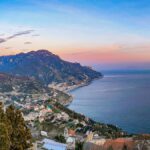
Sicily, the largest island in the Mediterranean, is a treasure trove of history, culture, and natural beauty. From the ancient ruins of the Valley of the Temples in Agrigento to the vibrant streets of Palermo, Sicily offers a unique blend of influences from various civilizations. Its stunning coastlines, majestic mountains, and delicious cuisine make it a must-visit destination.
The destination guide
Sicily
Travel guides for Sicily
More guides featuring Sicily (4)
At a glance
Currency€ EURCode: EUR
Time zoneCentral European Time
Languages
- Italian
Setting
- Mediterranean island
- Ancient ruins
- Coastal beaches
- Volcanic terrain
Known for
- Ancient History & Ruins
- Volcanoes & Nature
- Food & Wine
- Coastal Scenery.
Population5M5,000,000 residents
VisaDuration: Up to 90 days within any 180-day period in the Schengen Area · Documents: Valid passport issued within the last 10 years and valid for at least 3 months after planned departure, plus proof of accommodation, onward or return travel, and sufficient funds if requested
How Sicily scores
9/10OverallExcellent
Weather9/10
Value for money7/10
Food & cuisine9/10
Culture & arts6/10
Cultural experience9/10
Nature & outdoors8/10
Adventure4/10
Nightlife6/10
Shopping7/10
Family friendly7/10
Romance8/10
Editorial scores on a 10-point scale, weighed against destinations of the same kind.
Travel safety snapshot
Overall75/100Moderate rating
Women travellers70/100
LGBTQ+ travellers60/100
Theft55/100
Medical care70/100
Physical harm72/100
Political freedom75/100
SafePlace indicators use their source 100-point scale; higher is more favourable. Planning context, not a live travel advisory — check official government guidance before you go.
When to go
Best months to visit: March, April, May, June, July, August, September, October and November.
- January: -7 to 0.1 degrees Celsius, 9 millimetres of rain, best-time score 3 out of 5.
- February: -5.4 to 2.7 degrees Celsius, 8.9 millimetres of rain, best-time score 3 out of 5.
- March: 3 to 13.1 degrees Celsius, 23 millimetres of rain, best-time score 4 out of 5.
- April: 7.6 to 17.4 degrees Celsius, 28.7 millimetres of rain, best-time score 5 out of 5.
- May: 12.6 to 21.1 degrees Celsius, 41.6 millimetres of rain, best-time score 5 out of 5.
- June: 18.1 to 28.1 degrees Celsius, 93.8 millimetres of rain, best-time score 5 out of 5.
- July: 19.6 to 28.2 degrees Celsius, 58.6 millimetres of rain, best-time score 4 out of 5.
- August: 17.5 to 27.1 degrees Celsius, 37.9 millimetres of rain, best-time score 4 out of 5.
- September: 14.8 to 26.6 degrees Celsius, 13.7 millimetres of rain, best-time score 5 out of 5.
- October: 8.4 to 17.2 degrees Celsius, 18.4 millimetres of rain, best-time score 5 out of 5.
- November: 2.3 to 10.6 degrees Celsius, 28.1 millimetres of rain, best-time score 4 out of 5.
- December: -0.9 to 4.7 degrees Celsius, 13.9 millimetres of rain, best-time score 3 out of 5.
Month-by-month conditions and packing advice
- January
- Cold weather, mostly dry January in Sicily: winter is milder than much of Europe but wetter and less flexible for beach plans. Crowds: Peak tourist season with excellent conditions for cultural exploration, historical site visits, and scenic coastal walks. Hotel rates and crowd levels are highest during this period. UV levels remain low despite cooler temperatures. Pack: Warm, insulated layers for temperature variation; Waterproof boots for coastal exploration; Wide-brimmed hat and SPF 30+ sunscreen; Light scarf for cultural sites and mosques; Waterproof jacket for rain protection; Breathable wool fabrics
- February
- Cold weather, mostly dry February in Sicily: winter is milder than much of Europe but wetter and less flexible for beach plans. Crowds: February marks the beginning of the tourist season with moderate crowd levels and pleasant weather conditions for outdoor activities such as hiking, historical tours, and vineyard visits. Accommodation prices start to rise as hotels prepare for the influx of visitors. Visitors should be prepared for cooler temperatures and occasional rain showers. Pack: Warm, insulated layers for temperature variation; Waterproof hiking boots for exploring rugged terrain; Windproof jacket for unexpected gusts; Umbrella for occasional rain showers; Comfortable thermal socks; Waterproof backpack for excursions
- March
- Cool weather, mostly dry March in Sicily: early spring, peak summer, or late autumn can work with heat, crowds, or rain planned around. Crowds: March marks the beginning of the tourist season with moderate crowd levels and pleasant weather conditions. Hotel rates and activity availability are increasing, making it an ideal time for cultural tours, hiking, and exploring local cuisine. Despite cooler temperatures, UV levels remain moderate, encouraging outdoor activities. Pack: Lightweight layers for temperature variation; Comfortable walking shoes for city exploration; Wide-brimmed hat and SPF 30+ sunscreen; Light cardigan for air-conditioned spaces; Light, breathable clothing for cultural sites; Waterproof jacket for occasional rain
- April
- Cool weather, some rain April in Sicily: archaeological sites, beaches, food routes, hill towns, Etna trips, and coastal drives balance warmth with manageable crowds. Crowds: April marks the beginning of Sicily's tourist season, with moderate rainfall providing a balance between outdoor exploration and cultural immersion. Tourist numbers start to rise, with hotels and local attractions experiencing increased demand. While some rain may dampen outdoor plans, it also enhances the island's charm and offers unique opportunities for photography. Visitors should pack versatile clothing to handle both sunny and rainy days. Pack: Lightweight rain jacket for unexpected showers; Comfortable walking shoes for exploring historic sites; Wide-brimmed hat and UV-protective sunscreen; Light cardigan for cooler evenings; Modest clothing for visiting religious sites; Breathable cotton fabrics for layering
- May
- Warm and pleasant, some rain May in Sicily: archaeological sites, beaches, food routes, hill towns, Etna trips, and coastal drives balance warmth with manageable crowds. Crowds: May marks the beginning of Sicily's peak tourist season, attracting visitors eager to experience its stunning landscapes and historical sites. Average temperatures remain warm, encouraging outdoor exploration such as hiking in Mount Etna or visiting ancient ruins. Crowds are moderate, with accommodation prices peaking mid-month. Visitors should prepare for sunny days and pack light clothing, while respecting local customs by dressing modestly in religious sites. Pack: Lightweight layers for temperature variation; Comfortable walking shoes for exploring historic sites; Wide-brimmed hat and SPF 50+ sunscreen; Light cardigan for cooler evenings; Modest clothing for cultural sites and religious venues; Breathable cotton/linen fabrics
- June
- Warm and pleasant, some rain June in Sicily: archaeological sites, beaches, food routes, hill towns, Etna trips, and coastal drives balance warmth with manageable crowds. Crowds: June marks the peak tourist season in Sicily, with excellent weather conditions for outdoor exploration, including hiking, beach visits, and exploring historic towns. The island experiences moderate rainfall, which adds a refreshing touch to the warm climate. Tourist crowds are high, with popular attractions drawing large numbers of visitors. Accommodation prices and dining options may be more expensive during this period. However, the pleasant weather and vibrant cultural scene make it a must-visit time. Pack: Lightweight layers for temperature variation; Comfortable walking shoes for exploring historic sites; Wide-brimmed hat and SPF 50+ sunscreen; Light rain jacket for occasional showers; Comfortable sandals for beach outings; Modest clothing for cultural sites and religious venues; Breathable cotton/linen fabrics
- July
- Warm and pleasant, some rain July in Sicily: early spring, peak summer, or late autumn can work with heat, crowds, or rain planned around. Crowds: Peak tourist season with excellent conditions for beach visits, hiking, and cultural exploration. Hotel rates and crowd levels are highest during this period. UV levels remain high despite warmer temperatures. Pack: Lightweight layers for temperature variation; Comfortable walking shoes for city exploration; Broad-brimmed hat and SPF 50+ sunscreen; Light cardigan for air-conditioned spaces; Modest clothing for cultural sites and mosques; Breathable cotton/linen fabrics
- August
- Warm and pleasant, some rain August in Sicily: early spring, peak summer, or late autumn can work with heat, crowds, or rain planned around. Crowds: August marks the peak tourist season in Sicily, with excellent weather conditions for a variety of outdoor activities including hiking in the Aeolian Islands, exploring ancient ruins, and enjoying the beaches of Taormina. Hotel rates and crowd levels are at their highest, with prices reflecting the increased demand. Despite the warm temperatures, UV levels remain high, necessitating the use of sunscreen and protective clothing. Visitors are encouraged to plan their activities during the cooler morning and late afternoon hours to fully enjoy the island's attractions. Pack: Lightweight layers for temperature variation; Comfortable walking shoes for exploring historic sites; Broad-brimmed hat and SPF 50+ sunscreen; Light cardigan for air-conditioned spaces; Modest clothing for cultural sites and religious sites; Breathable cotton/linen fabrics
- September
- Warm and pleasant, mostly dry September in Sicily: archaeological sites, beaches, food routes, hill towns, Etna trips, and coastal drives balance warmth with manageable crowds. Crowds: Peak tourist season with excellent conditions for outdoor activities such as hiking, beach visits, and exploring historical sites. Hotel rates and crowd levels are highest during this period. UV levels remain high despite cooler temperatures, so sun protection is essential. Pack: Lightweight layers for temperature variation; Comfortable walking shoes for city exploration; Broad-brimmed hat and SPF 50+ sunscreen; Light cardigan for air-conditioned spaces; Modest clothing for cultural sites and mosques; Breathable cotton/linen fabrics
- October
- Cool weather, mostly dry October in Sicily: archaeological sites, beaches, food routes, hill towns, Etna trips, and coastal drives balance warmth with manageable crowds. Crowds: January marks peak tourist season in Sicily with excellent conditions for outdoor activities such as hiking, exploring ancient ruins, and enjoying coastal beaches. The weather is cool and dry, ideal for sightseeing and cultural tours. Hotel rates and crowd levels are high during this period, with UV levels remaining high despite cooler temperatures. Visitors should plan for comfortable clothing and sun protection. Pack: Lightweight layers for temperature variation; Comfortable walking shoes for exploring historical sites; Wide-brimmed hat and SPF 50+ sunscreen; Light cardigan for air-conditioned spaces; Modest clothing for religious sites and cultural landmarks; Breathable cotton/linen fabrics
- November
- Cool weather, some rain November in Sicily: early spring, peak summer, or late autumn can work with heat, crowds, or rain planned around. Crowds: January marks the peak tourist season in Sicily, with excellent weather conditions for exploring historical sites, enjoying coastal beaches, and participating in cultural festivals. Hotel rates and crowd levels are high, with peak UV levels due to the sun's intensity. Ideal activities include hiking in the Sicilian countryside, visiting ancient ruins, and enjoying local cuisine. Booking accommodations in advance is recommended to secure the best rates and avoid peak season crowds. Pack: Lightweight layers for temperature variation; Comfortable walking shoes for exploring historical sites; Waterproof jacket for occasional rain showers; Wide-brimmed hat and UV-protective sunscreen; Light cardigan for cooler evenings; Modest clothing for cultural sites and religious venues
- December
- Cold weather, mostly dry December in Sicily: winter is milder than much of Europe but wetter and less flexible for beach plans. Crowds: Peak tourist season with excellent conditions for cultural exploration, historical site visits, and scenic coastal walks. Hotel rates and crowd levels are highest during this period. UV levels remain low despite cooler temperatures. Pack: Warm, insulated layers for temperature variation; Comfortable walking shoes for city exploration; Wide-brimmed hat and SPF 30+ sunscreen; Light scarf for air-conditioned spaces; Layered clothing for cultural sites and mosques; Breathable wool fabrics
Peak season
- June
- July
- August
Off-peak
- November
- December
- January
- February
Know before you go
About
Sicily, Italy, is the largest island in the Mediterranean Sea, an autonomous region off the toe of the Italian peninsula across the Strait of Messina. It is dominated by Mount Etna, Europe’s most active volcano and a UNESCO World Heritage Site, rising about 3,400 meters above the eastern coast. A crossroads of civilizations, Sicily preserves Greek temples at Agrigento and Segesta, Roman mosaics at the Villa Romana del Casale, and Arab-Norman architecture in its capital, Palermo, a city more than 2,700 years old. Catania, Syracuse, and the baroque towns of the Val di Noto add to its dense layering of history. Famed for its cuisine, from arancini and cannoli to fresh seafood and Nero d’Avola wine, Sicily combines volcanic landscapes, golden beaches, and ancient ruins, making it one of Italy’s most rewarding and distinctive destinations.
Best time to visit
April to June, September to October
Season by season
Spring (April-June) and Autumn (Sept-Oct) offer perfect touring weather and warm seas; Summer (July-Aug) is extremely hot and crowded with domestic tourists; Winter is cooler with some closures.
Crowds
Moderate to High
Getting there and around
Getting there
Fly into Palermo (PMO) or Catania (CTA) airports. Ferries from Naples, Genoa, and Sardinia reach Palermo and Messina. Trains from the mainland cross the Strait of Messina on a ferry bridge. A car is recommended for exploring.
Top experiences in Sicily
Mount Etna
One of the most outstanding examples of Greater Greece art and architecture. The Temple of Concordia is perfectly preserved. Walking the ridge at sunset, seeing these massive golden stone temples, is awe-inspiring.
Valley of the Temples (Agrigento)
The highest active volcano in Europe. You can take a cable car and jeep up to the summit craters (weather permitting). The landscape is lunar and smoking. It is a powerful reminder of nature’s force. The local wine from volcanic soil is excellent.
Taormina (Greek Theatre)
A massive Norman cathedral in the coastal town of Cefalù. It resembles a fortress. Inside, the Byzantine mosaic of Christ Pantocrator in the apse is one of the most beautiful in the world. It dominates the town skyline.
Villa Romana del Casale
A Roman villa near Piazza Armerina with the richest and largest collection of Roman mosaics in the world. The famous ‘Bikini Girls’ mosaic is here. The detail and preservation of the floors are unbelievable.
Scala dei Turchi
A brilliant white cliff made of marl (sedimentary rock) on the southern coast. It is shaped like a giant staircase plunging into the blue sea. It is a natural wonder and a favorite sunbathing spot.
Editor-curated picks carried over from our original guide. Where a full place guide exists, the card links to it.
Worth booking ahead in Sicily
Hand-picked from the operators our guides already send readers to. Prices and availability are live on the partner site.
Guided tourGetYourGuide
Colosseum, Forum and Palatine Hill small-group tour (opens GetYourGuide in a new tab)
Small group with the Forum and Palatine Hill included; the standard Colosseum visit done properly.
Where to stayBooking.com
Stays in Sicily (opens Booking.com in a new tab)
Live rates and availability for Sicily on Booking.com; filter by neighbourhood once you know where your days start.
We earn a commission if you book through these links, at no extra cost to you. It is how we keep the guides free and independent.
Where to stay
San Domenico Palace (Taormina)
Via Teatro Greco, 59, 98039 Taormina ME, Italy
Located in Taormina right next to the Greek Theatre. It was the first hotel in the city. The terrace views of Mount Etna are world-famous. It is old-school glamour, lush gardens, and literary history.
Villa Neri Resort & Spa (Etna)
SS115, Km 131, 92019 Sciacca AG, Italy
A massive luxury resort on the south coast near Sciacca. It has golf courses, a huge spa, and a private coastline. It is modern, spacious, and family-friendly. The organic farm supplies the restaurants.
Villa Athena Resort (Agrigento)
Salita Belmonte, 43, 90142 Palermo PA, Italy
A Belle Époque palazzo in Palermo overlooking the marina. It has been restored by Rocco Forte to dazzling standards. The interior design is majestic. It is an urban resort that feels like a castle.
Editor-curated stays carried over from our original guide. Where we have reviewed the hotel, the card links to the review.
Tips from the field
Highlights
- The incredibly well-preserved Temple of Concordia in Agrigento and the breathtaking views from the ancient Greek Theatre in Taormina overlooking the sea and Etna.
Best activities
- Taking a guided 4×4 or hiking tour up Mount Etna, marveling at the ancient Greek ruins in the Valley of the Temples, and shopping along the Corso Umberto I in Taormina.
Local experiences
- Drink local Mount Etna DOC wines, largely grown on the volcanic slopes, and try a traditional Sicilian cannolo or arancino.
Practical tips
- Sicily is much larger than it appears. Renting a car is the best way to see the diverse sights (Etna, Agrigento, Palermo), but driving in larger cities can be chaotic.
Photography tips
- The Valley of the Temples is particularly stunning during the 'golden hour' right before sunset when the ancient stone glows in the warm light.
Timing
- A minimum of 7-10 days is required to do a proper road trip circling the island to see the main historical sites and natural attractions.
Keeping it authentic
- Sicily is a vibrant cultural crossroads of the Mediterranean, offering a distinct identity shaped by ancient Greek ruins, Arab-Norman architecture, and the looming presence of Mount Etna.
Culture, customs and safety
Cultural heritage
Sicily boasts extraordinary cultural heritage spanning Greek, Roman, Arab, Norman, and Spanish influences. The Valley of Temples in Agrigento (UNESCO World Heritage site) features eight temples built 510-430 BC with some of the world’s best-preserved Greek temples, including the iconic Temple of Concordia. Syracuse rivaled Athens in ancient times, with its Greek Theater being Greater Greece’s most prominent cultural venue. The southeast showcases Sicilian Baroque architecture, with Val di Noto receiving UNESCO status for unique post-seismic architecture. The island’s strategic Mediterranean position created a multicultural legacy visible in art, architecture, cuisine, and traditions that differ significantly from mainland Italy.
Safety notes
Sicily is generally very safe for tourists. The primary concern is petty theft (pickpocketing/car break-ins) in the larger cities (Palermo, Catania). The mafia does not generally affect tourists.

Travel Style
Activities