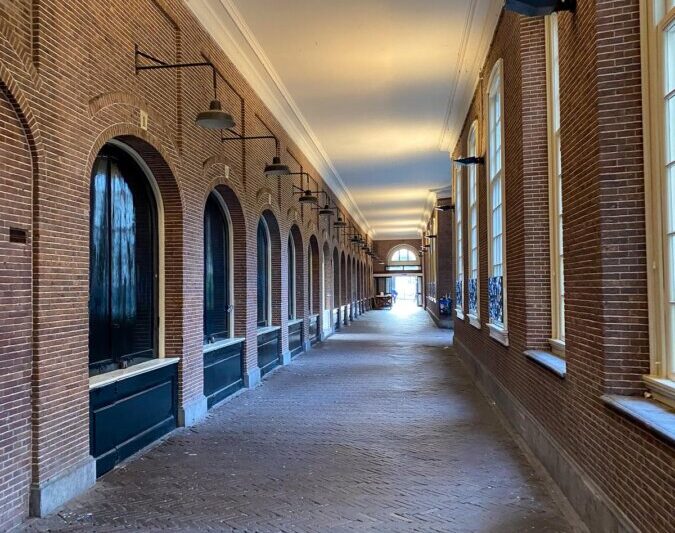
Burgundy, known for its exquisite wines and stunning landscapes, is a region steeped in history and gastronomy. From the rolling vineyards to the charming medieval towns, Burgundy offers a delightful blend of culture, art, and culinary treasures. Visitors can explore the historic city of Dijon, the picturesque town of Beaune, and the breathtaking countryside.
The destination guide
Burgundy

Burgundy’s wine route costs nothing to drive and the villages along it — Pommard, Meursault, Gevrey — are reason enough to slow down.
Travel guides for Burgundy
Itineraries & day trips (1)
Things to do (1)
Food & drink (1)
More guides featuring Burgundy (3)
At a glance
Currency€ EURCode: EUR
Time zoneCentral European Time
Languages
- French
Setting
- Rolling vineyards
- Medieval villages
- Canal waterways
- Pastoral countryside
Population2.8M2,800,000 residents
VisaDuration: Up to 90 days within any 180-day period in the Schengen Area · Documents: Valid passport issued within the last 10 years and valid for at least 3 months after planned departure, plus proof of accommodation, onward or return travel, and sufficient funds if requested
Daily budget$80–$300 / day Full budget guide →
How Burgundy scores
9/10OverallExcellent
Weather7/10
Value for money7/10
Safety8/10
Food & cuisine10/10
Culture & arts8/10
Cultural experience9/10
History8/10
Nature & outdoors8/10
Adventure4/10
Nightlife4/10
Shopping6/10
Family friendly5/10
Romance9/10
Editorial scores on a 10-point scale, weighed against destinations of the same kind.
Travel safety snapshot
Overall88/100High rating
Women travellers90/100
LGBTQ+ travellers88/100
Theft84/100
Medical care88/100
Physical harm92/100
Political freedom85/100
SafePlace indicators use their source 100-point scale; higher is more favourable. Planning context, not a live travel advisory — check official government guidance before you go.
When to go
Best months to visit: April, May, June, July, August, September and October.
- January: 0.6 to 6 degrees Celsius, 73.8 millimetres of rain, best-time score 2 out of 5.
- February: 1.7 to 9 degrees Celsius, 56.6 millimetres of rain, best-time score 2 out of 5.
- March: 3.6 to 12.1 degrees Celsius, 72.6 millimetres of rain, best-time score 3 out of 5.
- April: 6.2 to 15.6 degrees Celsius, 69.6 millimetres of rain, best-time score 4 out of 5.
- May: 10.1 to 19.2 degrees Celsius, 81.5 millimetres of rain, best-time score 5 out of 5.
- June: 14.9 to 24.7 degrees Celsius, 88.5 millimetres of rain, best-time score 5 out of 5.
- July: 16.3 to 26.4 degrees Celsius, 54.5 millimetres of rain, best-time score 5 out of 5.
- August: 16.3 to 26.7 degrees Celsius, 55.4 millimetres of rain, best-time score 5 out of 5.
- September: 12.9 to 22.2 degrees Celsius, 59.7 millimetres of rain, best-time score 5 out of 5.
- October: 9.1 to 16.8 degrees Celsius, 97 millimetres of rain, best-time score 4 out of 5.
- November: 4.1 to 10.1 degrees Celsius, 84 millimetres of rain, best-time score 2 out of 5.
- December: 1.8 to 6.8 degrees Celsius, 83.8 millimetres of rain, best-time score 3 out of 5.
Month-by-month conditions and packing advice
- January
- Cold, some rain Cold winter weather, few tourists. Crowds: January in Burgundy is workable with normal seasonal planning; build in layers, weather checks, and a mix of indoor and outdoor activities. Pack: Pack warm layers, a coat, and comfortable shoes for cold mornings and evenings. Add a rain jacket or compact umbrella.
- February
- Cold, occasional rain Chilly and quiet, good for museums. Crowds: February in Burgundy is workable with normal seasonal planning; build in layers, weather checks, and a mix of indoor and outdoor activities. Pack: Pack warm layers, a coat, and comfortable shoes for cold mornings and evenings.
- March
- Cool to mild, some rain Beginning to warm up, spring blossoms. Crowds: March in Burgundy is workable with normal seasonal planning; build in layers, weather checks, and a mix of indoor and outdoor activities. Pack: Pack layered clothing and comfortable walking shoes. Add a rain jacket or compact umbrella.
- April
- Cool to mild, occasional rain Pleasant spring weather, great for walking. Crowds: April in Burgundy is workable with normal seasonal planning; build in layers, weather checks, and a mix of indoor and outdoor activities. Pack: Pack layered clothing and comfortable walking shoes.
- May
- Cool to mild, some rain Excellent weather before the summer crowds. Crowds: May in Burgundy is workable with normal seasonal planning; build in layers, weather checks, and a mix of indoor and outdoor activities. Pack: Pack layered clothing and comfortable walking shoes. Add a rain jacket or compact umbrella.
- June
- Mild to warm, some rain Warm, sunny, and lively. Crowds: June in Burgundy is workable with normal seasonal planning; build in layers, weather checks, and a mix of indoor and outdoor activities. Pack: Pack light clothing, sun protection, and comfortable walking shoes. Add a rain jacket or compact umbrella.
- July
- Mild to warm, occasional rain Peak summer heat and peak tourist season. Crowds: July in Burgundy is comfortable for sightseeing, neighborhoods, food stops, day trips, and outdoor time with limited weather friction. Pack: Pack light clothing, sun protection, and comfortable walking shoes.
- August
- Mild to warm, occasional rain Very warm, many festivals and outdoor dining. Crowds: August in Burgundy is comfortable for sightseeing, neighborhoods, food stops, day trips, and outdoor time with limited weather friction. Pack: Pack light clothing, sun protection, and comfortable walking shoes.
- September
- Mild to warm, occasional rain Perfect shoulder season with great weather. Crowds: September in Burgundy is comfortable for sightseeing, neighborhoods, food stops, day trips, and outdoor time with limited weather friction. Pack: Pack layered clothing and comfortable walking shoes.
- October
- Cool to mild, some rain Crisp autumn air and beautiful colors. Crowds: October in Burgundy is workable with normal seasonal planning; build in layers, weather checks, and a mix of indoor and outdoor activities. Pack: Pack layered clothing and comfortable walking shoes. Add a rain jacket or compact umbrella.
- November
- Cool to mild, some rain Cooling down rapidly, often rainy. Crowds: November in Burgundy is workable with normal seasonal planning; build in layers, weather checks, and a mix of indoor and outdoor activities. Pack: Pack layered clothing and comfortable walking shoes. Add a rain jacket or compact umbrella.
- December
- Cold, some rain Cold but festive holiday atmosphere. Crowds: December in Burgundy is workable with normal seasonal planning; build in layers, weather checks, and a mix of indoor and outdoor activities. Pack: Pack warm layers, a coat, and comfortable shoes for cold mornings and evenings. Add a rain jacket or compact umbrella.
Peak season
- June
- July
- August
Off-peak
- January
- February
- November
Know before you go
About
Burgundy, or Bourgogne, in east-central France, is one of the world’s most revered wine regions, a patchwork of vineyards, medieval villages, and rolling hills southeast of Paris. Centered on the Côte d’Or, it is the spiritual home of Pinot Noir and Chardonnay, and its painstakingly delimited terroir parcels—more than a thousand named climats running from Dijon toward the Maranges—were inscribed as a UNESCO World Heritage Site in 2015. The historic capital, Dijon, is famed for mustard and a handsome old town, while the walled town of Beaune serves as the wine capital, home to the colorfully tiled Hospices de Beaune. Legendary grand cru villages such as Gevrey-Chambertin, Vosne-Romanée, and Puligny-Montrachet line the scenic Route des Grands Crus. Beyond wine, Burgundy offers Romanesque abbeys, tranquil canals, and rich regional cuisine like beef bourguignon and coq au vin. For lovers of food, wine, and unhurried countryside, Burgundy is one of France’s most rewarding regions.
Neighbourhoods
Dijon, Beaune, Chablis, Mâcon, Auxerre
Best time to visit
Late spring (May–June) and early autumn (September–October) offer the finest combination of weather, vineyard beauty, and accessibility. Harvest season (September) brings electric energy to the Côte d’Or. The Hospices de Beaune wine auction in November is a cultural highlight. Winter is quiet and cold but ideal for cellar tastings without crowds.
Season by season
Spring (March-May): Mild rapidly warming weather, ideal for cycling; vines begin to bud.
Summer (June-August): Warm and sunny (70-80°F), perfect for festivals and canal cruising.
Fall (September-November): Harvest season (‘vendanges’) offers vibrant golden vineyards and excellent wine tasting opportunities.
Winter (December-February): Quiet and chilly with fewer tourists; enjoy truffle markets and cozy gastronomy.
Crowds
Burgundy peaks during harvest season (September-October) and summer (June-August) with busy wineries and tourist towns like Beaune; quietest January-March when vineyards and villages are far less crowded though some châteaux have limited hours.
Getting there and around
Getting there
Primary access via Paris with TGV high-speed trains from Gare de Lyon to Dijon in 1 hour 40 minutes (15 daily services). International travelers use Paris CDG Airport with direct TGV from Terminal 2 to Dijon (1h 55m) or connection via Gare de Lyon. Lyon-Saint Exupéry Airport (120km south) offers alternative access with direct TGV connections. Regional Dole-Jura Airport sits 50km from Dijon for domestic flights. UK travelers take Eurostar to Paris, then seamless TGV transfer to reach Burgundy’s capital in under 6 hours total. From Switzerland, direct trains from Lausanne reach Dijon in 2 hours. Road access via A6 motorway from Paris (3.5 hours), A36 from Germany/Switzerland, or A31 from Luxembourg. Beaune serves as wine country’s gateway, easily reached by regional TER trains from Dijon with bicycle transport available.
Getting around
Getting around Burgundy requires a bit of planning due to the region’s largely rural and spread-out nature. While larger towns like Dijon and Beaune have reliable bus networks (Divia in Dijon is especially efficient), public transportation between smaller villages is limited, so renting a car remains the most flexible option for exploring vineyards and countryside. Walkability is excellent within historic town centers, many of which are pedestrian-friendly and ideal for soaking in the architecture and atmosphere. Taxis and rideshare services like Uber are scarce outside the main cities, so pre-booking is recommended, and regional TER trains are a scenic and practical way to hop between key towns—consider purchasing a regional pass if you’re staying several days.
Top experiences in Burgundy
Hospices de Beaune (Hôtel-Dieu)
Middle-ages charitable almshouse with a stunning polychrome roof, now a museum housing the Roger van der Weyden altarpiece.
Basilica of Sainte-Marie-Madeleine in Vézelay
A UNESCO World Heritage site and masterpiece of Burgundian Romanesque art and architecture.
Palace of the Dukes of Burgundy (Dijon)
Grand palace in Dijon’s city center housing the Museum of Fine Arts with an impressive collection of medieval and Renaissance art.
Route des Grands Crus
The ‘Champs-Élysées of Burgundy,’ this 60km route winds through the most prestigious vineyards from Dijon to Santenay.
Cluny Abbey
Once the largest church in Christendom, this medieval abbey is a testament to the power of the Benedictine order.
Editor-curated picks carried over from our original guide. Where a full place guide exists, the card links to it.


Worth booking ahead in Burgundy
Hand-picked from the operators our guides already send readers to. Prices and availability are live on the partner site.
Day tripGetYourGuide
Versailles Palace guided tour with coach transfer (opens GetYourGuide in a new tab)
Guided palace visit with the coach transfer handled, so you skip the RER connection and the ticket-office line.
Where to stayBooking.com
Stays in Burgundy (opens Booking.com in a new tab)
Live rates and availability for Burgundy on Booking.com; filter by neighbourhood once you know where your days start.
We earn a commission if you book through these links, at no extra cost to you. It is how we keep the guides free and independent.
Where to stay
Hostellerie Le Cèdre (Beaune)
12 Boulevard du Maréchal Foch, 21200 Beaune, France
A 5-star hotel in a 15th-century building featuring a gourmet restaurant and lush gardens.
Château de Vault de Lugny
11 Rue du Château, 89200 Vault-de-Lugny, France
Luxurious 5-star hotel near Vézelay housed in a historic fortress surrounded by a moat.
La Cueillette (Meursault)
18 Rue de la Goutted’Or, 21190 Meursault, France
Spa hotel located in the Château de Cîteaux, offering fruit-based spa treatments and vineyard views.
Editor-curated stays carried over from our original guide. Where we have reviewed the hotel, the card links to the review.
Tips from the field
Highlights
- Route des Grands Crus — 60 km through Premier and Grand Cru vineyards
- Hospices de Beaune — medieval masterpiece and annual wine auction
- Dijon — ducal palaces, mustard houses, and Les Halles market
- Vézelay Basilica — Romanesque UNESCO World Heritage Site
- UNESCO-listed Climats — 1,247 defined vineyard plots along the Côte d’Or
Best activities
- Burgundy’s appeal lies in the intersection of history, food, and wine experienced at an unhurried pace. Begin in Beaune: tour the Hospices de Beaune to see the polychrome-tiled roof and Rogier van der Weyden’s Last Judgment altarpiece, then walk to nearby cellars for tastings at Bouchard Père et Fils or Patriarche. Cycle the Véloroute des Vignes from Beaune to Santenay through Premier and Grand Cru vineyards. In Dijon, explore the Palace of the Dukes, shop for mustard at the Maille boutique, and eat at Les Halles market on a Saturday morning. The Route des Grands Crus between Gevrey-Chambertin and Meursault passes through the most storied vineyard land on earth — stop at Clos de Vougeot’s château for a guided tour. For a day trip, the hilltop village of Vézelay and its Romanesque basilica offer both spiritual weight and panoramic views. The Burgundy Canal towpath provides a flat, traffic-free cycling route connecting Châtillon-sur-Seine to Migennes through locks, villages, and pastoral countryside.
Local experiences
- Join a private cave tasting at a family domaine in Pommard, cycle the Véloroute des Vignes through Grand Cru plots, or attend the Saturday morning market at Les Halles in Dijon.
Practical tips
- Transport: A car is recommended to explore rural vineyards, but trains connect major towns like Dijon and Beaune efficiently.
- Dining: Lunch menus ('formule midi') offer great value. Tipping is appreciated but not mandatory.
- Wine: Book tastings at small wineries in advance; look for 'De Vignes en Caves' signs for walk-ins.
Photography tips
- Burgundy’s vineyard geometry photographs best from slightly elevated positions — the hill above Pernand-Vergelesses and the viewpoint at Corton-Charlemagne both offer sweeping rows receding toward the Côte. Golden hour transforms the limestone village walls of Meursault and Puligny-Montrachet into warm tones that contrast with green or golden vines depending on season. The Hospices de Beaune’s multicolored tile roof is best captured from the interior courtyard with a wide-angle lens
- midday light actually works well here since the tiles are overhead. Autumn harvest (September) brings tractors, pickers, and crates that add human scale to vineyard compositions. Morning mist rising from the Côte d’Or valleys creates atmospheric layers ideal for telephoto compression shots. The Burgundy Canal’s lock houses and reflected tree lines photograph well in still morning air. For architecture, Vézelay’s basilica interior captures ethereal light through the nave’s Romanesque arches around midday when the sun aligns.
Keeping it authentic
- Burgundy’s identity is inseparable from its terroir — the conviction that every parcel of land produces a wine distinct from its neighbor. The Climats, the 1,247 precisely delineated vineyard plots along the Côte d’Or, were inscribed as a UNESCO World Heritage Site in 2015. This obsession with place extends beyond wine: each village maintains its own architectural character, its own market-day rhythm, its own preferred mustard producer. The region moves at a pace set by the agricultural calendar — pruning, flowering, véraison, harvest. Beaune, though compact, functions as the wine capital, while Dijon carries the Ducal heritage and a growing food scene anchored by Les Halles market. Between the two, stone villages like Pommard, Meursault, and Gevrey-Chambertin feel unchanged for centuries. Burgundy rewards slow travel: linger over a œufs en meurette at a village auberge, cycle between domaines on the Véloroute, and spend an afternoon in a 12th-century cellar tasting wines that speak more of place than grape.
Culture, customs and safety
Cultural heritage
The cultural heritage of Burgundy is inextricably linked to its 2,000-year history of winemaking, a tradition so refined that its vineyard landscape is a UNESCO World Heritage site. The region is defined by its unique concept of ‘climats’—precisely delineated vineyard parcels, each with its own name, history, and terroir, that produce some of the world’s most revered wines. This viticultural heritage has shaped the entire region, from the landscape of walled vineyards and winegrowers’ villages to the magnificent wealth displayed in the historic Hospices de Beaune and the Palace of the Dukes in Dijon.
Local customs & etiquette
Burgundy’s wine culture revolves around centuries-old traditions: La Paulée communal harvest meals mark grape picking’s end, while Saint-Vincent Tournante festival honors patron saint of vignerons every January with 100 brotherhoods celebrating across villages. Harvest festivals include September’s traditional grape pressing in Chenôve using ducal-era equipment, producing sacred bourru first-pressed juice. Wine etiquette emphasizes terroir appreciation over mere consumption – French discuss wine’s story, region, and reflection of local soil with reverence. Dégustation (wine tasting) follows ritual protocols respecting vigneron craftsmanship. UNESCO-recognized “climats” vineyard parcels represent sacred geography linking specific soil to wine character. Religious heritage includes November’s Hospices de Beaune charity auction continuing 500+ years of philanthropy. Local markets emphasize farm-to-table practices supporting regional producers. Community festivals blend traditional Burgundian music with wine celebrations throughout growing season.
Safety notes
Burgundy is very safe for travelers. Standard precautions apply against petty theft in crowded areas. Tap water is safe. If driving wine routes, nominate a designated driver or book a tour.


Travel Style
Activities