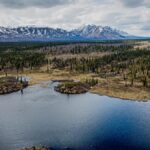
Denali National Park and Preserve encompasses six million acres of pristine Alaskan wilderness anchored by North America’s tallest peak, the 20,310-foot Denali (formerly Mount McKinley). This vast protected landscape presents one of the continent’s most spectacular wilderness experiences, characterized by taiga forest, alpine tundra, snaking rivers, and massive glaciers. The park’s extraordinarily diverse ecosystem supports iconic wildlife including grizzly bears, wolves, moose, caribou, and Dall sheep—often visible from the park’s single 92-mile road, which penetrates deep into this roadless sanctuary. Unlike more developed national parks, Denali maintains a deliberate wildness with limited infrastructure and strictly managed visitation, creating an authentic wilderness immersion. The Denali experience changes dramatically through the seasons—summer brings 20+ hours of daylight and abundant wildlife viewing, autumn transforms the tundra into a blazing tapestry of reds and golds, winter delivers pristine solitude amid extreme conditions, and spring marks the great awakening when animals emerge with newborn offspring. Beyond natural splendors, the park preserves rich cultural heritage from ancient Athabascan peoples to early 20th-century gold miners and pioneering mountaineers. For visitors seeking profound connection with raw natural processes and untamed landscapes, Denali offers unparalleled opportunities for wilderness hiking, wildlife photography, mountaineering, and experiencing true ecological integrity increasingly rare in today’s world.
Cultural Context
First national park created specifically to protect wildlife 1917, home to Mount Denali highest peak North America at 20310 feet, sacred to Alaska Native peoples representing 11000 years continuous cultural presence, symbol of American wilderness preservation
Historical Context
Originally Mount McKinley National Park established 1917 as 2 million acres, expanded to 6 million acres preserving complete ecosystem, inhabited seasonally by indigenous hunters gatherers for millennia, renamed honoring Native Athabascan name meaning the high one