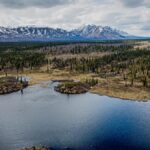
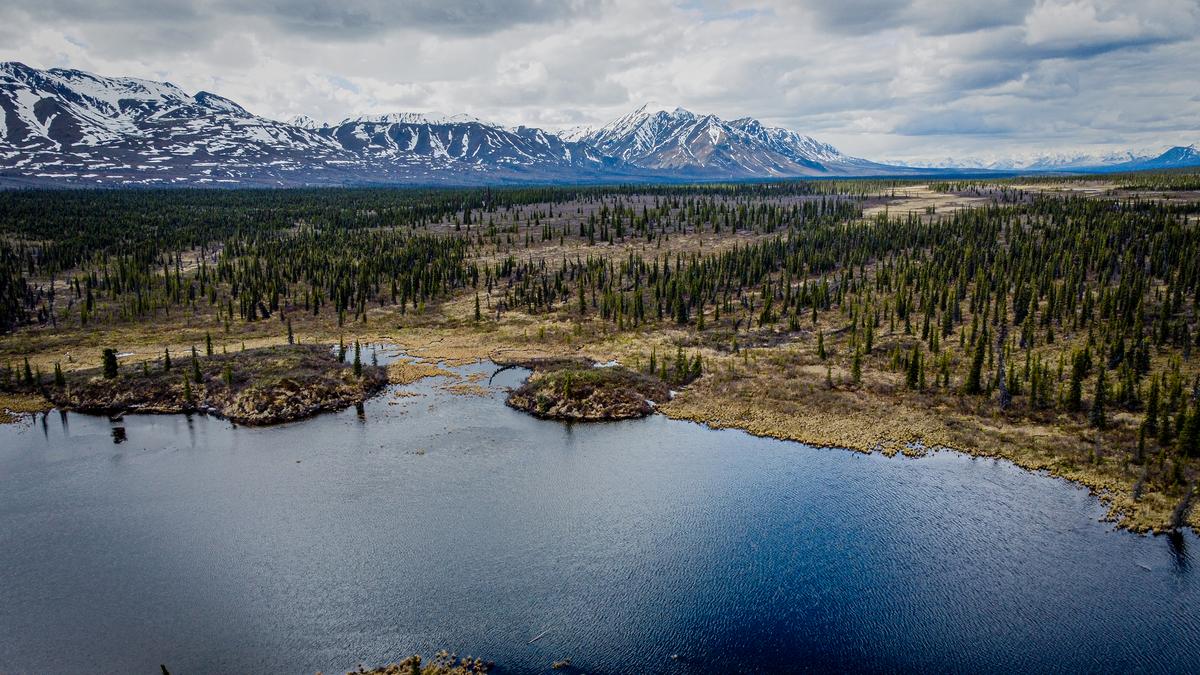
Alaska, America’s Last Frontier, is the largest U.S. state, offering vast wilderness, dramatic landscapes, and authentic cultural experiences. This rugged land spans from the Arctic tundra to temperate rainforests, featuring towering mountain ranges including Denali (North America’s highest peak), pristine glacial fjords, and abundant wildlife. Alaska’s rich indigenous heritage includes 11 distinct Alaska Native cultures, each with unique traditions, languages, and connections to the land. The state offers unparalleled opportunities for adventure, from witnessing the Northern Lights to exploring untouched wilderness areas that remain much as they were thousands of years ago.
The destination guide
Alaska
State in United States, North AmericaUpdated
- Overall9/10
- Best forAdventure seekers, Solo travelers
- PeakJan–Apr
- CurrencyUSD
Denali isn’t just North America’s tallest peak — it reframes everything you thought you knew about scale and wilderness.
Travel guides for Alaska
Itineraries & day trips (1)
Things to do (9)
Where to stay (2)
Food & drink (2)
Travel tips & costs (2)
Destination stories (6)
More guides featuring Alaska (18)
At a glance
Currency$ USDCode: USD
Time zoneAlaska Time (AKST)
Languages
- English
Setting
- Glaciers
- Tundra
- Boreal forests
- Mountain ranges
- Fjords
Population740K740,133 residents
VisaDocuments: For domestic U.S. air travel, travelers age 18 and older must present a REAL ID-compliant driver's license or another TSA-accepted ID such as a valid passport
Daily budget$110–$700 / day Full budget guide →
How Alaska scores
9/10OverallExcellent
Weather6/10
Value for money7/10
Safety9/10
Food & cuisine7/10
Culture & arts6/10
Cultural experience8/10
History5/10
Nature & outdoors9/10
Adventure9/10
Nightlife4/10
Shopping5/10
Family friendly5/10
Romance3/10
Editorial scores on a 10-point scale, weighed against destinations of the same kind.
Travel safety snapshot
Overall85/100High rating
Women travellers82/100
LGBTQ+ travellers75/100
Theft80/100
Medical care80/100
Physical harm88/100
Political freedom80/100
SafePlace indicators use their source 100-point scale; higher is more favourable. Planning context, not a live travel advisory — check official government guidance before you go.
When to go
Best months to visit: May, June, July, August and September.
- January: -20.7 to -14.1 degrees Celsius, 14.8 millimetres of rain, best-time score 1 out of 5.
- February: -18.3 to -10.8 degrees Celsius, 26.8 millimetres of rain, best-time score 2 out of 5.
- March: -13.7 to -5.3 degrees Celsius, 21.8 millimetres of rain, best-time score 3 out of 5.
- April: -5.7 to 4.1 degrees Celsius, 19.8 millimetres of rain, best-time score 3 out of 5.
- May: 3.7 to 12.9 degrees Celsius, 42.6 millimetres of rain, best-time score 4 out of 5.
- June: 10.3 to 18.9 degrees Celsius, 59.9 millimetres of rain, best-time score 5 out of 5.
- July: 12.3 to 20.1 degrees Celsius, 95.7 millimetres of rain, best-time score 5 out of 5.
- August: 9.8 to 16.6 degrees Celsius, 102.3 millimetres of rain, best-time score 5 out of 5.
- September: 3.9 to 10.4 degrees Celsius, 59.6 millimetres of rain, best-time score 4 out of 5.
- October: -3.9 to 1.6 degrees Celsius, 47.6 millimetres of rain, best-time score 2 out of 5.
- November: -14.7 to -8.9 degrees Celsius, 29.6 millimetres of rain, best-time score 1 out of 5.
- December: -20 to -13.3 degrees Celsius, 32.8 millimetres of rain, best-time score 2 out of 5.
Month-by-month conditions and packing advice
- January
- Very cold, mostly dry Extreme cold and darkness. Crowds: January in Alaska is best for winter-ready travelers; outdoor plans need warm gear, shorter daylight expectations, and weather-aware transport planning. Pack: Pack insulated layers, warm footwear, gloves, and a serious winter coat.
- February
- Very cold, mostly dry Good for Northern Lights but very cold. Crowds: February in Alaska is best for winter-ready travelers; outdoor plans need warm gear, shorter daylight expectations, and weather-aware transport planning. Pack: Pack insulated layers, warm footwear, gloves, and a serious winter coat.
- March
- Very cold, mostly dry Iditarod race, slightly longer days. Crowds: March in Alaska is best for winter-ready travelers; outdoor plans need warm gear, shorter daylight expectations, and weather-aware transport planning. Pack: Pack insulated layers, warm footwear, gloves, and a serious winter coat.
- April
- Cold, mostly dry Spring transition, melting snow, some cruises start late in month. Crowds: April in Alaska is best for winter-ready travelers; outdoor plans need warm gear, shorter daylight expectations, and weather-aware transport planning. Pack: Pack insulated layers, warm footwear, gloves, and a serious winter coat.
- May
- Cool to mild, occasional rain Cruises begin, wildlife becomes active, fewer crowds. Crowds: May in Alaska is workable with normal seasonal planning; build in layers, weather checks, and a mix of indoor and outdoor activities. Pack: Pack layered clothing and comfortable walking shoes.
- June
- Cool to mild, occasional rain Longest days (Midnight Sun), great for all activities. Crowds: June in Alaska is workable with normal seasonal planning; build in layers, weather checks, and a mix of indoor and outdoor activities. Pack: Pack layered clothing and comfortable walking shoes.
- July
- Mild to warm, some rain Peak summer, warmest weather, excellent salmon viewing. Crowds: July in Alaska is workable with normal seasonal planning; build in layers, weather checks, and a mix of indoor and outdoor activities. Pack: Pack layered clothing and comfortable walking shoes. Add a rain jacket or compact umbrella.
- August
- Cool to mild, some rain Still great, but rain increases late in the month. Crowds: August in Alaska is workable with normal seasonal planning; build in layers, weather checks, and a mix of indoor and outdoor activities. Pack: Pack layered clothing and comfortable walking shoes. Add a rain jacket or compact umbrella.
- September
- Cool to mild, occasional rain Fall colors, northern lights return, cruise season ending. Crowds: September in Alaska is workable with normal seasonal planning; build in layers, weather checks, and a mix of indoor and outdoor activities. Pack: Pack layered clothing and comfortable walking shoes.
- October
- Very cold, occasional rain Winter begins to set in, many services close. Crowds: October in Alaska is workable with normal seasonal planning; build in layers, weather checks, and a mix of indoor and outdoor activities. Pack: Pack warm layers, a coat, and comfortable shoes for cold mornings and evenings.
- November
- Very cold, mostly dry Cold, dark, and snowy. Crowds: November in Alaska is best for winter-ready travelers; outdoor plans need warm gear, shorter daylight expectations, and weather-aware transport planning. Pack: Pack insulated layers, warm footwear, gloves, and a serious winter coat.
- December
- Very cold, occasional rain Festive but extreme cold and minimal daylight. Crowds: December in Alaska is best for winter-ready travelers; outdoor plans need warm gear, shorter daylight expectations, and weather-aware transport planning. Pack: Pack insulated layers, warm footwear, gloves, and a serious winter coat.
Peak season
- March
- February
- January
- April
Off-peak
- September
- August
- July
- June
Know before you go
Neighbourhoods
Anchorage, Juneau, Fairbanks, Ketchikan, Denali
Best time to visit
Mid-June through mid-September offers the longest days, warmest temperatures, and full access to parks and wilderness lodges. Late June through July provides up to 22 hours of daylight and peak wildflower blooms. August brings berry season, the first fall colors, and increased bear activity around salmon streams. September rewards with aurora borealis viewing as darkness returns, vivid tundra colors, and fewer crowds. Winter (November–March) suits northern lights viewing and dog sledding near Fairbanks.
Season by season
Summer (June-August): Peak season with mild days (60-80°F) and the Midnight Sun; book early.
Fall (September-October): Brief but beautiful foliage season; cooler temps and chance of aurora viewing.
Winter (November-March): Cold and snowy, ideal for Northern Lights, dog sledding, and skiing.
Spring (April-May): Shoulder season with melting snow, returning migratory birds, and lower prices.
Crowds
Alaska’s cruise and tour season (May-September, peaking June-August) brings heavy crowds to Glacier Bay, Juneau and Denali access points; quietest October-April when many lodges close and visitor numbers drop dramatically, especially in interior and coastal towns.
Getting there and around
Getting there
Alaska is accessible through Ted Stevens Anchorage International Airport (ANC) and Fairbanks International Airport (FAI), both serving as key gateways with expanded airline services in 2025. FAI operates 24 hours daily with passenger screening starting 2 hours before first flights. Alaska Airlines provides primary connectivity between major cities. Ground transportation between Anchorage and Fairbanks includes rental cars via the Alaska Highway, bus services, and the Alaska Railroad. Rural communities rely on Essential Air Service for connectivity. Ferry services connect coastal communities through the Alaska Marine Highway System. Winter travel requires specialized equipment and planning.
Getting around
Within Alaska’s few urban hubs, Anchorage’s People Mover, Fairbanks’ MACS and Juneau’s Capital Transit provide dependable bus grids—Anchorage now sells reloadable smart-cards and, from July 2025, lets riders 18 and under travel free—while the state lacks metro or tram lines, so longer hops are covered by the year-round Alaska Railroad and the 3,500-mile Alaska Marine Highway ferry network., Juneau’s waterfront and historic Skagway are ideal for walking, but beyond them distances sprawl and weather swings, so reserve rental cars early if you aim to explore the Parks, Seward or Richardson highways. For door-to-door lifts, Uber runs 24/7 in Anchorage and Lyft is the go-to in Fairbanks—just budget extra wait time compared with the Lower 48—and classic yellow cabs still meet flights and ferries in smaller towns where cell coverage can be fickle., book rail or ferry seats months ahead (they double as scenic experiences), and always pad itineraries with weather buffers—Alaskans plan transport like mini-expeditions rather than city commutes.
Top experiences in Alaska
Denali National Park and Preserve
A six-million-acre wilderness home to North America’s tallest peak, offering shuttles for wildlife viewing.
Glacier Bay National Park
A coastal wilderness of tidewater glaciers and fjords, best explored by cruise or kayak.
Kenai Fjords National Park
Where mountains, ice, and ocean meet, offering boat tours to frequent marine wildlife sightings.
Mendenhall Glacier (Juneau)
A 13-mile-long glacier accessible by road, with opportunities for hiking to ice caves and waterfalls.
Anchorage Museum
Alaska’s largest museum, showcasing Native culture, art, history, and science in a modern facility.
Editor-curated picks carried over from our original guide. Where a full place guide exists, the card links to it.
Worth booking ahead in Alaska
Hand-picked from the operators our guides already send readers to. Prices and availability are live on the partner site.
BrowseViator
Tours and tickets in Alaska on Viator (opens Viator in a new tab)
Viator's full list of bookable tours and tickets in Alaska.
BrowseGetYourGuide
Experiences in Alaska on GetYourGuide (opens GetYourGuide in a new tab)
Everything GetYourGuide sells in Alaska, with the cancellation terms on each listing.
Where to stayBooking.com
Stays in Alaska (opens Booking.com in a new tab)
Live rates and availability for Alaska on Booking.com; filter by neighbourhood once you know where your days start.
We earn a commission if you book through these links, at no extra cost to you. It is how we keep the guides free and independent.
Where to stay
Alyeska Resort (Girdwood)
Mile 224 Parks Highway, Denali National Park, AK 99755
Alaska’s premier year-round resort featuring a saltwater pool, aerial tram, and ski-in/ski-out access.
Denali Backcountry Lodge
199 Bartlett Cove Road, Gustavus, AK 99826
A remote, all-inclusive lodge located deep within Denali National Park for an immersive wilderness experience.
Pike's Waterfront Lodge (Fairbanks)
1800 Orca Street, Seward, AK 99664
A comfortable lodge utilizing log architecture, located on the Chena River minutes from the airport.
Editor-curated stays carried over from our original guide. Where we have reviewed the hotel, the card links to the review.
Tips from the field
Highlights
- Denali National Park — North America's tallest peak and 6 million acres of wild tundra
- Glacier Bay — tidewater glaciers calving into the sea, UNESCO World Heritage site
- Kenai Fjords — Exit Glacier, humpback whales, and orca-filled coastal cruises
- Inside Passage — rainforest fjords, totem-pole towns, and whale watching by ferry
- Northern lights — aurora borealis displays from September through April
Best activities
- Ride the Tundra Wilderness Tour bus into Denali for a full day of grizzly, caribou, and Dall sheep spotting against the backdrop of the Alaska Range. Take a day boat from Seward into Kenai Fjords to watch humpback whales breach alongside calving glaciers. Hike the Harding Icefield Trail — an 8.2-mile round trip that climbs from rainforest to the edge of a 700-square-mile ice field. In Glacier Bay, kayak among icebergs near Margerie Glacier. Ride the Alaska Marine Highway ferry from Juneau to Sitka through the Inside Passage, stopping to see Tlingit totem poles and the Sitka National Historical Park. In Fairbanks, visit the Museum of the North and drive to Chena Hot Springs for a January aurora soak. Fly-fish for silver salmon on the Kenai River in August, or take a flightseeing tour around Denali for aerial views of the mountain's north face.
Local experiences
- Watch grizzlies fish for salmon at Brooks Falls in Katmai, soak in Chena Hot Springs under the northern lights, or ride the Alaska Railroad's Glacier Discovery route from Anchorage to Whittier with glacier views on both sides.
Practical tips
- Packing: Layering is essential (base, fleece, waterproof shell). Avoid cotton.
- Logistics: Alaska is vast; plan travel times realistically. Ferries and small planes are key transport modes.
- Connectivity: Cell service is spotty outside major towns; download offline maps.
Photography tips
- Denali photographs best in clear weather — roughly one in three summer days — when the full mountain emerges above the cloud line. The Stony Hill Overlook (Mile 62 of the park road) and Reflection Pond near Wonder Lake offer the most dramatic compositions. In Kenai Fjords, shoot from the boat with a 70–200mm for breaching whales and a wide-angle for glacier faces. Glacier Bay's tidewater glaciers reward patience: set a fast shutter speed (1/1000+) to freeze calving ice in midair. The Inside Passage towns of Ketchikan and Sitka offer totem-pole and harbor shots best in overcast light, which is common. For northern lights, use a tripod, manual focus on infinity, ISO 1600–3200, and exposures of 5–15 seconds. Summer's midnight sun creates surreal golden-hour landscapes that last for hours — shoot landscapes between 10 PM and 2 AM in June for warm, low-angle light.
Keeping it authentic
- Alaska operates on a scale that defies comparison with the Lower 48. Denali National Park alone is larger than the state of New Hampshire, and most of it is accessible only by a single road that limits private vehicles. The state's population of roughly 730,000 is spread across an area twice the size of Texas, which means large stretches of genuine wilderness sit between small towns. Indigenous cultures — Tlingit, Haida, Athabascan, Yup'ik, Inupiaq, and others — have occupied this land for thousands of years, and their presence is woven into place names, art, and community life rather than confined to museum exhibits. The economy still runs substantially on fishing, oil, and federal spending, which gives Alaskan towns a working-class character distinct from resort destinations. Summer visitors will encounter a mix of seasonal workers from across the country, long-time residents who chose Alaska intentionally, and a pace of life shaped by extreme geography and weather. The common thread is self-reliance: Alaskans hunt, fish, and prepare for winter in ways that feel anachronistic elsewhere but remain entirely practical here.
Culture, customs and safety
Cultural heritage
Alaska’s heritage is fundamentally rooted in the millennia-old traditions of its diverse Native peoples, whose cultures are intricately adapted to one of the world’s harshest environments. This Indigenous foundation, expressed through subsistence lifestyles, intricate art forms like ivory carving, and rich oral histories, was later overlaid by Russian and American colonization. Today, Alaska’s culture reflects a complex history of resilience, conflict, and adaptation, as Native communities continue to fight for subsistence rights while maintaining their enduring connection to the land.
Local customs & etiquette
Alaska culture centers on wilderness lifestyle, self-reliance, and respect for nature. Subsistence hunting, fishing, and foraging remain central to many communities, particularly among Alaska Native peoples. The state maintains strong traditions of outdoor activities including hunting, fishing, and wilderness survival skills. Local customs include sharing resources within communities, respecting wildlife, and preparing for extreme weather conditions. Business operates on “Alaska time” with flexible schedules due to weather and seasonal variations. The state values independence, environmental stewardship, and cultural preservation of both Native traditions and frontier heritage.
Safety notes
Wildlife: Keep 300 yards from bears and 25 yards from moose. Carry bear spray.
Weather: Conditions change rapidly; always carry rain gear and layers.
Driving: Watch for wildlife on roads and be prepared for limited cell service in remote areas.