The best places to visit in Alaska depend on how you plan to travel. For a first road-and-rail trip, start with Anchorage, Seward, Talkeetna, Denali National Park, and Fairbanks. Choose Juneau, Glacier Bay, Ketchikan, or Sitka for an Inside Passage trip. Kodiak and Katmai are stronger choices for travelers prepared to pay for remote flights and guided bear-viewing logistics.
Alaska is too large to treat as one continuous sightseeing route. Most visitors will have a better trip by choosing one region, building in weather time, and staying at least two nights in major bases. This guide compares 20 Alaska destinations by access, trip style, and suggested time so you can build a realistic itinerary rather than trying to collect every stop.
Firsthand context: The original version of this guide was informed by a 2019 trip to Juneau and later time living in Alaska’s capital. This update combines that context with current information from the National Park Service, U.S. Forest Service, U.S. Fish and Wildlife Service, and official Alaska destination resources.
Travel logistics and official-source details were last verified August 4, 2026. Recheck transportation schedules, weather, trail conditions, park operations, and visitor fees before departure.
Quick picks for an Alaska trip
- Best first-time route: Anchorage, Seward, Talkeetna, Denali, and Fairbanks
- Best for northern lights: Fairbanks
- Best for accessible glacier scenery: Seward, Kenai Fjords, Juneau, and Mendenhall Glacier
- Best for brown bear viewing: Katmai or Kodiak
- Best Inside Passage combination: Juneau, Glacier Bay, and either Sitka or Ketchikan
- Best for Alaska Native and regional history: Sitka, Nome, Kodiak, and Juneau
- Best resort add-on: Girdwood
- Best remote national-park trip: Wrangell-St. Elias
- Best for fishing, food, and Kachemak Bay: Homer
20 best places to visit in Alaska at a glance
| Place | Best for | How to reach it | Suggested minimum |
|---|---|---|---|
| Anchorage | First-time base, museums, nearby mountains | Major airport, highway and rail hub | 2–3 nights |
| Girdwood | Skiing, rainforest trails, resort stay | Road or seasonal rail from Anchorage | Day trip or 1 night |
| Seward | Marine wildlife, railroad journey, coastal scenery | Road or rail from Anchorage | 2 nights |
| Kenai Fjords National Park | Glacier cruises, Exit Glacier, Harding Icefield Trail | Primarily through Seward | 1 full day to 2 days |
| Homer | Fishing, art, food, Kachemak Bay | Road, air or seasonal ferry connections | 2 nights |
| Valdez | Prince William Sound, waterfalls, kayaking | Road, ferry or air | 2 nights |
| Wrangell-St. Elias | Kennecott, McCarthy, backcountry | Road and small-aircraft connections | 2–4 nights |
| Talkeetna | Denali flightseeing, river trips, small-town stay | Road or rail | 1 night |
| Denali National Park | Tundra, wildlife, mountain views | Road or rail, followed by park bus | 2–3 nights |
| Fairbanks | Aurora, winter travel, Arctic access | Major airport, road and rail | 2–3 nights |
| Nome | Iñupiat culture, Iditarod history, tundra roads | Flight or seasonal marine access | 2–4 nights |
| Juneau | Whales, museums, rainforest, state history | Air, ferry or cruise | 2–3 nights |
| Mendenhall Glacier | Accessible glacier viewpoints and trails | Ground transportation from Juneau | Half day |
| Glacier Bay National Park | Tidewater glaciers and marine wildlife | Cruise ship or flight/ferry to Gustavus | 1 full day to 2 nights |
| Ketchikan | Creek Street, Misty Fjords, Native art | Air, ferry or cruise | 1–2 days |
| Sitka | Tlingit history, marine wildlife, arts | Air, ferry or cruise | 1–2 days |
| Haines | Eagles, Chilkat Valley, independent road travel | Road, ferry or air | 1–2 days |
| Skagway | Gold Rush history and White Pass railway | Road, ferry or cruise | 1 day or 1 night |
| Kodiak | Brown bears, fishing, Alutiiq culture | Flight or ferry | 2–4 nights |
| Katmai National Park | Brooks Camp bears and volcanic terrain | Small plane or boat | 1–3 days |
How to choose where to go in Alaska
Choose one travel corridor first
A road-and-rail trip works well for Anchorage, Girdwood, Seward, Talkeetna, Denali, and Fairbanks. This route uses Alaska’s most established visitor infrastructure and can be completed without boarding a cruise ship. See our guide to traveling through Alaska by train before deciding which legs require a rental car.
The Inside Passage requires a different plan. Juneau, Ketchikan, Sitka, Haines, Skagway, and Glacier Bay are linked by combinations of air service, cruise routes, and the Alaska Marine Highway. Ferry schedules are seasonal and are not always frequent enough for an improvised town-to-town itinerary.
Remote destinations such as Nome, Kodiak, Katmai, and parts of Wrangell-St. Elias require separate flights, longer transfers, or charter arrangements. Add at least one buffer day when missing a weather-dependent connection would affect an international flight or another nonrefundable booking.
Match the season to the trip
Late May through early September provides the broadest selection of park buses, wildlife cruises, rail service, long daylight hours, and visitor facilities. June through August is the simplest period for a first trip, although it is also the busiest and often the most expensive.
Late August and September can bring fall color, fewer visitors, cooler weather, and the beginning of aurora season in Interior Alaska. Winter is a separate type of trip centered on northern lights, snow sports, hot springs, dog mushing, and cold-weather preparation. Fairbanks’ main aurora-viewing season generally runs from late August into April.
Account for current conditions and weather
- Denali in summer 2026: Private vehicles generally end at Mile 15, while park buses travel no farther than Mile 43 because of the Pretty Rocks closure. The National Park Service expects full-road bus service to resume in 2027, but travelers should verify the current Denali conditions before reserving transportation.
- Remote flights: Weather can delay service to Katmai, Kodiak, Nome, Gustavus, and small communities around Wrangell-St. Elias.
- Marine trips: Rough water, fog, and wildlife movement can affect cruise routes, kayak departures, and boat-tour experiences.
- Families: Consider transportation time, child-restraint rules, long boat days, limited food options, and lodging availability. These family vacation ideas in Alaska provide a more focused shortlist.
Southcentral Alaska and the Kenai Peninsula
1. Anchorage

Best for: First-time visitors, trip logistics, museums and nearby trails. Access: Major airport, road and rail hub. Plan on: Two or three nights.
Anchorage is the practical starting point for many independent Alaska trips. It has the state’s largest airport, rental-car inventory, Alaska Railroad connections, and road access toward the Kenai Peninsula, Denali, and the Mat-Su Valley. The city also gives travelers time to learn about Alaska before heading into smaller communities.
The Anchorage Museum and Alaska Native Heritage Center add cultural context, while the Tony Knowles Coastal Trail and nearby Chugach State Park provide accessible outdoor time. Use the city as a base for selected day trips from Anchorage, but avoid spending every day in transit. Our guide to the best things to do in Anchorage can help divide city time from regional excursions.
2. Girdwood

Best for: Skiing, rainforest trails and a resort stay. Access: Road or seasonal rail from Anchorage. Plan on: A day trip or one night.
Girdwood sits south of Anchorage along Turnagain Arm. Alyeska Resort anchors the community, but the area is useful outside ski season as well. Summer and fall visitors can hike through temperate rainforest, ride the aerial tram when operating, or use Girdwood as a slower overnight between Anchorage and Seward.
Conditions around the tram, mountain trails, and winter terrain can change quickly. Check the operator’s schedule and local weather before structuring a day around one lift or viewpoint. Travelers who prefer restaurants and a comfortable hotel over another long driving day may get more value from staying overnight.
3. Seward

Best for: Marine wildlife, coastal scenery and an Alaska Railroad journey. Access: Road or rail from Anchorage. Plan on: Two nights.
Seward is a compact harbor town on Resurrection Bay and the main visitor base for Kenai Fjords National Park. A full-day wildlife and glacier cruise is the largest time commitment for most visitors, so arriving and departing on the same day leaves little margin for weather or schedule changes.
The Alaska SeaLife Center, waterfront paths, local restaurants, and nearby hiking make a second day useful even when the weather changes. The rail journey between Anchorage and Seward is an attraction in its own right. See our destination guide for more things to do in Seward.
4. Kenai Fjords National Park

Best for: Tidewater glaciers, marine wildlife and the Harding Icefield. Access: Primarily through Seward. Plan on: One full day to two days.
Most of Kenai Fjords National Park is reached by water. Boat trips from Seward travel into glacier-carved fjords where passengers may see seabirds, sea lions, whales, harbor seals, and tidewater glaciers. Wildlife sightings and glacier access are never guaranteed, and a longer cruise generally reaches farther than a short bay tour.
Exit Glacier is the park’s road-accessible area. The Harding Icefield Trail climbs roughly 3.9 miles each way and is a demanding hike rather than a casual viewpoint walk. Snow, avalanche exposure, steep grades, and abrupt weather can remain concerns well into summer. Review current Kenai Fjords National Park conditions before hiking.
5. Homer

Best for: Fishing, art, food and Kachemak Bay. Access: Road, air or seasonal ferry connections. Plan on: Two nights.
Homer occupies the end of the Sterling Highway and looks across Kachemak Bay toward glaciers and the Kenai Mountains. The 4.5-mile Homer Spit concentrates charter boats, restaurants, lodging, shops, and harbor activity, while the main town has galleries, museums, bakeries, and additional restaurants.
Fishing remains a major draw, but Homer also works for travelers who prefer coastal walks, art, kayaking, and boat trips across the bay. Allow two nights if you are planning a charter or a day trip into Kachemak Bay State Park. Weather can alter both fishing and passenger-boat schedules. See our guide to the best things to do in Homer.
Homer’s peony season and destination events

Long summer daylight supports commercial peony farms around Homer, giving the area a distinctive seasonal flower industry. Couples considering a wedding or event should contact farms, florists, venues, and transportation providers directly. Bloom timing, farm access, shipping windows, and event availability vary from year to year.
6. Valdez

Best for: Prince William Sound, waterfalls, kayaking and scenic driving. Access: Road, ferry or air. Plan on: Two nights.
Valdez sits at the head of a deep fjord surrounded by the Chugach Mountains. The Richardson Highway approach passes mountain terrain, waterfalls, and Thompson Pass, making the drive part of the trip rather than a simple transfer.
From town, travelers can book glacier cruises, fishing charters, and guided kayak trips in Prince William Sound. The Valdez Museum adds context on Indigenous history, the Gold Rush era, the 1964 earthquake, and the Trans-Alaska Pipeline. Fog, rain, wind, and marine conditions should remain part of the daily plan.
7. Wrangell-St. Elias National Park and Preserve

Best for: Kennecott, McCarthy, glaciers and remote backcountry. Access: Road corridors and small-aircraft services. Plan on: Two to four nights.
At more than 13 million acres, Wrangell-St. Elias is the largest national park in the United States. Its scale is not a reason to rush through it. Most visitors choose either the McCarthy and Kennecott side or the Nabesna Road side rather than trying to cover both in a short stay.
Kennecott’s mining history, glacier hikes, flightseeing, mountain scenery, and backcountry routes reward travelers who accept long transfer times and limited services. Review the National Park Service’s current Wrangell-St. Elias information before driving unpaved roads or planning remote hikes. For broader park ideas, see our guide to the best national parks in the USA.
Interior and Arctic Alaska
8. Talkeetna

Best for: Denali flightseeing, river trips and a small-town overnight. Access: Road or rail. Plan on: One night.
Talkeetna is a staging town for climbers and flightseeing trips into the Alaska Range. It is not inside Denali National Park, but its location between Anchorage and the park makes it a useful stop on a road or rail itinerary.
The compact historic district has restaurants, lodging, shops, river access, and views of the Alaska Range when clouds cooperate. Flightseeing depends heavily on weather, so an overnight gives operators more flexibility than a short scheduled stop. Use our guide to the best things to do in Talkeetna to decide whether the town deserves a full day.
9. Denali National Park and Preserve
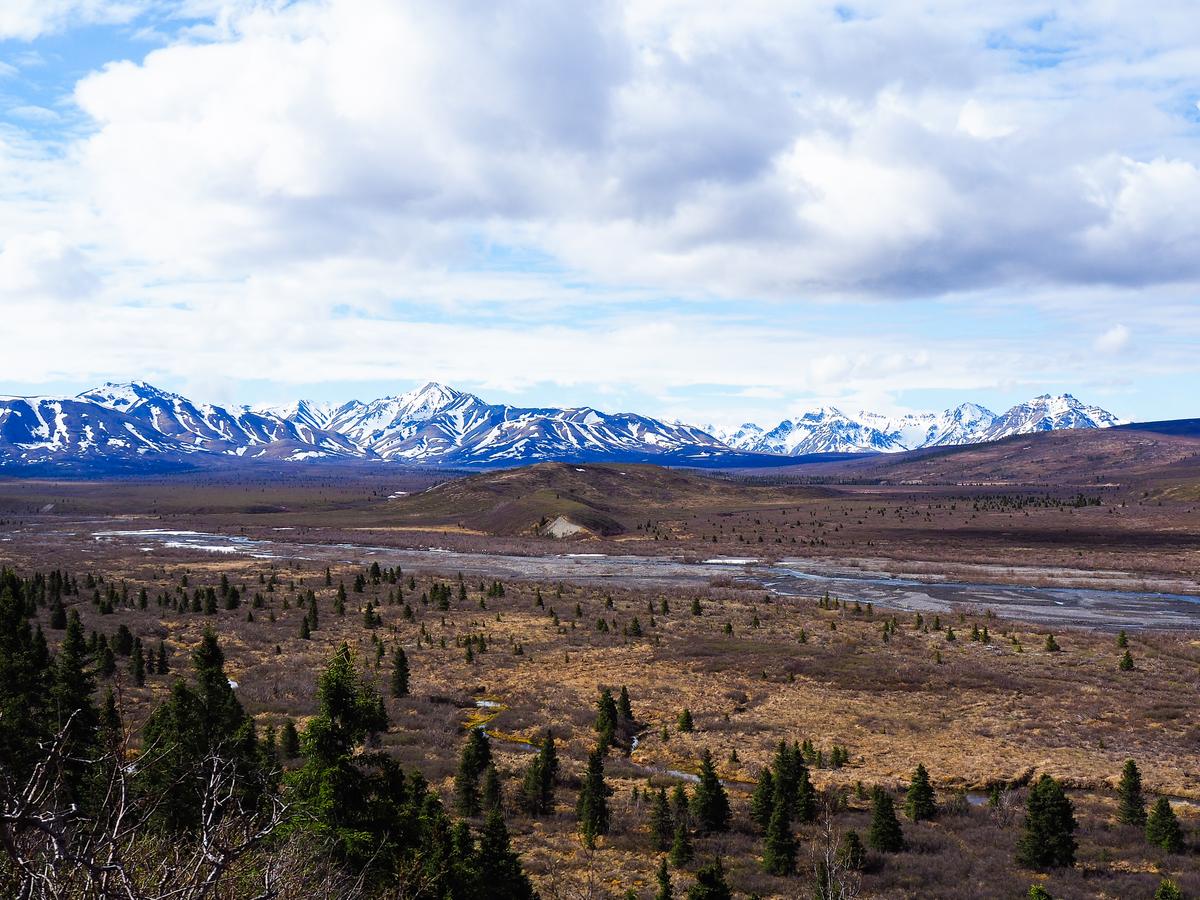
Best for: Subarctic tundra, wildlife and Alaska Range views. Access: Road or rail, followed by park transportation. Plan on: Two or three nights.
Denali National Park and Preserve protects roughly six million acres around North America’s highest summit. The park retains the Denali name, while current National Park Service materials identify the 20,310-foot mountain as Mount McKinley. Visibility is weather-dependent, so no itinerary should promise a clear mountain view.
There is one 92-mile park road. During summer, private vehicles can generally drive the first 15 miles to Savage River. In 2026, transit and tour buses stop at Mile 43 because of the Pretty Rocks closure. The National Park Service expects full-road bus service to resume in 2027, but that schedule should be verified before booking.
Two or three nights provide time for a bus trip, entrance-area programs, and a hike such as the Savage River Loop Trail. Compare narrated and non-narrated buses before reserving. Our Denali National Park itinerary and guide to things to do in Denali cover the options in more detail. Reserve one of the hotels near Denali early for peak summer dates.
Motorized excursions near Denali

ATV and Jeep excursions advertised as Denali-area tours generally operate on land outside the restricted section of the national park road. They can add a motorized activity to an itinerary, but they are not a replacement for the park’s bus system. Check the exact meeting point, land manager, minimum age, protective equipment, cancellation policy, and expected trail conditions before booking.
10. Fairbanks
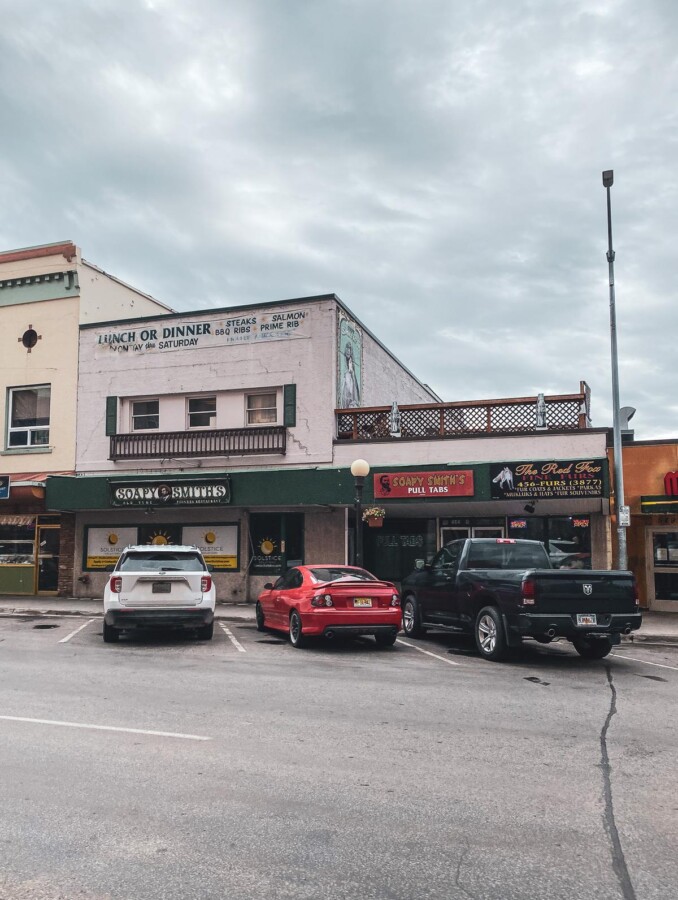
Best for: Northern lights, winter travel and Interior Alaska. Access: Major airport, road and rail. Plan on: Two or three nights.
Fairbanks is the principal visitor hub in Interior Alaska and the strongest base on this list for an aurora-focused trip. Dark skies generally return in late August, and the viewing season continues into April. A longer stay improves the odds because cloud cover and solar activity cannot be scheduled.
The University of Alaska Museum of the North, local cultural sites, Chena River activities, and excursions toward the Arctic Circle provide alternatives when the aurora is absent. Winter visitors need suitable clothing and realistic expectations about cold. See our guides to the best things to do in Fairbanks and northern lights in Alaska.
11. Nome

Best for: Iñupiat culture, Iditarod history, birding and tundra-road exploration. Access: Flight or seasonal marine service. Plan on: Two to four nights.
Nome is not connected to Alaska’s statewide highway system, but roughly 250 miles of local roads extend into the surrounding tundra. A rental vehicle or guided excursion can reach former mining areas, wildlife habitat, coastal scenery, and small communities without requiring a backcountry expedition.
The city is closely associated with the 1925 serum run and remains the finish of the Iditarod Trail Sled Dog Race. Those stories should not displace Nome’s living Iñupiat culture and regional history. Flights are the normal visitor access, and schedule buffers are prudent in poor weather. Review current information through the official Nome destination page.
The Inside Passage
12. Juneau

Best for: Whales, museums, rainforest trails and Alaska history. Access: Air, ferry or cruise. Plan on: Two or three nights.
Juneau is on the mainland, but mountains and the Juneau Icefield prevent an external road connection. Visitors arrive by air or water. Staying beyond a cruise-port call provides time for museums, trails, whale-watching trips, local restaurants, and weather flexibility.
The Alaska State Museum, downtown historic sites, Mount Roberts area, Mendenhall Glacier, and nearby marine trips create a balanced city-and-nature itinerary. Travelers deciding between the state’s two main gateways can compare Anchorage or Juneau. Our full guide covers more things to do in Juneau.
13. Mendenhall Glacier

Best for: An accessible glacier viewpoint, visitor exhibits and short trails. Access: Ground transportation from Juneau. Plan on: Half a day.
Mendenhall Glacier lies about 12 miles from downtown Juneau and is one of the most accessible glacier areas in Southeast Alaska. Visitor-center exhibits explain the Juneau Icefield, glacial retreat, local wildlife, and the surrounding Tongass National Forest.
As last verified for the 2026 summer season, the U.S. Forest Service listed separate operating hours for the visitor center and the broader recreation grounds, along with a day-use fee. Confirm current hours, fees, transport arrangements, and trail closures on the official Mendenhall Glacier visitor-center page.
Do not plan around entering an ice cave. Glacier caves are unstable, access routes change, and retreat has altered the area considerably. Choose maintained viewpoints and trails or use a properly qualified guide for any technical glacier activity.
14. Glacier Bay National Park and Preserve

Best for: Tidewater glaciers, marine wildlife and a full-day park boat trip. Access: Cruise ship or travel through Gustavus. Plan on: One full day to two nights.
Glacier Bay has no road connection to the rest of Alaska. Many visitors enter on a cruise ship, while independent travelers fly or use seasonal marine transportation to Gustavus and continue to Bartlett Cove.
The full-day park boat travels into Glacier Bay for glacier, wildlife, and geologic interpretation. Kayaking and overnight stays require more planning, and peak-season reservations can be limited. Check current dates, lodging, transportation, permits, and boat operations through the National Park Service’s Glacier Bay information.
15. Ketchikan

Best for: Creek Street, Misty Fjords, Native art and a compact port visit. Access: Air, ferry or cruise. Plan on: One or two days.
Ketchikan is a major Southeast Alaska port with a walkable downtown and a long relationship with fishing, forestry, and Alaska Native art. Creek Street is easy to reach from the docks, while museums and cultural centers provide more context than a short waterfront walk alone.
Misty Fjords National Monument excursions leave by boat and aircraft, but weather determines what is practical. Confirm where a tour begins: older affiliate links can mistakenly route readers to products in other Alaska cities. The official Ketchikan destination page provides current access and planning information.
16. Sitka

Best for: Tlingit history, Russian-era sites, marine wildlife and arts. Access: Air, ferry or cruise. Plan on: One or two days.
Sitka faces the Pacific Ocean from Baranof Island and has no road connection to the rest of Alaska. Its setting combines a working harbor, forested mountains, island-dotted water, and a compact collection of cultural sites.
Sitka National Historical Park interprets Tlingit and Russian history and includes a forest trail lined with totem poles. The Sheldon Jackson Museum, local galleries, wildlife excursions, and walking routes make Sitka a stronger overnight destination than a rushed port stop.
Sitka Fine Arts Camp

Sitka Fine Arts Camp runs youth programs, performances, adult programs, and community events on the historic Sheldon Jackson campus. Program dates and public access vary, so review the current calendar rather than assuming that classes or performances coincide with a port visit.
17. Haines

Best for: Eagles, Chilkat Valley scenery, hiking and independent road travel. Access: Road, ferry or air. Plan on: One or two days.
Haines occupies a strategic position between the Inside Passage and the road system through Canada. That makes it useful for travelers combining the Alaska Marine Highway with an overland route rather than following a standard round-trip cruise itinerary.
The Chilkat Valley is associated with bald eagles, river habitat, fishing, hiking, and mountain scenery. Wildlife abundance changes by season, and sightings are not guaranteed. Check border documents, road conditions, ferry space, and seasonal service before using Haines as a connection between Southeast and Interior Alaska.
18. Skagway

Best for: Klondike Gold Rush history and the White Pass railway. Access: Cruise, ferry or road via the Klondike Highway. Plan on: One day or one night.
Skagway preserves buildings and stories associated with the Klondike Gold Rush. The Klondike Gold Rush National Historical Park provides the most useful historical orientation before visitors explore the town or travel toward White Pass.
The White Pass and Yukon Route is primarily a scenic excursion rather than Skagway’s only access. Independent travelers can also arrive by ferry or drive the Klondike Highway through Canada. Cruise days can make the compact center crowded, while an overnight allows more time before or after ship traffic.
Southwest Alaska and Kodiak Island
19. Kodiak

Best for: Brown bears, fishing, working-harbor life and Alutiiq culture. Access: Flight or ferry. Plan on: Two to four nights.
Kodiak is Alaska’s largest island and supports commercial fishing, coastal communities, road-accessible recreation near town, and the Alutiiq Museum. It provides more variety than a single bear-viewing excursion, making it a reasonable multi-night destination.
Kodiak National Wildlife Refuge protects nearly two million acres and covers much of the island, but most of the refuge has no road access. Serious bear-viewing trips commonly require a floatplane, boat, remote lodge, or permitted guide. Do not treat wildlife viewing as an unguided roadside activity, and never approach or feed bears.
20. Katmai National Park and Preserve

Best for: Brooks Camp bears, salmon runs and volcanic terrain. Access: Small plane or boat. Plan on: One to three days, plus weather margin.
Katmai is best known for brown bears feeding near Brooks Falls, but the park also protects the Valley of Ten Thousand Smokes and a large volcanic landscape shaped by the 1912 Novarupta eruption. Bear activity follows natural food conditions and cannot be guaranteed on a specific day.
Brooks Camp is normally reached by small aircraft or boat. Visitors must complete the park’s bear-safety orientation before entering the camp area. Lodging, camping, day-trip flights, and transportation can sell out far in advance. Read the National Park Service Brooks Camp guidance before reserving a trip.
Sample Alaska itinerary combinations
Seven days: choose one compact region
For a summer road trip, combine Anchorage, Seward, Kenai Fjords, and Girdwood. Another option is Anchorage, Talkeetna, and Denali. Trying to include Homer, Fairbanks, Valdez, and multiple national parks in the same week creates more transfer time than useful destination time.
10 to 14 days: classic road-and-rail route
Start in Anchorage, visit Girdwood and Seward, return north through Talkeetna, stay two or three nights near Denali, and finish in Fairbanks. An open-jaw flight can prevent an unnecessary return drive to Anchorage.
Seven to 10 days: Inside Passage
Use Juneau for two or three nights, add Mendenhall Glacier, continue to Gustavus and Glacier Bay when schedules permit, then choose Sitka or Ketchikan. Build the trip around confirmed ferry or flight times rather than selecting towns first and assuming daily connections.
Remote wildlife add-on
Add Kodiak or Katmai to a broader Alaska trip only when the budget and schedule can absorb charter costs and weather disruption. Keep the night before the flight home free of tight remote connections.
Booking tours without weakening your itinerary
Guided tours are most useful when they solve a genuine access problem: marine transportation in Kenai Fjords, bear viewing in Katmai or Kodiak, flightseeing near Talkeetna, glacier travel, or remote cultural and wildlife excursions. Compare the exact departure point, trip length, minimum age, mobility requirements, cancellation terms, weather policy, and what is included before paying.
Tour marketplaces can list similar-looking products from different operators or even different Alaska cities. Our GetYourGuide vs. Viator comparison explains the platform-level differences, but the local operator’s safety record and the specific product terms matter more than the marketplace name.
Disclosure: ViaTravelers may earn a commission from qualifying bookings. Recommendations should be evaluated by trip fit, operator quality, safety requirements, cancellation terms, and current conditions rather than commission availability.
Frequently asked questions
Which places should I visit on my first trip to Alaska?
For a first independent trip, combine Anchorage, Seward and Kenai Fjords, Talkeetna, and Denali. Add Fairbanks if you have 10 to 14 days or plan to fly home from there. This route has the clearest road, rail, lodging, and tour infrastructure.
How many days do I need in Alaska?
Seven days is enough for one compact region. Ten to 14 days works better for a road-and-rail route connecting the Kenai Peninsula with Denali or Fairbanks. Remote destinations such as Katmai, Kodiak, Nome, and Glacier Bay require additional transportation and weather time.
What is the best month to visit Alaska?
June through August offers the broadest selection of park transportation, wildlife cruises, rail service, and open visitor facilities. Late August and early September can bring cooler weather, fall color, fewer visitors, and the beginning of aurora season in Interior Alaska.
Can I visit Alaska without taking a cruise?
Yes. Anchorage, Girdwood, Seward, Homer, Talkeetna, Denali, Fairbanks, Valdez, and parts of Wrangell-St. Elias can be combined by road, rail, and domestic flights. Southeast Alaska can also be explored independently using flights and the Alaska Marine Highway, but schedules require advance planning.
Where is the best place to see bears in Alaska?
Katmai and Kodiak are two of the strongest choices for planned brown-bear viewing. Both commonly require small-aircraft, boat, lodge, or guided arrangements. Denali and other parks also have bears, but sightings are less predictable and visitors must follow wildlife-distance rules everywhere.
Is the full Denali Park Road open in 2026?
No. In summer 2026, private vehicles generally travel to Mile 15 and park buses stop at Mile 43 because of the Pretty Rocks closure. The National Park Service expects full-road bus service to resume in 2027, but visitors should verify current conditions before booking.
Build the trip around geography, not the length of the list
Alaska rewards selective planning. A trip with four well-connected destinations, enough time for weather changes, and two-night stays in the main bases will usually provide more value than a rushed attempt to cover the state. Choose the travel corridor first, confirm the difficult transportation, and then add the towns, parks, and excursions that fit around it.