The destination guide
Juneau

City in United States, North AmericaUpdated
- Overall8/10
- Best forSolo travelers
- PeakJan–Apr
- CurrencyUSD
Juneau is the only US state capital unreachable by road — hemmed in by ice fields, rainforest, and a glacier you can walk to from downtown.
Travel guides for Juneau
Things to do (1)
Destination stories (1)
More guides featuring Juneau (10)
At a glance
- English
- Alaskan fjord
- Mendenhall Glacier
- Rainforest terrain
- Inside Passage
- Glaciers & Wildlife
- Cruise Ports
- Outdoor Adventure
- Alaskan Wilderness.
How Juneau scores
Editorial scores on a 10-point scale, weighed against destinations of the same kind.
Travel safety snapshot
SafePlace indicators use their source 100-point scale; higher is more favourable. Planning context, not a live travel advisory — check official government guidance before you go.
When to go
Best months to visit: May, June, July, August and September.
- January: -1.7 to 1.5 degrees Celsius, 381.4 millimetres of rain, best-time score 2 out of 5.
- February: -3 to 0.9 degrees Celsius, 257.9 millimetres of rain, best-time score 2 out of 5.
- March: -1.6 to 2.4 degrees Celsius, 206.1 millimetres of rain, best-time score 2 out of 5.
- April: 1.5 to 5.9 degrees Celsius, 219.8 millimetres of rain, best-time score 3 out of 5.
- May: 5.1 to 9.7 degrees Celsius, 231 millimetres of rain, best-time score 4 out of 5.
- June: 8.5 to 12.7 degrees Celsius, 149.8 millimetres of rain, best-time score 5 out of 5.
- July: 10.8 to 14.6 degrees Celsius, 180.9 millimetres of rain, best-time score 5 out of 5.
- August: 11.1 to 14.9 degrees Celsius, 280 millimetres of rain, best-time score 5 out of 5.
- September: 8.5 to 12.6 degrees Celsius, 404.2 millimetres of rain, best-time score 4 out of 5.
- October: 4.3 to 7.9 degrees Celsius, 471.8 millimetres of rain, best-time score 3 out of 5.
- November: 0.5 to 3.5 degrees Celsius, 388.9 millimetres of rain, best-time score 2 out of 5.
- December: -1.9 to 1.4 degrees Celsius, 392.7 millimetres of rain, best-time score 2 out of 5.
Month-by-month conditions and packing advice
- January
- Very cold, rainy January in Juneau: short, wet, cold winter days make this difficult for first-time Alaska sightseeing. Crowds: January in Juneau is one of the wetter periods, so museums, food stops, flexible reservations, and backup indoor plans make the trip easier. Pack: Pack warm layers, a coat, and comfortable shoes for cold mornings and evenings. Add a rain jacket or compact umbrella.
- February
- Very cold, rainy February in Juneau: short, wet, cold winter days make this difficult for first-time Alaska sightseeing. Crowds: February in Juneau is one of the wetter periods, so museums, food stops, flexible reservations, and backup indoor plans make the trip easier. Pack: Pack warm layers, a coat, and comfortable shoes for cold mornings and evenings. Add a rain jacket or compact umbrella.
- March
- Cold, rainy March in Juneau: short, wet, cold winter days make this difficult for first-time Alaska sightseeing. Crowds: March in Juneau is one of the wetter periods, so museums, food stops, flexible reservations, and backup indoor plans make the trip easier. Pack: Pack warm layers, a coat, and comfortable shoes for cold mornings and evenings. Add a rain jacket or compact umbrella.
- April
- Cold, rainy April in Juneau: weather and services are more limited, but scenery and indoor stops remain worthwhile. Crowds: April in Juneau is one of the wetter periods, so museums, food stops, flexible reservations, and backup indoor plans make the trip easier. Pack: Pack warm layers, a coat, and comfortable shoes for cold mornings and evenings. Add a rain jacket or compact umbrella.
- May
- Cold, rainy May in Juneau: shoulder season can offer lower crowds with many core Alaska experiences still possible. Crowds: May in Juneau is one of the wetter periods, so museums, food stops, flexible reservations, and backup indoor plans make the trip easier. Pack: Pack layered clothing and comfortable walking shoes. Add a rain jacket or compact umbrella.
- June
- Cool to mild, rainy June in Juneau: long daylight, wildlife tours, glacier trips, cruises, and trails operate at full strength. Crowds: June in Juneau is one of the wetter periods, so museums, food stops, flexible reservations, and backup indoor plans make the trip easier. Pack: Pack layered clothing and comfortable walking shoes. Add a rain jacket or compact umbrella.
- July
- Cool to mild, rainy July in Juneau: long daylight, wildlife tours, glacier trips, cruises, and trails operate at full strength. Crowds: July in Juneau is one of the wetter periods, so museums, food stops, flexible reservations, and backup indoor plans make the trip easier. Pack: Pack layered clothing and comfortable walking shoes. Add a rain jacket or compact umbrella.
- August
- Cool to mild, rainy August in Juneau: long daylight, wildlife tours, glacier trips, cruises, and trails operate at full strength. Crowds: August in Juneau is one of the wetter periods, so museums, food stops, flexible reservations, and backup indoor plans make the trip easier. Pack: Pack layered clothing and comfortable walking shoes. Add a rain jacket or compact umbrella.
- September
- Cool to mild, rainy September in Juneau: shoulder season can offer lower crowds with many core Alaska experiences still possible. Crowds: September in Juneau is one of the wetter periods, so museums, food stops, flexible reservations, and backup indoor plans make the trip easier. Pack: Pack layered clothing and comfortable walking shoes. Add a rain jacket or compact umbrella.
- October
- Cold, rainy October in Juneau: weather and services are more limited, but scenery and indoor stops remain worthwhile. Crowds: October in Juneau is one of the wetter periods, so museums, food stops, flexible reservations, and backup indoor plans make the trip easier. Pack: Pack layered clothing and comfortable walking shoes. Add a rain jacket or compact umbrella.
- November
- Cold, rainy November in Juneau: short, wet, cold winter days make this difficult for first-time Alaska sightseeing. Crowds: November in Juneau is one of the wetter periods, so museums, food stops, flexible reservations, and backup indoor plans make the trip easier. Pack: Pack warm layers, a coat, and comfortable shoes for cold mornings and evenings. Add a rain jacket or compact umbrella.
- December
- Very cold, rainy December in Juneau: short, wet, cold winter days make this difficult for first-time Alaska sightseeing. Crowds: December in Juneau is one of the wetter periods, so museums, food stops, flexible reservations, and backup indoor plans make the trip easier. Pack: Pack warm layers, a coat, and comfortable shoes for cold mornings and evenings. Add a rain jacket or compact umbrella.
- March
- February
- January
- April
- September
- August
- July
- June
Know before you go
About
Juneau, the capital of Alaska, is a remote Southeast Alaska port city famous for being the only U.S. state capital that cannot be reached by road, accessible solely by air or sea. Set on the Gastineau Channel and backed by steep forested mountains, the city of around 32,000 sits within the Tongass National Forest, the largest temperate rainforest in North America. Its signature attraction is the Mendenhall Glacier, a roughly 13-mile-long river of ice fed by the vast Juneau Icefield and reachable by road just outside town. Founded as a gold-rush town in the 1880s, Juneau welcomes more than a million cruise passengers each year who come for glacier trekking, whale-watching for humpbacks and orcas, and rides up the Mount Roberts Tramway. The surrounding wilderness teems with bald eagles, bears, and salmon, making the capital a gateway to some of Alaska’s most dramatic scenery.
Best time to visit
May to September
Season by season
Summer offers the best weather and longest daylight hours (up to 18 hours). Winter is cold and snowy, ideal for heli-skiing and seeing the Northern Lights, though many tourist facilities close.
Crowds
High
Getting there and around
Getting there
Accessible only by air (JNU) or sea (Alaska Marine Highway/Cruise). No extensive road access.
Getting around
Downtown is walkable. Rental car needed for Mendenhall Glacier. Buses/shuttles limited.
Top experiences in Juneau
Mendenhall Glacier
Famous 13-mile-long glacier easily accessible by road.
Mount Roberts Tramway
Aerial tramway offering panoramic views and hiking.
Tracy Arm Fjord
Stunning fjord with tidewater glaciers and icebergs.
Alaska State Museum
Exhibits on Alaska’s culture, history, and nature.
Whale Watching
Prime location for viewing migrating humpback whales.
Editor-curated picks carried over from our original guide. Where a full place guide exists, the card links to it.
Worth booking ahead in Juneau
Hand-picked from the operators our guides already send readers to. Prices and availability are live on the partner site.
BrowseViator
Tours and tickets in Juneau on Viator (opens Viator in a new tab)
Viator's full list of bookable tours and tickets in Juneau.
BrowseGetYourGuide
Experiences in Juneau on GetYourGuide (opens GetYourGuide in a new tab)
Everything GetYourGuide sells in Juneau, with the cancellation terms on each listing.
Where to stayBooking.com
Stays in Juneau (opens Booking.com in a new tab)
Live rates and availability for Juneau on Booking.com; filter by neighbourhood once you know where your days start.
We earn a commission if you book through these links, at no extra cost to you. It is how we keep the guides free and independent.
Where to stay
Silverbow Inn Hotel & Suites
120 2nd St, Juneau, AK
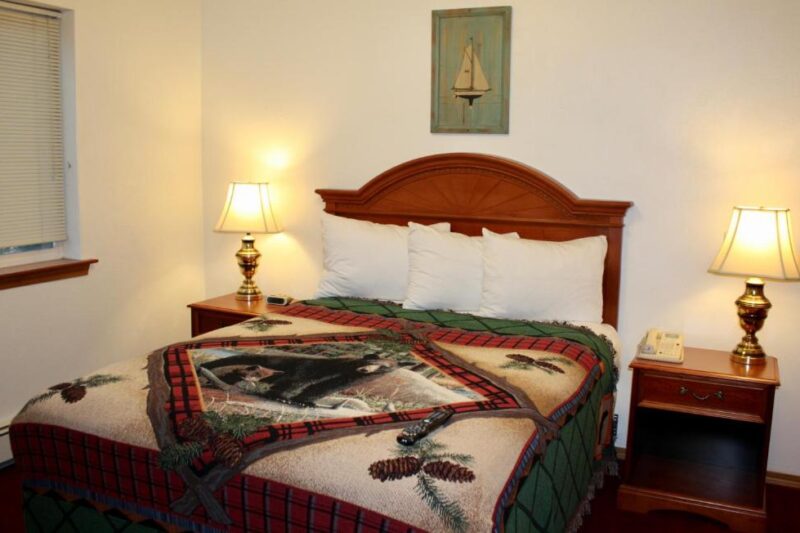
Modern boutique hotel in downtown Juneau.
The Alaskan Hotel
435 W Willoughby Ave, Juneau, AK
Affordable options downtown with shuttle service.
Four Points by Sheraton Juneau
4541 Sawa Cir, Juneau, AK
Secluded B&B near the glacier.
Editor-curated stays carried over from our original guide. Where we have reviewed the hotel, the card links to the review.
Tips from the field
Highlights
- The awe-inspiring, easily accessible Mendenhall Glacier, and incredible opportunities to spot humpback whales, orcas, and bald eagles.
Best activities
- Taking a whale-watching cruise, hiking near the face of the Mendenhall Glacier, and riding the tramway for panoramic views of the Gastineau Channel.
Local experiences
- Eat fresh, locally caught King Crab legs at Tracy's King Crab Shack, right near the cruise ship docks.
Practical tips
- Juneau is located in a temperate rainforest
- bring waterproof layers regardless of the season, as rain is common.
Photography tips
- Book a small-boat tour or a helicopter flightseeing excursion for the most dramatic, unobstructed shots of the glaciers and icefields.
Timing
- 3 to 4 days provides enough time if you are flying in, allowing for a glacier tour, a fjord day trip, and city exploration.
Keeping it authentic
- Accessible only by air or sea, Juneau offers an authentic, rugged Alaskan experience intertwined with its role as the state capital.
Culture, customs and safety
Safety notes
Very safe from a crime perspective, but visitors must be deeply respectful of wildlife (especially bears) and prepared for rapidly changing, harsh outdoor weather conditions.