Santiago, the capital of Chile, is a bustling metropolis nestled between the Andes mountains and the Pacific Ocean. Known for its vibrant culture, rich history, and stunning landscapes, Santiago offers a unique blend of modernity and tradition. Visitors can explore historic neighborhoods, world-class museums, and enjoy the local cuisine that reflects the diverse influences of the region.
The destination guide
Santiago
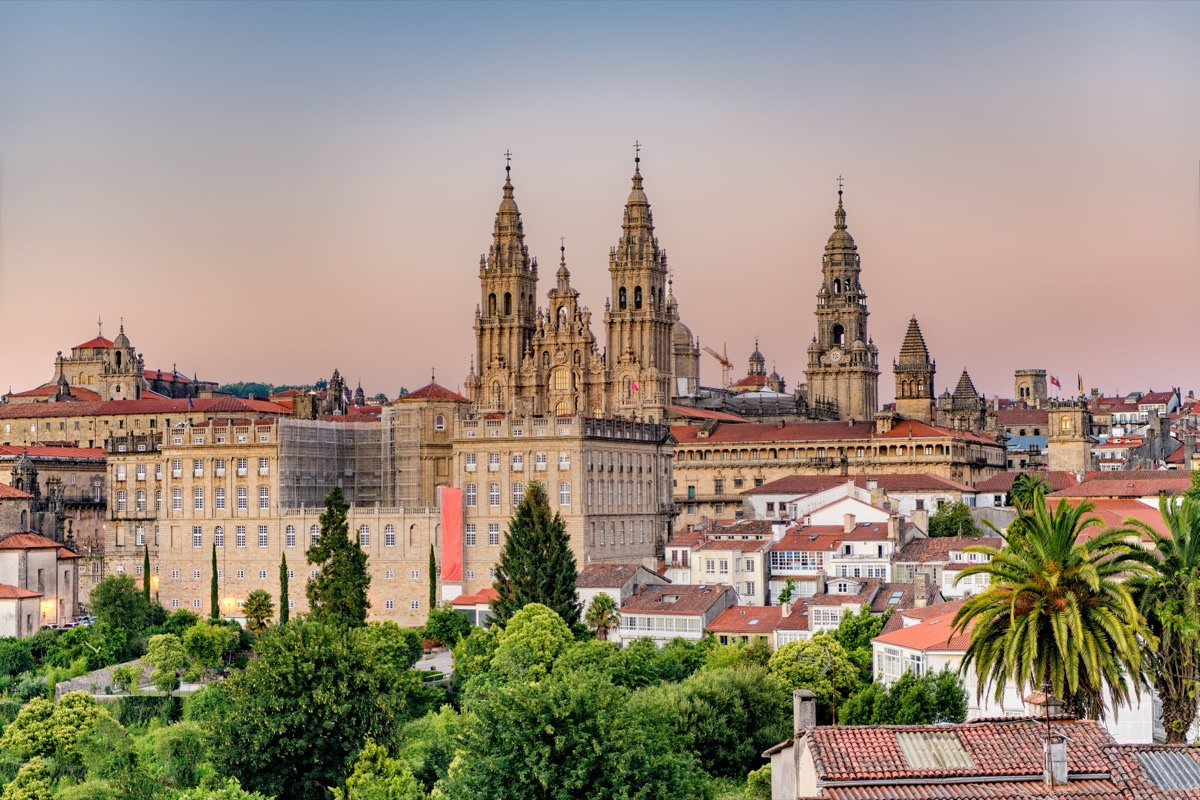
City in Chile, South AmericaUpdated
- Overall8/10
- Best forBudget travelers, Solo travelers
- PeakDec–Feb
- CurrencyCLP
Santiago sits at 520m with the Andes as a permanent backdrop. The Lastarria neighborhood alone earns the flight from anywhere.
Travel guides for Santiago
More guides featuring Santiago (5)
At a glance
CurrencyCLP
Time zone CLST (UTC-3 in summer)CLT (UTC-4) / CLST (UTC-3 in summer)
Languages
- Spanish
Setting
- Andean valley city
- Pacific coast nearby
- Urban parks
- Colonial architecture
Known for
- Trekking
- Nature
- Wine
- Stargazing
- Street Art
- Glaciers
- Adventure
- Culture
Population7M7,049,000 residents
VisaDuration: Up to 90 days for tourist or business stays · Documents: Passport valid for the duration of stay and proof of sufficient daily funds if requested
How Santiago scores
8/10OverallExcellent
Weather7/10
Value for money8/10
Safety7/10
Food & cuisine8/10
Culture & arts7/10
Cultural experience8/10
History8/10
Nature & outdoors7/10
Adventure6/10
Nightlife7/10
Shopping6/10
Family friendly5/10
Romance7/10
Editorial scores on a 10-point scale, weighed against destinations of the same kind.
Travel safety snapshot
Overall72/100Moderate rating
Women travellers70/100
LGBTQ+ travellers70/100
Theft65/100
Medical care78/100
Physical harm75/100
Political freedom75/100
SafePlace indicators use their source 100-point scale; higher is more favourable. Planning context, not a live travel advisory — check official government guidance before you go.
When to go
Best months to visit: January, February, March, April, October, November and December.
- January: 16.6 to 30.3 degrees Celsius, best-time score 5 out of 5.
- February: 17.8 to 29.9 degrees Celsius, 1.7 millimetres of rain, best-time score 5 out of 5.
- March: 15.8 to 28.9 degrees Celsius, 10 millimetres of rain, best-time score 4 out of 5.
- April: 13.2 to 24.9 degrees Celsius, 18.3 millimetres of rain, best-time score 4 out of 5.
- May: 9.9 to 20.3 degrees Celsius, 6 millimetres of rain, best-time score 3 out of 5.
- June: 6.4 to 15.7 degrees Celsius, 2.7 millimetres of rain, best-time score 2 out of 5.
- July: 4.9 to 14.5 degrees Celsius, 33.8 millimetres of rain, best-time score 2 out of 5.
- August: 7.1 to 17.1 degrees Celsius, 62.9 millimetres of rain, best-time score 2 out of 5.
- September: 8.3 to 20.3 degrees Celsius, best-time score 3 out of 5.
- October: 9.9 to 22.7 degrees Celsius, 20.8 millimetres of rain, best-time score 4 out of 5.
- November: 13.2 to 27.3 degrees Celsius, 0.3 millimetres of rain, best-time score 5 out of 5.
- December: 15.2 to 29 degrees Celsius, 0.2 millimetres of rain, best-time score 5 out of 5.
Month-by-month conditions and packing advice
- January
- Warm and pleasant, mostly dry Peak summer, warm and sunny. Crowds: Peak tourist season with excellent conditions for all outdoor activities including hiking, beach visits, cultural site exploration, and city walking tours. Hotel rates and crowd levels are highest during this period. UV levels remain high despite cooler temperatures. Pack: Lightweight layers for temperature variation; Comfortable walking shoes for city exploration; Broad-brimmed hat and SPF 50+ sunscreen; Light cardigan for air-conditioned spaces; Modest clothing for cultural sites and mosques; Breathable cotton/linen fabrics
- February
- Warm and pleasant, mostly dry Excellent summer weather, very busy. Crowds: February marks peak tourist season with excellent conditions for outdoor activities such as hiking, wine tours, and exploring the city's cultural sites. Hotel rates and crowd levels are at their highest, with UV levels remaining high despite cooler temperatures. Ideal timing for enjoying Santiago's vibrant festivals and events. Pack: Lightweight layers for temperature variation; Comfortable walking shoes for city exploration; Broad-brimmed hat and SPF 50+ sunscreen; Light cardigan for air-conditioned spaces; Modest clothing for cultural sites and religious venues; Breathable cotton/linen fabrics
- March
- Warm and pleasant, mostly dry Late summer, pleasant and slightly cooler. Crowds: March marks the peak tourist season with excellent conditions for outdoor activities such as hiking, wine tours, and exploring the city's cultural sites. Hotel rates and crowd levels are at their highest, with UV levels remaining high despite cooler temperatures. Ideal timing for enjoying Santiago's vibrant festivals and events. Pack: Lightweight layers for temperature variation; Comfortable walking shoes for city exploration; Broad-brimmed hat and SPF 50+ sunscreen; Light cardigan for air-conditioned spaces; Modest clothing for cultural sites and religious venues; Breathable cotton/linen fabrics
- April
- Warm and pleasant, mostly dry Beautiful autumn weather, great for wine regions. Crowds: April marks the beginning of the tourist season with excellent conditions for outdoor activities such as hiking, wine tours, and exploring historical sites. Hotel rates and crowd levels are moderate, with early booking recommended to secure accommodations. Despite cooler temperatures, UV levels remain high, so sun protection is essential. Pack: Lightweight layers for temperature variation; Comfortable walking shoes for city exploration; Broad-brimmed hat and SPF 50+ sunscreen; Light cardigan for air-conditioned spaces; Modest clothing for cultural sites and religious venues; Breathable cotton/linen fabrics
- May
- Warm and pleasant, mostly dry Cooler weather sets in. Crowds: Peak tourist season with excellent conditions for all outdoor activities including hiking, wine tours, cultural site visits, and city walking tours. Hotel rates and crowd levels are highest during this period. UV levels remain high despite cooler temperatures. Pack: Lightweight layers for temperature variation; Comfortable walking shoes for city exploration; Broad-brimmed hat and SPF 50+ sunscreen; Light cardigan for air-conditioned spaces; Modest clothing for cultural sites and religious venues; Breathable cotton/linen fabrics
- June
- Cool weather, mostly dry Winter begins, short days. Crowds: Peak tourist season with excellent conditions for cultural exploration, outdoor activities, and city tours. Hotel rates and crowd levels are highest during this period. UV levels remain moderate despite cooler temperatures. Pack: Lightweight layers for temperature variation; Comfortable walking shoes for city exploration; Broad-brimmed hat and SPF 50+ sunscreen; Light cardigan for air-conditioned spaces; Modest clothing for cultural sites and religious venues; Breathable cotton/linen fabrics
- July
- Cool weather, some rain Coldest month, but good for skiing in mountains. Crowds: Peak tourist season with excellent conditions for cultural exploration, outdoor activities, and city tours. Hotel rates and crowd levels are highest during this period. UV levels remain moderate despite cooler temperatures. Pack: Lightweight layers for temperature variation; Comfortable walking shoes for city exploration; Rain jacket for occasional rain showers; Light cardigan for air-conditioned spaces; Modest clothing for cultural sites and religious venues; Breathable cotton/linen fabrics
- August
- Cool weather, some rain Still cold winter weather. Crowds: Peak tourist season with excellent conditions for cultural exploration, outdoor activities, and city tours. Hotel rates and crowd levels are highest during this period. UV levels remain moderate despite cooler temperatures. Pack: Lightweight layers for temperature variation; Comfortable walking shoes for city exploration; Rain jacket for occasional rain showers; Light cardigan for air-conditioned spaces; Modest clothing for cultural sites and religious venues; Breathable cotton/linen fabrics
- September
- Cool weather, mostly dry Early spring, starting to warm up. Crowds: Peak tourist season with excellent conditions for all outdoor activities including cultural site visits, wine tours, and city walking tours. Hotel rates and crowd levels are highest during this period. UV levels remain high despite cooler temperatures. Pack: Lightweight layers for temperature variation; Comfortable walking shoes for city exploration; Broad-brimmed hat and SPF 50+ sunscreen; Light cardigan for air-conditioned spaces; Modest clothing for cultural sites and mosques; Breathable cotton/linen fabrics
- October
- Warm and pleasant, mostly dry Spring is in full swing, lovely weather. Crowds: Peak tourist season with excellent conditions for all outdoor activities including hiking, wine tours, cultural site visits, and city walking tours. Hotel rates and crowd levels are highest during this period. UV levels remain high despite cooler temperatures. Pack: Lightweight layers for temperature variation; Comfortable walking shoes for city exploration; Broad-brimmed hat and SPF 50+ sunscreen; Light cardigan for air-conditioned spaces; Modest clothing for cultural sites and religious venues; Breathable cotton/linen fabrics
- November
- Warm and pleasant, mostly dry Early summer, great time to visit before peak season. Crowds: Peak tourist season with excellent conditions for outdoor activities such as hiking, wine tours, and exploring cultural sites. Hotel rates and crowd levels are highest during this period. UV levels remain high despite cooler temperatures, so sunscreen and protective clothing are recommended. Pack: Lightweight layers for temperature variation; Comfortable walking shoes for city exploration; Broad-brimmed hat and SPF 50+ sunscreen; Light cardigan for air-conditioned spaces; Modest clothing for cultural sites and religious venues; Breathable cotton/linen fabrics
- December
- Warm and pleasant, mostly dry Festive and summery. Crowds: December marks the peak tourist season in Santiago, with excellent weather conditions for outdoor activities including wine tours, hiking in the Andes, and exploring cultural sites. The city experiences moderate crowd levels, with accommodation rates peaking during this period. Despite the warm temperatures, UV levels remain high, necessitating the use of sunscreen and protective clothing. Visitors are encouraged to plan activities during the cooler parts of the day to fully enjoy the pleasant weather. Pack: Lightweight layers for temperature variation; Comfortable walking shoes for city exploration; Broad-brimmed hat and SPF 50+ sunscreen; Light cardigan for air-conditioned spaces; Modest clothing for cultural sites and religious venues; Breathable cotton/linen fabrics
Peak season
- December
- January
- February
Off-peak
- June
- July
- August
Know before you go
About
Santiago sits in a broad valley framed by the snow-capped Andes to the east and rolling coastal hills to the west. Chile’s capital is a city of contrasts: colonial architecture around the Plaza de Armas gives way to the glass towers of Las Condes, while the bohemian streets of Bellavista and Lastarria hum with galleries, street art, and sidewalk cafes. Pablo Neruda’s spirit lingers at La Chascona, his wonderfully eccentric Santiago home. The Maipo Valley wine region lies less than an hour south, and world-class ski resorts are equally close in winter. Santiago serves as both a compelling destination and a launchpad for exploring Chile’s extraordinary geography.
Neighbourhoods
Bellavista, Lastarria, Providencia, Las Condes
Best time to visit
October through April for Patagonia trekking and southern Chile (10–20 °C). June through September for Atacama stargazing (cold, crystal-clear skies). Santiago is pleasant year-round (Mediterranean climate), peaking March–May for mild days and autumn colors.
Season by season
Spring (Sep–Nov): 12–22 °C in Santiago, wildflowers in the desert, shoulder season for Patagonia. Summer (Dec–Feb): 18–32 °C in Santiago, peak trekking season in Patagonia, busiest and most expensive. Autumn (Mar–May): 10–25 °C, wine harvest, stunning foliage in central Chile, excellent shoulder pricing. Winter (Jun–Aug): 5–15 °C in Santiago, ski season in the Andes (Portillo, Valle Nevado), ideal Atacama stargazing.
Crowds
High in Torres del Paine (December–February); moderate in Atacama year-round; lower in Santiago’s shoulder seasons
Getting there and around
Getting there
Arturo Merino Benitez International Airport (SCL) is the main gateway with direct flights from major cities worldwide. High-speed buses connect Santiago to other Chilean cities and Mendoza, Argentina, across the Andes. Cruises arrive at Valparaiso, about 115 km west, with bus or rental car transfers to the capital.
Getting around
The Metro is fast, clean, and covers the main areas. Buses (Transantiago) are affordable but can be confusing for newcomers — get a Bip card for both metro and bus. Ride-share apps like Uber, DiDi, and Cabify are widely used and transparent. Taxis are available but agree on a fare first or ensure the meter is running. Walking is pleasant in Providencia, Lastarria, and the historic center.
Top experiences in Santiago
Torres del Paine National Park
Patagonia’s crown jewel: three granite towers rising above glacial lakes, guanaco-dotted grasslands, and ancient beech forests. The ‘W’ trek (5 days) and full Circuit (8–10 days) rank among the world’s greatest hikes. Grey Glacier calves icebergs into a turquoise lake. Permits are required and sell out months in advance.
Atacama Desert & Valle de la Luna
The driest non-polar desert on Earth, centered on the oasis town of San Pedro de Atacama at 2,400 m. Valle de la Luna’s wind-sculpted salt formations blaze orange at sunset. Geysers del Tatio erupt at dawn at 4,320 m. Flamingo-filled salt flats (Salar de Atacama) stretch to the horizon.
Valparaíso
Chile’s bohemian port city and UNESCO World Heritage Site, draped across 42 cerros (hills) connected by funiculars and stairways. Every surface is muraled—street art by Inti, Charquipunk, and anonymous artists covers entire neighborhoods. Seafood restaurants on the harbor serve the freshest ceviche in the country.
Santiago & Cajón del Maipo
Chile’s capital blends Andes-backed city life with easy escapes. Ride the funicular to the summit of Cerro San Cristóbal for 360° views, explore the Lastarria neighborhood’s galleries and wine bars, and drive 90 minutes to Cajón del Maipo for hot springs, river rafting, and hikes beneath snowcapped volcanoes.
Easter Island (Rapa Nui)
A remote Polynesian island 3,700 km off Chile’s coast, famed for nearly 900 moai stone statues carved by the Rapa Nui people between the 13th and 16th centuries. Ahu Tongariki’s 15 moai aligned against the sunrise and the volcanic crater of Rano Raraku (the moai quarry) are unforgettable sights.
Editor-curated picks carried over from our original guide. Where a full place guide exists, the card links to it.
Worth booking ahead in Santiago
Hand-picked from the operators our guides already send readers to. Prices and availability are live on the partner site.
BrowseViator
Tours and tickets in Santiago on Viator (opens Viator in a new tab)
Viator's full list of bookable tours and tickets in Santiago.
BrowseGetYourGuide
Experiences in Santiago on GetYourGuide (opens GetYourGuide in a new tab)
Everything GetYourGuide sells in Santiago, with the cancellation terms on each listing.
Where to stayBooking.com
Stays in Santiago (opens Booking.com in a new tab)
Live rates and availability for Santiago on Booking.com; filter by neighbourhood once you know where your days start.
We earn a commission if you book through these links, at no extra cost to you. It is how we keep the guides free and independent.
Where to stay
The Singular Santiago
Av. Nueva Costanera 3900, Vitacura, Santiago, Chile
A refined boutique hotel in the upscale Vitacura neighborhood, featuring terracotta-and-timber interiors inspired by Chilean haciendas, a lap pool, a garden terrace, and a wine-tasting lounge specializing in Carménère and Cabernet Sauvignon from the Maipo Valley. A 10-minute walk from Bicentenario Park.
The Ritz-Carlton Santiago
Av. del Valle 5700, Huechuraba, Santiago, Chile
A Starwood luxury property set on a hilltop with sweeping views of the Andes and Santiago’s skyline. A 17,000 m² spa, a championship golf course, three restaurants, and an outdoor heated pool. Popular as a launchpad for Andes ski day trips in winter.
Hotel Lago Grey
Lago Grey s/n, Torres del Paine, Magallanes, Chile
A low-impact eco-lodge on the shore of Lago Grey in Torres del Paine National Park, with floor-to-ceiling Patagonian views, catamaran excursions to Grey Glacier, guided hikes, and a hot tub facing icebergs. Solar-powered and built with local lenga-beech timber.
Editor-curated stays carried over from our original guide. Where we have reviewed the hotel, the card links to the review.
Tips from the field
Highlights
- Torres del Paine – Patagonia
- Atacama Desert & Stargazing
- Valparaíso Street Art
- Chilean Wine Country
- Easter Island (Rapa Nui)
- Grey Glacier
- Cajón del Maipo
- Pablo Neruda's Houses
Best activities
- Trek the 'W' in Torres del Paine, stargaze in the Atacama Desert, ride a funicular through Valparaíso's street-art hills, wine-taste in the Maipo or Colchagua Valley, hike Cajón del Maipo to hot springs, see the moai on Easter Island, kayak alongside icebergs at Grey Glacier, visit Neruda's house La Chascona in Santiago, sandboard the dunes of Valle de la Muerte, and watch flamingos at Salar de Atacama.
Local experiences
- Join a Chilean asado with lamb al palo in a Patagonian estancia, take a Carménère wine-tasting class in the Maipo Valley, stargaze through a professional telescope at ALMA's public viewing nights in the Atacama, ride the century-old ascensores (funiculars) through Valparaíso's hills, or learn the cueca country dance at a Santiago peña folklore bar.
Practical tips
- Currency: Chilean Peso (CLP). Credit cards accepted in cities; carry cash for small towns.
- Torres del Paine: Book camping/refugio permits months ahead on the CONAF website.
- Altitude: Atacama sits at 2,400+ m; acclimatize for a day before excursions above 4,000 m.
- Water: Tap water is safe in Santiago and major cities.
- Transport: Domestic flights connect Santiago to Calama (Atacama, 2 hr) and Punta Arenas (Patagonia, 3.5 hr). LATAM is the main carrier.
- Tipping: 10 % at restaurants (usually not included).
Photography tips
- Torres del Paine's granite towers photograph best at first light from the Mirador Base Torres after the pre-dawn hike—the sunrise turns the peaks pink. In the Atacama, Valle de la Luna's best angle is from the Great Dune at sunset. Valparaíso's street art pops in overcast light (no harsh shadows). For the Milky Way above the Atacama, shoot from San Pedro between April and September on moonless nights—it is one of the darkest skies on Earth.
Timing
- Allow 4–5 days for Torres del Paine's 'W' trek, 3 days for the Atacama Desert, 2 days for Valparaíso, and 2–3 days for Santiago + wine country. A comprehensive Chile trip (Santiago → Atacama → Patagonia) requires 12–16 days.
Keeping it authentic
- Chile's identity is shaped by extremes—from the world's driest desert to the wettest temperate rainforests. Wine culture runs deep: the Maipo, Colchagua, and Casablanca valleys produce world-class Carménère (Chile's signature grape), Cabernet Sauvignon, and Sauvignon Blanc. In Patagonia, the asado (barbecue) is a social anchor: lamb cooked al palo (on a stake) over open flame. The cueca, Chile's national dance, is performed at fiestas patrias (September 18–19). Pablo Neruda's three homes—La Chascona (Santiago), La Sebastiana (Valparaíso), and Isla Negra—are cultural pilgrimages.
Culture, customs and safety
Cultural heritage
Santiago’s heritage reflects centuries of indigenous Mapuche influence, Spanish colonial history, and modern democratic identity. The Plaza de Armas anchors the historic center with the Metropolitan Cathedral and the Palacio de la Real Audiencia. Pablo Neruda — Chile’s Nobel Prize-winning poet — left a lasting cultural imprint through La Chascona and his literary legacy. The Museum of Memory and Human Rights documents the country’s complex political history. Fiestas Patrias on September 18-19 is the most important national celebration, featuring parades, rodeo, traditional food, and the national dance, the Cueca.
Local customs & etiquette
Chileans greet with a warm handshake, hug, and a single kiss on the right cheek. Personal space is closer than in Northern Europe or North America. Always use forks and knives, keep both hands above the table, and finish everything on your plate. Social events often start 30 minutes late — punctuality is valued in business but relaxed socially. Avoid clicking fingers or beckoning with your index finger. Learning basic Spanish is highly recommended — English speakers are scarce outside major hotels. Chileans take pride in their wine culture and appreciate visitors who engage with it.
Safety notes
Chile is one of South America’s safest countries. Santiago’s upscale neighborhoods (Providencia, Vitacura, Las Condes) are very safe. Exercise caution in crowded markets, bus terminals, and Cerro Santa Lucía at night—pickpocketing and bag snatching occur. Do not display expensive cameras or phones on public transit. In Valparaíso, stick to well-traveled cerros (Alegre, Concepción) and avoid side alleys after dark. Protests can flare unpredictably in central Santiago; avoid Plaza Italia/Dignidad during demonstrations. Emergency: 131 (ambulance), 132 (fire), 133 (police).