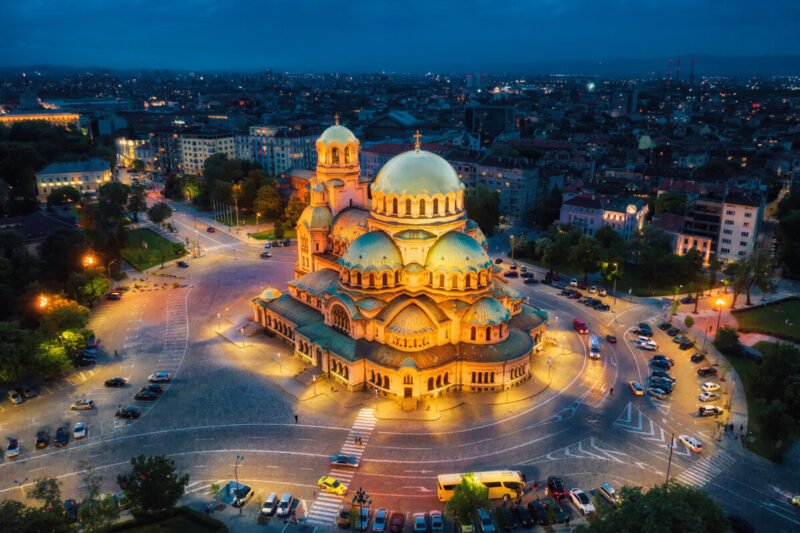
Sofia combines ancient ruins with Ottoman structures and Soviet-era monuments across Bulgaria’s capital city, where 2,000 years of civilizations have left distinctive cultural imprints at the foot of Mount Vitosha. The city’s remarkable religious heritage represents multi-faith tolerance through the Sofia Square quartet of the Byzantine St. George Rotunda (the city’s oldest building), Orthodox Alexander Nevsky Cathedral with its golden domes, Banya Bashi Mosque with its single minaret, and Sofia Synagogue—all within minutes of each other. Beyond architectural layers, Sofia offers exceptional value through affordable cultural experiences including opera performances at the Ivan Vazov National Theatre at a fraction of Western European prices, museums housing Thracian gold treasures, and mineral springs that feed public drinking fountains and spa facilities throughout the city. The Bulgarian capital presents authentic everyday culture through bustling market halls like Halite, cafe culture along pedestrianized Vitosha Boulevard, and rakija (fruit brandy) tastings at unpretentious neighborhood establishments. This evolving city balances its communist legacy visible in monumental civic buildings with contemporary arts districts, while providing urban relaxation through expansive parks like Borisova Gradina and easy access to hiking and skiing on Mount Vitosha—the only European capital with a mountain accessible by public transportation.
The destination guide
Sofia

Travel guides for Sofia
More guides featuring Sofia (5)
At a glance
- Bulgarian
- Urban cityscape
- Mountain backdrop
- Mineral hot springs
- Ottoman architecture
How Sofia scores
Editorial scores on a 10-point scale, weighed against destinations of the same kind.
Travel safety snapshot
SafePlace indicators use their source 100-point scale; higher is more favourable. Planning context, not a live travel advisory — check official government guidance before you go.
When to go
Best months to visit: April, May, June, July, August, September and October.
- January: -3.6 to 4.3 degrees Celsius, 8.4 millimetres of rain, best-time score 2 out of 5.
- February: -4.4 to 5.3 degrees Celsius, 12.4 millimetres of rain, best-time score 2 out of 5.
- March: -1.2 to 9.3 degrees Celsius, 27.3 millimetres of rain, best-time score 3 out of 5.
- April: 4.1 to 15 degrees Celsius, 11.1 millimetres of rain, best-time score 4 out of 5.
- May: 9.7 to 20.1 degrees Celsius, 64.3 millimetres of rain, best-time score 5 out of 5.
- June: 12.3 to 24.3 degrees Celsius, 8.6 millimetres of rain, best-time score 5 out of 5.
- July: 15.4 to 28.8 degrees Celsius, 3.2 millimetres of rain, best-time score 5 out of 5.
- August: 15.8 to 28.8 degrees Celsius, 17 millimetres of rain, best-time score 5 out of 5.
- September: 12.8 to 25.9 degrees Celsius, 6.4 millimetres of rain, best-time score 5 out of 5.
- October: 7.1 to 18.5 degrees Celsius, 14.9 millimetres of rain, best-time score 4 out of 5.
- November: 1.8 to 12.1 degrees Celsius, 3.8 millimetres of rain, best-time score 2 out of 5.
- December: -2 to 6.9 degrees Celsius, 29.8 millimetres of rain, best-time score 3 out of 5.
Month-by-month conditions and packing advice
- January
- Cold weather, mostly dry Cold and snowy, good only if visiting nearby ski resorts. Crowds: Peak tourist season with excellent conditions for cultural site visits, winter sports, and city walking tours. Hotel rates and crowd levels are highest during this period. While temperatures drop significantly at night, daytime activities remain enjoyable. Visitors should prepare for occasional snow, which can enhance winter sports experiences. Pack: Warm winter coat for cold nights; Insulated gloves and scarf for chilly mornings; Waterproof boots for snowy conditions; Thermal layers for temperature variation; Beanie and wool hat for cold weather; Waterproof jacket for snow
- February
- Cold weather, mostly dry Still deep in winter, low tourist numbers. Crowds: Winter tourist season with moderate crowd levels and manageable pricing for accommodations and attractions. While temperatures drop below freezing, the city remains vibrant with cultural events and festivals. Visitors should dress warmly in layers, with waterproof outerwear for unexpected snow showers. Booking in advance is recommended due to high demand for winter activities and accommodations. Pack: Warm winter coat for temperature variation; Insulated gloves and scarf for cold weather; Waterproof boots for snowy conditions; Thermal layers for warmth; Wide-brimmed hat and UV protection for snow glare; Waterproof backpack for wet conditions
- March
- Cold weather, some rain Transition month, melting snow but still quite chilly. Crowds: Peak tourist season with excellent conditions for cultural exploration, winter sports, and city tours. Hotel rates and crowd levels are highest during this period. While the weather can be chilly, the cultural richness and festive atmosphere make it a memorable time to visit. Pack: Warm winter coat for cold mornings; Waterproof boots for rainy days; Thermal layers for temperature variation; Scarf and gloves for chilly evenings; Comfortable winter boots for city exploration; Warm hats and scarves for cultural sites
- April
- Cool weather, mostly dry Spring arrives, weather becomes pleasant for walking. Crowds: Peak tourist season with excellent conditions for cultural exploration, including historical tours, winter festivals, and outdoor markets. Hotel rates and crowd levels are highest during this period. Rainfall is moderate, but temperatures remain comfortable, making it ideal for sightseeing. Pack: Lightweight layers for temperature variation; Waterproof jacket for occasional rain; Comfortable walking shoes for city exploration; Warm scarf and gloves for cooler evenings; Umbrella for unexpected showers; Breathable cotton/linen fabrics
- May
- Warm and pleasant, some rain Excellent spring weather, parks are lush and green. Crowds: May marks the peak tourist season in Sofia, with excellent weather conditions for sightseeing, hiking, and exploring historical sites. Average temperatures range from 10°C to 20°C, making it perfect for outdoor activities. Crowds are high, especially in popular tourist areas, and accommodation prices tend to rise. Visitors should plan for potential rain showers and pack accordingly. Pack: Lightweight layers for temperature variation; Comfortable walking shoes for city exploration; Umbrella or raincoat for occasional showers; Light cardigan for air-conditioned spaces; Comfortable walking shoes for city exploration; Breathable cotton/linen fabrics
- June
- Warm and pleasant, mostly dry Early summer, warm and perfect for outdoor cafes. Crowds: June marks the peak tourist season in Sofia, with excellent weather conditions for a variety of activities including hiking in the nearby Rila Mountains, exploring the city's vibrant markets, and attending cultural festivals. Hotel rates and crowd levels are at their highest, with high UV levels necessitating sunscreen use. Ideal weather for outdoor activities, while cultural sites benefit from cooler temperatures. Pack: Lightweight layers for temperature variation; Comfortable walking shoes for city exploration; Broad-brimmed hat and SPF 50+ sunscreen; Light cardigan for air-conditioned spaces; Modest clothing for cultural sites and mosques; Breathable cotton/linen fabrics
- July
- Warm and pleasant, mostly dry Peak summer, sunny and hot. Crowds: Peak tourist season with excellent conditions for all outdoor activities including hiking in the Rila Mountains, exploring historic sites, and enjoying Sofia's vibrant nightlife. Hotel rates and crowd levels are highest during this period. UV levels remain high despite cooler temperatures. Pack: Lightweight layers for temperature variation; Comfortable walking shoes for city exploration; Broad-brimmed hat and SPF 50+ sunscreen; Light cardigan for air-conditioned spaces; Modest clothing for cultural sites and mosques; Breathable cotton/linen fabrics
- August
- Warm and pleasant, mostly dry Very hot, many locals leave for the coast but great for tourists. Crowds: Peak tourist season with excellent conditions for all outdoor activities including hiking in the nearby Rila Mountains, exploring historic sites, and enjoying the vibrant local festivals. Hotel rates and crowd levels are highest during this period. UV levels remain high despite cooler temperatures. Pack: Lightweight layers for temperature variation; Comfortable walking shoes for city exploration; Broad-brimmed hat and SPF 50+ sunscreen; Light cardigan for air-conditioned spaces; Modest clothing for cultural sites and mosques; Breathable cotton/linen fabrics
- September
- Warm and pleasant, mostly dry Temperatures cool down to a very comfortable level. Crowds: September marks the peak tourist season in Sofia, with excellent weather conditions for a variety of activities including hiking in the nearby Rila Mountains, exploring the city's numerous museums and galleries, and attending cultural festivals. Hotel prices and crowd levels are at their highest, so early booking is recommended. Despite the pleasant temperatures, UV levels remain high, necessitating the use of sunscreen and protective clothing. Pack: Lightweight layers for temperature variation; Comfortable walking shoes for city exploration; Broad-brimmed hat and SPF 50+ sunscreen; Light cardigan for air-conditioned spaces; Modest clothing for cultural sites and mosques; Breathable cotton/linen fabrics
- October
- Cool weather, mostly dry Beautiful autumn colors around Mt. Vitosha. Crowds: Peak tourist season with excellent conditions for cultural exploration, including historical tours, winter festivals, and outdoor markets. Hotel rates and crowd levels are highest during this period. While temperatures are mild, occasional rain showers can be expected, so visitors should be prepared with waterproof gear. Pack: Lightweight layers for temperature variation; Waterproof jacket for occasional rain; Comfortable walking shoes for city exploration; Warm scarf and gloves for cooler evenings; Umbrella for unexpected showers; Breathable cotton/linen fabrics
- November
- Cool weather, mostly dry Getting very cold and rainy. Crowds: Peak tourist season with excellent conditions for cultural site visits, winter sports, and city exploration. Hotel rates and crowd levels are highest during this period. UV levels remain moderate despite cooler temperatures. Pack: Lightweight layers for temperature variation; Comfortable walking shoes for city exploration; Broad-brimmed hat and SPF 50+ sunscreen; Light cardigan for air-conditioned spaces; Modest clothing for cultural sites and mosques; Breathable cotton/linen fabrics
- December
- Cold weather, some rain Cold but festive. Crowds: Peak tourist season with excellent conditions for cultural exploration, historical site visits, and winter sports enthusiasts. Hotel rates and crowd levels are highest during this period. While the weather is ideal for sightseeing, travelers should be prepared for occasional rain showers. Pack: Warm, insulated layers for temperature variation; Waterproof jacket for rain showers; Comfortable winter boots for city exploration; Warm hat and gloves; Waterproof backpack for rainy days; Thermal socks for cold feet
- June
- July
- August
- November
- December
- January
- February
Know before you go
Neighbourhoods
City Center (Ministers’ Council area), Vitosha, Lozenets, Boyana, Studentski Grad
Best time to visit
Spring (March-May) and Autumn (September-November)
Season by season
Spring (Mar-Jun) is mild and green. Summer (Jun-Aug) is lively with festivals. Autumn (Sep-Nov) offers pleasant weather. Winter (Dec-Feb) is great for skiing.
Crowds
Sofia sees peak visitors in summer (June–August) and during Orthodox Easter and Christmas markets; quietest December–February outside Christmas/New Year markets, overall moderately busy for a capital city but less crowded than Western European capitals.
Getting there and around
Getting there
Sofia Airport (SOF – Vasil Levski Sofia Airport) serves as Bulgaria’s largest airport, located 4 miles east of city center with direct flights to 90 destinations via 27 airlines including Ryanair (42 cities), Wizz Air (24 cities), Bulgaria Air (national carrier), Lufthansa, British Airways, Austrian Airlines, Turkish Airlines, and LOT. Major European hubs connect Sofia to worldwide destinations: London, Vienna, Munich, Frankfurt, Amsterdam, Paris, Istanbul. Budget carriers dominate with affordable connections throughout Europe. No direct U.S. flights – connections typically via Frankfurt, Vienna, Istanbul, or London. Ground transportation from airport includes Metro Line M4 (yellow line) directly to city center (30 minutes, ~2 BGN), buses (84 and 384 to city center, ~2 BGN), taxis (fixed rate ~20-25 BGN to center), and ride-share (Uber, Bolt ~15-20 BGN). Entry requirements: No visa required for U.S. citizens (90-day Schengen stay); passport valid 6+ months recommended. Bulgaria is EU member but NOT in Schengen Area yet (though controls are minimal). Euro adoption planned for 2026-2027. The airport has two terminals with dining, shopping, and standard facilities. Sofia is accessible by international trains from neighboring Balkans countries and buses from regional destinations.
Getting around
Sofia’s comprehensive public transport system includes metro (4 lines, 47 stations), trams (17 lines, largest network in Balkans), buses, and trolleybuses operating 5:00 AM-midnight with unified digital ticketing. Metro Line M1 (red) runs Slivnitsa-Business Park, M2 (blue) Obelya-Vitosha, M3 (green) Gorna Banya-Hazdhi Dimitar, and M4 (yellow) connects Airport-Obelya. Since 2023, the system is almost fully digital – tap bank card, phone, smartwatch, MPASS app, or Sofia City Card (cash NOT accepted on most vehicles). Single ride ~2 BGN (€1); day passes available. Trams have dedicated tracks with right-of-way creating reliable service. Metro is clean, safe, and efficient. Google Maps provides accurate schedules for all lines. The city center is highly walkable with pedestrianized Vitosha Boulevard for shopping and dining. Taxis are affordable (~1.50-2 BGN per km) – use Yellow Taxi, OK Supertrans, or Green Taxi companies. Ride-share apps (Uber, Bolt) operate with transparent pricing (~10-15 BGN for cross-city trips). Rental cars unnecessary for city exploration but useful for day trips to Rila Monastery or Boyana Church. Bike-share programs available for summer cycling. Winter ice and snow affect some transport – metro remains most reliable. Vitosha Mountain accessible via bus 66 or 93, then chair lift. Most attractions cluster in center within 2km radius – walking combined with occasional metro/tram rides works perfectly.
Top experiences in Sofia
Alexander Nevsky Cathedral
One of the largest Eastern Orthodox cathedrals in the world, known for its golden domes and neo-Byzantine architecture.
Vitosha Boulevard
The main commercial street in Sofia, pedestrian-friendly and lined with shops, cafes, and restaurants.
Vitosha Mountain
A magnificent mountain massif on the outskirts of Sofia offering skiing in winter and hiking in summer.
Serdika Archaeological Complex
Ancient Roman ruins discovered during metro construction, showcasing the city’s history as Serdica.
National Palace of Culture (NDK)
The National Palace of Culture (NDK) represents Sofia’s largest and most ambitious Soviet-era cultural complex, a massive brutalist structure built 1981 to celebrate Bulgaria’s 1300th anniversary. The building spans 8 levels (3 underground) containing 13 halls hosting concerts, conferences, exhibitions, and cultural events. The main Congress Hall seats 3,380 for classical concerts, ballet, and performances. The surrounding NDK Park features fountains, sculptures, and landscaped gardens creating urban green space. The complex demonstrates communist-era monumental architecture with its imposing scale and functionalist design. Today NDK serves as Sofia’s premier venue for international conferences, concerts, and cultural programs. The interior underwent renovations maintaining original architecture while upgrading facilities. Events range from classical music and jazz to contemporary exhibitions and tech conferences. The NDK Park is free and popular for locals walking, jogging, and relaxing. Event tickets vary widely (~20-100 BGN depending on performance). The building is connected to underground shopping mall with restaurants and shops. Metro Line 2 (NDK station) provides direct access. The exterior is most photogenic from park perspective showing full scale. Evening illumination highlights the brutalist geometry. The NDK represents Sofia’s Soviet heritage while functioning as vibrant contemporary cultural hub. Check event calendar for concerts and exhibitions during visit. The surrounding park hosts outdoor concerts and festivals summer months. Allow 1-2 hours for exhibition visit or full evening for performance. The complex symbolizes Sofia’s evolution from communist showcase to modern European capital.
Editor-curated picks carried over from our original guide. Where a full place guide exists, the card links to it.
Worth booking ahead in Sofia
Hand-picked from the operators our guides already send readers to. Prices and availability are live on the partner site.
BrowseViator
Tours and tickets in Sofia on Viator (opens Viator in a new tab)
Viator's full list of bookable tours and tickets in Sofia.
BrowseGetYourGuide
Experiences in Sofia on GetYourGuide (opens GetYourGuide in a new tab)
Everything GetYourGuide sells in Sofia, with the cancellation terms on each listing.
Where to stayBooking.com
Stays in Sofia (opens Booking.com in a new tab)
Live rates and availability for Sofia on Booking.com; filter by neighbourhood once you know where your days start.
We earn a commission if you book through these links, at no extra cost to you. It is how we keep the guides free and independent.
Where to stay
Hyatt Regency Sofia
1 Narodno Sabranie Square, Sofia 1000, Bulgaria
A modern luxury hotel located near the Alexander Nevsky Cathedral.
Sense Hotel Sofia
4 Tsar Osvoboditel Boulevard, Sofia 1000, Bulgaria
A stylish design hotel featuring a rooftop bar with stunning city views.
Grand Hotel Millennium Sofia
5 Sveta Nedelya Square, Sofia 1000, Bulgaria
An iconic skyscraper hotel offering panoramic views, a spa center, and multiple dining venues.
Editor-curated stays carried over from our original guide. Where we have reviewed the hotel, the card links to the review.
Tips from the field
Highlights
- Alexander Nevsky Cathedral, Vitosha Boulevard, Vitosha Mountain, Roman ruins (Serdika).
Best activities
- Explore Alexander Nevsky Cathedral admiring golden domes, icons, and Orthodox religious art
- Hike Vitosha Mountain trails reaching panoramic viewpoints and mountain huts serving traditional food
- Visit St. George Rotunda discovering 4th-century Roman church with Byzantine frescoes
- Take food tours sampling banitsa, shopska salad, bob chorba, and traditional Bulgarian cuisine
- Tour Boyana Church viewing exceptional UNESCO medieval frescoes (book ahead)
- Attend opera or ballet at Ivan Vazov National Theatre for €10-30 (fraction of Western prices)
- Stroll Vitosha Boulevard shopping and dining on pedestrianized street with mountain views
- Explore Serdica Ancient Roman ruins visible in metro stations and streets (free)
- Sample rakia (fruit brandy) at specialized bars and Rakia Museum with cultural tastings
- Take free walking tours exploring communist-era monuments, Soviet architecture, and city history
- Visit Central Market Hall (Halite) experiencing authentic Bulgarian market culture
- Day trip to Rila Monastery (2 hours) visiting Bulgaria's most important spiritual site
- Ski or snowboard on Vitosha Mountain (winter, accessible by public transport)
- Drink from public mineral water fountains throughout city (safe natural spring water)
Local experiences
- Sample rakia (Bulgarian fruit brandy) at Rakia Museum with tastings learning why locals claim it cures everything
- Take banitsa breakfast with locals – warm buttery pastry with cheese, spinach, or sweet fillings paired with boza (fermented grain drink)
- Hike Vitosha Mountain to Zlatnite Mostove (Golden Bridges) geological phenomenon and mountain huts serving traditional food
- Join Sofia food tours sampling shopska salad, bob chorba (bean soup), tarator (cold cucumber soup), and mekitsi (fried dough)
- Explore hipster Sredets neighborhood with craft coffee shops and vintage stores
- Visit Central Market Hall (Halite) browsing fresh produce, Bulgarian cheese (sirene), and local delicacies
- Attend opera or ballet at Ivan Vazov National Theatre for fraction of Western European prices (€10-30)
- Drink from public mineral water fountains throughout city (safe and free natural spring water)
- Join free walking tours exploring communist-era monuments and Soviet architecture
- Experience traditional Bulgarian mehana (tavern) with live folk music and grilled meats
- Browse weekend flea markets for antiques, Soviet memorabilia, and local crafts
- Take day trip to Rila Monastery (2 hours) visiting Bulgaria's most sacred religious site
- Sample Bulgarian wine from Thracian Valley regions at wine bars
Practical tips
- Sofia Metro Contactless Transit: Ride the modern Sofia Metro directly from Sofia Airport to Serdika central interchange; simply tap any contactless Visa/Mastercard directly at the turnstiles.
- Currency & Pegged Rate: Bulgarian Lev (BGN / u043bu0432), pegged by monetary law to the Euro at 1 EUR = 1.95583 BGN. Credit and debit cards are widely accepted across hotels, restaurants, and cafes.
- Religious Heritage & Dress Codes: When visiting the neo-Byzantine Saint Alexander Nevsky Cathedral, Banya Bashi Mosque, or Sofia Synagogue, dress respectfully with covered shoulders and knees; interior photography at Alexander Nevsky requires an extra fee.
- Mineral Springs: Sample hot natural mineral waters flowing freely from historic public thermal fountains behind the Sofia Regional History Museum (Central Mineral Baths).
Photography tips
- Best Time for Photography:
- Golden hour (sunrise/sunset) illuminates golden cathedral domes and historic architecture
- Blue hour for illuminated Alexander Nevsky Cathedral against twilight sky
- Autumn (October-November) for golden foliage in parks and Vitosha Mountain
- Winter for snow-dusted city scenes and atmospheric Soviet monuments
- Overcast days work well for Byzantine churches and frescoes (soft even light)
- Iconic Shots:
- Alexander Nevsky Cathedral's golden domes from surrounding park with fountain
- St. George Rotunda (round red-brick church) with modern buildings contrasting
- Vitosha Boulevard pedestrian street with cafés and mountain backdrop
- Soviet-era monuments and National Palace of Culture's brutalist architecture
- Vitosha Mountain panoramas from city viewpoints
- Central Market Hall's colorful produce and traditional vendors
- Ancient Roman Serdica ruins visible in metro underpass
- Boyana Church medieval frescoes (if interior photography permitted)
- Equipment:
- Wide-angle lens (16-35mm) for cathedral interiors and mountain landscapes
- Standard zoom (24-70mm) for street photography and architecture
- Tripod for low-light church interiors and night city shots
- Polarizing filter for mountain photography and sky enhancement
- Composition:
- Use Vitosha Mountain as dramatic backdrop in city shots
- Frame golden domes through trees or architectural elements
- Capture contrasts between ancient ruins, Orthodox churches, and Soviet monuments
- Include street life: café culture, mineral water fountains, market vendors
- Respect: Ask permission before photographing people; some churches prohibit interior photography
Timing
- Peak Season (June-August):
- Warmest weather, outdoor activities flourish
- Moderate crowds (Sofia less touristy than Western capitals)
- Hotel rates peak but remain affordable (€60-120/night)
- Book 1-2 months ahead for best properties
- June brings most rain; July-August drier
- Shoulder Seasons (May, September-October):
- Ideal weather with comfortable temperatures
- May: Spring blooms, pleasant conditions
- September-October: Warm days, autumn colors, clear skies
- Best overall value with good weather
- Fewer tourists, easier accommodation booking
- Winter (December-February):
- Cold and snowy (25-35°F), frequent light snowfall
- Christmas markets (December) in city center
- Vitosha Mountain skiing just 30 minutes from downtown
- Lowest hotel rates (€40-80/night)
- Authentic local winter atmosphere
- Perfect for budget travelers and winter sports
- Low Season (November, March-April):
- Transitional weather, unpredictable temperatures
- November-March: Gray, cold, occasional snow
- Lowest tourist numbers
- Best deals on accommodations
- Indoor attractions (museums, churches, opera) most appealing
- Special Events:
- Sofia Film Festival (March)
- Sofia Music Weeks (May-June): Classical music festival
- Celebration of Bulgarian Education and Culture (May 24)
- Christmas Markets (December)
Culture, customs and safety
Cultural heritage
Sofia preserves 2,000 years of Balkan cultural crossroads, from Roman Serdica ruins to Soviet-era monuments and contemporary European integration. Alexander Nevsky Cathedral represents Bulgarian Orthodox architecture and national identity following Ottoman liberation. Roman rotunda of St. George demonstrates early Christian heritage within the modern city center. National Revival architecture in the old quarter showcases 19th-century Bulgarian cultural awakening. The city maintains traditional Bulgarian customs through festivals, folk music, and distinctive cuisine while embracing modern European influences.
Local customs & etiquette
Bulgarians are warm, hospitable people who value directness, humor, and personal connections despite initial reserved demeanor. Unique Bulgarian custom: nodding head means ‘no’ while shaking head means ‘yes’ (opposite of most countries) – this can confuse visitors, so listen for verbal confirmation. Greet people with ‘Zdravei’ (hello) – handshakes are standard. When invited to Bulgarian home, bring flowers (odd numbers), wine, or chocolates. Remove shoes at the door. Bulgarians are proud of their heritage – showing interest in history, Cyrillic alphabet (Bulgaria invented it), and traditions earns goodwill. Tipping is customary: round up bills or add 10% at restaurants (not mandatory but appreciated). At meals, toast ‘Nazdrave’ (to health) before drinking. Rakia shots are serious tradition – refusing when offered can be seen as rude, though explaining you don’t drink alcohol is acceptable. Table manners are European – fork left, knife right. The pace is more relaxed than Western Europe – patience valued. Bulgarians are direct in communication, sometimes seeming blunt by Western standards – this is cultural norm, not rudeness. Dress is casual but neat; locals appreciate effort. When visiting churches and monasteries, dress modestly (covered shoulders and knees), remove hats, remain quiet. Photography restrictions apply in some religious sites. Public displays of affection are acceptable in moderation. The Orthodox Church plays significant cultural role. Learning basic Cyrillic helps with signs and shows respect. Sundays see many businesses closed. Bargaining is not customary except at flea markets. Environmental consciousness is growing – Sofia has good recycling infrastructure.
Safety notes
As of 2026, Sofia is recognized as one of the safest and most hospitable European capitals, policed by the Bulgarian National Police.
Key Transit, Alpine & Legal Regulations:
• BGTOLL Electronic Highway Vignette: Driving outside Sofia on national motorways legally requires purchasing an electronic vignette before travel via the official portal (bgtoll.bg); automated camera gantries enforce heavy fines on unvignetted vehicles.
• Airport & Railway Taxi Scams: Avoid touts soliciting rides inside arrivals halls at Sofia Airport (SOF) or Central Station; book through official OK Supertrans or Yellow Taxi kiosks, or take Sofia Metro Line 2 directly into Serdika.
• Vitosha Mountain Alpine Safety: Mount Vitosha (Cherni Vrah, 2,290 m) overlooks Sofia and experiences severe winter snow squalls and sudden summer thunderstorms. Stay on marked trails and check mountain rescue conditions (PSSA: +359 2 963 2000).
• Emergency: European Emergency 112, Police 166, Ambulance 150.