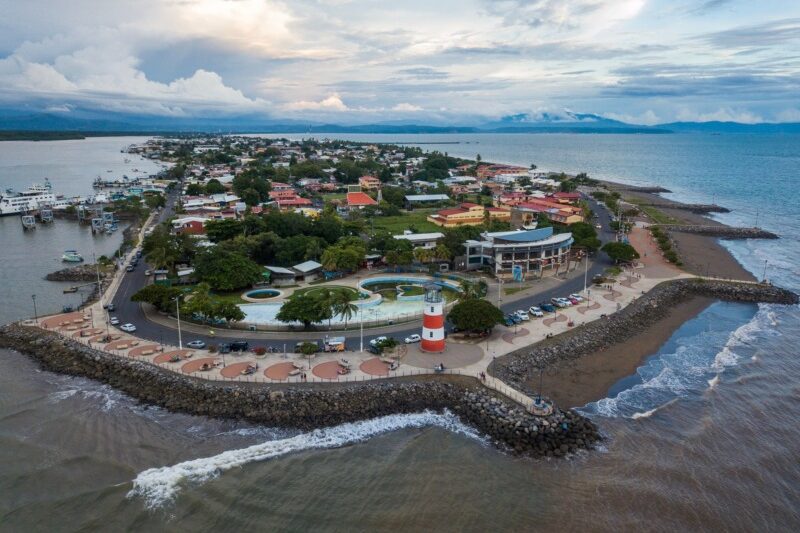
Regions encompass distinctive geographical areas unified by shared cultural heritage, history, landscapes, or administrative boundaries. These broader territories often contain multiple cities, towns, and natural attractions connected by common characteristics that create a cohesive identity. Regions frequently feature unique culinary traditions, architectural styles, dialects, and cultural practices that differentiate them from neighboring areas. From wine regions with signature vintages to mountain regions offering characteristic alpine experiences, these territories provide travelers with thematically linked discoveries across multiple destinations. Exploring regions reveals the subtle transitions in landscape, tradition, and lifestyle that collectively form the authentic fabric of a country’s diverse identity.
The destination guide
Osa Peninsula

Region in Costa Rica, North AmericaUpdated
- Overall8/10
- Best forBudget travelers, Couples
- PeakDec–Mar
- CurrencyCRC
Costa Rica’s Osa Peninsula is where rainforest, wildlife, and remote Pacific beaches come together in one of the country’s wildest corners.
At a glance
- Spanish
- Tropical rainforest peninsula
- Mangrove swamps
- Pacific coast
- Wildlife reserves
- Wildlife & Nature
- Ecotourism
- Adventure
- Remote Escapes.
How Osa Peninsula scores
Editorial scores on a 10-point scale, weighed against destinations of the same kind.
Travel safety snapshot
SafePlace indicators use their source 100-point scale; higher is more favourable. Planning context, not a live travel advisory — check official government guidance before you go.
When to go
Best months to visit: January, February, March, April, May, June, July, August, November and December.
- January: 18.9 to 25.9 degrees Celsius, 154.4 millimetres of rain, best-time score 5 out of 5.
- February: 19.2 to 27.1 degrees Celsius, 106.6 millimetres of rain, best-time score 5 out of 5.
- March: 19.5 to 27.5 degrees Celsius, 141.6 millimetres of rain, best-time score 5 out of 5.
- April: 19.8 to 26.6 degrees Celsius, 294.2 millimetres of rain, best-time score 5 out of 5.
- May: 19.9 to 25.7 degrees Celsius, 569.5 millimetres of rain, best-time score 4 out of 5.
- June: 19.6 to 25.1 degrees Celsius, 583.9 millimetres of rain, best-time score 4 out of 5.
- July: 19.5 to 25 degrees Celsius, 554.3 millimetres of rain, best-time score 4 out of 5.
- August: 19.4 to 25 degrees Celsius, 553.2 millimetres of rain, best-time score 4 out of 5.
- September: 19.3 to 25.1 degrees Celsius, 553.1 millimetres of rain, best-time score 3 out of 5.
- October: 19.2 to 24.4 degrees Celsius, 853 millimetres of rain, best-time score 3 out of 5.
- November: 19.2 to 24.2 degrees Celsius, 691.8 millimetres of rain, best-time score 4 out of 5.
- December: 18.9 to 25.2 degrees Celsius, 313.2 millimetres of rain, best-time score 5 out of 5.
Month-by-month conditions and packing advice
- January
- Mild to warm, rainy January in Osa Peninsula: dry-season Corcovado hikes, wildlife, beaches, boat transfers, rainforest lodges, and snorkeling are most reliable. Crowds: January in Osa Peninsula is one of the wetter periods, so museums, food stops, flexible reservations, and backup indoor plans make the trip easier. Pack: Pack light clothing, sun protection, and comfortable walking shoes. Add a rain jacket or compact umbrella.
- February
- Warm to hot, some rain February in Osa Peninsula: dry-season Corcovado hikes, wildlife, beaches, boat transfers, rainforest lodges, and snorkeling are most reliable. Crowds: February in Osa Peninsula is workable with normal seasonal planning; build in layers, weather checks, and a mix of indoor and outdoor activities. Pack: Pack light clothing, sun protection, and comfortable walking shoes. Add a rain jacket or compact umbrella.
- March
- Warm to hot, rainy March in Osa Peninsula: dry-season Corcovado hikes, wildlife, beaches, boat transfers, rainforest lodges, and snorkeling are most reliable. Crowds: March in Osa Peninsula is one of the wetter periods, so museums, food stops, flexible reservations, and backup indoor plans make the trip easier. Pack: Pack light clothing, sun protection, and comfortable walking shoes. Add a rain jacket or compact umbrella.
- April
- Mild to warm, rainy April in Osa Peninsula: dry-season Corcovado hikes, wildlife, beaches, boat transfers, rainforest lodges, and snorkeling are most reliable. Crowds: April in Osa Peninsula is one of the wetter periods, so museums, food stops, flexible reservations, and backup indoor plans make the trip easier. Pack: Pack light clothing, sun protection, and comfortable walking shoes. Add a rain jacket or compact umbrella.
- May
- Mild to warm, rainy May in Osa Peninsula: green-season timing can be lush and wildlife-rich with rain planned into the day. Crowds: May in Osa Peninsula is one of the wetter periods, so museums, food stops, flexible reservations, and backup indoor plans make the trip easier. Pack: Pack light clothing, sun protection, and comfortable walking shoes. Add a rain jacket or compact umbrella.
- June
- Mild to warm, rainy June in Osa Peninsula: green-season timing can be lush and wildlife-rich with rain planned into the day. Crowds: June in Osa Peninsula is one of the wetter periods, so museums, food stops, flexible reservations, and backup indoor plans make the trip easier. Pack: Pack light clothing, sun protection, and comfortable walking shoes. Add a rain jacket or compact umbrella.
- July
- Mild to warm, rainy July in Osa Peninsula: green-season timing can be lush and wildlife-rich with rain planned into the day. Crowds: July in Osa Peninsula is one of the wetter periods, so museums, food stops, flexible reservations, and backup indoor plans make the trip easier. Pack: Pack light clothing, sun protection, and comfortable walking shoes. Add a rain jacket or compact umbrella.
- August
- Mild to warm, rainy August in Osa Peninsula: green-season timing can be lush and wildlife-rich with rain planned into the day. Crowds: August in Osa Peninsula is one of the wetter periods, so museums, food stops, flexible reservations, and backup indoor plans make the trip easier. Pack: Pack light clothing, sun protection, and comfortable walking shoes. Add a rain jacket or compact umbrella.
- September
- Mild to warm, rainy September in Osa Peninsula: heavier rains can disrupt roads, lodges, trails, and boat plans. Crowds: September in Osa Peninsula is one of the wetter periods, so museums, food stops, flexible reservations, and backup indoor plans make the trip easier. Pack: Pack light clothing, sun protection, and comfortable walking shoes. Add a rain jacket or compact umbrella.
- October
- Mild to warm, rainy October in Osa Peninsula: heavier rains can disrupt roads, lodges, trails, and boat plans. Crowds: October in Osa Peninsula is one of the wetter periods, so museums, food stops, flexible reservations, and backup indoor plans make the trip easier. Pack: Pack light clothing, sun protection, and comfortable walking shoes. Add a rain jacket or compact umbrella.
- November
- Mild to warm, rainy November in Osa Peninsula: green-season timing can be lush and wildlife-rich with rain planned into the day. Crowds: November in Osa Peninsula is one of the wetter periods, so museums, food stops, flexible reservations, and backup indoor plans make the trip easier. Pack: Pack light clothing, sun protection, and comfortable walking shoes. Add a rain jacket or compact umbrella.
- December
- Mild to warm, rainy December in Osa Peninsula: dry-season Corcovado hikes, wildlife, beaches, boat transfers, rainforest lodges, and snorkeling are most reliable. Crowds: December in Osa Peninsula is one of the wetter periods, so museums, food stops, flexible reservations, and backup indoor plans make the trip easier. Pack: Pack light clothing, sun protection, and comfortable walking shoes. Add a rain jacket or compact umbrella.
- December
- January
- February
- March
- September
- October
- May
- June
Know before you go
Best time to visit
December to April
Season by season
Dry Season (Dec-April) is best for hiking and access; Green Season (May-Nov) is lush and cheaper with great whale watching, but heavy rains can make remote roads impassable and some lodges close in Oct/Nov.
Crowds
Low to Moderate
Getting there and around
Getting there
Fly to Puerto Jimenez/Drake Bay or drive with 4×4.
Top experiences in Osa Peninsula
Corcovado National Park
Wildlife
Drake Bay
Adventure
Caño Island Biological Reserve
Diving
Matapalo
Surfing
Editor-curated picks carried over from our original guide. Where a full place guide exists, the card links to it.
Worth booking ahead in Osa Peninsula
Hand-picked from the operators our guides already send readers to. Prices and availability are live on the partner site.
BrowseViator
Tours and tickets in Osa Peninsula on Viator (opens Viator in a new tab)
Viator's full list of bookable tours and tickets in Osa Peninsula.
BrowseGetYourGuide
Experiences in Osa Peninsula on GetYourGuide (opens GetYourGuide in a new tab)
Everything GetYourGuide sells in Osa Peninsula, with the cancellation terms on each listing.
Where to stayBooking.com
Stays in Osa Peninsula (opens Booking.com in a new tab)
Live rates and availability for Osa Peninsula on Booking.com; filter by neighbourhood once you know where your days start.
We earn a commission if you book through these links, at no extra cost to you. It is how we keep the guides free and independent.
Where to stay
Lapa Rios Lodge
Osa Peninsula, Puntarenas Province, Costa Rica
Eco-Lodge – Luxury
Copa De Arbol Beach & Rainforest Resort
Drake Bay, Osa Peninsula, Costa Rica
Lodge – Mid-Range
Aguila de Osa Rainforest & Marine Adventure Lodge
Golfo Dulce, Osa Peninsula, Costa Rica
Cabins – Budget
Editor-curated stays carried over from our original guide. Where we have reviewed the hotel, the card links to the review.
Tips from the field
Highlights
- The astonishing concentration of wildlife in Corcovado, including all four species of Costa Rican monkeys, and the remote, pristine beaches.
Best activities
- Hiking the dense trails of Corcovado National Park to spot tapirs and jaguars, snorkeling the reefs of Caño Island, and whale watching in the Golfo Dulce.
Local experiences
- Take a guided night hike through the jungle to see bioluminescent fungi, tree frogs, and nocturnal mammals.
Practical tips
- Access is primarily by small plane to Puerto Jiménez or Drake Bay, or by boat. A 4×4 vehicle is mandatory if driving. All visitors to Corcovado must be accompanied by a certified guide.
Photography tips
- A telephoto lens is essential for wildlife photography high in the canopy. Protect your gear from extreme humidity and sudden downpours.
Timing
- 4-6 days minimum to account for travel time to this remote area and to properly explore Corcovado and Caño Island.
Keeping it authentic
- The Osa Peninsula is Costa Rica's wild frontier, renowned as one of the most biologically intense places on earth, offering unpolished, raw rainforest experiences.
Culture, customs and safety
Cultural heritage
The Osa Peninsula in southwestern Costa Rica is a region of extraordinary cultural and ecological significance. Long inhabited by indigenous groups such as the Boruca and Guaymí peoples, the area retains deep traditions in artisanal crafts, subsistence farming, and spiritual relationships with the land. Architecturally modest but culturally rich, its rural communities reflect a legacy of self-sufficiency and environmental stewardship. The peninsula is home to Corcovado National Park, part of the UNESCO-recognized Area de Conservación Osa, which safeguards one of the most biodiverse ecosystems on Earth. Today, the blending of ancestral knowledge with conservation efforts defines the region’s living heritage.
Safety notes
The main risks are environmental. Never hike alone off marked trails, swimming at remote beaches can involve dangerous riptides, and always use certified guides.