

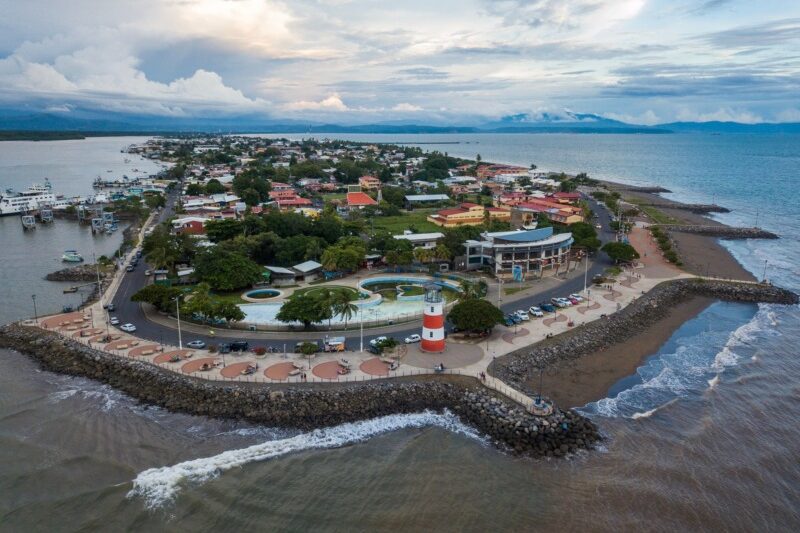
Jaco is a lively beach town on the Pacific coast of Costa Rica, known for its stunning beaches, vibrant nightlife, and outdoor adventures. Whether you’re surfing the waves, exploring lush rainforests, or enjoying the local cuisine, Jaco offers a perfect blend of relaxation and excitement for every traveler.
The destination guide
Jaco

Town in Costa Rica, North AmericaUpdated
- Overall5/10
- Best forFamilies, Adventure seekers, Budget travelers
- PeakDec–Mar
- CurrencyCRC
Jacó is Costa Rica’s most accessible surf town — an hour from San José with consistent breaks, a walkable strip, and a nightlife that surprises for its size.
Travel guides for Jaco
More guides featuring Jaco (4)
At a glance
CurrencyCRC
Time zoneCentral Standard Time
Languages
- Spanish
Setting
- Pacific coast
- Tropical beach town
- Surfing waves
- Rainforest hillside
Known for
- Beach life
- Adventure sports
- Eco-tourism
- Nightlife
Population21,15921,159 residents
VisaDuration: Authorities may allow up to 180 days without a visa · Documents: Valid passport and proof of return or onward travel
How Jaco scores
5/10OverallFair
Weather8/10
Value for money8/10
Safety5/10
Food & cuisine7/10
Culture & arts4/10
Cultural experience6/10
History4/10
Nature & outdoors9/10
Adventure4/10
Nightlife8/10
Shopping6/10
Family friendly7/10
Romance7/10
Character
Photography score7/10
Authenticity score10/10
Off-the-beaten-path score7/10
Editorial scores on a 10-point scale, weighed against destinations of the same kind.
Travel safety snapshot
Overall56/100Exercise precaution
Women travellers55/100
LGBTQ+ travellers50/100
Theft60/100
Medical care40/100
Physical harm50/100
Political freedom60/100
SafePlace indicators use their source 100-point scale; higher is more favourable. Planning context, not a live travel advisory — check official government guidance before you go.
When to go
Best months to visit: January, February, March, April, May, November and December.
- January: 10.8 to 22.1 degrees Celsius, 4 millimetres of rain, best-time score 5 out of 5.
- February: 14.1 to 26.7 degrees Celsius, 13.5 millimetres of rain, best-time score 5 out of 5.
- March: 19.5 to 33.5 degrees Celsius, 0.8 millimetres of rain, best-time score 5 out of 5.
- April: 25.5 to 38.7 degrees Celsius, 3.3 millimetres of rain, best-time score 5 out of 5.
- May: 30.3 to 43.4 degrees Celsius, 4.6 millimetres of rain, best-time score 4 out of 5.
- June: 32.6 to 44.4 degrees Celsius, best-time score 3 out of 5.
- July: 33.3 to 43.3 degrees Celsius, 5.2 millimetres of rain, best-time score 3 out of 5.
- August: 30.6 to 39.9 degrees Celsius, 11.6 millimetres of rain, best-time score 3 out of 5.
- September: 28.8 to 39.8 degrees Celsius, best-time score 2 out of 5.
- October: 23.3 to 37.1 degrees Celsius, best-time score 2 out of 5.
- November: 18.2 to 29.6 degrees Celsius, 5.1 millimetres of rain, best-time score 4 out of 5.
- December: 12.2 to 23.8 degrees Celsius, best-time score 5 out of 5.
Month-by-month conditions and packing advice
- January
- Warm and pleasant, mostly dry January in Jaco: dry-season beaches, surfing, rainforest tours, wildlife, and day trips are most reliable. Crowds: Travelers visiting Jacó in January benefit from the heart of the dry season, which marks the peak tourism window for Costa Rica’s Pacific coast. This period attracts both international visitors and domestic vacationers, so expect busier beaches and higher hotel prices. The reliable dry weather makes it the perfect time for surf lessons, sportfishing, canopy tours, and eco-adventures in the surrounding rainforest. While activity availability is at its peak, booking tours and accommodations well in advance is essential to avoid limited options. Even though temperatures remain moderate, sun exposure is intense at this latitude, so outdoor activities are best scheduled for mornings or late afternoons. Overall, January offers some of the most rewarding conditions to experience Jacó’s blend of beach culture and wildlife access, though it comes with the trade-off of larger crowds and premium pricing. Pack: Light breathable clothing for warm afternoons; Comfortable sandals and sturdy walking shoes; Wide-brimmed hat and reef-safe sunscreen; Light jacket or hoodie for cooler evenings; Swimwear for beach and surfing activities; Reusable water bottle to stay hydrated in the sun
- February
- Warm and pleasant, mostly dry February in Jaco: dry-season beaches, surfing, rainforest tours, wildlife, and day trips are most reliable. Crowds: February is one of the most favorable months for visiting Jacó, coinciding with Costa Rica’s dry season. The weather provides near-perfect conditions for surfing, hiking, and beach relaxation with minimal chance of rain disrupting plans. As part of the high tourist season, travelers should expect higher hotel prices and fuller bookings, particularly on weekends when domestic tourists also frequent the coast. The pleasant climate makes it ideal for day trips to waterfalls, nearby national parks, or cultural excursions inland. Since this is peak demand, early reservations for accommodations and popular tours are strongly advised. While the dry season ensures reliable sunshine, UV intensity remains high and requires consistent sun protection. Travelers benefit from the lively social atmosphere while balancing the need for advanced planning. Pack: Breathable cotton or linen shirts for humid afternoons; Sturdy sandals or water shoes for beach and waterfall hikes; High SPF reef-safe sunscreen and after-sun lotion; Light jacket or shawl for cooler evening breezes; Surf gear or quick-dry swimwear for ocean activities; Reusable water bottle to stay hydrated in the heat
- March
- Hot and sunny, mostly dry March in Jaco: dry-season beaches, surfing, rainforest tours, wildlife, and day trips are most reliable. Crowds: March is firmly within Costa Rica’s high tourist season, when Jacó becomes a lively hub of international travelers and domestic visitors. The near-perfect weather drives up hotel prices and ensures busier beaches and nightlife, so early bookings are essential. Surf conditions are excellent for beginners and intermediates, as dry-season swells tend to be consistent without being overwhelming. This is also an ideal month for day trips to Carara National Park or adventure tours in the surrounding rainforest, as trails remain dry and accessible. While conditions are excellent, visitors should plan for limited shade during peak sun hours and anticipate that popular excursions fill quickly. Those seeking vibrant social energy will thrive here in March, though travelers preferring solitude may want to explore quieter nearby coastal towns. Pack: Light, breathable clothing suitable for hot sun; High-SPF reef-safe sunscreen for beach and surf days; Wide-brimmed hat and polarized sunglasses; Swimwear plus a quick-dry towel; Reusable water bottle to stay hydrated; Casual evening wear for Jacó’s nightlife
- April
- Hot and sunny, mostly dry April in Jaco: dry-season beaches, surfing, rainforest tours, wildlife, and day trips are most reliable. Crowds: April marks the tail end of Jacó’s high season, driven by its consistently hot and dry weather. This is an ideal time for surfing, beach lounging, and exploring nearby national parks, with trails dry and accessible. The town remains lively with both international travelers and domestic visitors taking advantage of Easter holidays, which can push hotel rates upward and make advance booking advisable. While conditions are excellent for outdoor activities, the extreme midday heat means travelers should plan early-morning hikes or late-afternoon excursions. Water-based activities thrive this month, but shade and hydration are essential. As May approaches, the first signs of the wet season may begin to influence weather patterns, so April offers one of the last reliable dry stretches before tropical showers return. Pack: High-SPF reef-safe sunscreen and after-sun lotion; Wide-brimmed hat and polarized sunglasses; Breathable cotton or linen clothing; Swimwear for beaches and surf sessions; Hydration backpack or refillable water bottle; Light cover-up for evenings and casual dining
- May
- Hot and sunny, mostly dry May in Jaco: shoulder timing can bring lush scenery and value with manageable rain risk. Crowds: May’s extreme heat and dryness in Jacó significantly shape the visitor experience. The conditions are best for beach lounging, surfing, and water-based activities rather than extensive inland hiking or cultural exploration during peak daytime hours. Since the month sits just before Costa Rica’s wetter ‘green season,’ tourist numbers remain moderate, and hotel pricing is often more affordable than in peak December–April months. Travelers should plan for early-morning excursions and reserve evenings for enjoying the lively dining and nightlife scene once the coastal breezes bring a touch of relief. The heat makes daytime exploration challenging, so flexibility and rest periods are essential. Visitors will appreciate fewer crowds compared to high season, making this an attractive time for those prioritizing cost savings and space over all-day sightseeing. Pack: High-SPF reef-safe sunscreen for strong UV exposure; Lightweight, breathable clothing in natural fabrics; Wide-brimmed sun hat and polarized sunglasses; Reusable water bottle with electrolyte tablets; Swimwear and quick-dry cover-ups for beach activities; Sandals or water shoes suitable for hot sand and rocky shores
- June
- Hot and sunny, mostly dry June in Jaco: green-season showers are frequent, so plan outdoor activities early and flexibly. Crowds: Travel during June in Jacó means confronting some of the hottest and driest conditions of the year. This is considered the tail end of the dry season on the Pacific coast, so while the absence of rain is favorable for uninterrupted beach time, the extreme heat limits midday activity. Tourist numbers are moderate compared to the peak December–April high season, so visitors can find more space on the beaches and slightly reduced rates at hotels. Activities such as surfing, early morning yoga retreats, or shaded rainforest tours remain accessible, though the intensity of the sun curtails midday excursions. Travelers should plan for early mornings and late afternoons for outdoor adventures while retreating indoors or to shaded areas during peak heat. Booking accommodations with reliable air-conditioning or shaded pools is essential for comfort. Pack: Wide-brimmed hat and polarized sunglasses for sun protection; High-SPF reef-safe sunscreen for beach and surf days; Lightweight, breathable linen or cotton clothing; Reusable water bottle with electrolytes for hydration; Comfortable sandals suitable for hot sand and pavement; UV-protective swimwear or rash guard for surfing
- July
- Hot and sunny, mostly dry July in Jaco: green-season showers are frequent, so plan outdoor activities early and flexibly. Crowds: Travelers in July will encounter extremely hot conditions in Jacó, which significantly shape daily schedules. The afternoons can be punishingly hot, making early mornings and late evenings the most practical times for surfing, hiking, or exploring nearby rainforests. While the Pacific coast is less affected by rainfall this month compared to inland regions, the extreme heat discourages midday sightseeing. Jacó does not face peak tourist crowds in July, as many international visitors prefer the cooler dry-season months, which means more availability and potentially lower hotel rates. Surf conditions remain consistent, but safety precautions against dehydration and sun exposure are essential. Photography opportunities thrive in the bright, uninterrupted light, though the heat can be overwhelming for prolonged outdoor sessions. Pack: Wide-brimmed hat for sun protection; High SPF 50+ sunscreen and after-sun lotion; Lightweight, moisture-wicking clothing; Electrolyte packets to prevent dehydration; UV-protective sunglasses; Sandals and breathable footwear for hot surfaces
- August
- Hot and sunny, mostly dry August in Jaco: green-season showers are frequent, so plan outdoor activities early and flexibly. Crowds: Travelers in August encounter hot, dry, and sunny conditions, making this one of the best months for surfing, sportfishing, and beach lounging in Jacó. The relative lack of rain means ocean activities are reliable, and visibility for snorkeling or diving improves. However, the extreme midday heat requires careful planning—outdoor exploration is best reserved for early or late hours. Crowds are moderate compared to peak North American holiday periods, keeping accommodation prices more balanced, though beachfront hotels still command premium rates. Tourism infrastructure hums steadily, with surf schools, eco-tours, and nightlife all active but without overwhelming congestion. For those sensitive to heat, expect fatigue during midday hours and prioritize shaded or air-conditioned environments. Advance booking for top-rated beachfront stays is advised, while inland excursions may be limited due to the heat. Pack: Lightweight, breathable clothing such as cotton or linen; High-SPF reef-safe sunscreen and after-sun lotion; Wide-brimmed hat and polarized sunglasses; Refillable water bottle with electrolyte supplements; Lightweight rain jacket for rare coastal showers; Swimwear and quick-dry cover-ups for beach and surf
- September
- Hot and sunny, mostly dry September in Jaco: peak rain and flooding risk make this less balanced for beach and adventure plans. Crowds: September offers Jacó’s driest conditions, which makes it excellent for surfing, beach lounging, and ocean-based excursions. However, the extreme daytime heat and high UV levels mean that visitors should carefully plan around the sun, reserving midday for shaded relaxation or indoor activities. The low humidity provides comfort compared to Costa Rica’s wetter months, though temperatures remain consistently hot. Tourism in September is quieter compared to peak winter months, with lower crowd levels and more favorable accommodation pricing. For budget-conscious travelers or those seeking a calmer atmosphere on the Pacific Coast, this period is ideal. Activities like sunrise surfing, morning yoga retreats, and sunset beach walks are especially rewarding, while mid-afternoon exploration is best avoided. Advance booking is less critical during this shoulder-season lull, making it a flexible time to visit. Pack: Breathable linen or cotton shirts for extreme heat; High-SPF reef-safe sunscreen for strong sun exposure; Wide-brimmed hat for shade during midday hours; Lightweight long-sleeve cover-up for UV protection; Surf gear or rash guard for ocean activities; Reusable water bottle to stay hydrated throughout the day
- October
- Hot and sunny, mostly dry October in Jaco: peak rain and flooding risk make this less balanced for beach and adventure plans. Crowds: Travelers in Jacó during October encounter conditions that are both rewarding and challenging. The heat and intense sun mean peak hours of the day are best avoided for exploration, while early mornings and late afternoons offer more manageable opportunities for surfing, beach walks, or photography. The dry climate eliminates concerns about sudden tropical downpours, making scheduling reliable, but the arid air and strong UV exposure can be taxing for extended outdoor time. Because October is shoulder season in Costa Rica, visitor numbers are moderate and accommodation prices are often lower than peak months, allowing travelers more space to experience local culture. That said, hydration, sun protection, and strategic activity planning are essential for comfort and safety in these conditions. Pack: High-SPF sunscreen and UV-protective lip balm; Lightweight, breathable long-sleeve shirts; Wide-brimmed hat and polarized sunglasses; Reusable water bottle with electrolyte packets; Surf gear or swimwear for extended beach time; Moisturizer or aloe gel to combat dry conditions
- November
- Warm and pleasant, mostly dry November in Jaco: shoulder timing can bring lush scenery and value with manageable rain risk. Crowds: November marks the beginning of Jacó’s dry season, offering a sweet spot for visitors seeking excellent weather without peak-season crowds. With low rainfall and warm but manageable temperatures, it’s ideal for surfing, hiking, and wildlife excursions in nearby national parks. Hotel rates are still more moderate compared to December and January, making this a cost-effective time to visit before holiday tourism drives prices upward. Beaches and restaurants feel lively yet not overcrowded, offering a more authentic glimpse into local life. Travelers should book accommodations early if planning to stay into December, as demand begins rising quickly toward the holiday season. Pack: Lightweight breathable clothing for tropical heat; Comfortable sandals and sturdy walking shoes; Broad-brimmed hat and polarized sunglasses; Eco-friendly reef-safe sunscreen; Light rain jacket for occasional evening showers; Casual evening wear for dining and nightlife
- December
- Warm and pleasant, mostly dry December in Jaco: dry-season beaches, surfing, rainforest tours, wildlife, and day trips are most reliable. Crowds: December marks the beginning of Jacó’s high tourist season, drawing visitors eager for sunny skies and outdoor-friendly weather. With near-perfect conditions, it is one of the busiest months, particularly around Christmas and New Year’s when prices for accommodations and tours surge. Activities like surfing, wildlife excursions, and ziplining operate at full capacity with little risk of rain delays. While this reliability makes it a prime time for first-time visitors, travelers should expect lively beach scenes and higher crowd density. Advance booking is strongly advised for both hotels and tours. For those seeking quieter experiences, early December before the holiday rush offers a sweet spot of great weather with slightly fewer visitors. Pack: Breathable cotton or linen clothing for daytime comfort; Light sweater or jacket for cooler evenings; Comfortable sandals and sturdy walking shoes; High SPF reef-safe sunscreen and polarized sunglasses; Swimwear and quick-dry towel for beach activities; Light rain jacket as backup despite dry season start
Peak season
- December
- January
- February
- March
Off-peak
- September
- October
- May
- June
Know before you go
About
Jacó, on Costa Rica’s central Pacific coast in Puntarenas Province, is one of the country’s most accessible and lively beach towns, roughly a 1.5-hour drive (about 97 km) southwest of San José. Its long black-sand beach stretches some 4 km and is known as a forgiving spot for beginner surfers, while the more powerful break at Playa Hermosa lies just minutes south for experienced riders. Once a quiet fishing area, Jacó grew through the late 20th century into a busy resort hub of hotels, restaurants, and a nightlife scene rare for the region. Home to roughly 10,000-plus permanent residents, it sits near the mouth of the Gulf of Nicoya, backed by green hills alive with monkeys, scarlet macaws, and crocodiles in the nearby Tárcoles River. Surfing, sport fishing, ziplining, and day trips to Manuel Antonio National Park make it a convenient base for travelers wanting Pacific beaches without a long transfer from the capital.
Best time to visit
The best time to visit Jaco is during the dry season, which runs from December to April. This period offers sunny weather and ideal conditions for beach activities. The rainy season, from May to November, can bring heavy showers but also fewer crowds and lush landscapes.
Getting there and around
Getting there
Juan Santamaría International Airport (SJO) near San José is the primary gateway, located 90 minutes from Jacó. Direct airport shuttles operate multiple times daily (2.5 hours, $40-65) with door-to-door service to hotels. Companies like Coach Costa Rica and My Pink Bus provide comfortable transfers with air conditioning.
Public buses from San José’s Terminal 7-10 (Transportes Jacó) run every 2 hours (2.5-3 hours, $5-6). Buses depart from 7am-7pm daily, arriving at Jacó Bus Terminal in the town’s southern section. For airport connections, take a taxi to Terminal 7-10 ($15-25, 25 minutes) or some return buses stop at the airport.
Getting around
Jacó is a compact beach town easily navigated on foot, with most hotels, restaurants, shops, and the beach within walking distance. The main strip along Avenida Pastor Díaz contains the majority of amenities and stretches just 1km.
Bicycle rentals ($10-20/day) are popular for exploring the beachfront and nearby areas. Red official taxis circulate throughout town with standardized rates ($2-4 between any points within Jacó). For regional excursions, rental cars provide access to Manuel Antonio (45 minutes), Monteverde (3 hours), and other Pacific coast destinations. Local buses connect to nearby Playa Hermosa ($2, 15 minutes) for additional beach options.
Worth booking ahead in Jaco
Hand-picked from the operators our guides already send readers to. Prices and availability are live on the partner site.
BrowseViator
Tours and tickets in Jaco on Viator (opens Viator in a new tab)
Viator's full list of bookable tours and tickets in Jaco.
BrowseGetYourGuide
Experiences in Jaco on GetYourGuide (opens GetYourGuide in a new tab)
Everything GetYourGuide sells in Jaco, with the cancellation terms on each listing.
Where to stayBooking.com
Stays in Jaco (opens Booking.com in a new tab)
Live rates and availability for Jaco on Booking.com; filter by neighbourhood once you know where your days start.
We earn a commission if you book through these links, at no extra cost to you. It is how we keep the guides free and independent.
Where to stay
The Backyard Hotel
Playa Hermosa, Jaco, Puntarenas, Costa Rica
Boutique beachfront resort on Playa Hermosa with ocean-view villas, an infinity pool, spa, and a surf break right outside the door.
Room2Board Hostel & Surf School
Calle Bohio, Jaco, Puntarenas 61101, Costa Rica
Upscale boutique hotel with tropical-modern rooms, a pool, yoga deck, on-site restaurant, and walking access to Jaco’s nightlife.
Croc's Resort & Casino
Av. Pastor Díaz, Jaco, Puntarenas 61101, Costa Rica
Family-friendly beachside resort on Jaco’s main strip with spacious suites, a lagoon-style pool, water slide, restaurant, and surf school.
Editor-curated stays carried over from our original guide. Where we have reviewed the hotel, the card links to the review.
Tips from the field
Highlights
- Vibrant nightlife and beach scene
- Stunning Pacific coast views
- Adventure activities like surfing and ziplining
- Nearby national parks and wildlife
Best activities
- Surfing at Playa Jacó
- Ziplining at Jaco Ropes
- Hiking to El Miro viewpoint
- ATV tours in the surrounding jungle
Practical tips
- Bring plenty of sunscreen and insect repellent
- Learn basic Spanish phrases
- Carry cash for small local businesses
- Be aware of riptides when swimming
Keeping it authentic
- Visit local markets for authentic Costa Rican products
- Interact with friendly locals at Johannes Dankers park
Culture, customs and safety
Cultural heritage
Jaco embodies the cultural transformation of Costa Rica Pacific coast, where traditional fishing communities, surf culture, and sustainable tourism created a unique Central American beach town identity. The area represents the evolution from traditional Costa Rican coastal life to international surf destination while maintaining commitment to environmental conservation and community development. Jaco cultural heritage encompasses traditional Pacific coast fishing practices, surf culture innovation, sustainable tourism development, and the ongoing balance between international tourism and authentic Costa Rican coastal community identity that continues to influence Central American coastal development.
Local customs & etiquette
In Jaco, be respectful of local customs and traditions.

Travel Style
Season
Activities