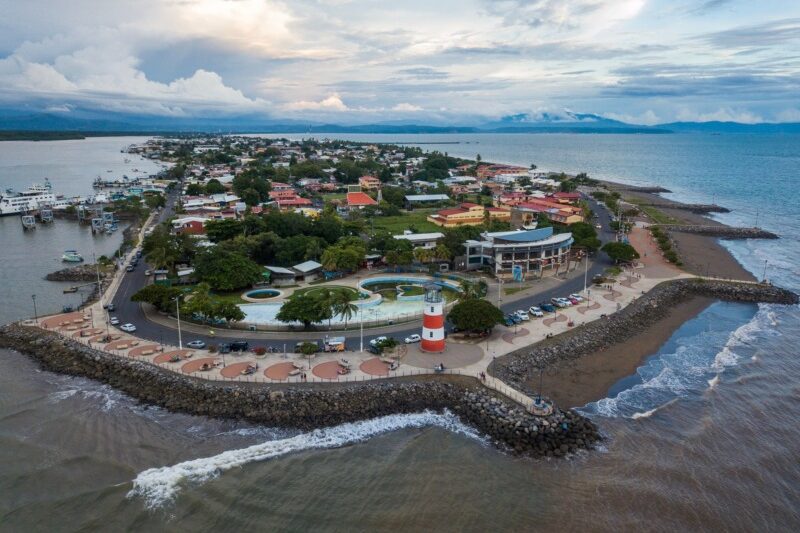
Drake Bay embodies Costa Rica’s wild spirit on the remote Osa Peninsula, where pristine rainforest meets the Pacific in an untamed convergence accessible primarily by boat or small aircraft. This gateway to Corcovado National Park—often called “the most biologically intense place on Earth”—offers unparalleled wildlife encounters with scarlet macaws soaring overhead, four monkey species rustling through beachside forests, and bioluminescent waters illuminating nighttime shorelines. The bay’s intimate lodges and family-run operations maintain deep connections to local fishing traditions while guiding visitors through mangrove estuaries, hidden waterfalls, and marine-rich snorkeling sites. Drake Bay’s intentionally limited development preserves its frontier atmosphere where scientific researchers, conservation-minded travelers, and local families coexist in one of Central America’s last truly wild coastal landscapes.
The destination guide
Drake Bay

City in Costa Rica, North AmericaUpdated
- Overall8/10
- Best forFamilies, Couples, Adventure seekers
- CurrencyCRC
Drake Bay is one of the few places left where you arrive by boat or plane and leave wondering why the rest of Costa Rica feels so crowded.
Travel guides for Drake Bay
More guides featuring Drake Bay (1)
At a glance
- Spanish
- Tropical rainforest
- Pacific coast
- Mangrove channels
- Wildlife reserve
How Drake Bay scores
Character
Editorial scores on a 10-point scale, weighed against destinations of the same kind.
Travel safety snapshot
SafePlace indicators use their source 100-point scale; higher is more favourable. Planning context, not a live travel advisory — check official government guidance before you go.
When to go
Best months to visit: January, February, March, April, May, July, August and December.
- January: 23.7 to 28.7 degrees Celsius, 89.4 millimetres of rain, best-time score 5 out of 5.
- February: 24.1 to 29.6 degrees Celsius, 47.4 millimetres of rain, best-time score 5 out of 5.
- March: 24.4 to 30.1 degrees Celsius, 88.9 millimetres of rain, best-time score 5 out of 5.
- April: 24.2 to 29.4 degrees Celsius, 226.1 millimetres of rain, best-time score 5 out of 5.
- May: 24 to 28.6 degrees Celsius, 463.5 millimetres of rain, best-time score 4 out of 5.
- June: 23.7 to 28 degrees Celsius, 537.3 millimetres of rain, best-time score 3 out of 5.
- July: 23.6 to 27.8 degrees Celsius, 511.6 millimetres of rain, best-time score 4 out of 5.
- August: 23.5 to 27.8 degrees Celsius, 518.4 millimetres of rain, best-time score 4 out of 5.
- September: 23.4 to 27.7 degrees Celsius, 481.9 millimetres of rain, best-time score 2 out of 5.
- October: 23.3 to 27.1 degrees Celsius, 820 millimetres of rain, best-time score 2 out of 5.
- November: 23.2 to 27 degrees Celsius, 626.8 millimetres of rain, best-time score 3 out of 5.
- December: 23.3 to 27.9 degrees Celsius, 211.2 millimetres of rain, best-time score 4 out of 5.
Month-by-month conditions and packing advice
- January
- Warm to hot, some rain January in Drake Bay: Corcovado trips, snorkeling, beaches, boat transfers, wildlife, and rainforest hikes are most reliable. Crowds: January in Drake Bay is workable with normal seasonal planning; build in layers, weather checks, and a mix of indoor and outdoor activities. Pack: Pack light clothing, sun protection, and comfortable walking shoes. Add a rain jacket or compact umbrella.
- February
- Warm to hot, occasional rain February in Drake Bay: Corcovado trips, snorkeling, beaches, boat transfers, wildlife, and rainforest hikes are most reliable. Crowds: February in Drake Bay is workable with normal seasonal planning; build in layers, weather checks, and a mix of indoor and outdoor activities. Pack: Pack light clothing, sun protection, and comfortable walking shoes.
- March
- Warm to hot, some rain March in Drake Bay: Corcovado trips, snorkeling, beaches, boat transfers, wildlife, and rainforest hikes are most reliable. Crowds: March in Drake Bay is workable with normal seasonal planning; build in layers, weather checks, and a mix of indoor and outdoor activities. Pack: Pack light clothing, sun protection, and comfortable walking shoes. Add a rain jacket or compact umbrella.
- April
- Warm to hot, rainy April in Drake Bay: Corcovado trips, snorkeling, beaches, boat transfers, wildlife, and rainforest hikes are most reliable. Crowds: April in Drake Bay is one of the wetter periods, so museums, food stops, flexible reservations, and backup indoor plans make the trip easier. Pack: Pack light clothing, sun protection, and comfortable walking shoes. Add a rain jacket or compact umbrella.
- May
- Warm to hot, rainy May in Drake Bay: shoulder or mid-green-season visits can work with value, wildlife, and flexible schedules. Crowds: May in Drake Bay is one of the wetter periods, so museums, food stops, flexible reservations, and backup indoor plans make the trip easier. Pack: Pack light clothing, sun protection, and comfortable walking shoes. Add a rain jacket or compact umbrella.
- June
- Warm to hot, rainy June in Drake Bay: rain can affect boats, trails, and remote logistics. Crowds: June in Drake Bay is one of the wetter periods, so museums, food stops, flexible reservations, and backup indoor plans make the trip easier. Pack: Pack light clothing, sun protection, and comfortable walking shoes. Add a rain jacket or compact umbrella.
- July
- Warm to hot, rainy July in Drake Bay: shoulder or mid-green-season visits can work with value, wildlife, and flexible schedules. Crowds: July in Drake Bay is one of the wetter periods, so museums, food stops, flexible reservations, and backup indoor plans make the trip easier. Pack: Pack light clothing, sun protection, and comfortable walking shoes. Add a rain jacket or compact umbrella.
- August
- Warm to hot, rainy August in Drake Bay: shoulder or mid-green-season visits can work with value, wildlife, and flexible schedules. Crowds: August in Drake Bay is one of the wetter periods, so museums, food stops, flexible reservations, and backup indoor plans make the trip easier. Pack: Pack light clothing, sun protection, and comfortable walking shoes. Add a rain jacket or compact umbrella.
- September
- Warm to hot, rainy September in Drake Bay: peak rainy-season conditions make access and outdoor plans less dependable. Crowds: September in Drake Bay is one of the wetter periods, so museums, food stops, flexible reservations, and backup indoor plans make the trip easier. Pack: Pack light clothing, sun protection, and comfortable walking shoes. Add a rain jacket or compact umbrella.
- October
- Warm to hot, rainy October in Drake Bay: peak rainy-season conditions make access and outdoor plans less dependable. Crowds: October in Drake Bay is one of the wetter periods, so museums, food stops, flexible reservations, and backup indoor plans make the trip easier. Pack: Pack light clothing, sun protection, and comfortable walking shoes. Add a rain jacket or compact umbrella.
- November
- Mild to warm, rainy November in Drake Bay: rain can affect boats, trails, and remote logistics. Crowds: November in Drake Bay is one of the wetter periods, so museums, food stops, flexible reservations, and backup indoor plans make the trip easier. Pack: Pack light clothing, sun protection, and comfortable walking shoes. Add a rain jacket or compact umbrella.
- December
- Warm to hot, rainy December in Drake Bay: shoulder or mid-green-season visits can work with value, wildlife, and flexible schedules. Crowds: December in Drake Bay is one of the wetter periods, so museums, food stops, flexible reservations, and backup indoor plans make the trip easier. Pack: Pack light clothing, sun protection, and comfortable walking shoes. Add a rain jacket or compact umbrella.
Know before you go
About
Drake Bay (Bahía Drake) occupies the northern tip of Costa Rica’s Osa Peninsula on the southern Pacific coast, roughly 300 kilometers from San José as the crow flies but far more remote than that distance suggests. Named after Sir Francis Drake, who reportedly anchored here in 1579, the bay faces Caño Island and backs against primary rainforest that stretches south to Corcovado National Park — one of the most biodiverse places on Earth. There are no stoplights, no chain restaurants, and no ATMs. Access is primarily by small plane or boat from the river town of Sierpe. This intentional isolation protects what National Geographic has called ‘the most biologically intense place on Earth,’ making Drake Bay a base camp for serious nature travelers rather than a resort getaway.
Best time to visit
December through April (dry season) for wildlife spotting and calm seas for diving.
Season by season
Dry season (December–April) offers sunny days, calm seas, and optimal conditions for snorkeling, diving, and hiking. This is peak season with higher prices and the need to book lodges and Corcovado permits well in advance. Green season (May–November) brings daily rain showers (usually in the afternoon), lush jungle colors, and fewer visitors — many lodges offer discounted rates. July and August provide a relative dry window within the green season. Avoid September and October if possible, as heavy rain can close trails in Corcovado and make boat transfers uncomfortable or impossible. Some lodges temporarily close during the wettest months.
Crowds
Drake Bay is busiest December–April and during whale‑watching season (July–October) when boat tours fill quickly; quietest in the rainy months (September–November) aside from occasional wildlife peaks — overall low to moderate crowds, remote feel maintained.
Getting there and around
Getting there
The most common approach is to fly from San José to Drake Bay’s small airstrip — domestic carriers like Sansa operate 50-minute flights. Alternatively, drive or bus to the river town of Sierpe (about 5.5 hours from San José via the Costanera highway and Palmar Norte), where scheduled taxi boats depart for Drake Bay at 11:30 AM and 3:30 PM, navigating through mangrove-lined rivers before crossing open ocean for a total journey of 1–1.5 hours. Most lodges arrange boat transport from Sierpe as part of their packages. Driving directly to Drake Bay is possible with a 4WD vehicle but not recommended during the rainy season due to unpaved roads and potential river crossings. There is no reliable road access without high-clearance transport. Leave vehicles in secured parking in Sierpe.
Getting around
Most Drake Bay lodges provide boat transport to activities (Corcovado, Caño Island, beaches) as part of their packages. Within the main settlement, walking covers all essential services. The Drake Bay Coastal Trail connects several beaches and can be hiked independently. For guided excursions, your lodge will coordinate all logistics including boat transfers, park entry, and guides. There are no taxis or rental car agencies in Drake Bay. Cell phone service and Wi-Fi are intermittent — plan to be largely disconnected. Most transport between lodges and activity sites is by panga (small boat).
Top experiences in Drake Bay
Corcovado National Park
Covering 424 square kilometers of lowland and montane rainforest, Corcovado protects one of the last major expanses of primary tropical forest in Central America. All four Costa Rican monkey species live here alongside tapirs, peccaries, jaguars, scarlet macaws, and an estimated 2.5% of global biodiversity. Access from Drake Bay is by boat to the Sirena or San Pedrillo ranger stations, and all visitors must be accompanied by certified guides. Park entry is capped to protect the ecosystem.
Caño Island Biological Reserve
A rocky island 20 kilometers offshore from Drake Bay, surrounding by some of the clearest water in Costa Rica and extensive coral formations. Snorkelers and divers encounter schools of tropical fish, whitetip reef sharks, eagle rays, hawksbill sea turtles, and occasionally dolphins. Pre-Columbian stone spheres found on the island are UNESCO World Heritage artifacts. Day trips from Drake Bay typically last 4–5 hours including boat transit, two snorkel sessions, and a guide.
Drake Bay Coastal Trail
A hiking path that follows the coastline south from Drake Bay through dense rainforest, crossing small streams and connecting isolated beaches including Playa San Josecito and Playa Cocalito. The trail passes through habitat rich in monkeys, sloths, and tropical birds. Sections can be muddy in the wet season, and tide awareness is important where the trail meets rocky shoreline. The full hike to San Josecito takes about two hours one way.
Sierpe River Mangroves
The winding river channels between Sierpe and Drake Bay pass through one of the largest mangrove systems in Central America. Boat trips or kayak excursions through the tunnels of overhanging roots reveal monkeys, crocodiles, herons, kingfishers, and caimans. The transition from freshwater river to saltwater estuary to open ocean creates distinct ecological zones within a short distance. Most visitors experience this on the boat transfer to or from Drake Bay.
Playa San Josecito
A secluded beach accessible only by boat or hiking trail from Drake Bay, surrounded by dense primary rainforest that extends to the high-tide line. The calm, clear water is suitable for swimming and snorkeling along the rocky edges. There are no facilities — bring your own water and snacks. The beach serves as a lunch stop on many Corcovado and whale-watching excursions and offers excellent shell collecting in the early morning.
Editor-curated picks carried over from our original guide. Where a full place guide exists, the card links to it.
Worth booking ahead in Drake Bay
Hand-picked from the operators our guides already send readers to. Prices and availability are live on the partner site.
BrowseViator
Tours and tickets in Drake Bay on Viator (opens Viator in a new tab)
Viator's full list of bookable tours and tickets in Drake Bay.
BrowseGetYourGuide
Experiences in Drake Bay on GetYourGuide (opens GetYourGuide in a new tab)
Everything GetYourGuide sells in Drake Bay, with the cancellation terms on each listing.
Where to stayBooking.com
Stays in Drake Bay (opens Booking.com in a new tab)
Live rates and availability for Drake Bay on Booking.com; filter by neighbourhood once you know where your days start.
We earn a commission if you book through these links, at no extra cost to you. It is how we keep the guides free and independent.
Where to stay
La Paloma Lodge
Drake Bay, Osa Peninsula, Puntarenas, Costa Rica
An elevated eco-lodge set on a forested hillside above Drake Bay, with individual cabins offering wraparound balconies and direct views over the Pacific and Caño Island. The all-inclusive packages cover meals prepared with local ingredients, guided tours to Corcovado and Caño Island, and boat transfers from Sierpe. Scarlet macaws and toucans visit the property’s fruit trees daily.
Aguila de Osa
Mouth of the Agujitas River, Drake Bay, Osa Peninsula, Costa Rica
A 14-room lodge perched where the Río Agujitas meets Drake Bay, known for its sport-fishing program and proximity to Corcovado’s San Pedrillo entrance. Spacious rooms feature hardwood interiors and screened windows open to the sounds of the surrounding forest. The open-air restaurant serves seafood sourced from local fishermen. All-inclusive packages include excursions and transfers.
Drake Bay Getaway Resort
Drake Bay Beach, Osa Peninsula, Puntarenas, Costa Rica
A mid-range resort offering beachfront cabins with air conditioning — a rarity in Drake Bay — and an on-site restaurant and pool. The property arranges all major excursions (Corcovado, Caño Island, whale watching) and provides boat transfers from Sierpe. Its location at the main beach settlement puts the village’s few restaurants and shops within walking distance.
Editor-curated stays carried over from our original guide. Where we have reviewed the hotel, the card links to the review.
Tips from the field
Highlights
- Gateway to Corcovado National Park – one of the most biodiverse national parks on Earth, home to all four Costa Rican monkey species, tapirs, jaguars, and scarlet macaws
- Caño Island Biological Reserve – the country's premier snorkeling and diving destination with crystal-clear water, coral gardens, and frequent sea turtle sightings
- Humpback whale watching – whales migrate through these waters twice a year (July–October and December–April)
- Pristine off-the-grid setting – no ATMs, no chain businesses, and access by boat or small plane only
- Bioluminescent night tours – guided jungle walks reveal red-eyed tree frogs, insects, and glowing plankton
- Secluded beaches – Playa San Josecito, Playa Cocalito, and Playa Rincón are reachable by trail or boat
Best activities
- The defining experience is a guided day hike in Corcovado National Park. Boats depart Drake Bay early morning for the Sirena or San Pedrillo ranger stations, where certified guides lead groups through primary rainforest so dense that the canopy blocks most sunlight. Wildlife encounters are almost guaranteed: all four species of Costa Rican monkey, Baird's tapirs, scarlet macaws, and with exceptional luck, jaguars. Guides are mandatory inside the park, and visitor numbers are capped, so booking 15–20 days in advance is essential.
- Caño Island, a 45-minute boat ride offshore, offers some of the best snorkeling and diving in Central America. Volcanic rock formations covered in coral host schools of tropical fish, reef sharks, rays, and green sea turtles. Most lodges package half-day Caño Island trips including boat transport, snorkel gear, and a guide. Between July and October, humpback whales from the Southern Hemisphere migrate through these waters, and a second wave arrives from the Northern Hemisphere between December and April.
- On quieter days, hike the Drake Bay Coastal Trail connecting secluded beaches — Playa San Josecito and Playa Cocalito are highlights. Night tours through the surrounding jungle reveal an entirely different ecosystem: red-eyed tree frogs, sleeping toucans, wandering tarantulas, and bioluminescent plankton on the beach. Kayaking through the Sierpe River mangroves adds a transition-zone experience between freshwater and ocean habitats.
Local experiences
- Take the boat from Sierpe through the mangrove channels — this journey is an experience in itself, with monkeys leaping between trees and crocodiles sunning on banks. Eat fresh ceviche prepared by local fishermen at the small sodas in the main settlement. Kayak into the mangroves at high tide when the water reaches the tree roots and light filters through the canopy. Stargaze from the beach on clear nights — the absence of artificial light makes Drake Bay one of the best natural observatories in Costa Rica.
Practical tips
- Book Corcovado permits and lodge stays at least 15–20 days in advance — park entry is capped and popular dates sell out. All-inclusive lodge packages simplify logistics in this remote area and typically include meals, excursions, guides, and boat transport. Bring a headlamp, waterproof day pack, quick-dry clothing, and binoculars. Power outages occur — a portable battery pack keeps devices charged. Pack any specialty medications, as the nearest pharmacy is hours away in Palmar Norte. Waterproof bags for electronics are essential for boat transfers.
Photography tips
- Wildlife photography in Corcovado demands patience and long lenses (300mm minimum for birds, 200mm for monkeys). The forest canopy is dark — shoot at high ISO or bring a lens with image stabilization. Underwater cameras or GoPros with red filters capture the incredible visibility at Caño Island. The Sierpe-to-Drake boat ride through the mangroves produces dramatic landscape shots, especially in early morning mist. Sunset over the Pacific from Drake Bay's beaches creates reliable golden-hour conditions. For the bioluminescent plankton, a tripod and long exposure of 10–30 seconds work best.
Timing
- Plan for a minimum of 3 nights to experience Drake Bay fully: one day for Corcovado, one day for Caño Island snorkeling, and one day for the coastal trail, night tour, or whale watching. Five nights allows a more relaxed pace with repeat visits to the park and time for kayaking and birding. The logistics of reaching Drake Bay mean one-night stays are impractical.
Keeping it authentic
- Drake Bay has remained deliberately undeveloped. Lodges are small (most under 20 rooms), roads are minimal, and the primary economic activity is guiding visitors into the surrounding protected areas. This is not a destination with nightlife, shopping, or luxury amenities — it is a place to immerse in one of the planet's richest ecosystems with minimal infrastructure between you and the forest.
Culture, customs and safety
Cultural heritage
The Osa Peninsula has been inhabited by indigenous Brunka (Boruca) and Ngäbe-Buglé peoples for millennia, and their influence persists in place names and traditional ecological knowledge. Sir Francis Drake’s 1579 visit gave the bay its European name, but the area remained largely untouched by outside development until logging and gold mining threatened its forests in the mid-20th century. Conservation efforts led to the creation of Corcovado National Park in 1975, displacing illegal gold miners and establishing protections for one of the last significant stretches of primary lowland rainforest in Central America. Today, the economy centers almost entirely on ecotourism, and the isolation that once limited development is now the bay’s most valued asset.
Local customs & etiquette
The Osa Peninsula moves on ‘Tico time’ — schedules are approximate and patience is expected. Greet everyone with ‘Buenas’ or ‘Pura Vida.’ Respect Corcovado’s strict park rules: no food beyond the ranger stations, stay on trails, and listen to your guide. Tipping guides $10–20 per person per tour is standard and appreciated — guiding is the primary livelihood here. Keep noise low on wildlife tours to maximize sighting opportunities. Avoid single-use plastics, as waste management is challenging in this remote area.
Safety notes
Drake Bay is one of the safest corners of Costa Rica — the small, tight-knit community and remote setting produce very little crime. Practical safety considerations are environmental: bring all necessary medications as there is no pharmacy, use strong insect repellent (especially during the wet season), and drink filtered water (provided by lodges). There are no ATMs in Drake Bay — bring enough cash in both US dollars and colones to cover your stay, tips, and incidentals. Sun exposure is intense at this latitude; reef-safe sunscreen is mandatory in marine-protected areas. On boat transfers, dry bags and waterproof cases protect electronics and documents. Hike only on marked trails in Corcovado and always with a guide.