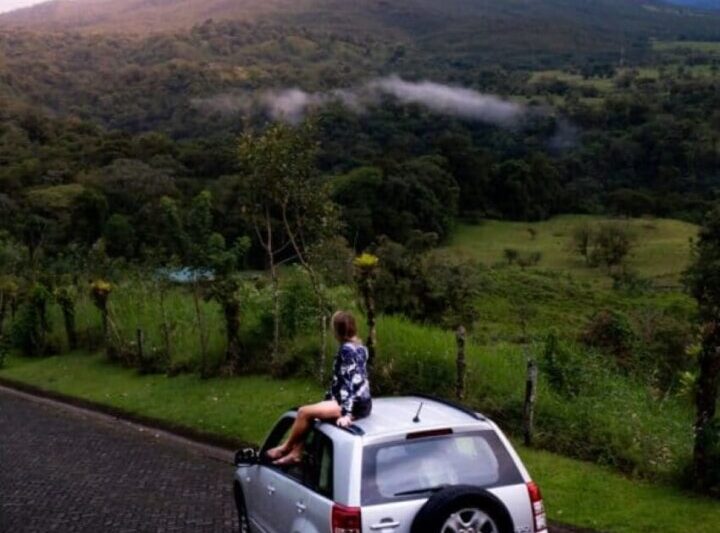
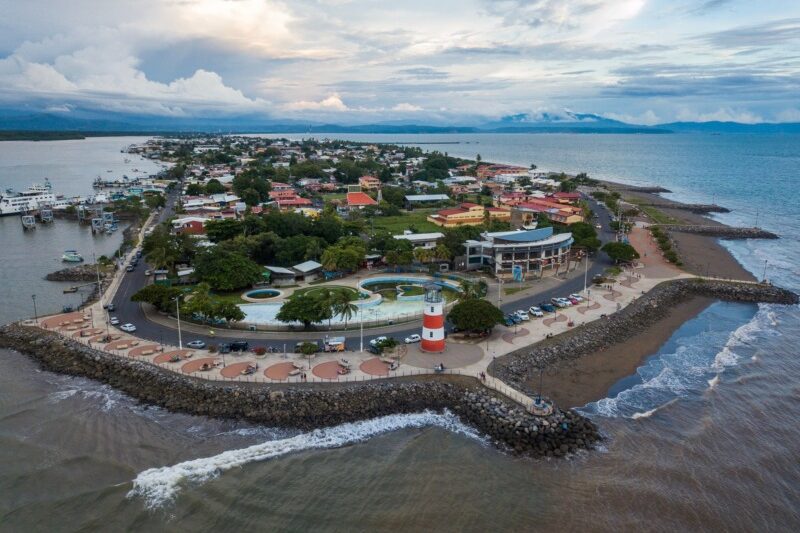
Uvita showcases Costa Rica’s natural artistry where Pacific coastlines form the iconic whale’s tail sandbar at Marino Ballena National Park, a fitting centerpiece for this hub of marine conservation and ocean-focused culture. This developing coastal community balances growth with environmental stewardship through businesses emphasizing sustainability, walkable beachfront areas, and yearly celebrations like the Envision Festival that blend music, art, and ecology. Uvita’s landscape offers dramatic transitions from mountain waterfalls with natural swimming pools to mangrove estuaries and pristine beaches where olive ridley turtles nest seasonally. The town’s evolving identity honors indigenous Boruca heritage through ongoing cultural connections while embracing conscious tourism that preserves the extraordinary biodiversity of its territory on the Costa Ballena. Ocean adventures reveal migrating humpback whales (present during dual northern and southern migrations), colorful reef systems, and secretive mangrove channels teeming with life.
The destination guide
Uvita

National / State Park in Costa Rica, North AmericaUpdated
- Overall8/10
- Best forFamilies, Couples, Adventure seekers
- PeakDec–Mar
- CurrencyCRC
The whale’s tail sandbar at Marino Ballena is real — low tide reveals the full shape, and humpbacks pass twice a year.
At a glance
- Spanish
- Pacific coast
- Tropical rainforest
- Sandy beaches
- Wildlife reserves
How Uvita scores
Editorial scores on a 10-point scale, weighed against destinations of the same kind.
Travel safety snapshot
SafePlace indicators use their source 100-point scale; higher is more favourable. Planning context, not a live travel advisory — check official government guidance before you go.
When to go
Best months to visit: January, February, March, April, November and December.
- January: 23.3 to 28.1 degrees Celsius, 177.3 millimetres of rain, best-time score 5 out of 5.
- February: 23.6 to 29 degrees Celsius, 116.6 millimetres of rain, best-time score 5 out of 5.
- March: 24 to 29.3 degrees Celsius, 119.5 millimetres of rain, best-time score 5 out of 5.
- April: 24.2 to 28.7 degrees Celsius, 311.9 millimetres of rain, best-time score 4 out of 5.
- May: 24.3 to 28.2 degrees Celsius, 497.9 millimetres of rain, best-time score 3 out of 5.
- June: 23.9 to 27.7 degrees Celsius, 602.6 millimetres of rain, best-time score 2 out of 5.
- July: 24 to 27.5 degrees Celsius, 659.5 millimetres of rain, best-time score 2 out of 5.
- August: 23.8 to 27.5 degrees Celsius, 735.4 millimetres of rain, best-time score 2 out of 5.
- September: 23.8 to 27.4 degrees Celsius, 593.7 millimetres of rain, best-time score 2 out of 5.
- October: 23.5 to 27 degrees Celsius, 889.1 millimetres of rain, best-time score 3 out of 5.
- November: 23.5 to 26.8 degrees Celsius, 851 millimetres of rain, best-time score 4 out of 5.
- December: 23.3 to 27.5 degrees Celsius, 354.6 millimetres of rain, best-time score 5 out of 5.
Month-by-month conditions and packing advice
- January
- Warm to hot, rainy Perfect dry and warm weather. Crowds: January in Uvita is one of the wetter periods, so museums, food stops, flexible reservations, and backup indoor plans make the trip easier. Pack: Pack light clothing, sun protection, and comfortable walking shoes. Add a rain jacket or compact umbrella.
- February
- Warm to hot, some rain Excellent beach weather, low humidity. Crowds: February in Uvita is workable with normal seasonal planning; build in layers, weather checks, and a mix of indoor and outdoor activities. Pack: Pack light clothing, sun protection, and comfortable walking shoes. Add a rain jacket or compact umbrella.
- March
- Warm to hot, some rain Slightly warmer but still dry and comfortable. Crowds: March in Uvita is workable with normal seasonal planning; build in layers, weather checks, and a mix of indoor and outdoor activities. Pack: Pack light clothing, sun protection, and comfortable walking shoes. Add a rain jacket or compact umbrella.
- April
- Warm to hot, rainy Getting hotter, transition to wet season begins. Crowds: April in Uvita is one of the wetter periods, so museums, food stops, flexible reservations, and backup indoor plans make the trip easier. Pack: Pack light clothing, sun protection, and comfortable walking shoes. Add a rain jacket or compact umbrella.
- May
- Warm to hot, rainy Hot and humid, rains start increasing. Crowds: May in Uvita is one of the wetter periods, so museums, food stops, flexible reservations, and backup indoor plans make the trip easier. Pack: Pack light clothing, sun protection, and comfortable walking shoes. Add a rain jacket or compact umbrella.
- June
- Warm to hot, rainy Wet season, frequent heavy downpours. Crowds: June in Uvita is one of the wetter periods, so museums, food stops, flexible reservations, and backup indoor plans make the trip easier. Pack: Pack light clothing, sun protection, and comfortable walking shoes. Add a rain jacket or compact umbrella.
- July
- Warm to hot, rainy Peak monsoon/wet season. Crowds: July in Uvita is one of the wetter periods, so museums, food stops, flexible reservations, and backup indoor plans make the trip easier. Pack: Pack light clothing, sun protection, and comfortable walking shoes. Add a rain jacket or compact umbrella.
- August
- Warm to hot, rainy Continuing heavy rains and high humidity. Crowds: August in Uvita is one of the wetter periods, so museums, food stops, flexible reservations, and backup indoor plans make the trip easier. Pack: Pack light clothing, sun protection, and comfortable walking shoes. Add a rain jacket or compact umbrella.
- September
- Warm to hot, rainy Still very wet, risk of storms/typhoons. Crowds: September in Uvita is one of the wetter periods, so museums, food stops, flexible reservations, and backup indoor plans make the trip easier. Pack: Pack light clothing, sun protection, and comfortable walking shoes. Add a rain jacket or compact umbrella.
- October
- Mild to warm, rainy Rains begin to taper off, still humid. Crowds: October in Uvita is one of the wetter periods, so museums, food stops, flexible reservations, and backup indoor plans make the trip easier. Pack: Pack light clothing, sun protection, and comfortable walking shoes. Add a rain jacket or compact umbrella.
- November
- Mild to warm, rainy Start of the dry season, weather improving. Crowds: November in Uvita is one of the wetter periods, so museums, food stops, flexible reservations, and backup indoor plans make the trip easier. Pack: Pack light clothing, sun protection, and comfortable walking shoes. Add a rain jacket or compact umbrella.
- December
- Warm to hot, rainy Fantastic weather, peak tourist season. Crowds: December in Uvita is one of the wetter periods, so museums, food stops, flexible reservations, and backup indoor plans make the trip easier. Pack: Pack light clothing, sun protection, and comfortable walking shoes. Add a rain jacket or compact umbrella.
- December
- January
- February
- March
- September
- October
- May
- June
Know before you go
Neighbourhoods
Uvita Center, Marino Ballena National Park area
Best time to visit
Winter (Dec-March) is the peak for Lapland magic: snow, skiing, huskies, and Auroras. Summer (June-Aug) is best for Helsinki, lakeland cottages, and the Midnight Sun.
Autumn (Sept-Oct) is ‘Ruska’ season, famous for vibrant fall colors and the start of Aurora season before the deep freeze sets in.
Season by season
Spring: Skiing in the north until May, waking nature in the south.
Summer: Music festivals, cottage life, swimming in lakes.
Fall: Ruska (foliage), berry picking, first Auroras.
Winter: Polar Night (Kaamos) in the north, snow sports, cozy fires.
Crowds
Uvita (southern Pacific Costa Rica) is busiest in the dry season December–April and during whale‑watching peaks (July–October for humpbacks), drawing crowded beaches and tours; quietest in September–November during the wet season when tourism drops noticeably.
Getting there and around
Getting there
Drive from San José along the scenic Costanera Sur highway (approx. 3.5-4 hours). Sansa Airlines flies to nearby Quepos/Manuel Antonio.
Getting around
A 4×4 rental car is highly recommended for exploring waterfalls and diverse beaches. Taxis are available but can add up.
Top experiences in Uvita
Marino Ballena National Park & The Whale's Tail
A breathtaking natural formation where two sandy beaches converge during low tide to form a 1-kilometer sandbar shaped precisely like a whale’s tail. The 13,000-acre marine sanctuary protects coral reefs, sea turtles, and migrating humpback whales.
Humpback Whale Watching (Whale Season)
Uvita enjoys the longest humpback whale watching season in the world, welcoming pods migrating from the Southern Hemisphere (July–October) and Northern Hemisphere (December–March) to calve in warm tropical waters.
Uvita Waterfall & Bamboo Natural Slide
A hidden jungle waterfall located just minutes from the village center, featuring a natural rock waterslide where travelers glide down smooth boulders into a deep, refreshing freshwater swimming pool surrounded by tropical canopy.
Playa Ventanas (Window Beach)
A dramatic crescent-shaped beach framed by sea cliffs containing natural cave caverns (‘windows’) carved by waves, where visitors can walk through the caves to the crashing ocean during low tide.
Nauyaca Waterfalls Excursion
Located a short drive inland in the Baru River canyon, Nauyaca features two majestic tiers of cascades dropping over 200 feet into a massive, 1,000-square-meter natural swimming pool framed by lush jungle.
Editor-curated picks carried over from our original guide. Where a full place guide exists, the card links to it.
Worth booking ahead in Uvita
Hand-picked from the operators our guides already send readers to. Prices and availability are live on the partner site.
BrowseViator
Tours and tickets in Uvita on Viator (opens Viator in a new tab)
Viator's full list of bookable tours and tickets in Uvita.
BrowseGetYourGuide
Experiences in Uvita on GetYourGuide (opens GetYourGuide in a new tab)
Everything GetYourGuide sells in Uvita, with the cancellation terms on each listing.
Where to stayBooking.com
Stays in Uvita (opens Booking.com in a new tab)
Live rates and availability for Uvita on Booking.com; filter by neighbourhood once you know where your days start.
We earn a commission if you book through these links, at no extra cost to you. It is how we keep the guides free and independent.
Where to stay
Kura Boutique Hotel
Private Road, Uvita, Osa, Puntarenas, 60504, Costa Rica
An exclusive adult-only eco-luxury resort perched on a coastal mountain ridge, featuring minimalist tropical architecture, an infinity pool overlooking the Whale’s Tail, and open-air rainforest dining.
Arctic TreeHouse Hotel
Tarvantie 3, 96930 Rovaniemi, Finland
Arctic TreeHouse Hotel offers a unique blend of exclusive comfort and immersion in Arctic nature. Located in Rovaniemi, the suites are shingle-covered nest-like pods standing on tall poles, featuring floor-to-ceiling windows facing north. It allows guests to watch the Northern Lights or the Midnight Sun from the comfort of their bed, wrapped in high-quality Lappish design.
Kakslauttanen Arctic Resort
Kiilopääntie 9, 99830 Saariselkä, Finland
Kakslauttanen Arctic Resort is world-famous for its glass igloos, which allow you to fall asleep watching the starry sky and potential Auroras without freezing. Located deep in the Saariselkä wilderness, it offers a magical experience combining the rustic charm of log cabins with the futuristic appeal of the igloos. It’s a bucket-list stay for winter adventurers.
Editor-curated stays carried over from our original guide. Where we have reviewed the hotel, the card links to the review.
Tips from the field
Highlights
- Marino Ballena National Park — The iconic Whale's Tail sandbar visible and walkable at low tide
- Year-Round Whale Watching — World's longest humpback migration season from Antarctic and Arctic waters
- Uvita Waterfall — Natural mossy rock waterslide and secluded jungle swimming pool
- Playa Ventanas — Sea caves carved into coastal cliffs with spectacular wave surges
- Nauyaca Waterfalls — Towering two-tier jungle waterfalls with deep natural swimming lagoons
- Pristine Pacific Coastline — Uncrowded golden sand beaches flanked by dense primary rainforest
Best activities
- Sauna: Experience a traditional smoke sauna and dip in a frozen lake (avanto) for the ultimate rush. Husky Sledding: Drive your own team of dogs across the snowy taiga in Lapland.
- Foraging: In summer/autumn, Everyman's Right allows you to pick berries and mushrooms anywhere in the forests. Night Train: Take the 'Santa Claus Express' double-decker sleeper train from Helsinki to Rovaniemi.
Practical tips
- Clothing: In winter, layers are non-negotiable. Merino wool base layers, mid-layers, and windproof outer shells. Jeans are useless in the cold.
- Coffee: Finns drink more coffee per capita than anyone else. Filter coffee (Kahvi) is served everywhere.
- Alcohol: Strong alcohol is only sold in state-run 'Alko' shops, which close early (especially Sundays).
- Tipping: Not expected. Service is included in the bill. Rounding up is polite but optional.
Photography tips
- Northern Lights: Bring a tripod and use a fast wide-angle lens (f/2.8 or lower). Manual focus on infinity.
- Blue Hour: In winter, the 'day' is mostly a long, magical blue twilight perfect for cityscapes.
- Snow: Overexpose by +1 stop to keep snow looking white, not grey. Keep batteries warm (inside your jacket) as cold drains them fast.
- Rock Church: Use a wide-angle lens to capture the copper dome and rock walls in one frame.
Keeping it authentic
- Authentic Finnish culture is synonymous with 'Sisu' (stoic determination) and the sauna. There are over 3 million saunas for 5.5 million people
- it is a place of cleansing, negotiation, and socializing. Silence is valued here
- pauses in conversation are comfortable, not awkward. The indigenous Sámi culture in the north maintains its unique linguistic and reindeer-herding heritage, protected and celebrated in places like Inari.
Culture, customs and safety
Cultural heritage
Uvita embodies Costa Rica Pura Vida philosophy through sustainable coastal development preserving both marine ecosystems and rural Tico culture. The community maintains traditional farming alongside eco-tourism, with local families operating sodas serving casados and fresh tropical fruits. Whale Tail formation at Marino Ballena National Park holds indigenous spiritual significance. Environmental education centers blend conservation science with traditional knowledge. The annual Envision Festival celebrates conscious living through music, yoga, and permaculture, creating unique fusion of indigenous wisdom and modern sustainability practices.
Local customs & etiquette
Uvita is a relaxed, nature-focused community. Respect wildlife and ‘leave no trace’ at beaches and waterfalls.
Safety notes
Finland is one of the safest countries in the world.
Cold: Hypothermia is a real risk. Dress appropriately and keep an eye on frostbite (white patches on skin) in extreme cold (-20°F).
Wildlife: Moose on roads are a major driving hazard, especially at dawn/dusk.
Ice: Walking on frozen sea/lakes is popular but ensure the ice is safe (locals usually mark paths).
Crime: Virtually non-existent, though typical capital city awareness in Helsinki applies.