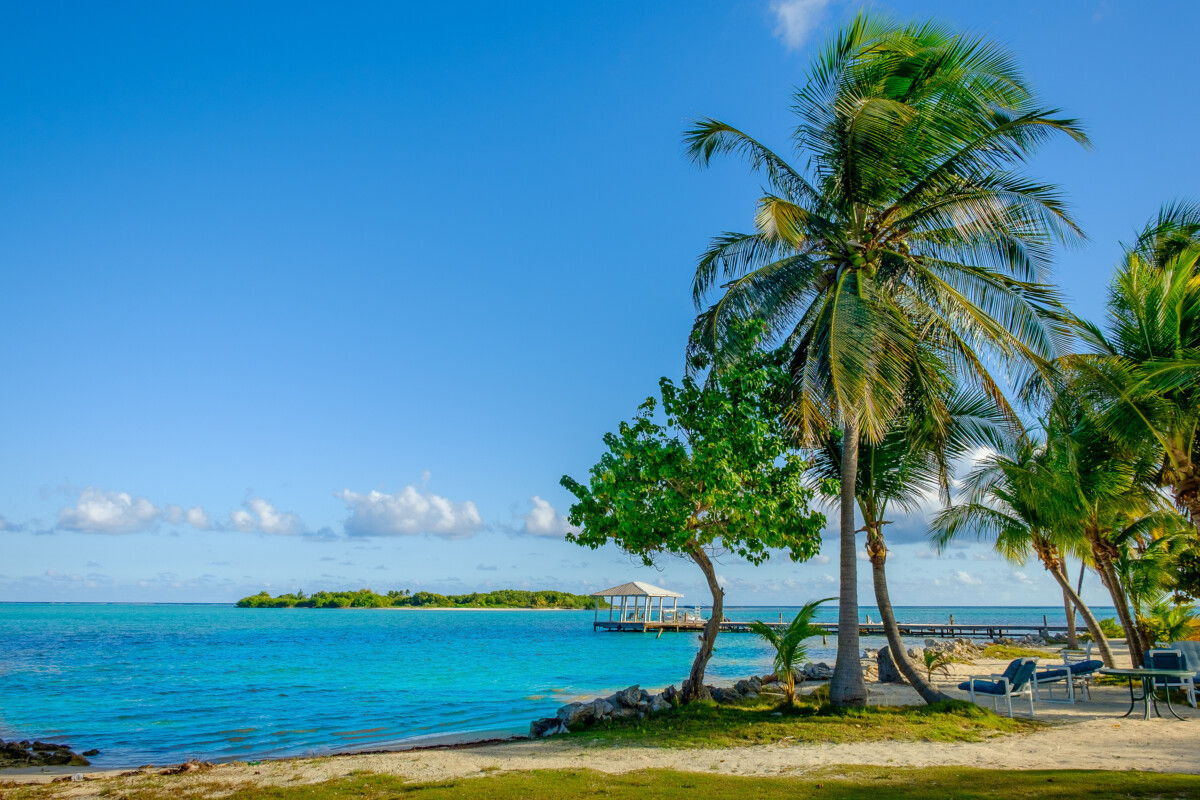
The Cayman Islands present a sophisticated Caribbean experience combining exceptional marine biodiversity with upscale infrastructure across three distinct islands surrounded by pristine waters. Grand Cayman, the largest and most developed island, balances its status as an international financial center with natural attractions like Seven Mile Beach’s powdery white sand and the world-famous Stingray City, where southern stingrays gracefully glide among swimmers in crystal-clear shallows. The territory’s underwater wonders define its global reputation, with over 365 dive sites featuring dramatic wall dives that plunge thousands of feet into the Cayman Trench, vibrant coral gardens, and historic shipwrecks including the USS Kittiwake, an intentionally sunk vessel creating an artificial reef ecosystem. Culinary excellence distinguishes the Caymans from other Caribbean destinations, with restaurants ranging from sophisticated fine dining to casual seafood shacks serving fresh catch prepared with influences from Jamaica, Britain, and international cuisines. Cayman Brac and Little Cayman offer more secluded experiences for nature enthusiasts, with the former featuring dramatic limestone bluffs ideal for rock climbing and hiking, while tiny Little Cayman hosts a globally significant breeding population of red-footed boobies and the renowned Bloody Bay Wall marine reserve. Throughout the islands, a blend of British colonial heritage and Caribbean traditions manifests in colorful architecture, protected historic sites, and cultural events like Carnival-inspired Batabano festivities. Conservation efforts protect both marine environments and endemic species such as the blue iguana, which visitors can observe at dedicated recovery facilities, creating a destination that balances luxury tourism with environmental consciousness.
The destination guide
Cayman Islands
Country in North AmericaUpdated
- Overall8/10
- Best forCouples, Adventure seekers, Luxury travelers
- CurrencyKYD
Stingray City is the tourist trap that actually delivers. The wall dives off Little Cayman, though — that’s what serious divers fly here for.
At a glance
- English
- Caribbean islands
- Turquoise waters
- Coral reefs
- Mangrove wetlands
- Beach
- Diving
- Snorkeling
- Marine Life
- Luxury
- Caribbean
How Cayman Islands scores
Editorial scores on a 10-point scale, weighed against destinations of the same kind.
Travel safety snapshot
SafePlace indicators use their source 100-point scale; higher is more favourable. Planning context, not a live travel advisory — check official government guidance before you go.
When to go
Best months to visit: January, February, March, April, May, June, July, November and December.
- January: 24.5 to 27.4 degrees Celsius, 36.7 millimetres of rain, best-time score 5 out of 5.
- February: 24.5 to 27.7 degrees Celsius, 41.9 millimetres of rain, best-time score 5 out of 5.
- March: 24.7 to 28.2 degrees Celsius, 52.5 millimetres of rain, best-time score 5 out of 5.
- April: 25.3 to 29.1 degrees Celsius, 52.2 millimetres of rain, best-time score 5 out of 5.
- May: 26 to 29.8 degrees Celsius, 106.3 millimetres of rain, best-time score 4 out of 5.
- June: 26.6 to 30.1 degrees Celsius, 146 millimetres of rain, best-time score 4 out of 5.
- July: 27.2 to 31.1 degrees Celsius, 64.3 millimetres of rain, best-time score 4 out of 5.
- August: 27.2 to 31.2 degrees Celsius, 101.5 millimetres of rain, best-time score 3 out of 5.
- September: 27.1 to 30.9 degrees Celsius, 117.2 millimetres of rain, best-time score 2 out of 5.
- October: 26.4 to 29.8 degrees Celsius, 151.8 millimetres of rain, best-time score 2 out of 5.
- November: 25.8 to 28.7 degrees Celsius, 114.8 millimetres of rain, best-time score 4 out of 5.
- December: 25.3 to 28 degrees Celsius, 49.3 millimetres of rain, best-time score 5 out of 5.
Month-by-month conditions and packing advice
- January
- Warm to hot, occasional rain January in Cayman Islands: dry-season beaches, diving, snorkeling, boating, restaurants, and island stays are most reliable. Crowds: January in Cayman Islands is comfortable for sightseeing, neighborhoods, food stops, day trips, and outdoor time with limited weather friction. Pack: Pack light clothing, sun protection, and comfortable walking shoes.
- February
- Warm to hot, occasional rain February in Cayman Islands: dry-season beaches, diving, snorkeling, boating, restaurants, and island stays are most reliable. Crowds: February in Cayman Islands is comfortable for sightseeing, neighborhoods, food stops, day trips, and outdoor time with limited weather friction. Pack: Pack light clothing, sun protection, and comfortable walking shoes.
- March
- Warm to hot, occasional rain March in Cayman Islands: dry-season beaches, diving, snorkeling, boating, restaurants, and island stays are most reliable. Crowds: March in Cayman Islands is comfortable for sightseeing, neighborhoods, food stops, day trips, and outdoor time with limited weather friction. Pack: Pack light clothing, sun protection, and comfortable walking shoes.
- April
- Warm to hot, occasional rain April in Cayman Islands: dry-season beaches, diving, snorkeling, boating, restaurants, and island stays are most reliable. Crowds: April in Cayman Islands is workable with normal seasonal planning; build in layers, weather checks, and a mix of indoor and outdoor activities. Pack: Pack light clothing, sun protection, and comfortable walking shoes.
- May
- Warm to hot, some rain May in Cayman Islands: shoulder timing can bring value, warm water, and manageable rain risk. Crowds: May in Cayman Islands is workable with normal seasonal planning; build in layers, weather checks, and a mix of indoor and outdoor activities. Pack: Pack light clothing, sun protection, and comfortable walking shoes. Add a rain jacket or compact umbrella.
- June
- Warm to hot, rainy June in Cayman Islands: shoulder timing can bring value, warm water, and manageable rain risk. Crowds: June in Cayman Islands is one of the wetter periods, so museums, food stops, flexible reservations, and backup indoor plans make the trip easier. Pack: Pack light clothing, sun protection, and comfortable walking shoes. Add a rain jacket or compact umbrella.
- July
- Warm to hot, occasional rain July in Cayman Islands: shoulder timing can bring value, warm water, and manageable rain risk. Crowds: July in Cayman Islands is workable with normal seasonal planning; build in layers, weather checks, and a mix of indoor and outdoor activities. Pack: Pack light clothing, sun protection, and comfortable walking shoes.
- August
- Warm to hot, some rain August in Cayman Islands: storm-season risk increases, so flexible plans and insurance matter. Crowds: August in Cayman Islands is workable with normal seasonal planning; build in layers, weather checks, and a mix of indoor and outdoor activities. Pack: Pack light clothing, sun protection, and comfortable walking shoes. Add a rain jacket or compact umbrella.
- September
- Warm to hot, some rain September in Cayman Islands: peak hurricane-season risk makes island travel less dependable. Crowds: September in Cayman Islands is workable with normal seasonal planning; build in layers, weather checks, and a mix of indoor and outdoor activities. Pack: Pack light clothing, sun protection, and comfortable walking shoes. Add a rain jacket or compact umbrella.
- October
- Warm to hot, rainy October in Cayman Islands: peak hurricane-season risk makes island travel less dependable. Crowds: October in Cayman Islands is one of the wetter periods, so museums, food stops, flexible reservations, and backup indoor plans make the trip easier. Pack: Pack light clothing, sun protection, and comfortable walking shoes. Add a rain jacket or compact umbrella.
- November
- Warm to hot, some rain November in Cayman Islands: shoulder timing can bring value, warm water, and manageable rain risk. Crowds: November in Cayman Islands is workable with normal seasonal planning; build in layers, weather checks, and a mix of indoor and outdoor activities. Pack: Pack light clothing, sun protection, and comfortable walking shoes. Add a rain jacket or compact umbrella.
- December
- Warm to hot, occasional rain December in Cayman Islands: dry-season beaches, diving, snorkeling, boating, restaurants, and island stays are most reliable. Crowds: December in Cayman Islands is comfortable for sightseeing, neighborhoods, food stops, day trips, and outdoor time with limited weather friction. Pack: Pack light clothing, sun protection, and comfortable walking shoes.
Know before you go
Best time to visit
November through April for dry season and comfortable beach weather. June-November is hurricane season — prices drop but storms are possible.
Season by season
Dry season (Dec–Apr): sunny and warm (75–85°F), low humidity, peak tourist season, highest prices. Shoulder (May–Jun, Nov): warmer, brief afternoon showers, fewer crowds, moderate prices. Wet/Hurricane season (Jul–Oct): hottest months (85–90°F), sporadic heavy rain, cheapest rates, lowest crowds, occasional tropical storms.
Crowds
High (December–April), Moderate (May–June, November), Low (July–October)
Getting there and around
Getting there
Cayman Islands are easily accessible by air, located just one hour flight from Miami. Primary gateway is Owen Roberts International Airport (GCM) on Grand Cayman, with smaller Charles Kirkconnell International Airport (CYB) on Cayman Brac. Major airlines including American, Delta, United, British Airways, and national carrier Cayman Airways offer non-stop flights from major U.S., Canadian, and UK hubs. Sea travel popular with Grand Cayman being frequent cruise line port of call. U.S., UK, and Canadian citizens need no visa for 30-day tourist stays but require valid passport and customs declaration form upon entry.
Getting around
Getting around the Cayman Islands is refreshingly straightforward, though it’s worth noting that the islands lack metros or trams. Public minibuses—clearly marked with color-coded numbers—operate on set routes mainly around Grand Cayman, with affordable fares paid directly to the driver, but they run less frequently in the evening and on Sundays. While walking is pleasant in compact areas like George Town and Seven Mile Beach, distances between attractions and the tropical heat make it impractical for long stretches. Taxis are plentiful but not metered—so always agree on the fare upfront—and while rideshare apps like Uber or Lyft aren’t available, many hotels can help pre-arrange transfers; rental cars are a smart option for exploring beyond the main resorts, especially in quieter areas like East End or the Sister Islands.
Top experiences in Cayman Islands
Seven Mile Beach
A crescent of powdery white sand stretching roughly 5.5 miles along Grand Cayman’s west coast, lined with resorts, beach bars, and calm turquoise water. Public access points dot the shoreline, and sunset cocktails are a nightly ritual.
Stingray City Sandbar
A shallow sandbar in the North Sound where dozens of friendly southern stingrays gather around snorkelers and waders. Boat excursions from Seven Mile Beach take about 25 minutes each way. Hands-on interaction with the rays—touching, feeding, and even holding them—draws more than a million visitors a year.
Cayman Crystal Caves
A guided tour through three ancient caves filled with stalactites, stalagmites, and subtropical forest above. The caves sit within 62 acres of protected woodland in Old Man Bay on the north coast of Grand Cayman.
Queen Elizabeth II Botanic Park
A 65-acre botanical garden in the eastern district of Grand Cayman, home to rare blue iguanas, heritage gardens, a woodland trail, and a reconstructed traditional Caymanian cottage. The Blue Iguana Conservation Facility operates a successful breeding program for the critically endangered species.
Rum Point
A palm-fringed beach and pier on the north shore of Grand Cayman, known for its bioluminescent bay, hammocks, a casual beach bar, and calm, family-friendly swimming. Night kayak tours through the glowing water are one of the island’s most memorable experiences.
Editor-curated picks carried over from our original guide. Where a full place guide exists, the card links to it.
Worth booking ahead in Cayman Islands
Hand-picked from the operators our guides already send readers to. Prices and availability are live on the partner site.
BrowseViator
Tours and tickets in Cayman Islands on Viator (opens Viator in a new tab)
Viator's full list of bookable tours and tickets in Cayman Islands.
BrowseGetYourGuide
Experiences in Cayman Islands on GetYourGuide (opens GetYourGuide in a new tab)
Everything GetYourGuide sells in Cayman Islands, with the cancellation terms on each listing.
Where to stayBooking.com
Stays in Cayman Islands (opens Booking.com in a new tab)
Live rates and availability for Cayman Islands on Booking.com; filter by neighbourhood once you know where your days start.
We earn a commission if you book through these links, at no extra cost to you. It is how we keep the guides free and independent.
Where to stay
The Ritz-Carlton, Grand Cayman
Seven Mile Beach, Grand Cayman, Cayman Islands
A 375-room luxury beachfront resort on Seven Mile Beach with a 9-hole golf course, La Prairie Spa, five restaurants, three pools, a kids’ club, and a PADI dive center. The resort hosts the Cayman Cookout culinary festival each January.
Kimpton Seafire Resort + Spa
60 Tanager Way, Seven Mile Beach, Grand Cayman, Cayman Islands
A 266-room design-forward resort on Seven Mile Beach featuring a rooftop infinity pool, Coccoloba restaurant, a spa, and direct beach access. Its modern Caribbean architecture and adults-only pool make it a favorite with couples.
The Westin Grand Cayman Seven Mile Beach Resort & Spa
2221 West Bay Road, Seven Mile Beach, Grand Cayman, Cayman Islands
A 343-room full-service resort on Seven Mile Beach with multiple pools, a kids’ club, Ferdinand’s restaurant, a dive shop, and spacious ocean-view rooms. A solid mid-range option with all-inclusive packages available.
Editor-curated stays carried over from our original guide. Where we have reviewed the hotel, the card links to the review.
Tips from the field
Highlights
- Seven Mile Beach – Pristine white sand
- Stingray City Sandbar – Hands-on stingray encounters
- Bioluminescent Bay – Glowing night kayaking
- Crystal Caves – Ancient stalactite chambers
- USS Kittiwake – Shipwreck diving
- Blue Iguana Conservation – Endemic species recovery
Best activities
- Snorkel with stingrays at Stingray City Sandbar, swim the length of Seven Mile Beach, scuba dive the USS Kittiwake shipwreck, kayak through the bioluminescent bay at Rum Point, explore Cayman Crystal Caves, visit blue iguanas at the Botanic Park, and sample conch fritters at a George Town waterfront restaurant.
Local experiences
- Wade with wild stingrays at the Stingray City Sandbar, paddle a bioluminescent kayak through Rum Point's glowing waters at night, or sample fresh lionfish ceviche at a waterfront shack in George Town.
Practical tips
- US dollars are accepted everywhere, but change may come in Cayman dollars (KYD).
- Driving is on the left; a temporary local license is needed.
- Hurricane season runs June through November—check forecasts.
- Tap water is desalinated and safe to drink.
- Reef-safe sunscreen is strongly encouraged to protect corals.
- Book Stingray City and bioluminescent bay tours in advance.
Photography tips
- Seven Mile Beach is most photogenic in the hour before sunset, when the light turns the water deep turquoise and the sky pink-gold. Underwater housing or a waterproof action camera is essential for Stingray City shots—shoot upward with the stingrays silhouetted against the surface light. The Crystal Caves are dark
- use a tripod or high ISO (3200+) for stalactite details. For bioluminescence, use a fast prime lens wide open (f/1.4–f/2.0), ISO 6400, and 1–4 second exposures.
Timing
- Three days cover Seven Mile Beach, Stingray City, the Crystal Caves, and George Town's waterfront dining. Five days add a dive trip to the USS Kittiwake, a bioluminescent bay kayak tour, and a day trip to Cayman Brac or Little Cayman. A week allows a relaxed pace with spa time and repeat dives.
Keeping it authentic
- The Cayman Islands have no income tax, which brought international banking but also preserved a relaxed Caribbean rhythm unlike resort-heavy neighbors. Caymanian culture revolves around the sea—turtle farming dates back centuries, and seafood traditions like conch stew and turtle soup persist. Local architecture blends colonial British heritage with Caribbean color. The protected mangrove forests and coral reef systems remain some of the healthiest in the Caribbean thanks to strict marine park regulations.
Culture, customs and safety
Cultural heritage
Caymanian culture blends British colonial, African, and Caribbean influences into a distinct maritime heritage. Traditional quadrille dances and folk songs preserve European-African fusion music, while the Cayman Islands Folk Singers maintain musical traditions. Unique Caymanian English dialect combines English, Spanish, and African languages. Architecture features colorful wooden houses with intricate gingerbread detailing, from traditional Cayman Brac cottages to grand Pedro St. James. Maritime cuisine centers on turtle, conch, and fresh fish prepared with locally-made Cayman sea salt. Community traditions include Easter beachside camping, family weekend beach outings, and Christmas sand ceremonies. Christian values remain central, with Sundays as sacred days when live music and dancing are prohibited in bars. Annual Pirates Week Festival and Agriculture Show celebrate local heritage, while the National Museum preserves intuitive art, ceramics, and decorated objects by self-taught Caymanian artists.
Local customs & etiquette
Cayman Islands culture blends British heritage with Afro-Caribbean traditions, creating a modern yet conservative society. Caymanians are known for kindness and quiet Christian morality – Sunday remains sacred when dancing and live music are not permitted in bars, and most businesses close. The islands identity is inextricably linked to the sea, reflecting maritime heritage through Catboat regattas and water-centered tourism. This maritime tradition heavily influences local cuisine featuring turtle, conch, and fish like grouper, often with Jamaican influences such as jerk seasoning. While a global financial hub with diverse expat population, strong national pride and family heritage are steadfastly maintained.
Safety notes
The Cayman Islands have one of the lowest violent-crime rates in the Caribbean, though petty theft (bag snatching, car break-ins) occurs in tourist areas. Lock valuables in your hotel safe and avoid leaving belongings unattended on the beach. Drive on the left and watch for iguanas crossing the road. Strong rip currents form along Seven Mile Beach during rough weather; swim near lifeguard stations. Hurricane season runs June through November—monitor local weather advisories. Medical care at the George Town Hospital is good by regional standards, but travel insurance with medical evacuation is recommended.