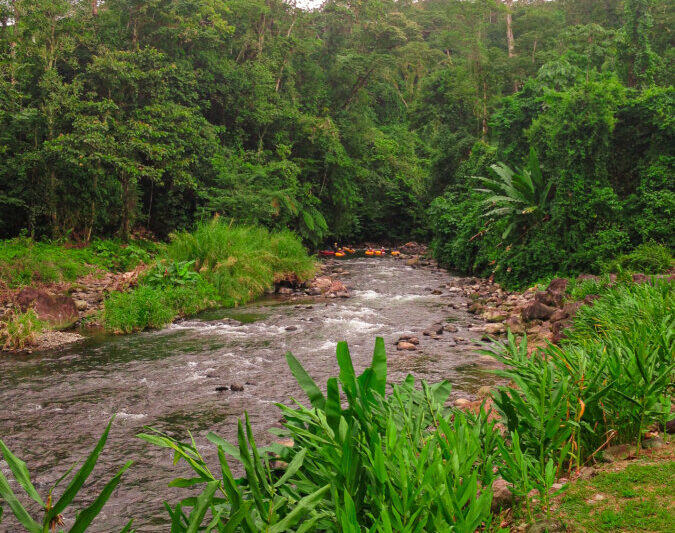
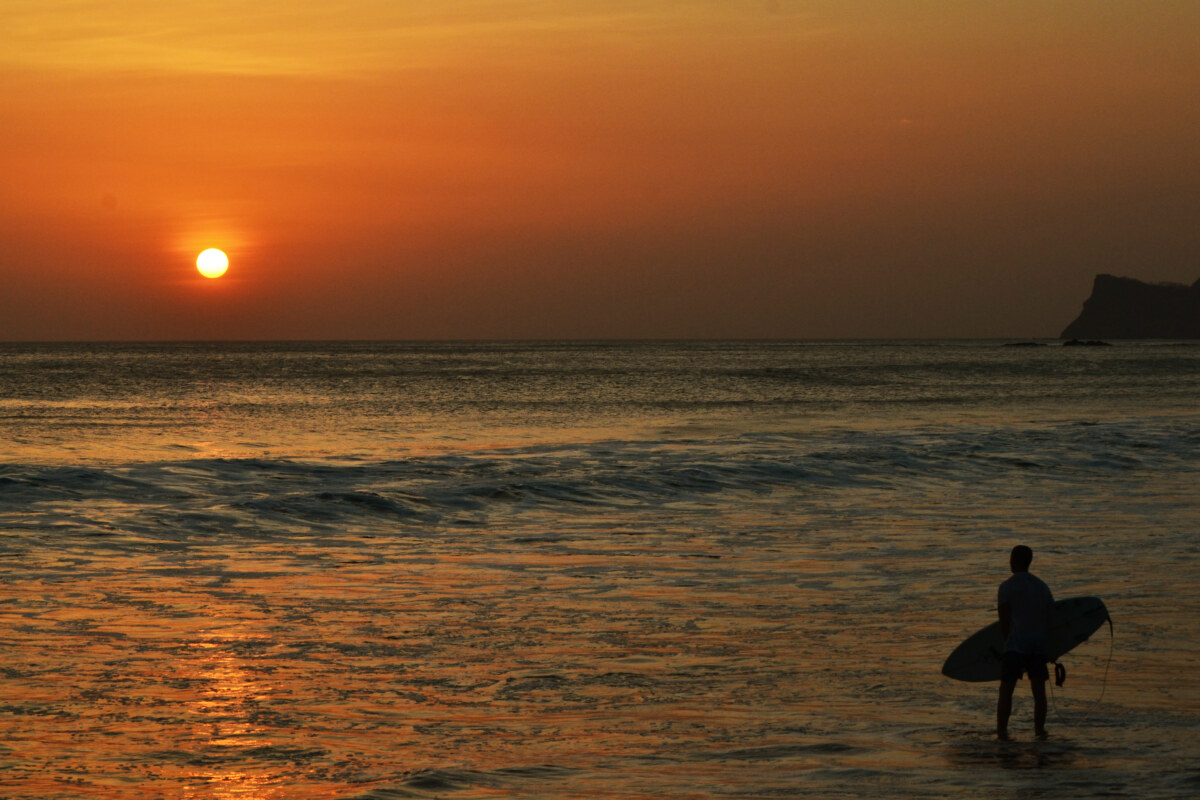
Nicaragua enchants visitors with its dramatic volcanic landscapes, pristine beaches on both Caribbean and Pacific shores, and vibrant colonial cities that remain refreshingly authentic. Explore the cobblestone streets and colorful architecture of Granada, surf world-class waves at San Juan del Sur, or hike through cloud forests in the northern mountains. Adventure seekers can volcano-board down the slopes of Cerro Negro or navigate the Rio San Juan’s lush jungle waterways. With fewer crowds than neighboring countries, Nicaragua offers travelers genuine cultural experiences, abundant natural beauty, and the warmth of locals eager to share their fascinating heritage and evolving story.
The destination guide
Nicaragua
Country in North AmericaUpdated
- Overall6/10
- Best forCouples, Families
- PeakJan, Feb, Mar, Jul
- CurrencyNIO
Nicaragua gets overlooked for Costa Rica and Guatemala. That’s exactly why it’s worth going now — fewer crowds, lower prices, same volcanoes.
Travel guides for Nicaragua
More guides featuring Nicaragua (3)
At a glance
CurrencyNIO
Time zoneManagua UTC-06:00America/Managua UTC-06:00
Languages
- Spanish
Setting
- Volcanic lakes
- Tropical forests
- Pacific and Caribbean coasts
- Island volcanoes
Population6.9M6,948,392 residents
VisaDuration: No tourist visa required for stays of 90 days or fewer · Documents: Valid U.S. passport for the length of stay and one blank page per stamp
How Nicaragua scores
6/10OverallFair
Weather3/10
Value for money4/10
Safety4/10
Food & cuisine10/10
Culture & arts6/10
Cultural experience7/10
History3/10
Nature & outdoors4/10
Adventure4/10
Nightlife4/10
Shopping4/10
Family friendly5/10
Romance7/10
Character
Photography score9/10
Authenticity score10/10
Off-the-beaten-path score5/10
Editorial scores on a 10-point scale, weighed against destinations of the same kind.
Travel safety snapshot
Overall60/100Exercise precaution
Women travellers58/100
LGBTQ+ travellers35/100
Theft55/100
Medical care50/100
Physical harm60/100
Political freedom50/100
SafePlace indicators use their source 100-point scale; higher is more favourable. Planning context, not a live travel advisory — check official government guidance before you go.
When to go
Best months to visit: January, February, March, April, May, November and December.
- January: 20.2 to 26.8 degrees Celsius, 72.1 millimetres of rain, best-time score 5 out of 5.
- February: 20 to 27.7 degrees Celsius, 66.2 millimetres of rain, best-time score 5 out of 5.
- March: 20.6 to 29.6 degrees Celsius, 50.6 millimetres of rain, best-time score 5 out of 5.
- April: 21.7 to 31.6 degrees Celsius, 51.9 millimetres of rain, best-time score 4 out of 5.
- May: 22.6 to 31 degrees Celsius, 211.2 millimetres of rain, best-time score 4 out of 5.
- June: 22.1 to 28.4 degrees Celsius, 308.3 millimetres of rain, best-time score 3 out of 5.
- July: 22 to 27.7 degrees Celsius, 235.2 millimetres of rain, best-time score 3 out of 5.
- August: 22 to 28.3 degrees Celsius, 246.3 millimetres of rain, best-time score 3 out of 5.
- September: 21.9 to 28.8 degrees Celsius, 242.5 millimetres of rain, best-time score 2 out of 5.
- October: 21.6 to 28.4 degrees Celsius, 332.9 millimetres of rain, best-time score 2 out of 5.
- November: 21.2 to 27.5 degrees Celsius, 190.5 millimetres of rain, best-time score 4 out of 5.
- December: 20.6 to 26.6 degrees Celsius, 108.1 millimetres of rain, best-time score 5 out of 5.
Month-by-month conditions and packing advice
- January
- Mild to warm, some rain January in Nicaragua: dry-season beaches, volcanoes, colonial cities, lakes, surfing, and road trips are most reliable. Crowds: January in Nicaragua is workable with normal seasonal planning; build in layers, weather checks, and a mix of indoor and outdoor activities. Pack: Pack light clothing, sun protection, and comfortable walking shoes. Add a rain jacket or compact umbrella.
- February
- Warm to hot, occasional rain February in Nicaragua: dry-season beaches, volcanoes, colonial cities, lakes, surfing, and road trips are most reliable. Crowds: February in Nicaragua is comfortable for sightseeing, neighborhoods, food stops, day trips, and outdoor time with limited weather friction. Pack: Pack light clothing, sun protection, and comfortable walking shoes.
- March
- Warm to hot, occasional rain March in Nicaragua: dry-season beaches, volcanoes, colonial cities, lakes, surfing, and road trips are most reliable. Crowds: March in Nicaragua is workable with normal seasonal planning; build in layers, weather checks, and a mix of indoor and outdoor activities. Pack: Pack light clothing, sun protection, and comfortable walking shoes.
- April
- Warm to hot, occasional rain April in Nicaragua: early or late dry-season timing can work well with greener scenery or warmer days. Crowds: April in Nicaragua is workable with normal seasonal planning; build in layers, weather checks, and a mix of indoor and outdoor activities. Pack: Pack light clothing, sun protection, and comfortable walking shoes.
- May
- Warm to hot, rainy May in Nicaragua: early or late dry-season timing can work well with greener scenery or warmer days. Crowds: May in Nicaragua is one of the wetter periods, so museums, food stops, flexible reservations, and backup indoor plans make the trip easier. Pack: Pack light clothing, sun protection, and comfortable walking shoes. Add a rain jacket or compact umbrella.
- June
- Warm to hot, rainy June in Nicaragua: rainy-season travel can still work with flexible mornings and regional planning. Crowds: June in Nicaragua is one of the wetter periods, so museums, food stops, flexible reservations, and backup indoor plans make the trip easier. Pack: Pack light clothing, sun protection, and comfortable walking shoes. Add a rain jacket or compact umbrella.
- July
- Warm to hot, rainy July in Nicaragua: rainy-season travel can still work with flexible mornings and regional planning. Crowds: July in Nicaragua is one of the wetter periods, so museums, food stops, flexible reservations, and backup indoor plans make the trip easier. Pack: Pack light clothing, sun protection, and comfortable walking shoes. Add a rain jacket or compact umbrella.
- August
- Warm to hot, rainy August in Nicaragua: rainy-season travel can still work with flexible mornings and regional planning. Crowds: August in Nicaragua is one of the wetter periods, so museums, food stops, flexible reservations, and backup indoor plans make the trip easier. Pack: Pack light clothing, sun protection, and comfortable walking shoes. Add a rain jacket or compact umbrella.
- September
- Warm to hot, rainy September in Nicaragua: peak rain makes roads, beaches, and outdoor logistics less dependable. Crowds: September in Nicaragua is one of the wetter periods, so museums, food stops, flexible reservations, and backup indoor plans make the trip easier. Pack: Pack light clothing, sun protection, and comfortable walking shoes. Add a rain jacket or compact umbrella.
- October
- Warm to hot, rainy October in Nicaragua: peak rain makes roads, beaches, and outdoor logistics less dependable. Crowds: October in Nicaragua is one of the wetter periods, so museums, food stops, flexible reservations, and backup indoor plans make the trip easier. Pack: Pack light clothing, sun protection, and comfortable walking shoes. Add a rain jacket or compact umbrella.
- November
- Warm to hot, rainy November in Nicaragua: early or late dry-season timing can work well with greener scenery or warmer days. Crowds: November in Nicaragua is one of the wetter periods, so museums, food stops, flexible reservations, and backup indoor plans make the trip easier. Pack: Pack light clothing, sun protection, and comfortable walking shoes. Add a rain jacket or compact umbrella.
- December
- Mild to warm, some rain December in Nicaragua: dry-season beaches, volcanoes, colonial cities, lakes, surfing, and road trips are most reliable. Crowds: December in Nicaragua is workable with normal seasonal planning; build in layers, weather checks, and a mix of indoor and outdoor activities. Pack: Pack light clothing, sun protection, and comfortable walking shoes. Add a rain jacket or compact umbrella.
Peak season
- December
- January
- February
- March
- July
- August
Off-peak
- September
- October
- April
- May
- June
- November
Know before you go
Best time to visit
Nov-May (dry season) for sunshine and comfortable temps. Dec-Feb peak. Avoid Sep-Oct (heaviest rain). Easter/Holy Week and Christmas are busy travel periods.
Crowds
Nicaragua’s high season runs November–April with peak crowds December–February and around Semana Santa; low season is May–October (rainy season) when beaches and colonial towns are much quieter, overall relatively low to moderate tourism compared with regional neighbors.
Getting there and around
Getting there
Fly to Managua (MGA). Local flights to Corn Islands. Chicken buses for budget travel. Shuttles between Granada and León. Ferries to Ometepe Island.
Top experiences in Nicaragua
Granada Colonial Center
Historic City
Ometepe Island
Nature & Culture
Cerro Negro (Volcano Boarding)
Adventure
Masaya Volcano
Volcano
Corn Islands
Beach & Diving
Editor-curated picks carried over from our original guide. Where a full place guide exists, the card links to it.
Worth booking ahead in Nicaragua
Hand-picked from the operators our guides already send readers to. Prices and availability are live on the partner site.
BrowseViator
Tours and tickets in Nicaragua on Viator (opens Viator in a new tab)
Viator's full list of bookable tours and tickets in Nicaragua.
BrowseGetYourGuide
Experiences in Nicaragua on GetYourGuide (opens GetYourGuide in a new tab)
Everything GetYourGuide sells in Nicaragua, with the cancellation terms on each listing.
Where to stayBooking.com
Stays in Nicaragua (opens Booking.com in a new tab)
Live rates and availability for Nicaragua on Booking.com; filter by neighbourhood once you know where your days start.
We earn a commission if you book through these links, at no extra cost to you. It is how we keep the guides free and independent.
Where to stay
Hotel Plaza Colon (Granada)
Km 11.5 Carretera Masaya, Managua, Nicaragua
Colonial Hotel – Mid-Range
Hotel El Convento (León)
San Juan del Sur, Rivas, Nicaragua
Boutique Hotel – Mid-Range
Hostel De Boca en Boca (Granada)
Isla de Ometepe, Rivas, Nicaragua
Hostel – Budget
Editor-curated stays carried over from our original guide. Where we have reviewed the hotel, the card links to the review.
Tips from the field
Practical tips
- Córdoba is local currency but USD widely accepted. Granada and León are the colonial highlights. Volcano boarding at Cerro Negro near León. Travel insurance essential.
Culture, customs and safety
Cultural heritage
Nicaragua’s cultural and historical heritage is deeply rooted in its Indigenous civilizations, Spanish colonial legacy, and revolutionary history. The country is home to pre-Columbian petroglyphs on Ometepe Island and the ruins of León Viejo, a UNESCO World Heritage Site that offers a glimpse into early Spanish colonial urban planning. Its cities, like Granada and León, feature well-preserved colonial architecture, ornate baroque churches, and vibrant marketplaces. Traditional festivals such as La Gritería and Palo de Mayo reflect the fusion of Indigenous, African, and Catholic influences, celebrating music, dance, and religious devotion. Nicaragua’s heritage tells a story of resilience and layered identities shaped by conquest, migration, and revolution.
Safety notes
Exercise high caution. Avoid political demonstrations. Use only official taxis (red plates). Don’t hike volcanoes without a guide. Malaria risk in rural areas. Carry copies of documents.

Travel Style
Season
Activities