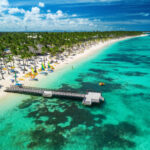
The Dominican Republic dazzles visitors with its perfect blend of pristine beaches, mountain scenery, and vibrant cultural heritage. Relax on the white sands of Punta Cana and Bávaro Beach, or explore the less-developed stretches of coastline on the Samaná Peninsula. In the colonial zone of Santo Domingo, wander centuries-old cobblestone streets lined with beautifully preserved Spanish architecture. Nature enthusiasts can hike to the Caribbean’s highest peak in Pico Duarte, spot humpback whales during their winter migration, or explore Los Haitises National Park’s unique karst landscape and mangrove forests. Throughout your journey, the infectious beats of merengue and bachata provide the soundtrack to an island that combines natural beauty with warm hospitality.
The destination guide
Dominican Republic

Country in North AmericaUpdated
- Overall8/10
- Best forBudget travelers, Couples
- PeakJan, Feb, Mar, Jul
- CurrencyDOP
Pico Duarte is the Caribbean’s highest peak and most people skip it for Punta Cana. That trade-off tells you everything about the DR.
Travel guides for Dominican Republic
Where to stay (1)
Destination stories (1)
At a glance
- Spanish
- Tropical island
- Mountain ranges
- Coastal beaches
- Rainforest
How Dominican Republic scores
Editorial scores on a 10-point scale, weighed against destinations of the same kind.
Travel safety snapshot
SafePlace indicators use their source 100-point scale; higher is more favourable. Planning context, not a live travel advisory — check official government guidance before you go.
When to go
Best months to visit: January, February, March, April, July, August, November and December.
- January: 19.7 to 27.9 degrees Celsius, 86.4 millimetres of rain, best-time score 5 out of 5.
- February: 19.6 to 28 degrees Celsius, 88.3 millimetres of rain, best-time score 5 out of 5.
- March: 20.1 to 29.1 degrees Celsius, 128.6 millimetres of rain, best-time score 5 out of 5.
- April: 21 to 29.7 degrees Celsius, 180.9 millimetres of rain, best-time score 4 out of 5.
- May: 22.2 to 30.8 degrees Celsius, 159.1 millimetres of rain, best-time score 3 out of 5.
- June: 23 to 31.8 degrees Celsius, 118.4 millimetres of rain, best-time score 3 out of 5.
- July: 23 to 31.4 degrees Celsius, 161.1 millimetres of rain, best-time score 4 out of 5.
- August: 23.2 to 31.6 degrees Celsius, 170.5 millimetres of rain, best-time score 4 out of 5.
- September: 23.2 to 31.8 degrees Celsius, 166.9 millimetres of rain, best-time score 3 out of 5.
- October: 22.7 to 31 degrees Celsius, 158.4 millimetres of rain, best-time score 3 out of 5.
- November: 21.6 to 29.2 degrees Celsius, 165.6 millimetres of rain, best-time score 4 out of 5.
- December: 20.4 to 28.1 degrees Celsius, 117.3 millimetres of rain, best-time score 5 out of 5.
Month-by-month conditions and packing advice
- January
- Warm to hot, some rain Peak season, perfect beach weather. Crowds: January in Dominican Republic is workable with normal seasonal planning; build in layers, weather checks, and a mix of indoor and outdoor activities. Pack: Pack light clothing, sun protection, and comfortable walking shoes. Add a rain jacket or compact umbrella.
- February
- Warm to hot, some rain Excellent sun, Carnival celebrations. Crowds: February in Dominican Republic is workable with normal seasonal planning; build in layers, weather checks, and a mix of indoor and outdoor activities. Pack: Pack light clothing, sun protection, and comfortable walking shoes. Add a rain jacket or compact umbrella.
- March
- Warm to hot, some rain High season continues, great for water sports. Crowds: March in Dominican Republic is workable with normal seasonal planning; build in layers, weather checks, and a mix of indoor and outdoor activities. Pack: Pack light clothing, sun protection, and comfortable walking shoes. Add a rain jacket or compact umbrella.
- April
- Warm to hot, rainy Transitioning to shoulder season, pleasant. Crowds: April in Dominican Republic is one of the wetter periods, so museums, food stops, flexible reservations, and backup indoor plans make the trip easier. Pack: Pack light clothing, sun protection, and comfortable walking shoes. Add a rain jacket or compact umbrella.
- May
- Warm to hot, rainy Rain begins to increase. Crowds: May in Dominican Republic is one of the wetter periods, so museums, food stops, flexible reservations, and backup indoor plans make the trip easier. Pack: Pack light clothing, sun protection, and comfortable walking shoes. Add a rain jacket or compact umbrella.
- June
- Warm to hot, some rain Start of hurricane season, hotter. Crowds: June in Dominican Republic is workable with normal seasonal planning; build in layers, weather checks, and a mix of indoor and outdoor activities. Pack: Pack light clothing, sun protection, and comfortable walking shoes. Add a rain jacket or compact umbrella.
- July
- Warm to hot, rainy Mid-summer bump in tourism, hot weather. Crowds: July in Dominican Republic is one of the wetter periods, so museums, food stops, flexible reservations, and backup indoor plans make the trip easier. Pack: Pack light clothing, sun protection, and comfortable walking shoes. Add a rain jacket or compact umbrella.
- August
- Warm to hot, rainy Hot, hurricane risk remains. Crowds: August in Dominican Republic is one of the wetter periods, so museums, food stops, flexible reservations, and backup indoor plans make the trip easier. Pack: Pack light clothing, sun protection, and comfortable walking shoes. Add a rain jacket or compact umbrella.
- September
- Warm to hot, rainy Peak hurricane threat, persistent rain. Crowds: September in Dominican Republic is one of the wetter periods, so museums, food stops, flexible reservations, and backup indoor plans make the trip easier. Pack: Pack light clothing, sun protection, and comfortable walking shoes. Add a rain jacket or compact umbrella.
- October
- Warm to hot, rainy Still rainy, least crowded time to visit. Crowds: October in Dominican Republic is one of the wetter periods, so museums, food stops, flexible reservations, and backup indoor plans make the trip easier. Pack: Pack light clothing, sun protection, and comfortable walking shoes. Add a rain jacket or compact umbrella.
- November
- Warm to hot, rainy Rain subsides, approaching high season. Crowds: November in Dominican Republic is one of the wetter periods, so museums, food stops, flexible reservations, and backup indoor plans make the trip easier. Pack: Pack light clothing, sun protection, and comfortable walking shoes. Add a rain jacket or compact umbrella.
- December
- Warm to hot, some rain Holidays bring perfect weather and peak crowds. Crowds: December in Dominican Republic is workable with normal seasonal planning; build in layers, weather checks, and a mix of indoor and outdoor activities. Pack: Pack light clothing, sun protection, and comfortable walking shoes. Add a rain jacket or compact umbrella.
- December
- January
- February
- March
- July
- August
- September
- October
- April
- May
- June
- November
Know before you go
About
The Dominican Republic is a vibrant Caribbean nation known for its pristine beaches, luxurious all-inclusive resorts, and rich historical heritage. From the cobblestone streets of Santo Domingo’s Zona Colonial to the humpback whale sanctuaries of Samaná and the peak of Pico Duarte, the country offers a diverse array of experiences. Visitors can explore lush rainforests, arid deserts, and crystal-clear waters perfect for snorkeling and diving. The blend of Taino, African, and European influences creates a unique cultural tapestry reflected in the music, dance, and cuisine.
Neighbourhoods
Punta Cana, Santo Domingo, Puerto Plata, La Romana, Samaná, Bayahibe
Best time to visit
The best time to visit is from December to April when the weather is dry and sunny, perfect for beach activities and exploring. The shoulder seasons of May-June and October-November offer fewer crowds.
Crowds
Dominican Republic experiences peak tourism December–April (winter sun) with spikes over Christmas/New Year and spring break; quietest June–November during the hurricane season, overall coastal resort areas get very crowded in high season while inland offerings remain calmer.
Getting there and around
Getting there
Dominican Republic is major Caribbean hub easily reached by air with several international airports. Most popular U.S. entry points are Las Americas International (SDQ) in Santo Domingo and Punta Cana International (PUJ). Wide range of airlines including JetBlue, American, Spirit, and United offer numerous direct flights from major U.S. cities like Miami, New York, and Orlando. Also popular cruise ship destination with well-equipped ports. Entry requirements straightforward for most visitors, typically requiring valid passport.
Getting around
Getting around the Dominican Republic can be both affordable and adventurous if you know what to expect. In Santo Domingo, the only metro system in the Caribbean offers two clean, safe, and modern lines ideal for avoiding surface traffic, while intercity buses like Caribe Tours and Metro Bus provide reliable service between major towns. Within smaller cities and beach towns, public transportation is often limited to shared vans called “guaguas” and motorcycle taxis known as “motoconchos”—cheap but not always the safest or most comfortable choice. Rideshare services like Uber operate in select cities including Santo Domingo and Santiago, though in tourist hubs like Punta Cana, you’re better off arranging licensed taxis through your hotel, as meters are rare and pricing is negotiable; always ask the fare upfront or agree on a rate to avoid surprises.
Top experiences in Dominican Republic
Zona Colonial, Santo Domingo
Zona Colonial represents the oldest permanent European settlement in the Americas, founded in 1496 and designated a UNESCO World Heritage Site for its exceptional colonial architecture spanning over 300 historic buildings. The district encompasses 12 square blocks of cobblestone streets where Diego Columbus, Christopher Columbus’s son, once walked. Calle Las Damas stands as the oldest paved street in the New World, lined with 16th-century mansions, museums, and the imposing Alcázar de Colón – Diego Columbus’s Gothic-Mudéjar palace now serving as a museum. The Catedral Primada de América (First Cathedral of the Americas, 1540) combines Gothic and Baroque styles. The Pantheon of the Fatherland honors Dominican Republic’s national heroes with an eternal flame. Plaza España features pavement cafés including the 500-year-old Pat’e Palo restaurant. The colonial zone pulses with nightlife along Calle El Conde pedestrian street, while museums like Museo de las Casas Reales chronicle Spanish colonial history. Street performers, artists, and amber/larimar jewelry vendors create vibrant atmosphere. Free to explore 24/7; individual museums charge admission (~$2-5). Allow full day for comprehensive exploration. Guided walking tours available (~$20-30). The zone is safe during daylight; use caution at night. Combine with rum and cigar lounges for authentic Dominican experience.
Punta Cana & Bávaro Beach
Punta Cana stretches along 32 kilometers of pristine white sand beaches meeting turquoise Caribbean waters, creating the Dominican Republic’s premier resort destination with 50,000+ hotel rooms concentrated along the eastern coast. Bávaro Beach forms the heart of the resort area with powdery sand, calm waters protected by offshore reefs, and rows of swaying coconut palms. The beaches offer extensive water sports including parasailing, jet skiing, catamaran sailing, and snorkeling at coral reefs. Dolphin Island Park allows swimming with dolphins in natural lagoons. The area specializes in all-inclusive resorts ranging from budget-friendly to ultra-luxury, with properties offering multiple restaurants, pools, entertainment, and direct beach access. Golf enthusiasts find world-class courses designed by Nicklaus, Norman, and Dye. The nearby Indigenous Eyes Ecological Park features freshwater lagoons and nature trails. Zip-lining adventures through tropical forests and dune buggy tours explore the countryside. Deep-sea fishing charters pursue marlin, dorado, and tuna. The beaches are public but resort areas dominate – day visitors can access via beach clubs. Vendors offer beach massages, hair braiding, and souvenirs (bargaining expected). The area is purpose-built for tourism with limited authentic Dominican culture but delivers beach paradise with modern comforts. Free beach access; resort day passes available (~$50-100). The coastline faces east receiving beautiful sunrises but lacks dramatic sunsets.
Samaná Peninsula & Whale Watching
Samaná Peninsula extends into the Atlantic Ocean offering the Dominican Republic’s most dramatic coastal scenery with lush mountains descending to secluded beaches and the famous humpback whale migration (December-March). An estimated 1,500-2,000 humpback whales gather in Samaná Bay annually for breeding and calving, creating one of the world’s premier whale watching destinations. Boat tours from Samaná town (~$50-80) allow close observation of breaching, tail-slapping, and singing behaviors. El Limón Waterfall cascades 130 feet through tropical rainforest, accessible via horseback or hiking (2.5-mile round trip). Playa Rincón ranks among the Caribbean’s most beautiful beaches with 3 kilometers of white sand, calm waters, and dramatic palm groves – accessible only by boat or rough road maintaining pristine character. The peninsula offers less-developed alternative to Punta Cana with boutique hotels, eco-lodges, and authentic fishing villages. Las Terrenas features international dining, European expat community, and relaxed beach town vibe. Cayo Levantado (Bacardi Island) serves as day-trip destination with picture-perfect palm-fringed beaches. Los Haitises National Park boat tours from Samaná explore mangrove channels and limestone caves with Taíno petroglyphs. The peninsula requires more effort to reach (3-hour drive from Santo Domingo or small regional airport) but rewards with unspoiled natural beauty. Allow 2-3 days minimum to explore properly.
Los Haitises National Park
Los Haitises National Park protects 208 square kilometers of dramatic karst landscape, mangrove forests, and coastal ecosystems along the northeastern shore of Samaná Bay. The park’s name comes from Taíno word meaning ‘mountainous land’ – hundreds of limestone mogotes (dome-shaped hills) rise from dense mangrove channels creating otherworldly scenery. Boat tours navigate through the mangroves to reach cave systems decorated with Taíno petroglyphs and pictographs dating back 1,200 years, providing rare glimpses into pre-Columbian Caribbean culture. The caves include Cueva de la Arena, Cueva de la Línea, and Cueva de San Gabriel, each featuring ancient rock art depicting daily life, ceremonies, and deities. The park shelters 110 bird species including endangered Ridgway’s hawk, Hispaniolan woodpecker, and magnificent frigatebirds. Manatees occasionally inhabit the mangrove channels. The mangrove forests serve as crucial nurseries for marine life. Tours depart from Samaná or Sabana de la Mar (2-3 hours, ~$40-60 including transportation, guide, and park fees). Wear water-resistant shoes for cave exploration and bring insect repellent. The park requires boat access only – no roads penetrate the interior. Morning tours offer calmer waters and better wildlife viewing. The landscape inspired filming locations for ‘Jurassic Park.’ Allow half-day for tour. Combine with Samaná whale watching (December-March) for comprehensive natural experience.
27 Charcos de Damajagua
27 Charcos de Damajagua (27 Waterfalls) creates one of the Dominican Republic’s most thrilling natural adventures, where visitors climb, jump, slide, and swim through a series of 27 cascading waterfall pools in the Northern Corridor mountains near Puerto Plata. The experience begins with a hike through tropical forest to the upper falls, followed by descending through the natural water park. Each pool presents different challenges – some require cliff jumping (5-25 feet), others feature natural water slides carved smooth by centuries of flowing water. The turquoise pools are fed by the Damajagua River with water temperatures around 70-75°F year-round. Tours offer options from 7 to 27 falls depending on fitness level and time available – the full 27-fall experience takes 3-4 hours and demands good physical condition. Professional guides accompany all groups, providing life jackets and helmets. The adventure combines adrenaline with natural beauty as waterfalls cascade through lush jungle setting. Operating hours: 8:30 AM-5 PM; admission ~$10-15 plus mandatory guide fees (~$30-40). Wear water shoes or closed-toe shoes that can get wet. Bring waterproof camera or GoPro to capture the experience. Not recommended for young children, pregnant women, or those with mobility limitations. The site receives far fewer visitors than beach resorts, offering authentic adventure experience. Best visited during dry season (December-April) for optimal water clarity and flow. Located 2.5 hours from Puerto Plata, 3 hours from Santo Domingo.
Editor-curated picks carried over from our original guide. Where a full place guide exists, the card links to it.
Worth booking ahead in Dominican Republic
Hand-picked from the operators our guides already send readers to. Prices and availability are live on the partner site.
BrowseViator
Tours and tickets in Dominican Republic on Viator (opens Viator in a new tab)
Viator's full list of bookable tours and tickets in Dominican Republic.
BrowseGetYourGuide
Experiences in Dominican Republic on GetYourGuide (opens GetYourGuide in a new tab)
Everything GetYourGuide sells in Dominican Republic, with the cancellation terms on each listing.
Where to stayBooking.com
Stays in Dominican Republic (opens Booking.com in a new tab)
Live rates and availability for Dominican Republic on Booking.com; filter by neighbourhood once you know where your days start.
We earn a commission if you book through these links, at no extra cost to you. It is how we keep the guides free and independent.
Where to stay
Excellence Punta Cana
Uvero Alto, Punta Cana 23000, Dominican Republic
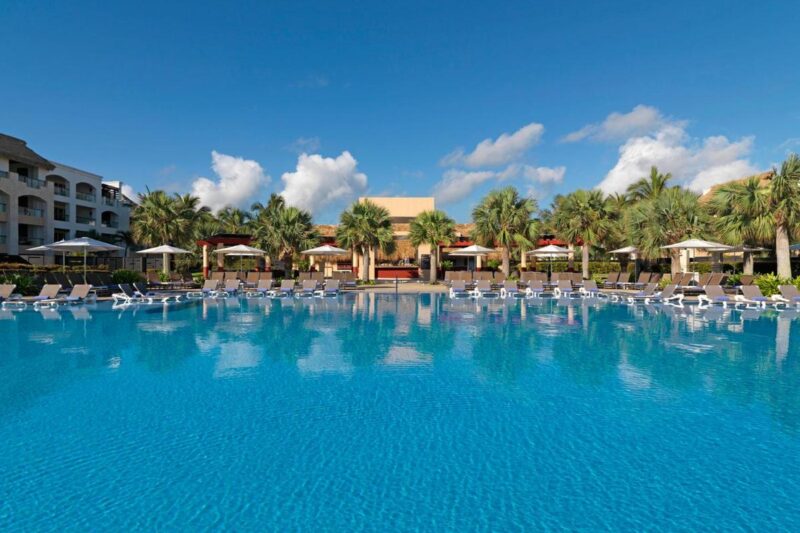
Excellence Punta Cana delivers adults-only luxury all-inclusive experience on Uvero Alto Beach, featuring 450 junior suites with private outdoor spaces (swim-up or plunge pools, Jacuzzis, or terraces). The resort earned recognition as best honeymoon resort in Punta Cana, offering romantic atmosphere with couples-focused amenities and services. Eleven à la carte restaurants serve international cuisines from French to Asian fusion, plus buffet and grill options, with unlimited premium drinks at 13 bars including swim-up and beach locations. The Excellence Club provides exclusive access to preferred rooms, private beach area, upgraded minibar, and personalized concierge service. The resort’s beachfront location on quieter Uvero Alto (30 minutes north of Punta Cana airport) offers more peaceful alternative to bustling Bávaro Beach. Amenities include multiple pools (infinity, quiet, activity), full-service spa with hydrotherapy circuit, fitness center, nightly entertainment, and non-motorized water sports (kayaking, snorkeling, windsurfing included). The property maintains elegant but relaxed atmosphere with modern accommodations and attentive service. Excellence operates adults-only policy (18+) creating tranquil environment. Rates are all-inclusive (~$400-700 per couple per night depending on season and room category). The resort appeals to honeymooners, couples celebrating anniversaries, and adults seeking peaceful Caribbean escape without children. Free WiFi throughout property.
Finest Punta Cana
Uvero Alto, Punta Cana 23000, Dominican Republic
Finest Punta Cana offers family-friendly all-inclusive luxury on Uvero Alto Beach with accommodations ranging from standard suites to multi-bedroom Family Suites with connecting rooms and enhanced amenities. The resort features the Finest Club exclusive upgrade providing preferred rooms, private check-in, upgraded minibar, access to exclusive lounge, and premium dining reservations. Ten international restaurants serve cuisines from Mediterranean to Japanese, plus steakhouse, seafood, and Italian options. The expansive pool complex includes quiet adult pools, family activity pools, and lazy river. The Explorer’s Club for Kids (ages 3-12) offers supervised activities, water park access, and themed programming allowing parents relaxation time. Teens enjoy dedicated lounge with gaming, sports, and organized excursions. The fitness center, spa, and wellness programs cater to health-conscious guests. The beach provides calm waters ideal for families with beach butlers offering service. Entertainment includes nightly shows, themed parties, and live music. All non-motorized water sports included (kayaking, paddle boarding, snorkeling). The resort emphasizes upscale family vacation experience with facilities for all ages while maintaining sophisticated design and service. Rates are all-inclusive (~$350-600 per couple per night). The property appeals to multi-generational families, groups, and parents seeking comprehensive amenities that keep children entertained. Premium liquor brands, WiFi, and gratuities included.
W Punta Cana
Playa Uvero Alto, Punta Cana 23000, Dominican Republic
W Punta Cana represents the newest and most luxurious all-inclusive resort in Punta Cana, setting new standards with contemporary design, culinary excellence, and sophisticated service since opening. The resort features modern rooms and suites with signature W beds, cutting-edge technology, and many offering ocean views or direct swim-out pool access. The property emphasizes culinary experiences with multiple restaurants showcasing international cuisines prepared by celebrated chefs, earning recognition as Punta Cana’s best resort for foodies. Four swimming pools include an adults-only infinity pool, beach club pool, and quiet relaxation areas. The AWAY Spa provides comprehensive treatments, while the fitness center (FIT) offers state-of-the-art equipment and classes. W’s signature energy extends to nightlife with DJ performances, themed parties, and vibrant bar scene. The resort balances party atmosphere with refined luxury, appealing to younger couples, honeymooners, and design-conscious travelers. The beach features white sand and turquoise waters with attentive service. All-inclusive package includes premium spirits, specialty dining, water sports, and entertainment. The contemporary aesthetic differentiates W from traditional Caribbean resort style. Rates reflect its luxury positioning (~$500-900 per couple per night). The property represents new generation of Dominican all-inclusive combining style, substance, and social energy. Adult-oriented atmosphere though families are welcome.
Editor-curated stays carried over from our original guide. Where we have reviewed the hotel, the card links to the review.
Tips from the field
Highlights
- Zona Colonial, Santo Domingo – First European city in the Americas, UNESCO World Heritage Site with 16th-century architecture including Alcázar de Colón
- Punta Cana Beaches – 32 kilometers of white sand beaches with turquoise Caribbean waters and world-class all-inclusive resorts
- Los Haitises National Park – Unique karst landscape with mangrove forests, cave systems with Taíno petroglyphs, and diverse birdlife
- Samaná Peninsula – Humpback whale watching (December-March), El Limón Waterfall, pristine beaches like Playa Rincón
- Pico Duarte – Caribbean's highest peak (10,164 feet) with challenging multi-day hiking
- 27 Charcos de Damajagua – 27 natural waterfall pools for climbing, jumping, and sliding
- Isla Saona – Postcard-perfect island with palm-fringed beaches and starfish-filled shallow waters
- Calle Las Damas – Oldest paved street in the New World with colonial architecture
- Bahía de las Águilas – Remote pristine beach in Pedernales province, often called the Caribbean's most beautiful beach
- Altos de Chavón – Replica 16th-century Mediterranean village overlooking Chavón River with amphitheater hosting international concerts
- Recognition: Featured in Travel + Leisure 'World's Best Islands' and National Geographic's 'Best Beach Destinations
- Sources: Tripadvisor, PlanetWare, Caribbean & Co.
Best activities
- Relax on 32 kilometers of pristine white sand beaches in Punta Cana and Bávaro
- Snorkel or scuba dive coral reefs teeming with tropical fish and sea turtles
- Take whale watching excursions from Samaná Bay (December-March) observing humpback whales
- Explore Zona Colonial's UNESCO World Heritage colonial architecture in Santo Domingo
- Hike to El Limón Waterfall (130-foot cascade) via horseback or trail
- Climb, jump, and slide through 27 Charcos de Damajagua waterfalls
- Play championship golf courses designed by Nicklaus, Norman, and Dye
- Visit Los Haitises National Park by boat exploring mangroves and Taíno caves
- Take catamaran cruises to Isla Saona with stops for snorkeling and beach time
- Experience merengue and bachata dancing at local clubs or resort entertainment
- Tour rum distilleries learning production processes and tasting premium rums
- Swim in natural pools and cenotes at Hoyo Azul limestone quarry
- Zip-line through tropical rainforest canopies
- Deep-sea fishing for marlin, dorado, and tuna
Local experiences
- Attend the Merengue Festival in Santo Domingo (mid-July) immersing in infectious rhythms, street food, and rum tastings
- Take bachata and merengue dance lessons from local instructors at authentic Dominican parties
- Tour rum distilleries: Ron Barceló Centro Histórico, Casa Brugal, or Ron Bermúdez learning production and aging processes
- Visit a local colmado (corner store/bar) experiencing neighborhood gathering spots with Presidente beer and dominoes
- Join whale watching excursions from Samaná Bay (December-March) observing humpback whale breeding and calving
- Explore Taíno cave systems in Los Haitises National Park viewing ancient petroglyphs and pictographs
- Sample authentic Dominican cuisine: sancocho (seven-meat stew), mofongo (fried plantain), and fresh seafood
- Attend a baseball game – the Dominican Republic's national passion produces many MLB stars
- Visit local markets in Santo Domingo's Mercado Modelo for crafts, larimar jewelry, and amber
- Take a safari tour to rural villages meeting local families and experiencing traditional Dominican life
- Learn to roll cigars at tobacco plantations in Santiago region
- Join a chocolate-making workshop using locally-grown cacao beans
Practical tips
- Digital e-Ticket Requirement: Complete your e-Ticket online before heading to the airport for both departure and return flights; take a screenshot of the resulting QR code.
- Currency & Tipping: Dominican Peso (DOP / RD$). While US dollars are accepted across major resort complexes, carrying DOP cash is recommended for local beachfront shacks, colmados, and roadside dining.
- Santo Domingo Zona Colonial: Tour the Americas' oldest European city (UNESCO World Heritage), including the 16th-century Catedral Primada de América and Alcázar de Colón.
- Whale Watching in Samaná: Thousands of North Atlantic humpback whales gather in Samaná Bay between mid-January and late March; take registered eco-boat tours from Santa Bárbara de Samaná.
Photography tips
- Best Time for Photography:
- Sunrise on east-facing Punta Cana beaches for golden light on white sand
- Golden hour in Zona Colonial for warm tones on colonial architecture
- Overcast days work well for waterfall photography (reduced harsh shadows)
- Blue hour for illuminated colonial buildings in Santo Domingo
- Iconic Shots:
- Punta Cana sunrise with palm trees silhouetted against colorful sky
- Zona Colonial's Alcázar de Colón and Plaza España
- Samaná humpback whales breaching (December-March, telephoto essential)
- El Limón Waterfall with tropical rainforest backdrop
- Isla Saona's pristine beaches with starfish in shallow water
- Los Haitises National Park mangrove channels and limestone mogotes
- Altos de Chavón Mediterranean village overlooking Chavón River
- Equipment:
- Waterproof camera or housing for waterfall adventures and snorkeling
- Wide-angle lens (16-35mm) for beaches and architecture
- Telephoto (70-200mm) for whale watching and wildlife
- Polarizing filter essential for reducing water glare and enhancing Caribbean blues
- Action camera (GoPro) for waterfall jumping and water activities
- Composition:
- Use palm trees and tropical vegetation as framing elements
- Include boats or people for scale in beach shots
- Capture contrast between colonial architecture and modern Santo Domingo
- Morning light best for beach photography; afternoon for colonial streets
- Respect: Ask permission before photographing locals; some may request payment
Timing
- Peak Season (December-April):
- Driest weather, most sunshine, best beach conditions
- Highest rates and largest crowds
- Book all-inclusive resorts 3-6 months in advance
- Christmas, New Year's, and Easter (Semana Santa) bring premium pricing
- Ocean temperatures ideal (78-82°F)
- Shoulder Season (May, November-early December):
- Excellent weather with occasional brief showers
- Resort rates 30-40% below peak season
- Smaller crowds, better value
- May: End of dry season with reliable weather
- November: Transition from wet to dry season
- Hurricane Season (June-October):
- August-September highest hurricane risk (though direct hits rare)
- Resort rates 40-60% off peak season
- Hot and humid with afternoon showers
- Travel insurance strongly recommended
- Southern resorts (Punta Cana, La Romana) less affected than north coast
- Budget Season (July-October):
- Lowest prices of the year with significant discounts
- Weather less predictable but many sunny days
- Fewer crowds at beaches and attractions
- Best deals for flexible travelers
- Special Events:
- Carnival (February-March): Nationwide celebrations before Lent
- Merengue Festival (mid-July, Santo Domingo): Music and dance celebration
- Puerto Plata Cultural Festival (October)
- Dominican Independence Day (February 27): Patriotic celebrations
Culture, customs and safety
Cultural heritage
Dominican Republic pulses with the rhythm of merengue and bachata, musical expressions born from its unique fusion of Taíno indigenous, African, and Spanish colonial heritage. Santo Domingo’s Colonial Zone, a UNESCO World Heritage site, showcases the oldest European architecture in the Americas, including the first cathedral and Diego Columbus’s Gothic-Mudéjar palace. This Caribbean nation preserves ancient Taíno petroglyphs in sacred caves while modern festivals celebrate the vibrant traditions that emerged from centuries of cultural blending, creating a distinctly Dominican identity.
Local customs & etiquette
People in the Dominican Republic are warm and friendly, and physical touch during conversations is common. While a handshake is a standard greeting, friends and family will often hug and share a kiss on the cheek. Punctuality is relaxed in social settings, but it is still expected in formal business environments.
Safety notes
As of 2026, tourist corridors across the Dominican Republic (Punta Cana, Cap Cana, La Romana, Las Terrenas) are heavily secured and protected by the Politur (Dirección de Seguridad Turística).
Key Regional Security, Transit & Health Precautions:
• Road Safety & Motoconcho Hazards: The Dominican Republic has high rates of traffic accidents on intercity highways. Avoid hiring unlicensed motorcycle taxis (motoconchos); utilize pre-arranged resort transfers, registered airport taxis, or app-based rideshares (Uber) in urban centers.
• Haiti Border Advisory: Avoid travel within border provinces adjacent to Haiti (Dajabón, Jimaní, Elías Piña) due to armed instability and militarized border gates.
• Alcohol & Tap Water Safety: Tap water is not potable; drink only sealed bottled water and avoid unbranded local moonshine (clerén). Sticking to sealed, branded alcohol prevents illicit contamination.
• Emergency: National Emergency 911, Politur Specialized Tourist Police: +1 809 222 2026.