

Punta Cana is a popular tourist destination known for its stunning beaches, crystal-clear waters, and luxurious resorts. Located on the eastern tip of the Dominican Republic, it offers a perfect blend of relaxation and adventure. Visitors can enjoy water sports, explore natural parks, or simply unwind on the beautiful sandy shores.
The destination guide
Punta Cana

City in Dominican Republic, North AmericaUpdated
- Overall5/10
- Best forCouples, Adventure seekers, Luxury travelers
- PeakJan, Feb, Mar, Jul
- CurrencyDOP
Punta Cana lines the Dominican Republic’s eastern tip with 30 miles of coconut-palm beaches, all-inclusives, and a Hoyo Azul cenote hidden in the jungle behind the resorts.
Travel guides for Punta Cana
Where to stay (1)
More guides featuring Punta Cana (7)
At a glance
CurrencyDOP
Time zoneAtlantic Standard Time
Languages
- Spanish
Setting
- Caribbean coast
- Sandy beaches
- Coral reefs
- Tropical resort
Population100K100,000 residents
VisaDuration: Tourist visits of up to 30 days do not require a visa · Documents: Valid passport with 6 months validity starting from arrival and a completed official E-Ticket for entry and exit
How Punta Cana scores
5/10OverallFair
Weather9/10
Value for money8/10
Safety6/10
Food & cuisine7/10
Culture & arts4/10
Cultural experience6/10
History4/10
Nature & outdoors8/10
Adventure7/10
Nightlife7/10
Shopping6/10
Family friendly5/10
Romance9/10
Character
Photography score7/10
Authenticity score8/10
Off-the-beaten-path score7/10
Editorial scores on a 10-point scale, weighed against destinations of the same kind.
Travel safety snapshot
Overall75/100Moderate rating
Women travellers72/100
LGBTQ+ travellers65/100
Theft65/100
Medical care70/100
Physical harm78/100
Political freedom70/100
SafePlace indicators use their source 100-point scale; higher is more favourable. Planning context, not a live travel advisory — check official government guidance before you go.
When to go
Best months to visit: January, February, March, April, May, June, November and December.
- January: 16.6 to 27.4 degrees Celsius, 3.7 millimetres of rain, best-time score 5 out of 5.
- February: 16.8 to 28.5 degrees Celsius, 3.3 millimetres of rain, best-time score 5 out of 5.
- March: 17.3 to 28.8 degrees Celsius, 7.5 millimetres of rain, best-time score 5 out of 5.
- April: 18.2 to 28.6 degrees Celsius, 13.8 millimetres of rain, best-time score 5 out of 5.
- May: 18.5 to 29.3 degrees Celsius, 20.2 millimetres of rain, best-time score 4 out of 5.
- June: 18.6 to 29.3 degrees Celsius, 19.8 millimetres of rain, best-time score 4 out of 5.
- July: 18.9 to 30.4 degrees Celsius, 31 millimetres of rain, best-time score 3 out of 5.
- August: 19 to 31.1 degrees Celsius, 27.6 millimetres of rain, best-time score 3 out of 5.
- September: 18.7 to 30.5 degrees Celsius, 57.9 millimetres of rain, best-time score 2 out of 5.
- October: 18.8 to 30.1 degrees Celsius, 24.6 millimetres of rain, best-time score 2 out of 5.
- November: 17.7 to 28.6 degrees Celsius, 16.2 millimetres of rain, best-time score 4 out of 5.
- December: 17 to 27.1 degrees Celsius, 11.7 millimetres of rain, best-time score 5 out of 5.
Month-by-month conditions and packing advice
- January
- Warm and pleasant, mostly dry January in Punta Cana: dry-season beaches, resorts, boating, snorkeling, and outdoor dining are most reliable. Crowds: January marks the peak tourist season in Punta Cana, driven by its warm, dry climate and the global influx of winter escapees. Beaches and resorts are lively, and prices for flights and accommodations rise significantly compared to shoulder months. Travelers should expect larger crowds at popular beaches and excursions, yet the consistent sunshine makes it one of the best times for snorkeling, diving, and sailing. Inland tours are also highly comfortable given the manageable humidity. This is not the month for quiet solitude, but for energetic gatherings and full resort amenities. To secure favorable rates and options, booking well in advance is strongly advised, especially for boutique accommodations or guided cultural tours. Pack: Lightweight cotton and linen clothing for warm days; Swimsuits and quick-dry beachwear; High SPF reef-safe sunscreen and sunglasses; Light jacket or shawl for cooler evenings; Comfortable sandals and water shoes for excursions; Respectful modest attire for visiting churches or local villages
- February
- Warm and pleasant, mostly dry February in Punta Cana: dry-season beaches, resorts, boating, snorkeling, and outdoor dining are most reliable. Crowds: February is considered part of Punta Cana’s peak tourist season, coinciding with excellent beach weather and winter getaways from North America and Europe. Expect fuller resorts, vibrant nightlife, and higher accommodation prices. The consistently dry conditions mean nearly all outdoor activities—from snorkeling at Bavaro Beach to zip-lining in the rainforest—are accessible and enjoyable. While demand is strong, this is one of the best months to experience the Dominican coast at its most comfortable. Travelers seeking quiet may prefer boutique stays or off-beach excursions, as crowds are thickest near popular resort zones. Early booking is recommended to secure favorable rates and preferred tours. Pack: Breathable cotton and linen outfits for hot afternoons; Swimwear and quick-dry cover-ups for daily beach time; Light sweater or shawl for cooler evenings; High-SPF reef-safe sunscreen and sunglasses; Comfortable sandals or water shoes for excursions; Wide-brimmed hat to protect from tropical sun
- March
- Warm and pleasant, mostly dry March in Punta Cana: dry-season beaches, resorts, boating, snorkeling, and outdoor dining are most reliable. Crowds: March represents one of Punta Cana’s peak travel months, thanks to near-perfect weather conditions and the overlap with spring break holidays in North America and Europe. Beaches and resorts are lively, with crowd levels trending high and accommodation prices reflecting seasonal demand. Travelers will find excellent conditions for swimming, water sports, and long beach days, but early booking is essential to secure good rates and availability. Cultural excursions, such as visiting nearby fishing villages or historic Santo Domingo, are particularly enjoyable with the dry and sunny weather. The main trade-off is busier beaches and higher costs, though the atmosphere remains festive and social. For those seeking more tranquility, booking weekday excursions or exploring beyond the main resort areas can help balance the seasonal bustle. Pack: Light, breathable clothing for daytime heat; Wide-brimmed hat and reef-safe sunscreen; Swimwear and quick-dry beach gear; Light sweater or shawl for cooler evenings; Comfortable sandals and walking shoes; Insect repellent for evenings outdoors
- April
- Warm and pleasant, mostly dry April in Punta Cana: dry-season beaches, resorts, boating, snorkeling, and outdoor dining are most reliable. Crowds: April marks the tail end of the high tourist season in Punta Cana, offering a sweet spot for visitors. The weather remains near perfect—warm, dry, and ideal for activities ranging from snorkeling and kite-surfing to inland adventures such as exploring Indigenous Eyes Ecological Park. Crowds are moderate compared to peak winter months, which often translates into slightly more availability at resorts and fewer crowds on excursions. Prices may still run higher than off-season, but travelers benefit from reliable conditions without the heavy rains that arrive later in the year. This period is especially favorable for families and couples seeking dependable beach weather without the full intensity of high-season congestion. Advance booking is still recommended, particularly for popular resorts and guided tours, though some last-minute deals may appear as demand begins to taper toward May. Pack: Breathable cotton or linen outfits for daytime heat; Light sweater or shawl for breezy evenings; Swimwear for beaches and resort pools; Wide-brimmed hat and polarized sunglasses; High SPF reef-safe sunscreen; Lightweight sandals and water shoes for excursions
- May
- Warm and pleasant, mostly dry May in Punta Cana: warm weather and better value can work before or after peak winter demand. Crowds: May is considered a shoulder season in Punta Cana, meaning visitors can enjoy warm, dry weather without the peak-season crowds of winter. Resorts and flights often offer more favorable rates compared to December through April, making this an attractive month for budget-conscious travelers. Beach conditions are excellent, and outdoor excursions like visiting Indigenous Eyes Ecological Park or joining local fishing tours are at their best. The reduced rainfall ensures fewer interruptions to planned activities, while lower visitor numbers create a more relaxed atmosphere at popular beaches and cultural sites. However, travelers should note that hurricane season officially begins in June, so May represents one of the last reliably stable months before weather patterns shift. Pack: Lightweight linen or cotton outfits for tropical heat; Swimsuits and quick-dry beachwear for daily use; Wide-brimmed hat and high SPF sunscreen for sun protection; Comfortable sandals and breathable walking shoes; Reusable water bottle to stay hydrated outdoors; Light rain jacket for brief tropical showers
- June
- Warm and pleasant, mostly dry June in Punta Cana: warm weather and better value can work before or after peak winter demand. Crowds: June represents the beginning of the Caribbean’s summer season in Punta Cana, with weather that remains reliably sunny and dry enough for uninterrupted beach time, snorkeling, and boat tours. It sits just before the peak of hurricane season, meaning lower risk of major storms but with awareness of tropical weather advisories. Visitor numbers are moderate, with fewer crowds compared to the busy winter months. This creates a sweet spot for travelers who prefer more relaxed resorts and slightly reduced hotel pricing. Outdoor adventures, from zip-lining to exploring nearby cultural sites, are comfortable thanks to minimal rainfall. However, the consistent heat and strong UV index require mindful sun protection. Booking flexibility is recommended in case of short-lived tropical showers. Pack: Lightweight linen or cotton clothing for daytime heat; Swimwear and quick-dry coverups for beaches; Broad-spectrum SPF 50+ sunscreen and after-sun lotion; Wide-brimmed hat and polarized sunglasses; Comfortable sandals and light sneakers for excursions; Light rain jacket or travel umbrella for brief showers
- July
- Warm and pleasant, some rain July in Punta Cana: heat, humidity, and storm risk increase, so flexible beach plans matter. Crowds: July sits in the heart of Punta Cana’s summer low season, with warm temperatures favoring beach relaxation and water sports. While the climate is inviting, the month also coincides with the broader Caribbean hurricane season, meaning occasional storms can affect plans. Tourist crowds are thinner compared to the winter high season, which translates to lower hotel rates and more room to enjoy beaches and cultural sites. The occasional rain showers are usually short-lived, so most outdoor excursions remain possible. Travelers will find this a good time for quieter experiences, photography without heavy crowds, and taking advantage of discounts. However, flexibility is key: booking refundable tours and accommodations is recommended, along with checking daily forecasts to adjust plans. For those who prefer fewer crowds and can tolerate some rain, July offers a balance of affordability and authentic local atmosphere. Pack: Light, breathable cotton or linen clothing for daytime heat; Waterproof sandals or quick-dry footwear for sudden showers; High SPF sunscreen and after-sun aloe gel; Compact rain jacket or travel umbrella; Mosquito repellent for evenings near greenery or water; Swimwear and snorkeling gear for beach and reef activities
- August
- Hot and sunny, some rain August in Punta Cana: heat, humidity, and storm risk increase, so flexible beach plans matter. Crowds: August represents Punta Cana’s low-to-shoulder tourist season, influenced by hot weather, intermittent showers, and the broader Caribbean hurricane season. While conditions remain suitable for beach activities, snorkeling, and catamaran trips, visitors should remain flexible with plans due to occasional storms. Crowds are thinner compared to peak winter months, which often translates to better hotel availability and discounted rates. Families and budget-conscious travelers find this month appealing despite the higher heat. Strong UV radiation requires extra care during midday hours, but calmer mornings are excellent for exploring coastal trails or enjoying quiet stretches of sand. Booking last-minute can offer good value, though travel insurance is recommended given weather variability. Pack: Breathable linen or cotton clothing to stay cool in humidity; Wide-brimmed hat and high-SPF sunscreen for strong UV protection; Lightweight rain jacket or compact poncho for afternoon showers; Insect repellent, especially for evenings near vegetation; Comfortable sandals or water shoes for beach and boat trips; Smart-casual attire for resort restaurants and nightlife
- September
- Warm and pleasant, some rain September in Punta Cana: peak hurricane-season risk makes this less balanced for beach-first travel. Crowds: September is part of the shoulder season in Punta Cana, offering lower tourist volumes and more affordable hotel rates compared to peak winter months. While the beaches are still lively, the reduced crowds create a more relaxed atmosphere for exploring. This period coincides with the Caribbean hurricane season, so travelers should anticipate occasional storms and monitor forecasts when planning excursions. Despite the potential for rain, the weather remains warm enough for outdoor activities, and the sea is inviting for divers and snorkelers. Budget-conscious travelers benefit most, as flights and accommodations often see notable discounts. Those seeking a quieter cultural and natural experience will appreciate the calmer vibe, but advance planning and flexible itineraries are recommended. Pack: Lightweight breathable clothing for humid conditions; Waterproof sandals or quick-dry shoes; Compact rain jacket or poncho for sudden showers; High SPF reef-safe sunscreen; Mosquito repellent for evenings; Dry bag to protect electronics during rain or beach activities
- October
- Warm and pleasant, mostly dry October in Punta Cana: peak hurricane-season risk makes this less balanced for beach-first travel. Crowds: October represents the shoulder season in Punta Cana, offering a balance between favorable weather and reduced tourist density. While conditions remain excellent for beach lounging, diving, and catamaran excursions, this month avoids the peak-season crowds and higher prices that dominate winter. Visitors benefit from better hotel availability and more personalized experiences at cultural sites and resorts. The lower rainfall compared to the wettest months makes activities like golf, hiking, and eco-park exploration more reliable, though travelers should still anticipate brief afternoon showers. This quieter period is attractive for couples and families seeking value, while those looking for lively nightlife will find venues active but less congested. Booking flexibility is greater, but flights may remain competitive, so early planning is recommended to secure the best deals. Pack: Breathable linen or cotton outfits for warm days; Light rain jacket for brief tropical showers; Comfortable sandals for beach and resort wear; Insect repellent for evenings outdoors; Swimwear and quick-dry cover-ups for daily water activities; Smart-casual attire for resort dining and nightlife
- November
- Warm and pleasant, mostly dry November in Punta Cana: warm weather and better value can work before or after peak winter demand. Crowds: November represents the shoulder season in Punta Cana, with improving weather conditions as the hurricane risk diminishes and rainfall subsides. Visitors benefit from fewer crowds compared to peak winter months, while hotel and flight prices remain moderate before spiking in December. The climate is excellent for outdoor activities such as snorkeling, sailing, and cultural excursions to inland villages or cacao plantations. Beaches are lively but not yet crowded, and the water is warm enough for swimming and diving. The pleasant evenings encourage open-air dining and nightlife without heavy humidity. For travelers seeking a balance between affordability, good weather, and cultural exploration, November is one of the most strategic times to visit. Pack: Lightweight cotton or linen clothing for humid afternoons; Swimwear for beaches and resort pools; Wide-brimmed hat and high-SPF sunscreen; Comfortable sandals or water shoes for coastal exploration; Light sweater or shawl for cooler evenings; Modest attire for cultural or religious excursions inland
- December
- Warm and pleasant, mostly dry December in Punta Cana: dry-season beaches, resorts, boating, snorkeling, and outdoor dining are most reliable. Crowds: December represents peak tourist season in Punta Cana, coinciding with holiday travel and the start of the Caribbean dry season. Visitors can expect bustling resorts, busy beaches, and higher hotel and flight prices, particularly around Christmas and New Year. The weather is nearly perfect for swimming, snorkeling, sailing, and long beach walks without the discomfort of heavy rains or extreme humidity. While this means more crowds at popular spots, it also ensures that all excursions—from cultural day trips to island-hopping tours—operate at full capacity. For travelers seeking a balance between vibrant social energy and pristine beach weather, December is an excellent choice. However, advance booking is strongly recommended to secure accommodations and activities at reasonable rates. Pack: Lightweight breathable clothing for warm daytime conditions; Swimsuits and quick-dry beachwear; High-SPF reef-safe sunscreen and after-sun lotion; Wide-brimmed hat and polarized sunglasses; Casual evening attire for dining at resorts; Comfortable sandals and water shoes for excursions
Peak season
- December
- January
- February
- March
- July
- August
Off-peak
- September
- October
- April
- May
- June
- November
Know before you go
About
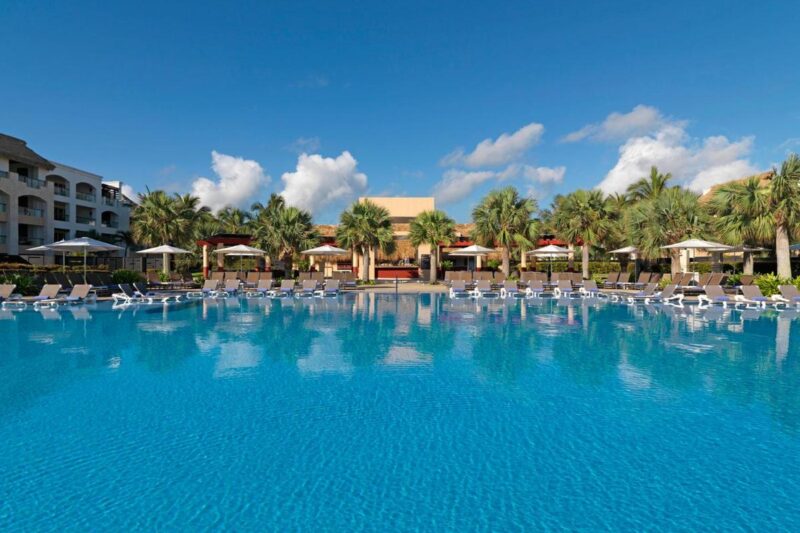
Punta Cana, on the easternmost tip of the Dominican Republic in La Altagracia province, is the Caribbean’s quintessential all-inclusive resort destination, fringed by some 30 miles of palm-lined white-sand beaches known as the Coconut Coast. Tourism here began in 1969, when developers opened the area’s first hotel and, soon after, a Club Méditerranée resort, transforming a remote coconut shore into one of the region’s busiest holiday hubs. Anchored by the long sweep of Bávaro Beach and served by a privately built international airport, Punta Cana today is lined with sprawling beach resorts, spas, and championship golf, including the Jack Nicklaus-designed Punta Espada course that opened in 2006. Warm turquoise water, coral reefs, and reliable sunshine draw families and couples for swimming, snorkeling, catamaran cruises, and excursions to nearby Saona and Catalina islands. Easy to reach and built for relaxation, Punta Cana delivers classic Caribbean beach holidays year-round.
Neighbourhoods
Bavaro Beach is the main tourist strip, with all-inclusive resorts, shopping plazas, and water sports. Cap Cana to the south is a gated luxury development with a marina, golf courses, and the Scape Park adventure complex. Uvero Alto, 30 km north, offers more secluded beachfront resorts. Downtown Higuey, the provincial capital 40 km west, is the cultural centre with the Basilica de la Altagracia.
Best time to visit
The best time to visit Punta Cana is between December and April when the weather is warm and dry. This period is ideal for beach activities and outdoor adventures. However, visitors should be aware that this is also the peak tourist season, so accommodations may be pricier.
Crowds
Punta Cana is busiest December–April (winter sun season and holidays) with resort and all-inclusive crowds; quietest in September–November during hurricane season and lower demand; overall beaches and hotel zones are very crowded in peak season.
Getting there and around
Getting there
Fly into Punta Cana International Airport (PUJ), the Caribbean’s busiest. Direct flights arrive from New York, Miami, Toronto, London, Madrid, and many European cities. The airport is 25 km from most Bavaro resorts (30-minute transfer). Airport taxis and pre-booked shuttle services are available.
Getting around
Resort areas are spread along 50 km of coastline; taxis, hotel shuttles, and rented vehicles are the primary options. Uber does not operate here, but local taxi cooperatives run fixed-rate transfers. Many visitors stay at all-inclusive resorts and rarely leave the property. For excursions to Saona Island, Scape Park, or Higuey, tour operators provide round-trip transport. Guaguas (local minibuses) run along the main highway but are not tourist-oriented.
Top experiences in Punta Cana
Bavaro Beach & Resorts
A 30-km stretch of white sand and turquoise water lined with palm trees, consistently ranked among the world’s top beaches. The offshore coral reef creates calm, shallow swimming conditions. All-inclusive resorts with pools, restaurants, and entertainment line the beach. Water sports include parasailing, jet-skiing, snorkelling, and catamaran excursions. Beach vendors sell coconuts, cigars, and paintings.
Saona Island
A tropical island in the Parque Nacional del Este, reached by catamaran or speedboat from Bayahibe (1.5 hours). The island features white-sand beaches, shallow turquoise pools (piscina natural), and coconut palm groves. Starfish cluster in the shallows. Day trips include a buffet lunch, rum, and music. The island is uninhabited except for a small fishing village. It is the most popular excursion from Punta Cana.
Scape Park at Cap Cana
An eco-adventure complex in the Cap Cana development featuring cenote swimming (Hoyo Azul—a deep turquoise sinkhole at the base of a limestone cliff), zip-lining, cave exploration, dune buggies, and a cultural village. The park covers tropical dry forest and limestone karst terrain. Hoyo Azul is the headline attraction—visitors descend a staircase to a vivid blue pool beneath a 75-m cliff face.
Indigenous Eyes Ecological Park
A 600-hectare private reserve within the Puntacana Resort complex, protecting subtropical forest and 12 freshwater lagoons (ojos ecologicos). Visitors swim in crystal-clear lagoons fed by underground rivers, surrounded by tropical vegetation. The park includes a petting zoo, iguana habitat, and walking trails through the forest. The reserve is free for guests of Puntacana Group resorts; others pay an entry fee.
Basilica de la Altagracia, Higuey
A monumental modernist basilica in the provincial capital of Higuey, 40 km west of Punta Cana. Designed by French architects Andre Dunoyer de Segonzac and Pierre Dupre and completed in 1971, the building features a 69-m-high parabolic arch entrance framing a golden altar. Inside, a 16th-century painting of the Virgin de la Altagracia—patron saint of the Dominican Republic—draws pilgrims year-round. January 21st (Dia de la Altagracia) is the largest annual pilgrimage.
Editor-curated picks carried over from our original guide. Where a full place guide exists, the card links to it.
Worth booking ahead in Punta Cana
Hand-picked from the operators our guides already send readers to. Prices and availability are live on the partner site.
BrowseViator
Tours and tickets in Punta Cana on Viator (opens Viator in a new tab)
Viator's full list of bookable tours and tickets in Punta Cana.
BrowseGetYourGuide
Experiences in Punta Cana on GetYourGuide (opens GetYourGuide in a new tab)
Everything GetYourGuide sells in Punta Cana, with the cancellation terms on each listing.
Where to stayBooking.com
Stays in Punta Cana (opens Booking.com in a new tab)
Live rates and availability for Punta Cana on Booking.com; filter by neighbourhood once you know where your days start.
We earn a commission if you book through these links, at no extra cost to you. It is how we keep the guides free and independent.
Where to stay
Hyatt Zilara Cap Cana
Blvd. Zona Hotelera Cap Cana, Punta Cana, Dominican Republic
Adults-only all-inclusive on Juanillo Beach with infinity pools, swim-up bars, floating suites, and 25+ restaurants and bars.
Eden Roc Cap Cana
Cap Cana, Punta Cana, Dominican Republic
Boutique ultra-luxury resort with a private beach, suite plunge pools, Michelin-trained chefs, and secluded tropical gardens.
Paradisus Palma Real Resort
Playa Bávaro, Punta Cana, Dominican Republic
Elegant all-inclusive oceanfront resort on Playa Bávaro with exclusive suites, gourmet dining, a spa, and access to a golf course.
Editor-curated stays carried over from our original guide. Where we have reviewed the hotel, the card links to the review.
Tips from the field
Practical tips
- Currency: Dominican Peso (DOP); US Dollars widely accepted at resorts.
- Getting There: Punta Cana International Airport (PUJ) — most resorts offer airport transfers (30-45 minutes).
- Transportation: Resort shuttles to the beach and activities. Private transfers or excursions for off-resort exploration. Taxis available but negotiate prices.
- Dining: All-inclusive resorts cover most meals. Outside resorts: Dominican cuisine (la bandera — rice, beans, meat) from -8. Fresh seafood restaurants -30. Beach clubs for lunch.
- Activities: Snorkeling, catamaran cruises, zip-lining, Hoyo Azul cenote, Saona Island day trips.
- Tipping: -2/drink, -10/day for housekeeping at all-inclusive resorts
- Electricity: 120V/60Hz, Type A/B plugs
Culture, customs and safety
Cultural heritage
Punta Cana evolved from coconut plantation to international resort destination while maintaining Dominican cultural elements through merengue music, local cuisine, and artisan crafts. Indigenous Taino heritage appears in petroglyphs at nearby caves and place names throughout the region. Spanish colonial influence persists through language, Catholic traditions, and architectural elements in nearby Higuey. Local communities preserve traditional fishing methods, coconut harvesting, and Dominican baseball passion. Contemporary resort culture blends international tourism with Caribbean hospitality creating unique tropical destination identity.
Local customs & etiquette
Punta Cana is known for its friendly locals and vibrant culture. When visiting, consider the following: Greet locals with a smile and a friendly ‘Hola’ Respect local customs and traditions Tipping is appreciated in restaurants and for services Try local dishes and participate in cultural festivities Embracing the local culture will enhance your experience in Punta Cana.
Safety notes
Punta Cana is generally safe within resort areas.
General Safety:
• All-inclusive resorts are secure with private security
• Exercise caution when venturing outside resort grounds
• Avoid isolated areas and walking alone after dark outside resorts
Ocean Safety:
• Strong currents at some beaches — swim at resort-designated areas
• Follow posted flag warnings
Health:
• Drink bottled water
• Use insect repellent (dengue and Zika risk)
• Sun exposure is intense — high SPF sunscreen essential
Transportation:
• Use resort-arranged excursions and transfers
• Negotiate taxi prices before getting in
Emergency number: 911
Season
Activities