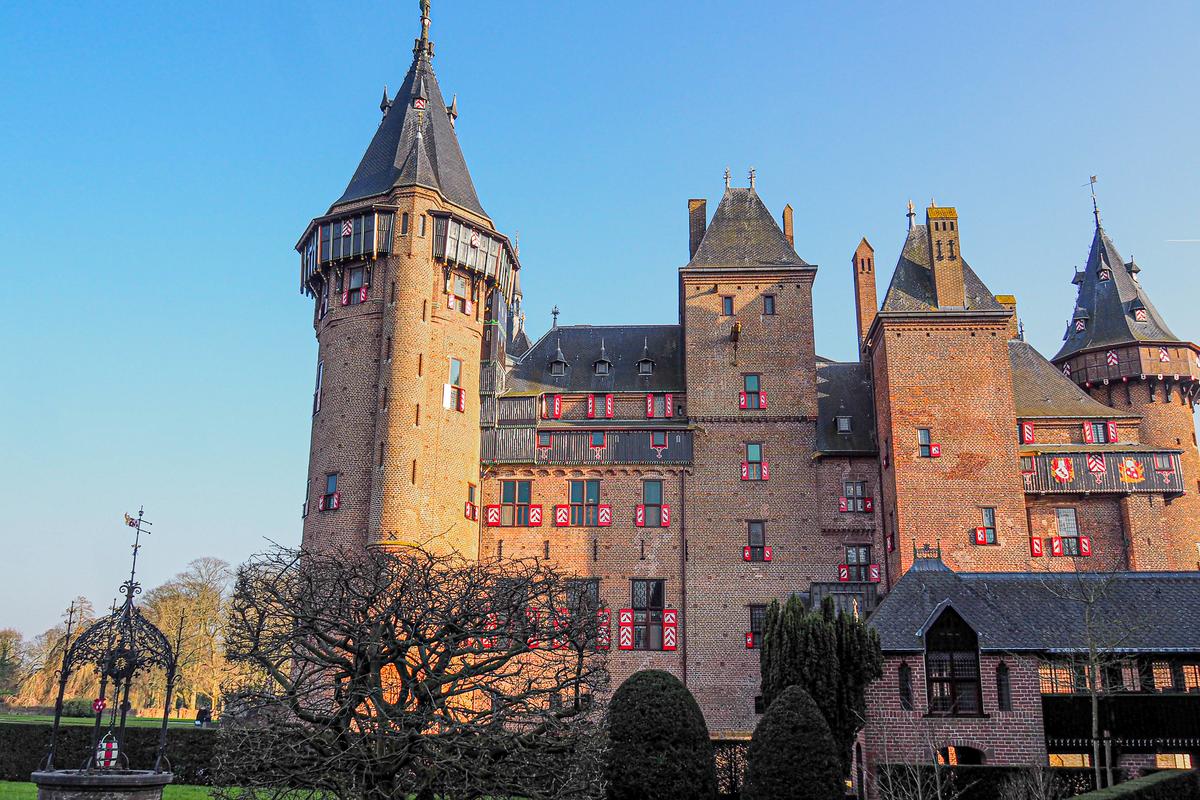
Wilhelminapark is a late-19th and early-20th-century residential neighbourhood in eastern Utrecht, built around the public park of the same name. The area is defined by broad, tree-lined streets, monumental brick villas, and proximity to the Kromme Rijn waterway. It sits roughly two kilometres east of Utrecht Centraal station and is widely considered one of the city’s most architecturally coherent districts.
What is Wilhelminapark known for?
Wilhelminapark is known primarily for its public park — one of Utrecht’s oldest municipal green spaces — and for the surrounding streets of early-20th-century villa architecture built in neo-Renaissance and Amsterdam School styles. The park itself features mature tree canopy, open lawns, a central pond, and ornamental planting that has changed little in character since the early 1900s. Streets such as Wilhelminapark itself and the adjacent Maliebaan boulevard frame the neighbourhood with a stately, unhurried atmosphere.
Best things to do in Wilhelminapark
The most rewarding activities in the area centre on slow, on-foot exploration of the park, the Maliebaan laan, and the Kromme Rijn riverbank. Specific things to do include:
- Walking or cycling the length of Maliebaan, a double-laned tree avenue that links the neighbourhood to the city centre.
- Following the Kromme Rijn towpath east from the Gijnlaan area toward Rhijnauwen for a riverside cycling route.
- Examining the monumental villa façades along Koningin Wilhelminalaan and surrounding streets for early-1900s architectural detail.
- Visiting the park pond and ornamental borders during spring tulip and chestnut blossom season.
Where to eat and drink near Wilhelminapark
The immediate park district is primarily residential, but the nearby Wilhelminapark and Maliebaan edges host a modest selection of neighbourhood cafes and grand-café style venues suited to post-walk coffee or lunch. The broader Oosterspoorplein area and Biltstraat — Utrecht’s eastern neighbourhood high street — offer a wider range of independent restaurants, bakeries, and brown cafes within comfortable walking distance. Biltstraat is particularly well regarded locally for its independent food shops and casual dining.
Where to walk in Wilhelminapark
The most rewarding walking route begins at the park’s western entrance near Maliebaan, crosses the central lawns and pond area, continues east to the Kromme Rijn riverbank, and then follows the towpath south toward the historic Rhijnauwen estate. A shorter circuit stays within the park itself, looping around the pond and back through the villa streets on Koningin Wilhelminalaan. Both routes are flat, paved or compacted gravel, and suitable for all ages.
How to get to Wilhelminapark
Wilhelminapark is accessible from Utrecht Centraal station in approximately 20 minutes on foot or 8 minutes by bicycle via Maliebaan. Several Utrecht city bus lines serve the broader Biltstraat and Oosterspoorplein corridor, providing connections from Utrecht Centraal. The neighbourhood is well integrated into Utrecht’s extensive municipal cycling network, and the Maliebaan itself functions as a primary east-west cycling artery into the city centre.
Best time to visit Wilhelminapark
Late April through early June is the most visually rewarding period, when the park’s chestnut trees and ornamental plantings are in bloom and the long Dutch evening light extends well past 9 pm. September and October bring amber canopy colour to the mature linden and chestnut avenues. The park is used year-round by local residents but is at its quietest — and most atmospheric — on weekday mornings outside summer school holidays.