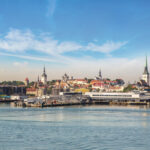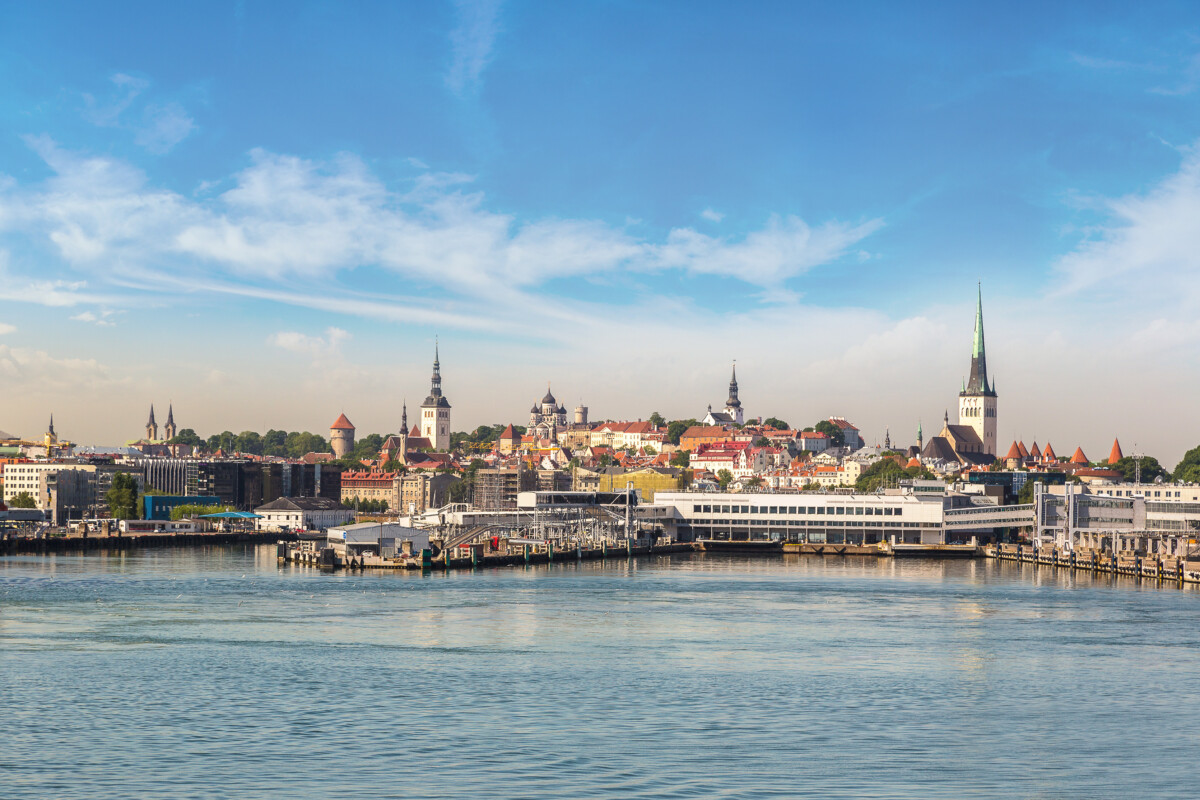
Kalamaja is a historic neighborhood in northwest Tallinn, Estonia, sitting between the Old Town and the Baltic Sea coastline at Kopli Bay. Once home to fishermen and factory workers, the district is now Tallinn’s most culturally active quarter, dense with restored wooden architecture, independent restaurants, and creative spaces. It borders the Balti jaam rail hub and the Telliskivi and Ülemiste creative clusters.
What is Kalamaja known for?
Kalamaja is known above all for its concentration of colorful 19th- and early 20th-century wooden residential houses, which survived Soviet-era demolition and have been gradually restored since Estonian independence; the district also holds Telliskivi Creative City, the Balti jaam market, and a dense cluster of independent cafés and breweries that make it central to Tallinn’s contemporary food and arts scene.
- Wooden house streetscapes along Kotzebue, Liisu, and Manufaktuuri streets
- Telliskivi Creative City: converted factory complex with shops, galleries, and venues
- Balti jaam turg (market): one of Tallinn’s largest daily food and flea markets
- Põhjala brewery taproom and other craft beer venues
Best things to do in Kalamaja
The best things to do in Kalamaja include walking the wooden-house streets around Kotzebue and Salme, browsing Telliskivi Creative City’s independent boutiques and weekend markets, visiting the Balti jaam turg for local produce and vintage goods, and touring the Estonian History Museum’s Maarjamäe branch on the coastal edge of the broader district.
- Walk Kotzebue tänav and Liisu tänav for the densest wooden-house streetscapes
- Browse Telliskivi Creative City on weekends when outdoor markets run
- Visit Balti jaam turg for fresh produce, street food, and Soviet-era collectibles
- Tour the Patarei Sea Fortress, a 19th-century coastal prison open to visitors
- Explore Kalamaja cemetery, one of Tallinn’s oldest and most atmospheric green spaces
Where to eat and drink in Kalamaja
Kalamaja has Tallinn’s highest concentration of independent cafés and restaurants, with standout options including F-hoone inside Telliskivi Creative City serving Estonian-inflected European dishes, the Põhjala taproom for craft beer, Kohvik Moon on Võrgu tänav for classic Estonian home cooking, and multiple specialty coffee roasters operating out of repurposed industrial buildings.
- F-hoone (Telliskivi Creative City): large café-restaurant, open kitchen, local ingredients
- Kohvik Moon (Võrgu tänav): Estonian home cooking, popular with locals
- Põhjala taproom: flagship venue of Estonia’s best-known craft brewery
- Balti jaam turg food stalls: Georgian khachapuri, smoked fish, fresh pierogi
Where to walk in Kalamaja
The primary walking route in Kalamaja runs from Balti jaam station west along Telliskivi tänav through the Creative City, then north on Kotzebue tänav past rows of restored wooden houses, continuing to Salme tänav and out to the Patarei Sea Fortress on the Kopli Bay waterfront, covering the neighborhood’s architectural and historical highlights in roughly 3 kilometers.
- Telliskivi tänav: main artery through creative district, murals and independent shops
- Kotzebue tänav and Liisu tänav: best-preserved wooden residential streetscapes
- Kopli Bay coastal path: waterfront promenade connecting Patarei to Kalamaja beach
How to get to Kalamaja
Kalamaja is directly accessible from central Tallinn via Balti jaam (Baltic Station), served by tram lines 1 and 2 running from the city center, and by multiple bus routes; the neighborhood is also walkable from Tallinn Old Town in approximately 15 minutes on foot heading northwest along Põhja puiestee.
- Tram lines 1 and 2: stop at Balti jaam on the neighborhood’s eastern edge
- Bus routes along Kopli tänav serve the northern parts of the district
- On foot from Old Town: 15 minutes northwest via Põhja puiestee
Best time to visit Kalamaja
Kalamaja is most rewarding to visit from May through September, when outdoor terraces at Telliskivi and along the waterfront are open, the Balti jaam turg is at full capacity with summer produce, and the Kalamaja Open Days festival in late spring opens private wooden-house courtyards and interiors to the public for a weekend.