Tallinn preserves one of Europe’s most intact medieval city centers while simultaneously embracing its position as one of the continent’s most digitally advanced capitals. Estonia’s primary city pairs its 13th-century Old Town—complete with merchant houses, guild halls, and defensive towers—with cutting-edge technology sectors that helped birth Skype and pioneered e-governance initiatives. This dual identity plays out across its urban landscape, where the UNESCO-protected historic core features the Gothic Town Hall, Alexander Nevsky Cathedral, and defensive walls that have stood for centuries, while former industrial zones like Telliskivi Creative City showcase contemporary Estonian design, tech startups, and cultural initiatives. Tallinn’s maritime position on the Gulf of Finland has shaped its development since Hanseatic League days, with the port remaining crucial to its economy and connecting Estonia to neighboring Finland just 50 miles north across the water. The city’s cuisine reflects its geographic position at the crossroads of Scandinavian, Russian, and Baltic influences, with traditional Estonian fare featuring dark bread, dairy products, and foraged ingredients like mushrooms and berries, now reinterpreted by innovative chefs. Despite Soviet occupation from 1944 to 1991, Tallinn maintained its cultural identity and architectural heritage, with landmarks like the Song Festival Grounds—where massive choral gatherings helped fuel Estonia’s independence movement—continuing to serve as symbols of national resilience. Throughout its compact footprint, Tallinn demonstrates Estonia’s forward-looking philosophy while honoring its complex past, creating an urban experience where medieval walls coexist with free public Wi-Fi, digital nomad communities, and a quality of life consistently ranked among Europe’s highest.
The destination guide
Tallinn
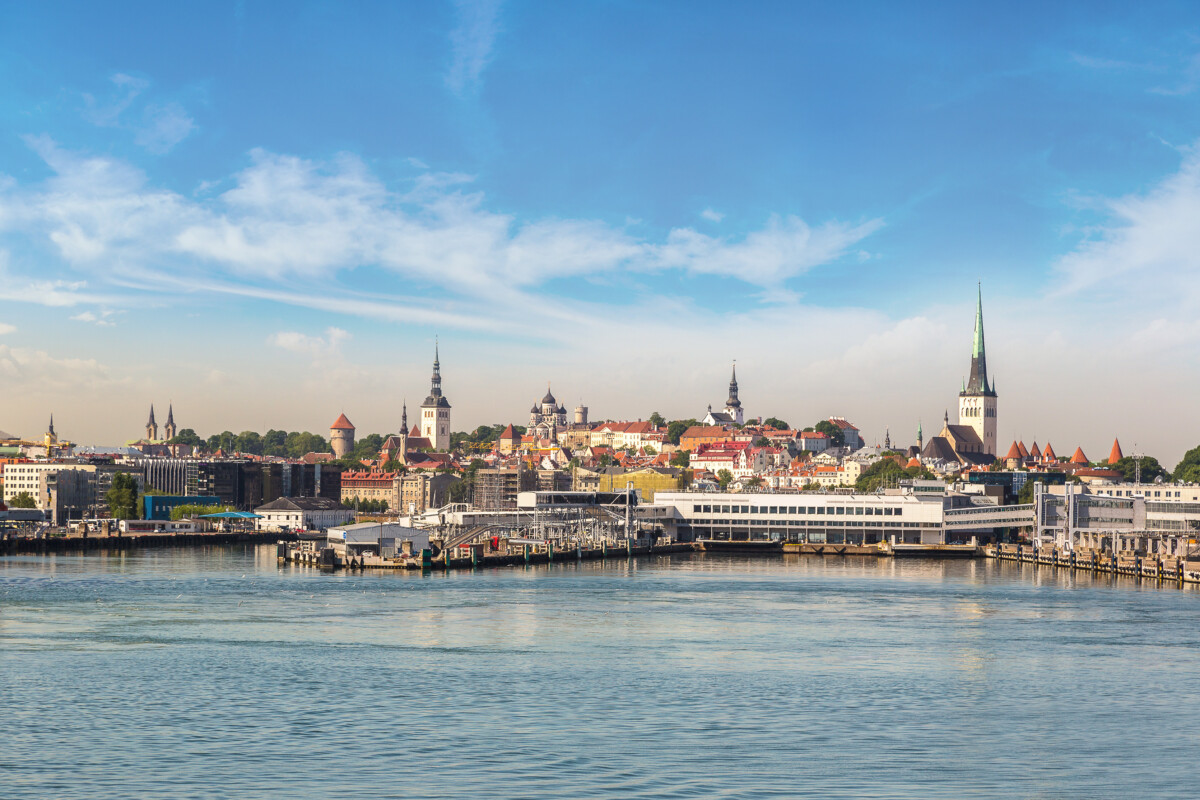
Tallinn has one of Europe’s most intact medieval old towns and simultaneously ranks as one of its most digitally advanced capitals. The contrast works.
Travel guides for Tallinn
More guides featuring Tallinn (2)
At a glance
- Baltic coast
- Medieval old town
- Limestone cliffs
- Nordic harbor
How Tallinn scores
Character
Editorial scores on a 10-point scale, weighed against destinations of the same kind.
Travel safety snapshot
SafePlace indicators use their source 100-point scale; higher is more favourable. Planning context, not a live travel advisory — check official government guidance before you go.
When to go
Best months to visit: April, May, June, July, August, September, October and December.
- January: -7.1 to -2.8 degrees Celsius, 13.3 millimetres of rain, best-time score 2 out of 5.
- February: -7.2 to -2.2 degrees Celsius, 6.7 millimetres of rain, best-time score 2 out of 5.
- March: -3.8 to 1.6 degrees Celsius, 14.6 millimetres of rain, best-time score 3 out of 5.
- April: 0.3 to 8.4 degrees Celsius, 5.6 millimetres of rain, best-time score 4 out of 5.
- May: 6.1 to 16.1 degrees Celsius, 8.1 millimetres of rain, best-time score 5 out of 5.
- June: 9.6 to 19.2 degrees Celsius, 9.7 millimetres of rain, best-time score 5 out of 5.
- July: 12.8 to 22.8 degrees Celsius, 39.4 millimetres of rain, best-time score 5 out of 5.
- August: 12.4 to 22.1 degrees Celsius, 14.8 millimetres of rain, best-time score 5 out of 5.
- September: 8.7 to 15.8 degrees Celsius, 35.7 millimetres of rain, best-time score 5 out of 5.
- October: 3.9 to 8.9 degrees Celsius, 13.3 millimetres of rain, best-time score 4 out of 5.
- November: 1.1 to 4.9 degrees Celsius, 6 millimetres of rain, best-time score 3 out of 5.
- December: -4.8 to -1 degrees Celsius, 11.2 millimetres of rain, best-time score 4 out of 5.
Month-by-month conditions and packing advice
- January
- Cold weather, mostly dry January in Tallinn: cold, dark winter weather narrows casual sightseeing unless snow or festive markets are the draw. Crowds: Peak tourist season with excellent conditions for winter sports, cultural site visits, and city walking tours. Hotel rates and crowd levels are highest during this period. UV levels remain low despite colder temperatures. Pack: Warm winter coat for temperature variation; Insulated gloves and scarf for cold weather; Waterproof boots for city exploration; Thermal layers for indoor activities; Warm hat and thermal socks; Waterproof jacket for rainy days
- February
- Cold weather, mostly dry February in Tallinn: cold, dark winter weather narrows casual sightseeing unless snow or festive markets are the draw. Crowds: Winter tourist season with manageable crowd levels and moderate pricing for accommodations and attractions. While temperatures drop below freezing, the city remains vibrant with cultural events and festivals. Visitors should dress warmly in layers and waterproof gear, as occasional snow showers can occur. Booking in advance is recommended to secure comfortable lodging. Pack: Warm winter coat for temperature variation; Insulated gloves and scarf for cold weather; Waterproof boots for snowy conditions; Thermal layers for warmth; Umbrella for occasional snow showers; Waterproof camera gear for reflective surfaces
- March
- Cold weather, mostly dry March in Tallinn: conditions are cool or changeable, so museums and cafes become more important. Crowds: Peak tourist season with excellent conditions for winter sports, cultural site visits, and city walking tours. Hotel rates and crowd levels are highest during this period. Despite the cold, outdoor activities remain popular, with snow-covered landscapes offering unique experiences. Booking in advance is recommended due to high demand. Pack: Warm winter coat for temperature variation; Insulated gloves and scarf for cold weather; Waterproof boots for snowy conditions; Thermal layers for warmth; Hats and beanies for cold exposure; Waterproof and windproof outerwear
- April
- Cold weather, mostly dry April in Tallinn: spring, fall, or Christmas atmosphere can be rewarding with fewer summer crowds. Crowds: Peak tourist season with excellent conditions for winter activities including ice skating, snow-covered walks, and cultural site visits. Hotel rates and crowd levels are highest during this period. While temperatures are low, the city's charm remains undiminished, offering unique experiences such as exploring the Northern Lights and enjoying traditional Finnish cuisine. Pack: Warm winter coat for temperature variation; Insulated gloves and scarf for cold weather; Waterproof boots for snowy conditions; Thermal layers for warmth; Hats and beanies for cold exposure; Waterproof and windproof outerwear
- May
- Cool weather, mostly dry May in Tallinn: old-town walking, terraces, parks, and Baltic day trips benefit from longer days and milder weather. Crowds: Peak tourist season with excellent conditions for cultural exploration, winter sports, and city walking tours. Hotel rates and crowd levels are highest during this period. UV levels remain moderate despite cooler temperatures. Pack: Lightweight layers for temperature variation; Waterproof jacket for occasional rain; Warm hat and gloves for cooler mornings; Comfortable walking shoes for city exploration; Waterproof backpack for rainy days; Breathable cotton/linen fabrics
- June
- Cool weather, mostly dry June in Tallinn: old-town walking, terraces, parks, and Baltic day trips benefit from longer days and milder weather. Crowds: Peak tourist season with excellent conditions for cultural exploration, winter sports, and city walking tours. Hotel rates and crowd levels are highest during this period. UV levels remain moderate despite cooler temperatures. Pack: Lightweight layers for temperature variation; Waterproof jacket for occasional rain; Warm hat and gloves for cooler mornings; Comfortable walking shoes for city exploration; Waterproof backpack for rainy days; Modest clothing for cultural sites and mosques
- July
- Warm and pleasant, some rain July in Tallinn: old-town walking, terraces, parks, and Baltic day trips benefit from longer days and milder weather. Crowds: Peak tourist season with excellent conditions for exploring Tallinn's medieval architecture, museums, and parks. The weather is generally favorable, with average temperatures ranging from 17.81°C to 22.75°C, making it perfect for sightseeing and cultural experiences. Crowds are high, especially during weekends and public holidays, which can affect popular attractions. Hotel rates and activity availability are at their peak, so early booking is recommended. Pack: Lightweight layers for temperature variation; Comfortable walking shoes for exploring cobblestone streets; Rain jacket for occasional showers; Wide-brimmed hat and UV-protective sunscreen; Light sweater for air-conditioned spaces; Modest clothing for visiting religious sites and historical landmarks
- August
- Warm and pleasant, mostly dry August in Tallinn: old-town walking, terraces, parks, and Baltic day trips benefit from longer days and milder weather. Crowds: August marks Tallinn's peak tourist season, attracting visitors with favorable weather for outdoor activities such as exploring medieval architecture, enjoying the vibrant local festivals, and taking boat tours along the coast. Hotel rates and crowd levels are high, with peak UV levels necessitating sunscreen use. Ideal for cultural exploration and city tours, while the moderate rainfall adds a refreshing touch to the summer atmosphere. Pack: Lightweight layers for temperature variation; Comfortable walking shoes for city exploration; Broad-brimmed hat and SPF 50+ sunscreen; Light cardigan for air-conditioned spaces; Modest clothing for cultural sites and mosques; Breathable cotton/linen fabrics
- September
- Cool weather, some rain September in Tallinn: old-town walking, terraces, parks, and Baltic day trips benefit from longer days and milder weather. Crowds: Peak tourist season with excellent conditions for cultural exploration, including visits to medieval architecture, museums, and winter festivals. Hotel rates and crowd levels are highest during this period. UV levels remain moderate despite cooler temperatures. Pack: Lightweight layers for temperature variation; Waterproof jacket for rain showers; Comfortable walking shoes for city exploration; Warm scarf and gloves for cooler evenings; Waterproof backpack for rainy days; Breathable cotton/linen fabrics
- October
- Cool weather, mostly dry October in Tallinn: spring, fall, or Christmas atmosphere can be rewarding with fewer summer crowds. Crowds: Peak tourist season with excellent conditions for cultural exploration, winter sports, and city tours. Hotel rates and crowd levels are highest during this period. Despite cooler temperatures, UV levels remain high, so sunscreen and protective clothing are recommended. Pack: Lightweight layers for temperature variation; Waterproof jacket for unexpected rain; Warm hat and gloves for cooler evenings; Comfortable walking shoes for city exploration; Waterproof backpack for rainy days; Warm scarf and thermal underwear for cold nights
- November
- Cold weather, mostly dry November in Tallinn: conditions are cool or changeable, so museums and cafes become more important. Crowds: Peak tourist season with excellent conditions for winter sports, cultural site visits, and city walking tours. Hotel rates and crowd levels are highest during this period. Snow levels are moderate, providing opportunities for winter sports enthusiasts. Visitors should dress warmly and be prepared for occasional rain. Pack: Warm winter coat for temperature variation; Insulated gloves and scarf for cold weather; Waterproof boots for snowy conditions; Thermal layers for warmth; Umbrella for occasional rain; Waterproof camera gear for snowy landscapes
- December
- Cold weather, mostly dry December in Tallinn: spring, fall, or Christmas atmosphere can be rewarding with fewer summer crowds. Crowds: Peak tourist season with excellent conditions for winter activities including ice skating, cultural site visits, and city tours. Hotel rates and crowd levels are highest during this period. UV levels remain low despite cooler temperatures. Pack: Warm winter coat for temperature variation; Insulated gloves for cold weather; Waterproof boots for snowy conditions; Scarf and hat for warmth; Waterproof jacket for occasional rain; Layered clothing for temperature fluctuations
Know before you go
Best time to visit
May to September for the warmest weather (18-22°C) and longest daylight — midsummer brings nearly 19 hours of light. May and September offer fewer crowds and lower prices than the July-August peak. The Christmas market (late November to January) transforms Town Hall Square into one of Europe’s most atmospheric winter markets. Winter is cold and snowy but the cheapest season to visit.
Crowds
Tallinn sees highest crowds in summer (June–August) and during Old Town events (e.g., Song Festival years), with cruise-ship spikes; quietest in November–March when numbers fall sharply and Old Town is much calmer.
Getting there and around
Getting there
Tallinn Airport (TLL) is just 4 km from the city center, with direct flights from major European cities. The airport is connected by bus and tram in about 15 minutes. Ferries from Helsinki take 2-2.5 hours (Viking Line, Tallink Silja, Eckerö Line) — a popular day-trip connection. The ferry port is a 15-minute walk from the Old Town. Buses from Riga and Vilnius are also available. Elron trains connect Tallinn to Tartu, Narva, and Pärnu within Estonia.
Getting around
The Old Town is compact and best explored on foot. An efficient public transport system of buses, trams, and trolleybuses covers the wider city, operating from 6 AM to 11 PM with night buses on weekends. The Tallinn Card provides unlimited travel plus museum access. Bolt (founded in Tallinn), Uber, and Forus operate as affordable ride-hailing options. Driving in the Old Town is restricted; cycling and e-scooters are popular in warmer months.
Top experiences in Tallinn
Old Town (Vanalinn)
Kadriorg Palace & Park
Telliskivi Creative City
Alexander Nevsky Cathedral
Kumu Art Museum
Editor-curated picks carried over from our original guide. Where a full place guide exists, the card links to it.
Worth booking ahead in Tallinn
Hand-picked from the operators our guides already send readers to. Prices and availability are live on the partner site.
BrowseViator
Tours and tickets in Tallinn on Viator (opens Viator in a new tab)
Viator's full list of bookable tours and tickets in Tallinn.
BrowseGetYourGuide
Experiences in Tallinn on GetYourGuide (opens GetYourGuide in a new tab)
Everything GetYourGuide sells in Tallinn, with the cancellation terms on each listing.
Where to stayBooking.com
Stays in Tallinn (opens Booking.com in a new tab)
Live rates and availability for Tallinn on Booking.com; filter by neighbourhood once you know where your days start.
We earn a commission if you book through these links, at no extra cost to you. It is how we keep the guides free and independent.
Where to stay
Hotel Telegraaf
Savoy Boutique Hotel
Editor-curated stays carried over from our original guide. Where we have reviewed the hotel, the card links to the review.
Tips from the field
Highlights
- Old Town — UNESCO World Heritage medieval city center with Town Hall Square. Kadriorg Palace — Baroque palace built by Peter the Great, housing an art museum. Telliskivi Creative City — Former industrial complex turned cultural hub with galleries, food, and events. Alexander Nevsky Cathedral — Ornate Russian Orthodox cathedral on Toompea Hill. Kumu Art Museum — Estonia's largest art museum with modern and contemporary collections. City Walls & Towers — Medieval fortifications with panoramic viewing platforms.
Practical tips
- The Tallinn Card (24/48/72-hour) covers public transport, 40+ museums, and a walking tour — excellent value for a multi-day stay. Download the Bolt app (Tallinn-born ride-hailing) for affordable transport. The Old Town is hilly: comfortable shoes are essential. Town Hall Pharmacy, open since at least 1422, is one of Europe's oldest continuously operating pharmacies. Free Wi-Fi is available across most of the city center. Estonian is the official language
- English is widely spoken, especially among younger residents.
Culture, customs and safety
Cultural heritage
Tallinn preserves the best-intact medieval old town in Northern Europe, recognized by UNESCO for Hanseatic merchant architecture and defensive walls. The Lower Town features Gothic churches, merchant houses, and Europe oldest continuously operating pharmacy since 1422. Toompea Castle hill showcases Estonian independence through parliament buildings and Orthodox cathedral. Soviet occupation legacy contrasts with restored medieval splendor and digital innovation. The city maintains Baltic German influences, Estonian folk traditions through song festivals, and maritime heritage creating unique Nordic-Baltic cultural synthesis.
Safety notes
Tallinn is a safe city with low violent crime rates. Pickpocketing can occur in crowded tourist areas — the Old Town and public transport in summer are the primary zones. Exercise standard caution at night around nightlife areas. Tap water is safe to drink. Emergency: 112.