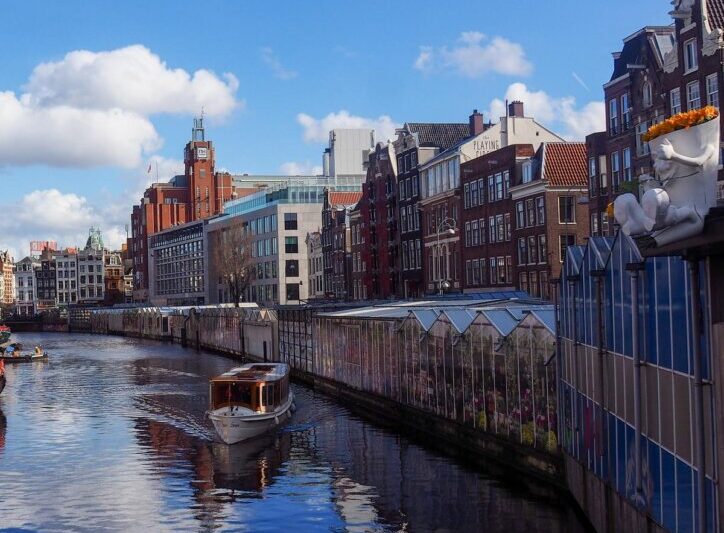
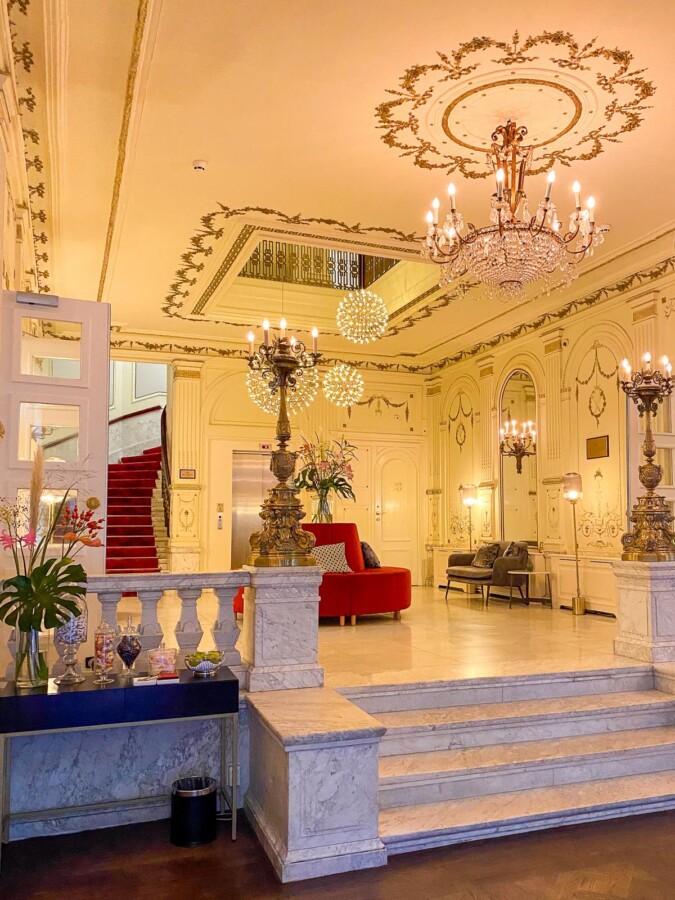
The KattenKabinet (Cat Cabinet) presents one of Amsterdam‘s most charmingly eccentric museums, dedicated entirely to the artistic portrayal of cats throughout history. Founded in 1990 by wealthy Dutchman Bob Meijer as a memorial to his beloved cat Tom, this unique cultural institution occupies a magnificent 17th-century canal house on the prestigious Golden Bend of the Herengracht. The museum spans several elegantly appointed rooms where visitors discover an impressive collection of feline-themed art spanning centuries and mediums—paintings by Picasso, Rembrandt, and Léo Steinberg, sculptures, posters, photographs, and even a cat-themed dollar bill signed by Andy Warhol. Adding to the authenticity of the experience, several live cats roam freely throughout the museum, lounging on antique furniture and observing visitors with typical feline aloofness. Beyond its collection, the KattenKabinet offers insight into traditional canal house architecture with its original features including ornate ceilings, marble floors, and a grand staircase. Located in a working residence with the founder’s family living in the upper floors, the museum provides an intimate glimpse into elite Amsterdam canal house living while simultaneously celebrating artistic and cultural representations of cats across civilizations. For visitors seeking off-the-beaten-path cultural experiences that blend art appreciation with architectural heritage and Dutch eccentricity, the KattenKabinet delivers a uniquely memorable Amsterdam experience.
Cultural Context
Founded in 1990 by Bob Meijer as a heartfelt memorial to his beloved red tomcat John Pierpont Morgan (named after the American banker), who was his cherished companion for 17 years (1966-1983). This unique museum showcases the role of cats in art and culture throughout centuries, featuring works by renowned artists including Picasso, Rembrandt, and Toulouse-Lautrec. Housed in a magnificent 17th-century canal house in Amsterdam’s prestigious Golden Bend, the building itself has historical significance – former residents included Amsterdam mayor Jan Calkoen, and U.S. President John Adams once visited here. Five live cats currently roam the museum, adding authentic charm to this whimsical yet seriously curated collection that demonstrates how felines have captivated artists across cultures and eras.
Historical Context
The KattenKabinet in Amsterdam was established in 1990 by Bob Meijer, a passionate cat lover and art collector, who sought to create a unique museum dedicated entirely to the artistic and cultural representation of cats. The museum is housed in a historic canal house dating back to the 17th century, a period when Amsterdam was a flourishing center of trade and art during the Dutch Golden Age. Over time, the KattenKabinet has evolved from a private collection into a public institution that celebrates the feline form through a diverse array of artworks, artifacts, and memorabilia spanning several centuries. The collection reflects a deep historical affection for cats, showcasing pieces from renowned artists such as Rembrandt van Rijn and Pablo Picasso, as well as lesser-known contributors. The museum’s development mirrors the broader cultural shifts in Amsterdam, where appreciation for niche and specialized museums has grown alongside the city’s global reputation as a hub for art and history. Since its inception, the KattenKabinet has remained dedicated to preserving and promoting the cultural significance of cats, making it a distinctive and enduring part of Amsterdam’s rich museum landscape.