Plan your visit with our complete Amsterdam travel guide featuring top sights, itineraries, and local travel tips.
A place worth knowing
Bloemenmarkt
Shopping · Market in AmsterdamUpdated
- Google rating4.2/5 (37,000 reviews)
- Typical visit30-60 minutes
- EntranceFree
Why it matters
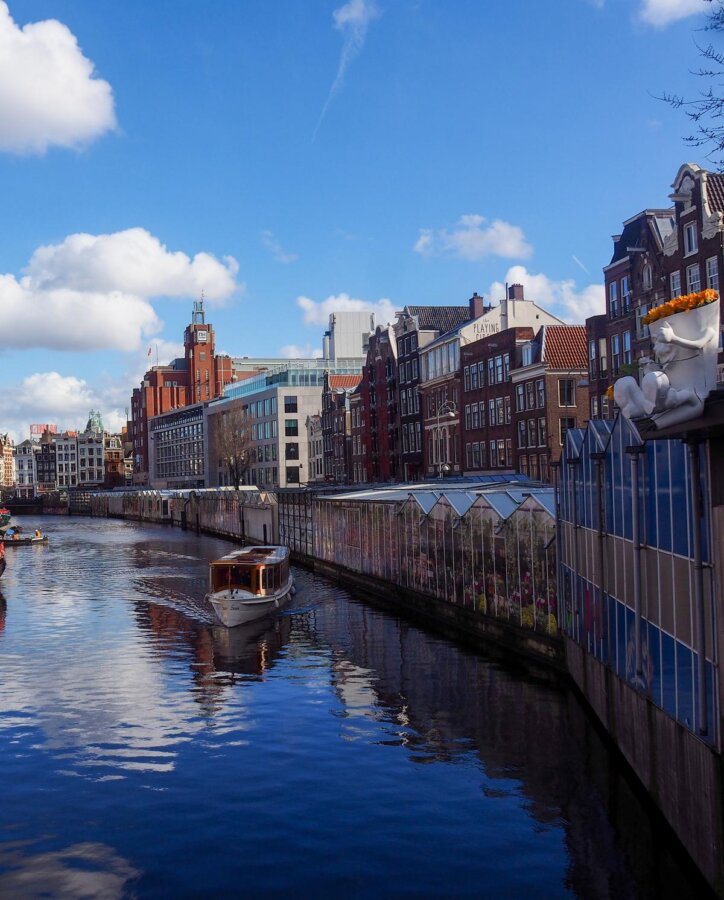
The world's only floating flower market, dating to 1862, with vendors on houseboats along the Singel canal selling tulip bulbs, seeds, souvenirs, and fresh-cut flowers year round.
The world’s only floating flower market, located on the Singel canal. A vibrant array of flower stalls on houseboats selling tulip bulbs, fresh flowers, and Dutch souvenirs. A colorful and fragrant landmark in the city center.
Story and significance
About
The world’s only floating flower market, located on the Singel canal. A vibrant array of flower stalls on houseboats selling tulip bulbs, fresh flowers, and Dutch souvenirs. A colorful and fragrant landmark in the city center.
Historical significance
The Bloemenmarkt holds a significant place in Amsterdam’s history as a living testament to the city’s longstanding relationship with flowers and waterborne trade. Established in 1862, the market originally functioned as a traditional street market before relocating to its current floating location in 1862, adapting to the city’s extensive canal system and reflecting Amsterdam’s innovative use of waterways for commerce. This relocation was a practical solution to the growing demand for space and accessibility in a city where land was scarce and waterways abundant. The market became a crucial node in the distribution of flowers and bulbs, which have been central to Dutch culture and economy since the tulip mania of the 17th century. By operating on houseboats, the Bloemenmarkt preserved the maritime character of Amsterdam’s commercial activities, linking it to the broader history of Dutch trade and navigation. Over the decades, the market has witnessed the evolution of horticultural practices and the globalization of flower trade, maintaining its relevance as both a local marketplace and an international symbol of Dutch floriculture. It also played a role in sustaining the livelihoods of many small-scale growers and vendors, contributing to the social fabric of the city. Today, the Bloemenmarkt stands not only as a tourist attraction but as a cultural landmark that embodies Amsterdam’s adaptive urban planning, economic history, and enduring passion for flowers, making it a living archive of the city’s unique interaction between nature, commerce, and water.
Historical context
Established 1862 on Singel canal when growers transported flowers by barge from suburbs to city center. Traditional market system persisted from 19th century, adapting from daily local flower trade to modern tourist destination while maintaining floating format.
Cultural context
World’s only floating flower market representing Dutch horticultural heritage and tulip culture. Symbol of Netherlands’ flower trade legacy dating to 17th-century Tulip Mania, embodying romantic connection between Dutch identity and flower cultivation.
Architecture
Unique floating market architecture with 15 stalls on barges and platforms permanently moored along Singel canal. Represents ingenious Dutch adaptation of waterway infrastructure for commerce, maintaining traditional barge-based trading system in urban setting.
Local significance
Major Amsterdam tourist attraction and cultural icon representing Dutch flower industry. Primary supplier of tulip bulbs and flower souvenirs to international visitors, maintaining connection to Netherlands’ global reputation for horticulture and garden culture.
Make the most of it
Local tips
- Late night openings often have unique events
- Gift shops have unique souvenirs
- Museum cafes often serve quality local food
- Check for combo tickets with nearby attractions
- Special exhibitions require separate tickets
- Visit during weekdays for fewer crowds
- Members get free entry and skip lines
Hidden gems nearby
- Rooftop terraces often have great city views
- Archive rooms sometimes open for special tours
- Free guided tours at specific times
- Secret passages between galleries
- Hidden courtyards perfect for photos
- Staff recommendations for must-see pieces
- Lesser-known wings have remarkable collections
Special features
- The Bloemenmarkt in Amsterdam is uniquely distinguished as the world's only floating flower market, a feature that sets it apart from traditional markets globally. Situated on a series of houseboats moored along the Singel canal, it offers a vibrant and dynamic shopping experience that merges the city's iconic waterways with its rich horticultural culture. The market's narrow barges are densely packed with an astonishing variety of flowers, bulbs, and plants, showcasing an impressive spectrum of colors and fragrances. Visitors can find everything from classic Dutch tulips and hyacinths to exotic orchids and seasonal blooms, alongside gardening tools and souvenirs related to Dutch floriculture. The floating nature of the market not only preserves the historic connection to Amsterdam’s extensive canal system but also creates a unique ambiance where commerce and watercraft coexist. This distinctive setup allows vendors to easily relocate or adjust their stalls, maintaining a flexible and lively atmosphere. Additionally, the Bloemenmarkt is renowned for its year-round operation, adapting to seasonal flower availability and remaining a vibrant hub for both locals and tourists regardless of the weather. Its location on the Singel, the innermost canal of Amsterdam’s historic canal belt, places it at the heart of the city’s cultural and commercial life, making it a sensory-rich destination that celebrates the Netherlands’ deep-rooted relationship with floriculture and water management. The Bloemenmarkt’s blend of tradition, accessibility, and botanical diversity creates a truly singular experience that captures the essence of Amsterdam's unique urban landscape and horticultural heritage.
How we rate it
Authenticity9/10
Accessibility score8/10
Family-friendly score9/10
Off-the-beaten-path8/10
Editorial scores on a 10-point scale, judged against places of the same kind.
Worth booking ahead in Amsterdam
Hand-picked from the operators our guides already send readers to. Prices and availability are live on the partner site.
Timed ticketGetYourGuide
Van Gogh Museum timed-entry ticket (opens GetYourGuide in a new tab)
The museum sells timed slots online only, so book the hour first and plan the rest of the day around it.
Guided tourGetYourGuide
Life of Anne Frank and Jewish Quarter walking tour (opens GetYourGuide in a new tab)
The house itself sells tickets only through its own site; this walk covers the Jewish Quarter and the story around it.
CruiseGetYourGuide
Pancake Boat: 75-minute IJ river cruise (opens GetYourGuide in a new tab)
A 75-minute cruise on the IJ with unlimited Dutch pancakes on board; the easiest boat trip to sell to children.
Where to stayBooking.com
Stays in Amsterdam (opens Booking.com in a new tab)
Live rates and availability for Amsterdam on Booking.com; filter by neighbourhood once you know where your days start.
We earn a commission if you book through these links, at no extra cost to you. It is how we keep the guides free and independent.






Where to find it
- Address
- Singel 630, 1017 AZ Amsterdam, Netherlands
- Map
- Open in Maps ↗ Directions ↗ Verified location
- Coordinates
- 52.3668, 4.8912
- Destination
- Amsterdam