A picturesque residential street in Amsterdam Zuid famous for its arching Honey Locust trees (Gleditsia triacanthos). The trees grow in a unique crisscross pattern, creating a stunning natural canopy that is especially beautiful in autumn.
A place worth knowing
Lomanstraat
A tree-lined residential street in Amsterdam’s Oud-Zuid district with an overhead canopy of arching branches, widely regarded as the city’s greenest hidden gem and a favourite autumn photography spot.
Natural attractions · Street in AmsterdamUpdated
- Google rating4.6/5 (500 reviews)
- Typical visit30-60 minutes
- EntranceFree
Why it matters
A tree-lined residential street in Amsterdam's Oud-Zuid district with an overhead canopy of arching branches, widely regarded as the city's greenest hidden gem and a favourite autumn photography spot.
Story and significance
About
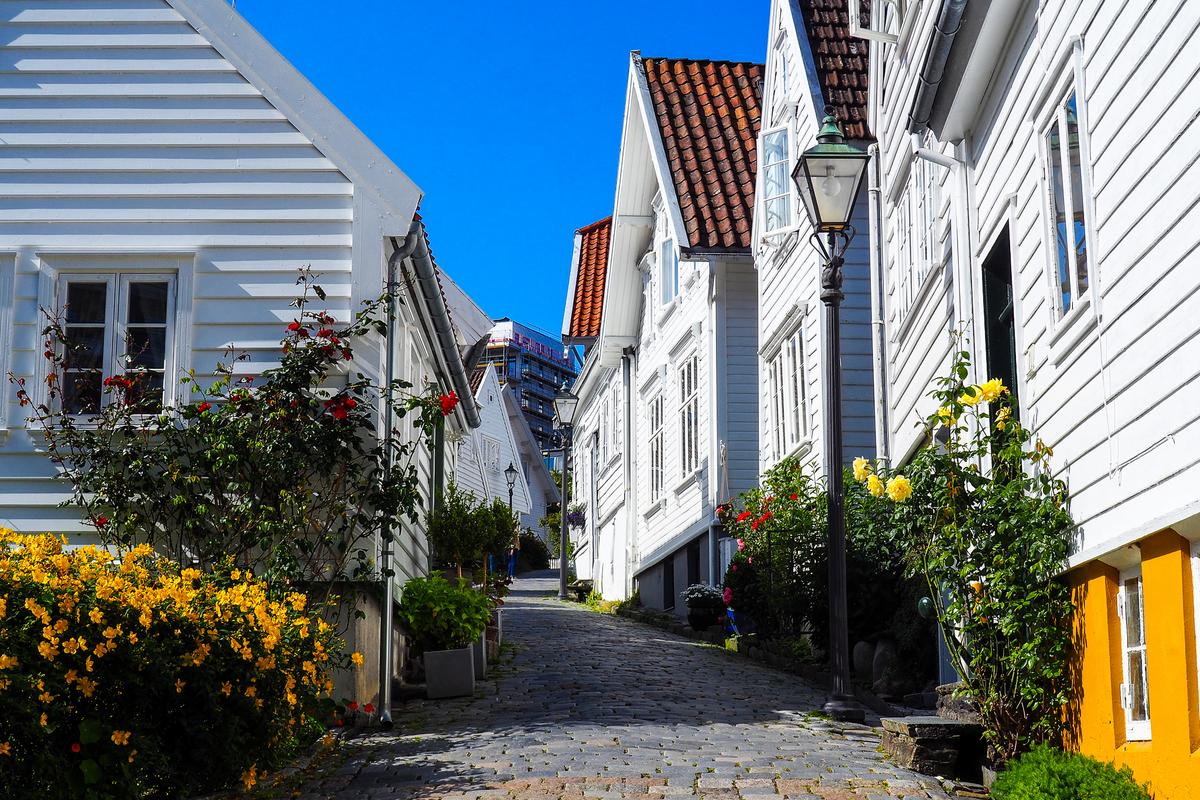
A picturesque residential street in Amsterdam Zuid famous for its arching Honey Locust trees (Gleditsia triacanthos). The trees grow in a unique crisscross pattern, creating a stunning natural canopy that is especially beautiful in autumn.
Historical significance
Lomanstraat holds considerable historical significance as a representative example of Amsterdam’s urban expansion during a transformative period in the city’s development. Emerging in the early 20th century, the street reflects broader social and economic trends in the Netherlands, including the rise of the middle class and the shift towards modern urban living. Its architecture and layout embody the ideals of the Amsterdam School, which influenced not only residential design but also the cultural identity of the city during this era. Historically, Lomanstraat and its surrounding neighborhood played a subtle yet meaningful role during the tumultuous years of World War II, with residents participating in resistance activities and the street itself witnessing the complex dynamics of occupation and liberation. Post-war preservation efforts underscore the street’s importance as a cultural and architectural heritage site, highlighting its enduring legacy within Amsterdam’s historical narrative. Beyond its local context, Lomanstraat exemplifies the evolution of European urban planning and architectural innovation in the early 1900s, contributing to scholarly understanding of this period. Its preservation provides valuable insights into the social history of Amsterdam, illustrating how urban environments adapt to changing societal needs while retaining their historical essence. As a result, Lomanstraat is recognized not only as a charming residential street but also as a historically significant landmark that continues to inform and inspire contemporary appreciation of Amsterdam’s rich past.
Historical context
Lomanstraat’s history is intricately linked to the urban expansion of Amsterdam in the late 19th and early 20th centuries, particularly within the Oud-Zuid district, which was developed as part of the city’s growth beyond its medieval boundaries. The street was named after the influential Dutch architect and urban planner, Jan Loman, whose vision helped shape the neighborhood’s elegant residential character. Constructed primarily between 1900 and 1920, Lomanstraat was designed to accommodate the burgeoning middle class during a period of economic prosperity and social change in the Netherlands. The street witnessed key historical moments, including the impact of both World Wars, during which Amsterdam faced occupation and resistance, with many residents of Oud-Zuid, including those on Lomanstraat, involved in various forms of civic and cultural resistance. Post-war reconstruction efforts preserved much of the original architecture, reflecting a strong commitment to maintaining the street’s historical integrity. Over time, Lomanstraat has evolved from a purely residential area into a locale that also embraces small-scale commerce and cultural venues, reflecting broader urban trends while retaining its historical roots. The street’s development mirrors Amsterdam’s transformation from a mercantile city to a modern European capital, making it a significant historical landmark within the city’s narrative. Today, Lomanstraat stands as a testament to the layered history of Amsterdam’s urban and social development throughout the 20th century.
Cultural context
Lomanstraat is deeply embedded in the cultural fabric of Amsterdam’s Oud-Zuid district, an area renowned for its blend of artistic heritage and cosmopolitan vibrancy. The street itself reflects the values of the early 20th-century Amsterdam bourgeoisie, who sought to create a harmonious living environment that combined refined urban living with accessibility to nature and culture. Local customs here often revolve around community engagement and preservation of heritage, with residents actively participating in neighborhood initiatives that celebrate the street’s historical and artistic significance. Cultural practices in the area include seasonal street festivals and open-air markets that highlight local crafts, foods, and music, fostering a strong sense of community identity. The proximity to museums such as the Stedelijk Museum and the Rijksmuseum enhances the cultural atmosphere, with many residents and visitors alike engaging in the city’s rich tradition of art appreciation. Lomanstraat’s cultural significance is also expressed through its role as a quiet yet vibrant residential area that balances modern urban life with respect for historical continuity. This cultural landscape is a living testament to Amsterdam’s broader commitment to integrating cultural heritage within contemporary city life, making Lomanstraat a notable example of this dynamic relationship in practice. The street continues to serve as a microcosm of Amsterdam’s cultural diversity and historical depth, underscoring its importance beyond mere geography.
Architecture
Lomanstraat is celebrated for its distinctive architectural character, which exemplifies the Amsterdam School style, a movement that flourished in the early 20th century and is known for its expressive and decorative brickwork. The buildings along Lomanstraat showcase carefully crafted facades featuring intricate masonry, rounded corners, and elaborately detailed gables that contribute to a cohesive yet dynamic streetscape. Many of the residences incorporate elements such as stained glass windows, wrought iron balconies, and sculptural ornaments that reflect the craftsmanship of the period. The use of traditional materials like brick and natural stone is complemented by innovative construction techniques of the time, including reinforced concrete structures that allowed for more flexible interior layouts. The street’s architectural design emphasizes both aesthetic appeal and functionality, with spacious apartments designed to maximize natural light and ventilation, catering to the middle-class families who originally inhabited the area. Lomanstraat’s layout also integrates green spaces and tree-lined sidewalks, enhancing the residential environment and reflecting early 20th-century urban planning ideals that prioritized harmony between built and natural environments. The preservation of these architectural elements has made Lomanstraat a valuable example of Amsterdam’s architectural heritage, attracting scholars and enthusiasts interested in the evolution of urban residential design. Its buildings stand as enduring symbols of a pivotal architectural era in Dutch history, maintaining their original charm and craftsmanship nearly a century after their construction.
Local significance
For local residents, Lomanstraat holds significant value as both a cherished residential area and a symbol of community identity within Amsterdam’s Oud-Zuid district. The street’s tranquil yet vibrant atmosphere fosters a strong sense of belonging among inhabitants, many of whom participate in neighborhood associations dedicated to preserving the street’s historical character and promoting sustainable urban living. Lomanstraat serves as a social hub where families, artists, and professionals coexist, contributing to a diverse yet cohesive community fabric. Local schools, cafes, and cultural venues along or near the street play important roles in daily life, creating informal gathering points that strengthen social ties. The street is also associated with local legends and stories passed down through generations, including anecdotes about notable former residents and the street’s role during periods of social change in Amsterdam. The community’s commitment to maintaining green spaces and supporting local businesses reflects broader Dutch values of environmental stewardship and social responsibility. Lomanstraat’s impact on the daily lives of locals extends beyond its physical boundaries, influencing neighborhood planning and cultural programming in Oud-Zuid. Its role as a peaceful residential enclave within a bustling city underscores its importance as a place where history, culture, and urban life intersect in meaningful ways. Consequently, Lomanstraat remains a beloved and integral part of the local social landscape.
Make the most of it
Local tips
- Visit during weekdays for fewer crowds
- Museum cafes often serve quality local food
- Gift shops have unique souvenirs
- Members get free entry and skip lines
- Late night openings frequently have special events
- Check for combo tickets with nearby attractions
- Special exhibitions require separate tickets
Hidden gems nearby
- Free guided tours at specific times
- Archive rooms sometimes open for special tours
- Lesser-known wings have amazing collections
- Staff recommendations for must-see pieces
- Rooftop terraces often have great city views
- Hidden courtyards perfect for photos
- Secret passages between galleries
Special features
- One of Lomanstraat’s most distinctive features is its well-preserved streetscape, which offers a rare glimpse into early 20th-century Amsterdam urban design. The street is characterized by uniform yet individually detailed townhouses and apartment buildings that create a visually coherent environment while allowing for architectural diversity. Notably, the presence of original decorative elements such as artisanal brick patterns, ornate doorways, and period-specific street lamps contributes to the street’s unique ambiance. The integration of mature trees lining the sidewalks enhances the pedestrian experience and reflects historic urban planning principles aimed at improving residents’ quality of life. Lomanstraat also hosts several small galleries and boutique shops that occupy ground-floor spaces, blending the residential character with cultural and commercial vitality. These venues often showcase local artists and craftspeople, reinforcing the street’s connection to Amsterdam’s contemporary creative scene. Additionally, the street’s proximity to the Vondelpark, Amsterdam’s largest and most famous urban park, provides residents and visitors with immediate access to green recreational space, further enhancing the locale’s appeal. The combination of architectural integrity, cultural activity, and natural surroundings makes Lomanstraat a unique feature within Amsterdam’s urban landscape. These elements collectively establish the street as a living museum of Amsterdam’s architectural and social history, while also serving as a vibrant part of the city’s modern cultural life.
How we rate it
Authenticity8/10
Accessibility score9/10
Family-friendly score8/10
Off-the-beaten-path8/10
Editorial scores on a 10-point scale, judged against places of the same kind.
Worth booking ahead in Amsterdam
Hand-picked from the operators our guides already send readers to. Prices and availability are live on the partner site.
Timed ticketGetYourGuide
Van Gogh Museum timed-entry ticket (opens GetYourGuide in a new tab)
The museum sells timed slots online only, so book the hour first and plan the rest of the day around it.
Guided tourGetYourGuide
Life of Anne Frank and Jewish Quarter walking tour (opens GetYourGuide in a new tab)
The house itself sells tickets only through its own site; this walk covers the Jewish Quarter and the story around it.
CruiseGetYourGuide
Pancake Boat: 75-minute IJ river cruise (opens GetYourGuide in a new tab)
A 75-minute cruise on the IJ with unlimited Dutch pancakes on board; the easiest boat trip to sell to children.
Where to stayBooking.com
Stays in Amsterdam (opens Booking.com in a new tab)
Live rates and availability for Amsterdam on Booking.com; filter by neighbourhood once you know where your days start.
We earn a commission if you book through these links, at no extra cost to you. It is how we keep the guides free and independent.





Where to find it
- Address
- Lomanstraat, 1075 Amsterdam, Netherlands
- Map
- Open in Maps ↗ Directions ↗ Verified location
- Coordinates
- 52.3516, 4.8616
- Destination
- Amsterdam