MenuClose

A place worth knowing

Museum Van Loon

Museums · Museum in AmsterdamUpdated

  • Google rating4.4/5
  • Typical visit1-2 hours average visit (longer with guided tour or garden visit)
  • EntranceAdmission required — check https://www.museumvanloon.nl/ for tickets
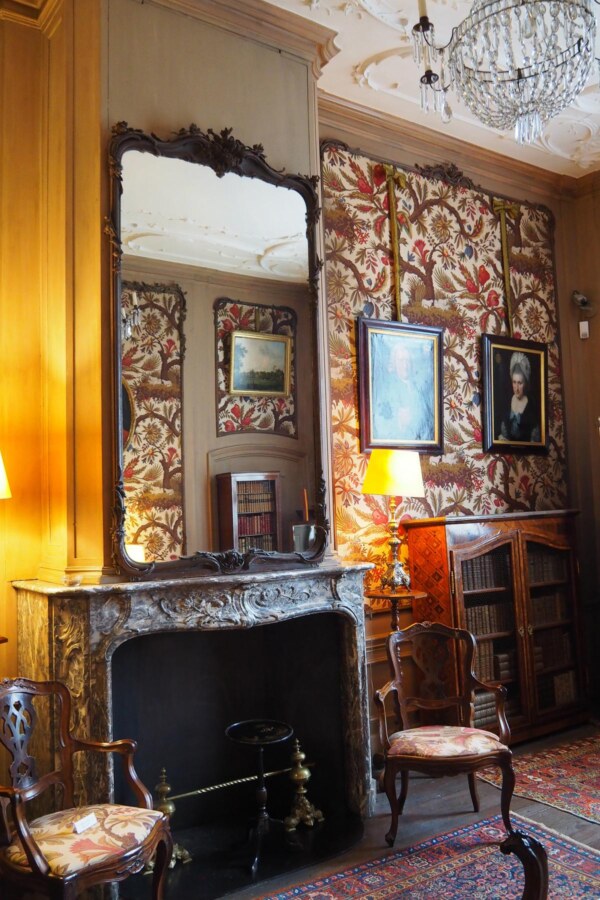
Interior of a historical drawing room in Museum van Loon, featuring a carved fireplace, classic floral wallpaper, antique chairs, and oil paintings, under the soft glow of a chandelier.
Kyle Kroeger / ViaTravelers
  • Today (Monday)10:00 AM – 5:00 PM
  • Typical visit1-2 hours average visit (longer with guided tour or garden visit)
  • EntranceAdmission required — check https://www.museumvanloon.nl/ for tickets
  • Google rating4.4/5
  • WebsiteOfficial site ↗
Opening hours all week
Monday
10:00 AM – 5:00 PM
Tuesday
10:00 AM – 5:00 PM
Wednesday
10:00 AM – 5:00 PM
Thursday
10:00 AM – 5:00 PM
Friday
10:00 AM – 5:00 PM
Saturday
10:00 AM – 5:00 PM
Sunday
10:00 AM – 5:00 PM
Features
  • Cultural heritage
  • Good for kids
  • Unique museum
The short answer

Why it matters

Museum Van Loon: a serene, historical, artistic retreat in Amsterdam.

Museum Van Loon offers an intimate journey into the refined domestic life of one of Amsterdam‘s most influential regent families inside their magnificently preserved 17th-century canal house on the prestigious Keizersgracht. Built in 1672 and once home to painter Ferdinand Bol, the double-fronted mansion became the residence of the prominent Van Loon family in 1884, whose members included city administrators, bankers, and co-founders of the Dutch East India Company. Today, visitors can experience the authentic ambiance of aristocratic Amsterdam life, wandering through lavishly decorated period rooms filled with original family portraits, furniture, silver, and porcelain that span three centuries of collecting. The property’s hidden treasure lies behind its façade: a formal garden pavilion and coach house accessible via a rare rear entrance from Kerkstraat, forming one of the last complete canal house complexes in the city. This living museum, still overseen by Van Loon descendants, preserves not just the material culture but the social rituals of Dutch patrician life, offering a uniquely personal perspective on Amsterdam’s Golden Age legacy.

Cultural Context

This cultural institution represents the collective memory and artistic heritage of Nederland, offering visitors deep insights into the local traditions, customs, and cultural values of Amsterdam.

Historical Context

Museum Van Loon is housed in a stately canal house originally built in 1672, which belonged to the influential Van Loon family, an aristocratic regent family deeply embedded in Amsterdam’s mercantile and political elite during the Dutch Golden Age. The Van Loons were prominent patrons of the arts and played significant roles in the administration of the Dutch East India Company, which shaped Amsterdam’s global trading dominance in the 17th and 18th centuries. The house remained in the family until the mid-20th century, when it was transformed into a museum in 1973, preserving the lifestyle and cultural atmosphere of Amsterdam’s upper class during the 18th and 19th centuries. The museum offers insight into the evolution of Dutch urban aristocracy, showcasing how the family adapted through periods of economic prosperity and political change, including the Napoleonic era and the rise of the modern Dutch state. The preservation of original furnishings, art collections, and family archives provides a unique window into the domestic and social history of one of Amsterdam’s leading regent families, making it a vital resource for understanding the city’s patrician culture and historical development.


Context

Story and significance

About

Situated along the picturesque Keizersgracht canal, Museum Van Loon is a portal into Amsterdam’s opulent past. The former residence of the regal Van Loon family, this grand 17th-century townhouse unveils a treasure trove of fine art, including sumptuous paintings, intricate silverwork, and delicate porcelain.

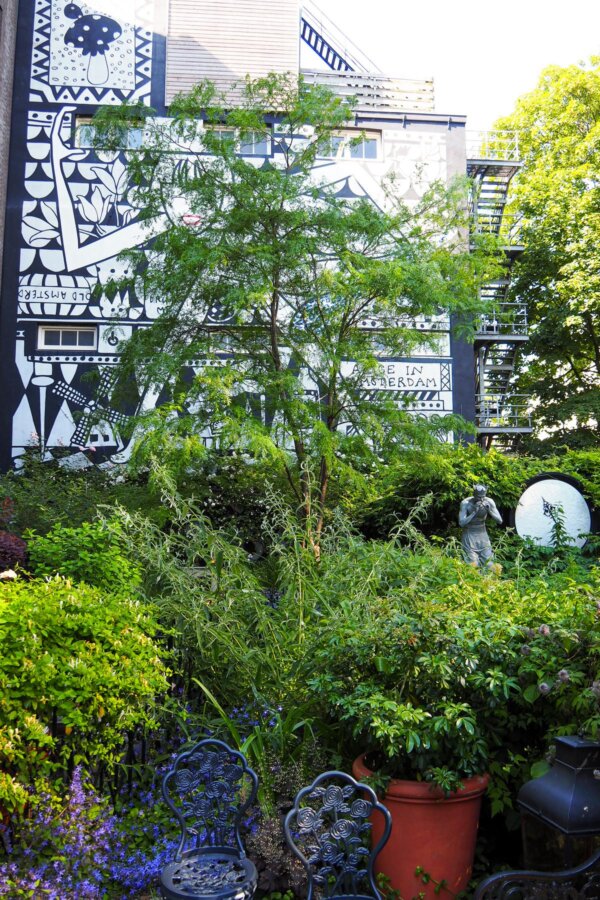
As you wander through elegant, antique-furnished rooms, gaze upon lush gardens—a serene oasis amidst urban bustle. Alluring whispers of the city’s heritage echo in each corner, inviting visitors to immerse in an aristocratic lifestyle preserved in time. Bask in the allure of bygone grandeur during a visit that transcends the ordinary museum experience.

Historical significance

Museum Van Loon preserves material culture of the Dutch mercantile elite and serves as a resource for understanding urban domestic arrangements, art collecting and social customs of Amsterdam’s wealthy families. Its archives, interiors and garden provide concrete evidence for historians studying the city’s social and economic history.

Historical context

The house dates to the Dutch Golden Age period of canal house construction and later centuries, preserved to illustrate the lifestyle of a wealthy Amsterdam family with links to trade and civic life. Over time it was converted into a museum that showcases layered domestic history and decorative arts from the 17th through 19th centuries.

Cultural context

Museum Van Loon is a canal-side house museum that offers insight into Amsterdam’s patrician domestic life, attracting visitors interested in interior decoration, period furnishings and the story of merchant-class families. For locals it is part of the broader cultural heritage trail of the city’s Golden Age canal belt and is used for cultural events and exhibitions.

Architecture

The building exemplifies Amsterdam canal-house architecture with a narrow, tall brick façade, ornate gable and richly decorated interiors including period rooms, grand staircases and garden facing the canal. Interior features such as painted ceilings, paneled rooms and original fittings convey urban patrician design and craft traditions.

Local significance

Museum Van Loon, a preserved canal house on the Keizersgracht, embodies Amsterdam’s patrician past and is meaningful to locals as an example of domestic life in the city’s Golden Age. The house-museum demonstrates historical urban living, connecting contemporary residents to family histories, canal-side architecture and the social structures that shaped Amsterdam. It serves educational and cultural functions for the neighborhood and periodically anchors local heritage programming, contributing to civic memory of the city’s mercantile and domestic history.

Bookable experiences

Worth booking ahead in Amsterdam

Hand-picked from the operators our guides already send readers to. Prices and availability are live on the partner site.

We earn a commission if you book through these links, at no extra cost to you. It is how we keep the guides free and independent.

Updated Data: Editorial research · Google Places ratings