MenuClose

A place worth knowing

Staroměstské náměstí

Historical landmarks · Square in Czech RepublicUpdated

  • Google rating4.8/5 (145,000 reviews)
  • Typical visit1-2 hours
  • EntranceFree
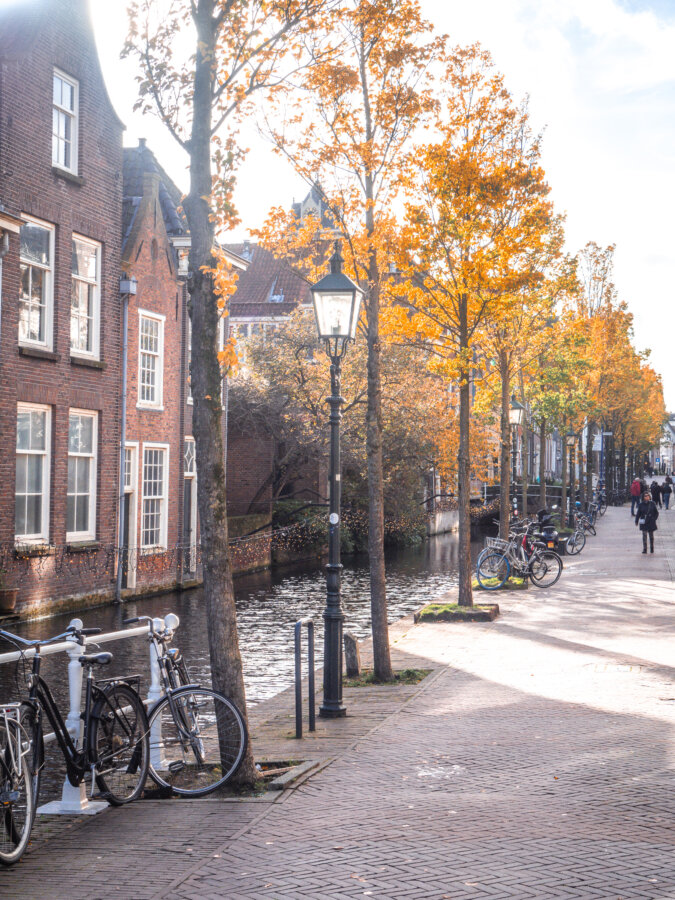
Delft's Historic Voldersgracht in Autumn
  • Today (Thursday)Open 24 hours
  • Typical visit1-2 hours
  • EntranceFree
  • Google rating4.8/5 145,000 reviews
  • WebsiteOfficial site ↗
Opening hours all week
Monday
Open 24 hours
Tuesday
Open 24 hours
Wednesday
Open 24 hours
Thursday
Open 24 hours
Friday
Open 24 hours
Saturday
Open 24 hours
Sunday
Open 24 hours
Quiet times
"{}"
Busy times
"{}"
Accessibility
"{"assistance": "Tourist information provides accessibility maps", "limitations": ["Cobblestone surface bumpy", "Crowded during peak times", "Some historic buildings have steps only"], "tower_access": "Old Town Hall tower has elevator", "ground_surface": "Historic cobblestones – challenging for wheelchairs", "accessible_routes": "Paved paths around square perimeter", "wheelchair_access": "Square fully accessible, some buildings limited", "accessible_restrooms": "In nearby cafes and restaurants", "accessible_attractions": "Ground floor of most buildings accessible"}"
The short answer

Why it matters

Prague's medieval heart featuring the 600-year-old Astronomical Clock, twin-spired Týn Church, and Jan Hus Memorial on Gothic cobblestones.

Staromestske namesti—Prague’s Old Town Square—has been the city’s social stage since the 12th century. Encircled by pastel Gothic and Baroque facades, the square features the Astronomical Clock, soaring Tyn Church spires and Jan Hus Monument. Street performers, seasonal markets and the hourly clock show animate the cobblestones, while nearby cafes provide front-row seats to Czech history unfolding amid medieval architecture.

Cultural Context

Staroměstské náměstí, or Old Town Square, serves as a vibrant cultural hub in Prague, deeply embedded in Czech traditions and communal life. It is the focal point for many annual celebrations, including the renowned Christmas and Easter markets, where local artisans and vendors showcase traditional crafts, foods, and decorations, preserving centuries-old customs. The square is also a stage for public performances of folk music, dance, and theatrical reenactments that celebrate Czech heritage. Throughout the year, it hosts gatherings that commemorate national holidays such as Czech Statehood Day and the anniversary of the Velvet Revolution, reinforcing its role as a site of cultural memory and identity. Locals and visitors alike engage with the square not only as a tourist destination but as a living space where historical narratives and contemporary Czech culture intersect. The square’s atmosphere reflects the rhythms of city life, with cafes and street performers contributing to its dynamic cultural fabric. Its importance extends beyond mere aesthetics, embodying the spirit of Prague’s community and acting as a custodian of Czech cultural expression. The cultural vibrancy of Staroměstské náměstí continues to attract those interested in experiencing authentic local customs and traditions firsthand.

Historical Context

Staroměstské náměstí has been at the center of Prague’s historical narrative since its establishment in the 12th century. Originally a marketplace, it evolved into the political and social heart of the city, witnessing pivotal events such as the execution of 27 Czech leaders after the Battle of White Mountain in 1621, a grim moment that marked the suppression of the Bohemian Revolt. The square also played a significant role during the Hussite Wars in the 15th century and later during the Prague Uprising of 1945. Over the centuries, it has been a site for royal coronations, public gatherings, and protests, reflecting the turbulent history of Bohemia and the Czech Republic. The Old Town Hall, with its famous astronomical clock installed in 1410, stands as a testament to the medieval governance and scientific achievements of the era. The square’s layout and surrounding buildings have evolved through Gothic, Baroque, and Rococo influences, mirroring the city’s changing political and cultural fortunes. Its endurance through wars, regime changes, and social transformations makes Staroměstské náměstí a living chronicle of Prague’s past, embodying layers of history that continue to inform its present identity.

Context

Story and significance

About

Staroměstské náměstí (Old Town Square) is Prague’s historic central plaza, dating to the 12th century when it served as a marketplace at the crossroads of European trade routes. Dominated by the twin-spired Týn Church, the Baroque St. Nicholas Church, and the 1410 Astronomical Clock (Orloj) on the Old Town Hall — the world’s oldest still-operating astronomical clock — the square also features a monument to reformer Jan Hus and rows of colorful Baroque and Gothic facades.

Historical significance

Staroměstské náměstí holds a paramount place in Czech and European history as a site of momentous political, religious, and social events. It was the stage for the execution of 27 Czech nobles in 1621, a defining moment that symbolized the suppression of Protestantism and the imposition of Habsburg rule, profoundly affecting the region’s religious and political landscape. The square was also pivotal during the Hussite movement in the 15th century, which challenged Catholic orthodoxy and influenced broader European Reformation currents. Throughout the centuries, it has witnessed royal ceremonies, public executions, and revolutionary gatherings, including protests during the 20th-century struggles against totalitarian regimes. The presence of the Old Town Hall and its astronomical clock reflects the city’s medieval prominence in science and governance. The square’s survival through wars and political upheavals illustrates the resilience of Prague’s urban and cultural identity. Its layered history provides critical insights into the development of Central European politics, religion, and society. As a result, Staroměstské náměstí is not only a local landmark but also a symbol of enduring historical processes that have shaped the modern Czech Republic and its place in European history.

Historical context

Staroměstské náměstí has been at the center of Prague’s historical narrative since its establishment in the 12th century. Originally a marketplace, it evolved into the political and social heart of the city, witnessing pivotal events such as the execution of 27 Czech leaders after the Battle of White Mountain in 1621, a grim moment that marked the suppression of the Bohemian Revolt. The square also played a significant role during the Hussite Wars in the 15th century and later during the Prague Uprising of 1945. Over the centuries, it has been a site for royal coronations, public gatherings, and protests, reflecting the turbulent history of Bohemia and the Czech Republic. The Old Town Hall, with its famous astronomical clock installed in 1410, stands as a testament to the medieval governance and scientific achievements of the era. The square’s layout and surrounding buildings have evolved through Gothic, Baroque, and Rococo influences, mirroring the city’s changing political and cultural fortunes. Its endurance through wars, regime changes, and social transformations makes Staroměstské náměstí a living chronicle of Prague’s past, embodying layers of history that continue to inform its present identity.

Cultural context

Staroměstské náměstí, or Old Town Square, serves as a vibrant cultural hub in Prague, deeply embedded in Czech traditions and communal life. It is the focal point for many annual celebrations, including the renowned Christmas and Easter markets, where local artisans and vendors showcase traditional crafts, foods, and decorations, preserving centuries-old customs. The square is also a stage for public performances of folk music, dance, and theatrical reenactments that celebrate Czech heritage. Throughout the year, it hosts gatherings that commemorate national holidays such as Czech Statehood Day and the anniversary of the Velvet Revolution, reinforcing its role as a site of cultural memory and identity. Locals and visitors alike engage with the square not only as a tourist destination but as a living space where historical narratives and contemporary Czech culture intersect. The square’s atmosphere reflects the rhythms of city life, with cafes and street performers contributing to its dynamic cultural fabric. Its importance extends beyond mere aesthetics, embodying the spirit of Prague’s community and acting as a custodian of Czech cultural expression. The cultural vibrancy of Staroměstské náměstí continues to attract those interested in experiencing authentic local customs and traditions firsthand.

Architecture

Staroměstské náměstí is an architectural tapestry showcasing styles from Gothic to Baroque and Rococo, reflecting Prague’s rich artistic heritage. The Old Town Hall, founded in 1338, is a prime example of Gothic architecture, particularly noted for its towering spire and the medieval astronomical clock, or Orloj, which remains a masterpiece of medieval engineering and artistry. Surrounding the square are buildings with elaborate Baroque facades, such as the Church of St. Nicholas, whose ornate interiors and frescoes exemplify the grandeur of 18th-century ecclesiastical design. The Kinský Palace, with its Rococo elegance, adds to the square’s architectural diversity. The square’s cobblestone surface preserves the medieval urban layout, while the intricate stonework and sculptural details on many buildings highlight the craftsmanship of different historical periods. The harmonious coexistence of these styles within a compact urban space offers visitors a visual narrative of Prague’s architectural evolution. The preservation efforts have maintained the integrity of these historic structures, allowing the square to serve as an open-air museum of European architectural history. Staroměstské náměstí’s built environment is not only aesthetically significant but also an invaluable resource for understanding the cultural and historical contexts of its time.

Local significance

For Prague’s residents, Staroměstské náměstí is more than a historic site; it is a central gathering place that anchors community life and local identity. It serves as a venue for social interaction, public discourse, and cultural exchange, reinforcing its role as the city’s communal living room. Local traditions, such as the annual Christmas and Easter markets, are eagerly anticipated events that foster a sense of continuity and belonging. The square’s cafes and shops are integral to daily life, providing spaces where locals meet, relax, and engage with the city’s vibrant street culture. It is also a place where local legends and stories are passed down, including tales related to the astronomical clock’s creation and the heroic deeds of figures like Jan Hus. The square’s significance is reflected in the pride locals take in preserving its historic character while adapting it to contemporary needs. Its accessibility and central location make it a natural point for festivals, political demonstrations, and civic celebrations, underscoring its importance as a symbol of Prague’s democratic spirit and cultural resilience. Staroměstské náměstí remains a cherished landmark that continues to shape the social and cultural fabric of the city.

Experience

Make the most of it

Local tips
  • Visit during weekdays for fewer crowds
  • Museum cafes often serve quality local food
  • Late night openings often have special events
  • Gift shops have unique souvenirs
  • Special exhibitions require separate tickets
  • Check for combo tickets with nearby attractions
  • Members get free entry and skip lines
Hidden gems nearby
  • Secret passages between galleries
  • Lesser-known wings have amazing collections
  • Rooftop terraces often have great city views
  • Hidden courtyards perfect for photos
  • Free guided tours at specific times
  • Staff recommendations for must-see pieces
  • Archive rooms sometimes open for special tours
Special features
  • One of the most distinctive features of Staroměstské náměstí is the Prague Astronomical Clock mounted on the Old Town Hall, which draws crowds every hour to witness its intricate procession of Apostles and animated figures. The clock, dating back to 1410, is the third-oldest astronomical clock in the world and the oldest still operating. Another unique element is the Jan Hus Memorial, a towering statue erected in 1915 to honor the religious reformer and national hero, symbolizing Czech resistance and identity. The square also features a variety of historic fountains, such as the Baroque Marian Column, originally erected in 1650 and recently restored, which has been a focal point of religious and political symbolism. The cobblestone pavement itself is notable for its preservation of the medieval street pattern, contributing to the square’s authentic atmosphere. Seasonal markets transform the square with wooden stalls, traditional decorations, and festive lights, creating a distinctive ambiance that changes throughout the year. Additionally, the square’s open-air cafes and street performances add to its lively character, making it a place where history and contemporary urban life blend seamlessly. These special features collectively create an environment that is both educational and immersive for visitors.
Editorial scores

How we rate it

Authenticity9/10
Accessibility score9/10
Family-friendly score8/10
Off-the-beaten-path3/10

Editorial scores on a 10-point scale, judged against places of the same kind.

Updated Data: Editorial research · Google Places ratings · Verified coordinates