The Czech Republic sits at the heart of Europe, offering a captivating blend of medieval charm and modern vitality. This small but culturally rich nation is home to over 2,000 castles and châteaux, more than 40 protected historical towns, and 14 UNESCO World Heritage sites. The capital Prague, with its well-preserved Old Town and majestic Prague Castle, serves as the gateway to exploration, but treasures abound beyond in regions like Bohemia and Moravia. Visitors can discover picturesque medieval towns like Český Krumlov, explore the dramatic sandstone formations of Bohemian Switzerland National Park, enjoy world-renowned beer and wine traditions, and experience authentic local festivals. With its fascinating history spanning from medieval kingdoms through Habsburg rule and communism to modern democracy, outstanding architecture, vibrant arts scene, and stunning natural landscapes, the Czech Republic offers an authentic European experience that punches well above its weight.
The destination guide
Czech Republic
Country in EuropeUpdated
- Overall9/10
- Best forSolo travelers
- PeakMay–Sep
- CurrencyCZK
Prague gets all the attention, but the Czech Republic’s 2,000+ castles and 14 UNESCO sites are spread across the whole country.
Travel guides for Czech Republic
Itineraries & day trips (1)
Things to do (3)
Where to stay (1)
Destination stories (2)
More guides featuring Czech Republic (33)
At a glance
- Czech
- Medieval town
- Riverside setting
- Castle grounds
- Bohemian forest
How Czech Republic scores
Editorial scores on a 10-point scale, weighed against destinations of the same kind.
Travel safety snapshot
SafePlace indicators use their source 100-point scale; higher is more favourable. Planning context, not a live travel advisory — check official government guidance before you go.
When to go
Best months to visit: April, May, June, July, August, September and October.
- January: -2.9 to 2.4 degrees Celsius, 54.2 millimetres of rain, best-time score 2 out of 5.
- February: -1.5 to 5.2 degrees Celsius, 48 millimetres of rain, best-time score 2 out of 5.
- March: 0.4 to 8.9 degrees Celsius, 43.9 millimetres of rain, best-time score 3 out of 5.
- April: 4 to 13.2 degrees Celsius, 53.9 millimetres of rain, best-time score 4 out of 5.
- May: 8.1 to 17.3 degrees Celsius, 80.9 millimetres of rain, best-time score 5 out of 5.
- June: 13.1 to 22.6 degrees Celsius, 83 millimetres of rain, best-time score 5 out of 5.
- July: 14.2 to 23.6 degrees Celsius, 73.9 millimetres of rain, best-time score 5 out of 5.
- August: 14.4 to 23.8 degrees Celsius, 84.6 millimetres of rain, best-time score 5 out of 5.
- September: 10.9 to 19.3 degrees Celsius, 88 millimetres of rain, best-time score 5 out of 5.
- October: 6.9 to 13.8 degrees Celsius, 61.8 millimetres of rain, best-time score 4 out of 5.
- November: 1.8 to 7.1 degrees Celsius, 51 millimetres of rain, best-time score 2 out of 5.
- December: -1 to 3.7 degrees Celsius, 59.6 millimetres of rain, best-time score 3 out of 5.
Month-by-month conditions and packing advice
- January
- Cold, occasional rain Cold winter weather, few tourists. Crowds: January in Czech Republic is workable with normal seasonal planning; build in layers, weather checks, and a mix of indoor and outdoor activities. Pack: Pack warm layers, a coat, and comfortable shoes for cold mornings and evenings.
- February
- Cold, occasional rain Chilly and quiet, good for museums. Crowds: February in Czech Republic is workable with normal seasonal planning; build in layers, weather checks, and a mix of indoor and outdoor activities. Pack: Pack warm layers, a coat, and comfortable shoes for cold mornings and evenings.
- March
- Cold, occasional rain Beginning to warm up, spring blossoms. Crowds: March in Czech Republic is workable with normal seasonal planning; build in layers, weather checks, and a mix of indoor and outdoor activities. Pack: Pack warm layers, a coat, and comfortable shoes for cold mornings and evenings.
- April
- Cool to mild, occasional rain Pleasant spring weather, great for walking. Crowds: April in Czech Republic is workable with normal seasonal planning; build in layers, weather checks, and a mix of indoor and outdoor activities. Pack: Pack layered clothing and comfortable walking shoes.
- May
- Cool to mild, some rain Excellent weather before the summer crowds. Crowds: May in Czech Republic is workable with normal seasonal planning; build in layers, weather checks, and a mix of indoor and outdoor activities. Pack: Pack layered clothing and comfortable walking shoes. Add a rain jacket or compact umbrella.
- June
- Mild to warm, some rain Warm, sunny, and lively. Crowds: June in Czech Republic is workable with normal seasonal planning; build in layers, weather checks, and a mix of indoor and outdoor activities. Pack: Pack layered clothing and comfortable walking shoes. Add a rain jacket or compact umbrella.
- July
- Mild to warm, some rain Peak summer heat and peak tourist season. Crowds: July in Czech Republic is workable with normal seasonal planning; build in layers, weather checks, and a mix of indoor and outdoor activities. Pack: Pack layered clothing and comfortable walking shoes. Add a rain jacket or compact umbrella.
- August
- Mild to warm, some rain Very warm, many festivals and outdoor dining. Crowds: August in Czech Republic is workable with normal seasonal planning; build in layers, weather checks, and a mix of indoor and outdoor activities. Pack: Pack layered clothing and comfortable walking shoes. Add a rain jacket or compact umbrella.
- September
- Cool to mild, some rain Perfect shoulder season with great weather. Crowds: September in Czech Republic is workable with normal seasonal planning; build in layers, weather checks, and a mix of indoor and outdoor activities. Pack: Pack layered clothing and comfortable walking shoes. Add a rain jacket or compact umbrella.
- October
- Cool to mild, occasional rain Crisp autumn air and beautiful colors. Crowds: October in Czech Republic is workable with normal seasonal planning; build in layers, weather checks, and a mix of indoor and outdoor activities. Pack: Pack layered clothing and comfortable walking shoes.
- November
- Cold, occasional rain Cooling down rapidly, often rainy. Crowds: November in Czech Republic is workable with normal seasonal planning; build in layers, weather checks, and a mix of indoor and outdoor activities. Pack: Pack warm layers, a coat, and comfortable shoes for cold mornings and evenings.
- December
- Cold, occasional rain Cold but festive holiday atmosphere. Crowds: December in Czech Republic is workable with normal seasonal planning; build in layers, weather checks, and a mix of indoor and outdoor activities. Pack: Pack warm layers, a coat, and comfortable shoes for cold mornings and evenings.
- July
- August
- May
- June
- September
- January
- February
- November
- December
- March
- April
Know before you go
Neighbourhoods
Prague, Brno, Cesky Krumlov, Karlovy Vary
Best time to visit
Spring (May) and Autumn (September) are ideal. The weather is mild (55-65°F), and the parks are colorful. May brings the Prague Spring Music Festival.
Winter (December) is magical for Christmas Markets, despite the cold. Summer is beautiful but very crowded; wake up at sunrise to enjoy the bridge alone.
Season by season
Spring: Blooming magnolias in Wallenstein Garden, Prague Spring Festival.
Summer: Outdoor beer gardens (Letná Park), river paddle-boating, busy streets.
Fall: Burčák (young wine) season, golden leaves on Petřín Hill.
Winter: Christmas markets in every square, cozy cafes, fewer tourists (Jan-Feb).
Crowds
Czech Republic draws heavy tourists to Prague year-round with peak crowds in June–August and major events like Christmas markets (Dec) and Prague Spring festival (May); quieter in November–March outside ski resorts, with much lower volumes in winter except holidays.
Getting there and around
Getting there
Czech Republic, a Schengen Area member, is commonly entered via Vaclav Havel Airport Prague (PRG). Airlines including Delta and Lufthansa connect Prague with international hubs, though no direct U.S. flights exist requiring European transfers. Central European location provides excellent train and bus networks from Germany, Austria, and Poland. U.S. citizens need no visa for 90-day tourist/business stays but require passport valid for three months beyond planned Schengen departure. Proof of sufficient funds and valid medical insurance covering hospitalization are legal entry requirements.
Getting around
Navigate Prague’s exceptional public transport trinity: metros running every 2-5 minutes from 5am-midnight, trams as reliable surface transport (backbone lines 9, 17, 22 every 4-5 minutes), and buses including crucial airport shuttles 100, 119, and 191 to Metro Lines A/B. Purchase hassle-free 24-hour (CZK 120) or 72-hour (CZK 330) tickets from contactless terminals on all vehicles—no validation needed after electronic purchase. Explore the Czech Republic via Europe’s densest railway network and sophisticated bus system, both reliable for intercity travel from Praha’s Hlavní Nádraží station. Rent cars for countryside exploration (drive right, lights always on, zero alcohol tolerance) with electronic vignettes required for highways since 2021, respecting 50km/h urban, 90km/h rural, 130km/h motorway limits. Experience night magic via nine tram lines (91-99) running every 30 minutes from 0:30-4:30, maintaining Prague’s 24/7 connectivity. Czech transport density rivals world’s best—from medieval cobblestones to modern metros, every corner connects seamlessly.
Top experiences in Czech Republic
Prague Castle & St. Vitus Cathedral
Read the place guide →Prague Castle is the largest ancient castle complex in the world, dominating the skyline. Within its walls lies St. Vitus Cathedral, a Gothic masterpiece where Czech kings were crowned. The complex also housing the Old Royal Palace, St. George’s Basilica, and Golden Lane with its tiny, colorful artisan houses. It is more than a monument; it is the symbol of the Czech state.
Charles Bridge
Read the place guide →Charles Bridge is a stunning 14th-century stone bridge connecting Old Town with Lesser Town, lined with 30 baroque statues of saints. It is a pedestrian-only open-air gallery offering the most iconic views of the castle and river. Walking across at dawn, when the mist rises from the Vltava River and the crowds are absent, is a magical experience.
Old Town Square & Astronomical Clock
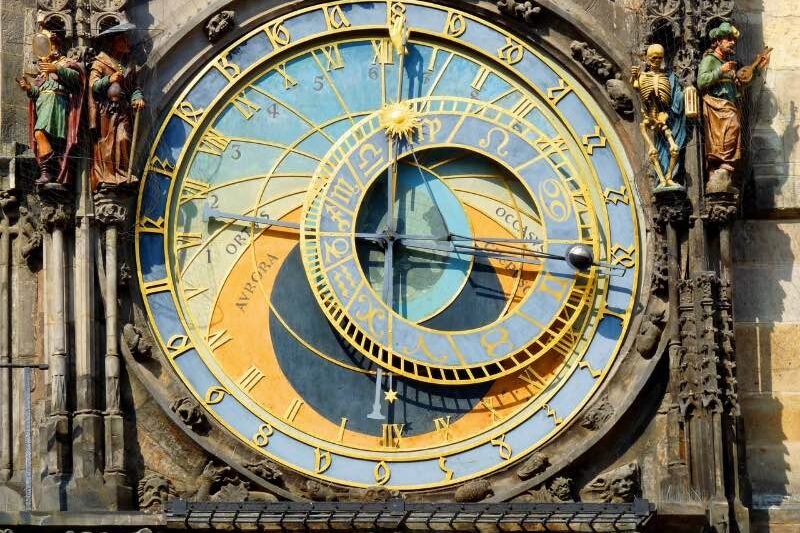
The Old Town Square is the beating heart of historic Prague, surrounded by pastel-colored baroque buildings and the gothic Týn Church. The medieval Astronomical Clock performs a mechanical show every hour that draws crowds from around the world. It is the perfect place to soak in the atmosphere, especially during the festive Easter and Christmas markets.
Cesky Krumlov
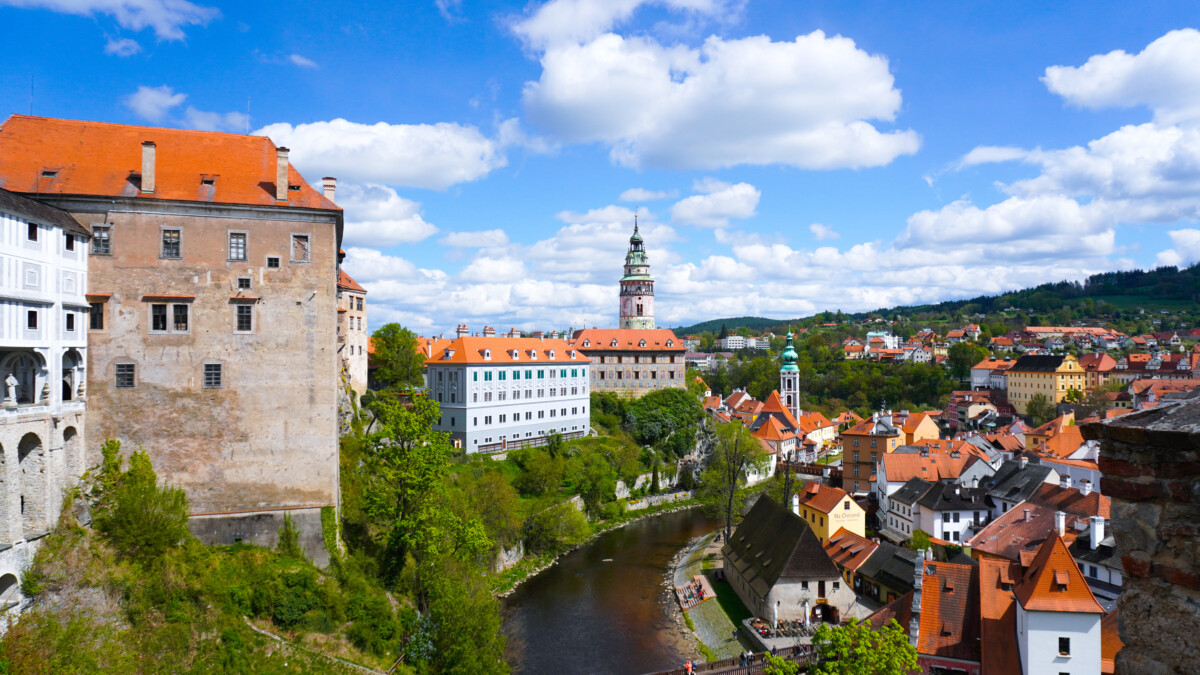
Cesky Krumlov, a UNESCO World Heritage site in South Bohemia, is like a miniature Prague frozen in the Renaissance. The town is dominated by a massive castle complex and looped by the Vltava River. Its winding medieval streets, completely free of modern buildings, offer a fairytale experience that makes the 2.5-hour trip from Prague incredibly rewarding.
Kutná Hora & Sedlec Ossuary
Kutná Hora was once the silver treasury of the Czech kingdom. Today, it is famous for the Sedlec Ossuary (Bone Church), a chapel artistically decorated with the bones of over 40,000 people. The town also boasts the soaring St. Barbara’s Cathedral, a jewel of late Gothic architecture dedicated to the patron saint of miners.
Editor-curated picks carried over from our original guide. Where a full place guide exists, the card links to it.



Worth booking ahead in Czech Republic
Hand-picked from the operators our guides already send readers to. Prices and availability are live on the partner site.
Timed ticketGetYourGuide
Prague Castle skip-the-line ticket with intro (opens GetYourGuide in a new tab)
Budget orientation: collect the ticket, take the 20-minute introduction, then explore the castle at your own pace.
Where to stayBooking.com
Stays in Czech Republic (opens Booking.com in a new tab)
Live rates and availability for Czech Republic on Booking.com; filter by neighbourhood once you know where your days start.
We earn a commission if you book through these links, at no extra cost to you. It is how we keep the guides free and independent.
Where to stay
Augustine, a Luxury Collection Hotel
Letenská 12/33, 118 00 Malá Strana, Czechia
Augustine, a Luxury Collection Hotel, is located in the heart of the picturesque Malá Strana district, right under Prague Castle. Housed in a still-active 13th-century monastery, the hotel exudes a sense of serene history. Guests can taste the hotel’s own ‘St. Thomas Beer,’ brewed according to a centuries-old recipe by the Augustinian monks. The rooms combine monastic architectural details with contemporary Czech cubist furnishings.
Mandarin Oriental, Prague
Nebovidská 459/1, 118 00 Malá Strana, Czechia
Mandarin Oriental, Prague is a quiet sanctuary built on the site of a 14th-century Dominican monastery. It offers a sophisticated blend of historic character and modern luxury, featuring the world’s only spa located in a former Renaissance chapel. Its location in the Lesser Town puts you steps away from Charles Bridge but tucked away in a peaceful cobblestone street, perfect for discerning travelers seeking privacy.
THE MANES Boutique Hotel
Myslíkova 20, 120 00 Nové Město, Czechia
THE MANES Boutique Hotel offers a sleek, modern contrast to Prague’s historic weight. Located near the Vltava River in New Town, it features contemporary Art Deco design and state-of-the-art amenities. It is ideal for travelers who appreciate modern comfort and design while being walking distance to the Dancing House and the vibrant Naplavka riverbank.
Editor-curated stays carried over from our original guide. Where we have reviewed the hotel, the card links to the review.
Tips from the field
Highlights
- Prague Castle – World's largest ancient castle complex
- Charles Bridge – Iconic 14th-century stone bridge
- Old Town Square – Medieval heart with Astronomical Clock
- Cesky Krumlov – Fairytale Renaissance town (UNESCO)
- Kutná Hora – Silver town with the famous Bone Church
- Beer Culture – Home to the original Pilsner
- Jewish Quarter (Josefov) – Historic synagogues and cemetery
- Bohemian Switzerland – Dramatic sandstone landscapes
Best activities
- Explore Architecture: Walk the Royal Route from the Powder Tower to Prague Castle to see a timeline of architectural history. River Cruising: A boat trip on the Vltava offers unique perspectives of the bridges.
- Beer Tasting: Visit a monastery brewery like Strahov or a traditional Pilsner hall. Day Trips: Take a train to Kutná Hora or a bus to Cesky Krumlov to see the diversity of Bohemia. Hiking: Explore Bohemian Switzerland National Park for dramatic sandstone formations.
Practical tips
- Transport: Prague's public transport is excellent. Buy a 24-hour pass for trams and metro. Don't forget to validate your paper ticket once!
- Currency: Czech Crown (CZK), not Euro, though some places accept Euro at bad rates. Use ATMs.
- Tipping: Round up or leave 10% for good service.
- Walking: Pack comfortable shoes; the cobblestones (called 'cat heads') are notoriously hard on feet and heels.
Photography tips
- Charles Bridge: Sunrise (around 5:30-6:00 AM in summer) is the *only* time to get a clean shot without thousands of people.
- Reflections: Shoot from the riverbank near Franz Kafka Museum for swans with the bridge in the background.
- Viewpoints: Climb the Old Town Hall Tower for the classic view of the Týn Church and red roofs.
- Blue Hour: The castle illuminated against a deep blue twilight sky is the signature postcard shot.
Keeping it authentic
- Authentic Czech culture is found in the 'hospoda' (pub). Beer is not just a drink here
- it is a national heritage and a social lubricant. For a true local experience, visit a neighborhood pub outside the center and order a 'hladinka' (smooth pour). Musically, the Czech lands are the conservatory of Europe
- attending a concert in a church or the Rudolfinum is a deeply ingrained tradition, not just a tourist activity.
Culture, customs and safety
Cultural heritage
Czech Republic showcases 17 UNESCO World Heritage Sites, representing exceptional medieval, Renaissance, and Baroque architectural heritage. Historic Prague features Hradcany Castle (world largest ancient castle complex), Gothic St. Vitus Cathedral, and Charles Bridge built under Charles IV in 14th century. Cesky Krumlov preserves Gothic, Renaissance, and Baroque architecture around second-largest castle complex, housing one of only four working Baroque theaters worldwide alongside Litomysl Castle. Kutna Hora reflects medieval mining town prosperity through Church of St. Barbara and Cathedral of Our Lady at Sedlec, establishing central European Baroque architectural foundations. Telc harmoniously blends Gothic, Renaissance, and Baroque styles, while Holasovice showcases “Folk-Baroque” decorated farmstead facades as best-preserved early examples. Living cultural traditions include International Music Festival Cesky Krumlov and Five-Petalled Rose Festival transforming downtown into medieval celebration with craftsmen, artists, musicians in period costume performing jousting, fencing, historical dance, and folk theater. Traditional crafts flourish within castle precincts and along rivers, supported by centuries-old trade promotion by noble families like the Rosenbergs, creating vibrant cultural continuity spanning from medieval origins to contemporary celebrations.
Local customs & etiquette
Punctuality is highly esteemed in the Czech Republic, so being on time for any engagement is essential. A firm and brief handshake is the standard greeting. When invited to a local home, it is customary to remove your shoes at the door and to present your host with a small gift, such as flowers.
Safety notes
Czech Republic is one of the safest countries in the world.
Pickpockets: The only real danger. Be hyper-vigilant on the No. 22 tram, near the Astronomical Clock, and on Charles Bridge.
Taxis: Use Uber or Bolt rather than hailing street taxis to avoid overcharging.
Scams: Avoid ‘money exchange’ men on the street; they will give you worthless currency.