The best places to visit in the Czech Republic combine Prague’s major landmarks with UNESCO-listed towns, castles, caves, spa cities, and protected mountain areas. For a first trip, spend at least three days in Prague, add Český Krumlov or Kutná Hora, then choose one region that fits your interests: Brno and the Moravian Karst, Karlovy Vary, South Bohemia, or a national park.
Czechia is the official short name, while the Czech Republic is the formal name. This guide uses both. A focused week is enough for Prague and two nearby destinations; 10 to 14 days gives you time to cross the country without turning every day into a transfer.
Planning details were last checked in August 2026. Opening hours, ticket rules, cave operations, and hiking access can change with the season or weather, so confirm the official links before travel.
Some links in this guide are affiliate links. ViaTravelers may earn a commission if you book through them, at no added cost to you. The recommendations below are based on how well each option solves a travel-planning problem.
Best places in the Czech Republic at a glance
| Place | Best for | Time to allow | Best base or access |
|---|---|---|---|
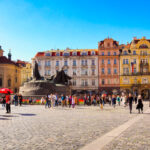
| Charles Bridge | Prague history and views | 45-90 minutes | Central Prague |
| Český Krumlov Castle | Castle interiors and a UNESCO old town | One full day; overnight is better | Český Krumlov |
| Cathedral of St. Peter and Paul | Architecture and Brno city views | 45-90 minutes | Brno |
| Brno Ossuary | Underground history | 30-45 minutes | Brno |
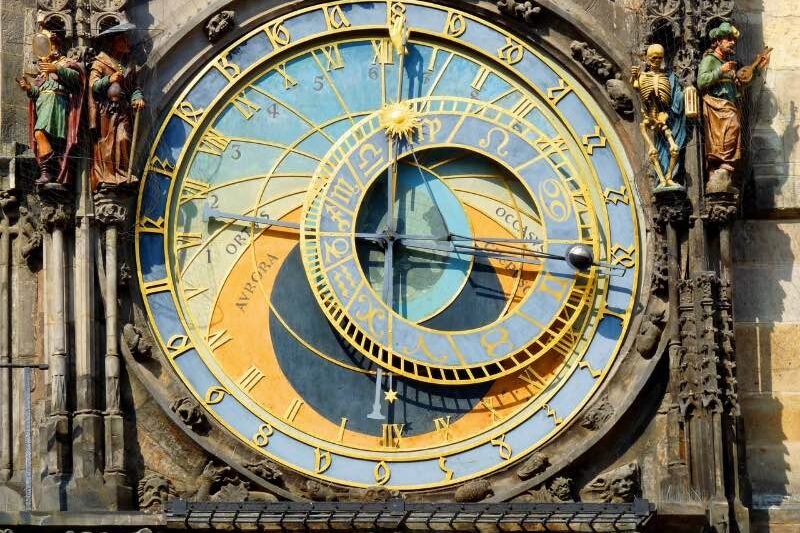
| Prague Astronomical Clock | Medieval engineering and Old Town | 20 minutes; 1-2 hours with Old Town Hall | Central Prague |
| Moravian Karst | Caves and the Macocha Abyss | Half to full day | Brno or Blansko |
| Bohemian Switzerland | Sandstone hiking | One full day or longer | Hřensko, Děčín, or Jetřichovice |
| Hluboká Castle | Neo-Gothic rooms and gardens | Half day | České Budějovice |
| Šumava National Park | Forests, peat bogs, lakes, and cycling | Two days or longer | Kvilda, Modrava, or Železná Ruda |
| Průhonice Park | Landscape gardens near Prague | 2-4 hours | Prague |
| Kutná Hora | UNESCO architecture and Sedlec Ossuary | One full day | Prague or Kutná Hora |
| Holašovice | South Bohemian rural heritage | 1-2 hours | České Budějovice or Český Krumlov |
| Karlovy Vary | Spa architecture and colonnades | One full day or overnight | Karlovy Vary |
| Špindlerův Mlýn | Skiing and Krkonoše hiking | Two days or longer | Špindlerův Mlýn |
| Aqualand Moravia | Families and bad-weather days | Half to full day | Brno, Mikulov, or Pasohlávky |
15 best places to visit in the Czech Republic
1. Charles Bridge, Prague

Location: Karlův most, Prague 1. Best for: first-time visitors, architecture, and city views. Plan for: 45-90 minutes, or longer if you visit the bridge towers and Lesser Town.
Charles Bridge is a useful starting point for understanding historic Prague. Construction began in 1357 under Charles IV and finished in 1402. The sandstone bridge connects Old Town with Malá Strana, with fortified towers at both ends and views toward Prague Castle.
The bridge is free and open at all hours. Go around sunrise for clearer photos and more room to study the statues; return after dark to see the castle and riverfront illuminated. The surface is uneven, and winter ice or rain can make the stones slippery.
Continue into Malá Strana or follow a self-guided walk from the bridge through Old Town. The dedicated Charles Bridge visitor guide explains the towers, statues, and nearby stops. For a broader route, use this three-day Prague itinerary.
Check the official Prague City Tourism page for Charles Bridge. A guided Prague walking tour is useful on your first morning if you want historical context before exploring independently.
2. Český Krumlov Castle

Location: Zámek 59, Český Krumlov. Best for: castle interiors, Renaissance and Baroque architecture, and a compact UNESCO-listed old town. Plan for: one full day; stay overnight if the schedule allows.
Český Krumlov Castle rises above a tight bend in the Vltava River and dominates the town below. The complex includes courtyards, a castle museum, a tower, formal gardens, state rooms, and a highly preserved Baroque theater. It is an active heritage site rather than an abandoned castle.
Choose the ticket before you arrive. The Castle Museum and Tower are self-guided, while the main interior routes and Baroque theater use scheduled tours and operate seasonally. The theater has limited capacity, so it requires more planning than a walk through the courtyards or gardens.
A Prague day trip is possible, but the travel time makes it a long day. An overnight stay gives you an evening and early morning in the old town after many day visitors have left. Castle enthusiasts can compare this stop with other castles in the Czech Republic.
Review the official Český Krumlov Castle tour routes before choosing a ticket. Travelers who do not want to coordinate intercity transport can use a guided Český Krumlov day trip from Prague.
3. Cathedral of St. Peter and Paul, Brno

Location: Petrov 9, Brno. Best for: church architecture, city views, and a compact Brno walking route. Plan for: 45-90 minutes.
The Cathedral of St. Peter and Paul is the cathedral of the Diocese of Brno. The site began with Romanesque buildings in the 11th and 12th centuries, followed by a Gothic reconstruction and an 18th-century Baroque interior. The twin towers that define Brno’s skyline are part of the cathedral’s later neo-Gothic appearance.
Listen for the bells at 11 a.m. rather than noon, a local tradition linked to the Swedish siege of Brno. The cathedral interior is generally free to enter, while the towers have separate hours and admission. Services and religious events take priority, so sightseeing access can change.
Pair Petrov Hill with Denis Gardens, the Vegetable Market, Old Town Hall, and the Brno Ossuary. The cathedral and ossuary together make a logical half-day in central Brno.
Confirm tower access and service times on the official Go To Brno cathedral page. More countrywide context is available in this guide to famous Czech landmarks.
4. Brno Ossuary

Location: Jakubské náměstí, Brno. Best for: underground history and travelers interested in memorial sites. Plan for: 30-45 minutes.
The Brno Ossuary occupies three burial chambers beneath the Church of St. James. It contains the remains of more than 50,000 people and is described by the city as Europe’s second-largest ossuary by original size, after Paris. The chambers were probably established in the 17th century, rediscovered in the early 21st century, and opened to the public in 2012.
This is a small, low-light site where the human remains should be treated with care. It may not be appropriate for young children or visitors who find displays of human bones distressing. Timed entry helps control capacity, so book ahead during weekends and busy travel periods.
Use the official TIC Brno ossuary page for current access information and ticketing.
5. Prague Astronomical Clock

Location: Old Town Hall, Staroměstské náměstí 1, Prague. Best for: medieval engineering and an Old Town walking route. Plan for: 20 minutes from the square, or 1-2 hours with Old Town Hall.
Installed in 1410, the Prague Orloj is the oldest astronomical clock still operating. Its dial tracks several forms of time and astronomical information. Mechanical figures appear each hour from 8 a.m. to 11 p.m., including the procession of the 12 apostles.
Watching from Old Town Square is free. Arrive five to ten minutes before the hour if you want a clear view, then move away once the brief display finishes. A paid Old Town Hall ticket adds the tower, historical interiors, and a closer look at the clock mechanism.
Use the Prague Astronomical Clock guide to plan the immediate area, then continue through the Jewish Quarter or toward Charles Bridge. The broader things to do in Prague guide can help you avoid packing the same streets into several separate days.
Check tickets and current hours on the official Old Town Hall and Astronomical Clock page.
6. Moravian Karst and Punkva Caves

Primary access: Skalní mlýn near Blansko. Best for: caves, geology, and an easy nature excursion from Brno. Plan for: half to full day.
The Moravian Karst is the country’s largest karst region. Its best-known experience is the Punkva Caves tour, which passes through limestone chambers, reaches the bottom of the nearly 140-meter Macocha Abyss, and normally includes a motorboat ride on the underground Punkva River.
Visitors do not hike or take an elevator directly to the abyss floor. Access is through the guided cave route. Above ground, two viewing platforms look into Macocha, and a cable car connects the upper area with the cave approach. A tourist train also runs between Skalní mlýn and the Punkva entrance.
Reserve Punkva tickets in advance, especially in summer. High water after heavy rain can shorten the boat section or cancel tours. The caves remain cool throughout the year, so bring a layer even on a hot day. Brno or Blansko is a more practical base than Prague.
Use the official Moravian Karst cave portal to compare Punkva, Balcarka, Kateřinská, Sloup-Šošůvka, and Výpustek caves.
7. Bohemian Switzerland National Park

Primary access: Hřensko and Jetřichovice. Best for: hiking, sandstone formations, and a full nature day from Prague or Dresden. Plan for: one full day; stay longer for multiple trail areas.
The park’s signature formation is Pravčická Gate, the largest natural sandstone arch in Europe. It spans 26.5 meters and rises more than 21 meters in total height. Visitors view the formation from nearby paths and overlooks; walking on the arch itself is prohibited.
Trail planning requires current information. Fire damage, bark-beetle-affected trees, winter conditions, and restoration work can close paths or gorges. The Gabrielina trail has had a long-term closure, and the Kamenice gorges operate seasonally. Never build an itinerary from an old map or an undated blog post.
Wear shoes with traction, carry water, and keep a shorter route ready if weather changes. Trosky Castle and the Prachov Rocks belong to Bohemian Paradise, a different protected area, and should not be combined with Bohemian Switzerland as though they were in the same park.
Check the national park’s live safety and closure page and the regional Pravčická Gate visitor information. A small-group Bohemian Switzerland day trip can simplify trailhead transport, but verify that the advertised route matches current closures.
8. Hluboká Castle

Location: Zámek 142, Hluboká nad Vltavou. Best for: decorative interiors, castle photography, and South Bohemia road trips. Plan for: half day.
Hluboká began as a medieval castle and took on its present Romantic neo-Gothic character during a major 19th-century reconstruction. The white facade, battlements, formal rooms, and park make it visually distinct from the older fortress architecture at Český Krumlov.
The interior is divided into separate routes. Representation rooms, private apartments, and guest suites use scheduled guided tours. The preserved chateau kitchen is self-guided, and the tower has separate seasonal access. Check the day’s timetable before deciding which route fits your visit.
Hluboká works well with České Budějovice or Holašovice when you have a car. It can also be paired with Český Krumlov, but allowing a separate half-day prevents both castles from feeling rushed.
Review the official Hluboká Castle routes and seasonal hours. The wider Czech castle guide helps compare it with other options.
9. Šumava National Park

Region: southwestern Bohemia along the German border. Best for: hiking, cycling, peat bogs, glacial lakes, and cross-country skiing. Plan for: at least two days.
Šumava is Czechia’s largest national park. Together with the Bavarian Forest, it forms one of Central Europe’s most extensive forest regions. Its scenery is spread across a large area, so this is a destination to base yourself in rather than a quick add-on to Český Krumlov.
Kvilda and Modrava work well for peat bogs, river valleys, and central trail access. Železná Ruda is useful for western trailheads and rail connections. Choose the base according to the routes you want instead of assuming you can cross the park quickly each morning.
Follow national park rules. Some sensitive areas require hikers to remain on marked paths, cyclists must use permitted routes, and camping or fires are allowed only in designated places. Emergency overnight sites permit a single night during set hours and do not allow fires.
Check current routes and restrictions through the official Šumava National Park visiting rules.
10. Průhonice Park and Castle

Location: Zámek 1, Průhonice. Best for: gardens, walking, spring blooms, and a low-stress half-day from Prague. Plan for: 2-4 hours.
Průhonice Park is a 211-hectare landscape park and a component of Prague’s UNESCO World Heritage property. Count Arnošt Emanuel Silva-Tarouca founded it in 1885, using the Botič stream valley, ponds, native plants, and introduced tree species to create long sightlines and varied walking routes.
The park has about 25 kilometers of paths, so choose a route at the entrance rather than trying to cover the whole property. Spring rhododendrons are a major draw, while autumn brings strong foliage. Opening hours change by season.
The castle is visible from the grounds, but its interiors are not part of normal public tours. The building houses the Institute of Botany of the Czech Academy of Sciences, so plan the visit around the park, gardens, ponds, and walking routes.
Use the official Průhonice Park site for seasonal hours, admission, and route maps.
11. Kutná Hora
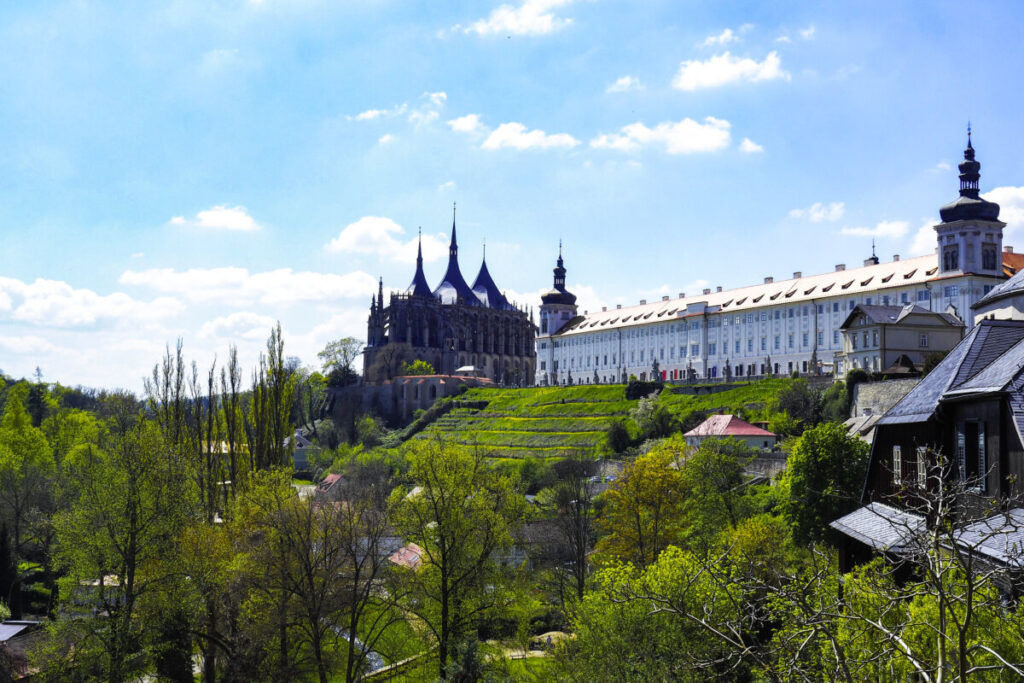
Region: Central Bohemia, east of Prague. Best for: Gothic architecture, medieval silver history, and Sedlec Ossuary. Plan for: one full day.
Kutná Hora deserves more than a quick stop at the Bone Church. Its UNESCO-listed historic center includes St. Barbara’s Church, the Jesuit College terrace, the Italian Court, and streets shaped by the town’s medieval silver wealth. Most travelers can cover the main sights on a day trip, though an overnight stay creates a slower visit.
Sedlec Ossuary sits outside the old-town core near the main railway station. Capacity is limited, so tickets use a specific date and time. The lower chapel is self-guided, visits are limited to 30 minutes, and photography is prohibited. It remains a sacred site, and the skeletal decoration has religious symbolism rather than being a novelty display.
Trains make Kutná Hora one of the easiest Prague day trips. Check which station serves your first stop: Kutná Hora hlavní nádraží is convenient for Sedlec, while Kutná Hora město is closer to the historic center. The Kutná Hora planning guide covers a fuller route, and the Sedlec Ossuary guide explains the chapel in more detail.
Book the ossuary through the official Sedlec site. A guided Kutná Hora trip from Prague is helpful if you want transport and interpretation bundled into one booking.
12. Holašovice Historic Village

Region: 17 kilometers west of České Budějovice. Best for: vernacular architecture and a rural stop on a South Bohemia drive. Plan for: 1-2 hours.
Holašovice is a UNESCO-listed living village rather than an open-air museum. Its 23 protected farmsteads surround a rectangular green with a chapel, forge, pond, and other community buildings. Most homes remain occupied, so visitors should respect private gates, driveways, and daily village life.
The farmhouses show the South Bohemian Folk Baroque style, particularly the decorated gables developed in the 18th and 19th centuries. The village is small enough for a slow walk, photography from public areas, and a stop at the tourist information center. A private agricultural museum and ceramic workshop may add context when open.
A car is the simplest way to include Holašovice with Hluboká Castle and České Budějovice. It lies north of Český Krumlov, not within the Český Krumlov district, and is better treated as part of a South Bohemia route than a stand-alone three-hour transfer from Prague.
Read the official Holašovice visitor information before planning around seasonal businesses or events.
13. Karlovy Vary

Region: western Bohemia. Best for: spa architecture, colonnades, river walks, and an overnight break from Prague. Plan for: one full day or one night.
Karlovy Vary developed around mineral springs and is one of 11 towns included in the UNESCO-listed Great Spa Towns of Europe. A useful walking route follows the Teplá River between the Hot Spring, Market, and Mill colonnades, then climbs into the wooded hills for a wider view.
Vřídlo, the Hot Spring, rises inside the modern Hot Spring Colonnade and can reach almost 12 meters. The Mill Colonnade is the grand stone arcade many visitors expect from Karlovy Vary, while the carved wooden Market Colonnade offers a smaller contrast. Together, these three colonnades form a practical first walking route through the spa center.
Tasting spring water is part of the local tradition, but a prescribed drinking cure is a medical treatment rather than a general wellness tip. Travelers with health conditions should ask a qualified clinician before consuming large quantities of mineral water or booking therapeutic treatments.
Use the official Karlovy Vary Hot Spring page for current colonnade access. A Karlovy Vary day trip from Prague is practical for travelers who do not want to arrange intercity transport, though staying overnight gives the spa district more time.
14. Špindlerův Mlýn

Region: Krkonoše Mountains. Best for: downhill skiing, snowboarding, hiking, and mountain stays. Plan for: at least two days.
Špindlerův Mlýn is one of Czechia’s principal mountain resorts. In winter, the main ski areas are Svatý Petr and Medvědín. In summer, lifts help hikers reach higher routes toward Medvědín and Pláň, where marked trails continue into Krkonoše National Park.
Stay in town or in a permitted mountain hut, hotel, or guesthouse. Camping is not allowed inside Krkonoše National Park, and sensitive quiet areas require visitors to remain on marked paths. Mountain weather changes quickly even in summer, so carry a warm layer, rain protection, a charged phone, and a route that can be shortened.
Winter travelers should book lodging and rentals ahead during school holidays and peak weekends. Summer visitors should check lift schedules rather than assuming every winter cableway operates daily.
Use the official Špindlerův Mlýn resort site for lift and slope status, and read the Krkonoše National Park mountain safety guidance before hiking.
15. Aqualand Moravia

Location: Pasohlávky, South Moravia. Best for: families, rest days, and wet or very hot weather. Plan for: half to full day.
Aqualand Moravia is the largest water park in the Czech Republic. It has indoor and outdoor pools, slides, children’s areas, and separate wellness facilities. Some outdoor attractions operate only in warm weather, while the indoor Water World runs throughout the year.
As of August 2026, Water World lists daily hours from 9 a.m. to 9 p.m., with earlier last entry and pool-closing times. Children under 15 must be accompanied by an adult, the main wellness area is restricted to ages 15 and older outside designated children’s sauna sessions, and slide height rules vary by attraction.
The complex is barrier-free and has pool access equipment for disabled visitors. Families should check which slides match each child’s height before buying a premium ticket based on attractions they may not be able to use.
Confirm current hours, seasonal areas, and ticket conditions on the official Aqualand Moravia site. The on-site Hotel Aqualand Inn is useful when the water park is the main purpose of an overnight stop.
How to fit these places into one Czech Republic itinerary
Do not try to connect all 15 places in a single week. The strongest route clusters nearby stops and leaves the national parks for trips with enough daylight and weather flexibility.
| Trip length | Suggested route | Why it works |
|---|---|---|
| 3 days | Prague: Charles Bridge, Astronomical Clock, Prague Castle, and one neighborhood beyond Old Town | Keeps the first trip compact and walkable |
| 5 days | Three days in Prague plus Kutná Hora or one overnight in Český Krumlov | Adds one major place beyond the capital without constant transfers |
| 7 days | Prague, Český Krumlov, Brno, and Moravian Karst | Combines the capital, South Bohemia, a second city, and caves |
| 10-14 days | Prague, Karlovy Vary, South Bohemia, Brno, and one national park | Allows a regional loop and at least two nights in a nature base |
If Prague is your only base, prioritize Kutná Hora and Průhonice for easy outings. Český Krumlov is feasible as a day trip but better overnight. Bohemian Switzerland, Šumava, and Špindlerův Mlýn need more weather margin and are stronger when treated as destinations rather than boxes to check.
For accommodation planning, compare the best areas to stay in Prague before choosing a hotel. Staying near a convenient tram or metro line is often more useful than paying to sleep directly on Old Town Square.
Getting around the Czech Republic
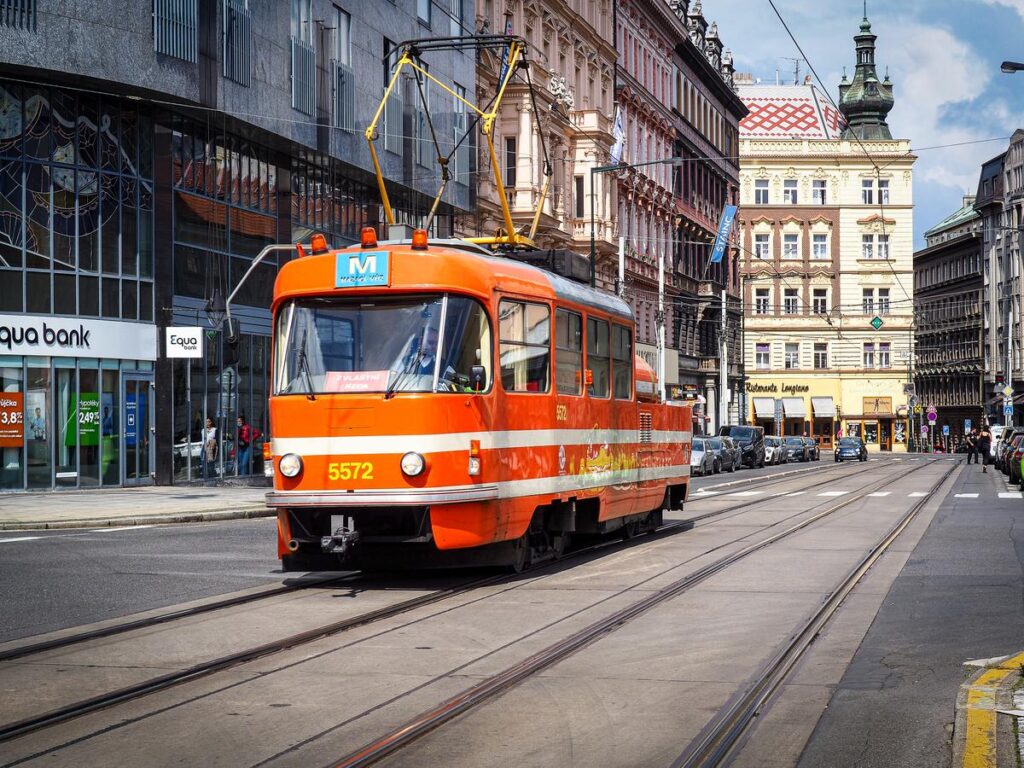
Trains and buses are the default choice for Prague, Brno, Kutná Hora, Karlovy Vary, and many intercity routes. Czechia has a dense rail network and reliable bus coverage, while Prague and Brno have extensive urban public transport. Use the official operators or a national journey planner to verify the exact connection for your date.
A rental car becomes valuable for Holašovice, multi-stop South Bohemia days, rural trailheads, and routes that combine several small towns. Avoid keeping a car while sightseeing in central Prague unless the hotel has practical parking. If you drive on tolled motorways, buy the electronic vignette only through the official eDalnice site.
Read the official Czechia transport overview before choosing between rail and road. Travelers building a rural loop can compare rental-car options, but the lowest headline rate should be checked against insurance, cross-border, fuel, and one-way fees.
Best time to visit the Czech Republic
- April through June: Good for cities, gardens, and longer daylight, though mountain and cave conditions can still be cool.
- July and August: The broadest seasonal opening schedules, but Prague, Český Krumlov, major castles, and cave tours are busiest.
- September and October: Good for city trips, hiking, and South Moravia, with shorter days and a growing chance of wet weather.
- December through March: The right period for Christmas markets and skiing. Many castle interiors, gardens, gorges, and seasonal attractions run reduced schedules or close.
There is no single best month for every stop in this article. Build the trip around the most seasonal experience: cave tickets, national-park access, ski conditions, or castle tours. Prague, Brno, Kutná Hora, and Karlovy Vary are easier to adapt when weather changes.
When a guided tour is worth paying for
A tour makes the most sense when transport is awkward, access is timed, or the site benefits from historical interpretation. It is less useful when the main experience is an easy city walk that you can structure yourself.
Frequently asked questions
Entry requirements depend on nationality and can change. Before departure, check the official EU travel-document rules for non-EU visitors and the current ETIAS status.
What are the best places to visit in the Czech Republic for a first trip?
Start with Prague, then add Český Krumlov or Kutná Hora. With a week or more, include Brno and the Moravian Karst, Karlovy Vary, or one national park. This gives you a mix of city history, architecture, and nature without spending every day in transit.
How many days do you need in the Czech Republic?
Five days is enough for Prague plus one major day trip. Seven days works for Prague, Český Krumlov, and Brno or another region. Ten to 14 days is better for a cross-country route with a national park.
Is it better to travel around Czechia by train or car?
Use trains and buses for Prague, Brno, Kutná Hora, Karlovy Vary, and other major cities. Rent a car for rural South Bohemia, small villages, and national-park trailheads. Many trips work best with public transport first and a short car rental for the rural section.
Can you visit Český Krumlov as a day trip from Prague?
Yes, but it is a long day once transport and castle schedules are included. Staying one night gives you more time for the castle, old town, and riverfront, and lets you walk the center before and after the main day-trip period.
Do I need a visa to visit Czechia?
Visa requirements depend on nationality. Many visa-exempt travelers may visit the Schengen Area for up to 90 days in any 180-day period. Non-EU passports generally must have been issued within the previous 10 years and remain valid for at least three months after the planned EU departure. ETIAS was not operating as of August 2026, so check the official EU rules before travel.
What is the best time to visit the Czech Republic?
May, June, September, and early October are strong choices for cities and outdoor sightseeing. July and August have the widest seasonal opening schedules but larger crowds. Winter suits Christmas markets and skiing, while many castles, gardens, gorges, and caves use reduced schedules.
Choose one region beyond Prague
The most satisfying Czech Republic itinerary is selective. Use Prague as the anchor, choose one easy cultural day trip, then spend real time in South Bohemia, Moravia, western spa country, or the mountains. The Czech Republic destination hub can help connect these stops with deeper city and attraction guides.
Before booking, recheck the official ticket page for every cave, castle, ossuary, water park, and national park on your route. Those details change faster than the reasons these places are worth visiting.